The Parque dos Lagos is a settlement in the Brazilian city of Colombo, where over 200 families live in improvized homes without basic infrastructure. The community—a microcosm of Brazil’s broader housing crisis, where millions live without a safe, adequate home—lives suspended between hope and vulnerability. Photojournalist Priscila Ribeiro tells Gem Fletcher what it was like to get to know a community as they try to preserve memories, rebuild dignity and imagine a possible future.
Since 2016, we’ve partnered with the World Press Photo awards to tell the stories behind the best photojournalism around. Each year, we meet a selection of the winners and hear, in their own words, what went into capturing every monumental shot, from beautiful scenery to watershed historical moments.
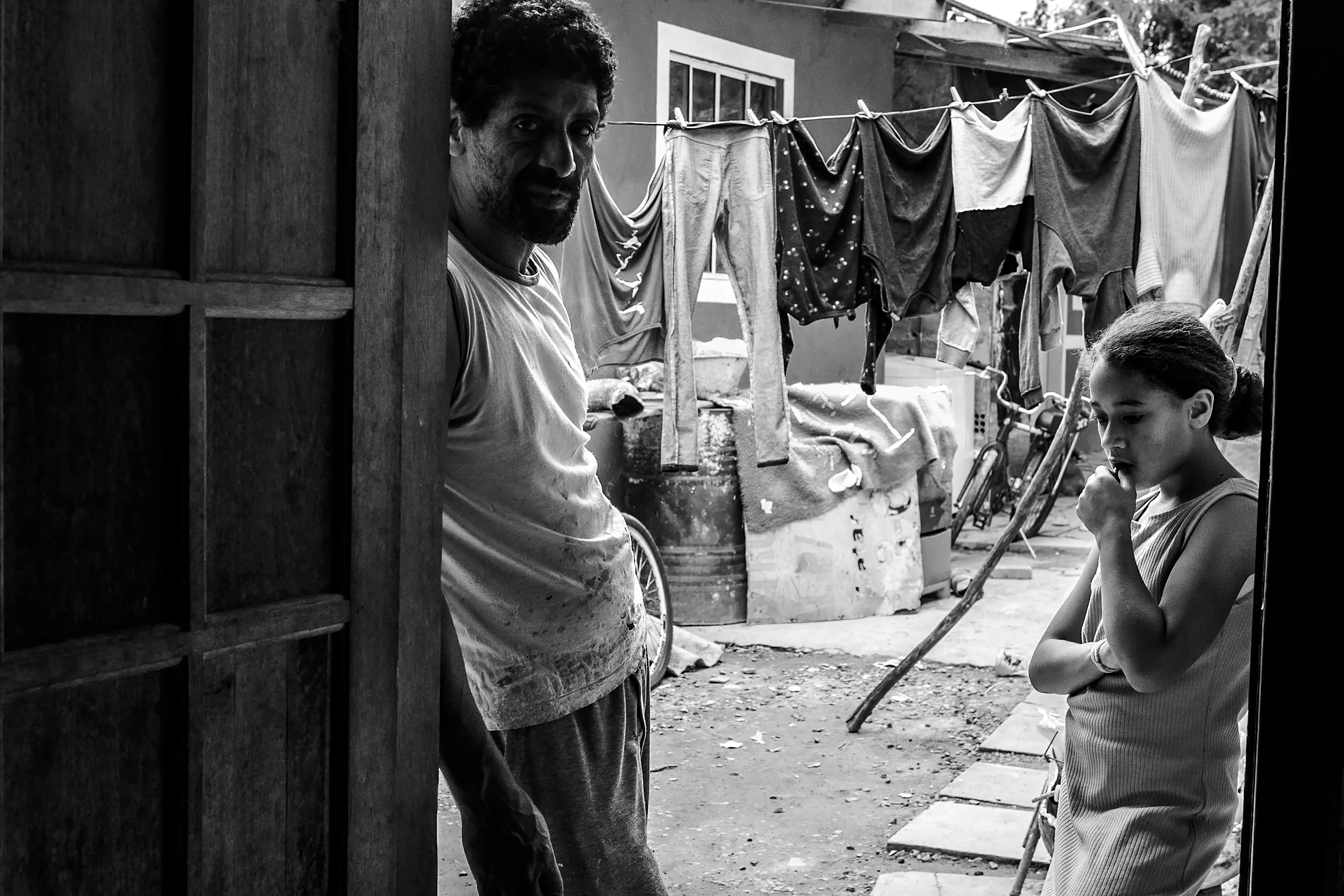
“Walking through the Parque dos Lagos settlement first means encountering a scene of great precariousness,” explains photojournalist Priscila Ribeiro. Her work explores social issues involving people, places and history, addressing inequality, human rights, gender violence and environmental justice. “There is no asphalt, the paths are dirt, and there is a lack of basic infrastructure such as electricity, sewage and water. The houses are makeshift, mostly made of wooden panels or repurposed wood. But as you begin interacting with the residents, a new perspective emerges. Amid the precariousness of the environment, friendships form, gestures of care appear, a strong support network develops. The settlement ceases to be just a space marked by precariousness and becomes a territory of solidarity, resistance and collective building. A place where, despite the difficulties, people reinvent themselves and create ways to live.”
The houses are makeshift… but friendships form, gestures of care appear, a strong support network develops.
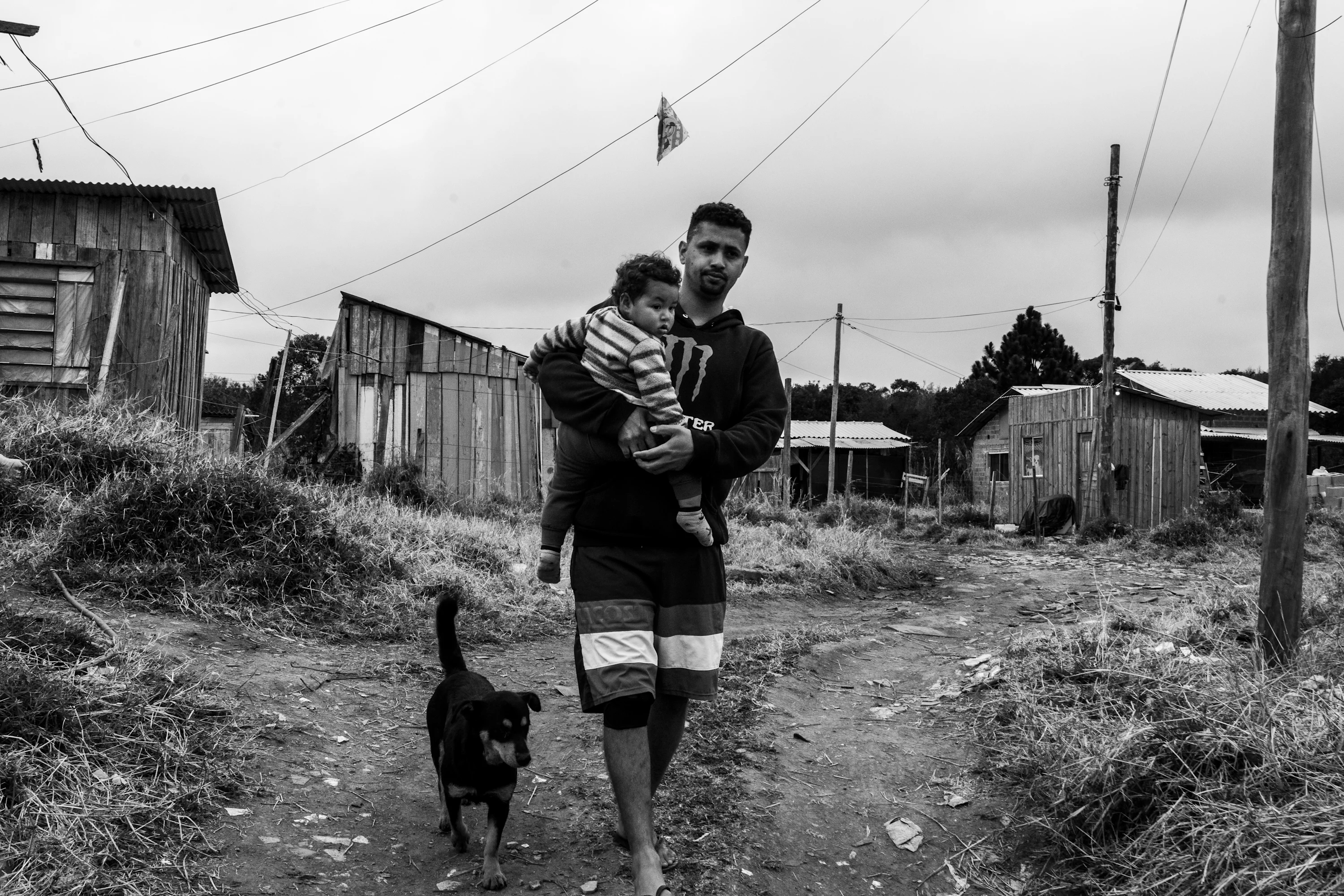
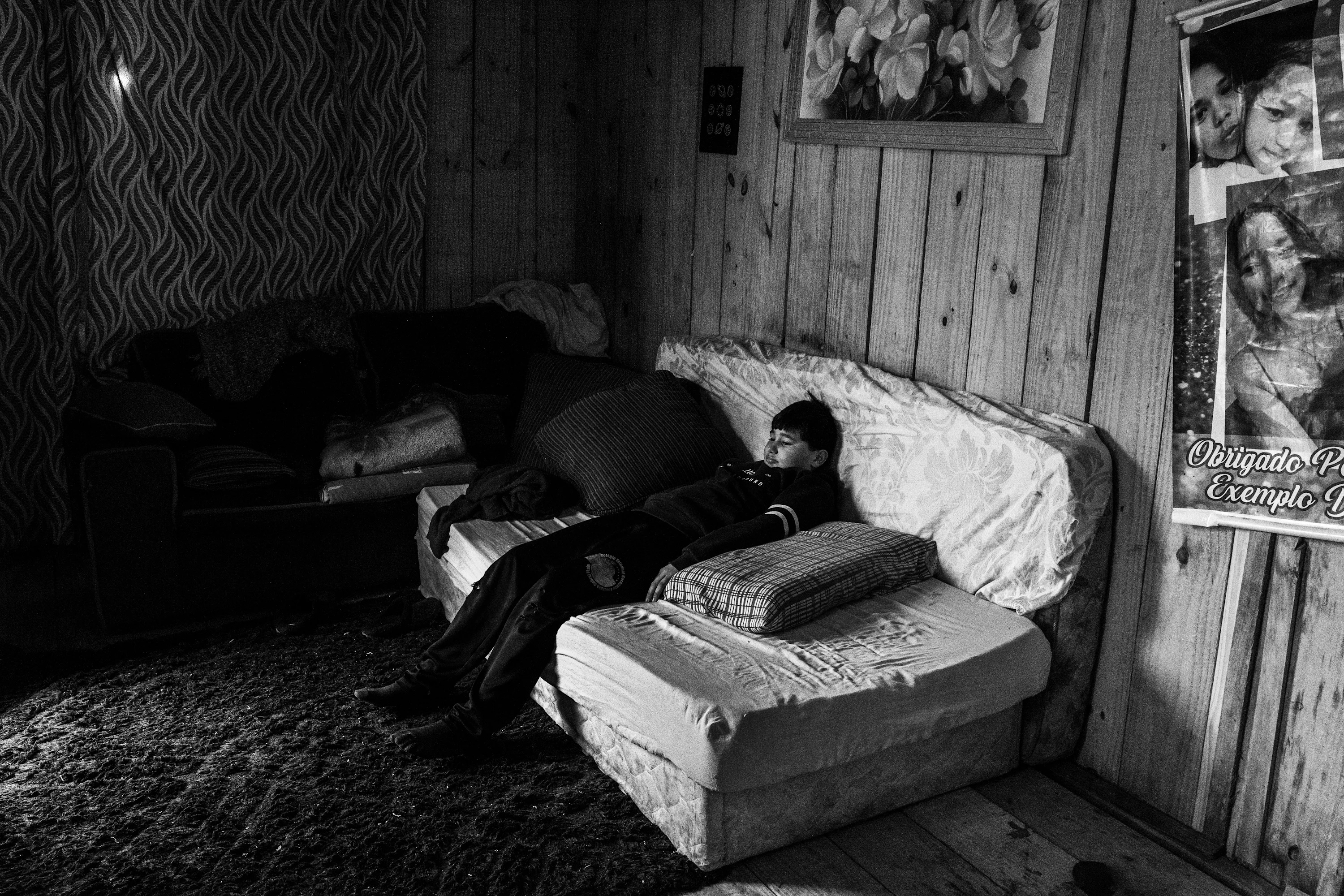
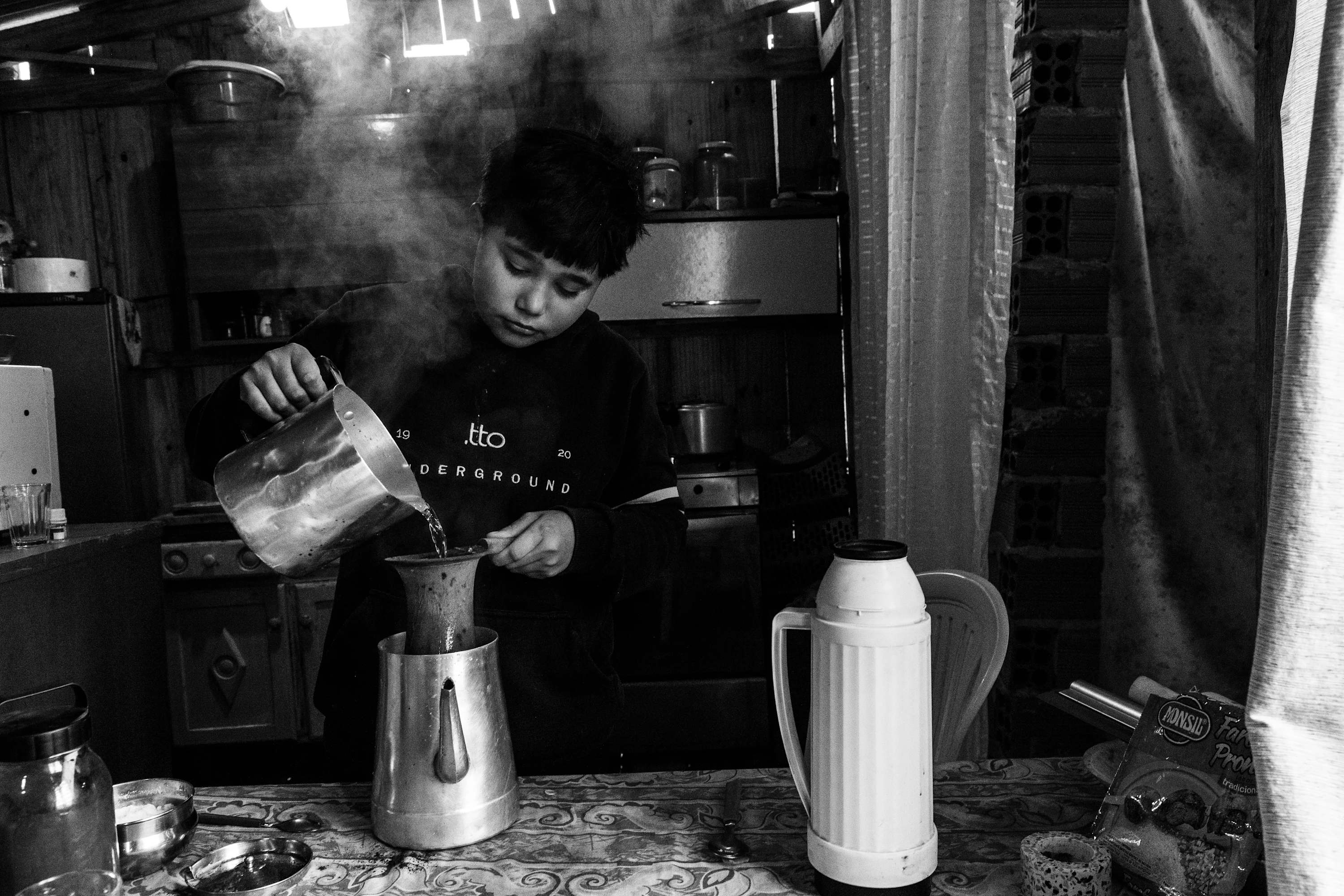
Through her series “A Territory of Hope,” Ribeiro bears witness to the complexity of life in a provisional territory. Every image becomes a portrait of resilience. We see Admilson, a metal worker, walking with his son Arthur along a dirt road. He has lived in the settlement for four years with his wife and two children. Behind him, a row of precarious makeshift homes fills the frame, some in desperate need of repair. In another image, Ryan—a 12-year-old boy who lives with his mother, Fabiana, and his sister, Tayla—watches TV on a makeshift sofa made from mattresses. The scene quietly illuminates the creative improvisation of residents who seek a sense of function and normality amongst the constant unknown.
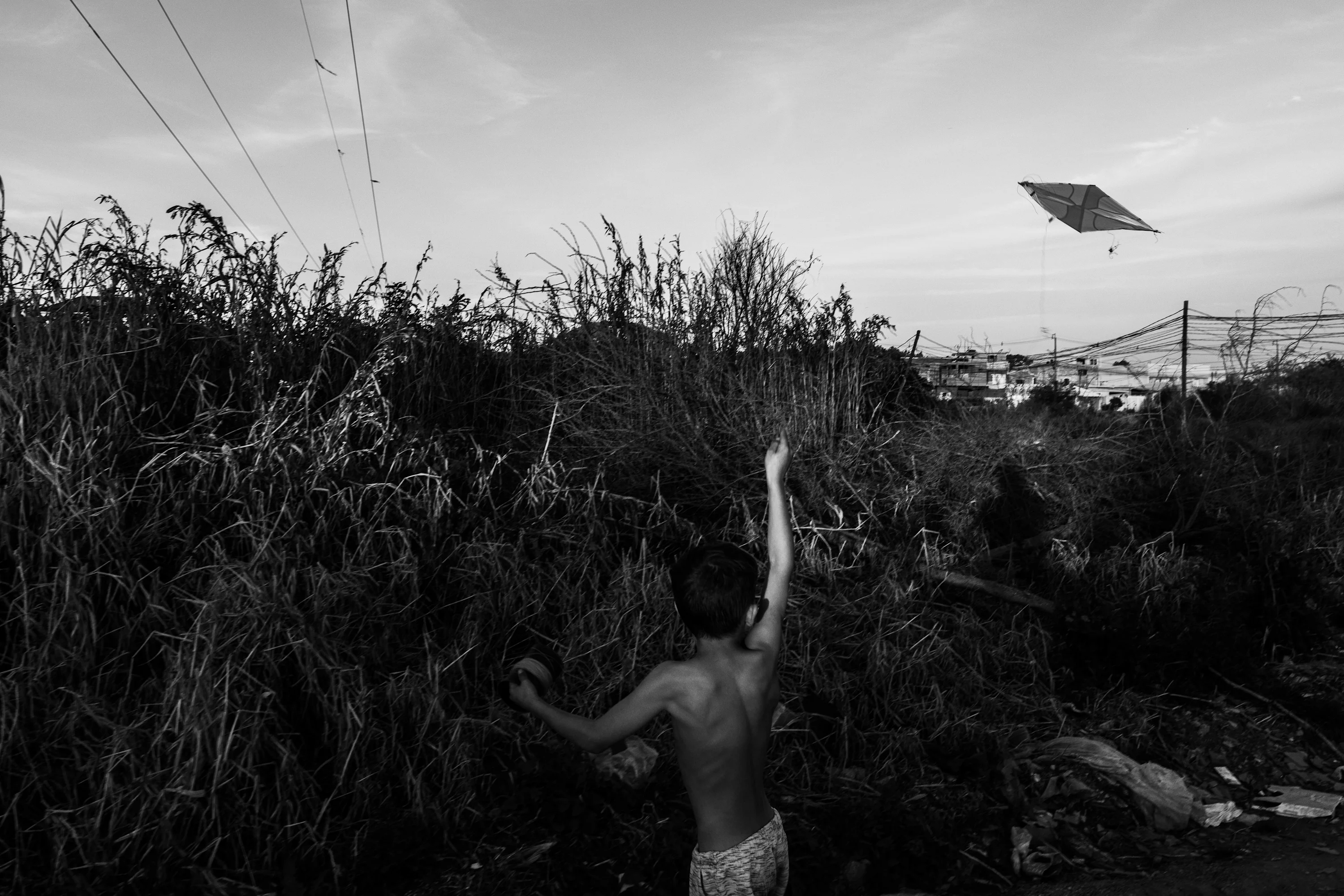
Ribeiro describes the impact on children living in the settlement as “significant.” From an early age, they lack access to basic infrastructure. The absence of safe spaces for leisure directly affects their health, education, quality of life and social development. In addition, many children carry the burden of stereotypes and stigmas, which can influence how they are seen and treated outside the community. Despite the challenges they face, the community in Parque dos Lagos remains engaged and active, driving advocacy and community initiatives in partnership with the Movimento dos Trabalhadores Sem-Teto. Together, they cultivate a sense of belonging through organizing special events to strengthen social bonds and run a regular solidarity kitchen, where residents prepare meals and distribute them to the most vulnerable members of the community.
Despite the difficulties, people reinvent themselves and create ways to live.
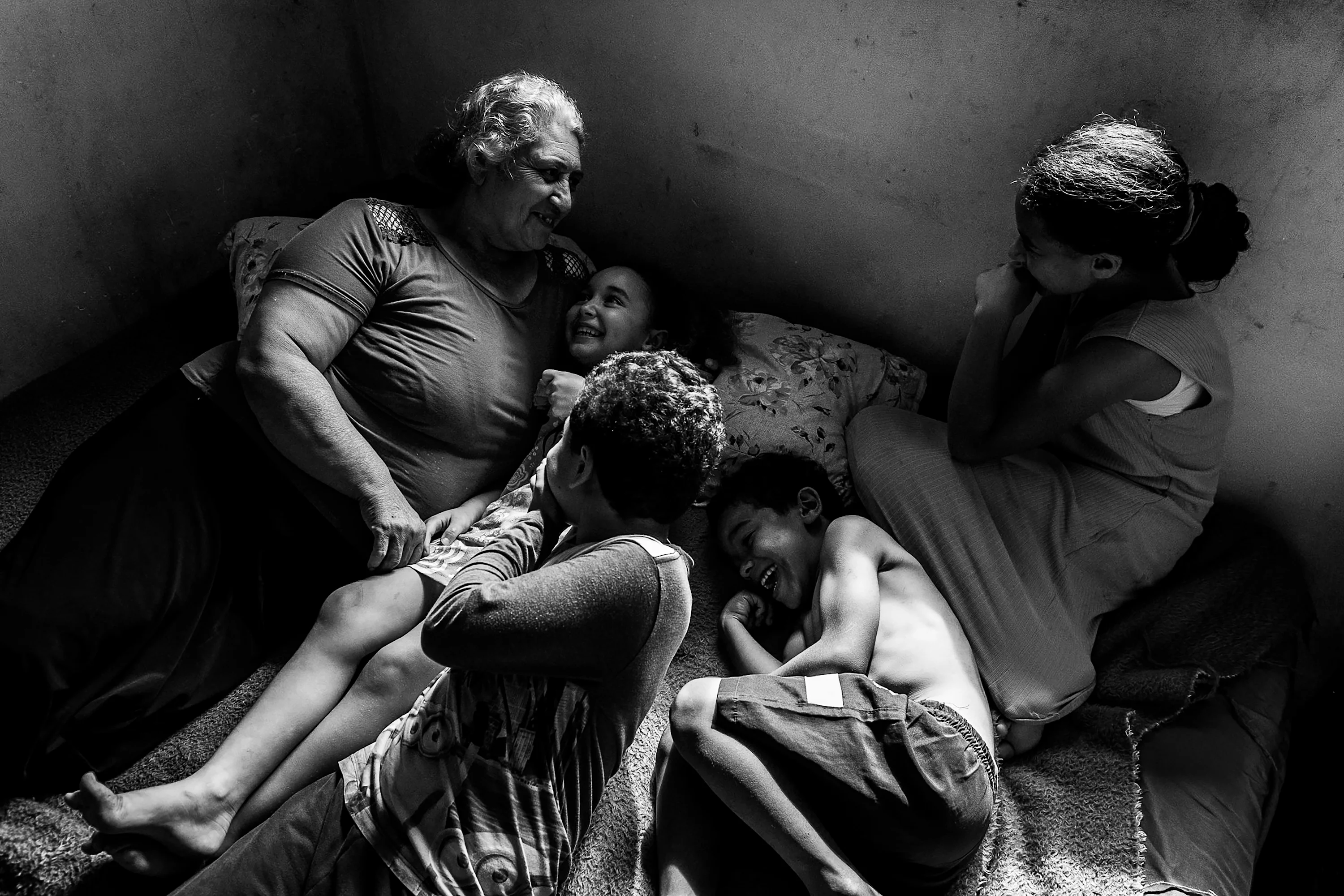
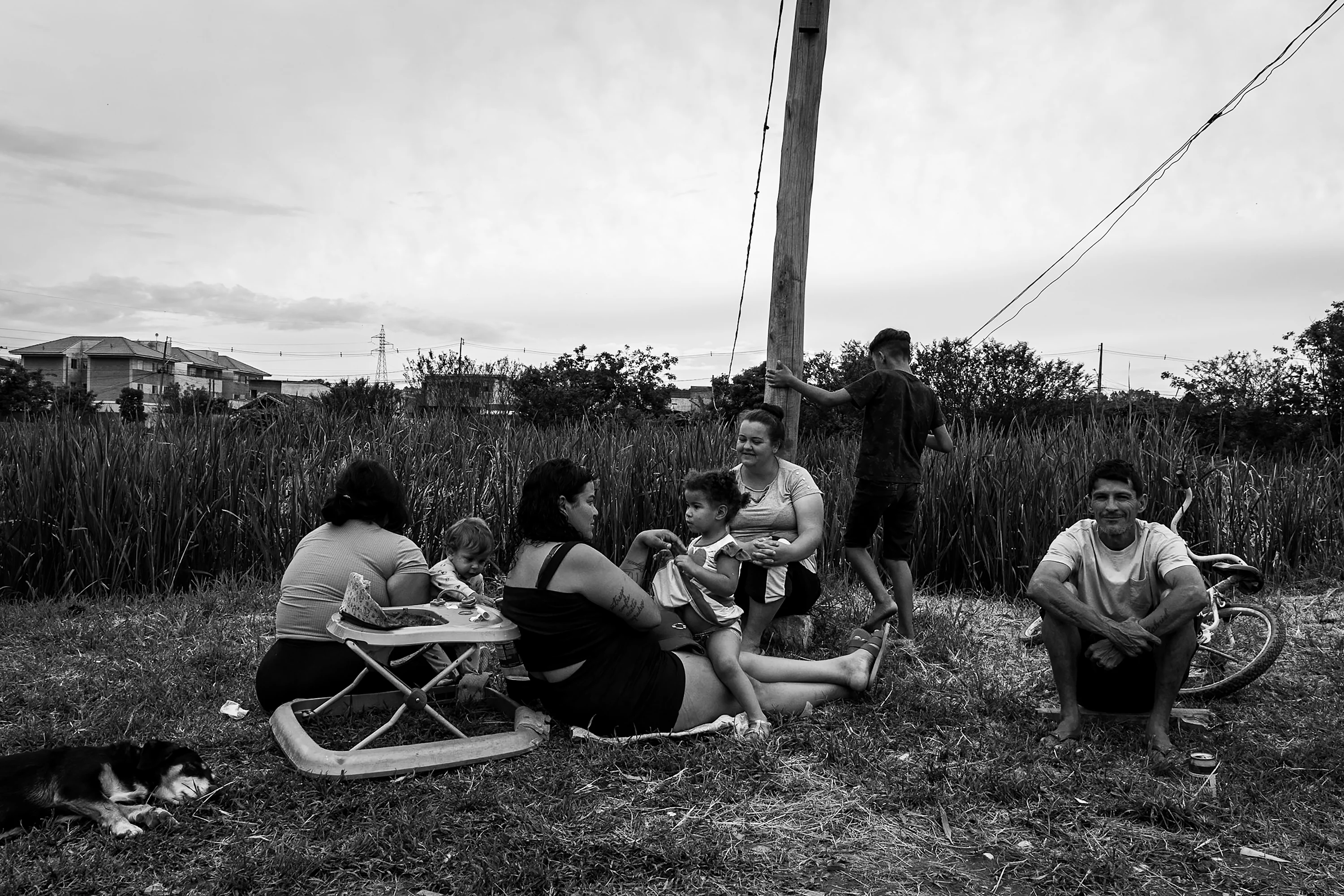
Ribeiro’s award-winning image captures a moment of joy between Sandra Siqueira and her four grandchildren, Michael, Davi Lucas, Ana Flávia, and Vitóri. “Sandra and her husband were among the first residents of the settlement and have lived there for 13 years,” Ribeiro explains. “Unable to afford rent, the family found a way to live, even amidst precarious conditions. During their time, they have already faced multiple eviction threats, but hold onto a dream of the regularisation of the land so that they can finally have their home.”
On the day the photo was taken, Ribeiro had brought printed photographs she had previously taken of the family. “Sandra was very happy, since they didn’t have any family pictures,” she says. “Shortly after, she went to prepare Geladinho, a creamy sweet she sells on the street for extra income. When she finished, she went to her bedroom to rest. Her grandchildren came in, talking excitedly about the game they were playing outside. I was already in the room and climbed onto the bed to capture the moment.”
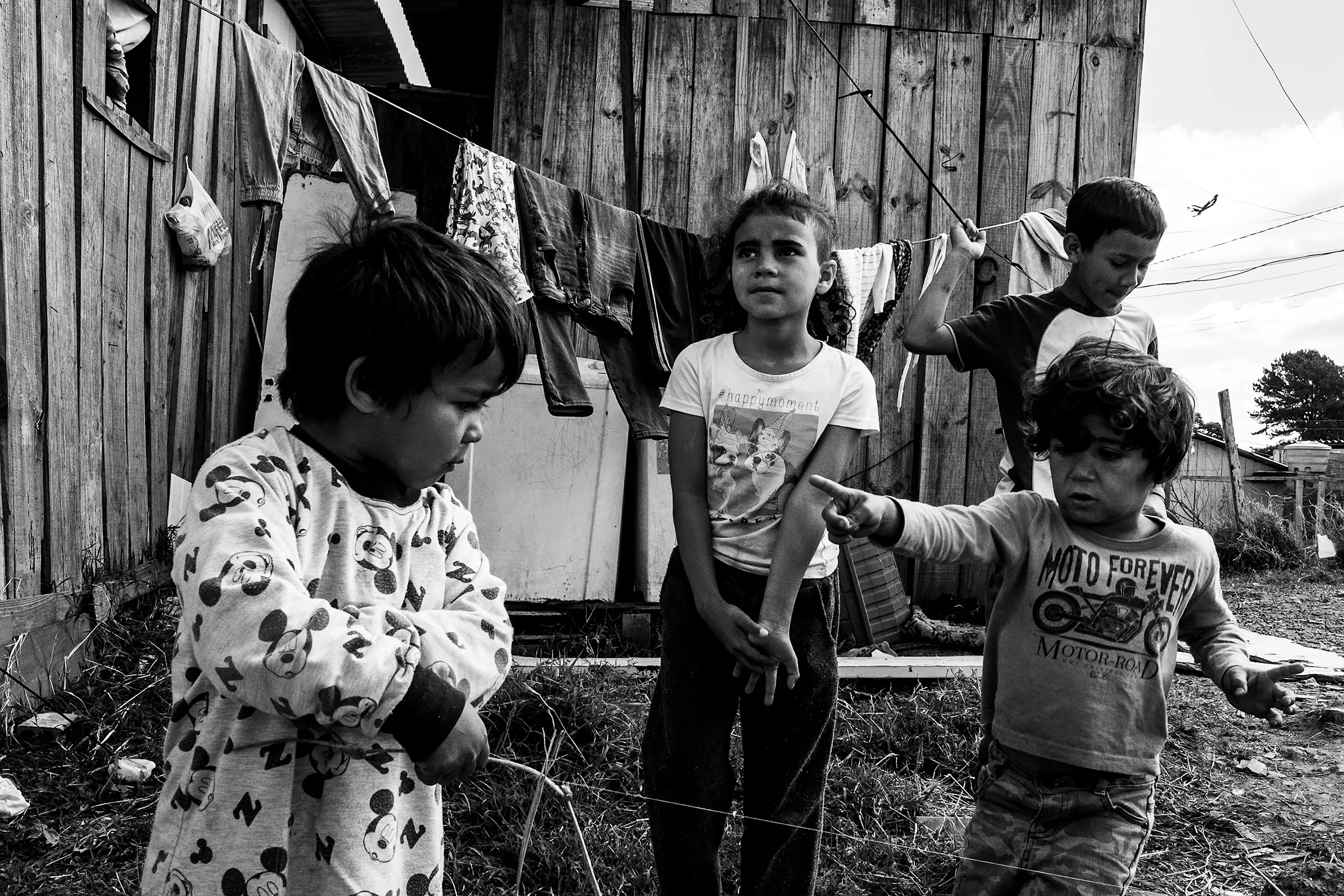
“A Territory of Hope” was born from Ribeiro’s urgent need to understand the stories behind the statistics of Brazil’s housing crisis, and for her, that knowledge could only come from proximity. She spent nearly every day for four months living alongside the community and listening to their stories. This closeness enabled the work to go beyond merely documenting living conditions, and instead unravel a complex network of relationships and resilience that encompasses everything from the construction of homes with limited resources to the small daily gestures of care they extend to one another despite having so little.
“Throughout my journey, I have learned to observe more and photograph less,” Ribeiro says. “The best images do not always arise solely from what is aesthetically beautiful or from following rules of composition or framing, but from the feeling they convey.”