
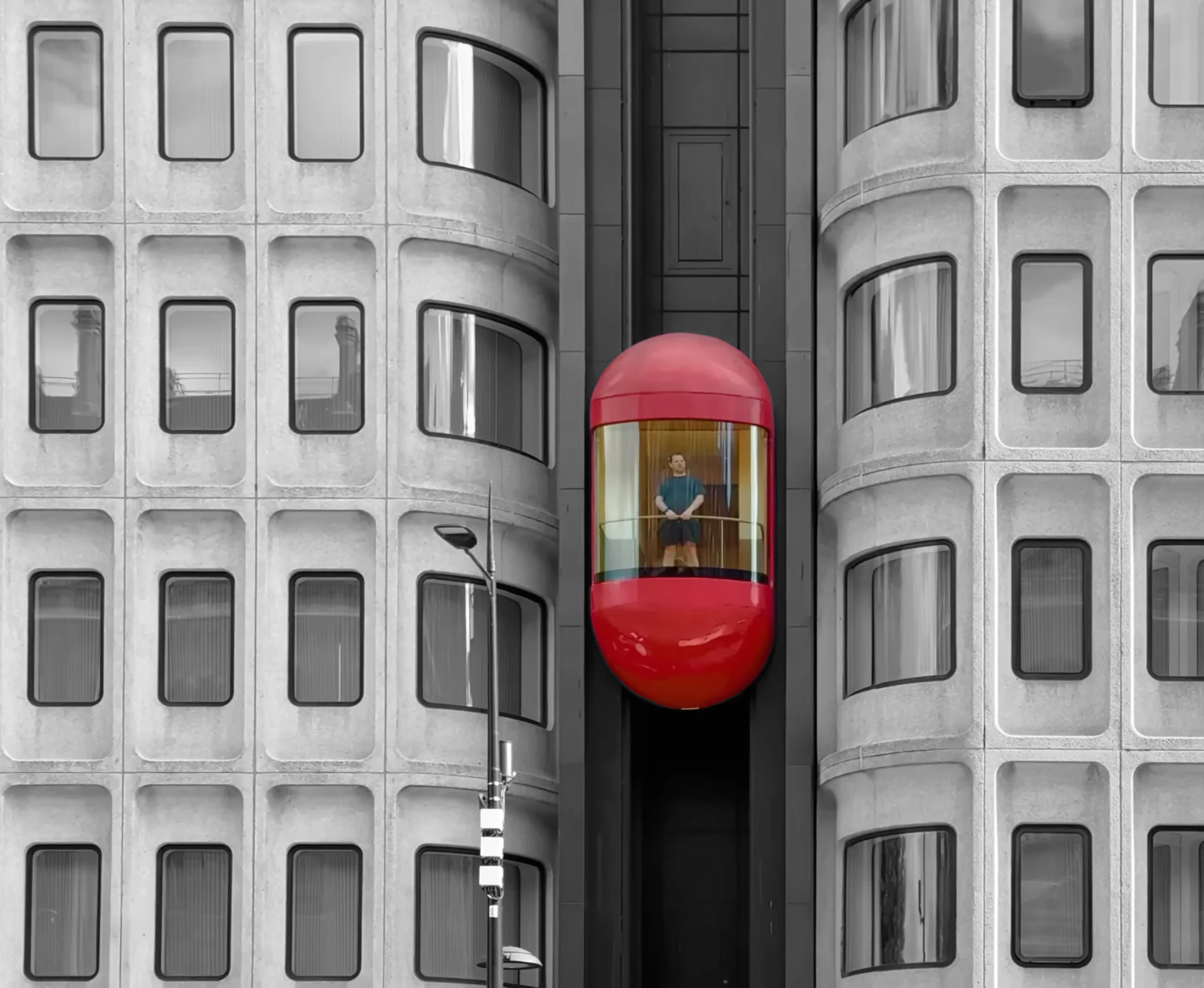
Toward the end of 2023, for her final thesis project at Berlin’s University of the Arts, Paula Hornickel began investigating the increasingly commonplace encounters between humans and robots across Germany, from the ones used in hospitals to the mechanical dogs keeping people company in their homes. She tells Bruno Bayley why, despite her project generally capturing the presence of robots in our lives in a more positive, hopeful light, her initial unease about the future of AI and robotics remains.
Since 2016, we’ve partnered with the World Press Photo awards to tell the stories behind the best photojournalism around. Each year, we meet a selection of the winners and hear, in their own words, what went into capturing every monumental shot, from beautiful scenery to watershed historical moments.
Paula Hornickel’s interest in the state of AI and robotics was in part spurred by videos on social media—clips of robots dancing, running marathons or awkwardly interacting with people—but it was also driven by a feeling of unease around the pace of change. “ChatGPT launched at the end of 2022 and has so quickly become part of our everyday life… I felt like everything was developing so quickly that I was losing track of developments. I wanted to take a closer look at what was really going on, to see whether those videos online were promotional, or reality.”
Toward the end of 2023, Hornickel began to investigate the encounters between humans and robots across Germany. The images form an exploration of the spaces where, as the photographer puts it, “the future is already being lived.”
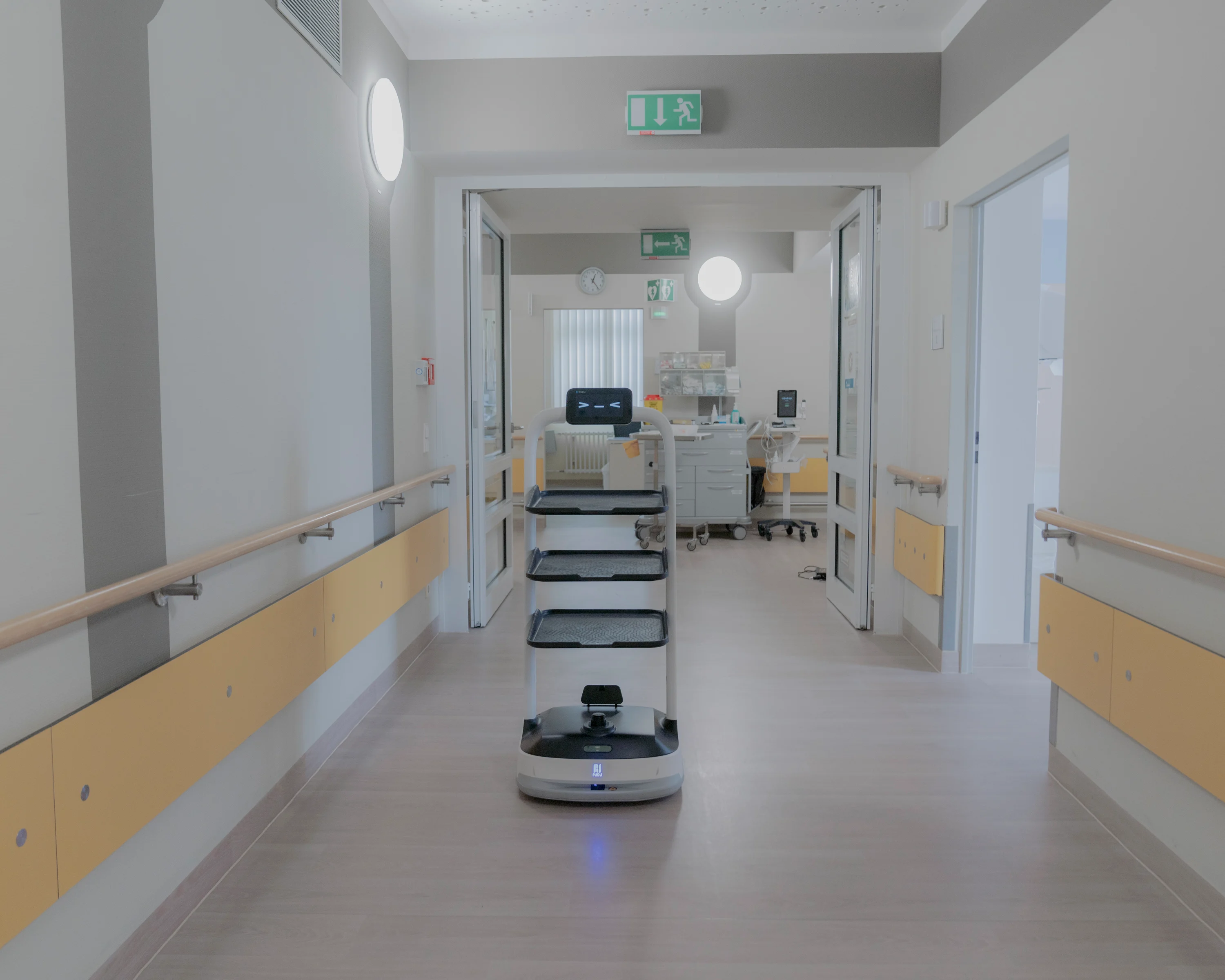
When a hospital in her hometown of Cottbus began employing robots as part of a wider digitalization pilot project, the news offered her a personal embarkation point for her series. She later attended Exponential Europe, a leading trade fair for autonomous robotics and technologies, “to meet people, to learn, get contacts and business cards.”
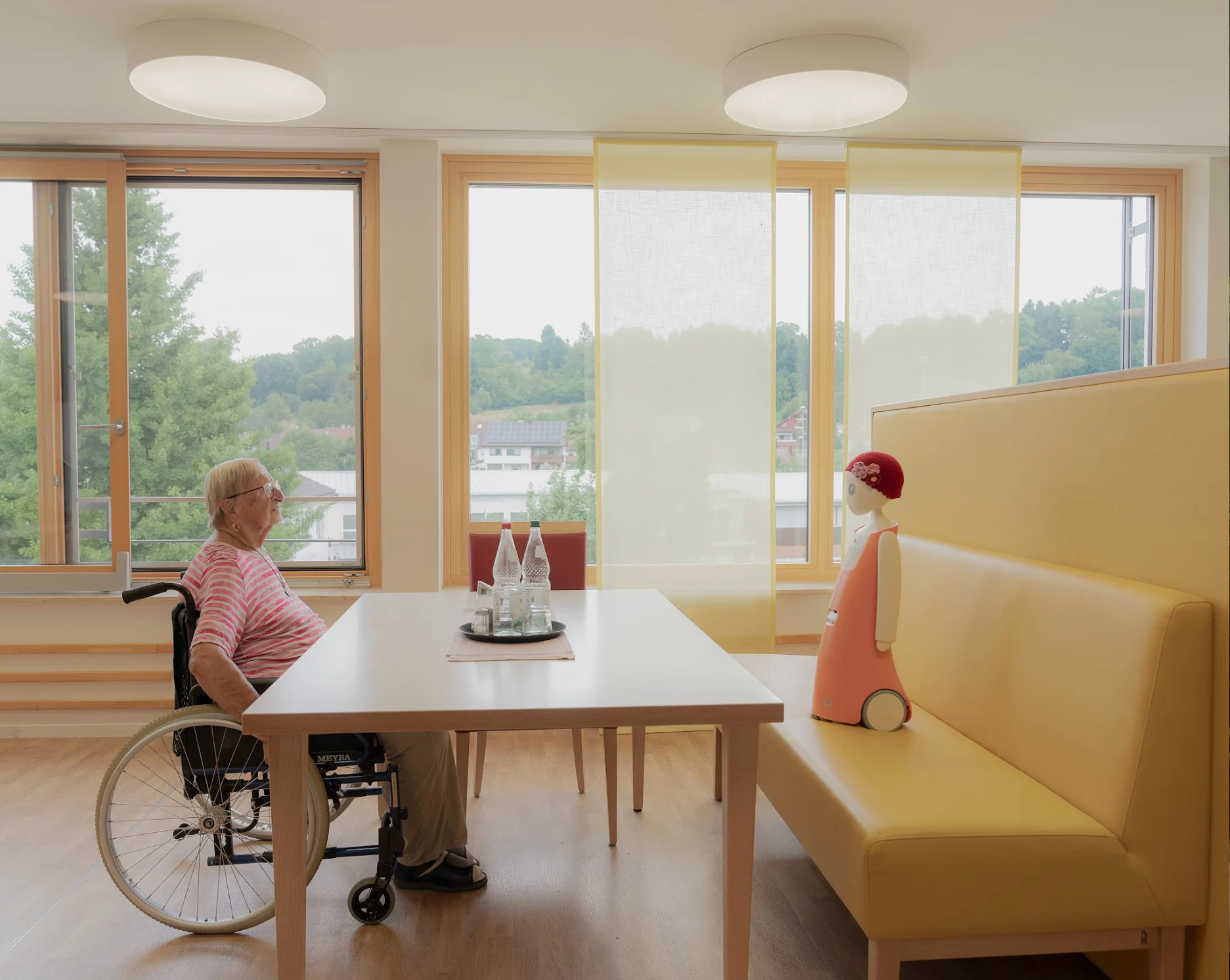
Germany, unsurprisingly, makes extensive use of industrial robots, but Hornickel wanted to focus on robots in less familiar contexts. “In social or care settings, less obvious places where they are having an impact on society,” she says. “Places where robots are not just tools, but companions.”
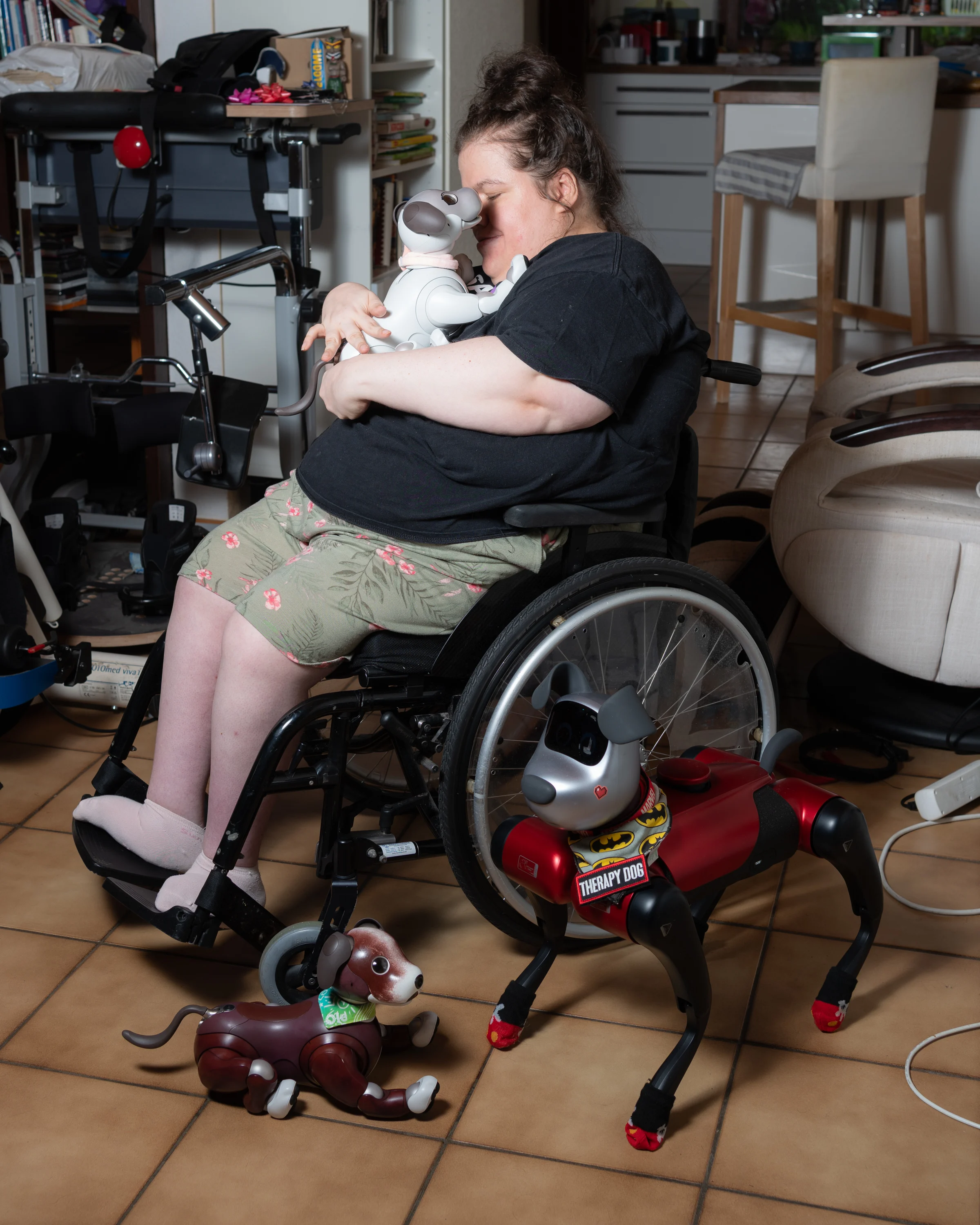
“I visited multiple places where people with various disabilities were collaborating with robots: an inclusive dance company and a care home for example,” Hornickel explains. “What stood out for me was that for many of them, robots were not just technical tools; they helped them with gaining independence. Many of them felt less judged by the robots.”
Hornickel photographed one subject, Julia, in her private home, where she has a number of robotic dogs. “Julia told me that because of her Infantile Cerebral Palsy (ICP) and emotional dysregulation, she is not able to look after what she calls ‘a biological dog,’ but robotic dogs allow her to have that sense of companionship, at her own pace,” she says. “They give her emotional support and entertainment.” Julia’s feeling was that robots were “less biased than humans,” and less likely to focus on (or be awkward about) her wheelchair. “People have a fear of contact, which robots of course don’t,” she adds. “I found that very interesting.”
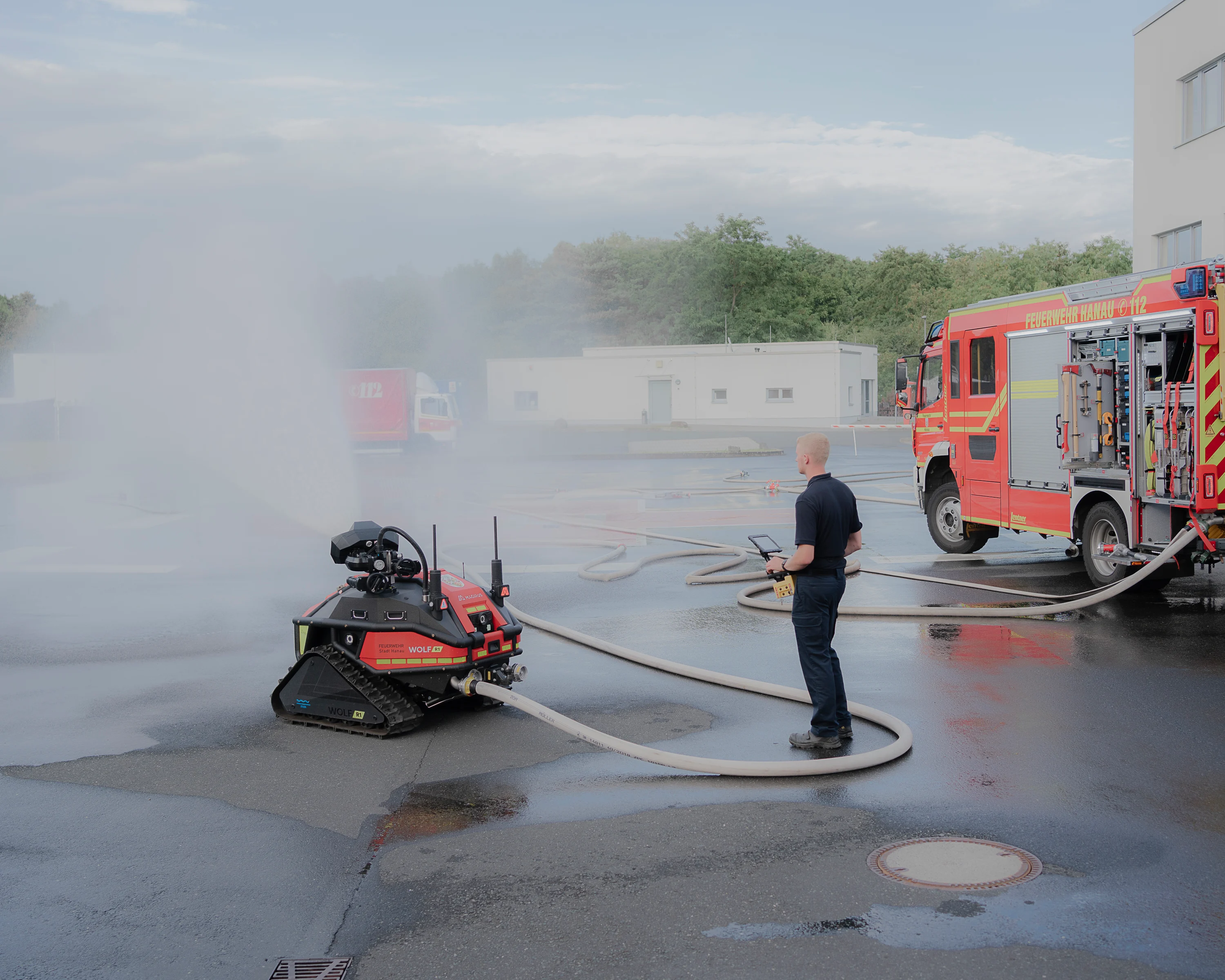
The “Anthrobocene” project focuses on the potential of robots in a generally hopeful sense: their use in care settings and their ability to work where humans are at their limits, for example in dangerous contexts like firefighting, but Hornickel’s initial unease about the future of AI and robotics remains. “There are moral implications that I find challenging,” she says. “There’s a lot of global pressure to develop these new technologies, and it sometimes seems they are introduced before there are clear rules or regulations around them. To me, the biggest question is: who is responsible if a robot is acting autonomously?”
Hornickel was denied access to Germany’s military, whose use of robots she wanted to document, but the weaponization of new technologies is deeply unsettling for her. “If you look at the war in Ukraine, for example, you can see how much AI is already being used in modern warfare,” she says. “You can see how the same technologies can be used in totally different ways: a drone that can find and identify missing persons can also be used to identify, target and kill people.” Asked to boil her misgivings about militarized robotics down, the photographer says she feels “that through AI and robots we are reducing human responsibility, while increasing our distance from the act of violence, which is really concerning.”
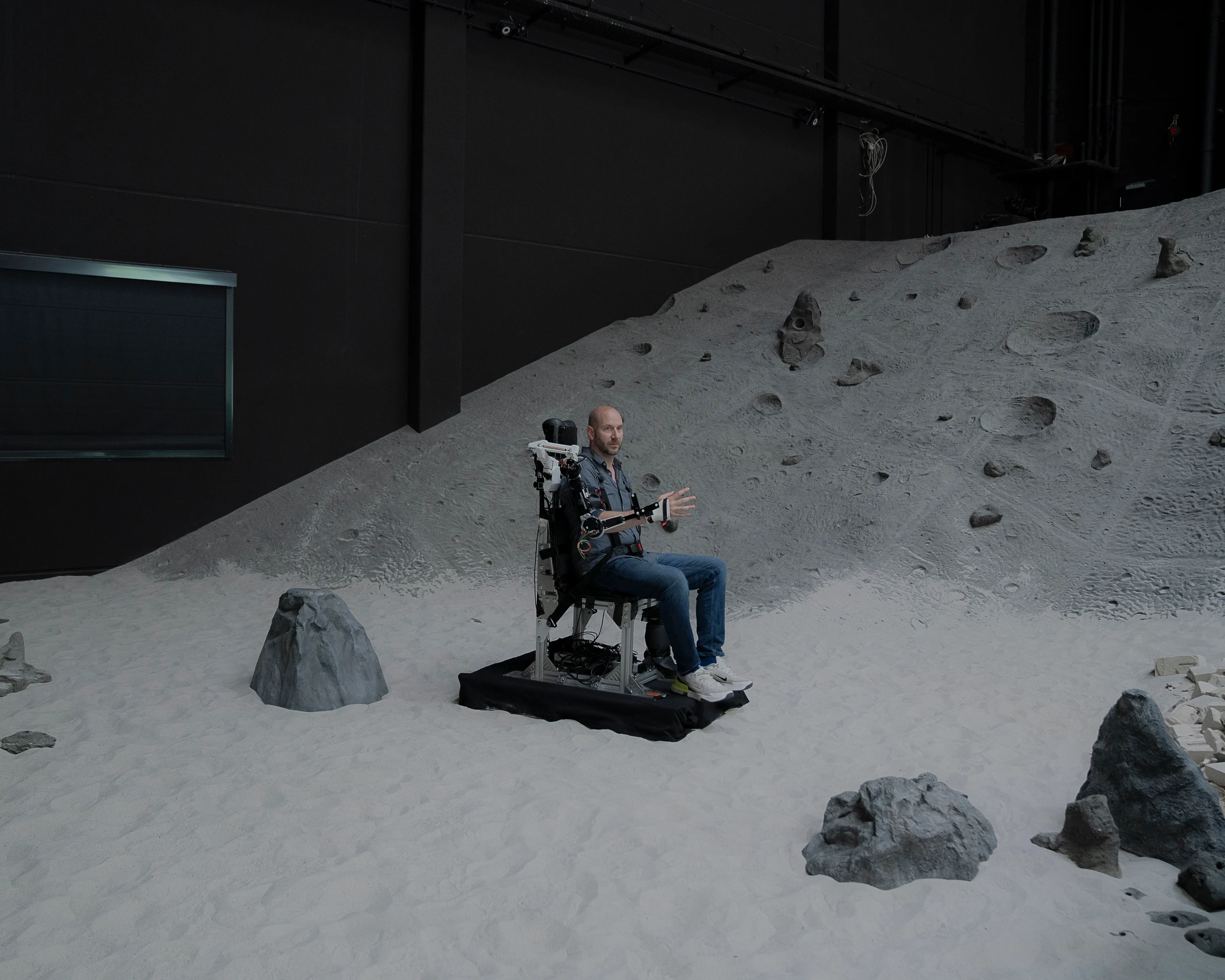
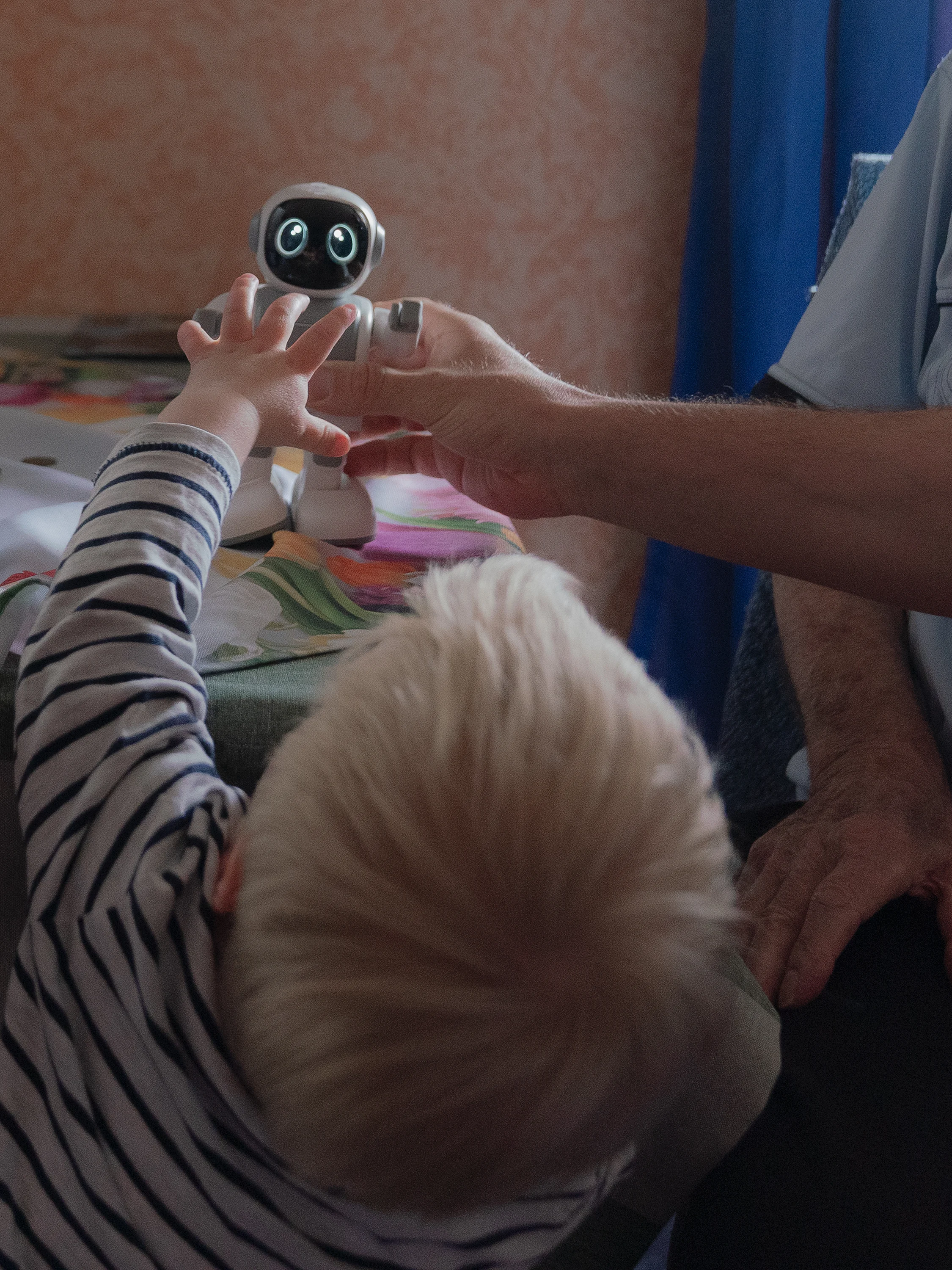
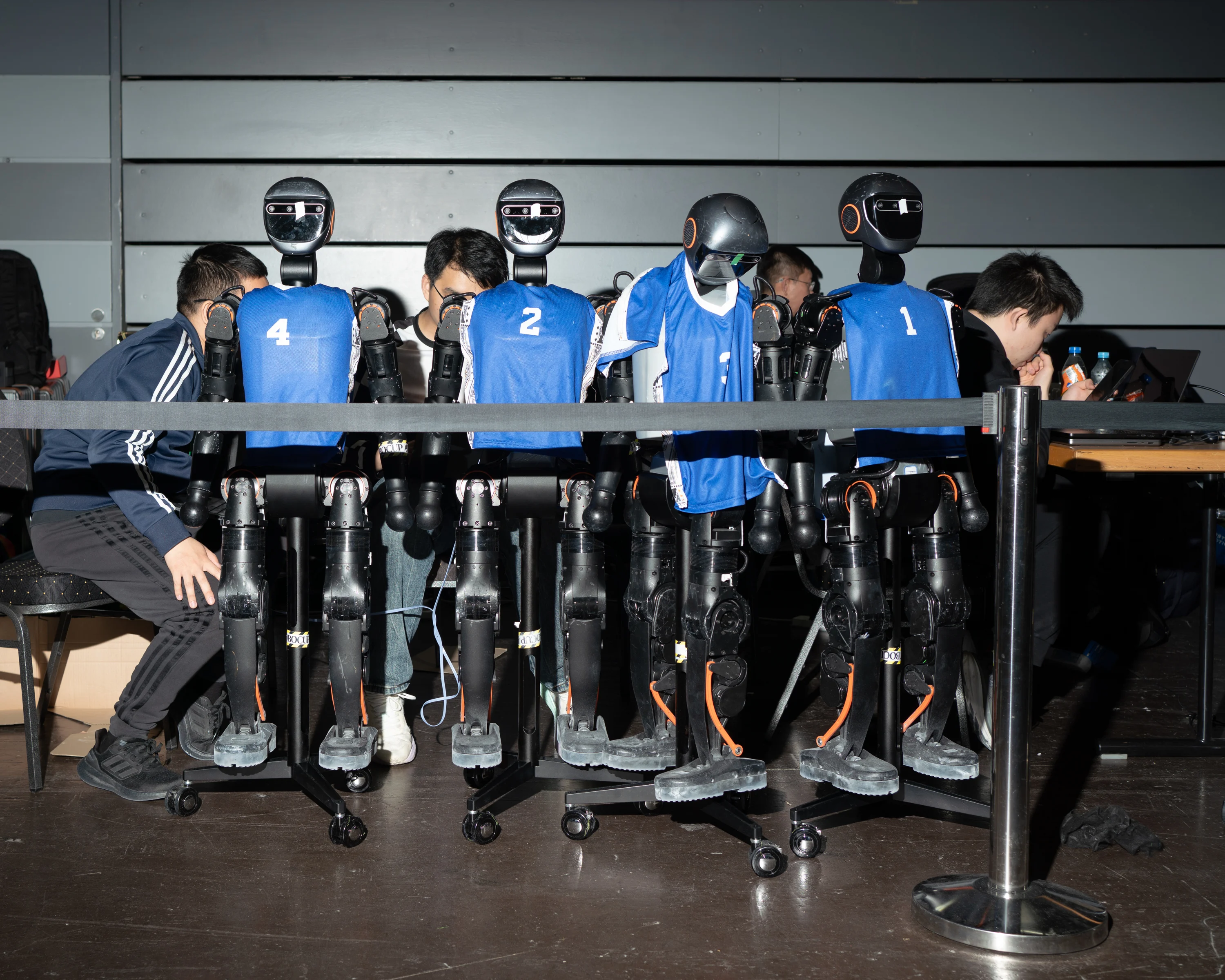
From the outset Hornickel wanted the project to feel neutral, “getting an overview of the world of robots to in turn offer that overview to others,” as she says. “It was important that I didn’t have either a dystopian or utopian view. I went to these places, took photos and created this vision of places where robots are already in our lives.”
Despite that neutrality in her motivation, Hornickel hopes a viewer will go away asking questions about robotics and artificial intelligence. “What relationships do we want with these technologies?” she asks. “What role do we want them to play in our future? How much autonomy do we want to give them, and what social and ethical implications come with that? These robots exist within a capitalistic system. Who is making them, who owns them, who profits, and how? These are important questions.”