
Watch Amrou Al-Kadhi’s hyperreal film exploring generational trauma
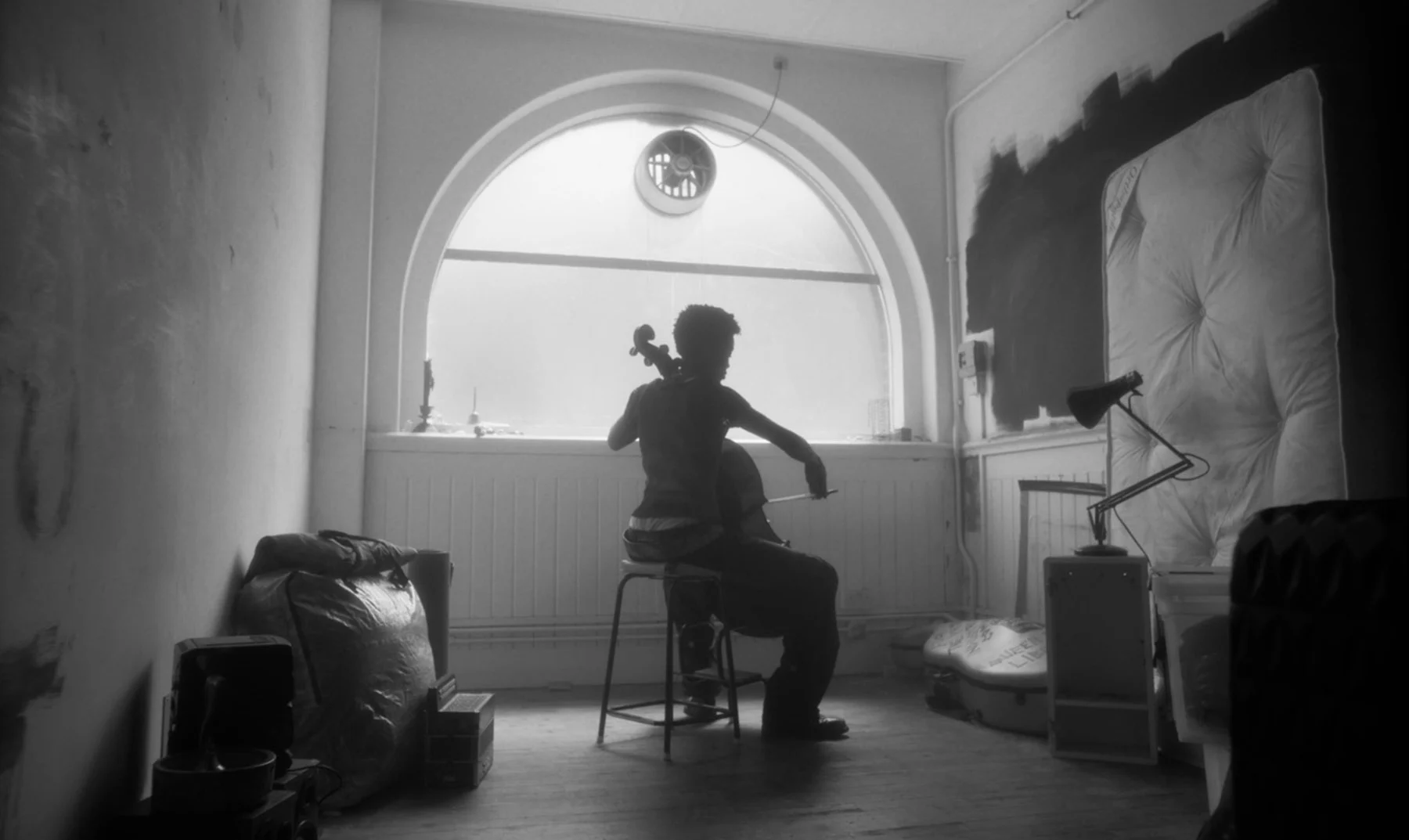
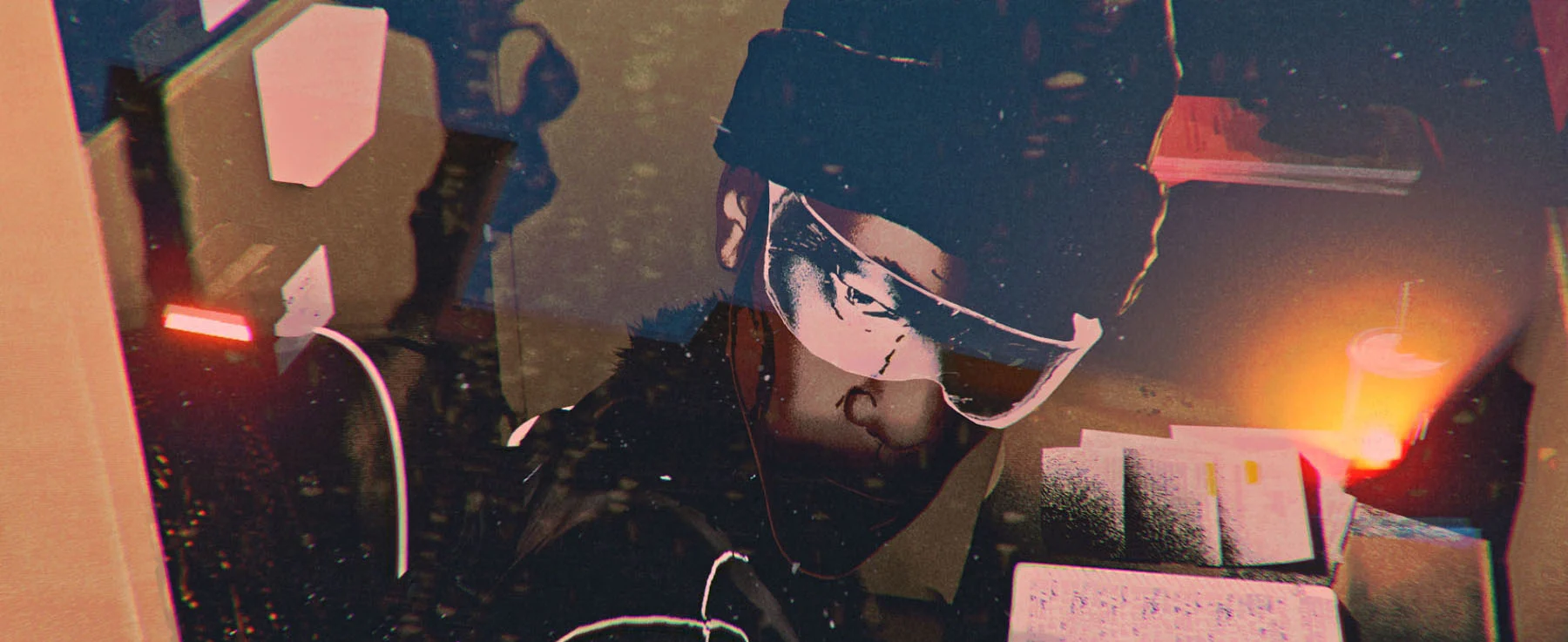
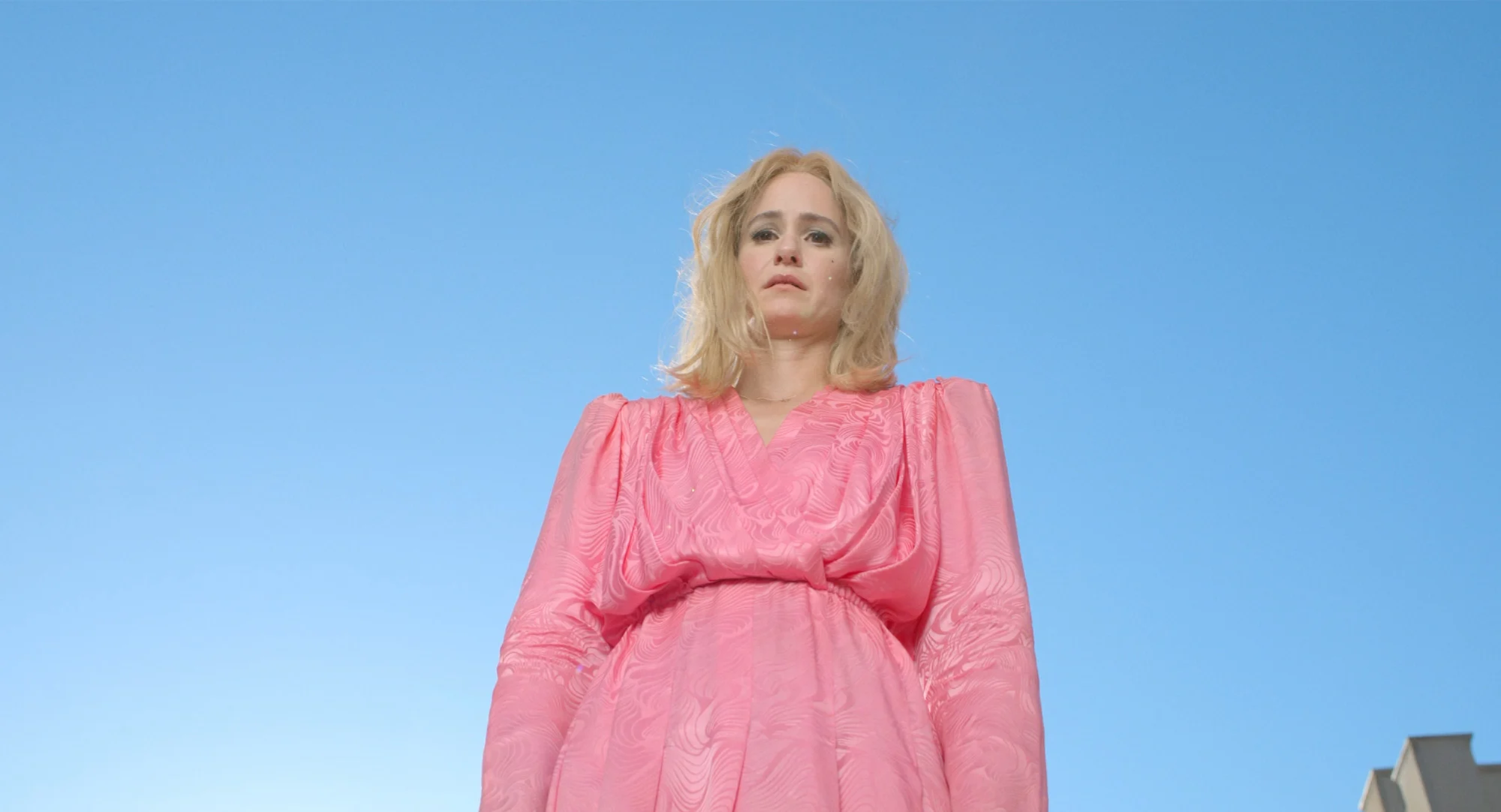
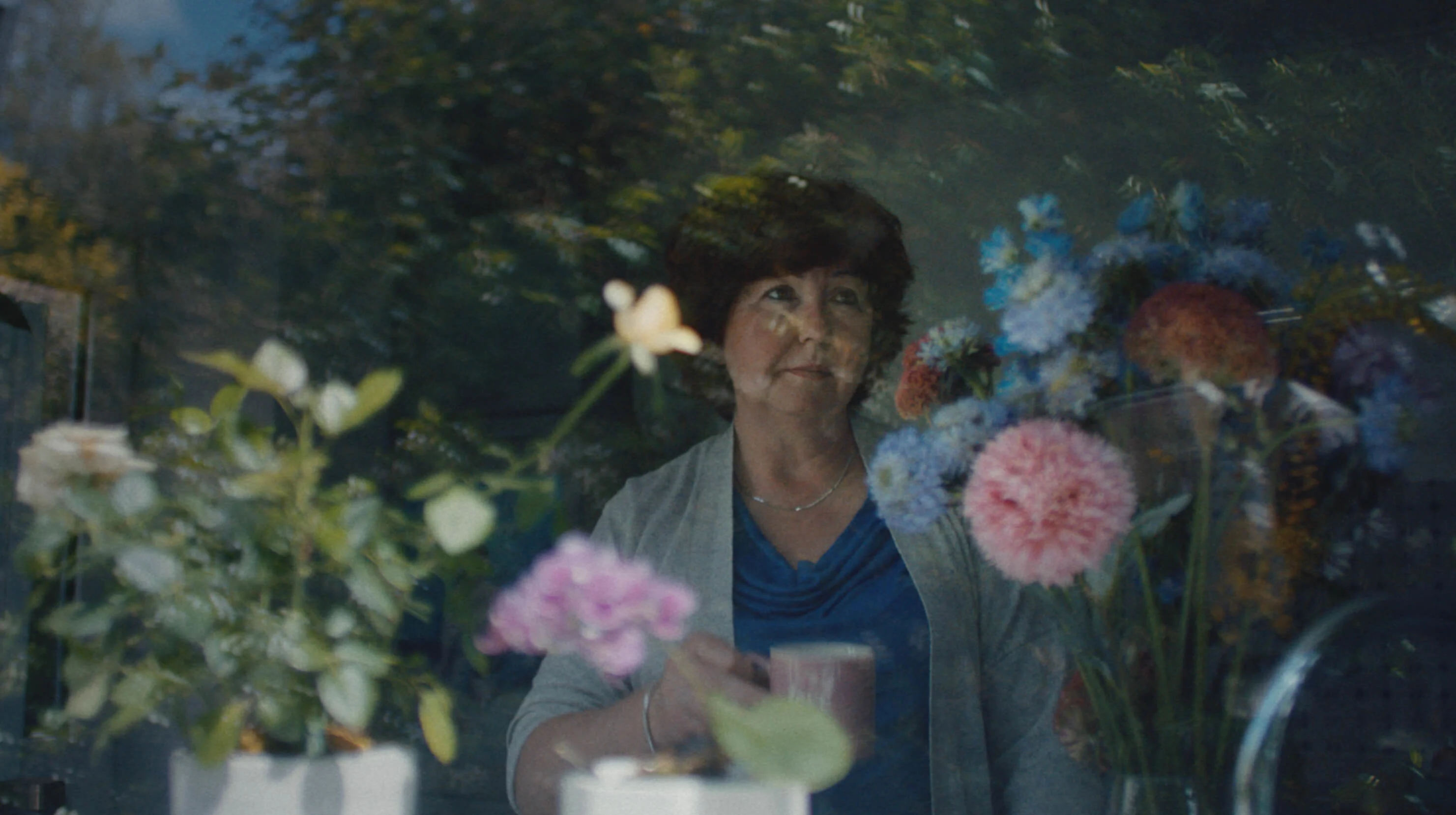
Filmmaker Amrou Al-Kadhi’s WePresent commissioned film “Original Sin” may be a work of fiction, but its genesis is rooted in hard truths and family trauma, subject matter that the filmmaker is exploring as a form of creative catharsis. Here, Al-Kadhi sits down with close friend and “Pillion” filmmaker Harry Lighton to delve deeper into the film’s meaning and why the time felt right to put their nightmares on the silver screen.
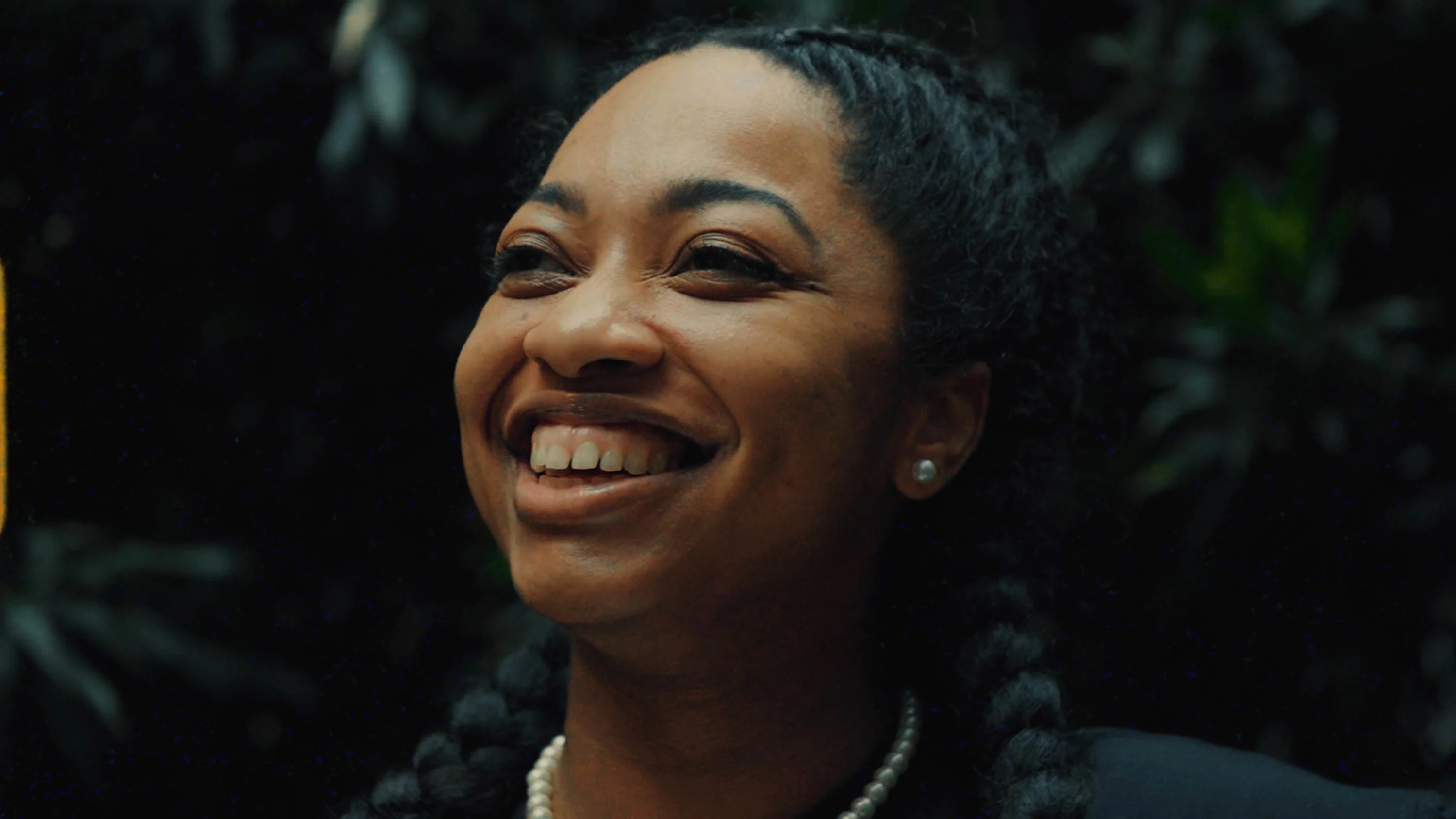
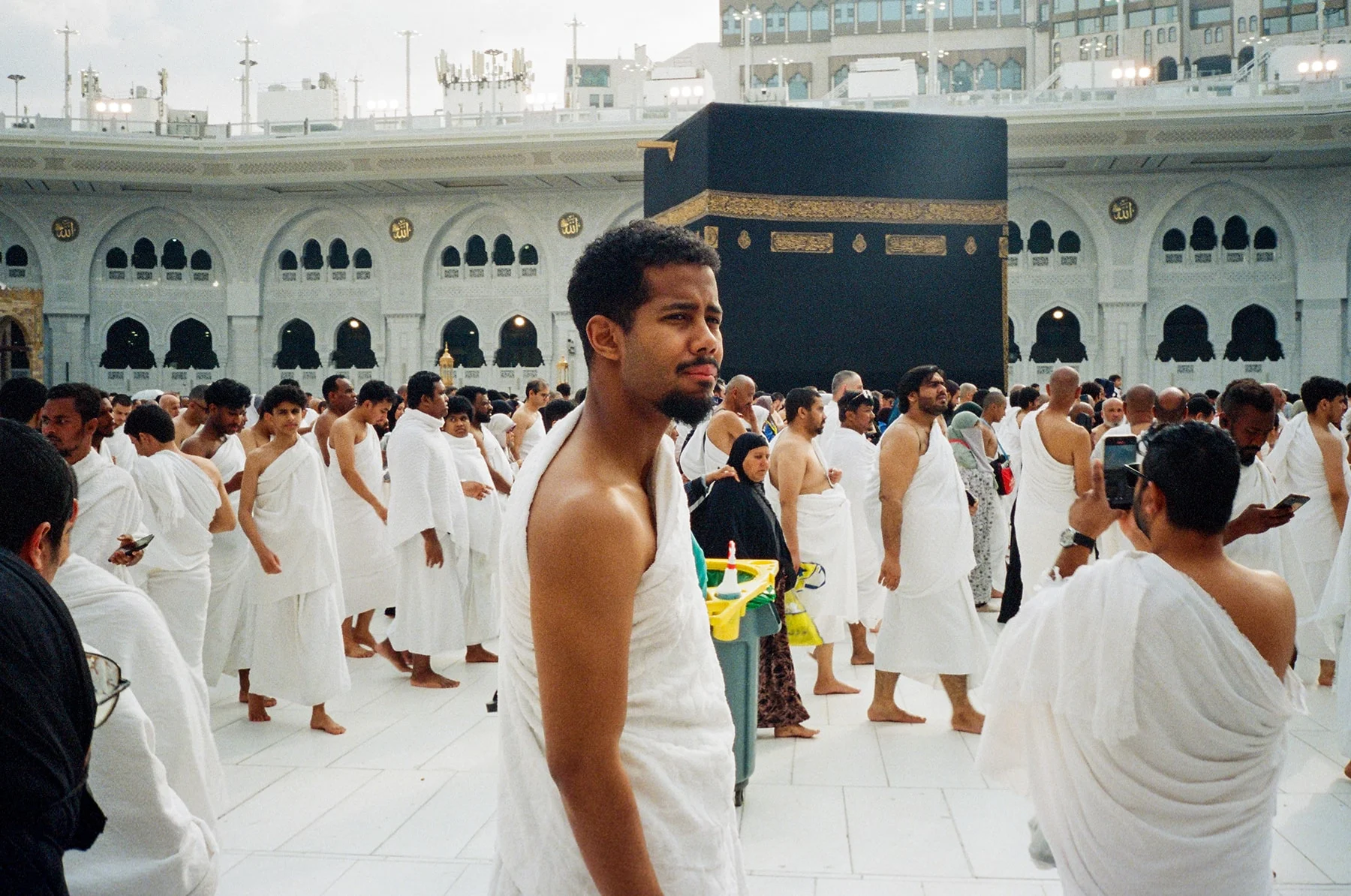
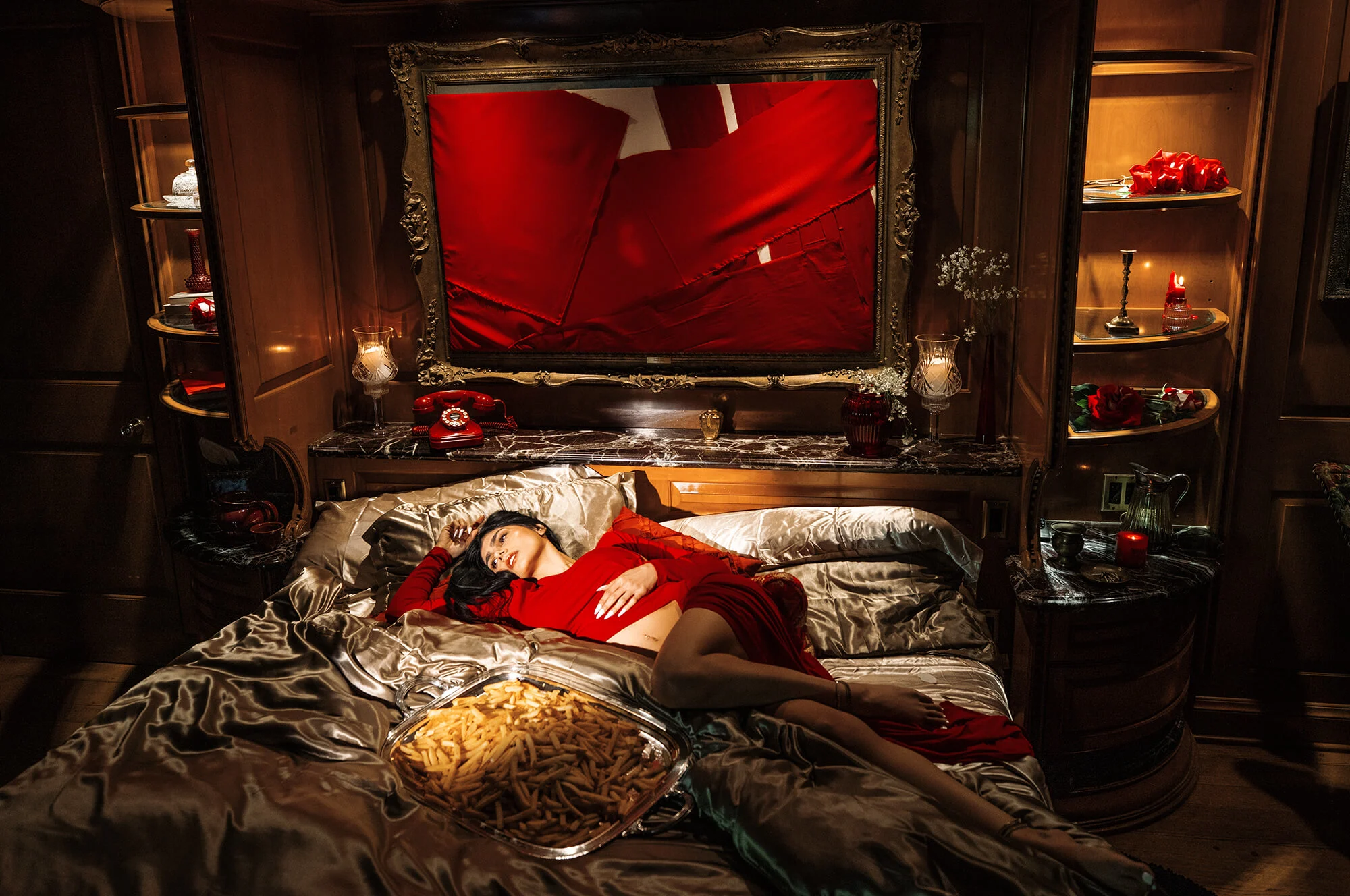
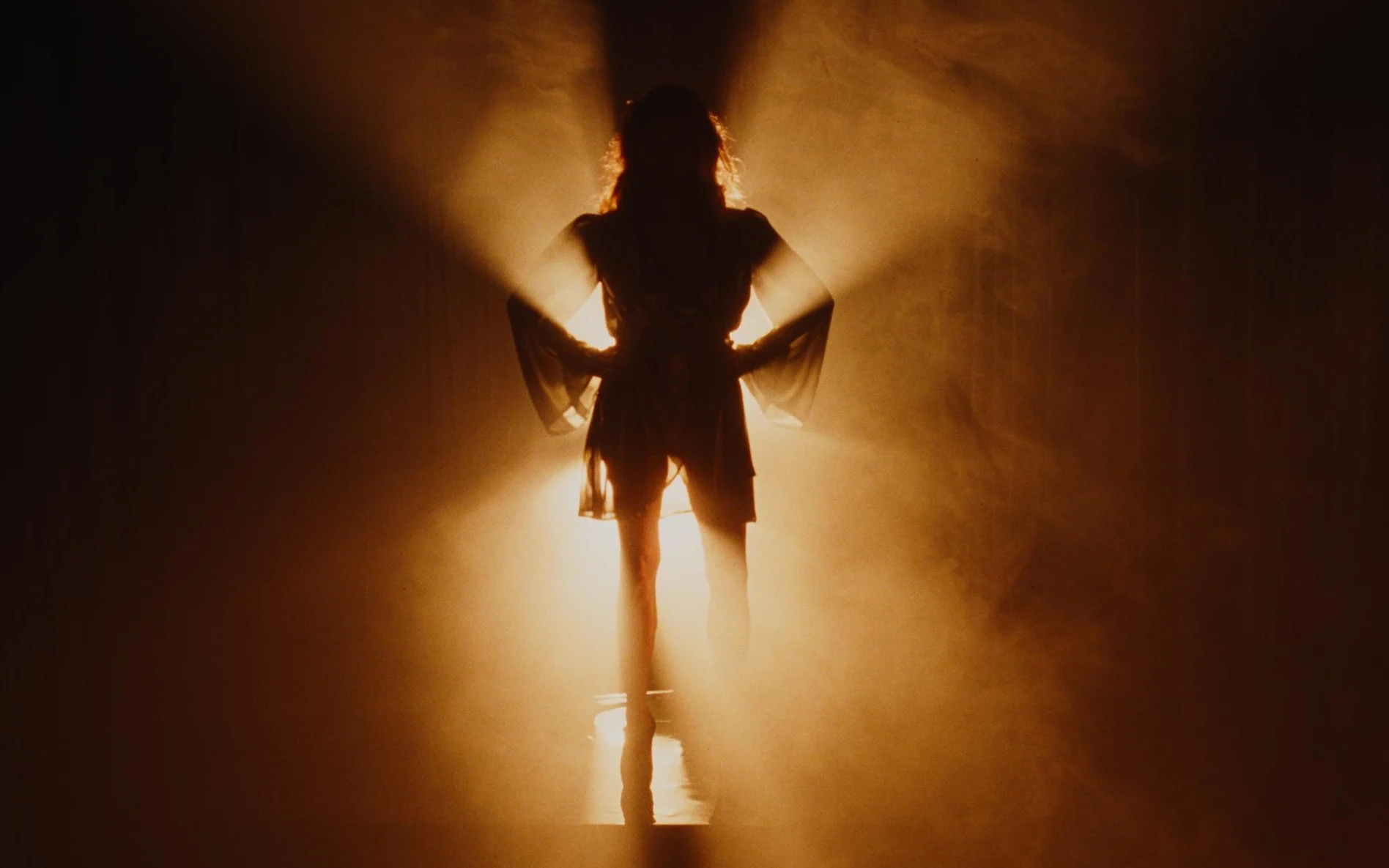
Images courtesy Knucklehead / Hugh Rochfort, 2025

Harry Lighton: Amrou, there's a lot of mirrors in your film. Mirrors and reflective surfaces. So my cold opener is, what's your relationship with mirrors like in your life?
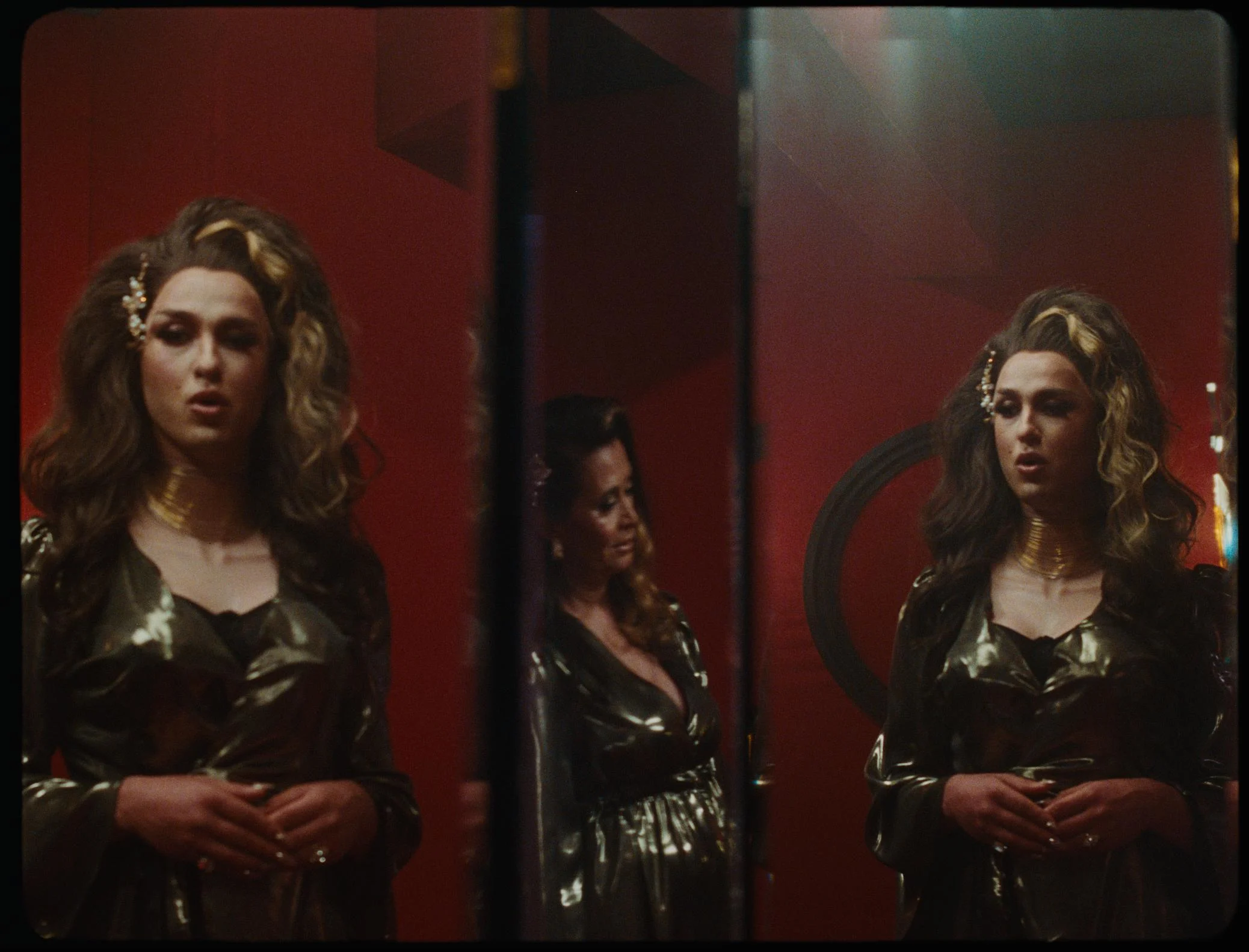
Amrou Al-Kadhi: Oh, that's a really good question to start with. I do look in the mirror a lot and often cry and pick at my imperfections. I think because I'm an identical twin as well I've always had a weird relationship with my reflection. I look at my brother and he looks exactly like me, but he's masculine and a more conventional Arab son to my mother. After one of the first times I did drag, and I dressed up as Glamrou, I went home, looked in the mirror and was like, "Is that my mum in front of me?" So part of the use of mirrors in the film I guess is about bouncing around reflection in the way that your family trauma reflects back to you. It's sort of like, "Is it me? Is it you? Where did this start?” My mother always used to say to me when I would embarrass the family: "You're not you, you're me." And that’s because Arab families don't really believe in individuality. It's all about the collective self and the family as one person. So I've always just felt like, am I myself or am I my mum? And I guess I wanted the film to feel almost like a fun house of where does the trauma begin and end?
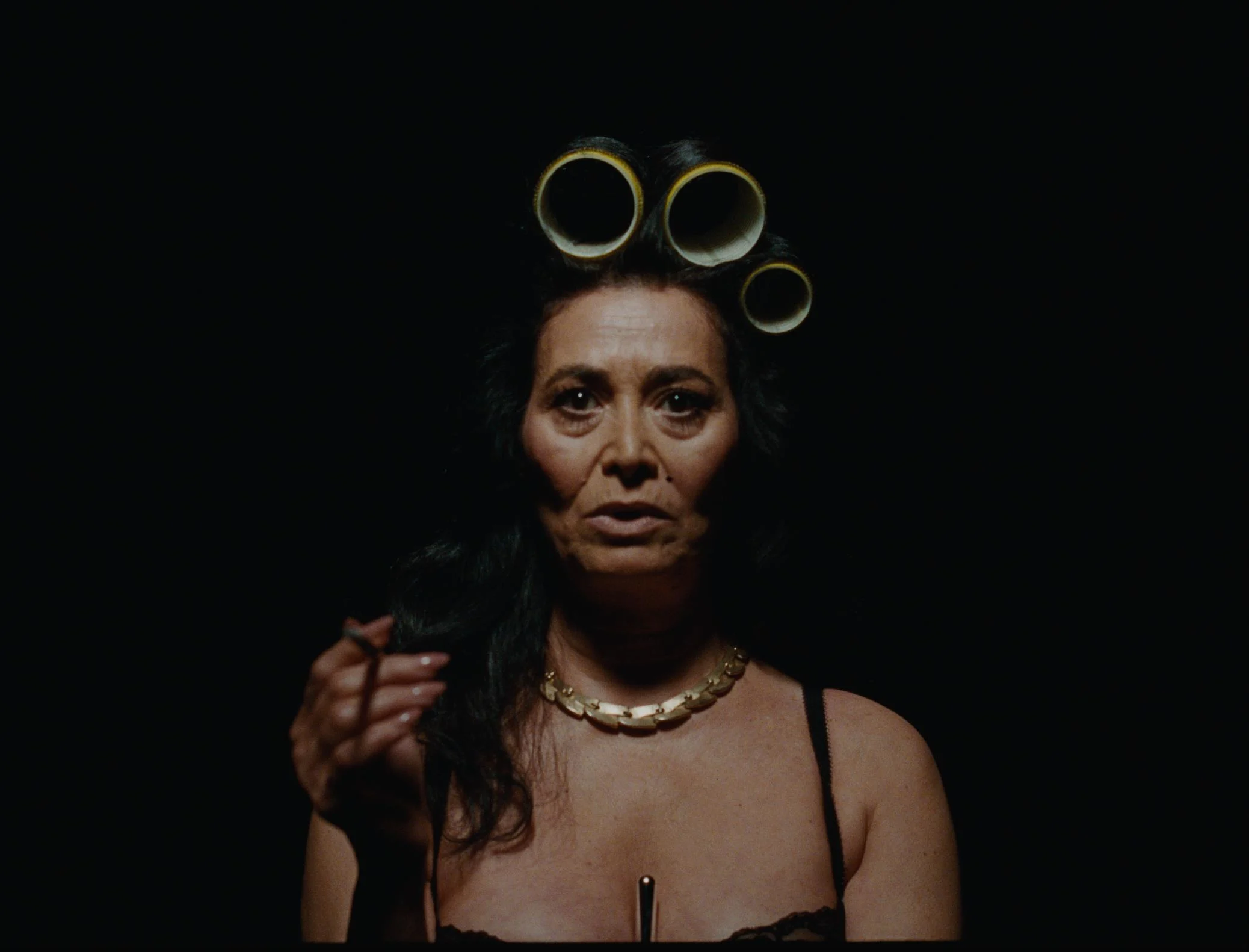
Harry: Yeah, a fun house was definitely what I was getting. It's funny, I'm also a twin, as you know.
Amrou: Yes, I do. Is your twin straight?
Harry: He's straight and we're non-identical, but we look pretty similar. I had a mirror in my room growing up and he didn't. I used to think that the reason I was gay when I was younger was because I'd had a mirror and I'd become infatuated with my own image…
Amrou: I think that's Freud's reading of homosexuality, by the way.
Harry: Well maybe he had a point! Next question. I've watched all of your films, and this one feels very distinctive. But you have explored mother-son relationships before in “Run(a)way Arab”. And I wondered, what brought you back to this topic in the short film format and what did you want to explore differently this time?
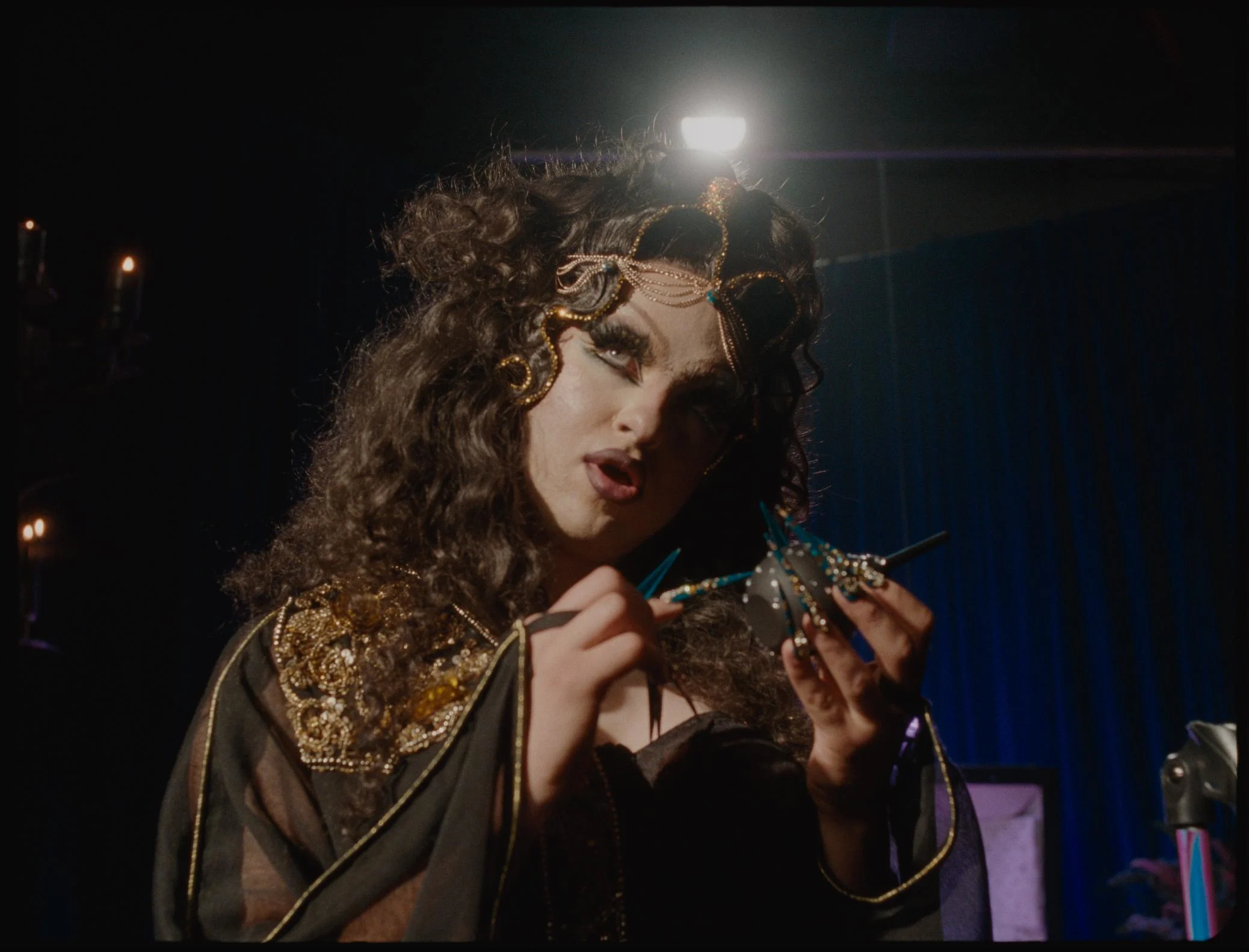
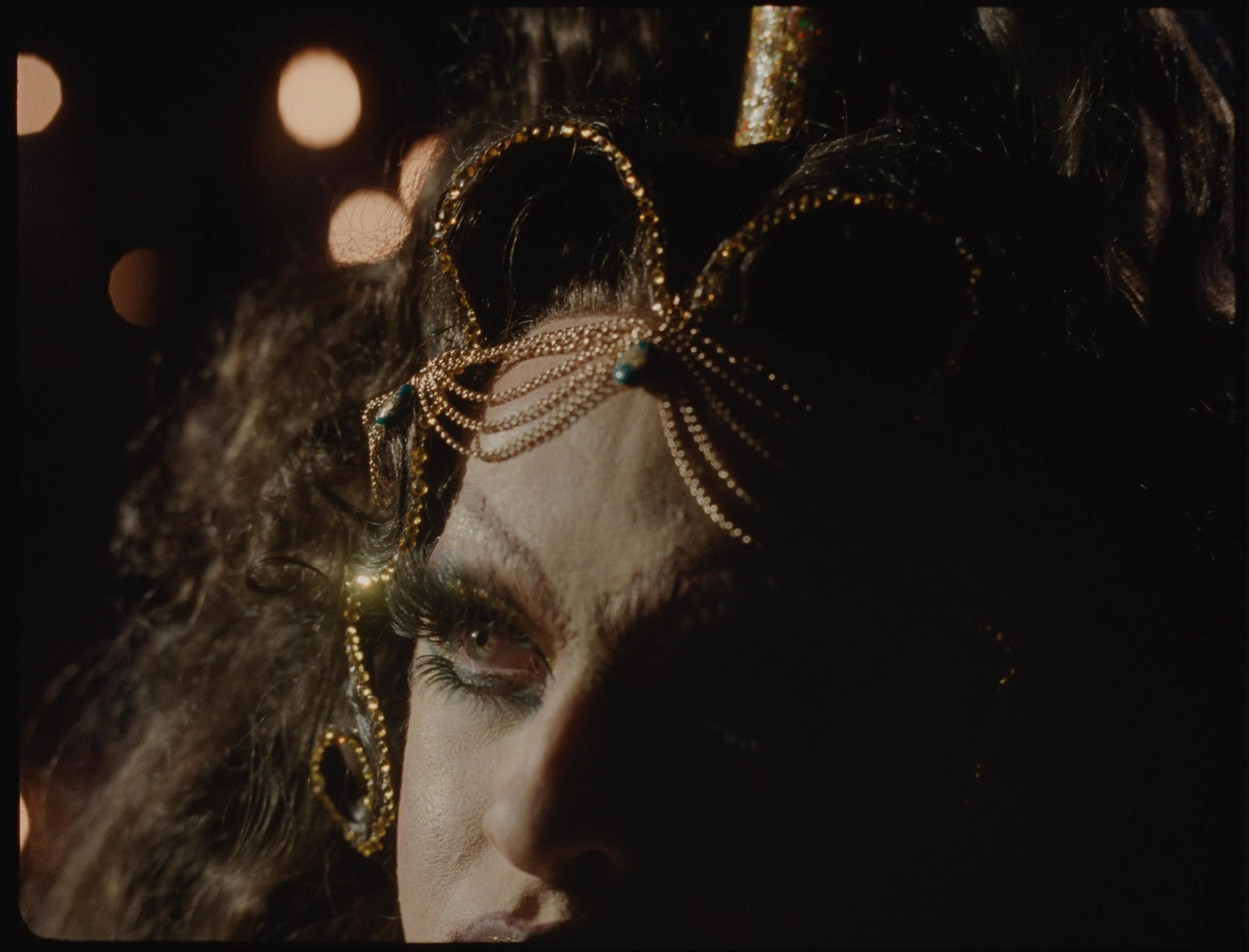
Amrou: Thank you for that question and for being such an avid fan of my oeuvre! When I was starting out in my film career I'd never faced my own shadow because I was so in denial about all the crazy things that had happened in my life and all the abuse that I’d suffered. And one thing that I genuinely worked out in therapy is part of the reason that my early films– including “Layla” and “Run(a)way Arab”–are hopeful is because there was a wish fulfillment I was trying to engage in. With “Layla” it was very much, for instance, “look how nice life could have been if the whole world was queer and everyone just accepted each other”. So I think there was aspiration, but also self-denial that was going on in a lot of my early work. It was like, even though all this trauma happened, I'm not going to show it on screen and instead present a version of a queer life I could have had without all the abuse and rejection. And that was really wonderful and cathartic in its own way.
Then in 2022, I worked with Emerald Fennell and she was one of the first execs who asked me really important questions about my dark side, my worst impulses. I realized that throughout my entire career, no one had really pushed me there, and I started talking about my mum. I'd had a conversation with her after I made “Run(a)way Arab” and at that point we hadn't spoken for maybe a year and then she reached out saying, "I miss you." And I was like, "Look, I just don't get why you hate me being a drag queen so much." And what she said surprised me. She said, “I hate being a woman and you were born with a penis and you could have been Prime Minister but instead you waste it dressing up as a woman, but one thing I wish in my life was that I could have been a man." It was one of the first times that I realized that the other person has their own story. And I hadn’t thought like that as a writer before. It was always what do I feel, what do I think. So I just started to really look at my trauma in a way that I had never thought about before, more like an exorcism. I used to put my dreams on screen and now I'm putting my nightmares there.
Harry: This film feels very bold. I found the references different from your previous work, too. I saw Jarman,“Death Becomes Her”, Lynch: filmmakers who use quite a heightened style and tone to explore their subject matter. What was behind that shift?
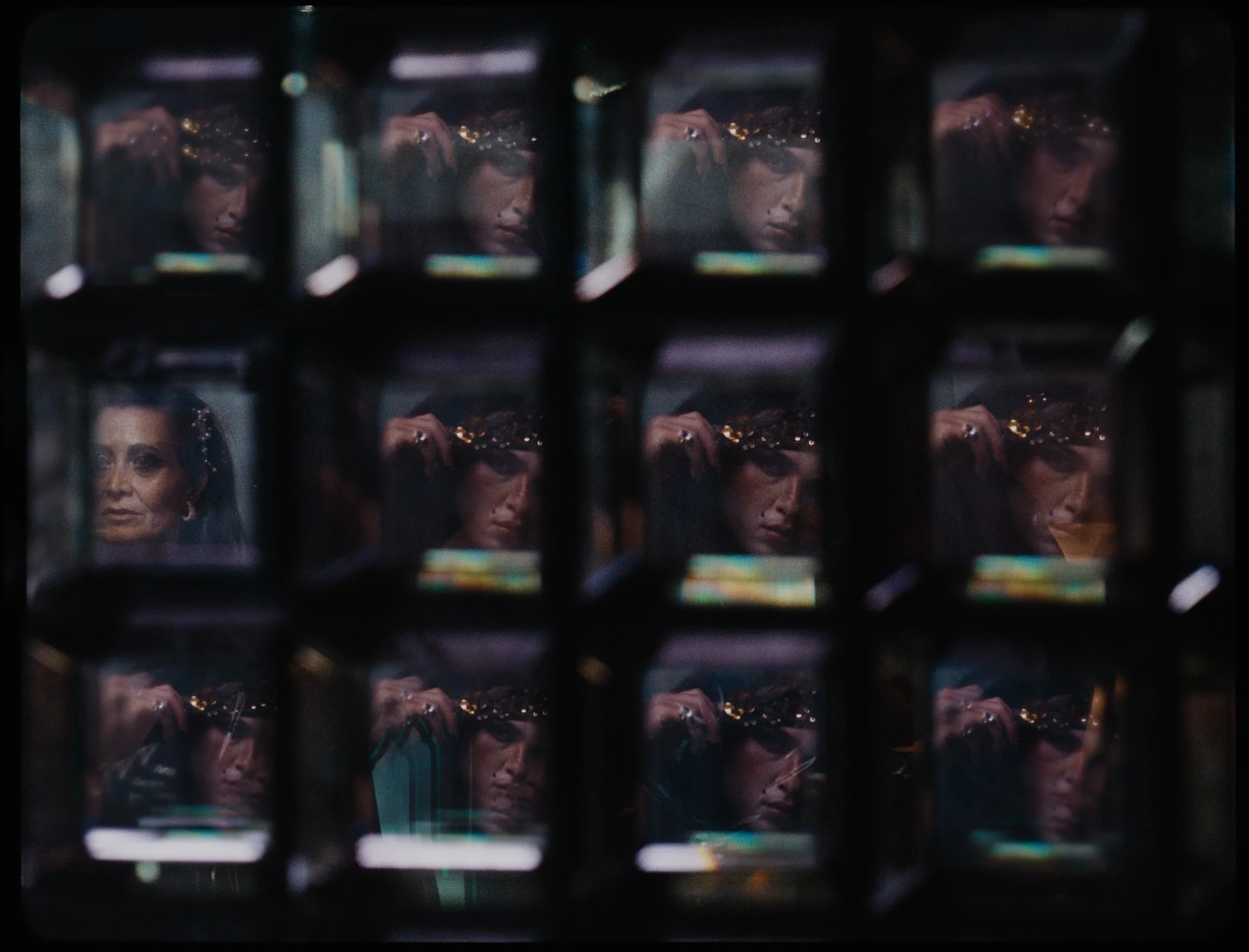
Amrou: Besides wanting to show off? I came up in the UK and I do think British filmmaking does still have quite traditional approaches to it. I was operating in that when I was learning my craft, but actually the filmmakers that I truly am obsessed with are people like Pedro Almodóvar, Ryan Murphy's world, Dario Argento, even filmmaking like “Black Swan” or “Tar” or “May December" by Todd Haynes. What I've always loved about their work, especially from a queer perspective, is it's like they elevate queer stories into a register of cinema that has often been denied of queer people. And in terms of Arab representation on screen, it’s similar. I mean, I started out as an actor basically just playing terrorists. And I just thought I've never seen an Arab woman have cinema. Proper cinema. So part of giving this film such a cinematic world was like a protest, even down to shooting on 35mm. One of the shifts in my work now in terms of my writing and directing is that I'm really interested in operatic filmmaking. I feel like for a while we all thought restraint was the way to go and keeping things unsaid. And actually, given what the world is like at the moment, I just think maximalism is exciting.
I used to put my dreams on screen and now I'm putting my nightmares there.
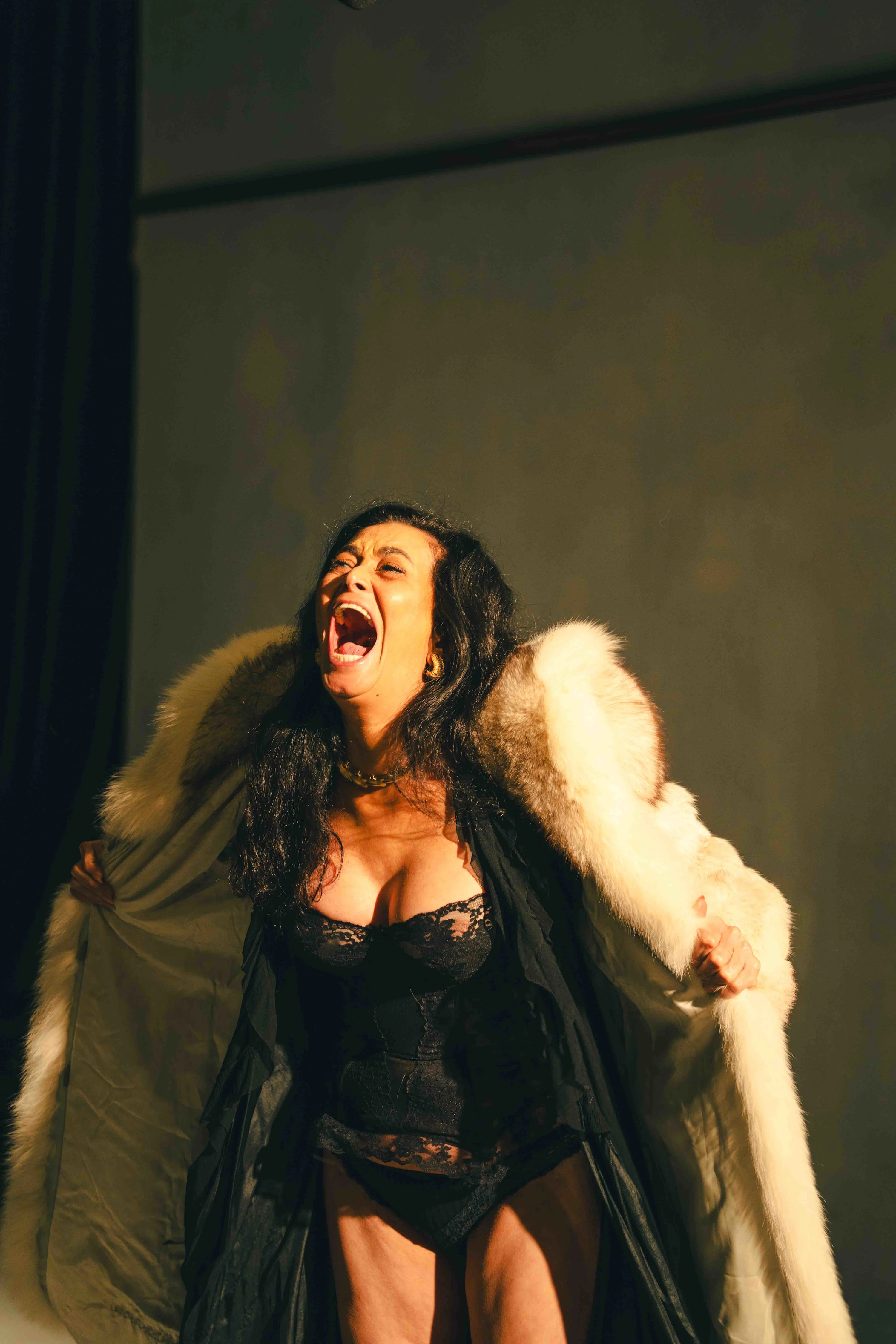
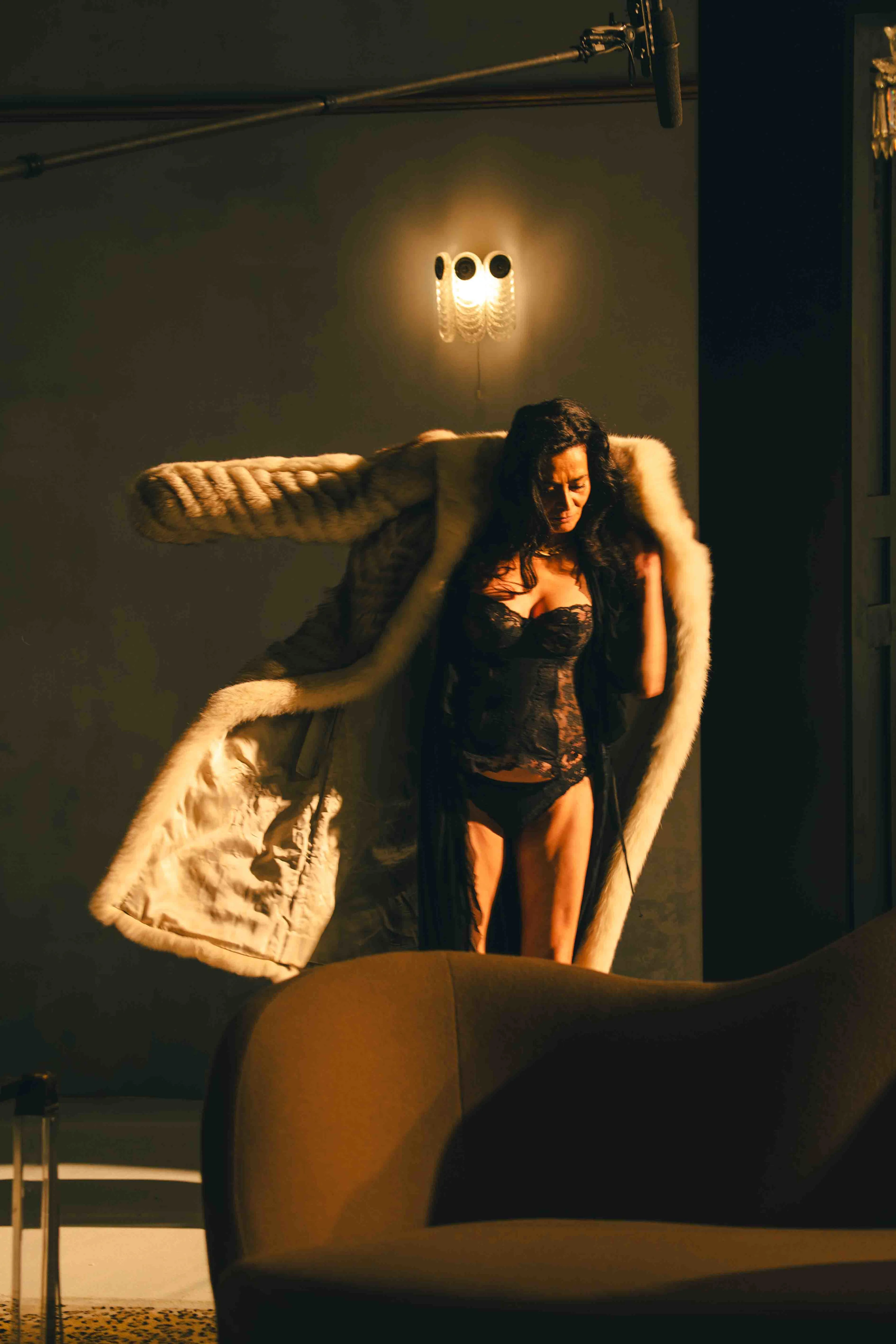
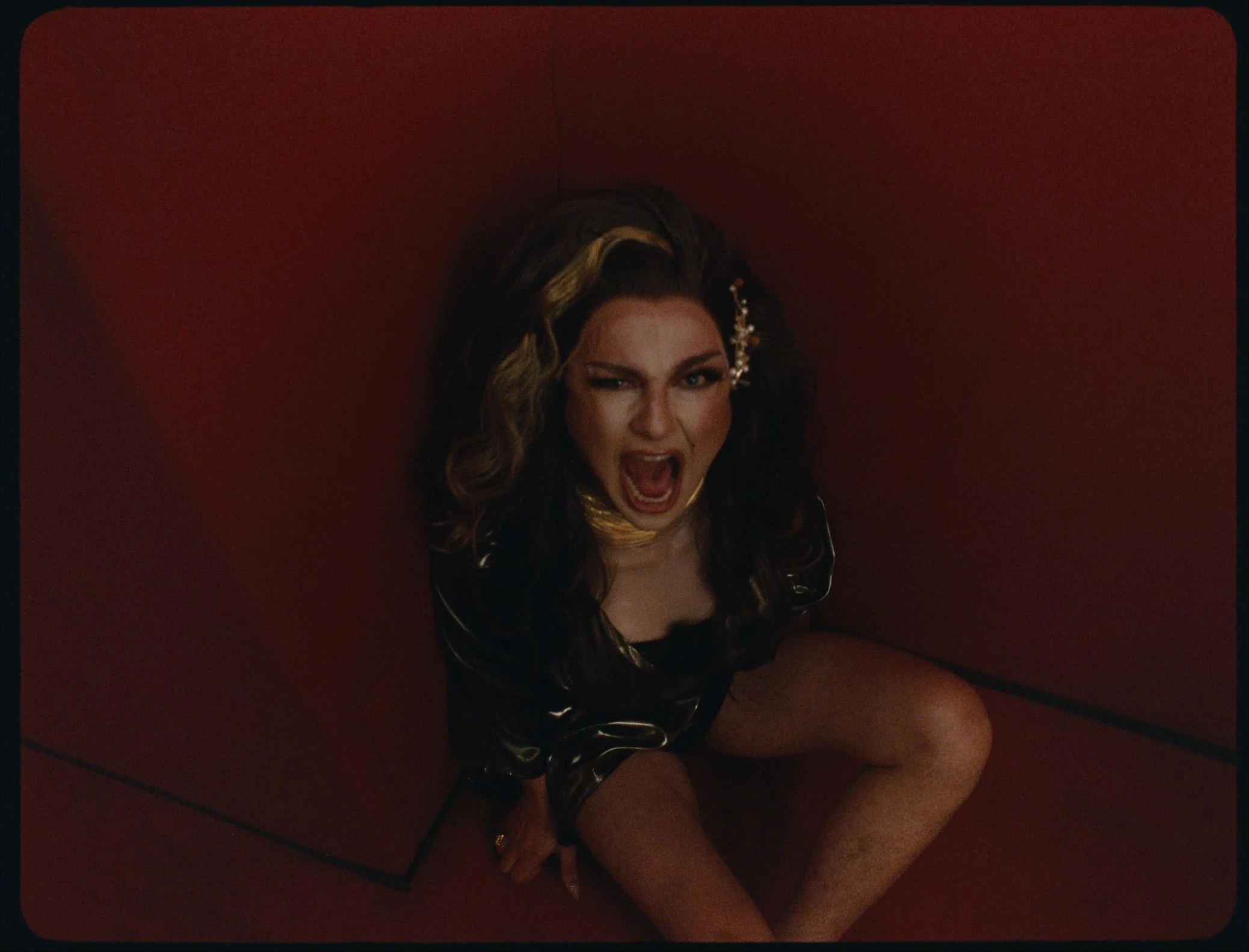
Harry: I found it thrilling, those two moments where the mum screams and then the son screams. And on the topic of giving an Arab woman her cinematic moment, one specific moment which stuck out for me was when the bailiff comes to confiscate her furs and she says, "Not my fucking furs." before she grabs him and snogs him on the mouth. Was that part of the same idea of giving her big moments?
Amrou: That was my love letter to gay audiences who love cruel or kind of operatic women. When you watch Almodóvar, you just feel through his films that he loves his mum and he loves women and he thinks women are superheroes. And that moment for me was just like her refusal of letting go of her womanhood or her glamour, by not giving up her furs. But it was also a gesture to the cinematic lineage of queer audiences who are obsessed with this drag rendering of womanhood. And it's funny, a lot of straight people who've watched the film say to me, "That was violent and scary, what the hell?", whereas my trans and queer friends text me going, "Well, that was the funniest thing I've ever watched." I think that's really interesting because there is a queer vernacular to the film where it doesn't take itself too seriously and is kind of absurd.
Harry: You spoke earlier about how you feel it can be difficult to write darkness as a queer Arab, and that you’ve come up against people who are afraid to put that narrative out there. Do you think that that is something which is becoming easier or more difficult to do now?
Amrou: I get notes [on my work] sometimes and I speak to my white friends who get notes and there's a different register. For instance, people who've written characters for “Succession” or “White Lotus” can just write badly behaved white characters. And when I've had work in development which maybe has an Arab protagonist or a queer protagonist, there's often a question of, "But will we empathize with them, are they likable and will audiences go on that journey with them?" And then I watch a show like “You” and I'm like, “Did that question ever come up in development?”
I believe that an audience will relate to a character if it’s a well-written character. Emerald Fennell was one of the first people who never asked me about likability or empowerment. She said, "Write messy, monstrous people, make it fun and the audiences can enjoy the ride." And I think she's completely right. And with “Original Sin”, I was hoping that audiences would feel like, am I allowed to love the fact that she killed her child? He's a monster. I don't know what you felt watching it. Were you quite on anyone's side?
I wanted to stage the film like a Greek myth. Someone has to win, someone has to lose.
Harry: What I liked about it was that I would flip between them, but I think I'll always side with a high camp mother who's good at zingers and that was her. I have a question about the ending though. When the mum delivers this scathing put down of the son and he shrinks into the wall and then is unable to do anything but scream at her, the camera cuts away. When I watched that I was like, "okay, the mum's got the upper hand here”, but it's then the mum who kills her son. And I wondered what the decision making was there, how did you decide which character to ultimately kill?
Amrou: There were two things that I was thinking about. One is that I wanted to stage it like a Greek myth, like Medea. When I was reading a lot of Greek stories you often start with a prologue where everyone airs their grievances, which is what happens with the lip syncs at the beginning of this film. And then there's an inevitability. Someone has to die in a Greek myth. Someone has to win, someone has to lose. And for me, really what this was about was the son who dresses up as a woman and pretends to have survived the Iraq War, even though it’s his mother who has survived it. He’s stolen her narrative and is on stage performing it to people who admire him. And she is the woman who has suffered–even though she's been abusive and is part of the reason he's like that–and has never been seen or celebrated. And that was what my mum said to me. She always says, "Where's my applause?" He got to be on stage and now it's her turn. And it's not saying that I morally justify it, but someone had to die and she never got to be on stage. And you know what? I love it when she's on stage and she's having her moment, but she's also lost everything.

Harry: On that topic of creating narratives, the mum accuses her son of manufacturing aspects of his story to find sympathy in a Western audience. Returning to what you said earlier about sometimes feeling like you have to negotiate your identity with what commissioners in this country want from you, have you ever felt the need to inflate your victimhood in order to appease them?
Amrou: Yeah, thanks for that question. I think part of the reason we made “Layla”, actually, was a refusal of being cast as traumatized subjects in order for you to love us. I remember I was in a script development meeting once for a project about an Arab drag queen who lived in Knightsbridge and the broadcaster really wanted it to be more oppressive. I blurted out, "Do you just want this to be “12 Years a Drag Queen”?" which got me in trouble. A lot of people that I've spoken to who have experienced trauma talk about how you match the feeling of your trauma to a narrative that may not be true, but it aligns with the extremity of how bad you feel about yourself. When I was younger I just gave people the narrative that they wanted because I was still in a lot of pain and was being rejected. So if I needed to package it in a container that made sense to them, fine. I'm really interested in the line of trauma and lying, and sure, maybe I'm telling you a lie, but it matches up to the truth of how I'm feeling. In “Original Sin” he even says, “even though I was raised next to Harrod's, it was still a war”, which is a ridiculous line. But I think that's how he feels.
Harry: What are you working on right now? And what has “Original Sin” taught you about yourself as a filmmaker that you want to bring into that next project?
Amrou: “Original Sin” was just like a protest film, and I'm really grateful to WePresent for letting me write about monsters within my culture, for letting me go there and critique white liberals. This film is my fuck you to the industry film. And I don't think I want to make a film that's this abstract or experimental as a feature, but what it has allowed me to do is just go as far as I want with my characters. The next feature I'm doing is a revenge comedy, but it's unapologetically nasty. I'm writing minority characters within situations that straight white characters usually get to experience. So this has been like a palette cleanser and a reminder that no one can tell me what to do ever, sorry.
Harry: I love that. No one can tell you what to do ever.
Amrou: But I do think shorts should be a place to exercise demons. Russell T. Davies actually described short films to me as being like a newspaper column. One thought and one tone executed from beginning to end and left there. And I kind of love that.
Harry: If “Original Sin” was a newspaper column, who would be the columnist?
Amrou: I'm sure Janice Turner would love it because the woman kills her drag queen son. So I'll give it to her.
Harry: Well that feels like the perfect place to end this!