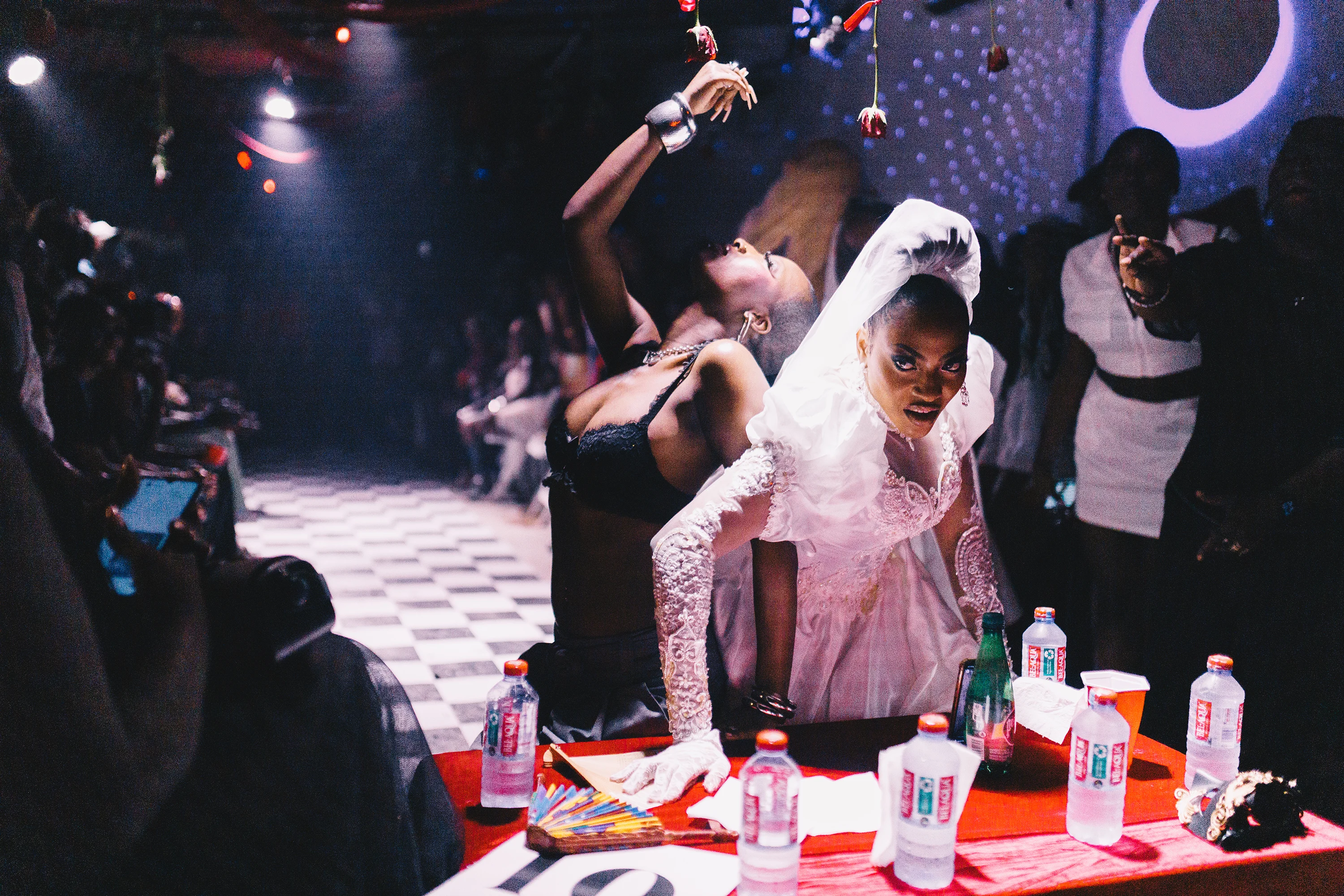
Since it was established in 2019, The Free Forever Collective has been building and sustaining space for queer community and ballroom culture in Ghana. The work they do has never been more vital—Ghana has spent the past five years debating legislation targeting LGBTQ+ people, and discrimination and violence against the queer community is rising. After documenting one of their ballroom events, photographer Nana Kwadwo Agyei Addo tells writer Ugonnaora Owoh why it was so important for him to capture the joy of the night, and his hope that this work can inspire a greater understanding of the community and their experiences.
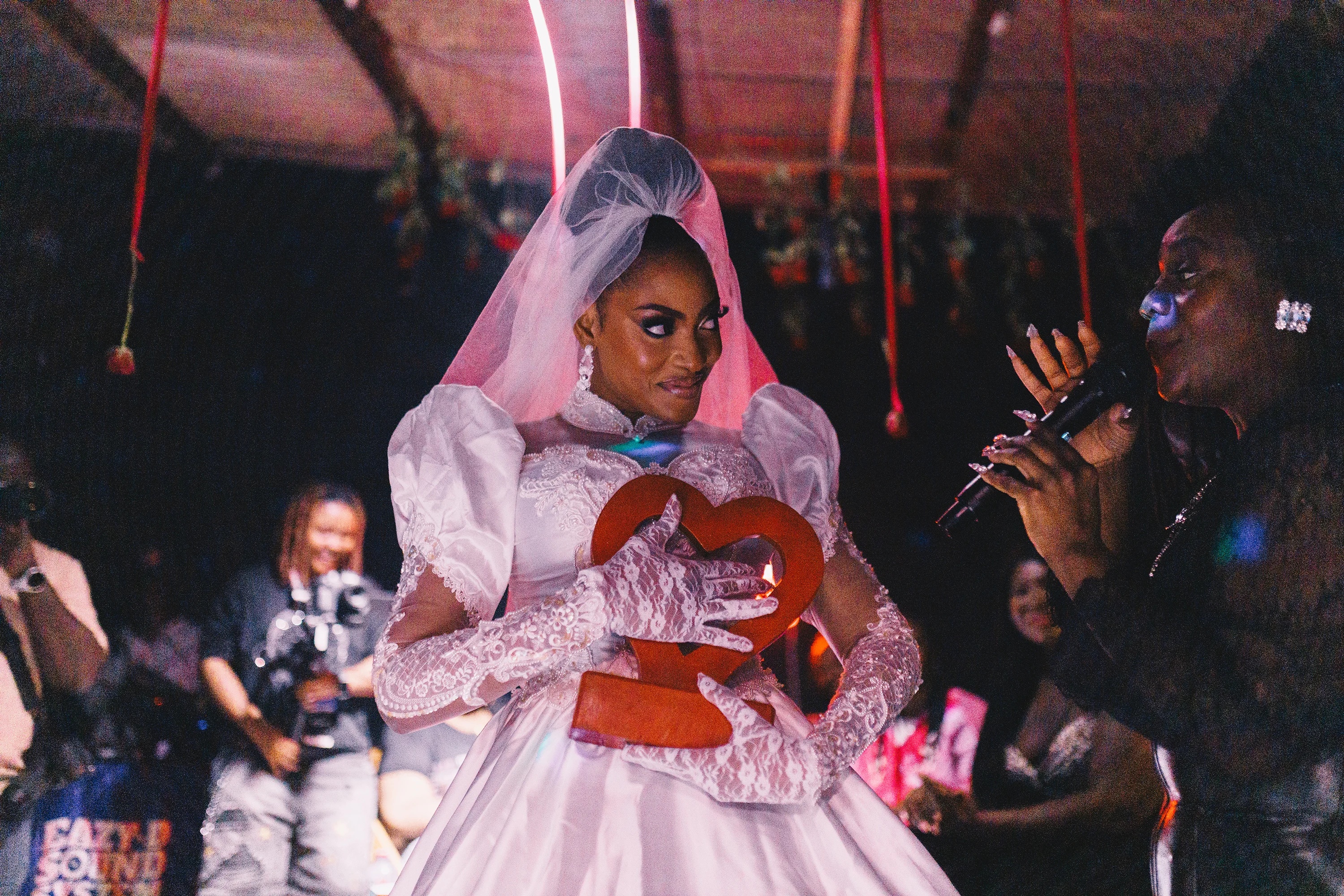
“It felt like a movie,” Nana Kwadwo Agyei Addo says about the first ballroom event he attended in Accra. It was Saturday and the evening was quiet, until a crowd of elegantly-dressed people began gathering outside a soundproof warehouse in the Ghanaian capital. He made his way through the crowd, and it didn’t take long for the opening beats of Amaarae’s “S.M.O” to send everyone into a frenzy, as they erupted into cheers and dance. Addo has attended many events in Accra, but this one felt different. Kaleidoscopic lights, a central runway dividing spectators on either side, mesmerising vogue performances. “Everything felt cinematic,” he says. “The drama, the atmosphere, the heat in the room.”
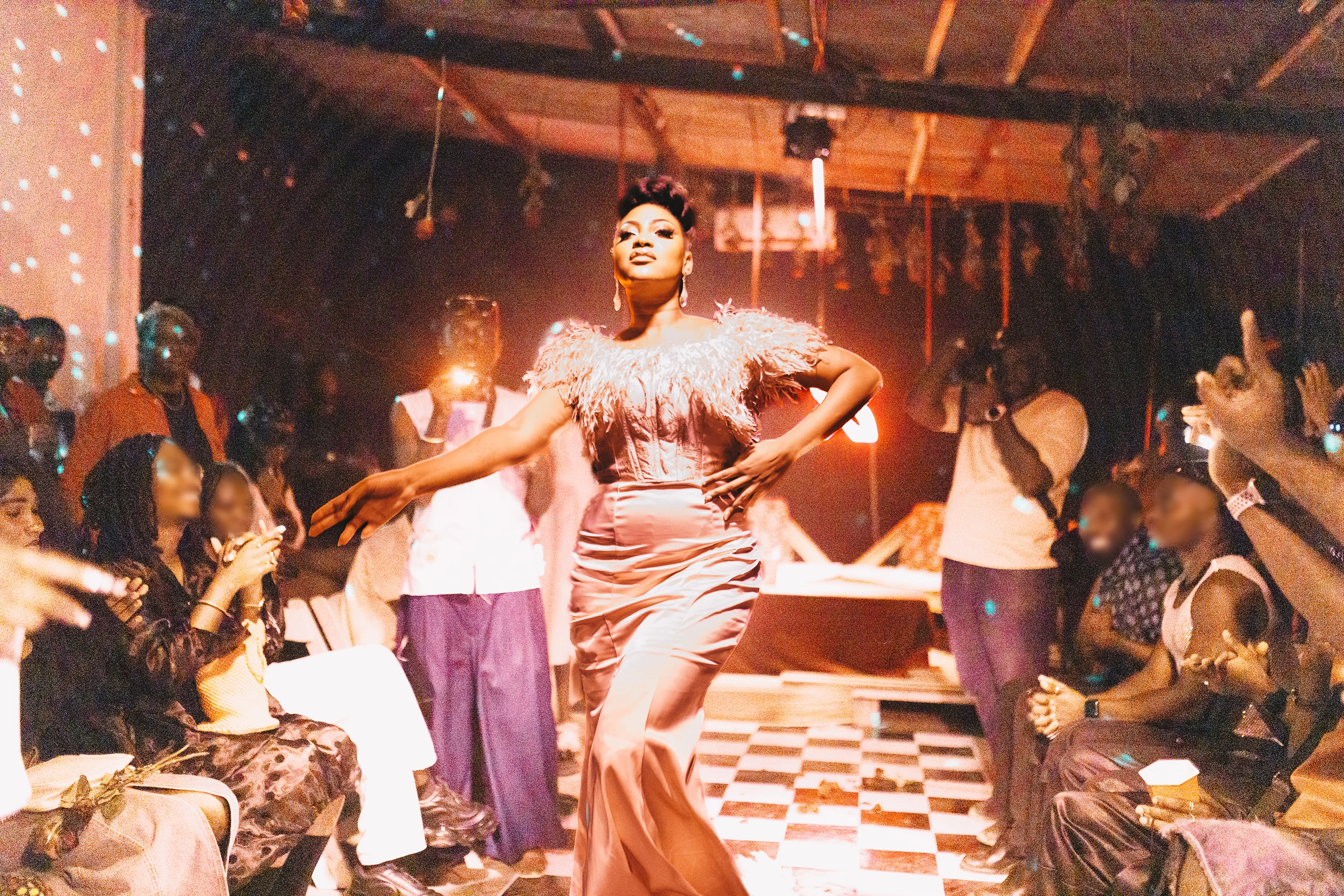
Ballroom practices are not entirely new to Ghana, even if the terms and structures used to describe it are relatively recent. Research has shown that since the 1990s, young Ghanaians have been catwalking, dancing and making elaborate gender presentations. By the early 2000s, reports also described underground queer networks in Accra, sustained through house parties and nightlife. Although these activities were not necessarily called ballroom, they reveal histories of performance, self-expression and community-building that predate its formal organization.
The Free Forever Collective, established in 2019, has developed a new home for ballroom culture in Ghana. Founded by four Ghanaian Diasporans, Nii Nai, Zelda Lavin, Kwame Aman and David Dave, it’s a community-building collective bringing people together through events. “Having balls was one of our first projects, but we also connect with NGOs and individuals doing important advocacy to see how we can support them,” says Sarah, a member of the collective. “What we want to do is help build and sustain a queer community that is connected to club culture and ballroom. We're not just a queer collective, and we're not an activist collective either. We want to create spaces where people can come together, while maintaining a connection between the diaspora and people based in Ghana.”
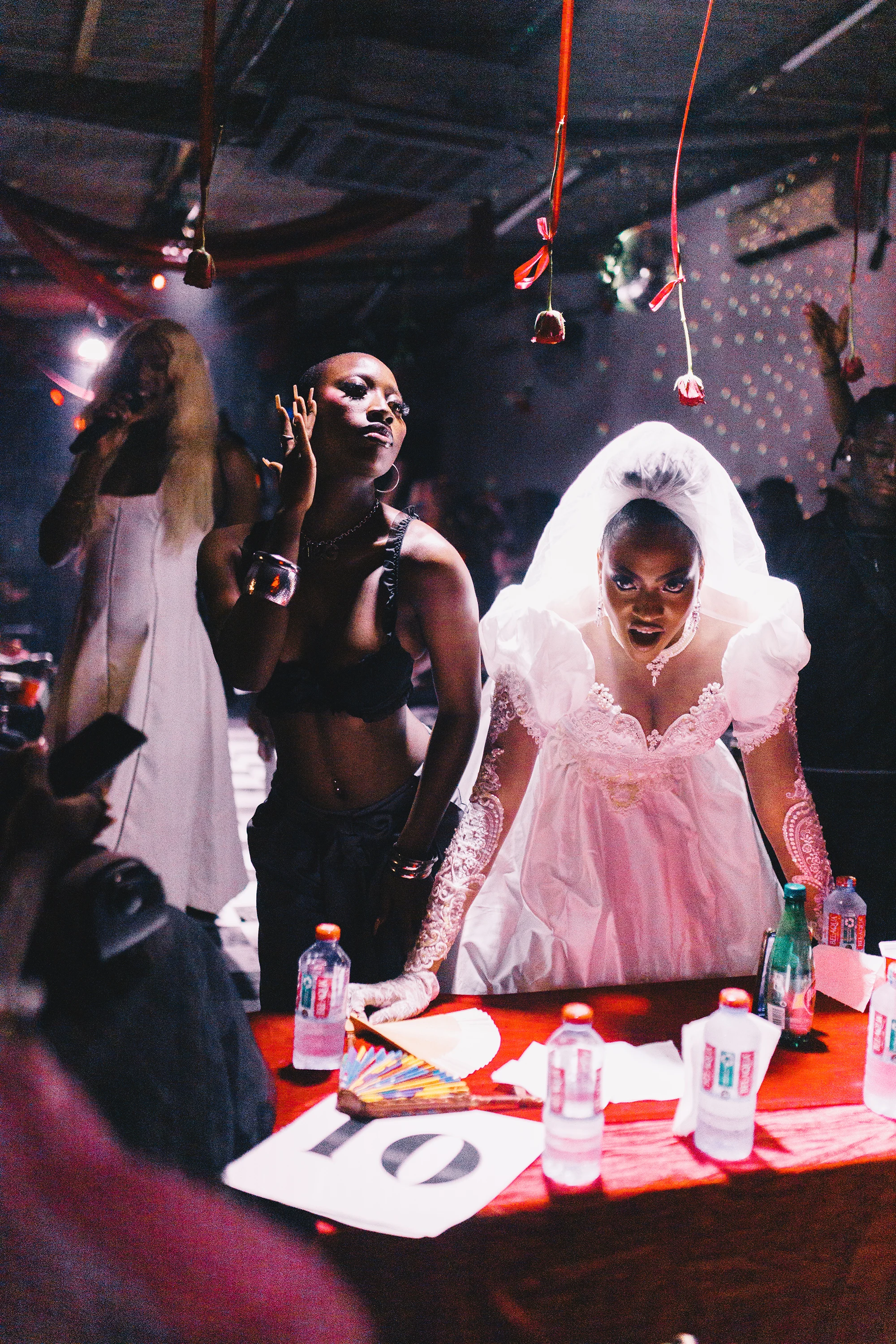
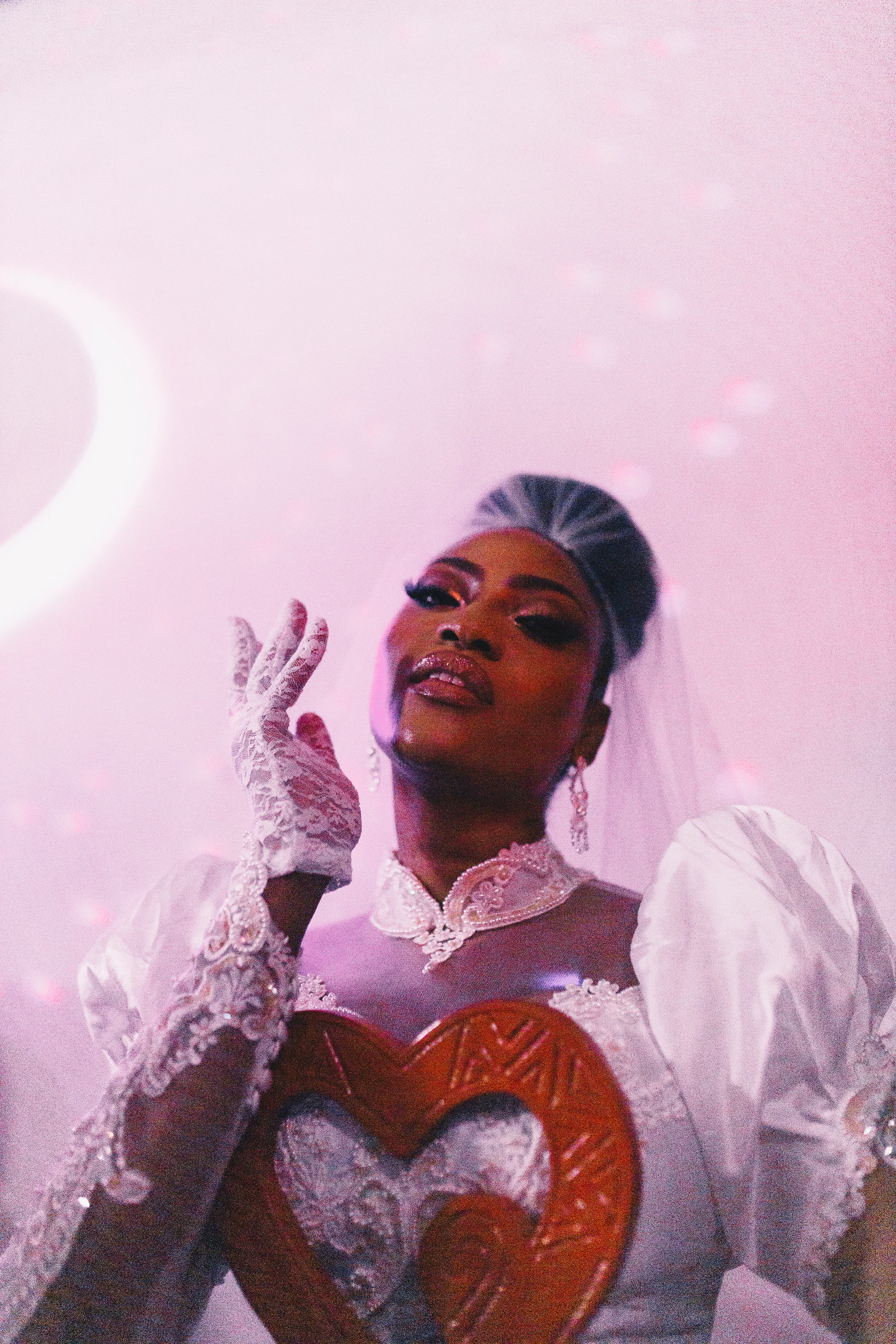
Everything felt cinematic. The drama, the atmosphere, the heat in the room.
The collective’s work is particularly significant because Ghana has spent the past five years debating legislation targeting LGBTQ+ people. Known as the “Human Sexual Rights and Family Values Bill,” the legislation was first introduced in 2021 as a private members’ bill sponsored by a group of lawmakers. Parliament passed it in February 2024, but it did not receive presidential assent before the legislature dissolved in January 2025, causing it to lapse. It was subsequently reintroduced in the Ninth Parliament, which passed an amended version on May 29, 2026. However, procedural concerns have since stalled its progress, leaving its legal status unresolved.
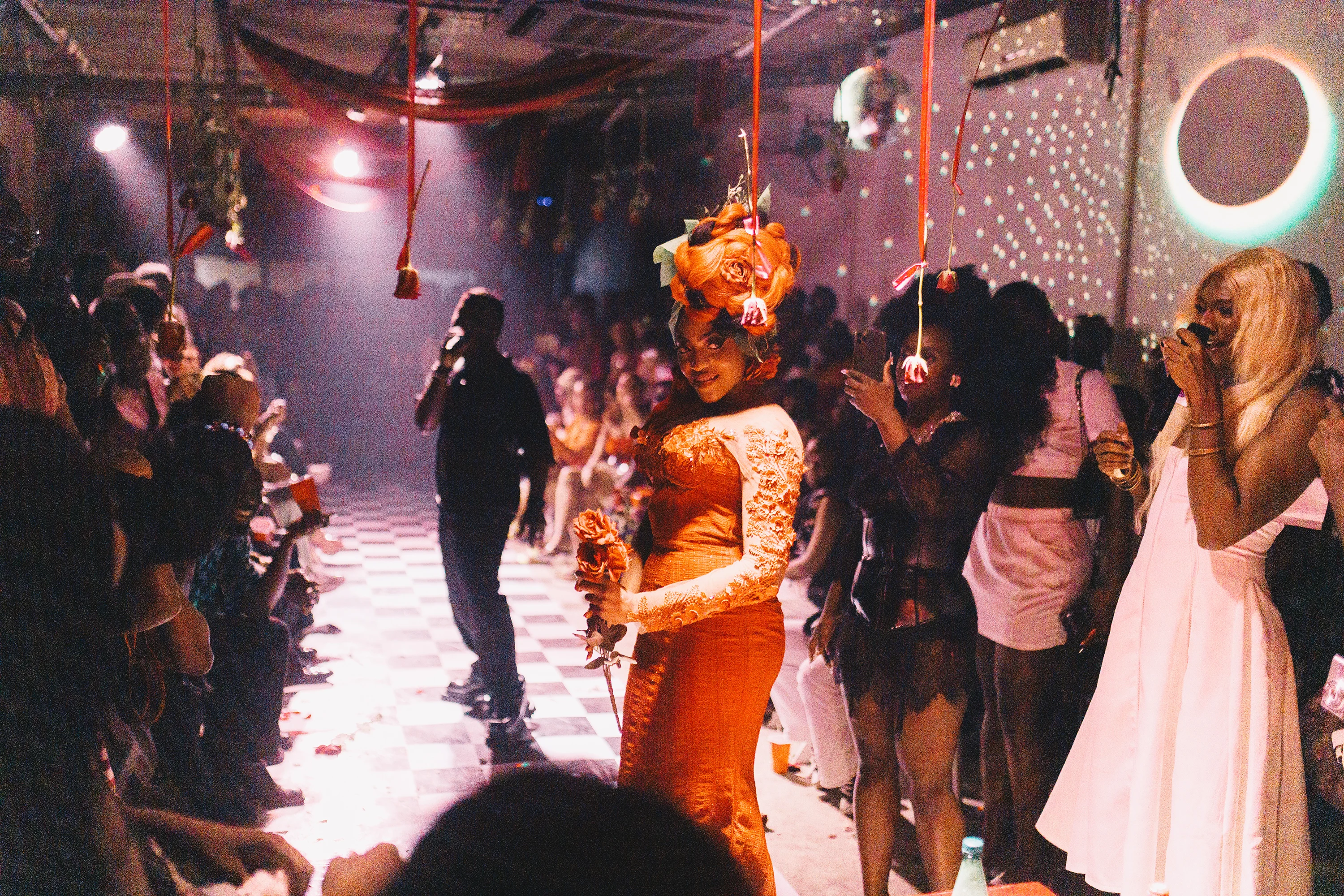
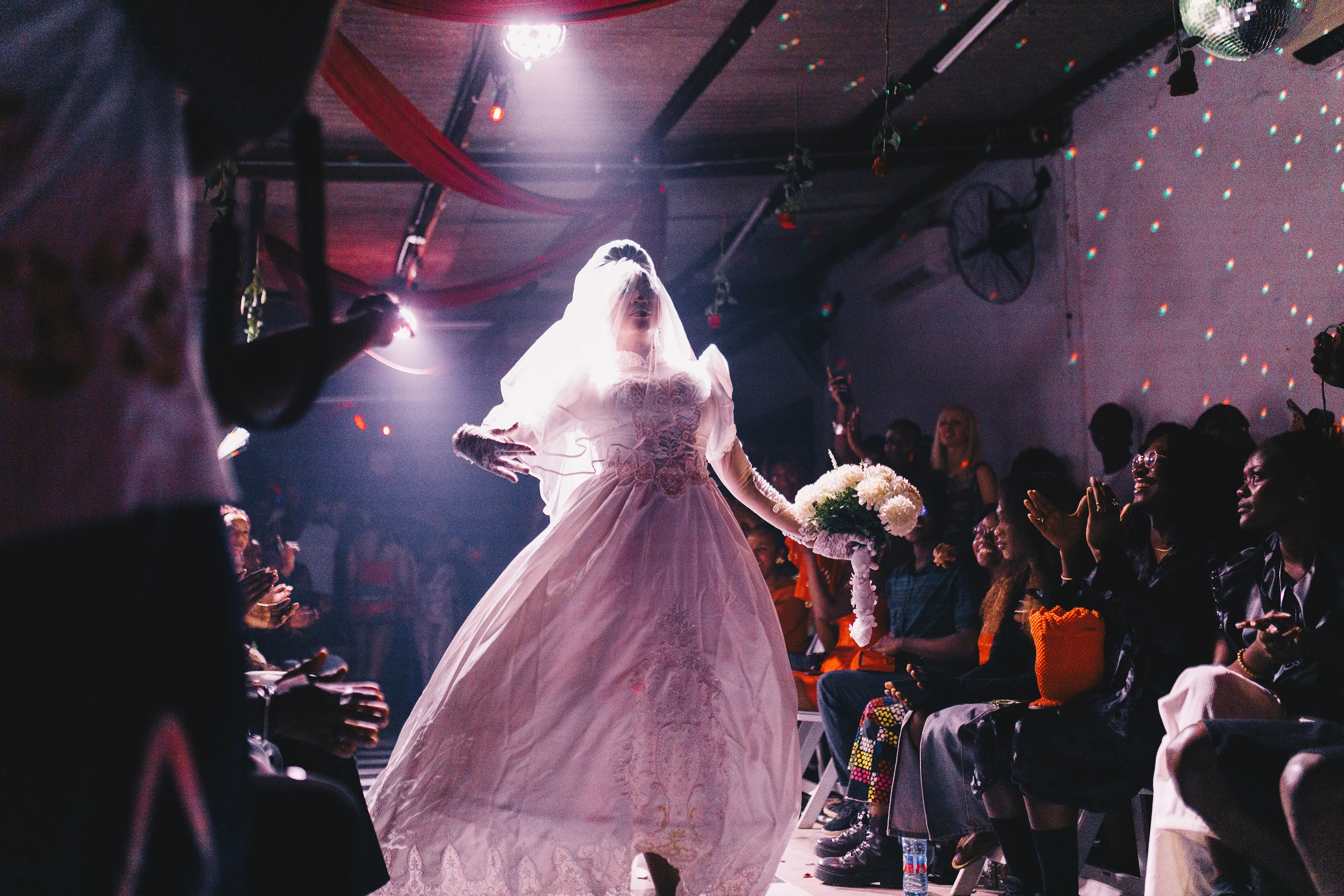
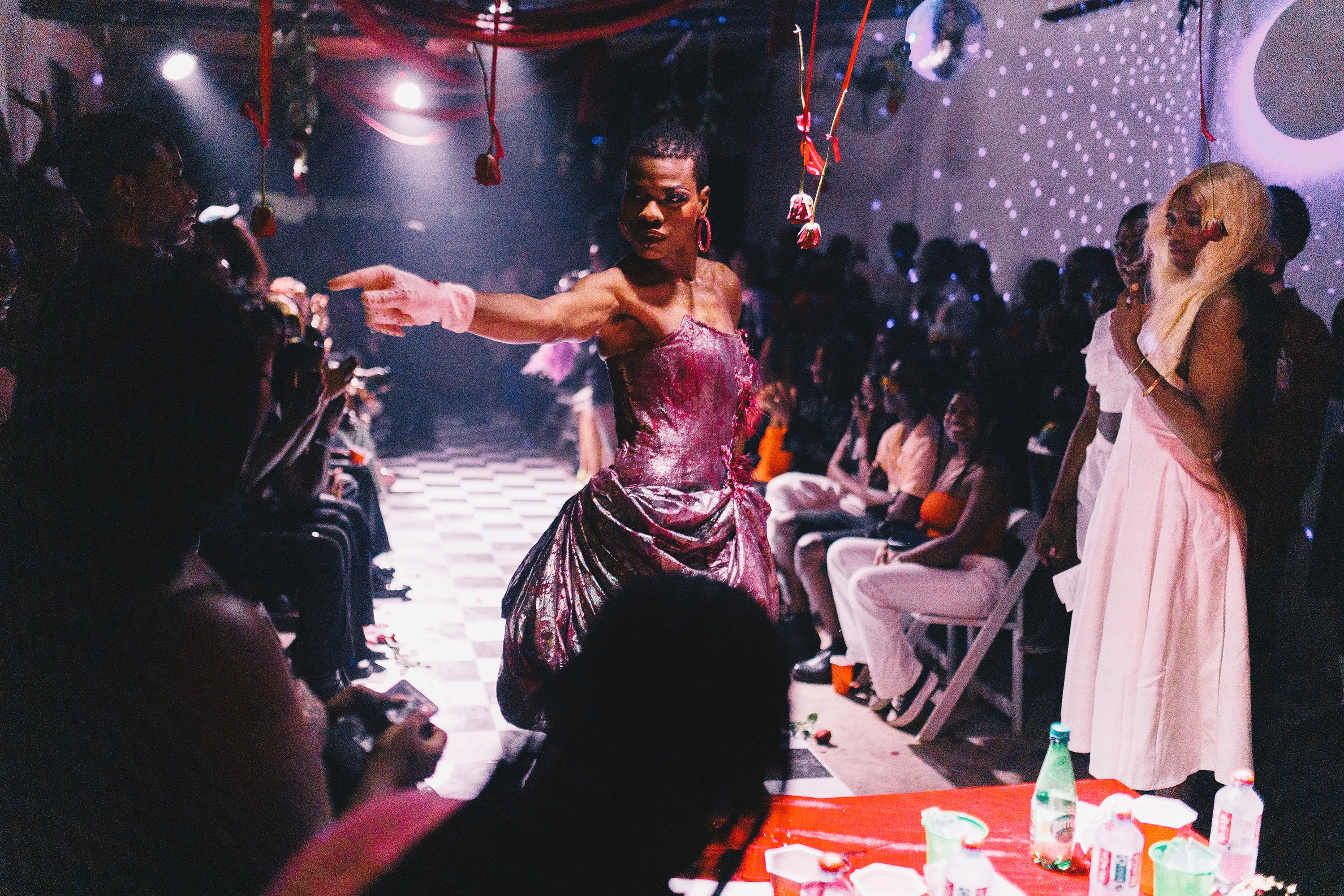
Addo describes the bill as outrightly cruel, and emphasizes how important ballroom is as a result. “I believe ballroom is more than just a celebration. It represents freedom and belonging,” he says. “In a society where queer individuals may face discrimination, these spaces allow them to express themselves without fear of judgment. What struck me most was the joy and genuine sense of community. It was beautiful to witness people simply being themselves.”
Addo recalls being so immersed in capturing the experience, resisting imposing any preconceived ideas on the event. “I wanted to tell the story honestly,” he says. “I wasn't thinking about whether the images would be considered good or bad for the community. I was thinking about how people, perhaps 50 years from now, could look at these photographs and see that this community existed, came together and had a good time.”
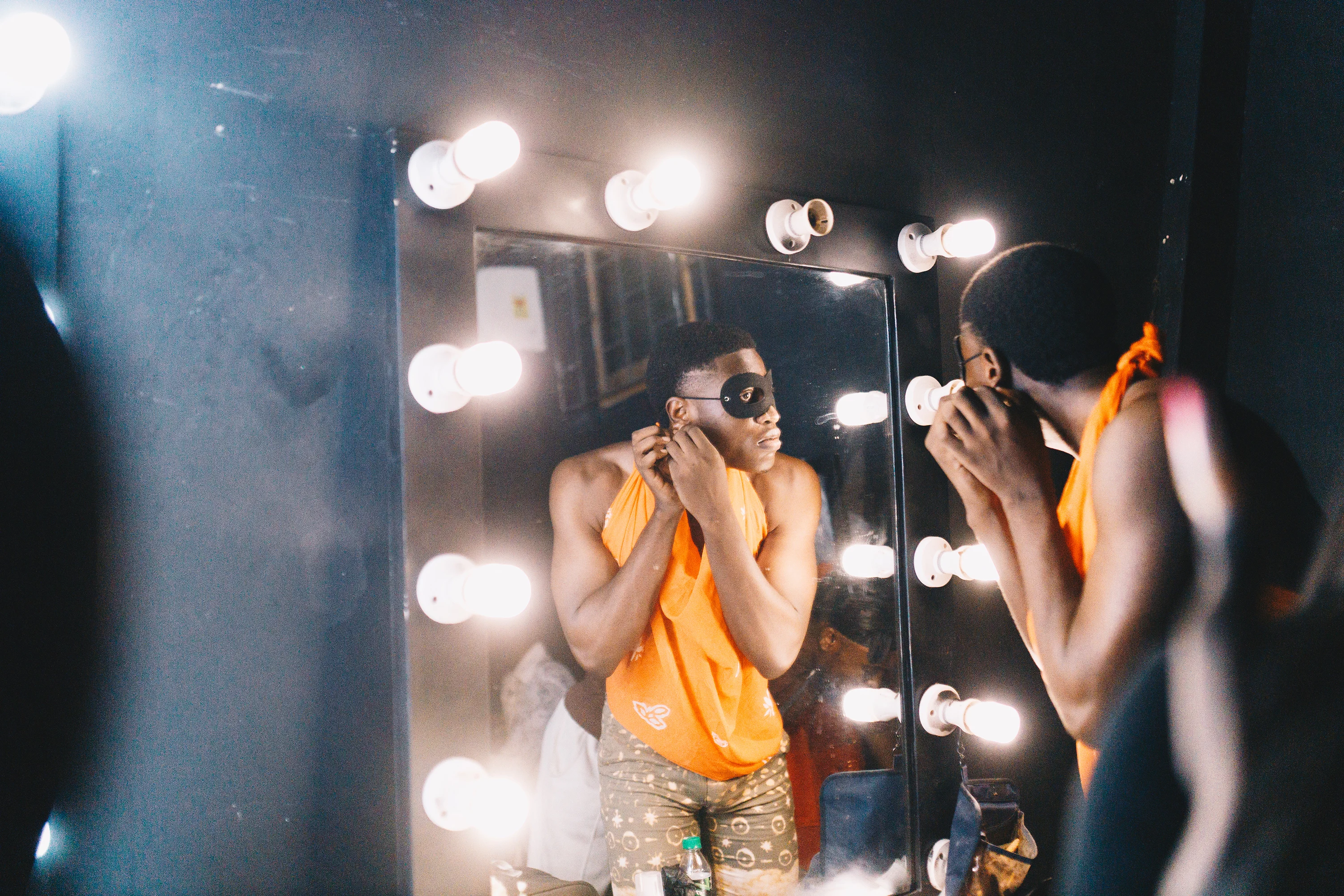
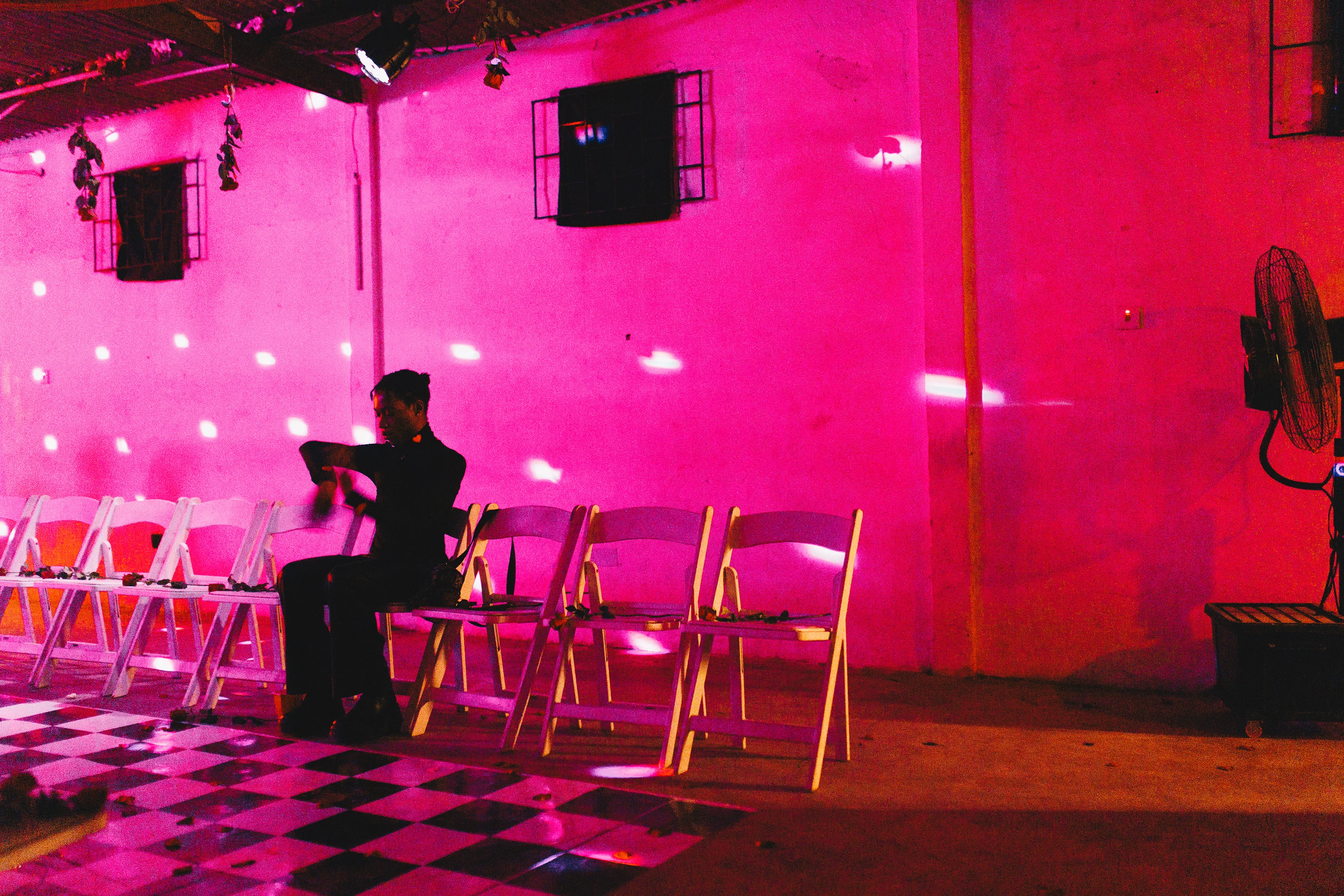
It was beautiful to witness people simply being themselves.
This curiosity can also be found in Addo’s other projects, where he navigates the human experience and explores the many ways identity is expressed and understood. He is no stranger to documenting communities, and he remains keen to unravel the complexities of identity. In projects like “Accra. Straight Up”, for instance, captured the paradoxical fierceness of the streets of Accra, photographing macho men as drag personalities.
Given the stigmas queer people continue to face in Ghana, Addo hopes the photographs will encourage people to look beyond the politics and recognize the people themselves. “Beyond the fashion, performances and celebration are individuals seeking love, acceptance and belonging, just like everyone else,” he says. “I hope the images inspire empathy and a willingness to understand rather than judge.”