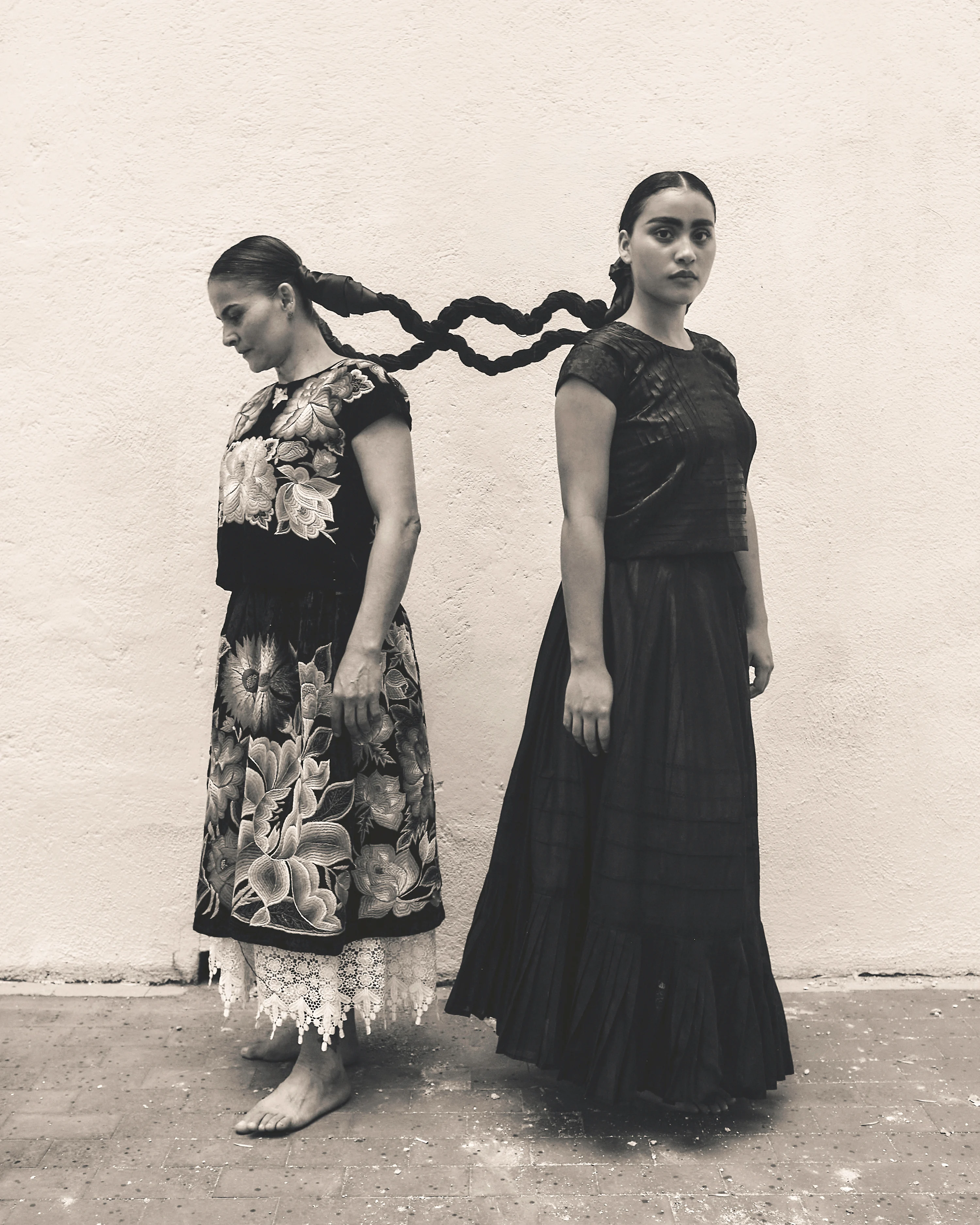


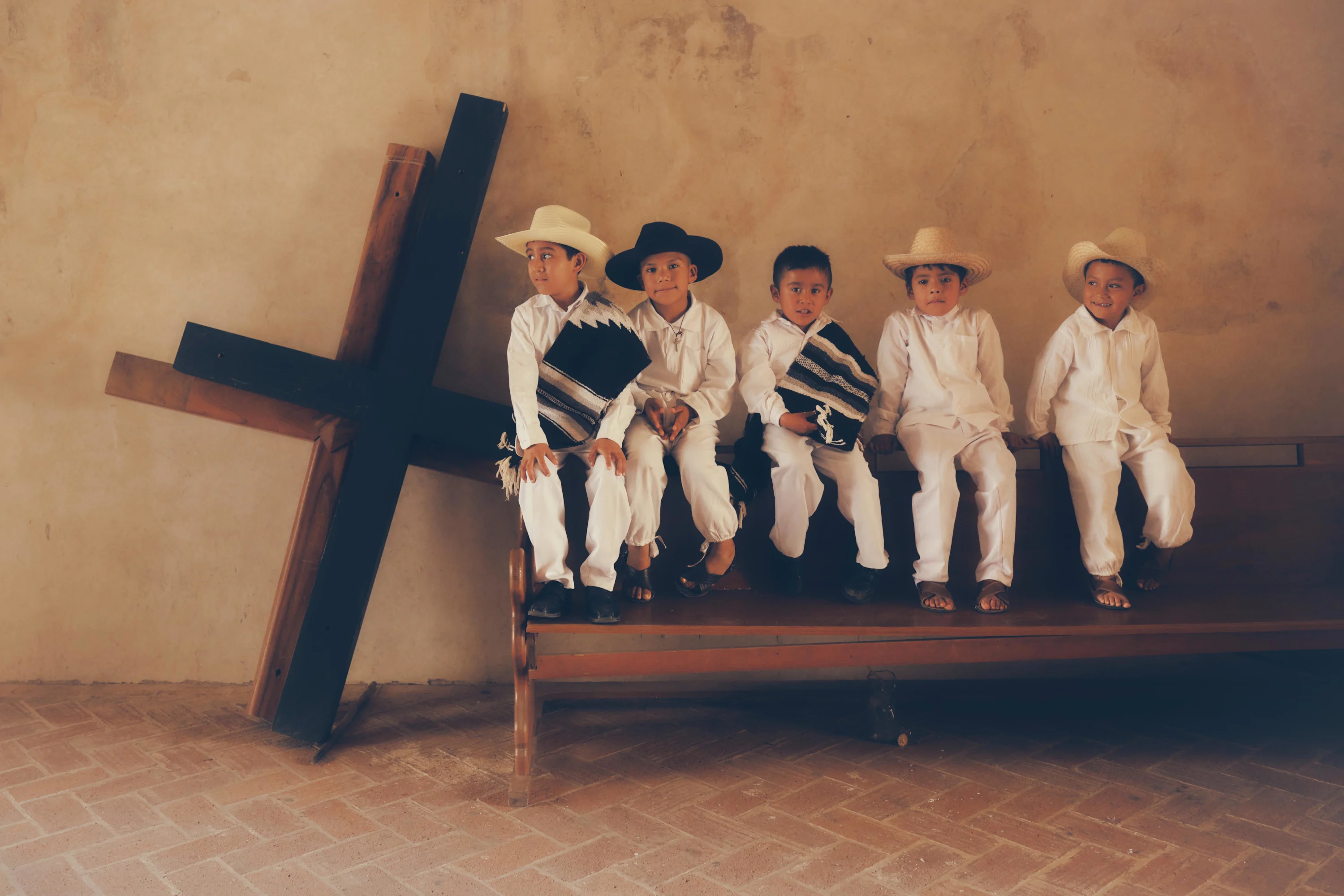
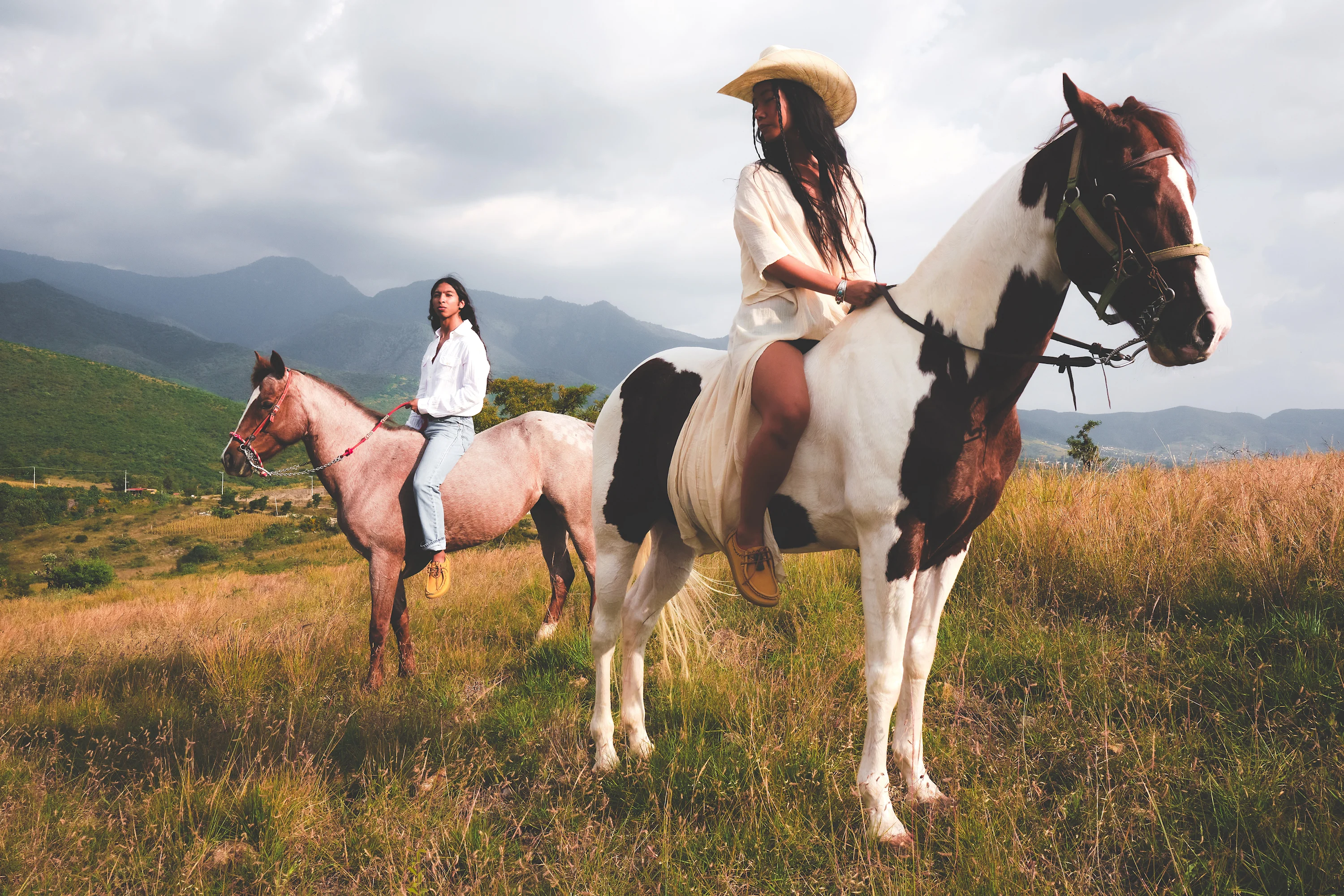
Inspired by the care, beauty and rich heritage he grew up surrounded by in Oaxaca, photographer Enrique Leyva creates beautiful visual worlds celebrating the enduring traditions of his home and the people who carry them forward. He tells Dalis Robinson how fashion photography allowed him to bring Indigenous individuals and communities to the forefront, and why it’s so important for him to capture all of his subjects in a way they can be forever proud of.
Photographer Enrique Leyva grew up surrounded by everyday beauty. In Oaxaca, that beauty lived in small acts: his grandmother wetting and combing her hair at the washing basins each morning, the neighbors braiding their daughter’s hair while sitting outside their house. That early attention to detail became the sensibility he brings to capturing his heritage in his work.
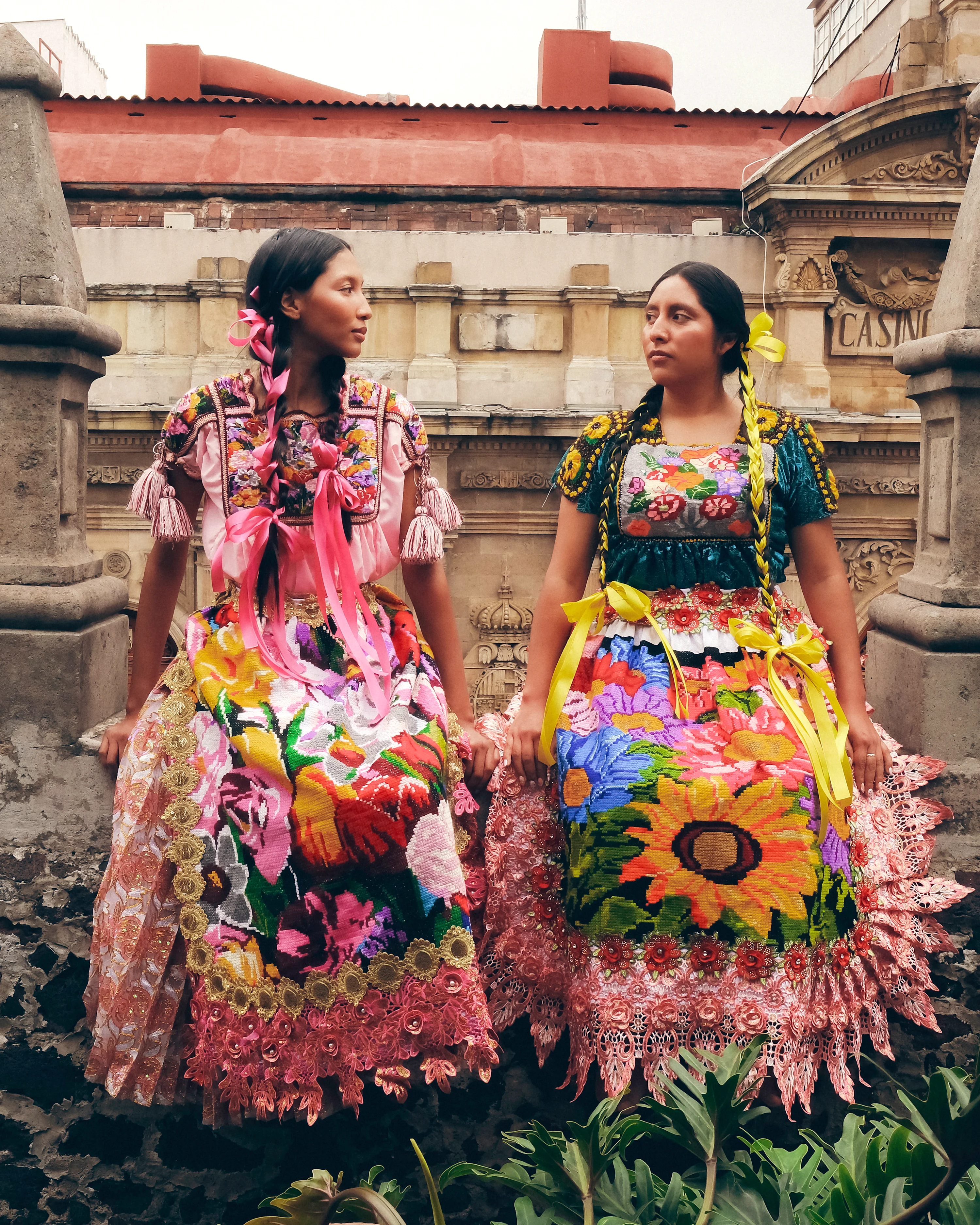
Today, Leyva is one of the most in-demand photographers in Mexican fashion, named to Business of Fashion’s BoF500 in 2024. His first introduction to editorial, a 2020 shoot for Vogue Mexico photographing Indigenous and moreno women from Oaxaca, marked a turning point. He later co-founded Talento Espina, a modeling agency dedicated to highlighting Indigenous, Afro-Mexican and moreno talent.
Leyva’s connection to his roots runs deep through his creative work. What moves him most, he says, is “the search for sensibility through my family’s old photos,” looking for a deeper meaning and clarity in the shots of his own relatives. This reflection often takes him even further back, to anthropology and history books showing how pre-Hispanic cultures portrayed themselves. “What would happen if those figures who portrayed themselves in stone were photographed today?” he asks. He often describes his work as “vestiges of a past-present,” alluding to how centuries of tradition remain alive in the people he photographs.
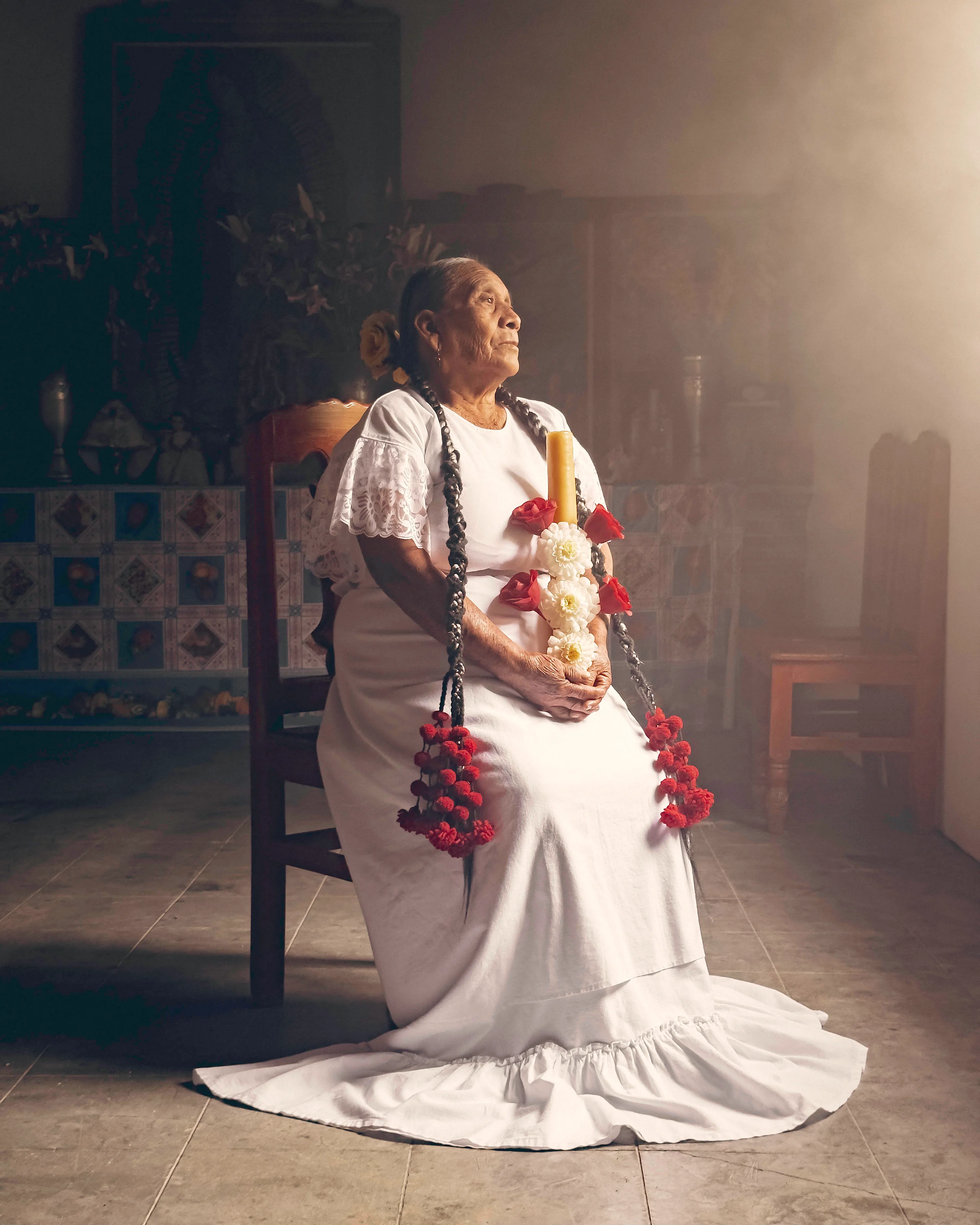
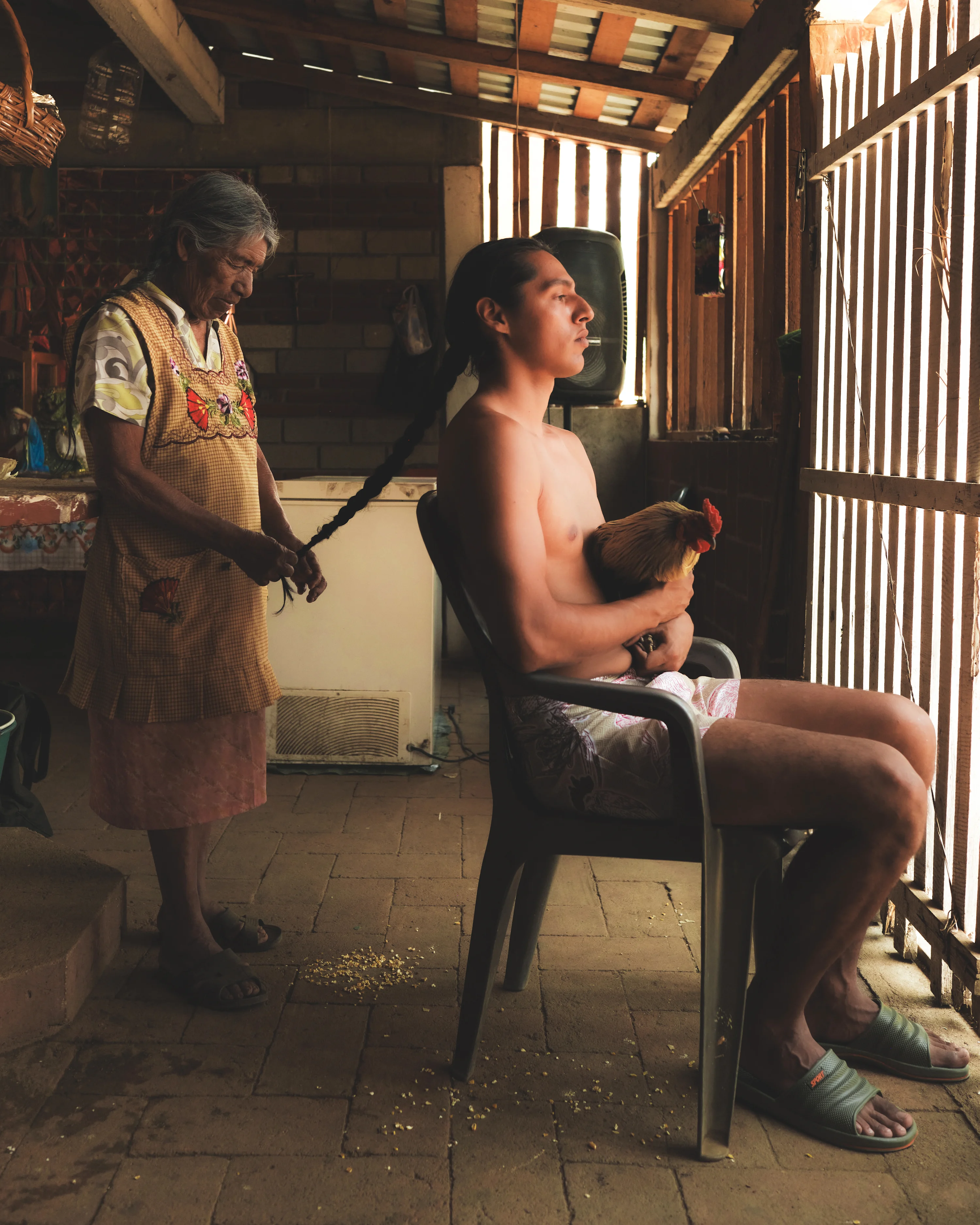
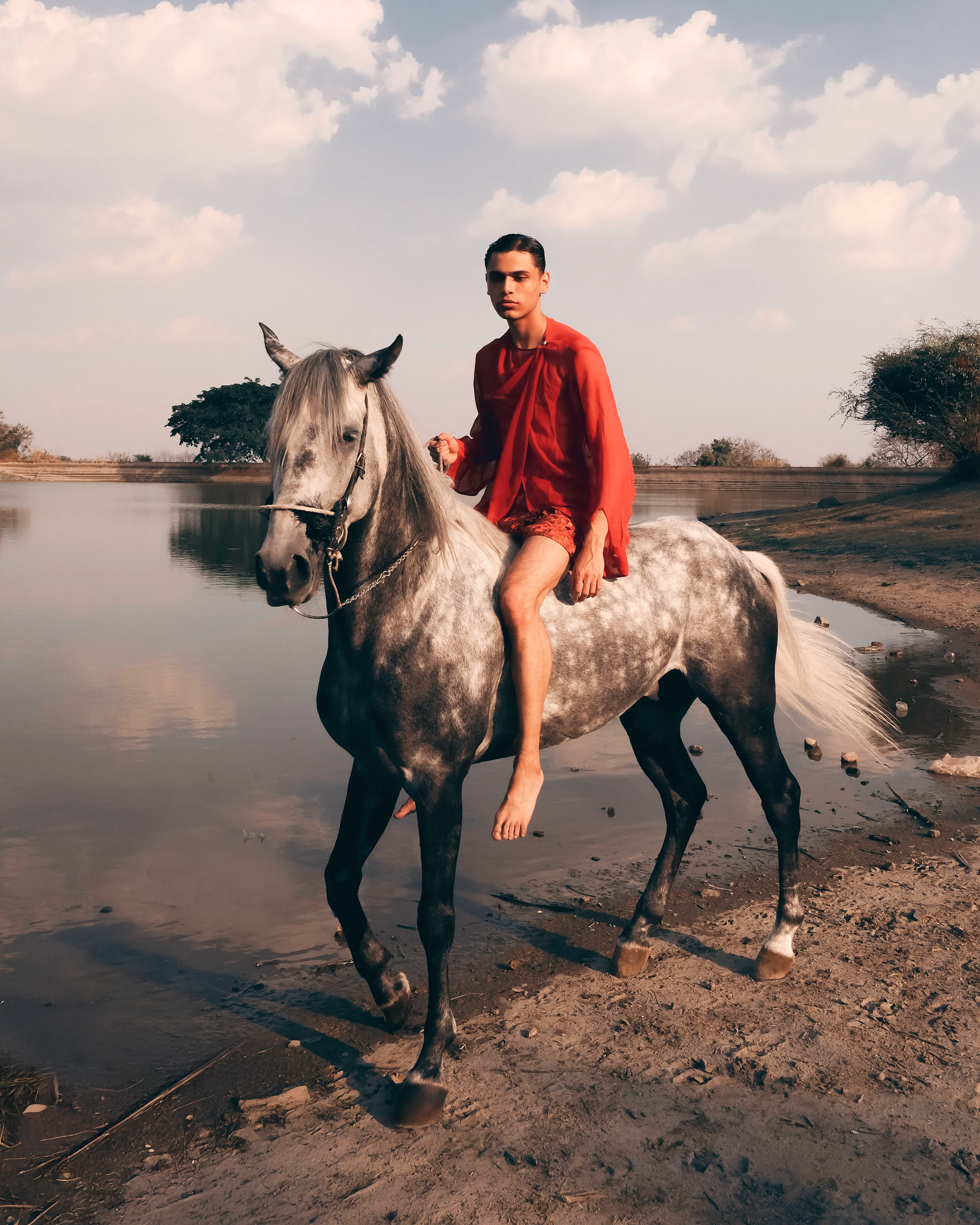
We like to create scenes that lean toward the fictional, yet could exist in the Mexican imaginary.
Leyva’s practice oscillates between documentary and fashion work, and his aim in the fashion industry was to show the beauty of Oaxaca and what was happening there, while breaking away from the ways its communities have long been caricaturized and misrepresented. Fashion, from his perspective, “closed the circle.” What matters most is the person, and this field allowed him to platform indigenous people and their stories. “I believe everyone represents themselves,” he says. That conversation continues at Talento Espina, where his co-founder Pompi García styles and he photographs, with the aim “to push Indigenous individuals and communities to the forefront.”
Leyva’s care for every person he photographs, as he honors his heritage and the communities around him. He emphasizes the importance of capturing the essence of the oaxaqueños he captures, building each image around the person first to show them as who they are: cooks, artisans, healers, actors, activists, filmmakers.
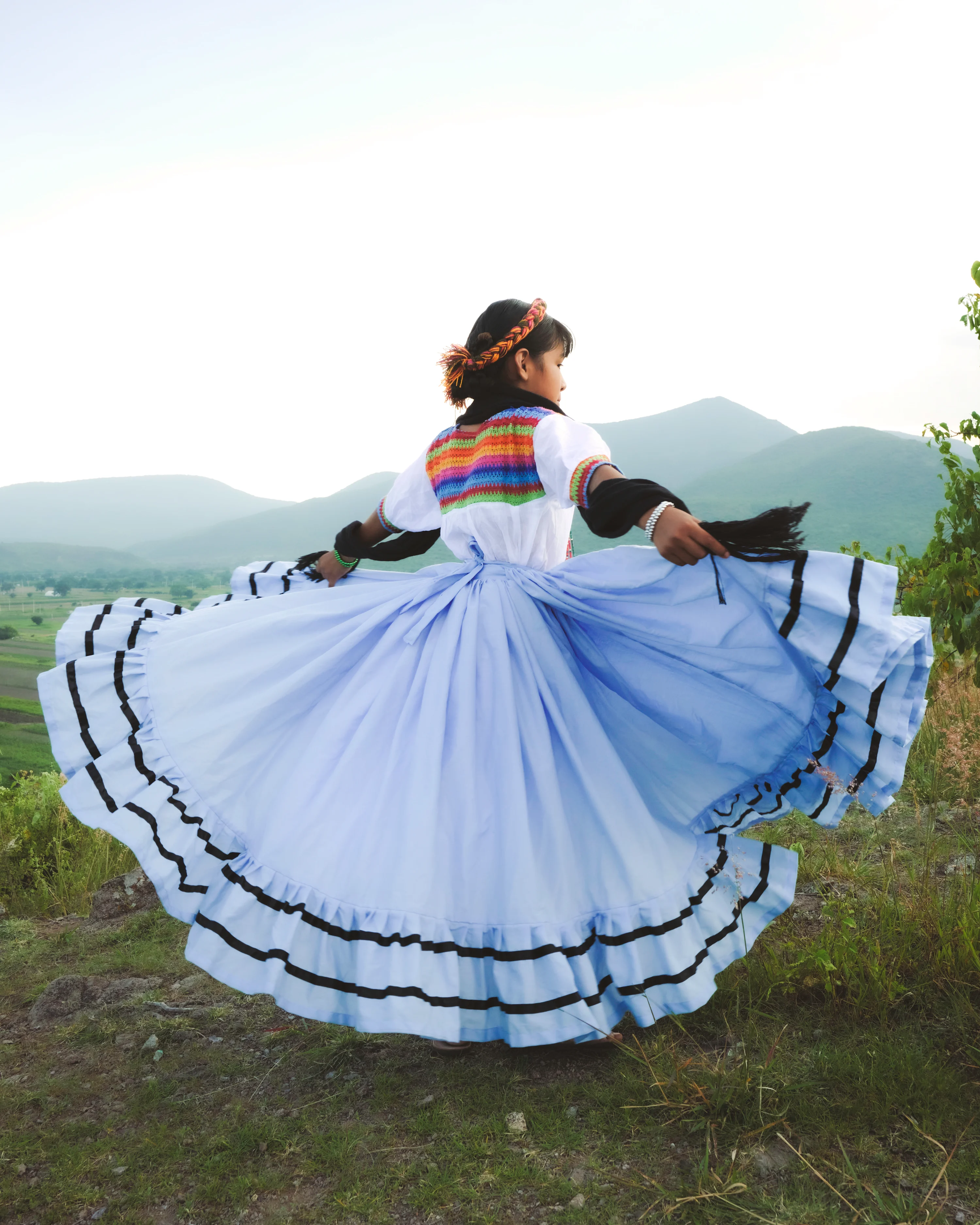
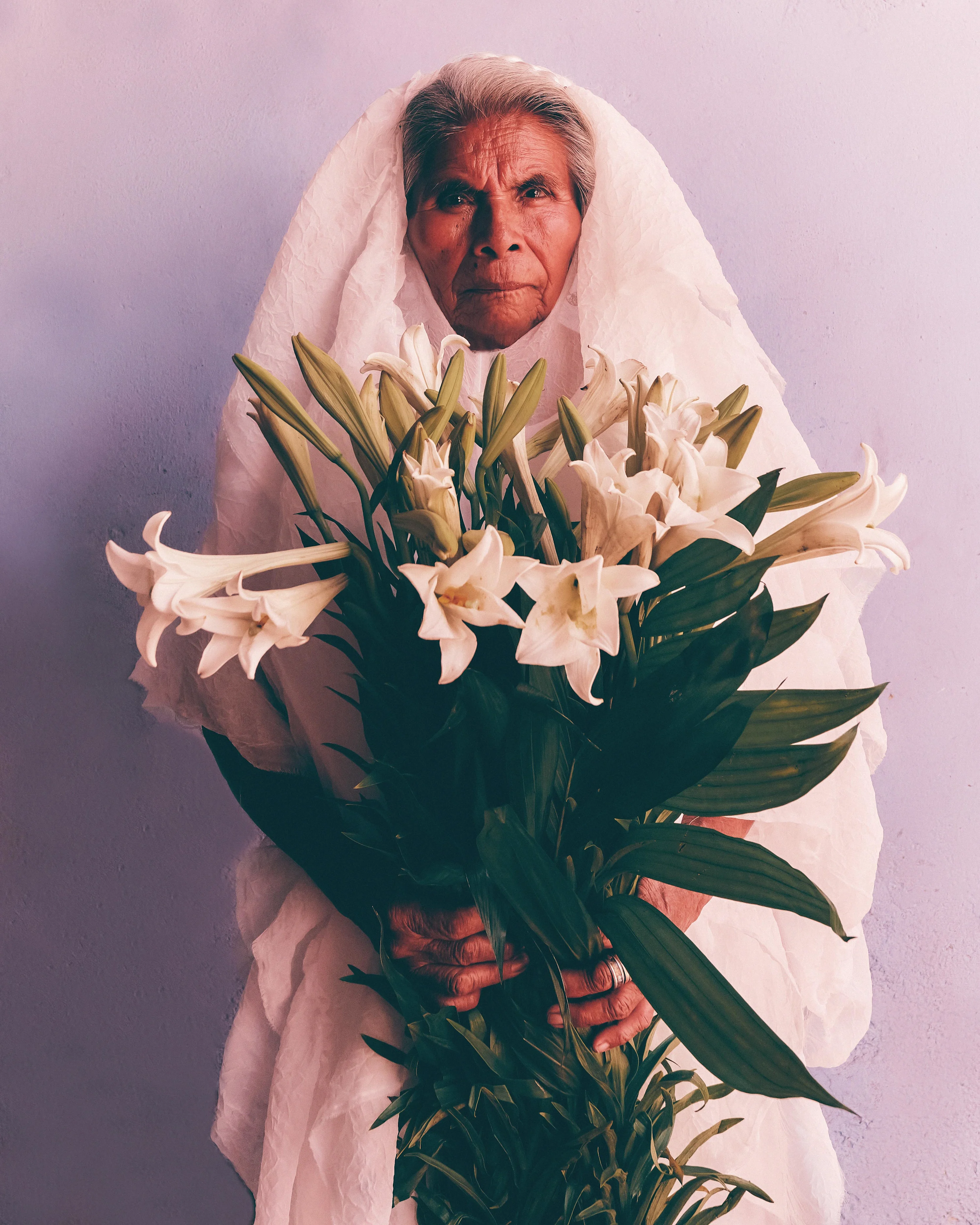
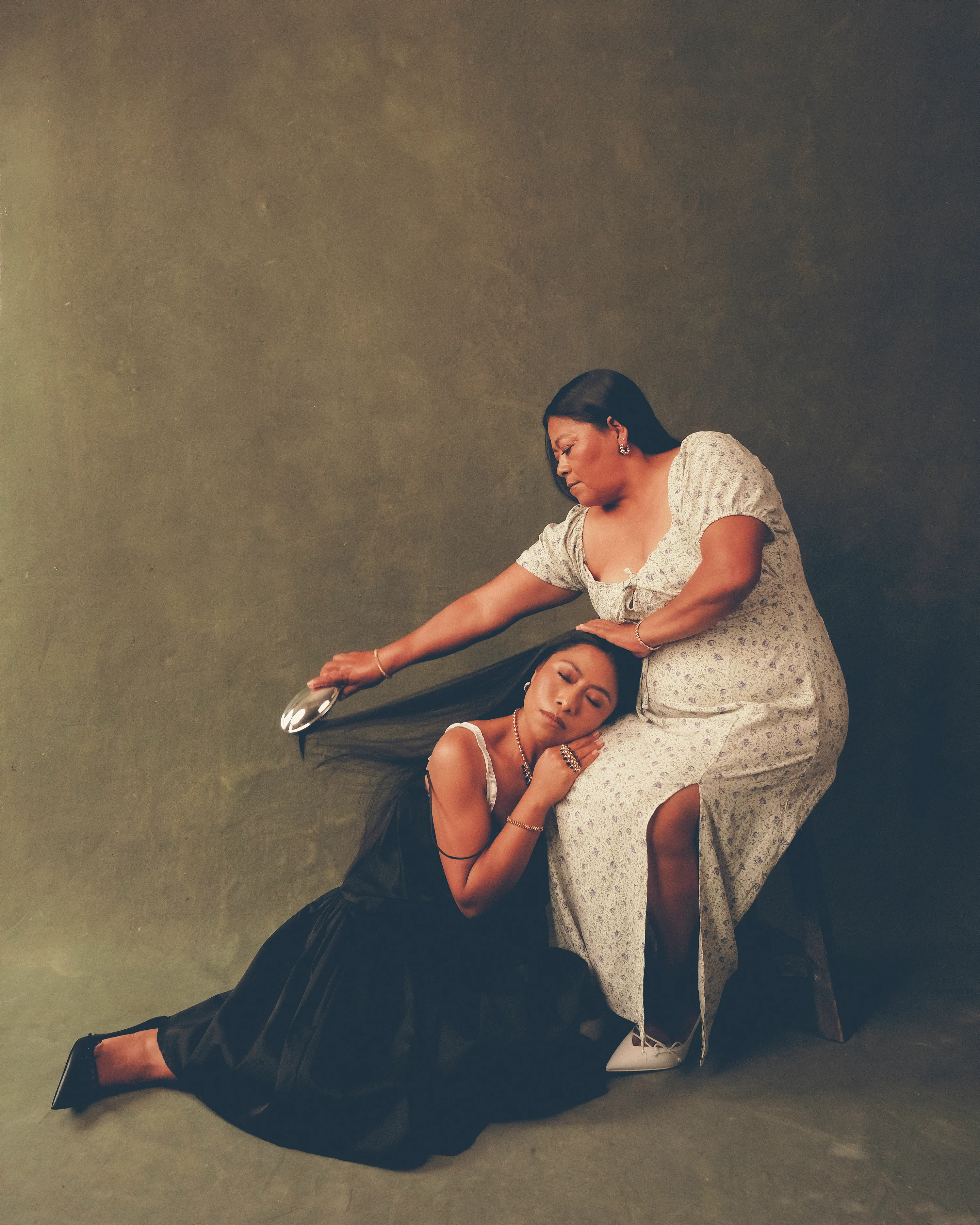
The women in his family are central to that vision of care, especially his grandmothers. He sees their love and heritage come through in everyday acts: walking through the markets, cooking and sharing meals. Some acts of care transcend generations, like tending to their hair, which many communities regard as a symbol of protection and strength. These acts can pass as ordinary, but they have always been unique points of connection for Leyva. “My fascination with hair began with the women around me,” he says.
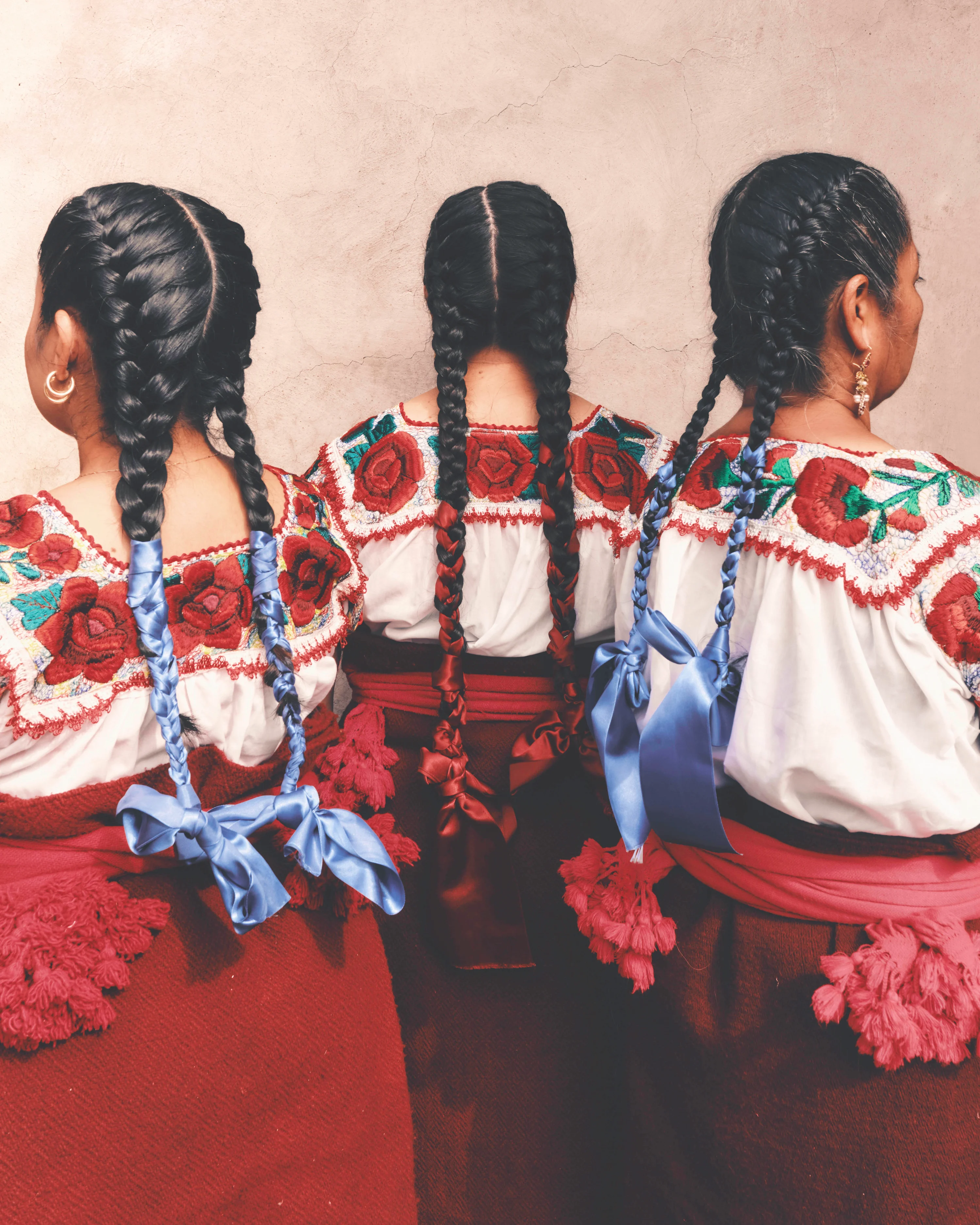
Hair has carried meaning across Mexico for millennia, with many communities wearing braids and headdresses as part of their traditions. Leyva often finds that heritage in front of his lens. “Sometimes the hairstyles worn by the models in front of me resemble sculptures from the Zapotec, Mixtec or other cultures,” he says, “which really resonates with why I started taking portraits and that connection to the past in a living present.”
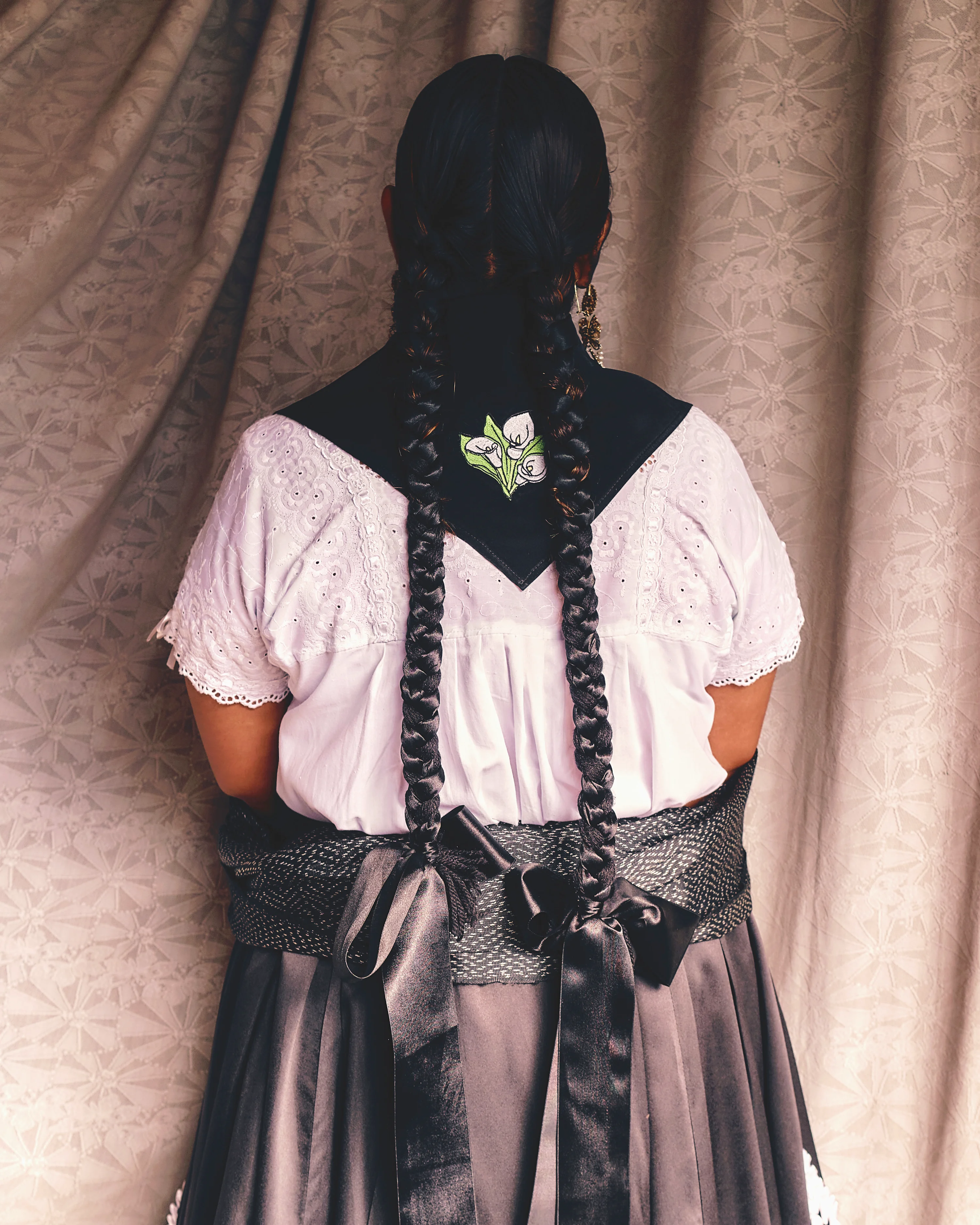
Textiles belong to the same centuries-old lineage. Many communities weave ribbons or wool yarn into braids, often in the same colors as their dresses or huipiles. The way one wears braids and textiles can signal where they come from, their community and the occasion. These traditions are passed hand to hand, from grandmother to grandchildren, which is why, for Leyva, dress is never just for decoration. “Clothing also holds a conversation,” he says, “and through dress, people can express sociological and political positions.” To carry these traditions is to make a statement about belonging. In a fashion industry that has long misrepresented these communities, that statement becomes a claim to be seen on one’s own terms.
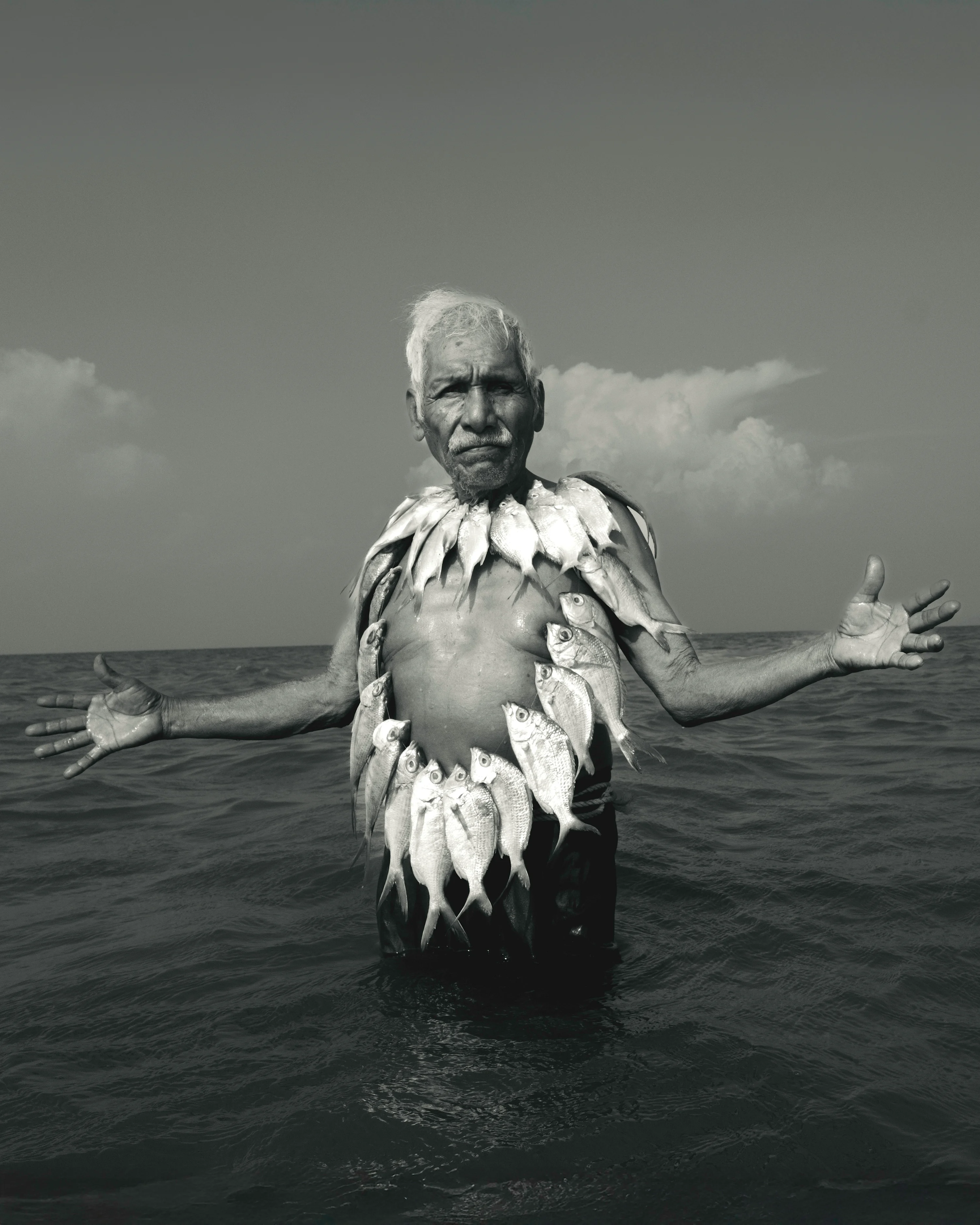
Leyva highlights the importance of learning people’s stories before designing the scene as a crucial part of his creative process. “We like to create scenes that lean toward the fictional,” he says, “yet could exist in the Mexican imaginary.” His portrait of Ta Mitu, a fisherman from Juchitán, Oaxaca, adds surrealism to a scene that already exists as he invited him to wear his fishing line as a necklace. Ta Mitu stands proud in the water, fish across his chest.
If these people were to see their photos in a book, I’d like for them to be portrayed in a way they’d feel proud.
Photography, for Leyva, is how he shows his admiration and shapes how those in front of his lens will be remembered. “If these people were to see their photos in a book, I’d like for them to be portrayed in a way they’d feel proud,” he says. “Viviana, the candle artisan whom I photographed for a Vogue editorial, keeps that photo on display and shows it off with pride. It makes me happy to think of her family and herself having it for life.”
Reflecting on what connects him to his work, he highlights the human connection he has built over the years with Oaxaca’s creatives and the people he photographs. Enrique smiles as he remembers a production that began with a portrait of a woman and ended with dinner at her table. “Beyond what I show in my pictures, I think it’s mostly what’s behind them,” he says. “I visit these señoras and others I’ve photographed, and it’s always an absolute joy to see them. I believe connection through photography should be present before, during and after the photo itself.”