Cover image: Spain, 2025
When Ekin Özbiçer left her home of Istanbul for Barcelona in 2023, she doubted whether her photography practice would adapt to the different pace, aesthetic and social cues of her new surroundings. In her series “The Other City,” she creates diptychs using shots from both places, an act of pulling her two homes closer together. Esra Gürmen speaks to Özbiçer about their shared experience of leaving Turkey, and how we can find a sense of home wherever we are.
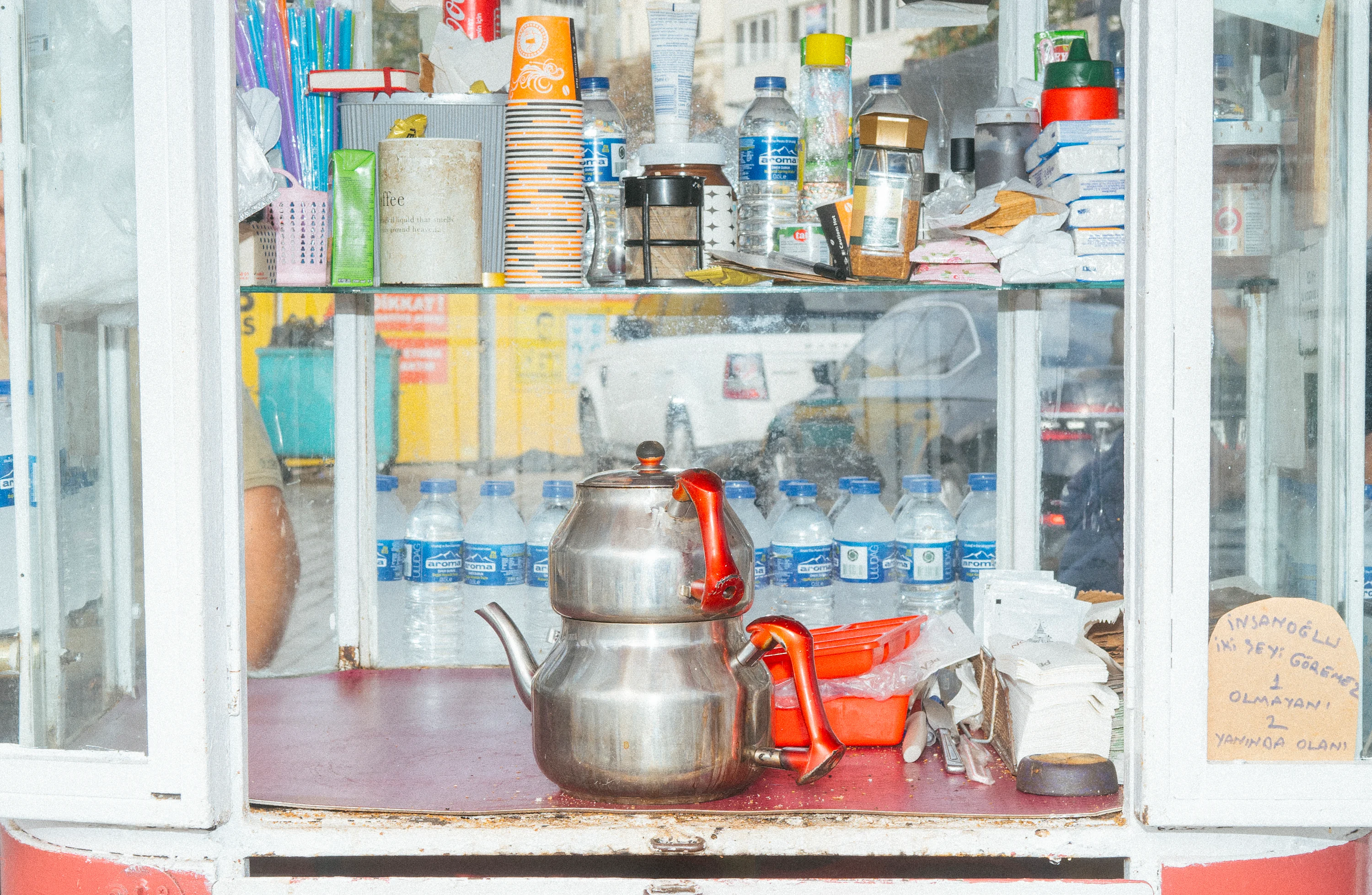
Inside a mobile kiosk in Istanbul’s historic Karaköy neighborhood sits a curious teapot. It promises to sell hot brewed tea, but there’s no heating arrangement in sight. The singular object stands proudly atop a piece of red linoleum, amid a jumble of items including a jar of instant coffee, a tower of paper cups, rows of plastic water bottles, a red notebook, a tube of hand cream and a bottle of cologne.
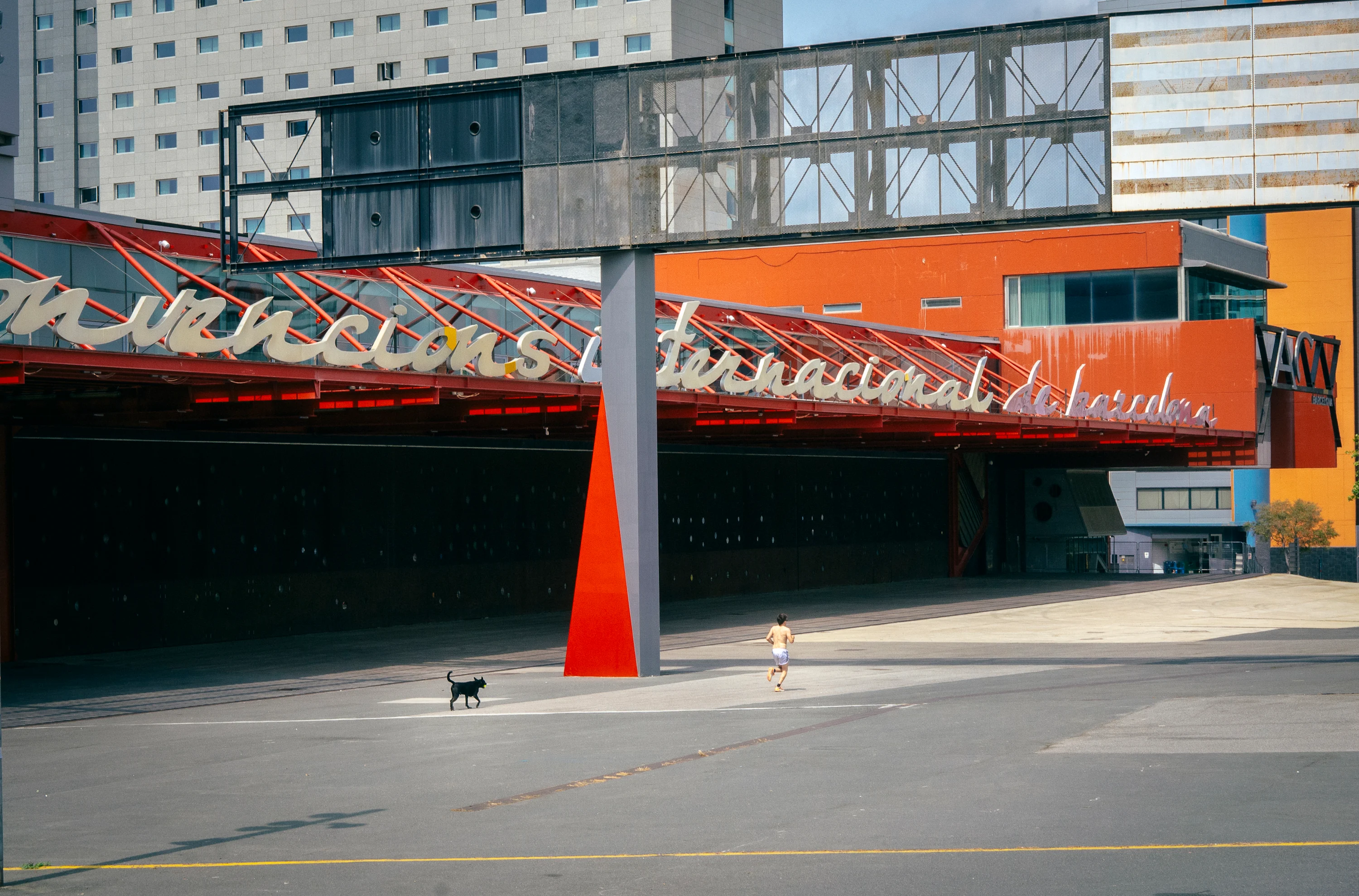
Some 1,400 miles west of Karaköy, across the Mediterranean Sea, in Barcelona’s Diagonal Mar district, a dog holds a tennis ball in its mouth contentedly, as it trails well behind a topless runner. Both figures stand miniature against the imposing geometry of the International Barcelona Convention Center.
What bridges these two unlikely images is “colors,” according to their creator, Istanbul-native photographer Ekin Özbiçer, who relocated to Barcelona in 2023. The artist has paired these photographs, and 10 others, for “The Other City,” her new series of diptychs exploring the duality of living in between two places. “Both photographs have a painterly feeling for me, even though one is open, clean and geometric, while the other is cluttered, absurd and random,” Özbiçer says. The graphic echoes are clear: the teapot’s tired red handles reach out to the concrete pillar whose austerity is broken up with a playful, diagonal red triangle, invoking the precise lines of the late visual artist Carmen Herrera.
Maybe you don’t have to know a city’s every little nuance to practice your creativity in it.
But I suspect there is another reason why Özbiçer paired a close-up of a kiosk with a wide shot of a plaza: they represent a microcosm of what each city means to the photographer. The crammed kiosk, with its oddly charming chaos and the feeling of something unexpected, is pure Istanbul; the expansive plaza, with its promise of personal space and orderliness, is Barcelona.
“Istanbul is a city of contradictions,” Özbiçer says. “There is no studied, human-centric urban design. It has grown with rent-seeking in mind, without a lot of consideration for its inhabitants.” Despite that, it still draws you back in. “Sometimes you turn a corner and suddenly, between two crumbling buildings, the Bosphorus opens out before your eyes. Compare that with, say, Eixample and its mathematical grid system. You know where to find everything.”
The Catalan capital is not without its issues; it is currently embroiled in a housing crisis. Still, Barcelona’s pace felt stabilizing to Özbiçer, after enduring years of rampant inflation and constant political turmoil in Istanbul. Paradoxically, though, she found herself unable to take pictures in her new city. She’d been wired to take photographs in Istanbul’s denser and more crowded environments, where she felt more comfortable about encountering an unexpected or absurd moment. It’s this accidental texture of her photography practice that she feared she had lost. And her practice did suffer. “I had a lot of reservations about photographing Barcelona without knowing the social cues as well as I do Istanbul’s,” she tells me.

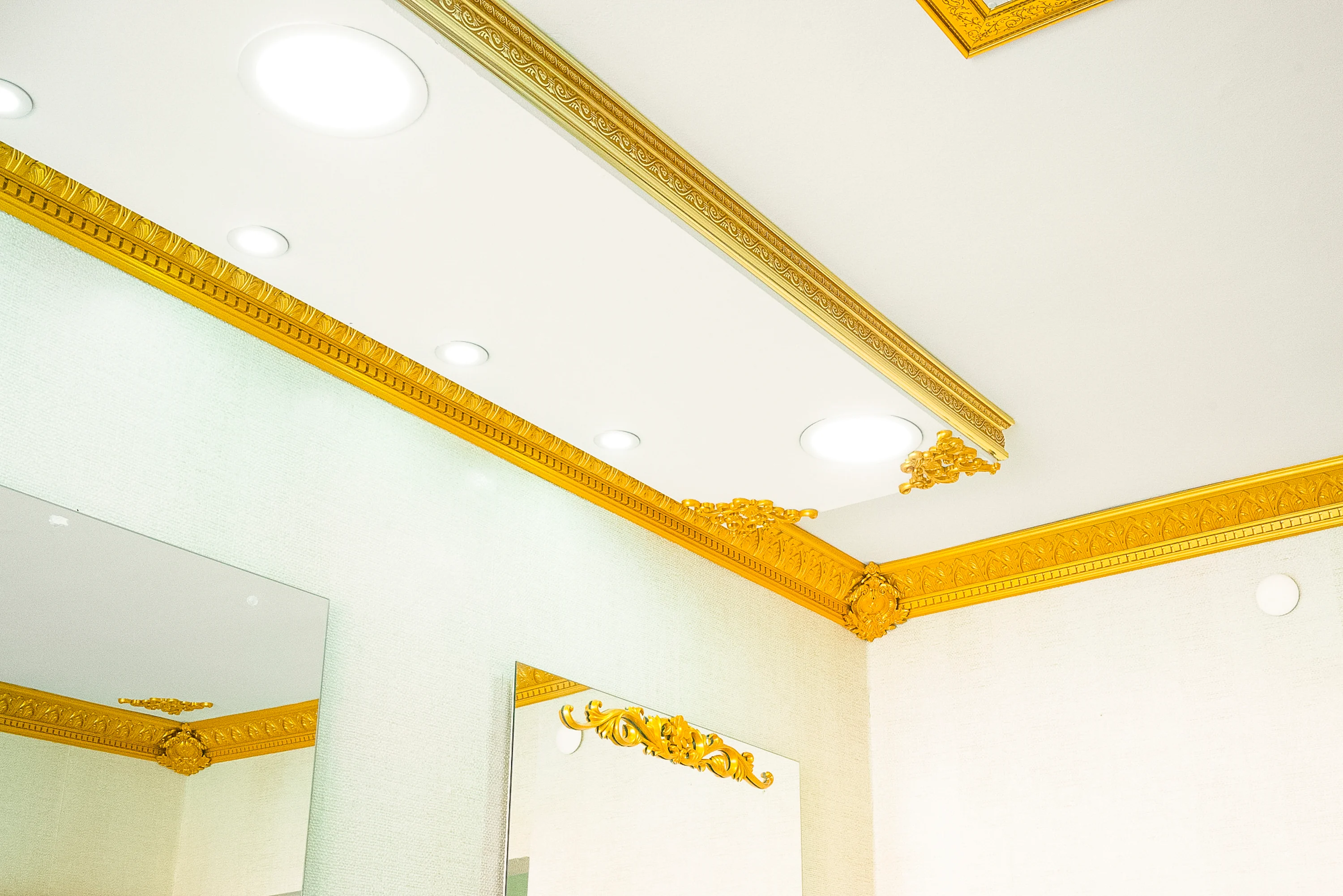
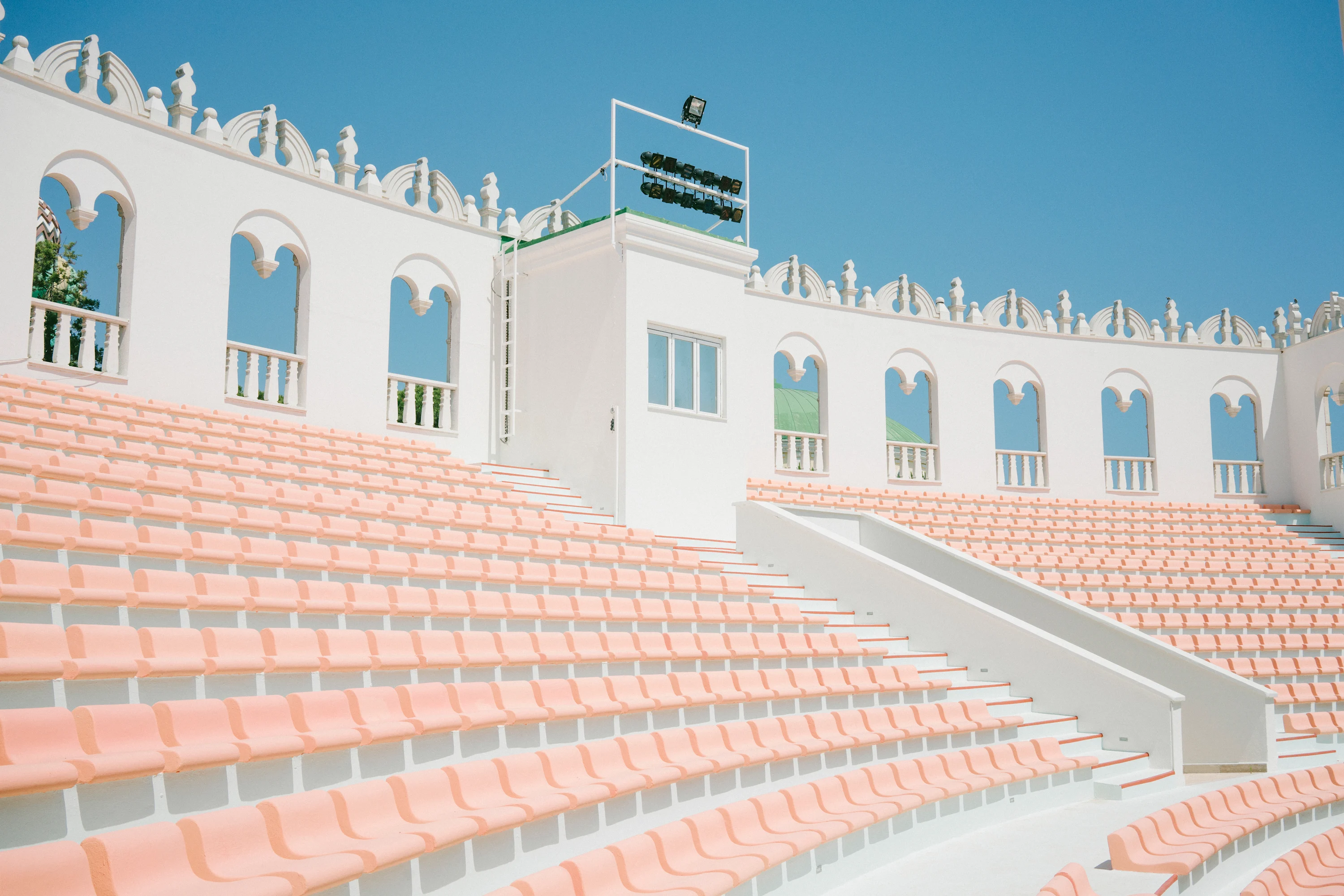
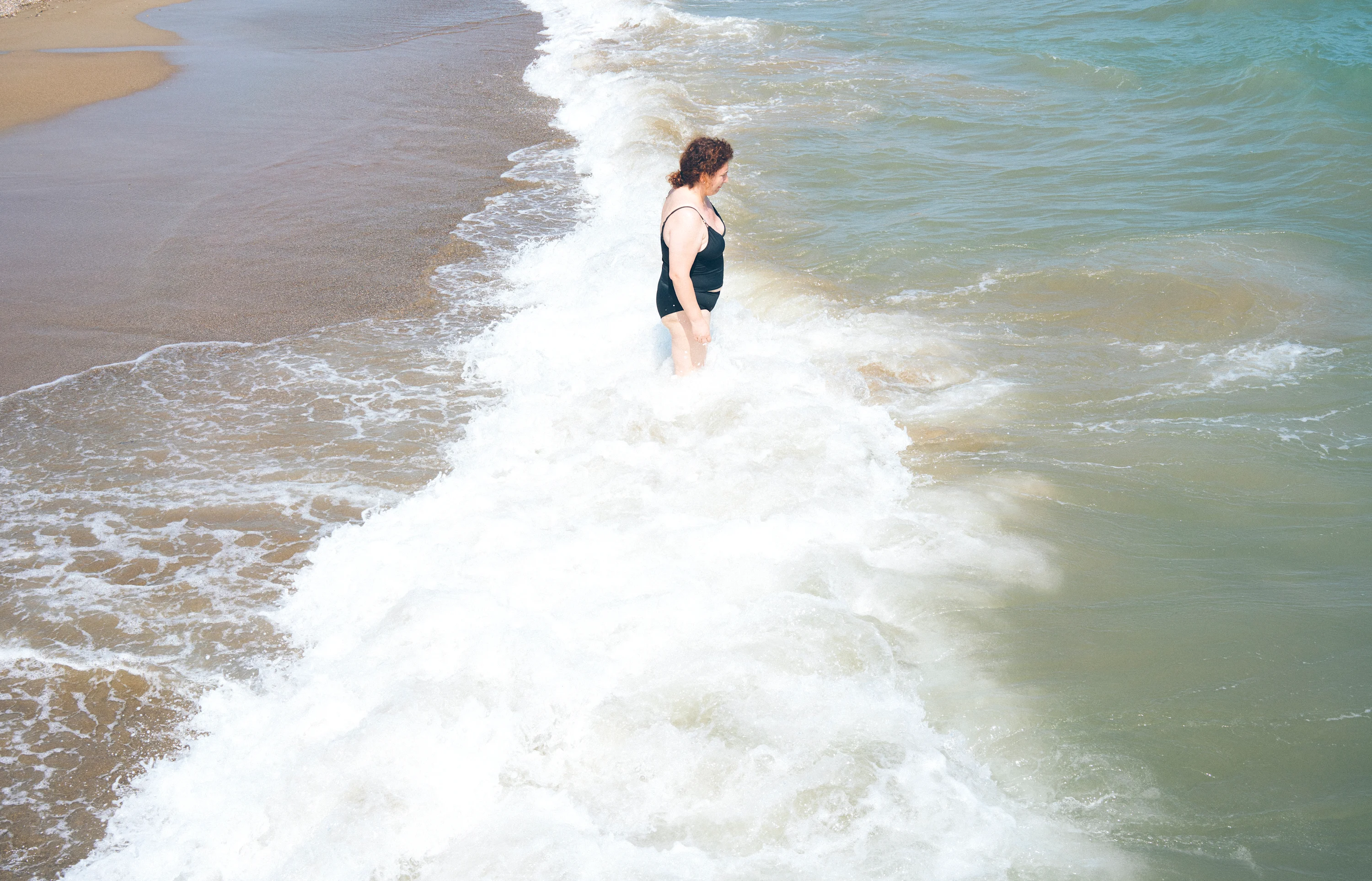
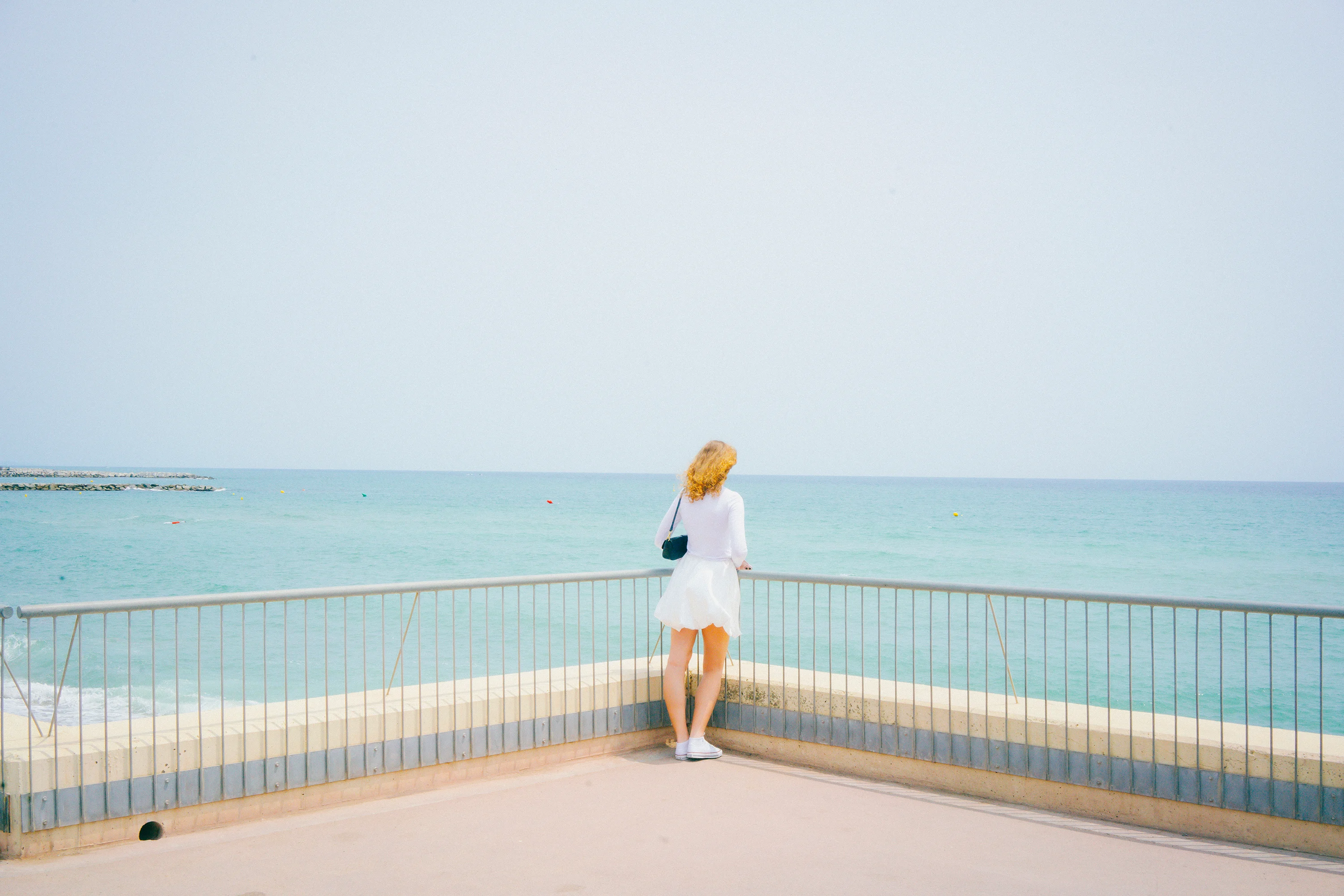
Özbiçer first picked up the camera in 2004 at the age of 21. She always loved observing the people around her, how they relate to and create the aesthetic around them, how people from different classes interact with one another in a heterogeneous city like Istanbul; she found tenderness in their fallible moments. This endless curiosity to explore found great company in the streets of Istanbul. She developed her photographic reflexes in the city’s many corners, where, to get to The Decisive Moment, one also had to be decisive about what they wanted. “I like to show people in a state of contemplation,” she says. It’s as if their state of rumination allows her space for her own. “It’s either melancholy or humor that I am interested in revealing.”
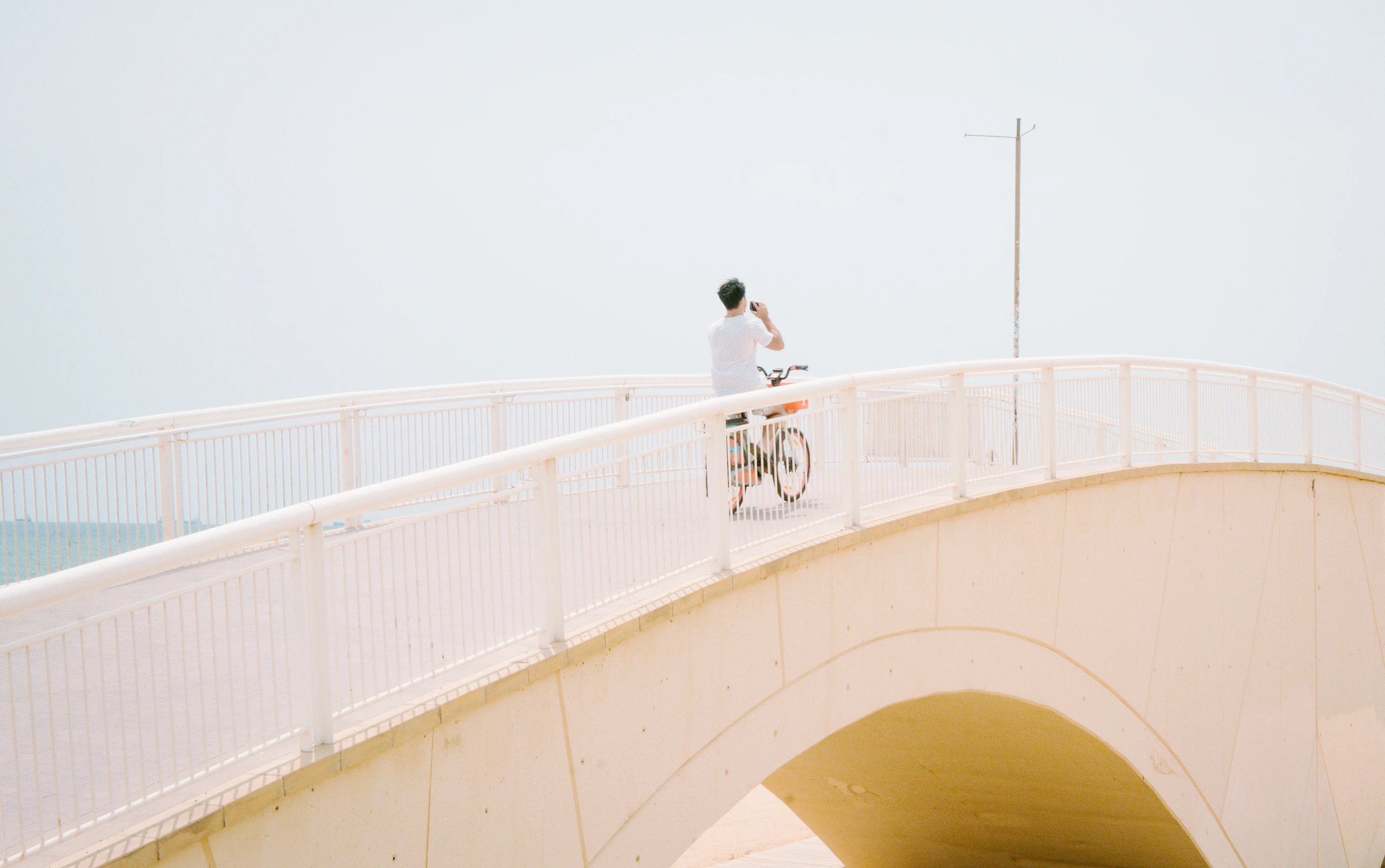
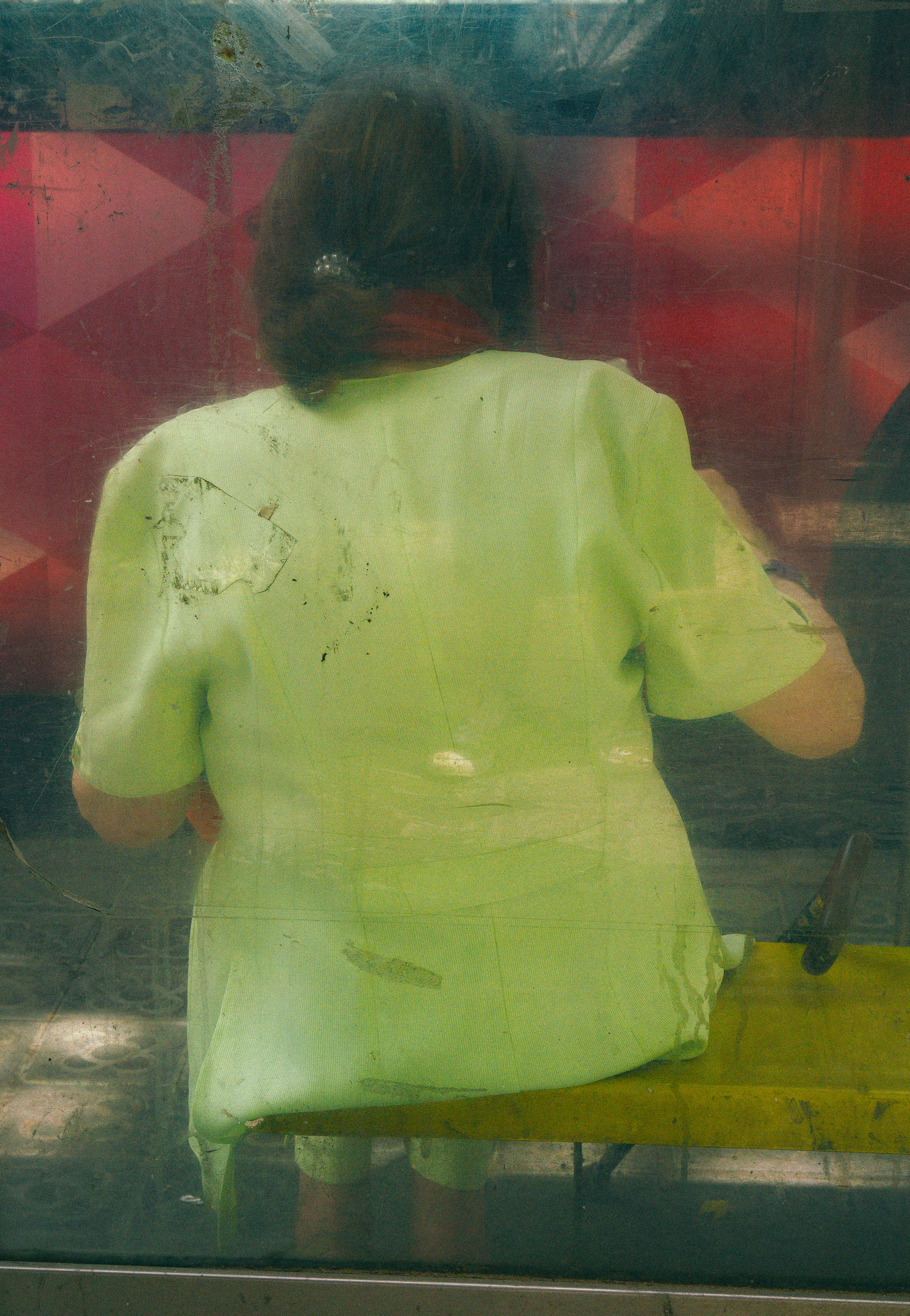
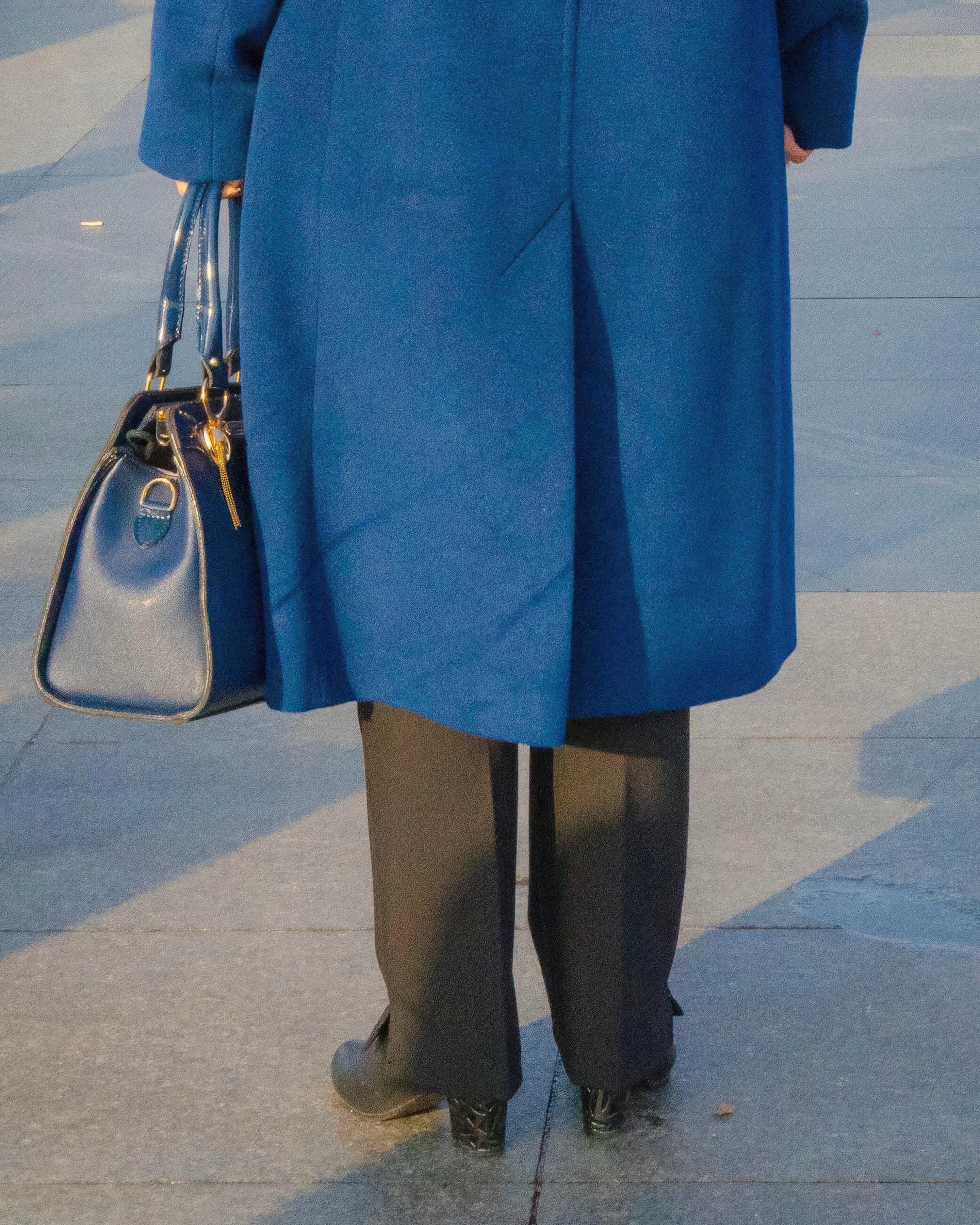
This is evident in many of the pictures shown here. Take her characters staring out at the sea, whether it is the Mediterranean or Marmara. What do they want from it? “In reality they could be there to take a selfie,” Özbiçer says, but she won’t let them get out of the scene without imbuing it first with a Hopperesque shot of solitude.

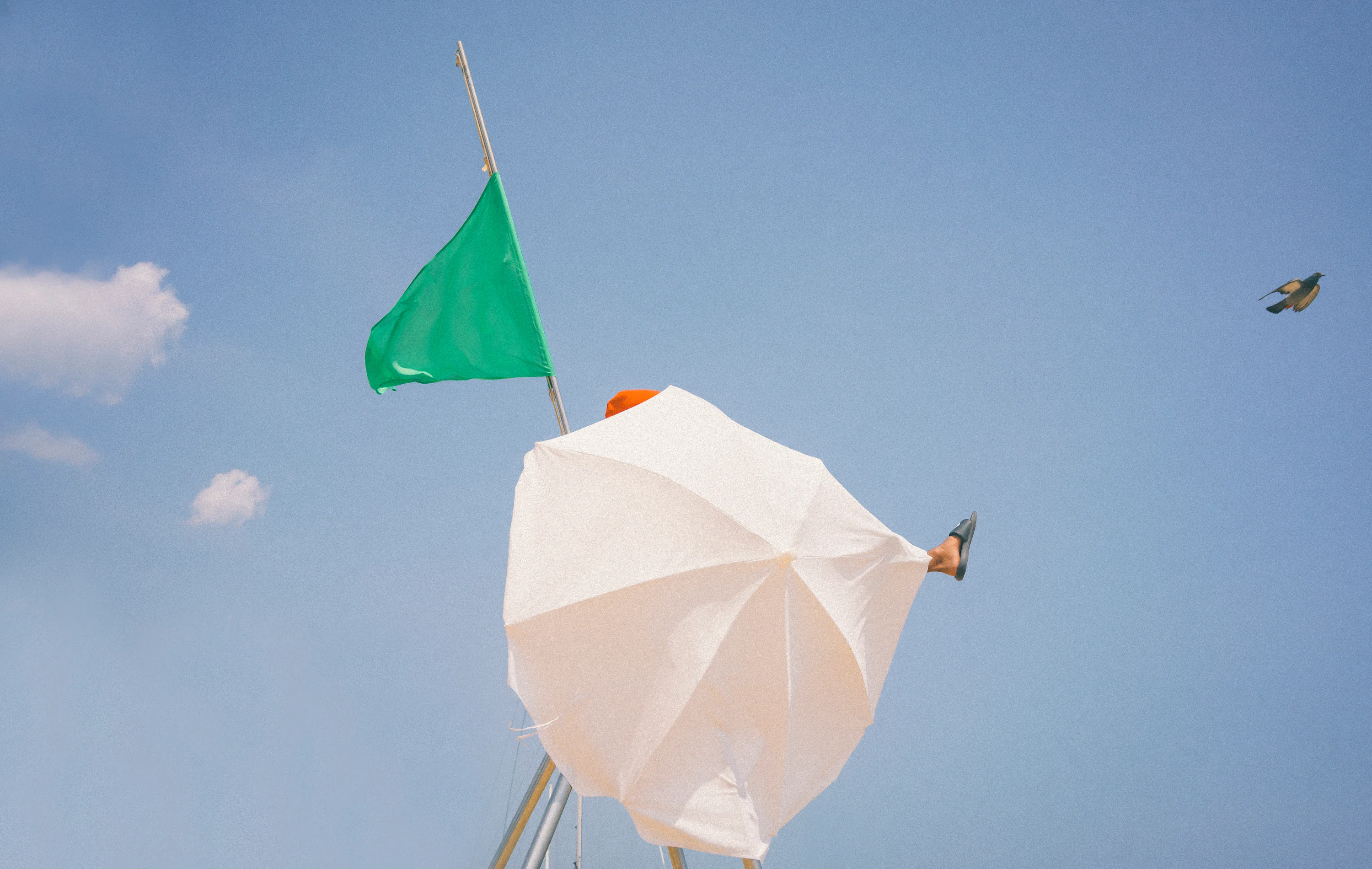
It could be either Barcelona or Istanbul… whichever city it is, the feeling is the same.
When she finally found the courage to photograph Barcelona, she realized her practice is the same wherever she goes. “When I look at the final images, they don’t feel that different to me,” she says. “Maybe you don’t have to know a city’s every little nuance to practice your creativity in it.” But when it was time to share them, she found herself in a strange predicament. “I could not bring myself to look at my Barcelona pictures without the context of Turkey. It felt like a betrayal. I couldn’t make sense of one place without the other,” she says. And so her idea to pair the images was born; it would not be immediately obvious which city was which. “It could be either Barcelona or Istanbul. What matters is the feeling.”
When Özbiçer first showed me her series, something deep in me got stirred up. I also left Istanbul, for London, 17 years ago. London is my home now, but to this day, I’ll sometimes have a dream, where I take the tube from a nondescript station, only to find myself in the middle of a nondescript place. It’s not clear to me where I am, until I realize I’m walking down the street I grew up in. I believe that in those moments, my subconscious is trying to bring the two cities closer, as if to say to me, it’s OK, you are always home. I was reminded of this when she told me, “whichever city it is, the feeling is the same.”
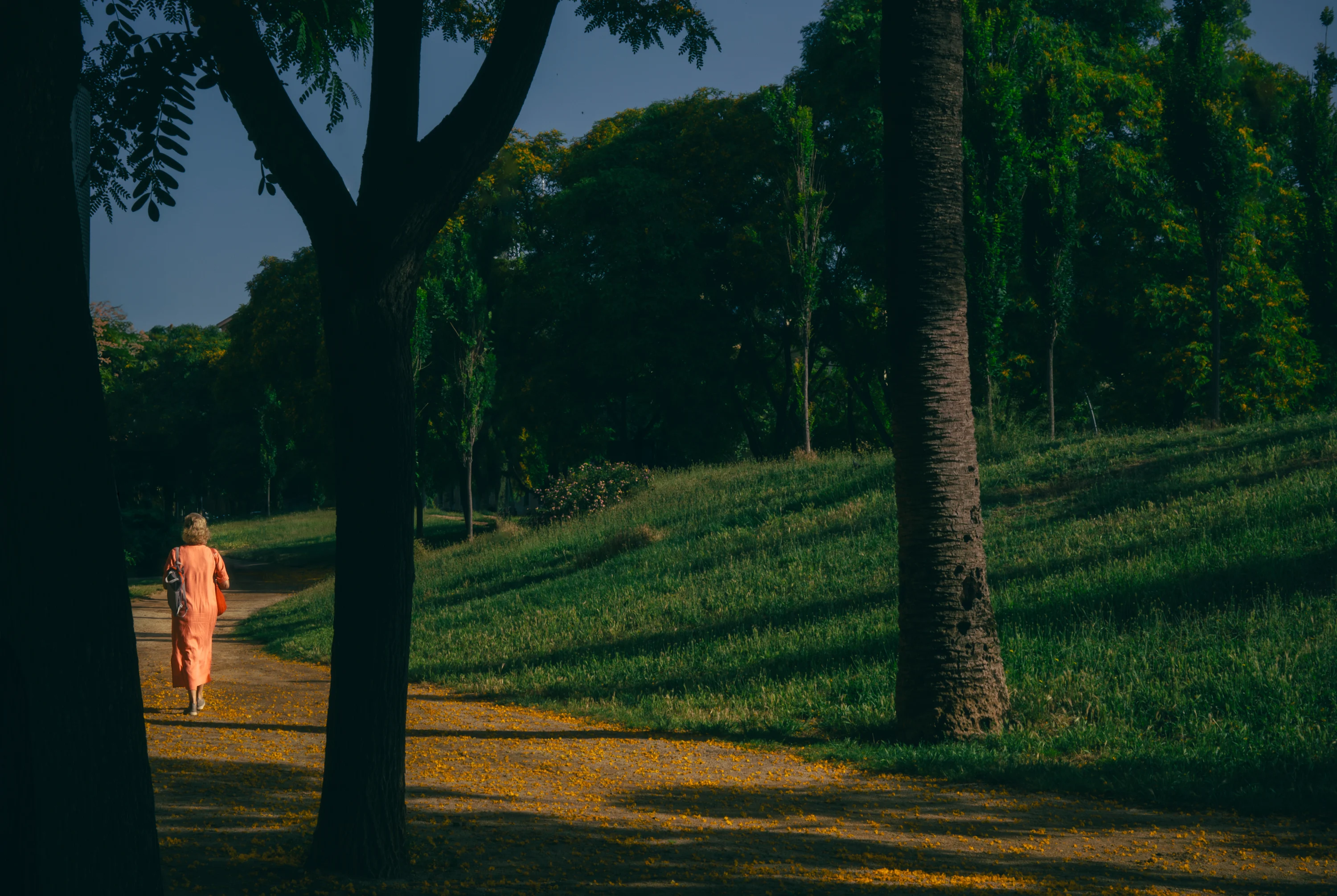
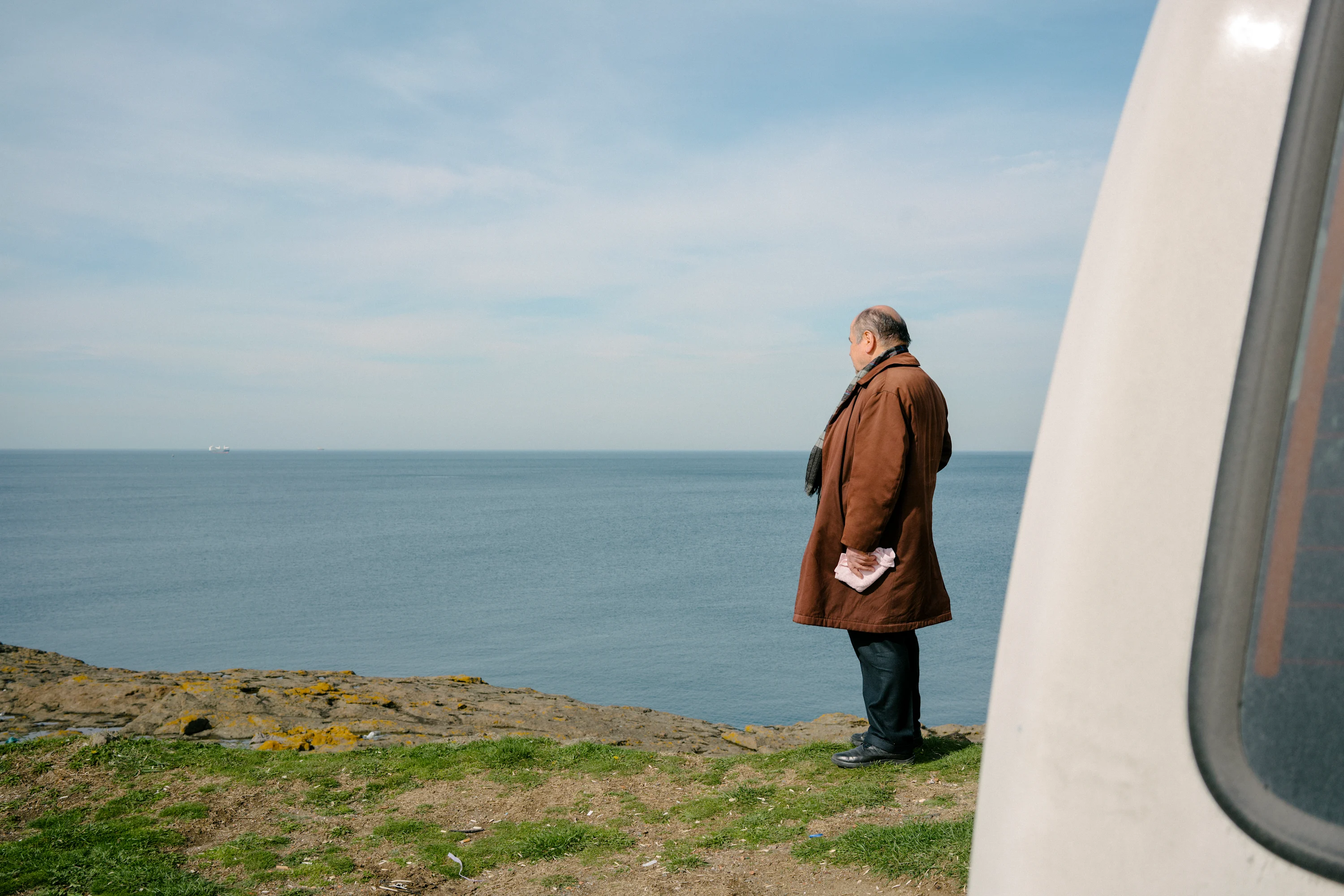
Diptych comes from the Greek word diptikos, meaning “folded in two.” No wonder then that she chose this format for “The Other City.” Her medium contains a powerful gesture within it: the physical act of pulling the two places closer to one another to make one’s artistic practice, and oneself, whole. It’s a way to negotiate loss and homesickness.
With this method, Özbiçer’s series asks for our attention twice. First to view the images on their own, and then in relation to each other. And so I oblige. I find myself going back to the image of the curious teapot. Scribbled on a small piece of cardboard in the corner of the kiosk’s window, I see it. A riddle that tells us a great deal about the human condition. Loosely translated, it reads, “There are two things that human beings fail to see: 1) What isn’t there 2) What is there right in front of them.”