Debora Brune’s “Uncool” is a collection of uncompromising portraits of individuals whose differences are too often overlooked, stereotyped or reduced to a single narrative. The project considers how difference is seen, cast and represented—Brune gets up close and personal with each subject, avoiding spectacle and drama to truly see her subjects and make space for their individual stories. She tells Marigold Warner how she hopes the project might act as a manifesto to remind magazines, brands and casting directors that they can follow suit.
“Uncool” is available to purchase here.
Debora Brune made her debut into the world of fashion during “the peak of diversity campaigns.” From around the tail-end of the 2010s, ads and runways saw a sharp rise in diverse casting, driven largely by the size-inclusivity and the Black Lives Matter movements. But as the German photographer watched the industry react, she noticed a hierarchy in representation. “Disability is last on the list,” says Brune, who is a wheelchair user. “I saw how disabilities and visual differences were just pushed into casting. I thought, ‘come on – put in a little bit more effort!’”
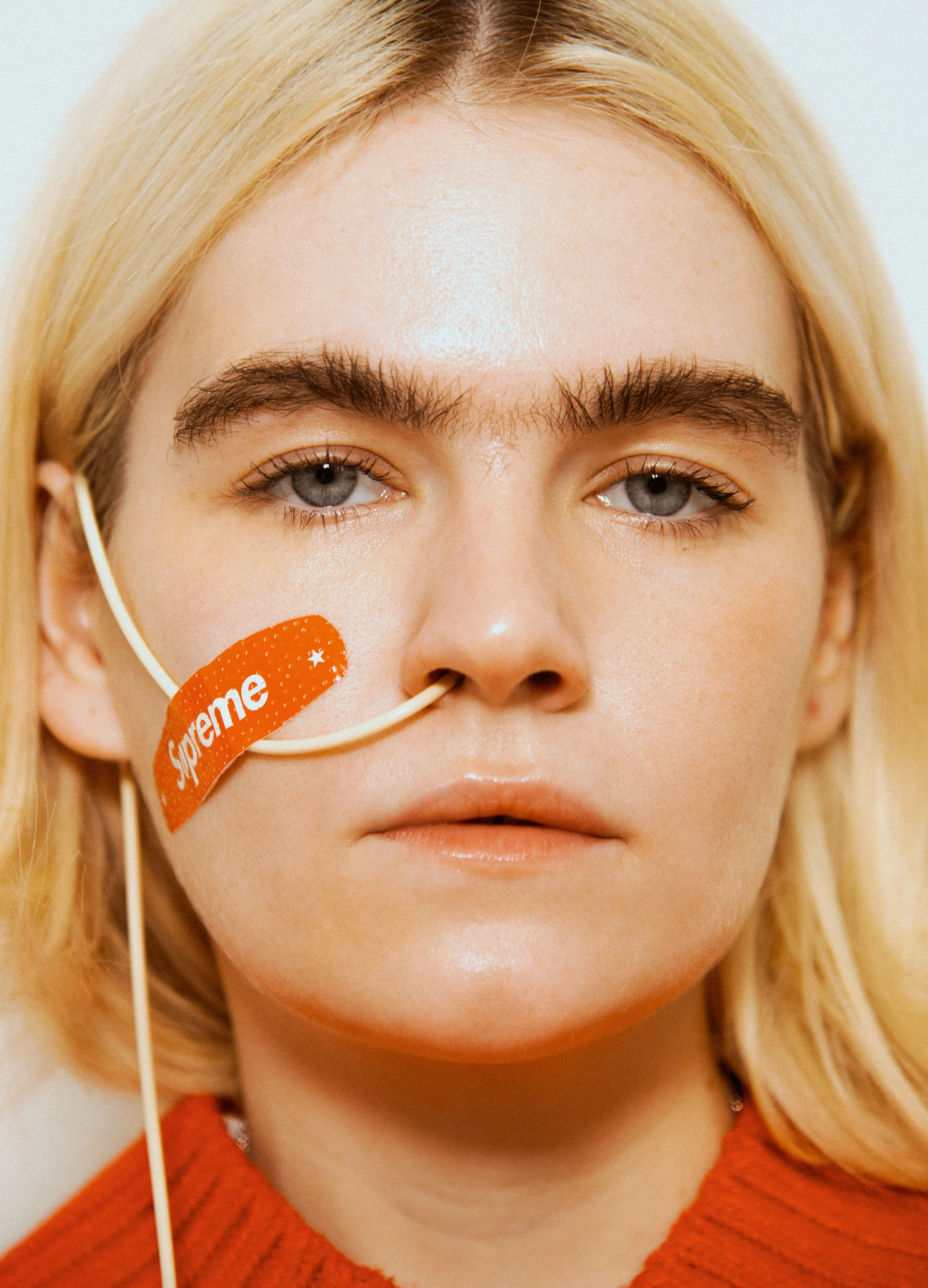
That became the starting point for Brune’s new book, “UNCOOL.” Four years in the making, it features 26 individuals—mostly working models picked by Brune with the help of ZBD Talent, a London agency specialising in inclusion. “The talents need to catch me,” she says. “I want to be interested in the face, and cast people who I would cast for any other project. And then the next question is: why does this difference or disability make them even more interesting?”
We meet amputees, cancer survivors, people with Down syndrome, and others with visible or invisible differences that society might label as outside the so-called “conventional” beauty standards. Crucially, Brune approaches her talents without caution or pity. “People have told me that my models look strong in my photos, or at least they don’t look like victims. That’s important to me,” she says. “Don’t make it dramatic. Don’t make it a spectacle. It’s more like, okay, I am going close, and I see you, with whatever you have.”
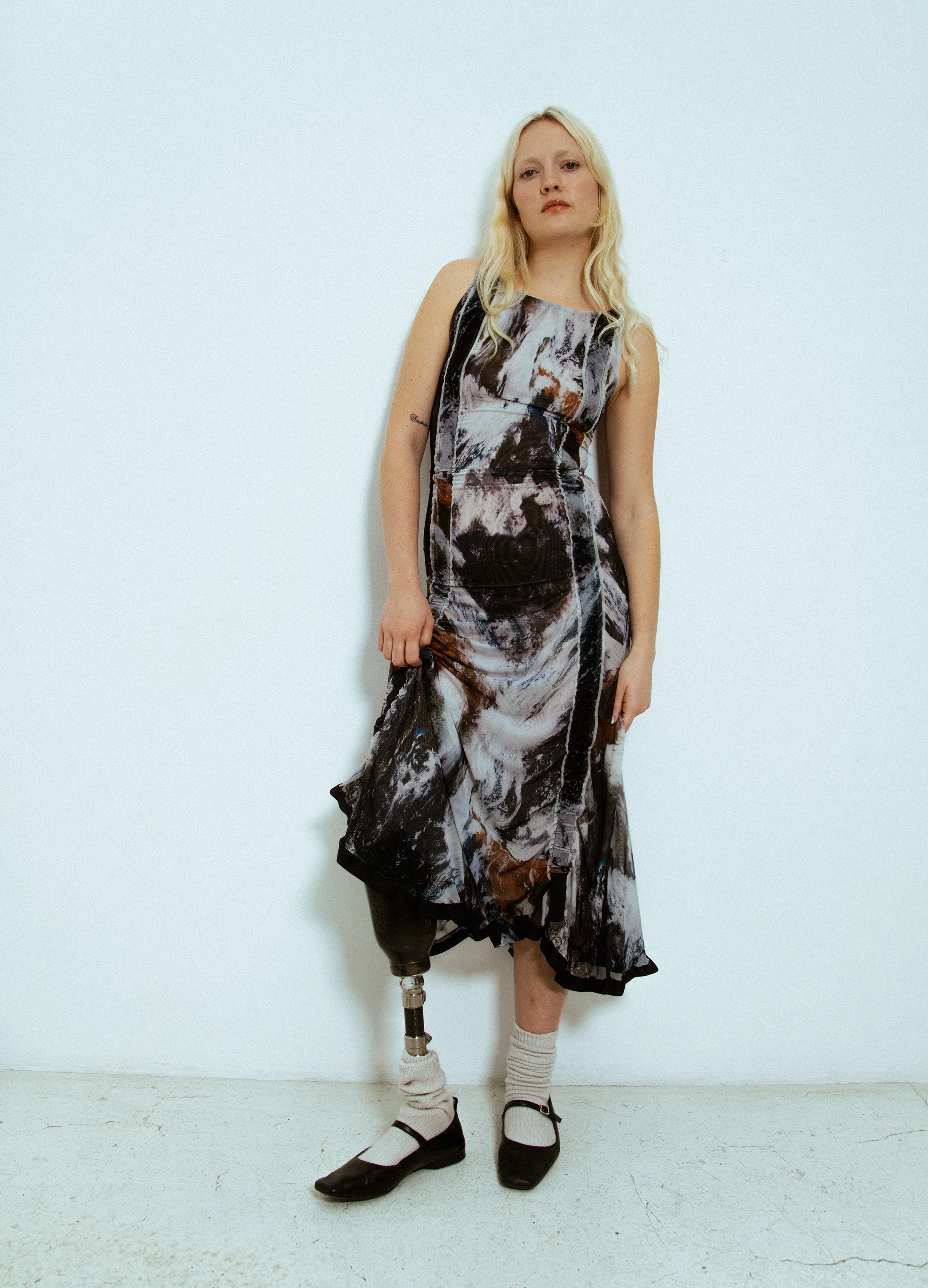
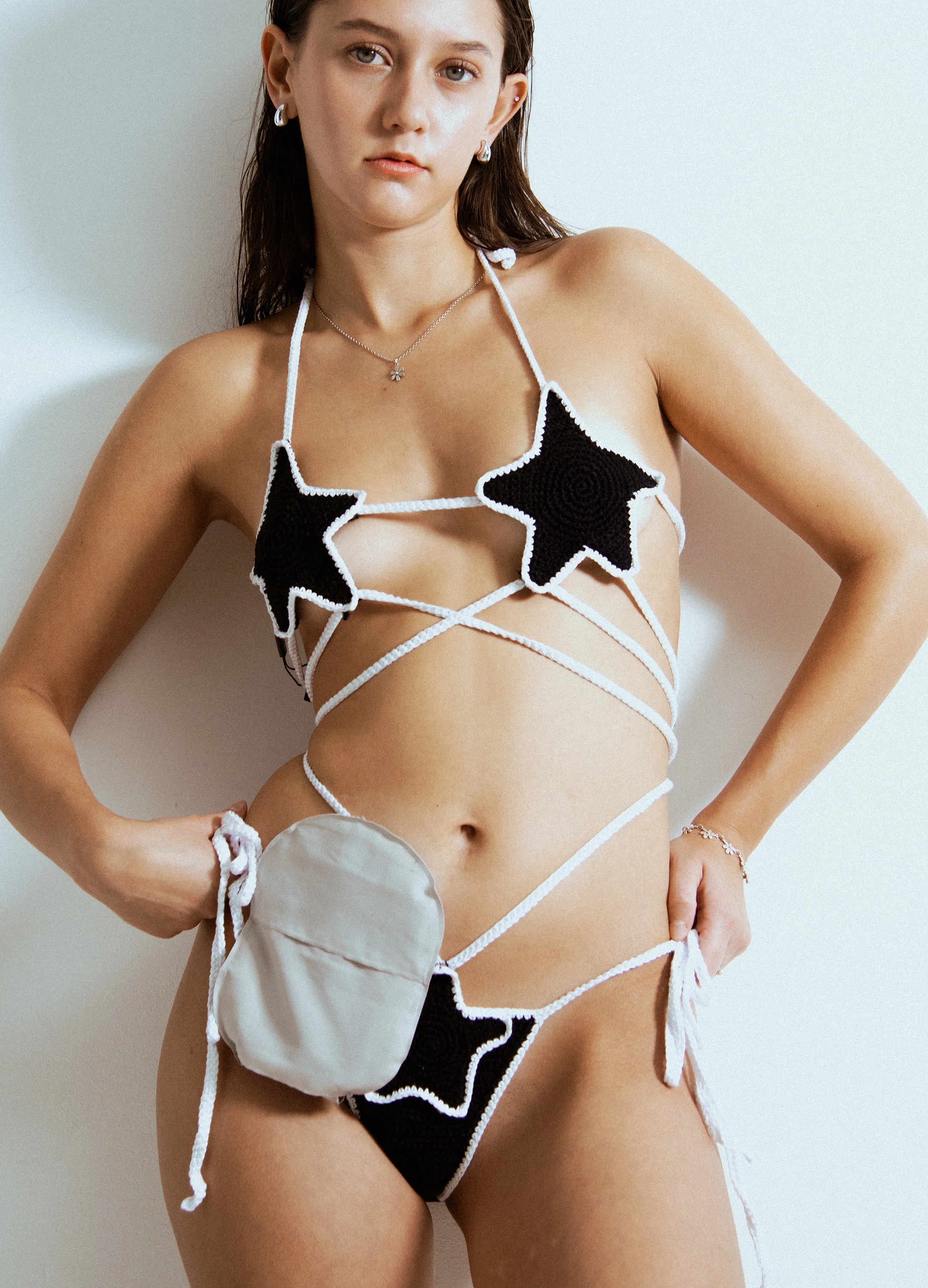
I saw how disabilities and visual differences were just pushed into casting.
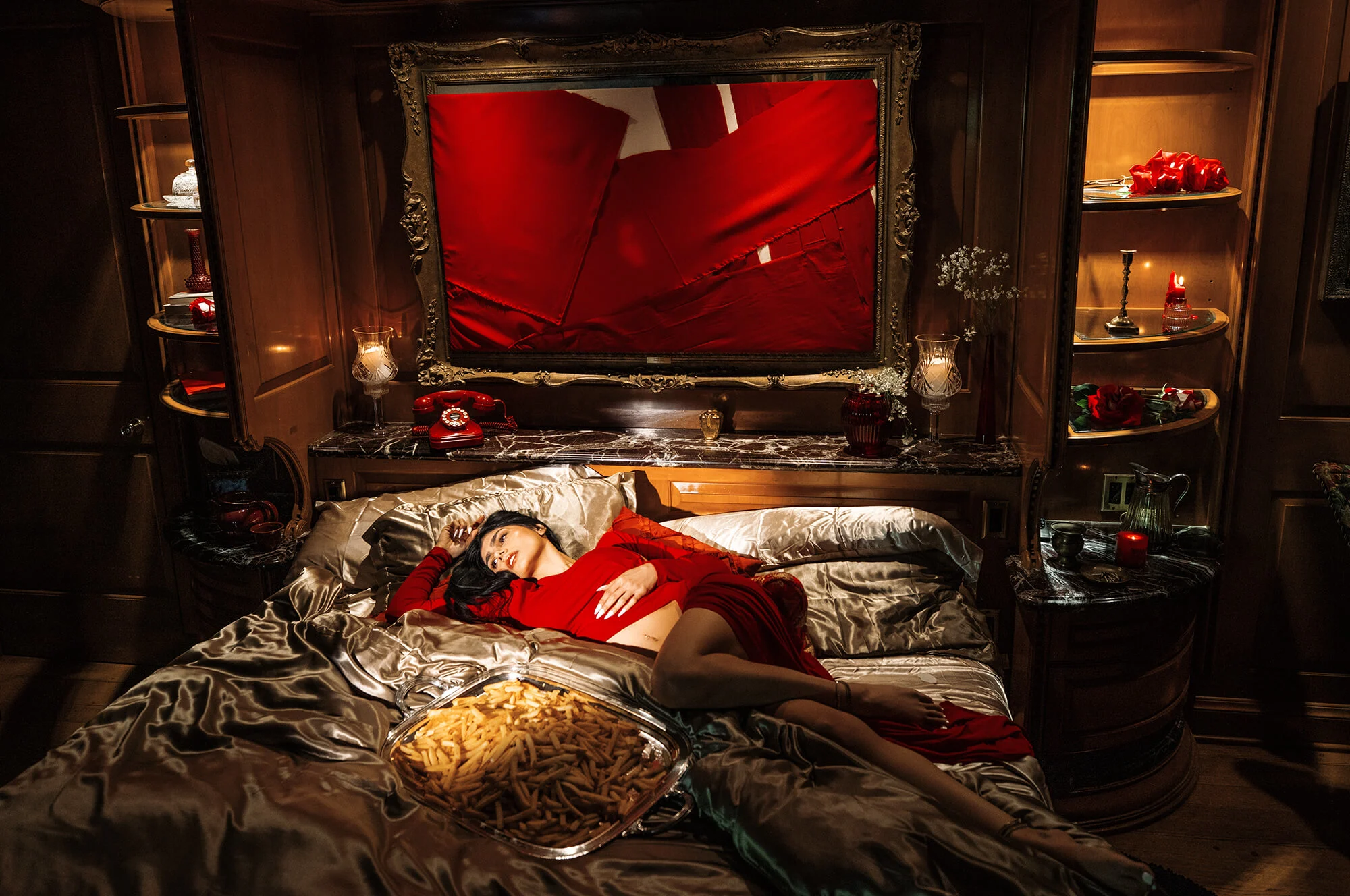
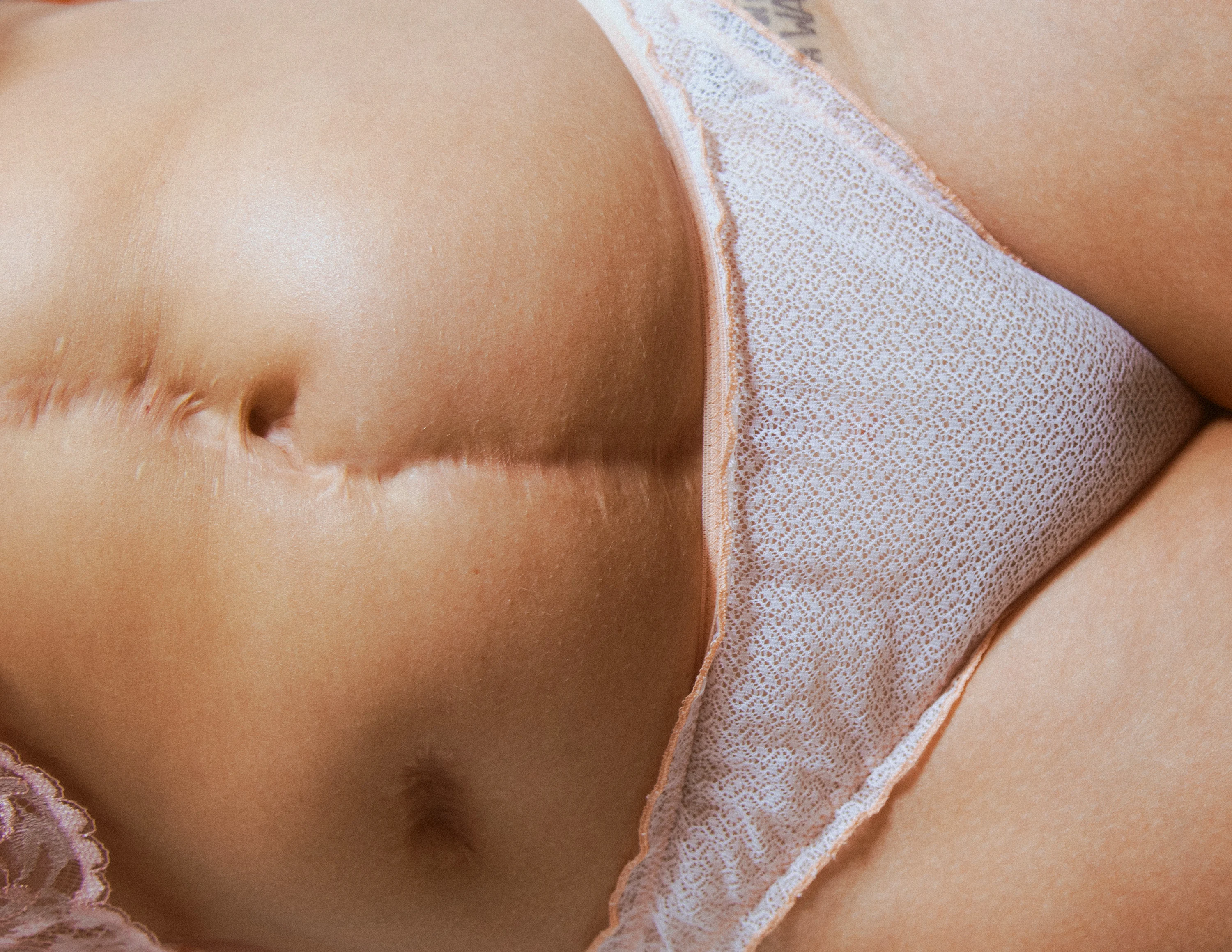
Brune’s approach is most powerfully conveyed in the first section of the book: a sequence of inventive and elegant studio portraits. She applies a conceptual eye, using the body, hair, face and styling to build interesting compositions with layers of texture and meaning. The models mostly dressed themselves, but Brune added some of her own pieces to the mix too. A Vivienne Westwood earring to complement Sophie’s hearing aid, for example, or a Burberry bikini for Catrin, who survived a traffic accident that left her with burn scars across much of her body.
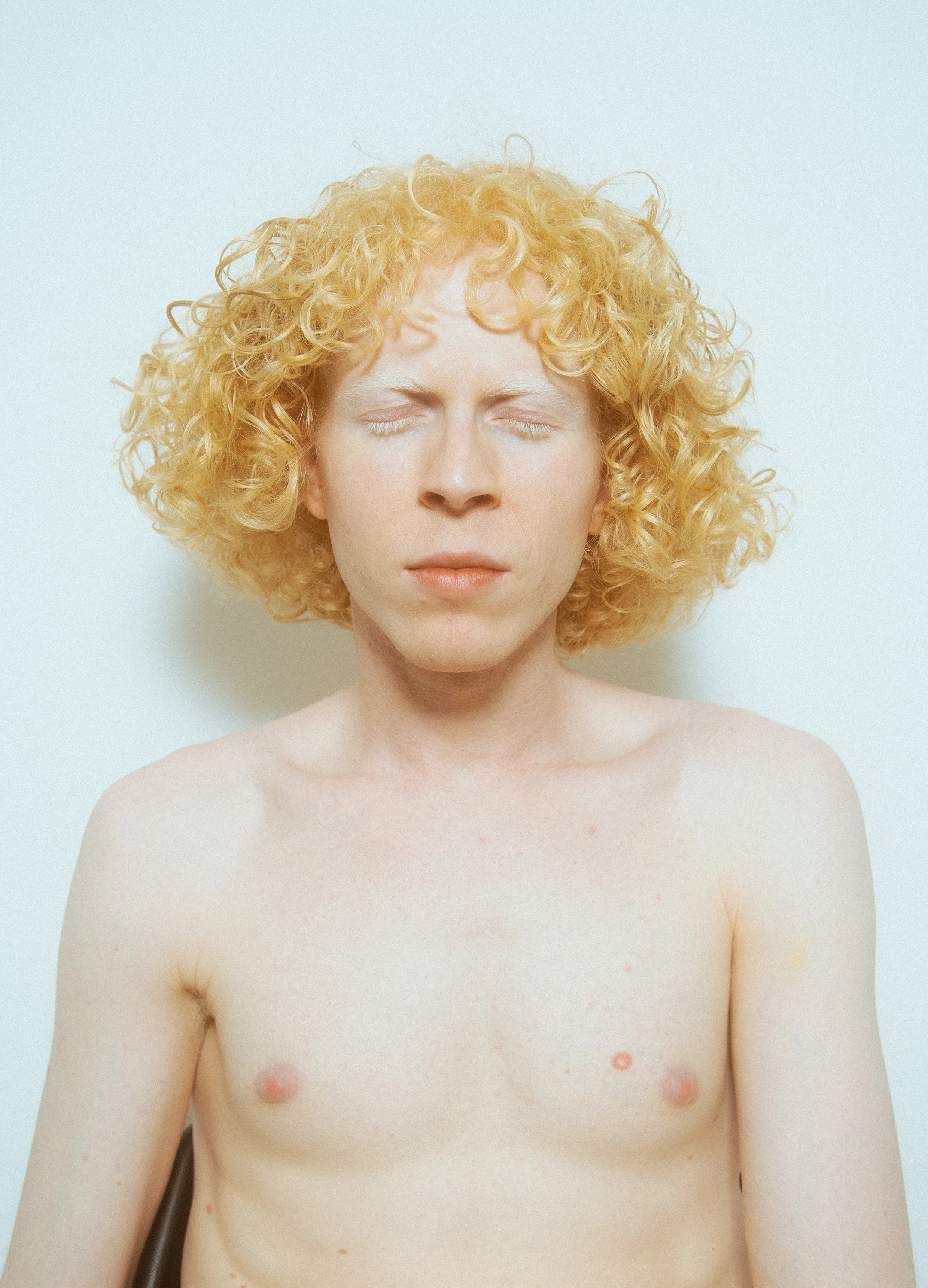
“Don’t make it dramatic. Don’t make it a spectacle. It’s more like… I see you, with whatever you have.”
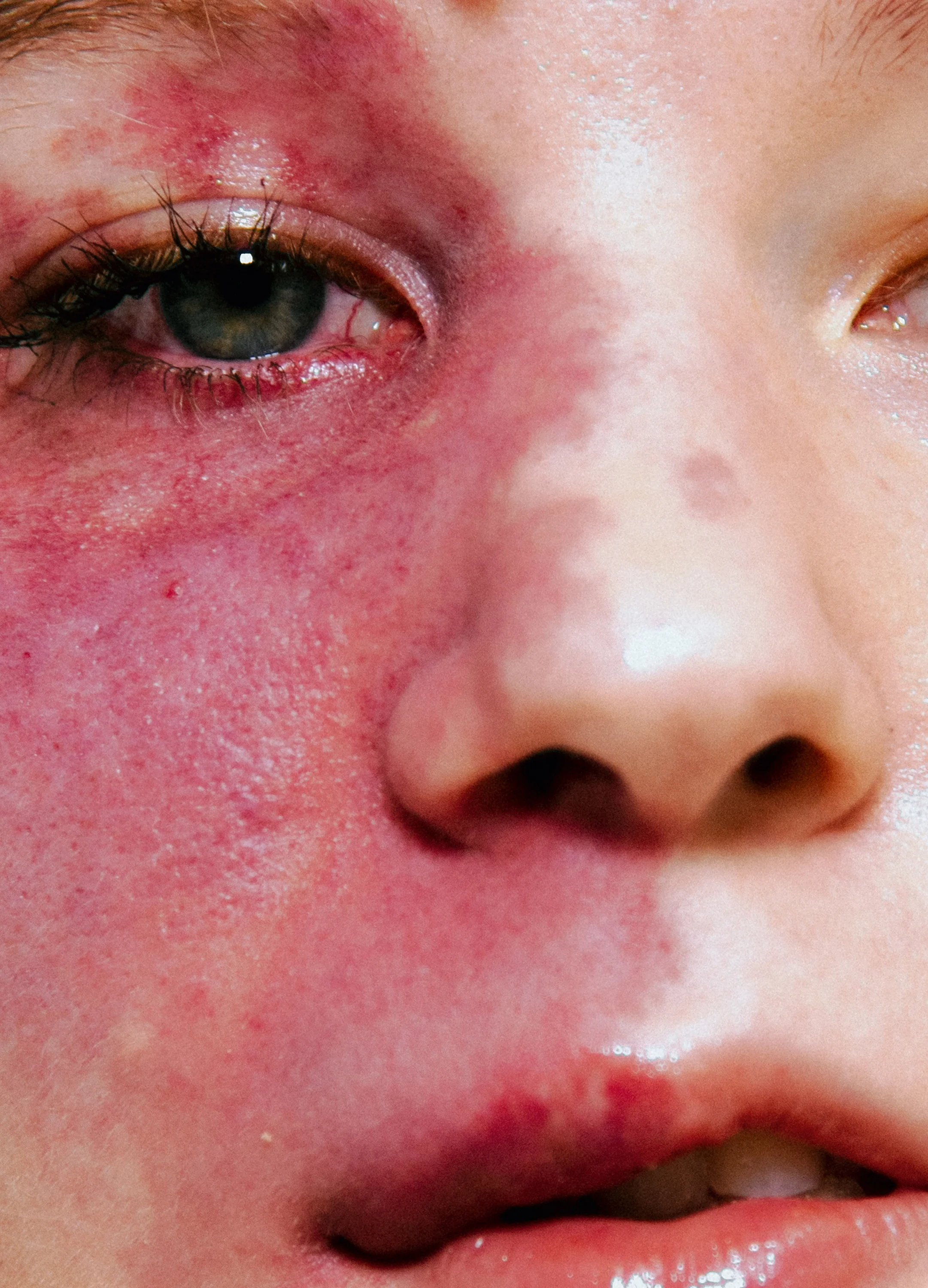
“It’s a very sensitive process,” says Brune. “For some of the images I go very close, and I need a very small set and a very good environment for that.” Many of the models shared their personal stories in those moments, and Brune felt compelled to include their voices in the book. As the book shifts from glossy paper to a thinner, rougher stock, we are introduced to each talent through a written testimony and a street portrait inspired by Juergen Teller's iconic Go-Sees. Brune left the prompts open, asking the models to share whatever they felt comfortable with.
“I no longer want to explain myself as a body,” writes Kjell, a 28-year-old actor. “A lot of people (directors, agents, even some of my own teachers in drama school, etc.) told me that I would never make it as an actor because of my eyelid. Deep down I knew it was bullshit and, with the help of my family, my friends and the right people in the industry, I learned to give no fucks.”
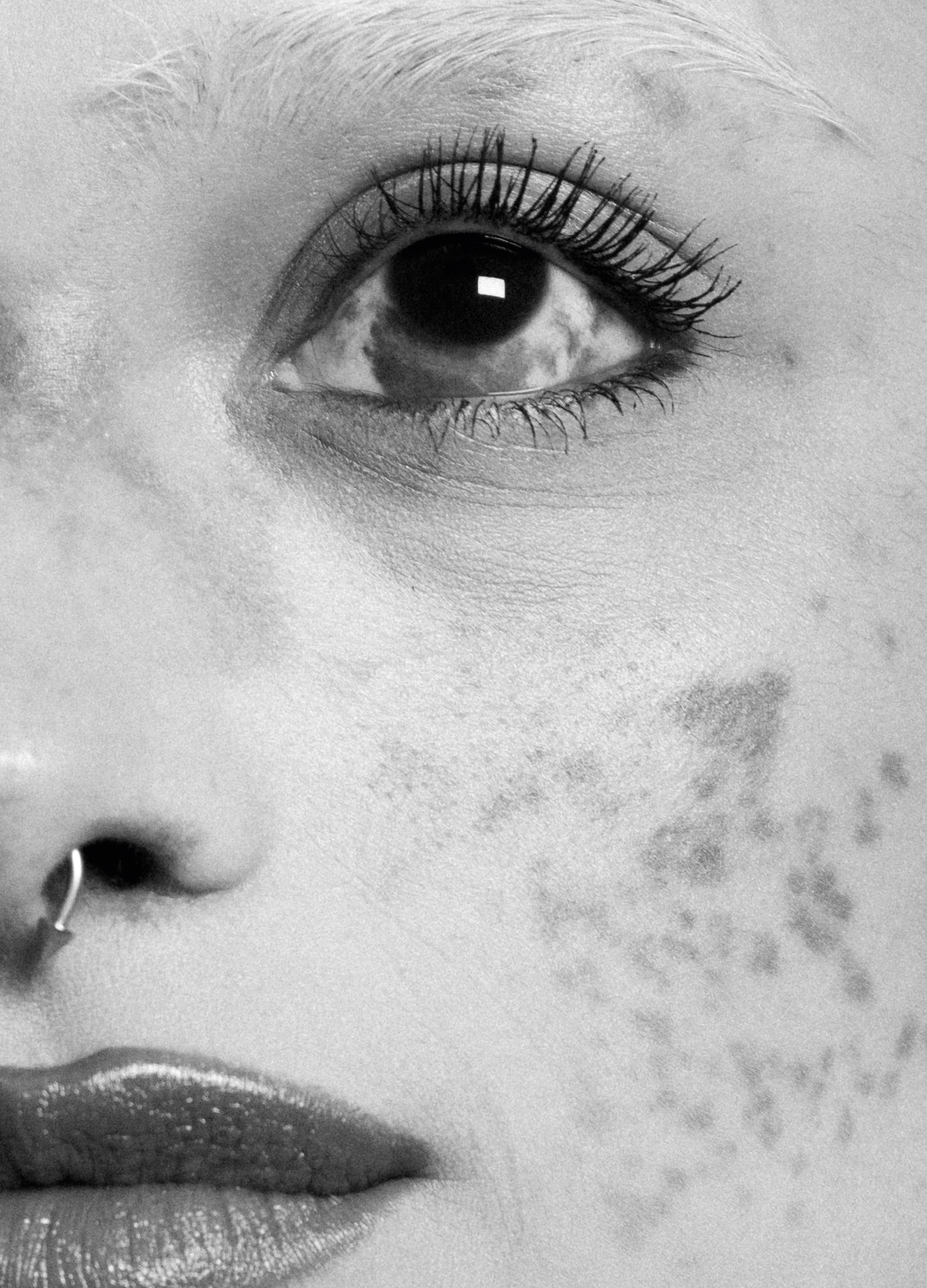
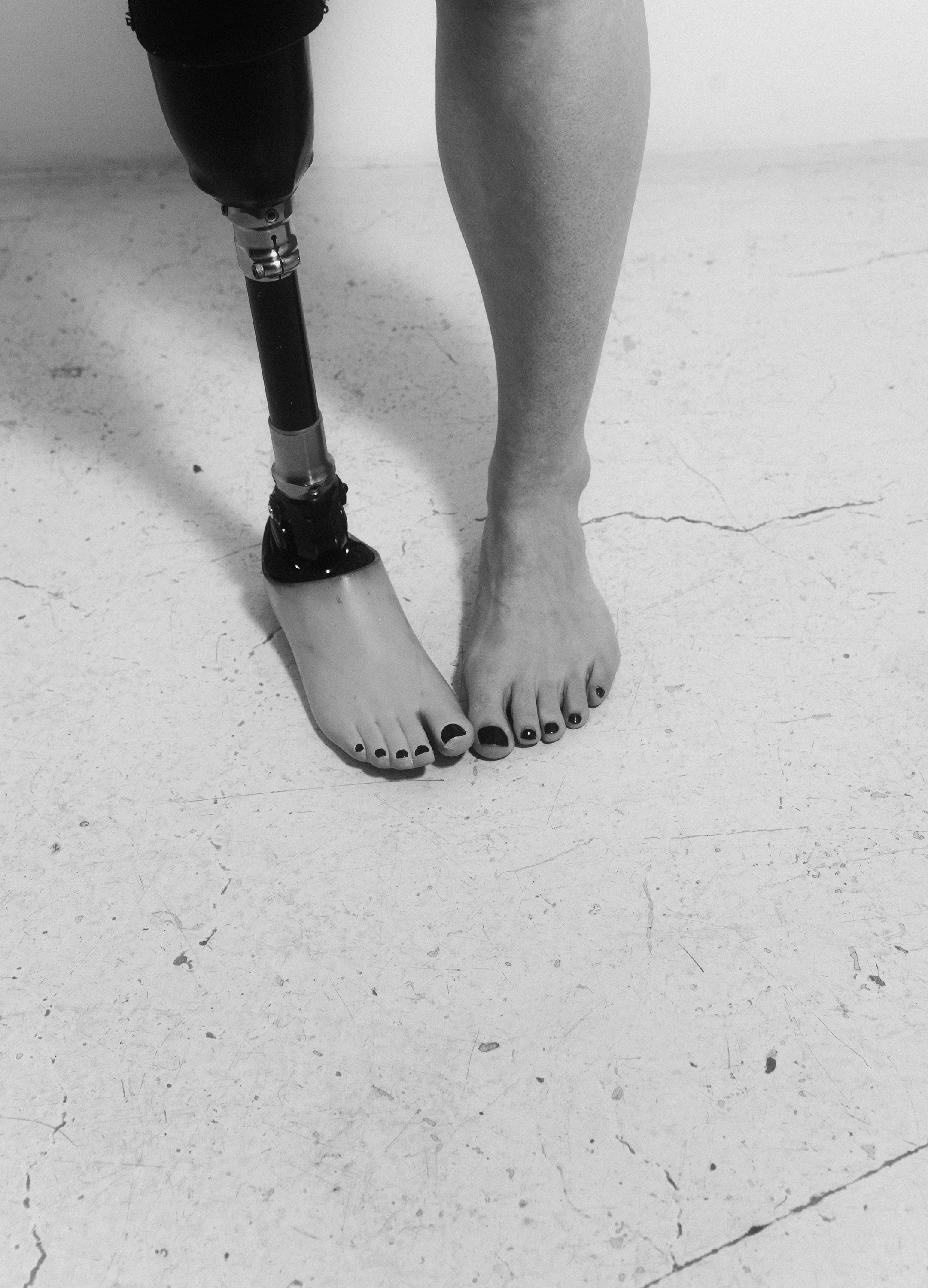
You could cast the whole world, and you would find the coolest people in wheelchairs.
Some poured their experiences onto the page, while others kept it brief, reflecting on fashion, beauty standards, or simply their experience of shooting with Brune. The range of these testimonies is indicative of how no two lived experiences with a disability are ever the same, and that’s true for the photographer too. “I’ve lived my whole life being obviously disabled, but my parents raised me so that I never felt different or pitied,” she says. “For me, it was the most natural thing, which I’m very lucky for. That’s definitely not how other people, sadly, experience it.”
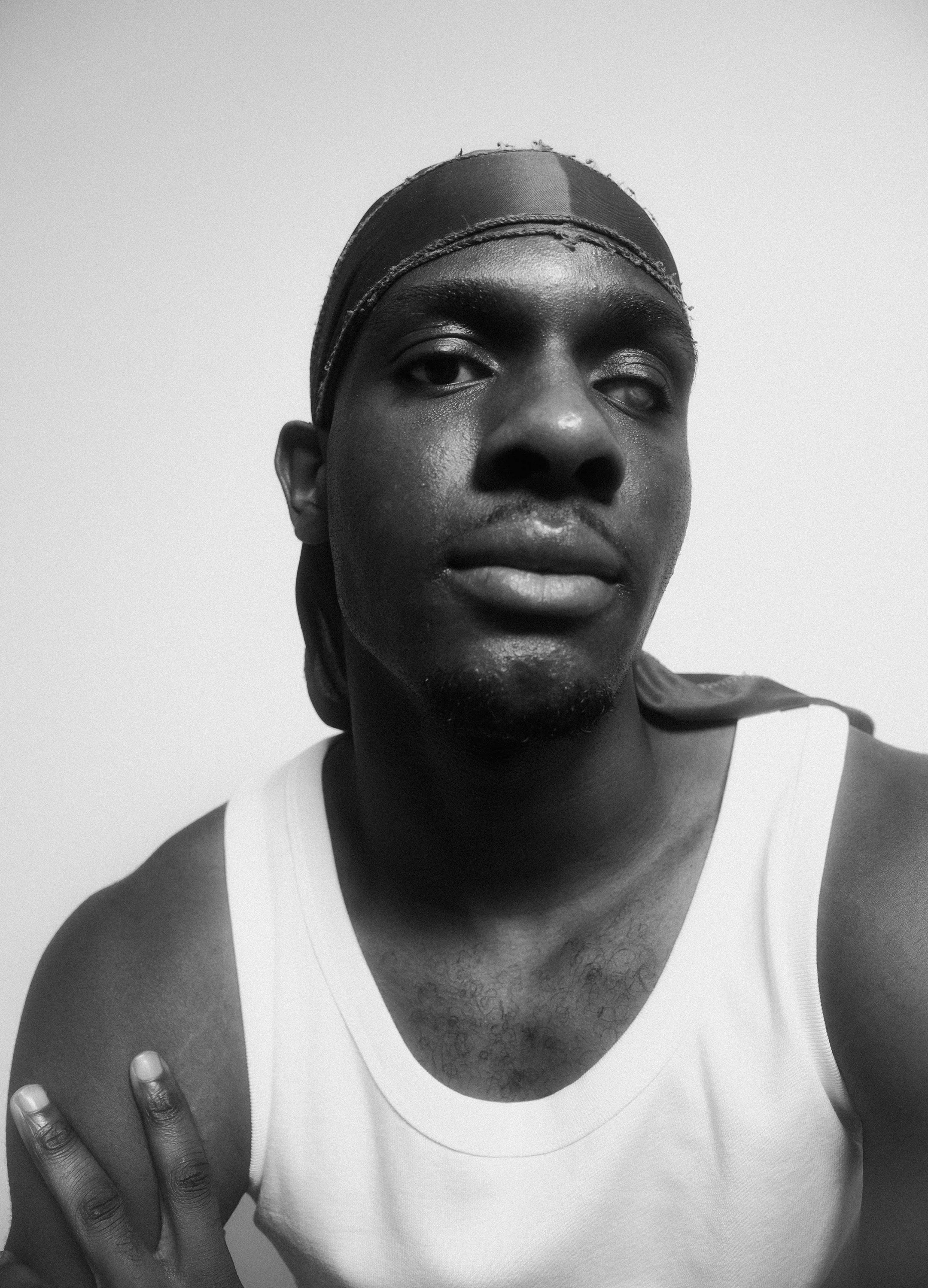
In the final few pages Brune introduces herself through a series of self-portraits. “It makes sense that I show up, but at the same time, I don't need to make my disability the story,” she says. “I just wanted to show that I also sit in a wheelchair. And maybe that’s why I can connect on a different level.” Brune’s perspective might be what led her to make this body of work, but that doesn’t mean other photographers, magazines or brands can’t apply the same process to achieve greater representation in fashion and beyond.
“I get why it feels more complicated, or less visually attractive, to include something like a wheelchair in an image,” she says. “But at the same time it’s sad, because you could cast the whole world, and you would find the coolest people in wheelchairs. There are so many different disabilities out there, so many different people out there. If you do proper casting, you can do it too.”