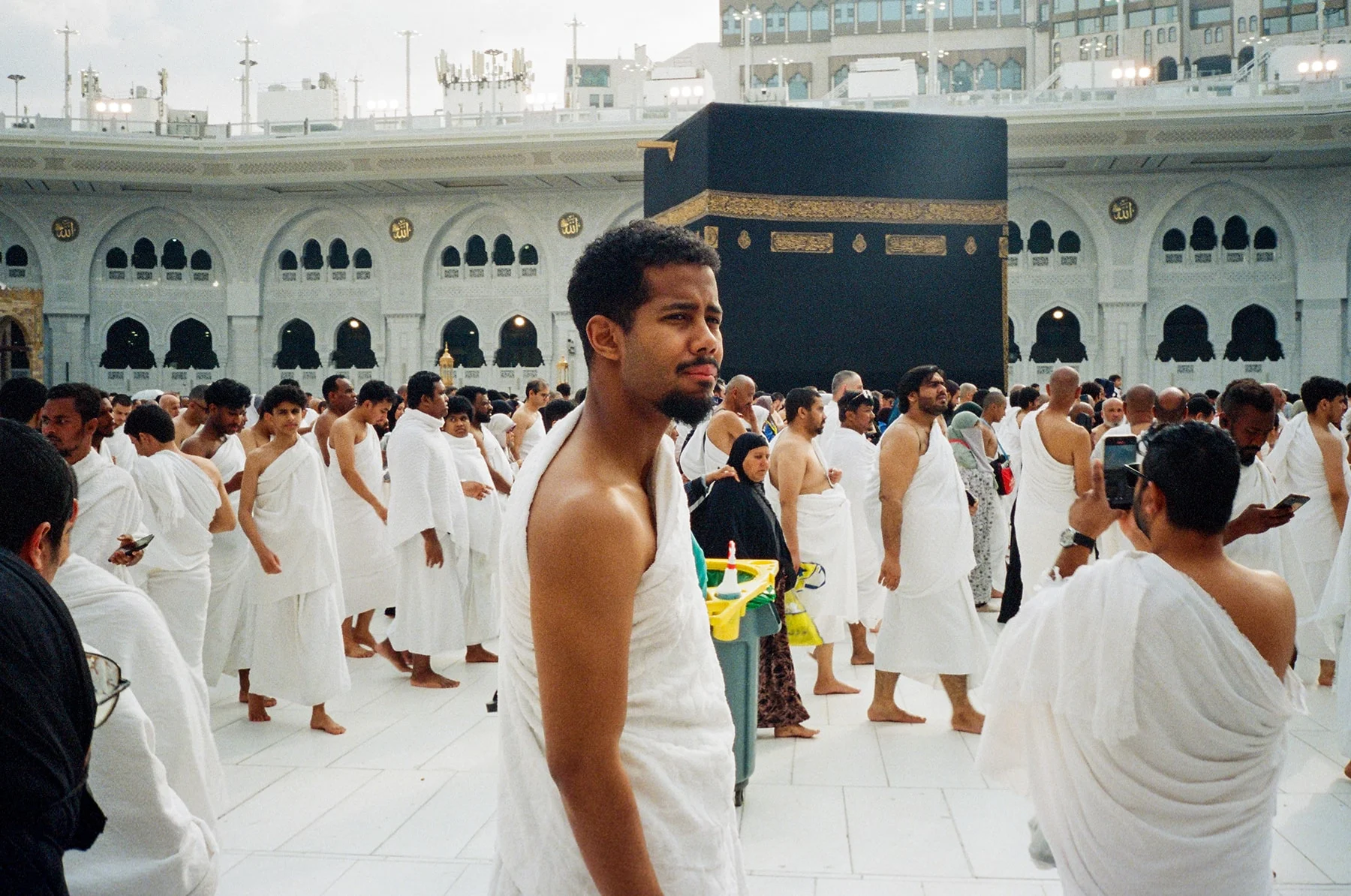


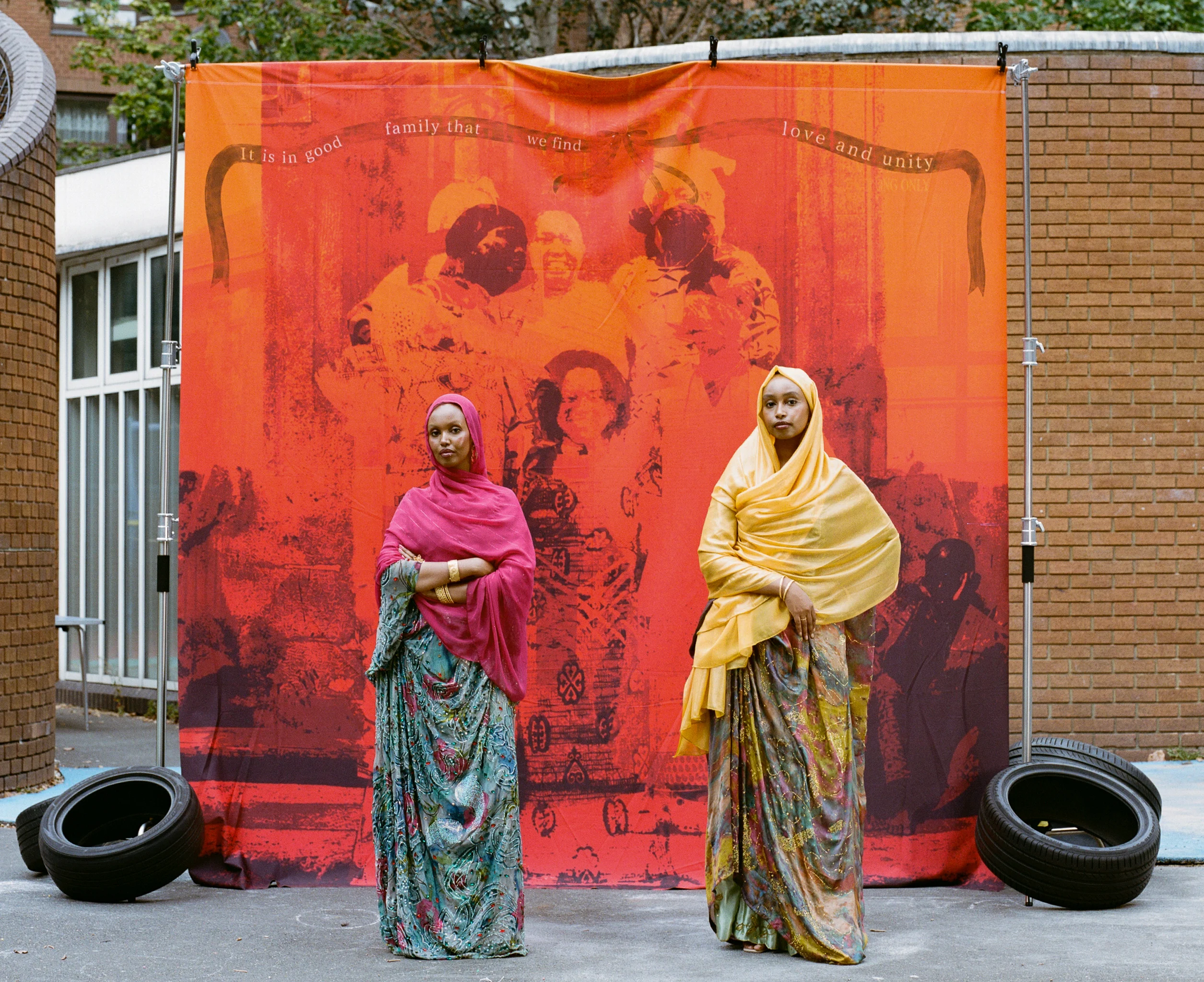
For the last few years, Ayan Abdi has been photographing families from Brazil to Egypt to Kenya. In the latest chapter of this work, she and creative director Mohamed Ahmed invited people in Paris and London to dress up and come to temporary studio spaces to have their portraits taken, inspired by the staging of African studio photography. Abdi and Ahmed tell Dalia Al-Dujaili about the importance of the family photo for diasporic families, whether as an object to send to families back home or to capture a moment when those who are normally scattered around the world are briefly back together.
There’s something universally beloved about the family photo album. Maybe it’s because the photos contained within them act simply as records of birthdays, weddings, holidays, new babies, people coming together before someone has to leave again. They are informal archives of a life lived between people. As we grow older, we look back nostalgically at the family album, which begins to tell us something much larger about who we are, where we come from and how we choose to present ourselves to one another.
Family life is complicated and it’s messy, especially when you’re in a diaspora and half your family is somewhere else.
For photographer Ayan Abdi—born and raised in Oslo, Norway to a Somali family—it was a family album at home that first prompted her interest in this kind of image. The album had been left behind by a relative and became something Abdi claimed as her own, an archive connecting family histories across Norway, Somaliland and England. As she developed her photographic practice, she began looking towards African studio photography such as that of Malick Sidibe and Seydou Keita, as well as photographers such as Deana Lawson, whose photographs of domestic life reminded Abdi of the way she had grown up seeing families photographed. It was from this intersection of the personal and the photographic that “Family in Focus” emerged.
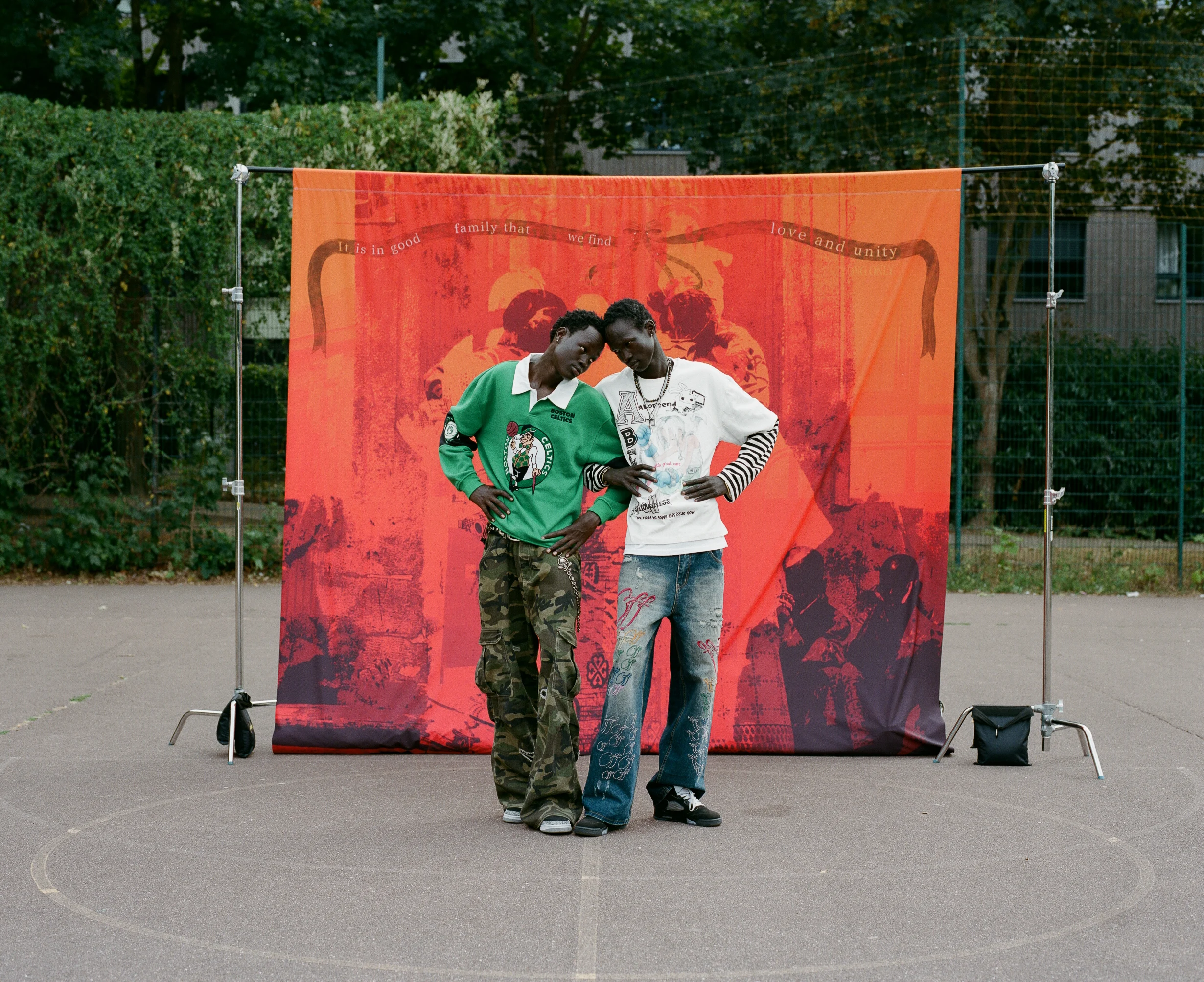
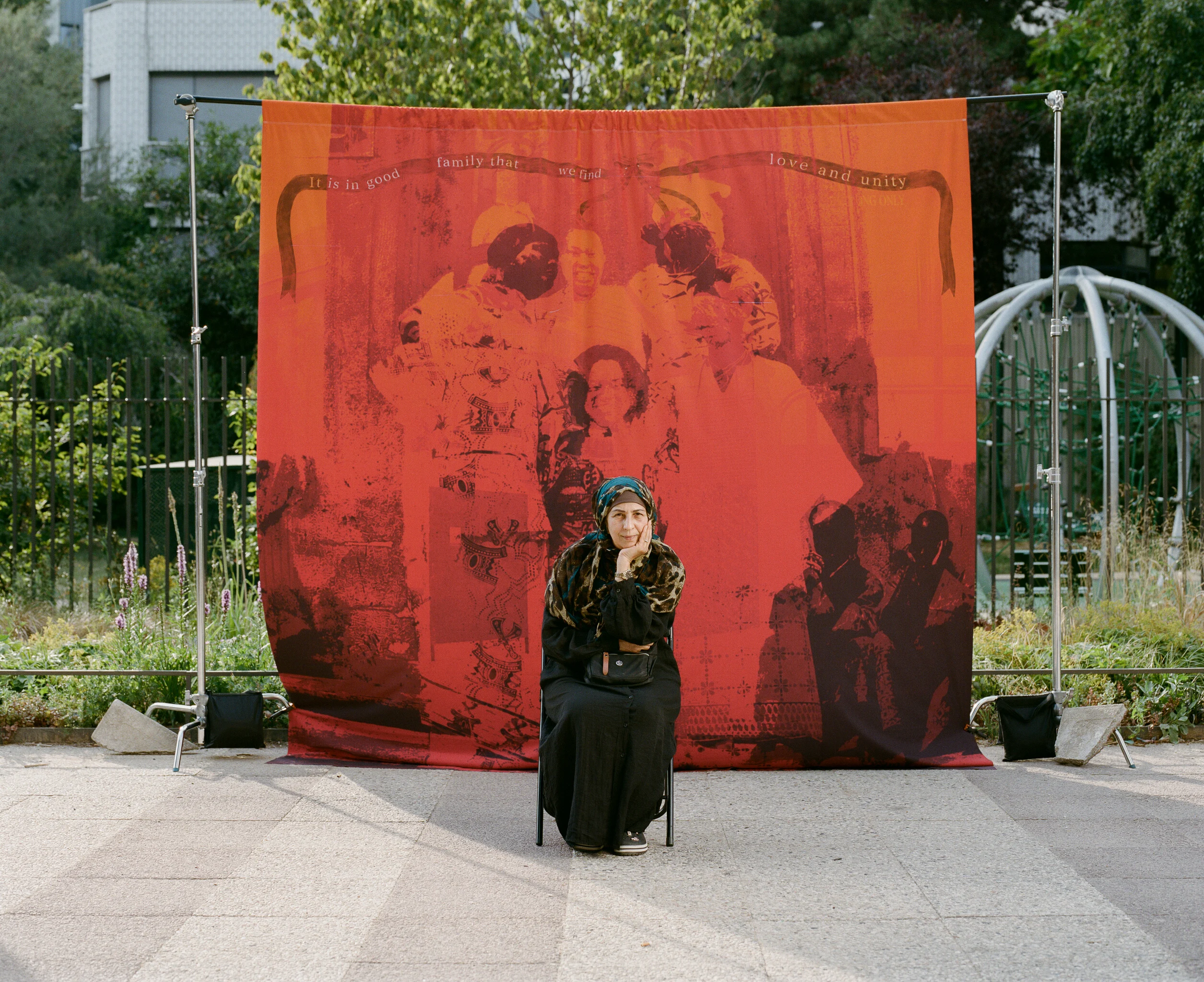
In London and Paris, Abdi and creative director Mohamed Ahmed invited people into temporary studio spaces to have their portraits taken. Rather than photographing people casually as they encountered them, they asked participants to arrive intentionally—to dress up, wear their best clothes and take part in the ceremony of having their picture made. “The thing that I find interesting—especially in African studio photography—is that you dress up and it becomes a motif,” Abdi says. “You do it with intention, rather than being a [vernacular] photo which you happen to take just in that moment.”
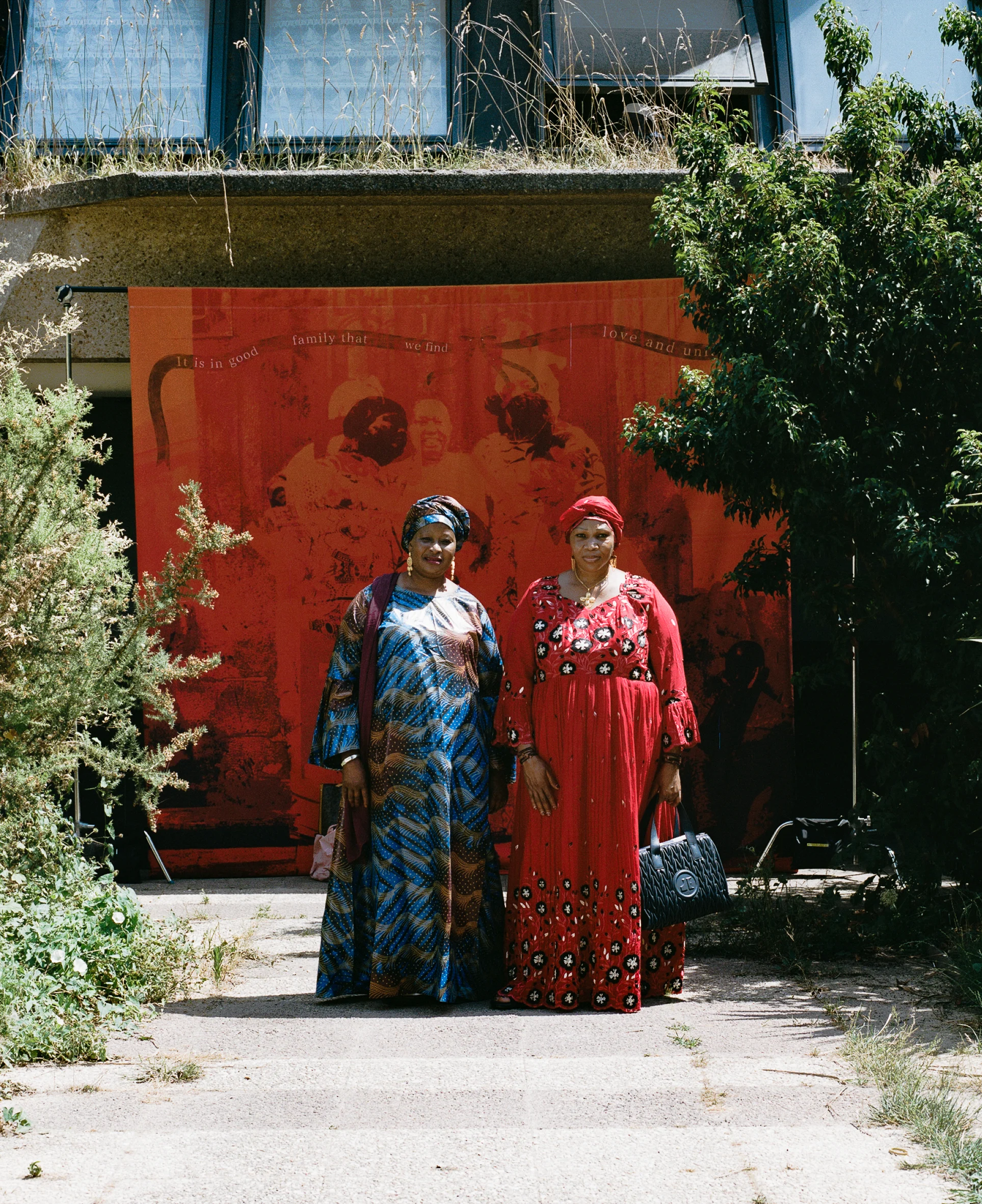
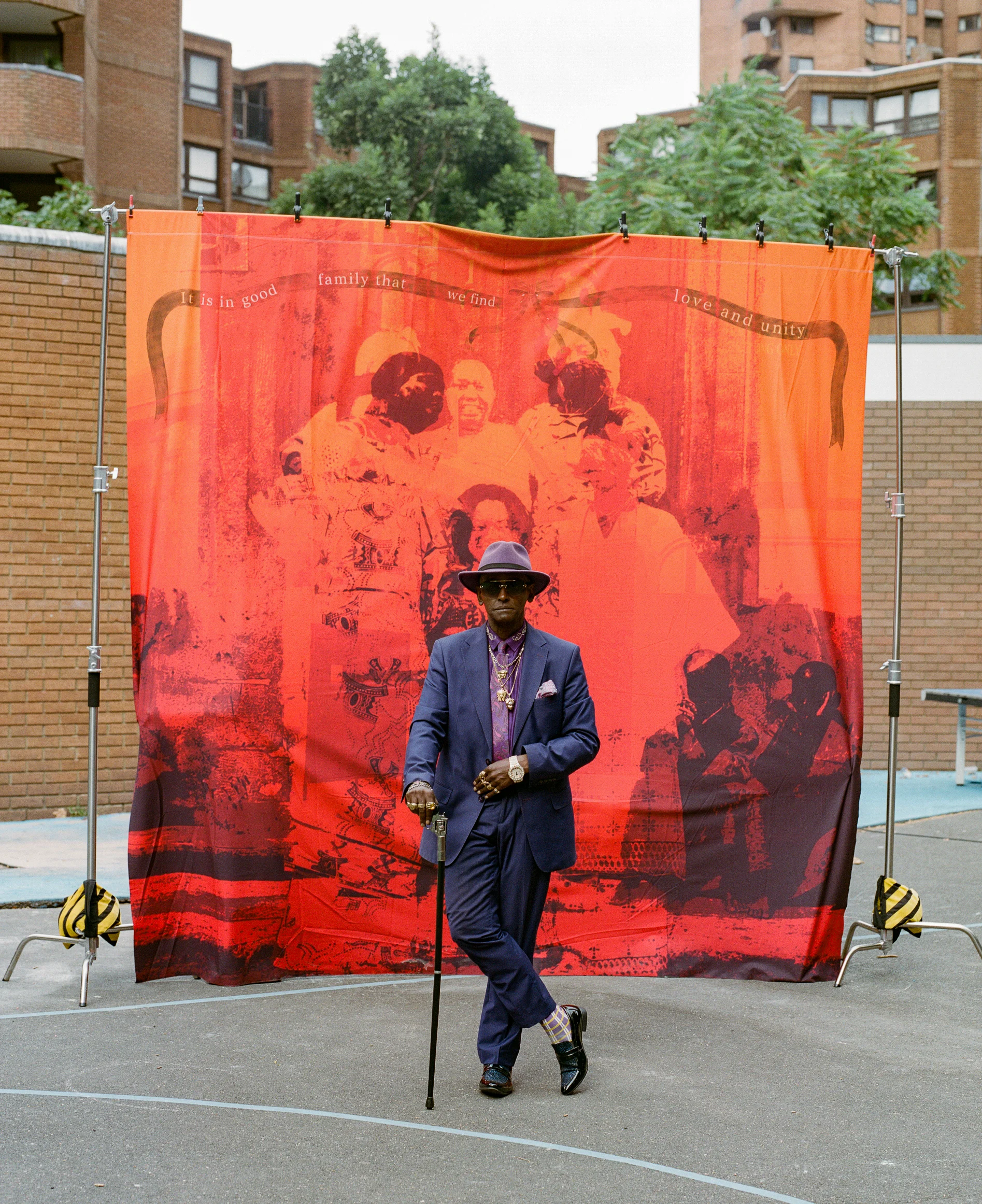
There is something recognizable in this ritual, particularly across African and diasporic communities. A photo serves as an object to send to family in the homeland, showing relatives our new lives. Abdi remembers her parents even spraying perfume onto photographs before sending them back home. The photograph becomes a form of presentation, capturing not only what we look like but also how we want to be seen.
That intention is reinforced by the fact the photographs were shot on film. “Being on set with Ayan, seeing how long it takes to reload the camera and get everyone in position—one photo might take like 15 minutes—there’s something in that kind of patience that makes it a performance,” says Ahmed. “I think that performance is really beautiful.”
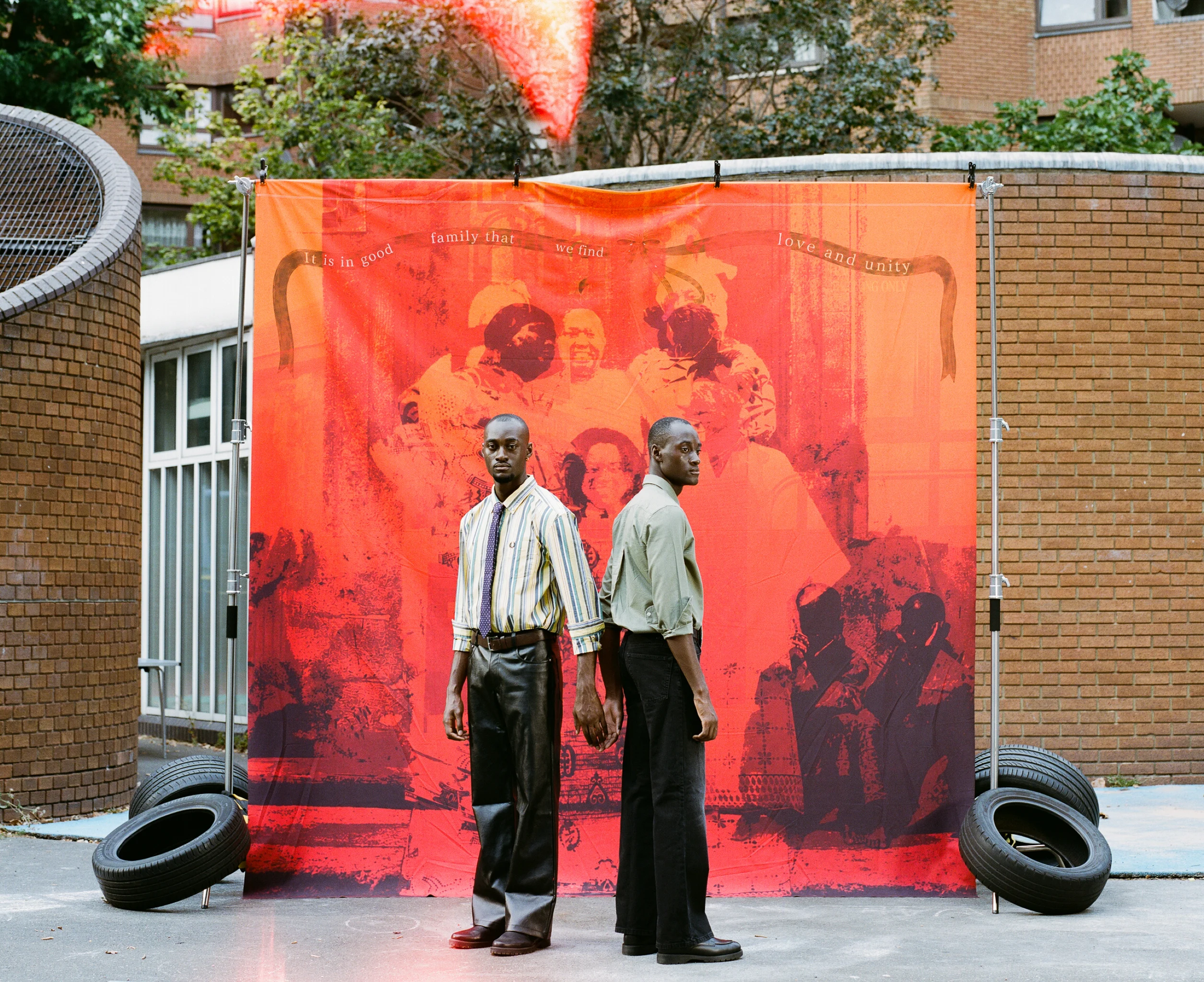
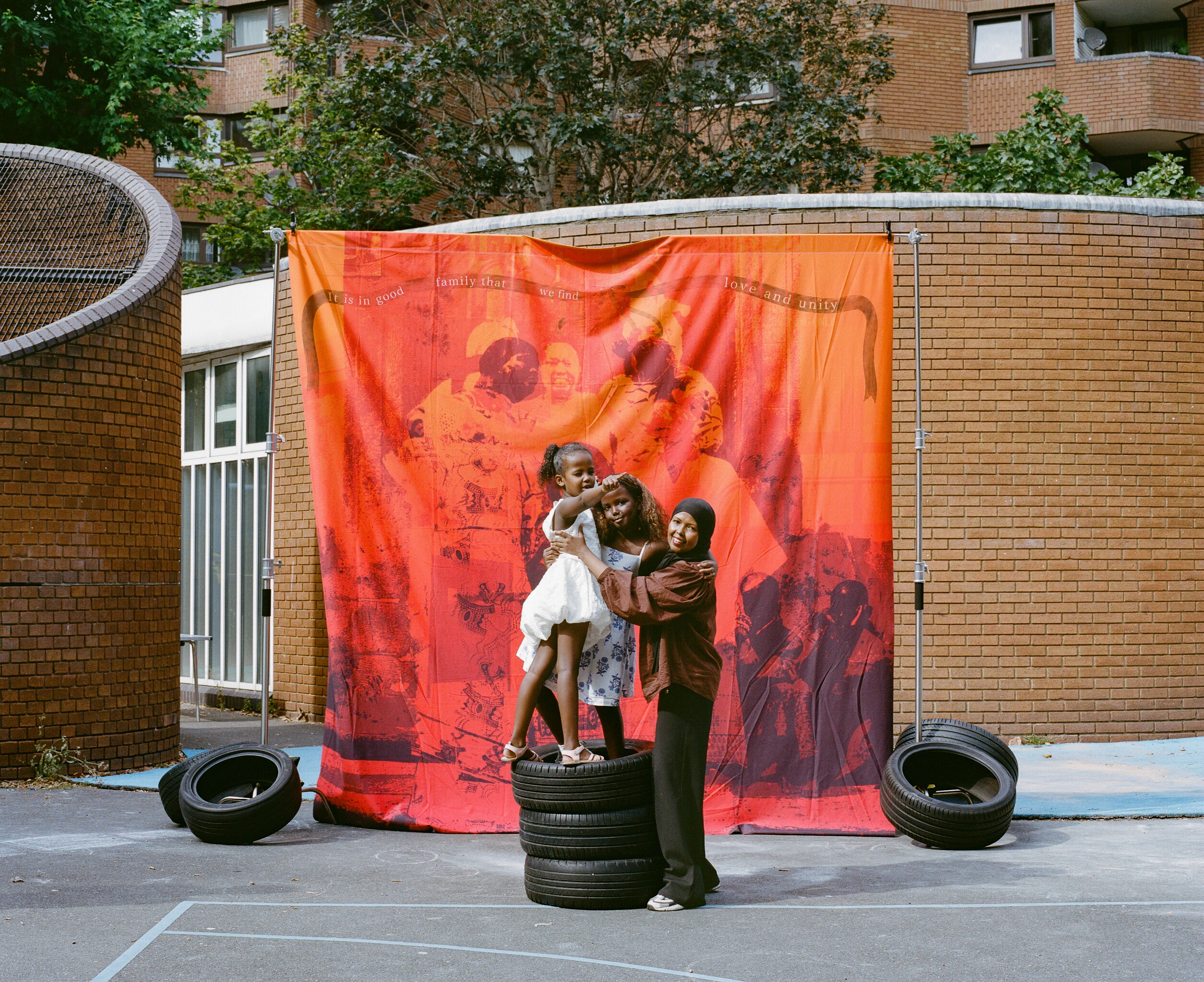
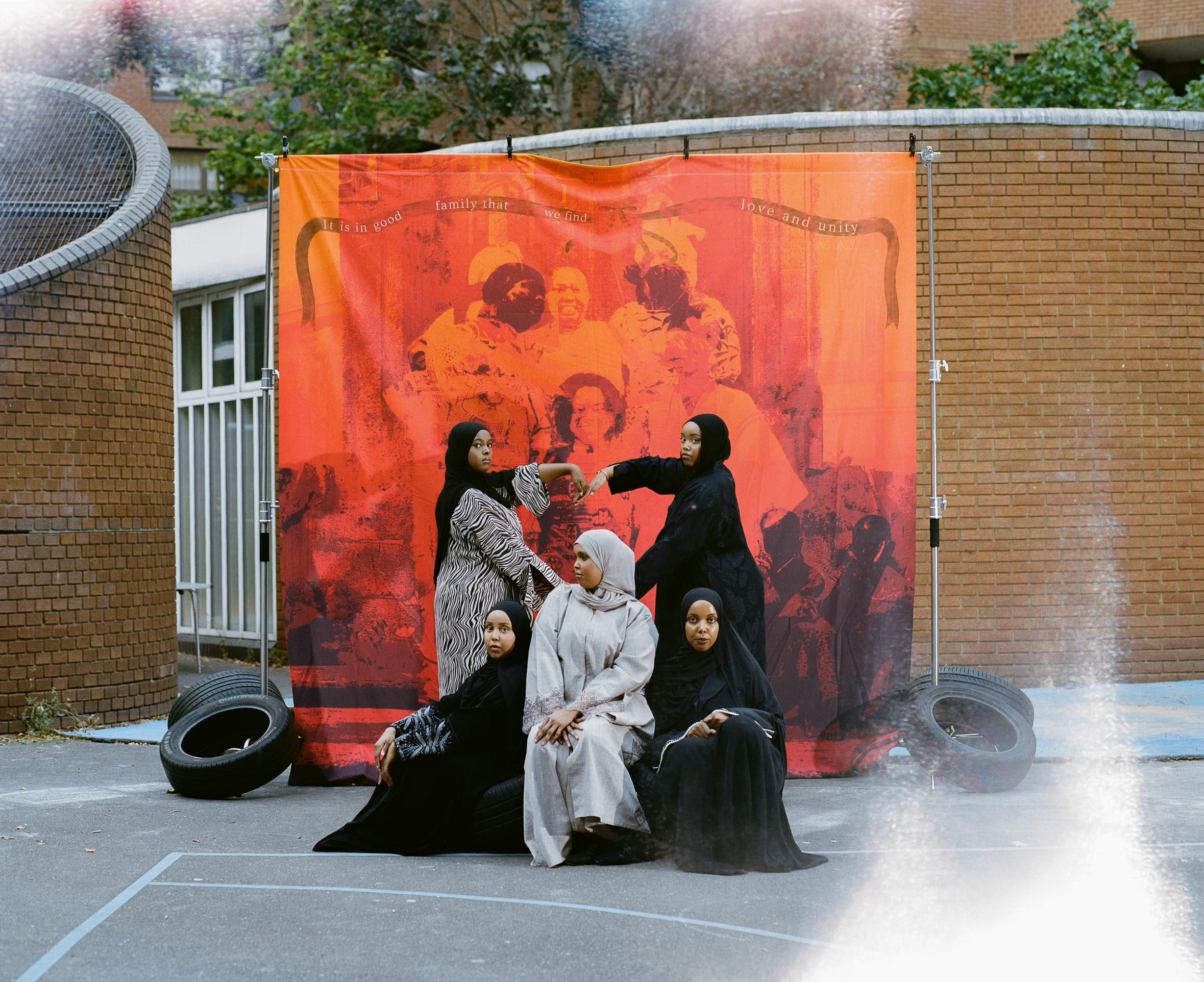
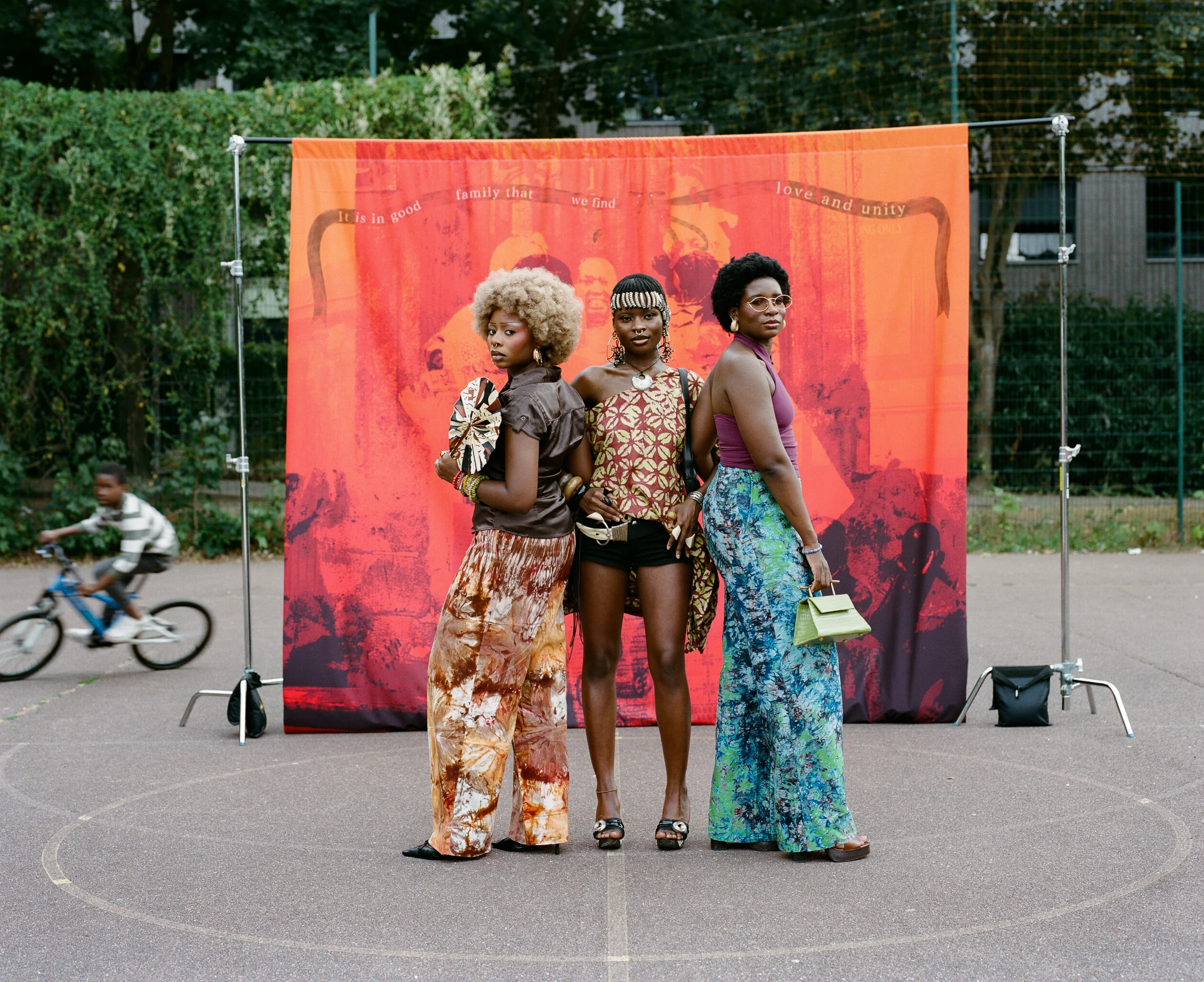
The act of documentation becomes particularly important when considering the diasporic families at the center of “Family in Focus.” “Family life is not easy,” says Ahmed, “and it’s complicated and it’s messy, especially when you’re in a diaspora and half your family is somewhere else and scattered. Even bringing everyone together, especially on film, is an achievement.”
Abdi and Ahmed had imagined making elaborate backdrops for the London and Paris shoots, with imagery that would connect their European locations back to Africa. Budget constraints got in the way, so they used photographs Abdi had already made, creating a bright, collage-like backdrop populated with images of other families. The compromise changed the meaning of the photographs—people who arrived without their own families could now be photographed with families literally behind them. The backdrop became a kind of surrogate family, placing each individual within a larger visual community.
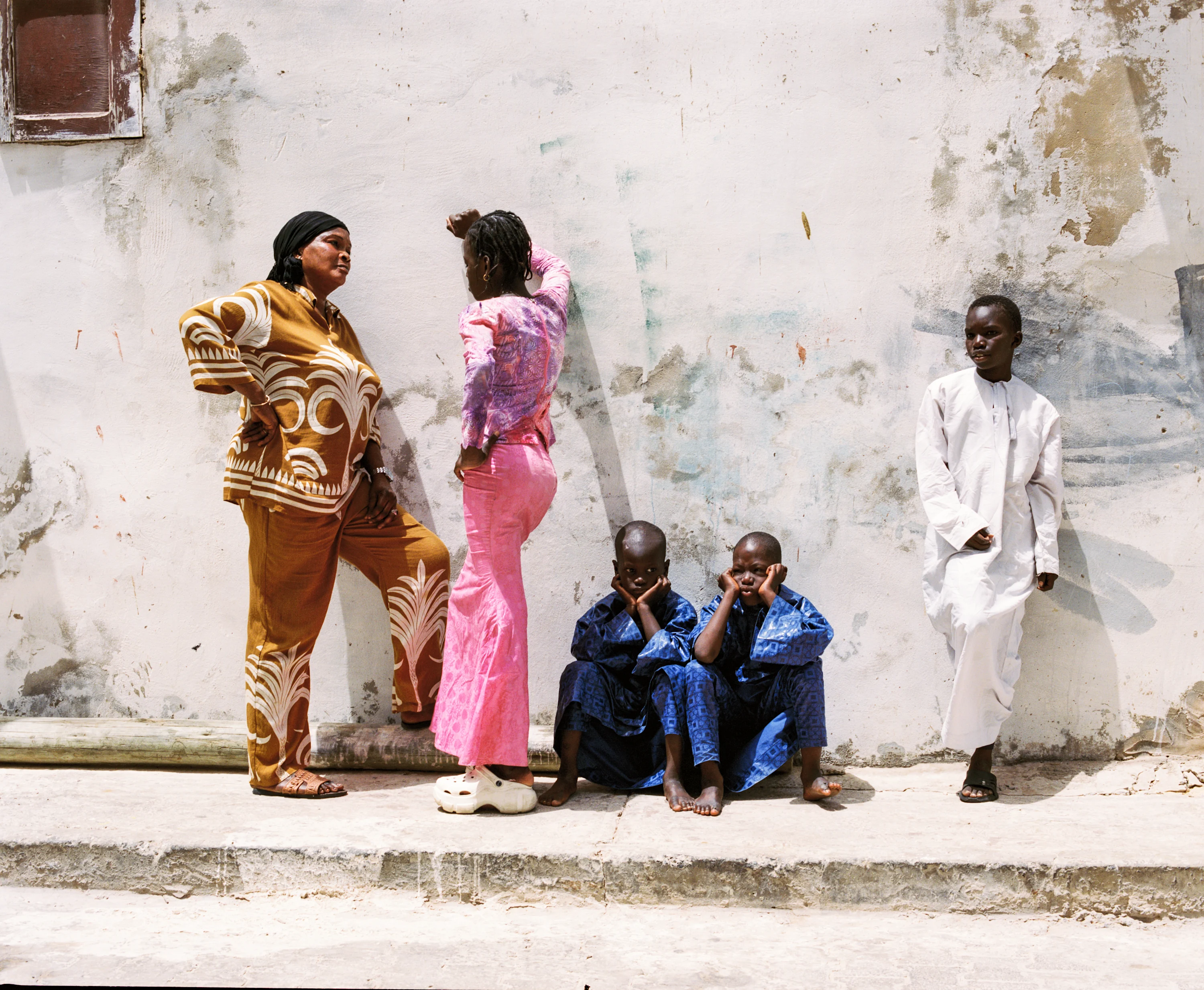
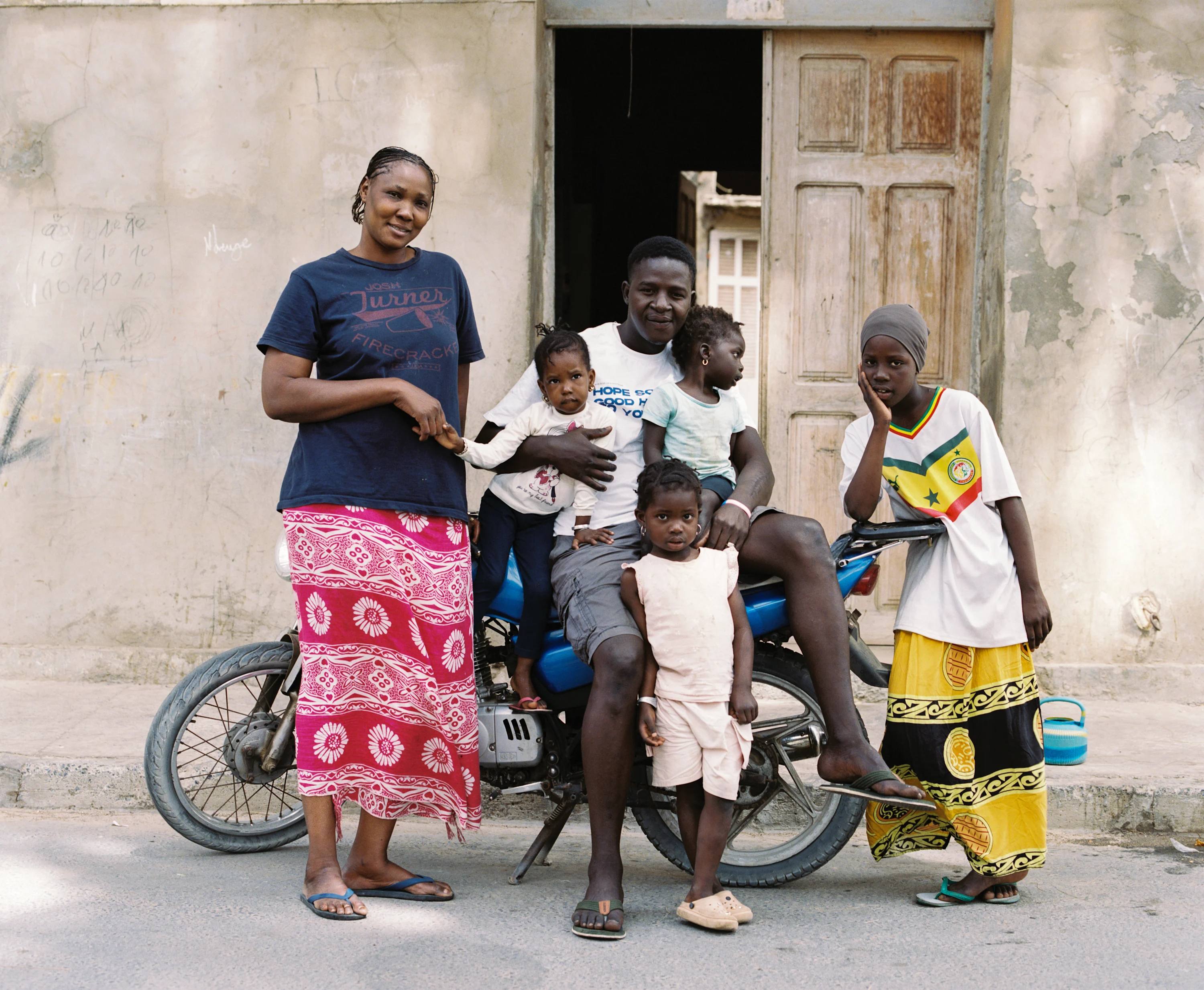
Even bringing everyone together, especially on film, is an achievement.
The project is interested in the familiar conventions of the family portrait, but it is not particularly interested in keeping the definition of family familiar. Traditional families appear alongside friends and chosen families, while some people arrive alone. It’s an idea that connects “Family in Focus” to another of Abdi’s projects, “My Heroes,” developed from Abdi’s desire to document the people around her in Oslo and their relationship to the environments they inhabited. “Family in Focus is about where people are from and the relationships they have with their communities, which is my whole practice—people and their environment,” she says. “The people that were in ‘My Heroes’ were not traditional families, but women that knew each other and became family through their shared environment.”
In London, Abdi and Ahmed found people generally more accustomed to photography, but Paris was different. “There were a few people that we met outside, but it was hard to make people understand the project or have them participate,” Abdi says. “Our producers, Annick and Menaisha, were doing street casting when they met a radio host who invited them to talk about the project on a live broadcast. The station’s listeners were predominantly of African descent.” When Abdi arrived in Paris, she also went to the studio to talk about the project. “This was a great way to reach people who aren’t necessarily on social media, especially older generations,” she says. “What I also liked about this way of communicating was that it felt very nostalgic. The producers also handed out flyers and relied a lot on word of mouth in Paris, so we went very analogue with it.”
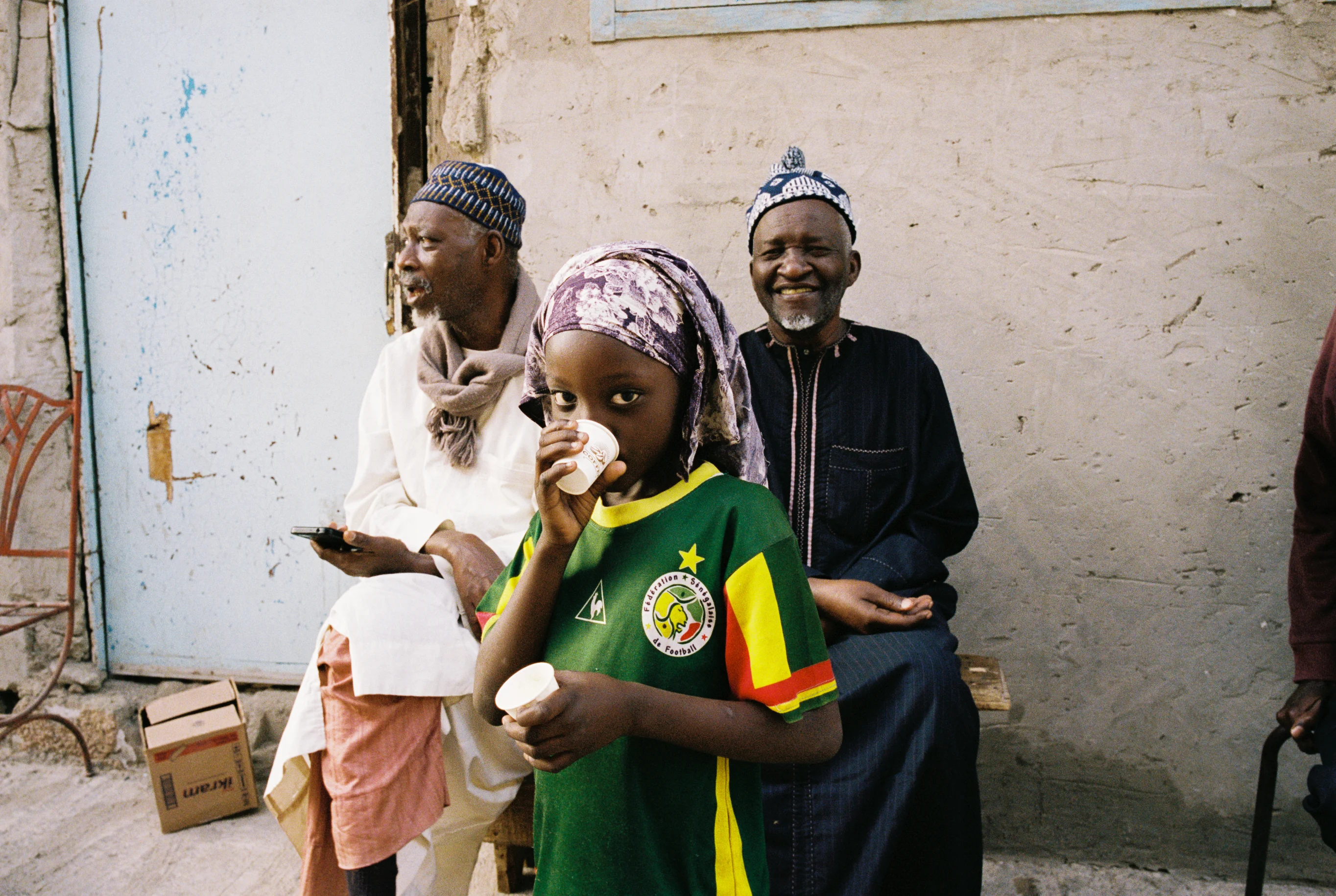
Abdi and Ahmed had to earn access to communities and once people trusted them, the shoots started to feel less like formal photography sessions and more like gatherings. Younger creatives appeared alongside older generations, and people lingered after their portraits had been taken. Despite living in a world where almost everyone carries a camera in their pocket, people still cared deeply about the experience of intentionally having their portrait taken. There is a difference between being photographed because a phone happens to be nearby and going somewhere specifically to make a photograph of yourself.
With “Family in Focus” being a self-funded project, Abdi and Ahmed worked with people who offered their time, favors and expertise, including those who endured temperatures approaching 40 degrees in Paris to help make the project happen. “The amount of effort people put in was so beautiful—they had as much care as me and [Ahmed] for this project,” Abdi says. What connects everyone, from the team behind the camera to the subjects, is the decision to be there. Perhaps this is why “Family in Focus” feels less like an attempt to define what a family is than an attempt to document the act of belonging.