
When we lose a loved one, is it the major milestones, the significant events we remember most? Or will it be the quiet, everyday interactions we barely thought twice about at the time? For Annika Weertz, it was the days her late father spent driving her from place to place that stayed in her mind, moments she commemorates in her project, “Passing.” She tells Megan Williams how she documented the everyday moments that are often overlooked in life yet cherished amid loss, and about the ways grief can reframe the ways people, and moments, are remembered.
Annika Weertz recalls gathering around her late father’s kitchen table, drinking beer over crosswords and listening to music, their tastes finding a small patch of common ground in ABBA and Roy Orbison. “We hung out and just talked about all kinds of things. It’s very interesting, I think, when parents get old. My dad wasn’t in a relationship for the last 15 years. When you’re there, they start opening up and talking about their reflections on their life,” says the artist, who is now based in Hanover but grew up in western Germany, close to the Dutch border. “I know there are parents that are still very closed off. But my dad wasn’t emotionally unavailable,” she adds. “I think he was just like a typical dad in the sense that he’s always trying to take care of everything while thinking he was very rational, which he wasn’t. He was actually quite a softy.”
Family dynamics were on Weertz’s mind when she began exploring childhood memories through her photography several years ago. “I was working with a Roxy Music lyric as a starting point, which was ‘The hills were higher when you were young,’” she recalls. She realized, though, that it needed an anchor: “I can take pictures of a puddle that I played with when I was young, or a field,” she says, “but it doesn’t really translate anything to the viewer.” She found a focal point in her parents’ divorce, which on reflection had been a defining part of her childhood.
Grief is a funny thing. You don’t see clearly much.
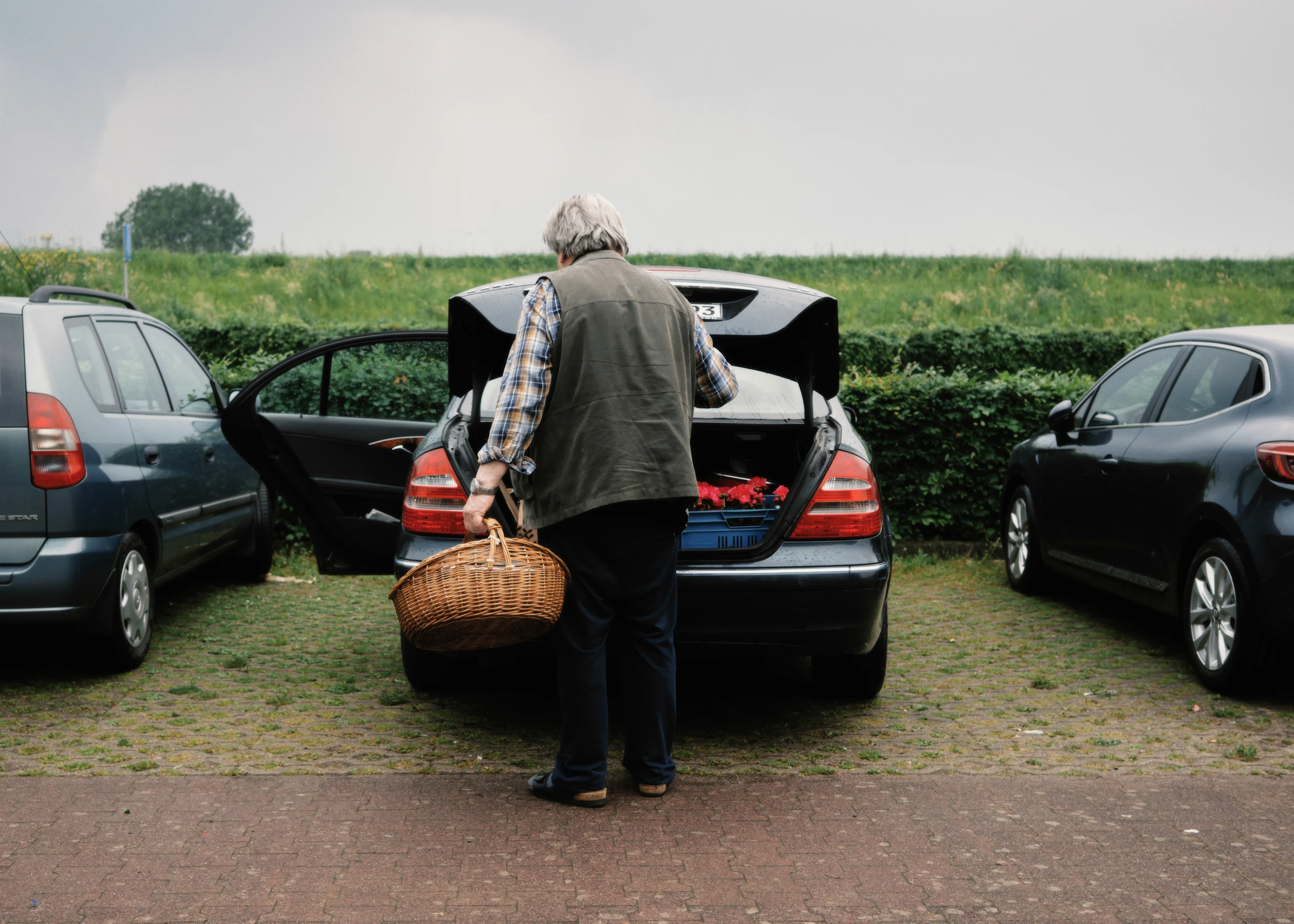
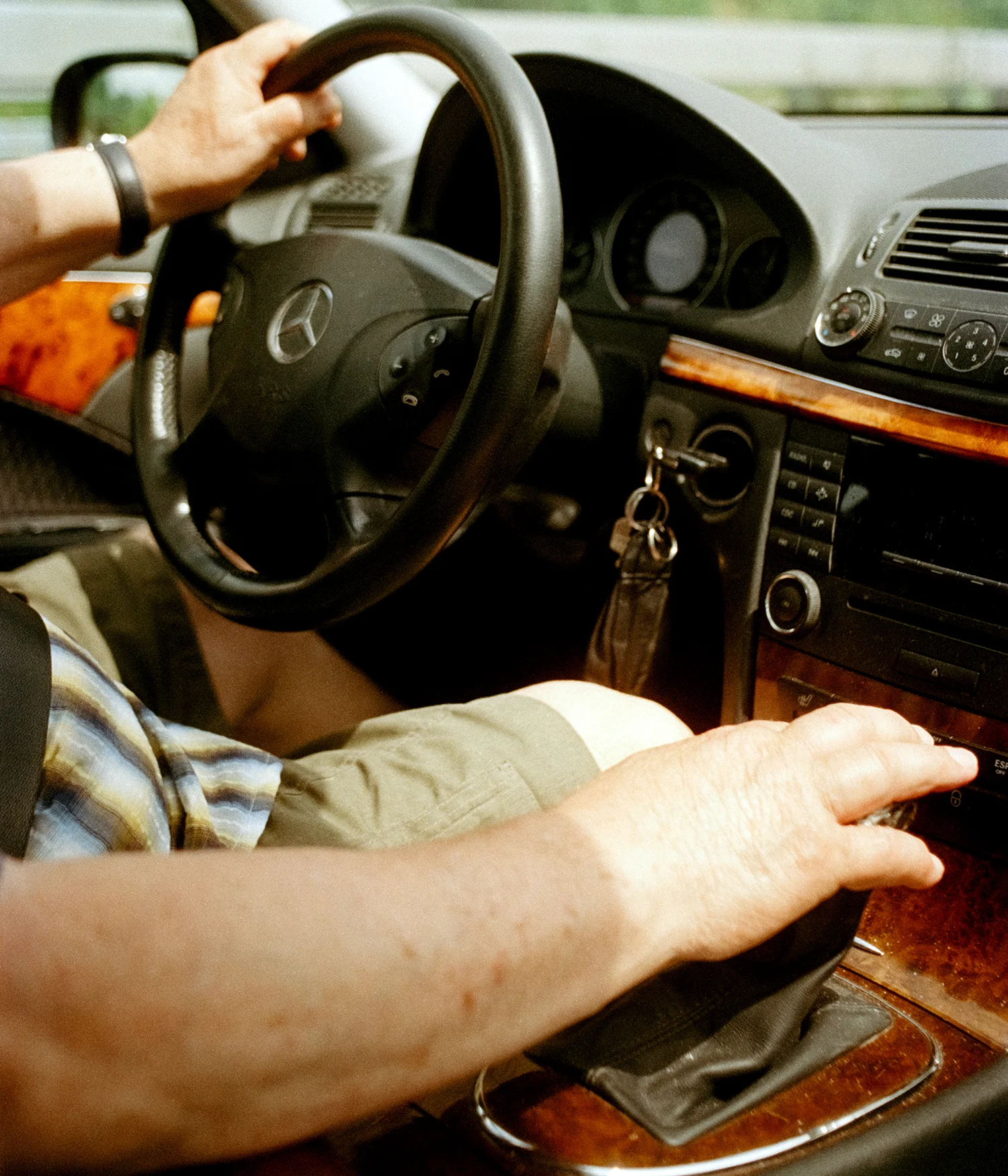
Revisiting the divorce meant turning her lens towards her father, and she chose to structure her shoots around their car journeys in the local area. “My dad was always very focused on us being mobile and independent and always made sure we were able to drive ourselves and also to get to him, because he had health issues since I was around 13,” she explains. While his interest lay in the car itself, her eye was drawn to photographing everything the car carried: the belongings he stowed in it, the traces of the time he spent in it and, of course, her father himself.
He didn’t love the camera being on him—“I think because he thought he wasn’t photogenic,” Weertz says—and some of his gentle objections appear in Weertz’s accompanying black and white film, which flicks between a dashcam-style view of the road and careful observations of her father. He went along with it anyway, recognizing the project’s importance to his daughter. The songs that were playing on the radio as they drove around were remarkably prescient in their references to grief and enduring love: a couple of weeks after she began the project, her father died suddenly.
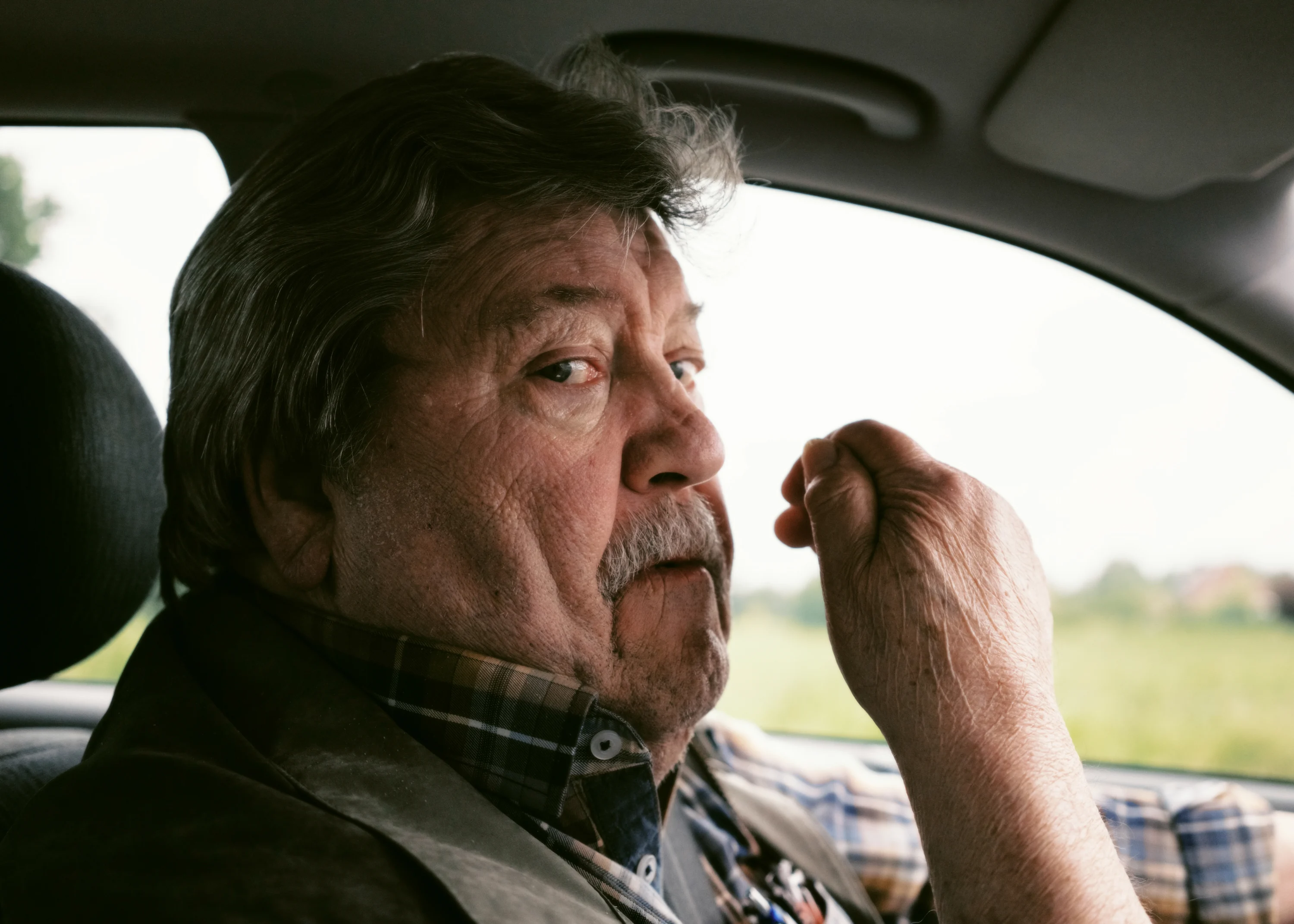
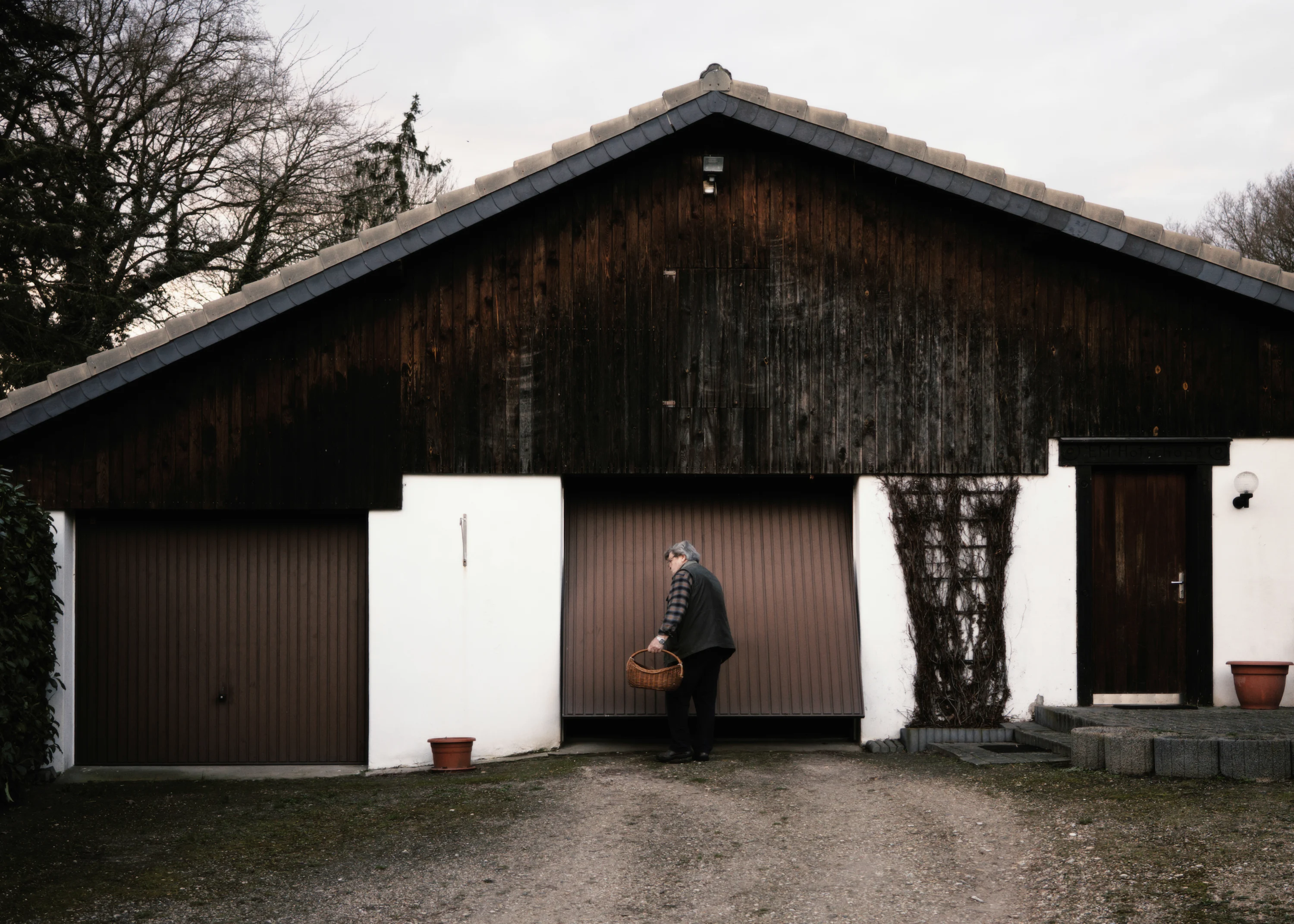
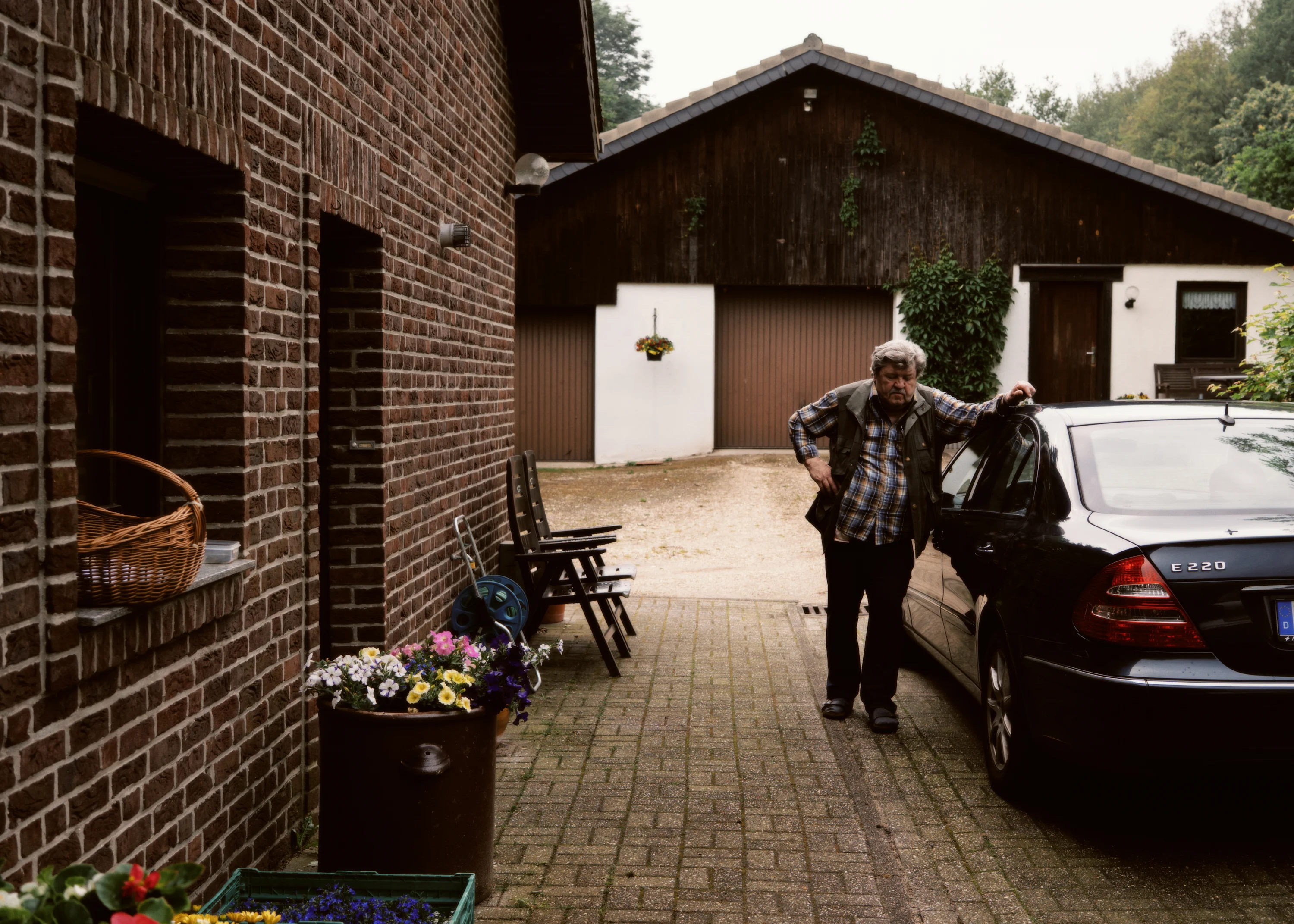
A lot of the time we question, ‘Should our families be different? Should we be like this?’ But then, does it really matter?
While coping with the loss, her attention returned to her photographs and footage of her father. “I started working on this, because what else are you going to do instead? You have to take pictures to get on with your life and deal with it. At least that’s what I did,” she recalls. Seeing images of loved ones who are no longer around can be a painful experience, but over time, Weertz came to see their richness, working them into a new project named “Passing.” “Grief is a funny thing,” she says. “You don’t see clearly much. It felt really good to now revisit it one and a half years after his death and see what was actually there.”
Everything took on a new significance, as it often does in the aftermath of death. Her father’s home was not always the cleanest (something he dubiously chalked up to poor vision), which irked Weertz when she was younger. “When he was gone, I loved the dirt everywhere,” she says. Other traces of his life continued to rear their head. “There were always these paper clips everywhere in the house. My sister still finds paper clips everywhere.” These details of someone’s existence that might ordinarily be overlooked, the parts of us that read as quirks and imperfections in life, felt more symbolic. When else would we care about a strand of hair on a seat? The odds and ends that we leave around us? And yet when they are all that’s left, these traces become small but mighty vestiges, memorialized anew in Weertz’s candid photographs and film.
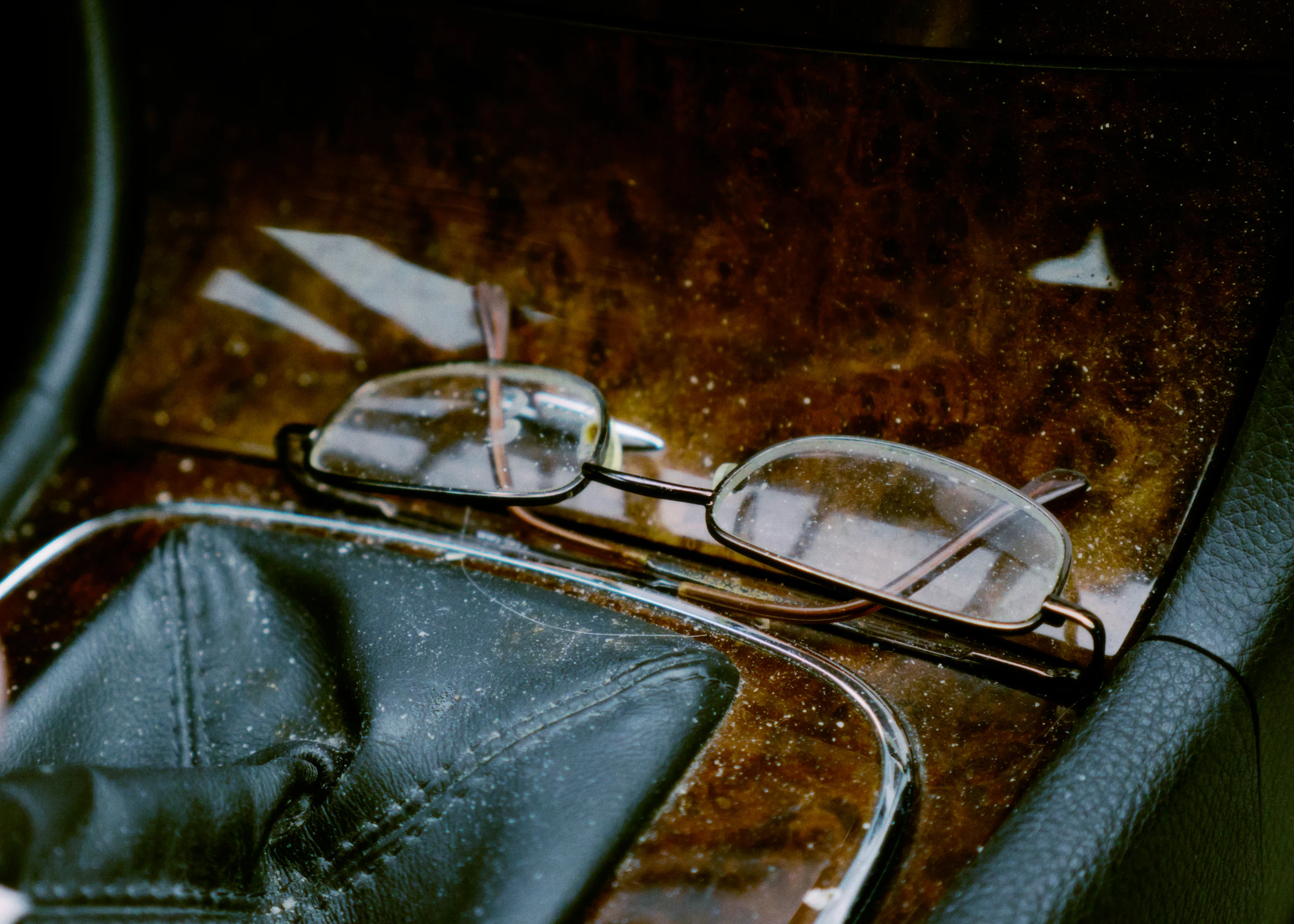
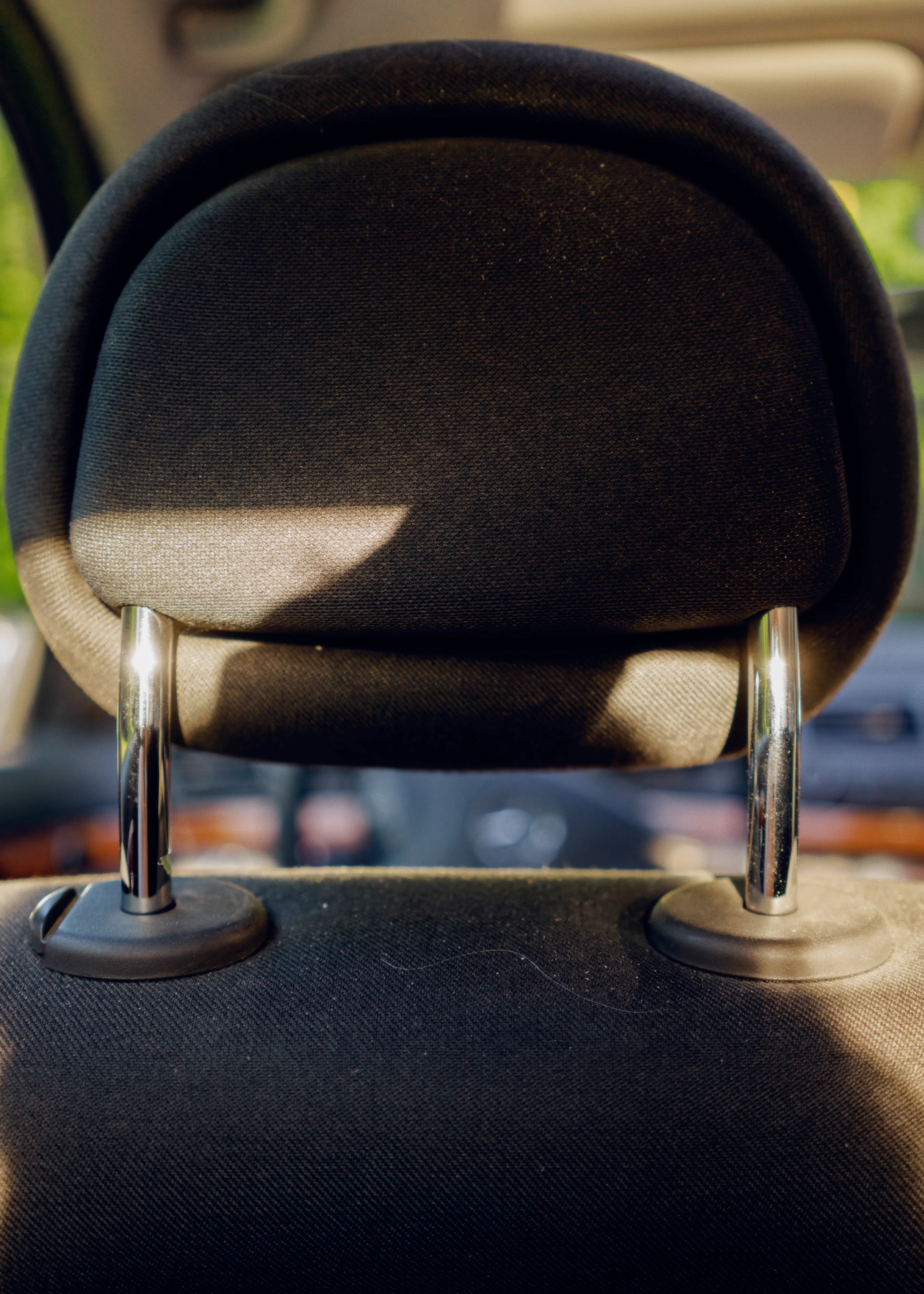
This is, in essence, what “Passing” encapsulates: a reminder that the encounters that seem so inconsequential are anything but. “We never went on holiday together. There weren’t so many of those family events that people have, like getting married and always celebrating their birthdays in this big way, for example. For me, it’s the small day-to-day stuff that I find very interesting.” The beautiful thing, here, is that Weertz had already recognized the value of documenting those moments before she knew how finite they really were.
Photographs can help us to reassess what lies in front of us, and she hopes that “Passing” will encourage people to see their loved ones in a fresh light, just as she did. “I think it’s very valuable to look at what’s actually happening,” she says. “Not what you wish happened, because a lot of the time we question, ‘Should our families be different? Should we be like this?’ Should my dad clean the house more often?’ But then, does it really matter?”