
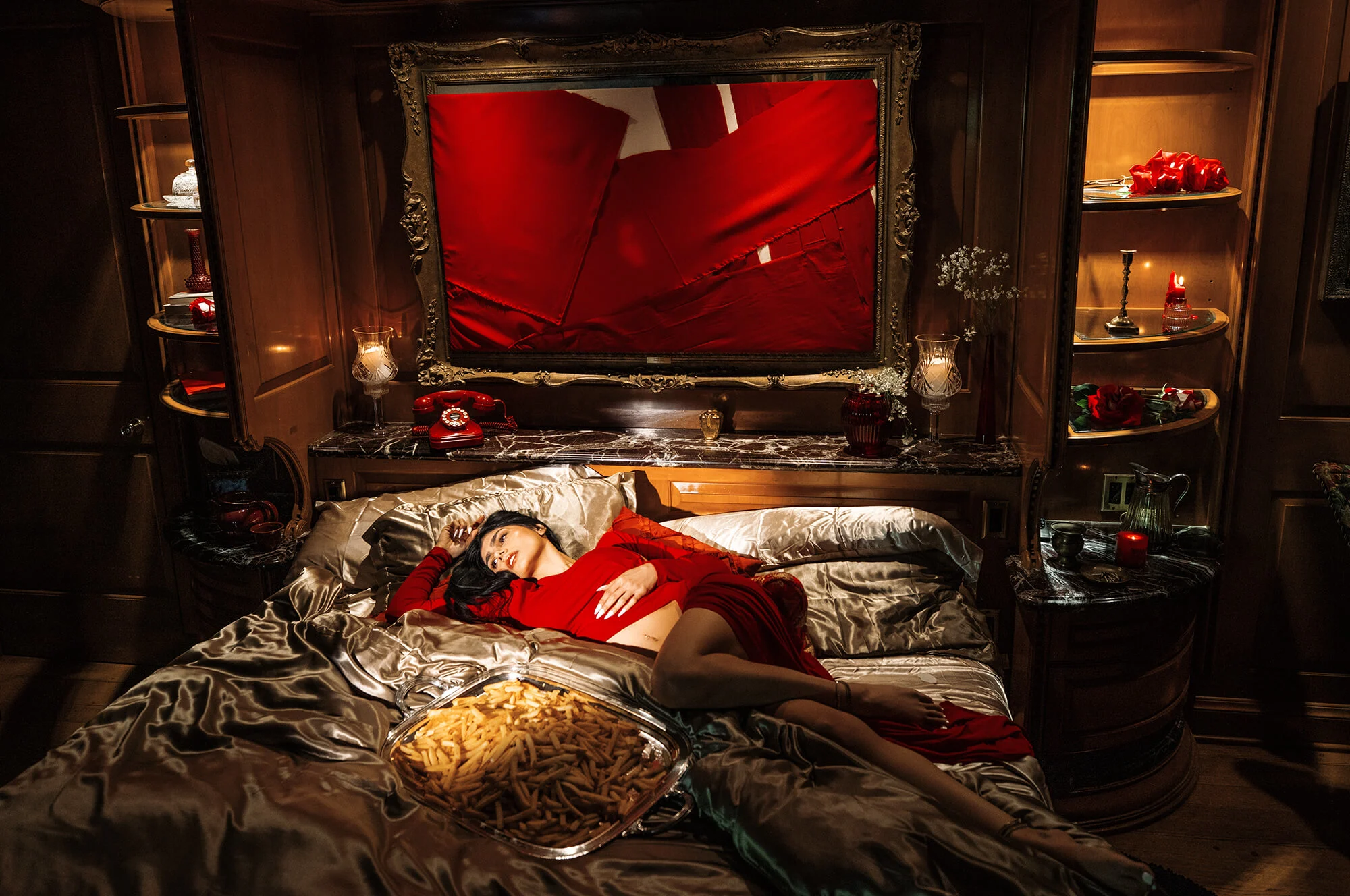

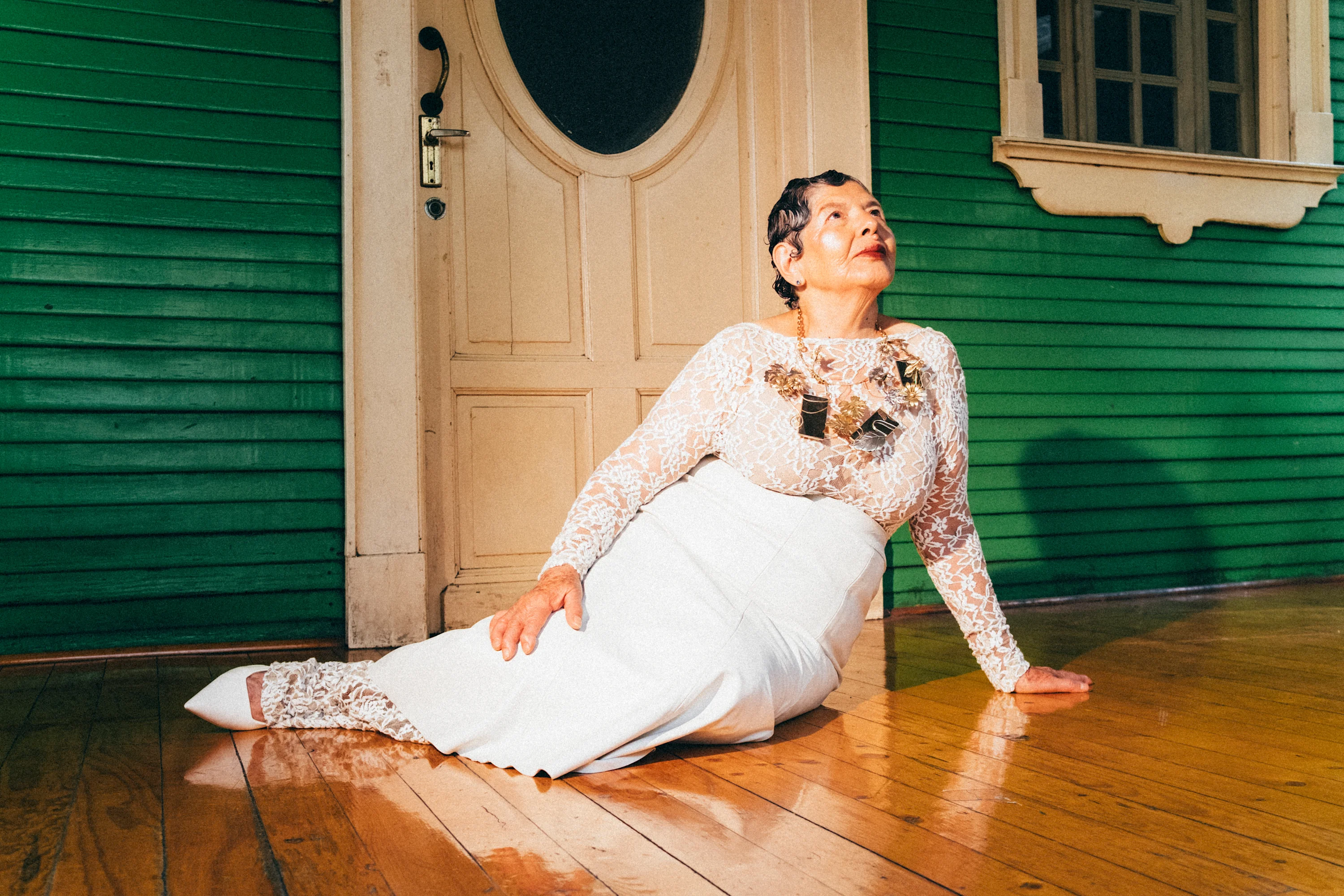
Photographer Ximena Morfín has always been close with her grandmother, Linda, but recently she’s found herself wondering who Linda is beyond her loving role in the family. In “Ageing Gracefully,” Linda and three other abuelas become glamorous models for a day, honored not just as caregivers, but as complex people with tales and histories often left untold. Morfín tells Neelam Tailor what she learned about these abuelas’ inner lives, and about the dreams they still hope to achieve.
“Esta muñeca se cambia de aparador”—“Time for this doll to go show off somewhere else”—are the parting words of Ximena Morfín’s grandmother, Linda, whenever they leave each other. At 84, she is opinionated, glamorous and rarely without her hair and makeup done. So perhaps it shouldn’t have been a surprise that when fashion photographer Morfin finally got her abuela in front of the camera, she was a natural.
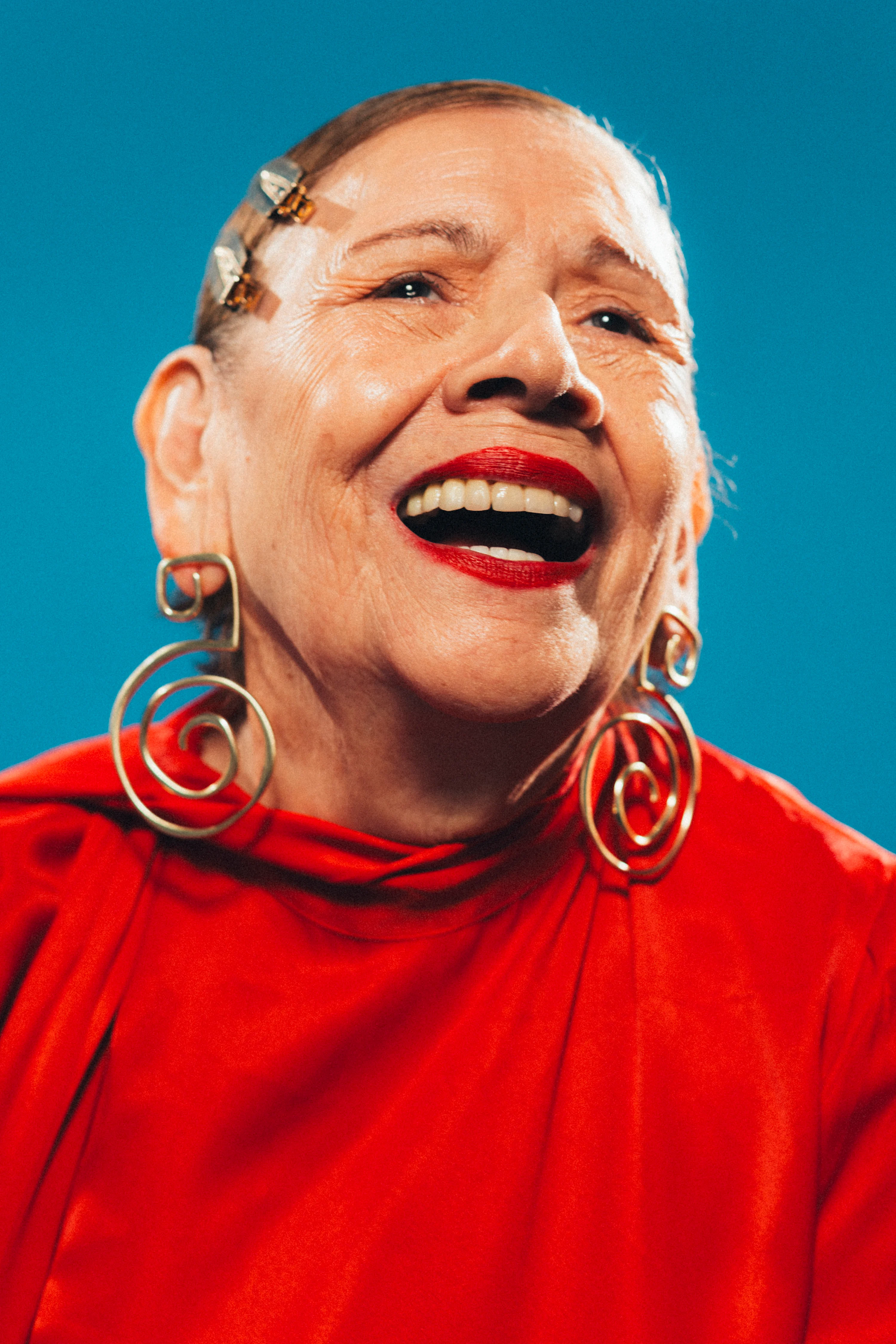
“I’ve worked with celebrities and with professional models,” says Morfin, who was photo editor of ELLE Mexico. “She could hold her own with any of them.” Linda, she says, instinctively understood how to move in front of the lens. “When I asked her to laugh more, she laughed more, you know, without shame.” She was picky about her earrings, weighed in on her looks and made suggestions throughout the shoot. For an afternoon, Morfín found herself seeing her grandmother differently. “I saw her, you know, like a model, not like my grandma.”
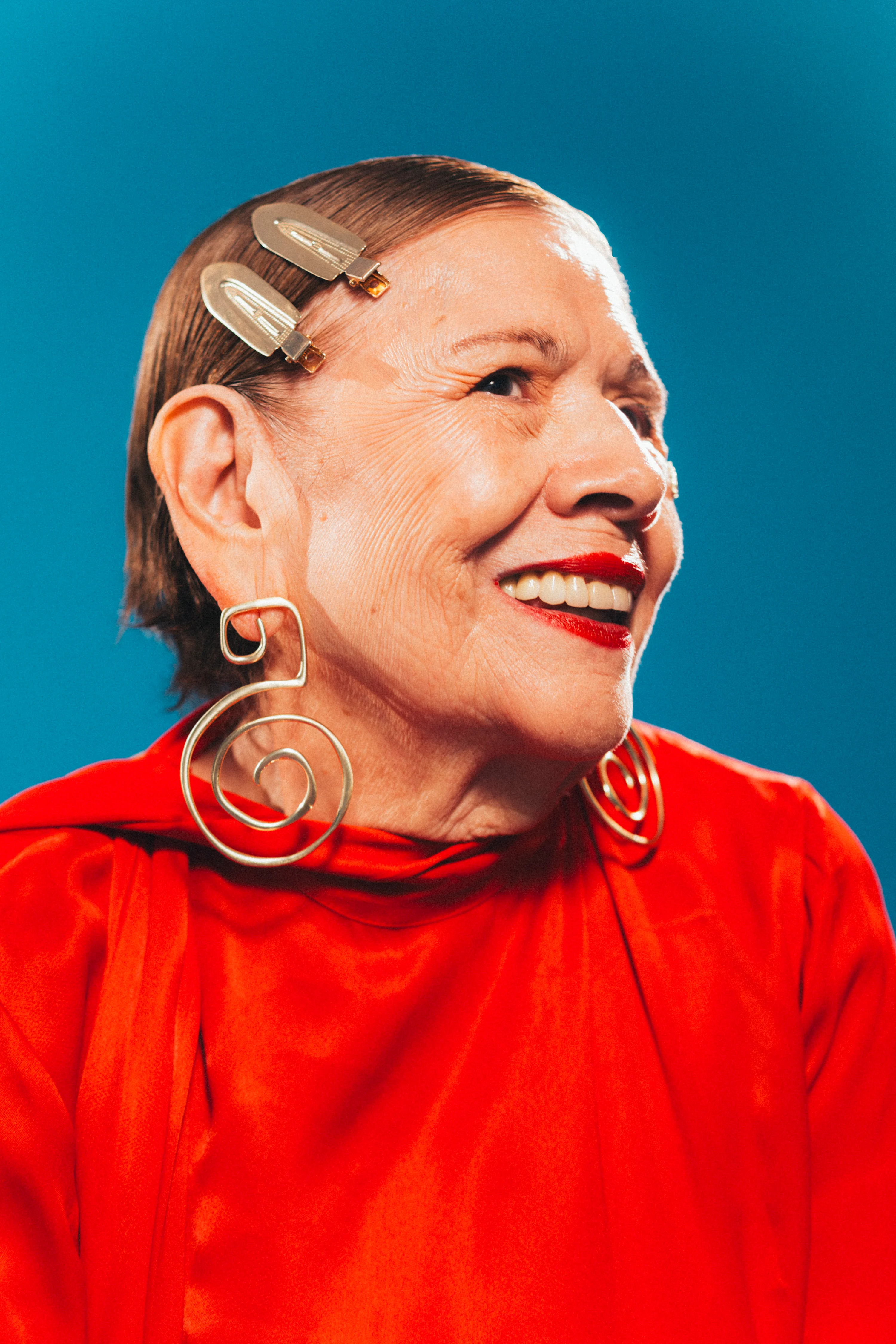
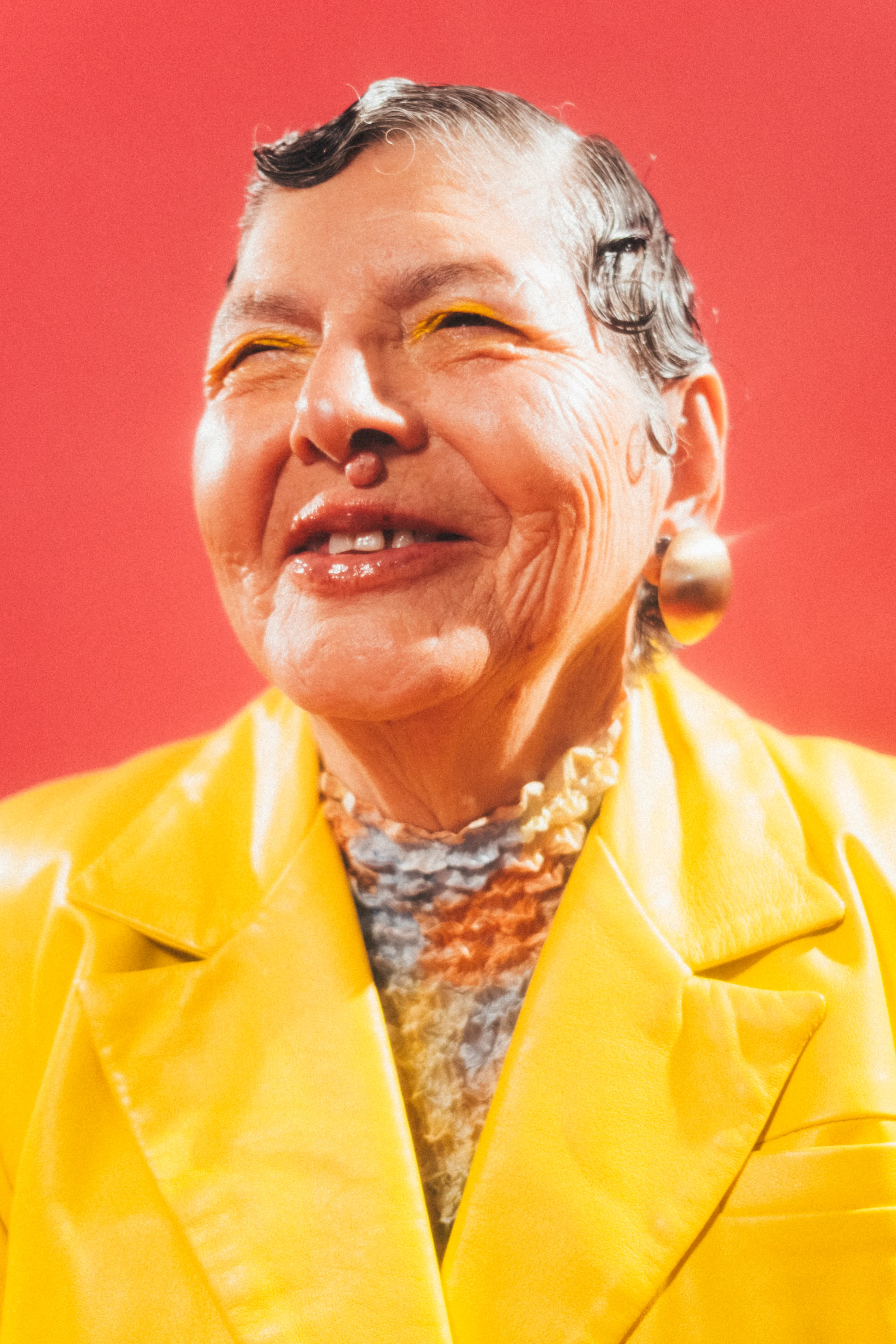
That shift in perspective sits at the heart of Morfín’s project, “Aging Gracefully,” which features three Mexican abuelas—Linda, Margarita and Carmelita. Swathed in color, dripping in jewelry and photographed against dreamy pinks, reds and blues, the first thing you notice isn’t their age. It’s their glamour, playfulness and presence.
Morfín grew up in Mexico City, with her abuela Linda caring for her most of the time. With both her parents working, her grandmother became one of the defining figures of her childhood, something Morfín says is common in Mexico for those fortunate enough to grow up with their grandparents. “At least in Mexico, your grandma is also like your mother,” she says. “And now she is my best friend.”
The abuela is also an iconic figure in Mexican culture. Morfín describes grandmothers as unapologetic and deeply respected. “We all know that we have something to learn from them,” she says. “They are very iconic.” But for women of Linda’s generation, being so important to everyone else often left less room to think about themselves. “All the dreams and all the big projects and everything were focused on the men of the house,” Morfín says. Of her own generation, she wonders: “Perhaps we are the first to ask: What do I want?” Linda never lost her sense of self, though. She has always taken pleasure in dressing up, even for a trip to the supermarket. “Me veo muy pipiris nice”—a very Mexican way of saying “I look fabulous”—is one of her favorite expressions. And, as she taught her granddaughter: “It’s not for men, it’s for me.”
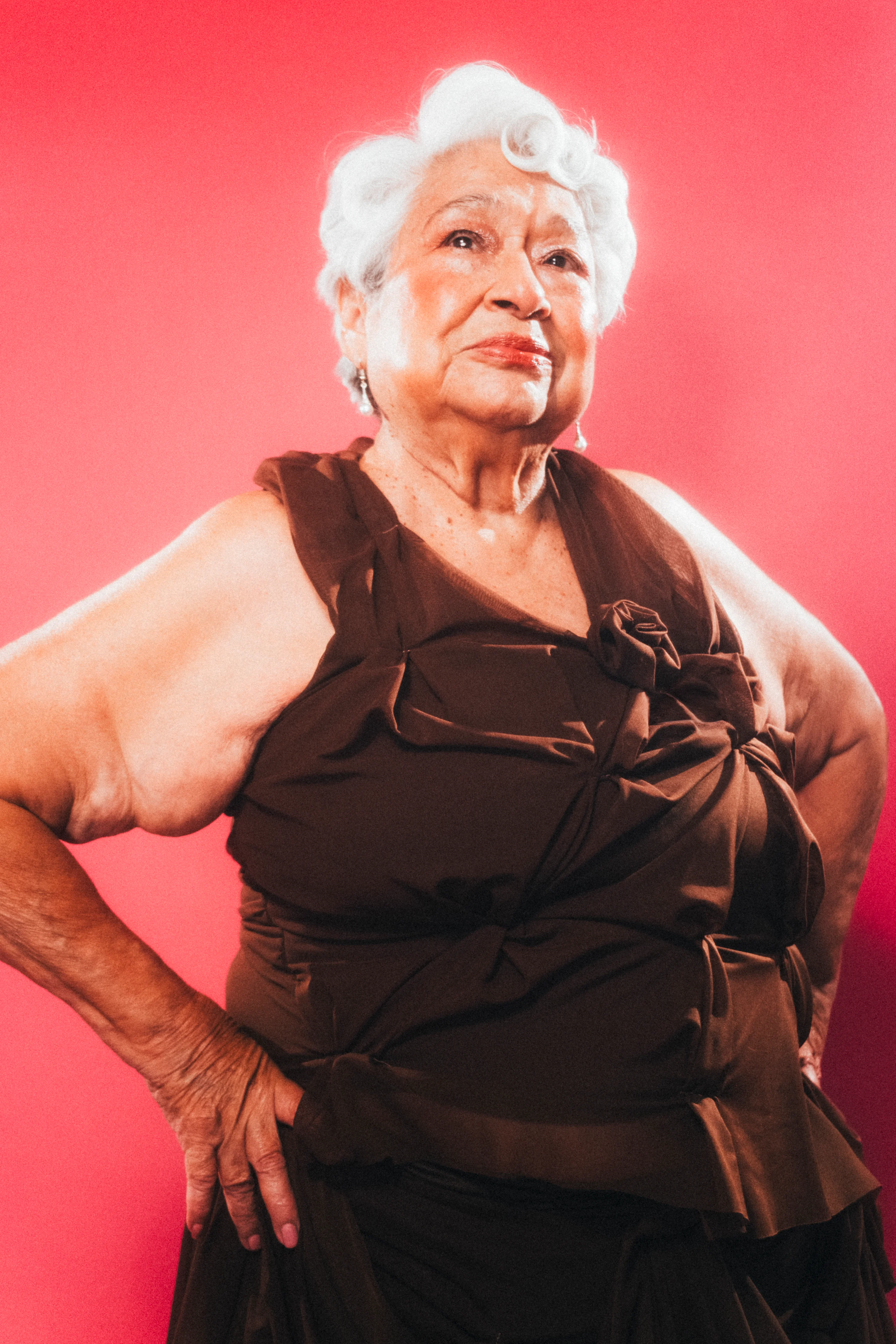
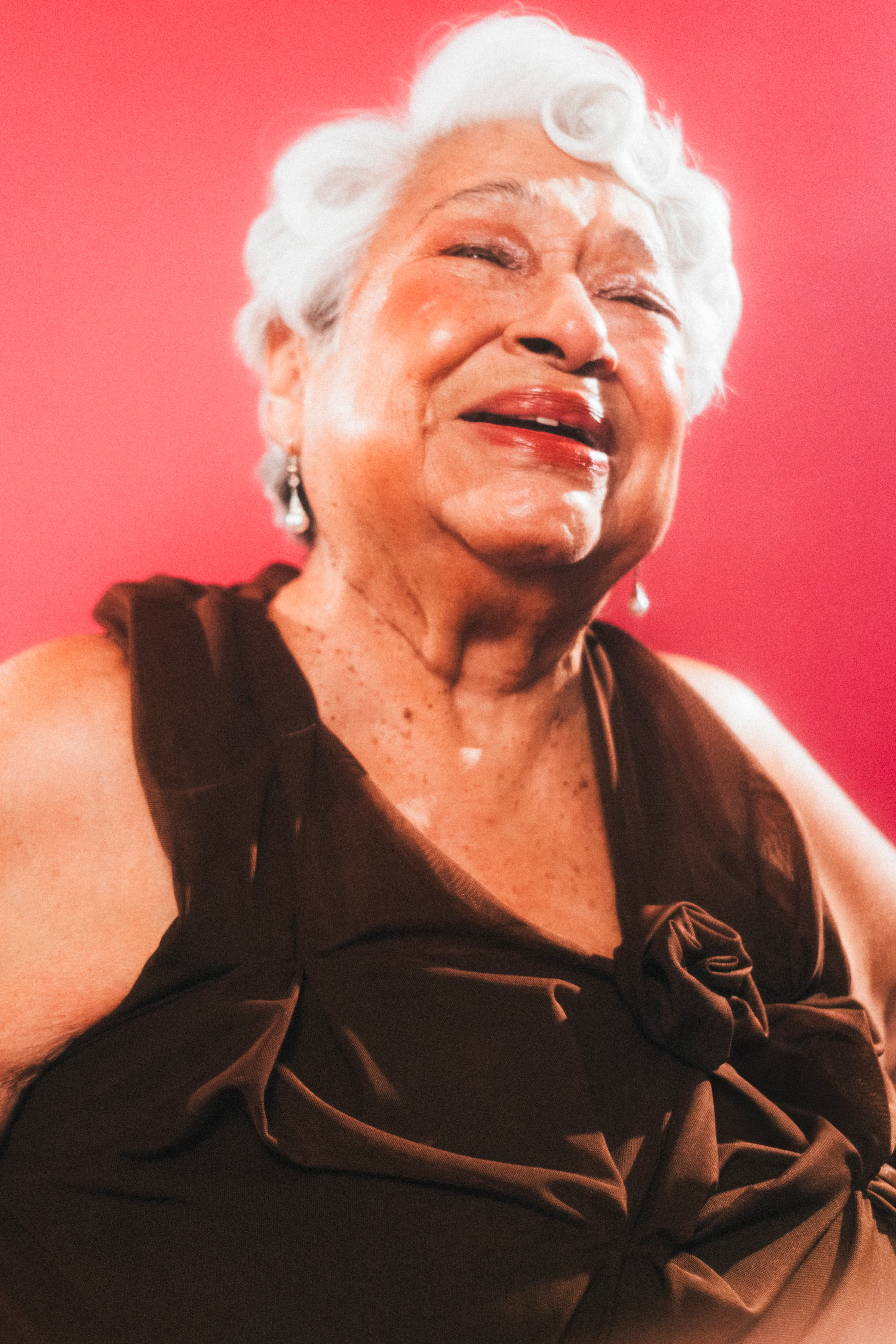
We wanted maybe for the first time to give them these moments where they were the most important thing.
What Morfín realized she knew less about were Linda’s dreams. “She was always the wife or the mother or the grandma,” she says. “But I kept wondering, who are you besides this familiar figure?” That question became more pressing after Morfín’s grandfather died five years ago. When she asked Linda what she wanted next, her answers still came back to her family.
Photography offered them a way to explore something new together. Linda had given Morfín her first camera at 15 and watched as a teenage interest became her granddaughter’s career. Over the years, she would ask about the models, clothes and sets Morfín worked with, until Morfín floated an idea: “You should model for me one day.” Linda initially dismissed it, but over the following months she grew more curious, and the idea expanded to include two other abuelas, Margarita and Carmelita.
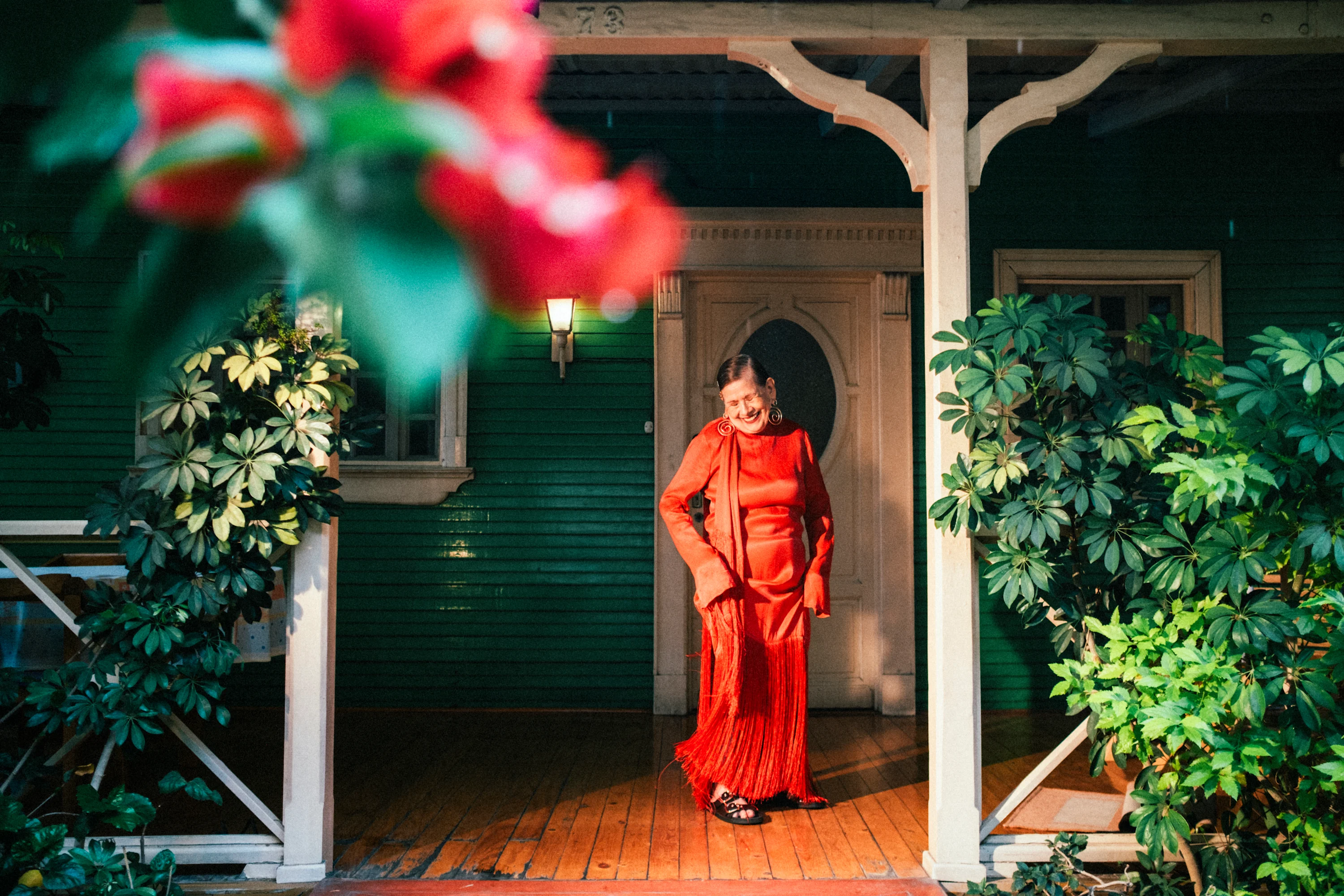
The resulting shoot was designed to give the women an afternoon where everything revolved around them. “We wanted maybe for the first time to give them these moments where they were the most important thing,” Morfín says. Visually, Morfín took the maximalism she associated with Mexican abuelas and pushed it into fashion fantasy. Linda’s own love of big earrings, necklaces and color had been part of Morfín’s childhood; now, in front of her camera, she appears in vivid red lipstick and red clothes, colorful clips dotted through her hair and giant sculpted spiral earrings curling against an electric-blue backdrop.
It’s editorial, and it’s dreamy. “Dream” became a keyword for Morfín. She used soft light, saturated color and surreal effects to create what she calls “a parallel universe inside the grandmas’ lives”—somewhere they could play outside their familiar roles.
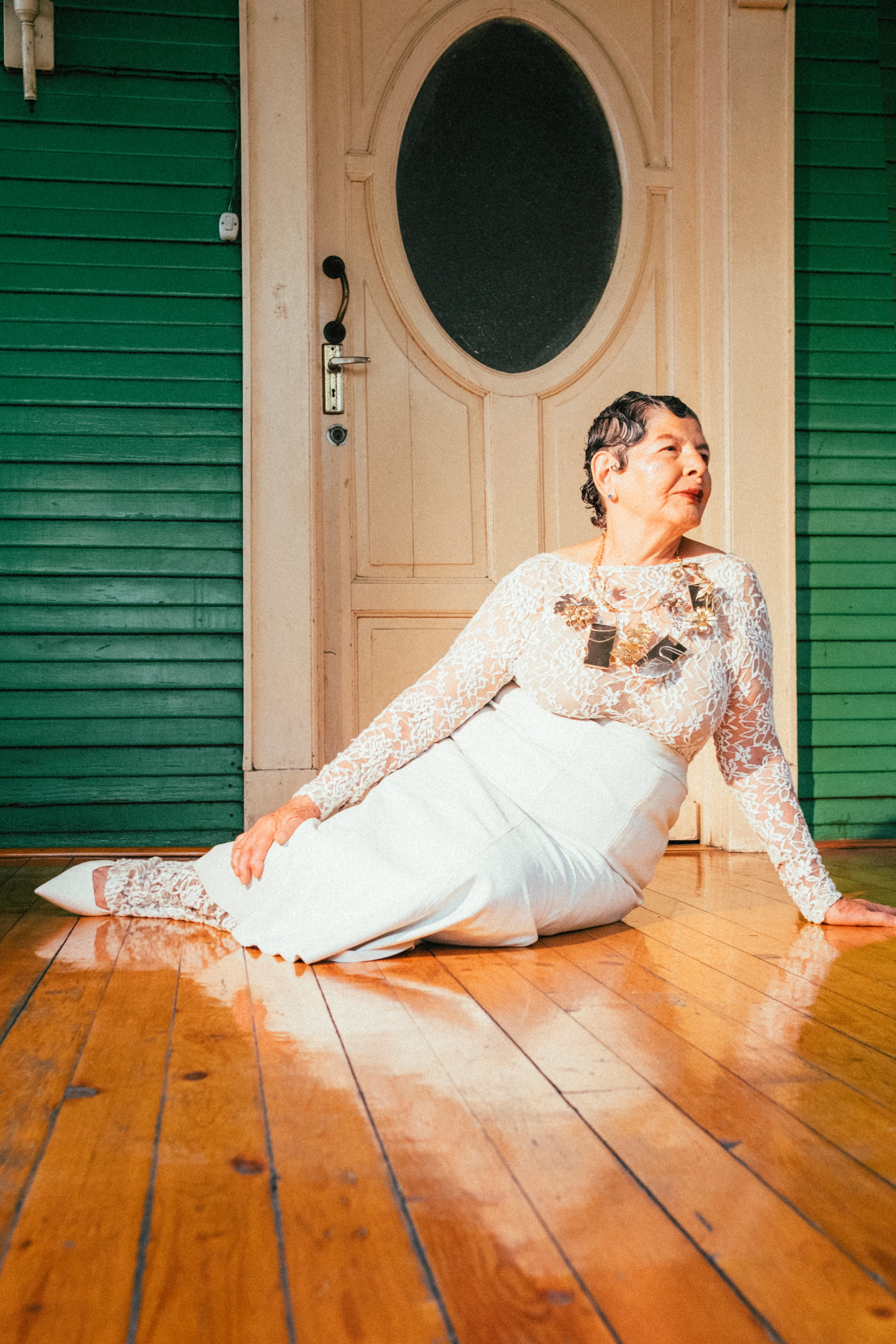
It’s a very rich world that they have inside. So I think it’s worth it to take the time to listen to them.
The world behind the camera was carefully considered too. Linda had been nervous about arriving on a busy set, so Morfín assembled an entirely female crew. What began as a way to make her grandmother comfortable became central to the atmosphere of the day. “I don’t think the project would have been the same without the woman crew that we had,” she says.
Morfín was equally conscious of what she didn’t want “Aging Gracefully” to become. She hates the backhanded compliment that a woman looks good “even at your age.” The project wasn’t about convincing the women they could still be beautiful, or simply putting older women in fashionable clothes to make a point about ageing. “It was like a moment from them, for them,” she says.
The women are refreshingly unbothered about the opinions of others. When Carmelita was asked whether she felt pretty, her answer was matter-of-fact: “Yes, I’ve always loved my face.” Margarita came away from the shoot thinking about what else might await her, saying “there are still many new things to explore.”
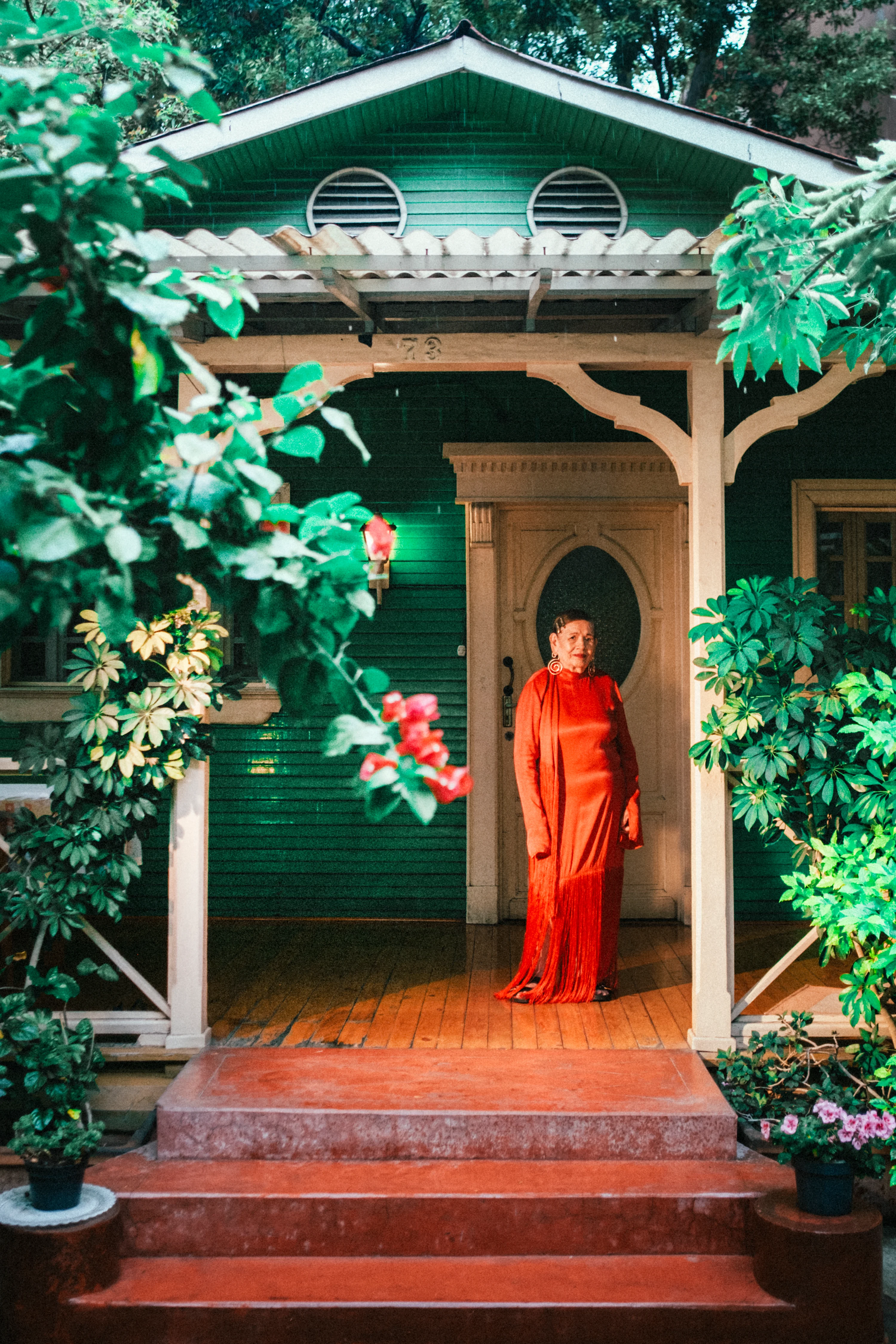
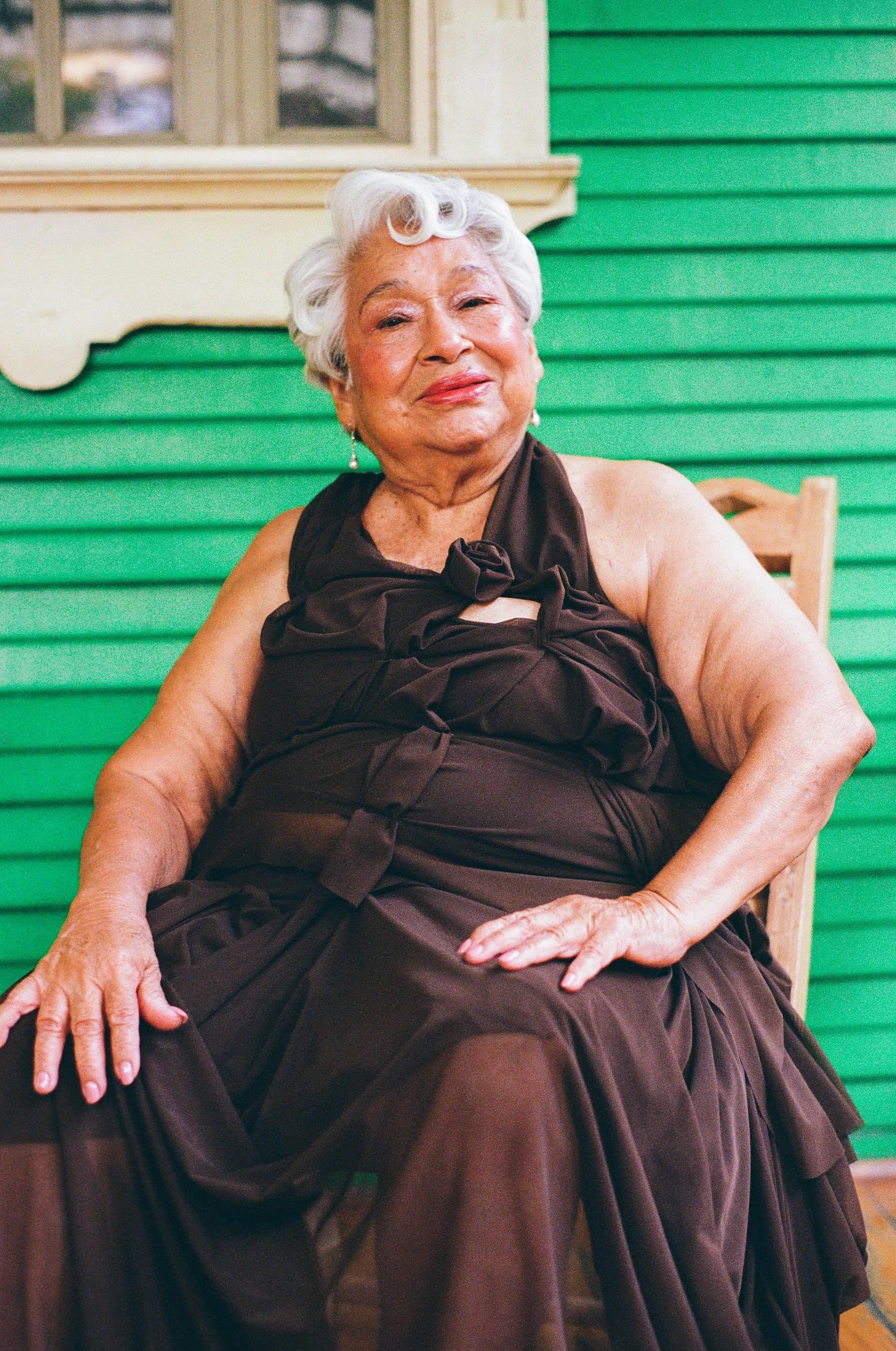
Linda, naturally, had notes. “This is a woman who gets up early to make sure her hair and outfit are just right, so it makes sense,” Morfín says. Still, Linda loved the photos and has shown them off. But something else had happened between grandmother and granddaughter. Photography had always belonged to Morfín’s world; for the first time, they had met each other inside it on different terms. “When we were on set, she was a model and I was a photographer,” Morfín says. “In that moment, we were like independent women.”
That curiosity has continued beyond the shoot. “When I started asking these personal questions… beyond her being my grandma, you can find a very beautiful universe,” Morfín says. There were places Linda wanted to travel, languages she might have liked to speak and experiences she still wanted to have. “It’s a very rich world that they have inside. So I think it’s worth it to take the time to listen to them.” And what of Linda’s own dreams? At 84, she initially insists there isn’t much left on the list. “I’ve met my expectations in life, and I feel satisfied,” she told Morfín, before pausing. “Oh no, wait! I still want to go to Capri.”
Credits
Photo & Creative Direction: Ximena Morfin
Curator: Regina Alencaster
Executive production: Boicot
Production and photo assistants: Tamara Guzmán
@niqolemv Nicole Menchaca y Paulina Gonzalez
Styling and fashion director: Ruth Buendia
Styling credits: @almmmami @alin_jotar @bimbaylola @labuendia247
Makeup: Liz Jardon
Hair: Mariana Palacios
Models: Linda González, Margarita y Carmen
Carmen’s agency: Guerxs
Gaffer: Viri Perez y Edith Gallo