
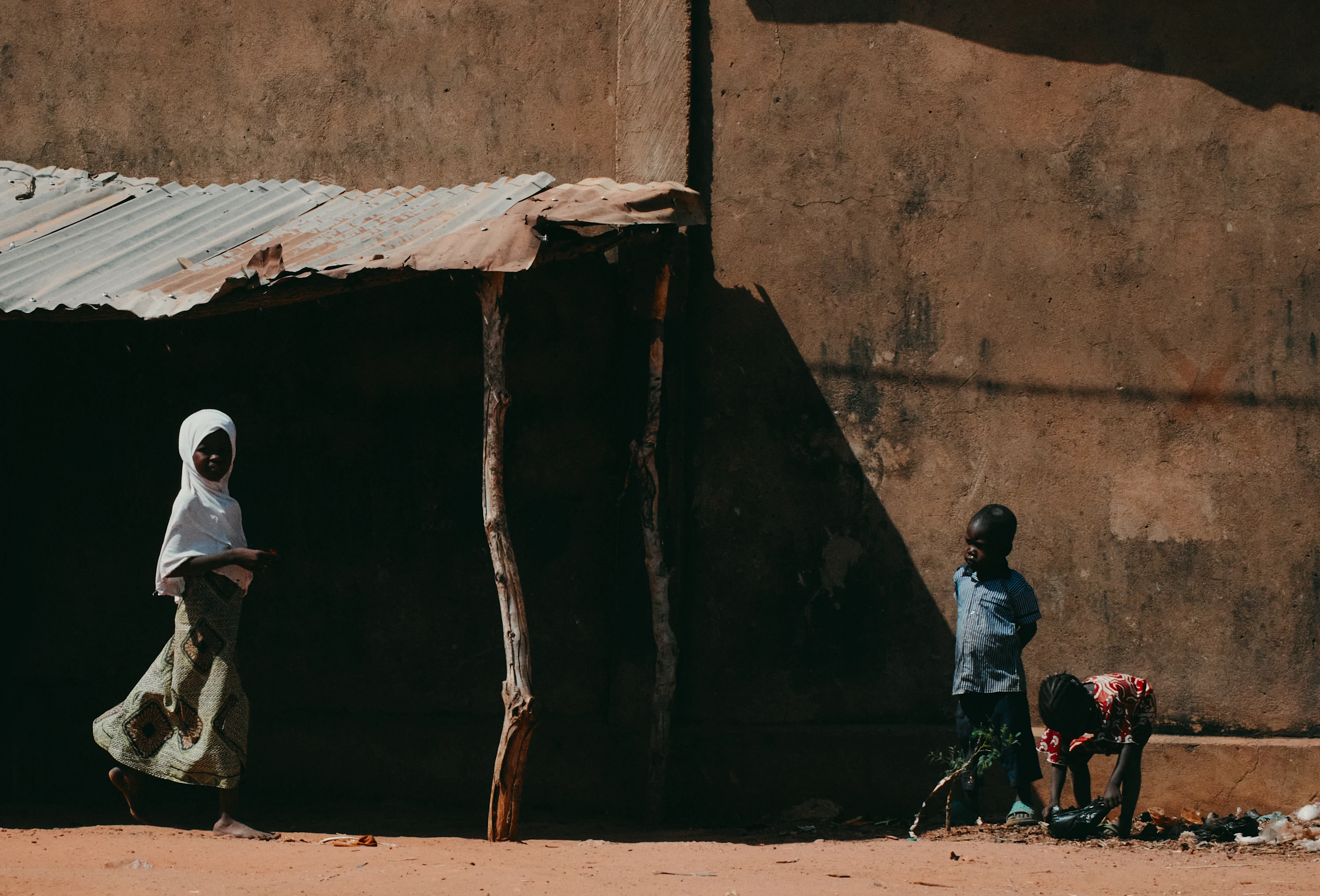
When Tamibé Bourdanné began his road trip from the sun-baked expanses of Niger to the lush, humming landscapes of Benin, the border between the two countries had, officially, been shut since a military coup in Niger in 2023. The closure has stifled trade and complicated movement between the neighboring countries, but the photos he took through the car window showed life continuing to unfold on the roadside regardless. He tells Alix-Rose Cowie how the journey taught him that “the world, when seen slowly and openly, is endlessly alive.”
Somewhere between Niger and Benin, photographer Tamibé Bourdanné sits in the backseat of a car with his camera in his lap, and various lenses on the seat beside him. The windows on both sides are framing the changing landscape and offering him excerpts of a larger story he wishes to tell. The car is not going too fast, but also not as slowly as you’d imagine he would need to take photographs of the passing scenes. At times the windows are rolled down for a clear view, but when the driver accelerates and the windows are closed, Bourdanné adjusts his settings to focus past the dust on the windows, or leans into the film-like haze it lends his cinematic shots.
Bourdanné was born in Côte d'Ivoire, where he spent the first 15 years of his life before relocating to the UK. He had always been observant, noticing the detail in the world around him. In his early work, he was drawn to architecture. After seeing a poignant exhibition by Richard Mosse, he became increasingly interested in documentary photography, though he hadn’t quite found his subject. While Côte d'Ivoire was Bourdanné’s first home, his father is from Chad and his mother is from Niger and Nigeria. It was on trips to these places of family origin that documentary work started to make more sense. Now, he hopes to build a future archive by photographing life in the many ways it’s lived today across West Africa.
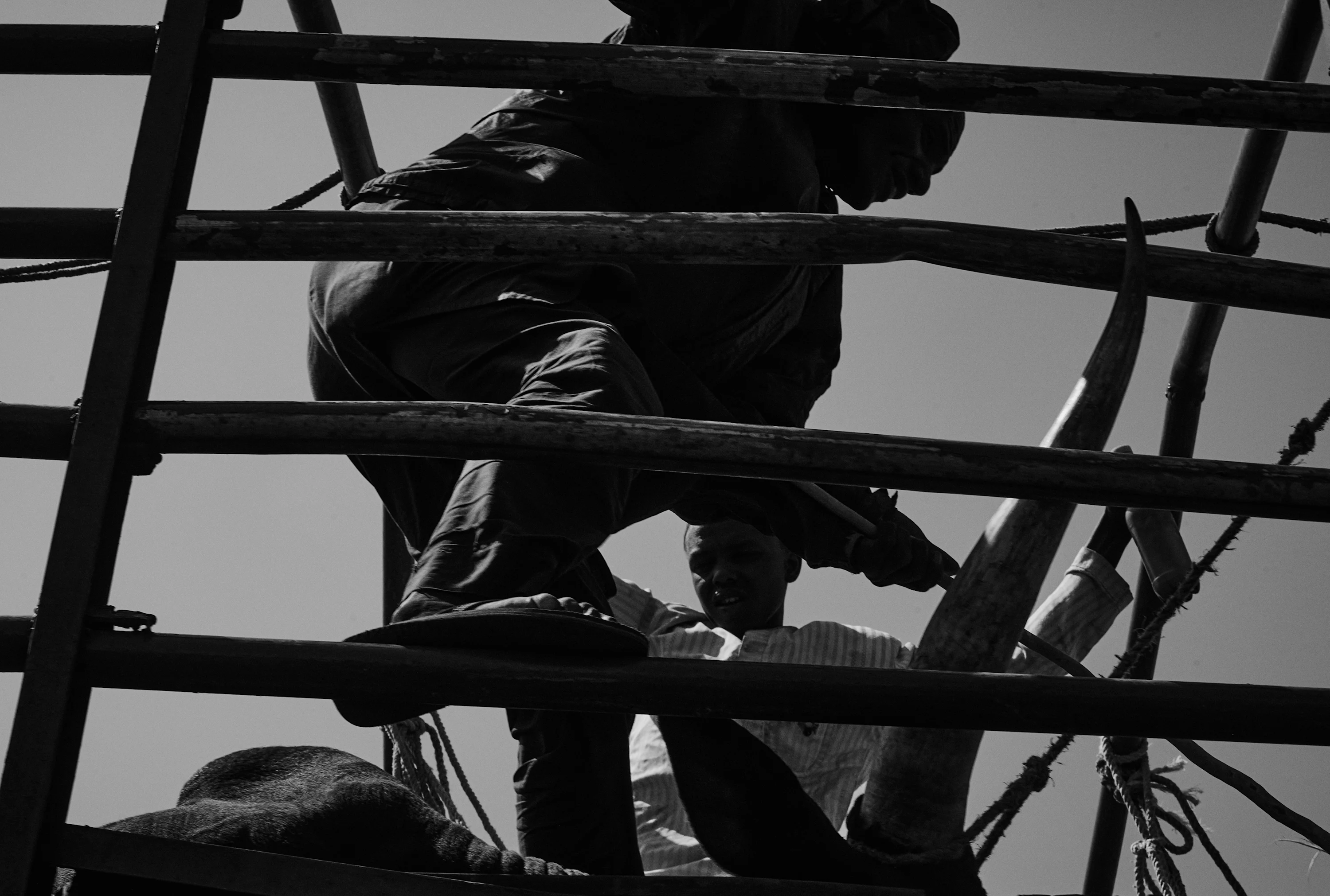
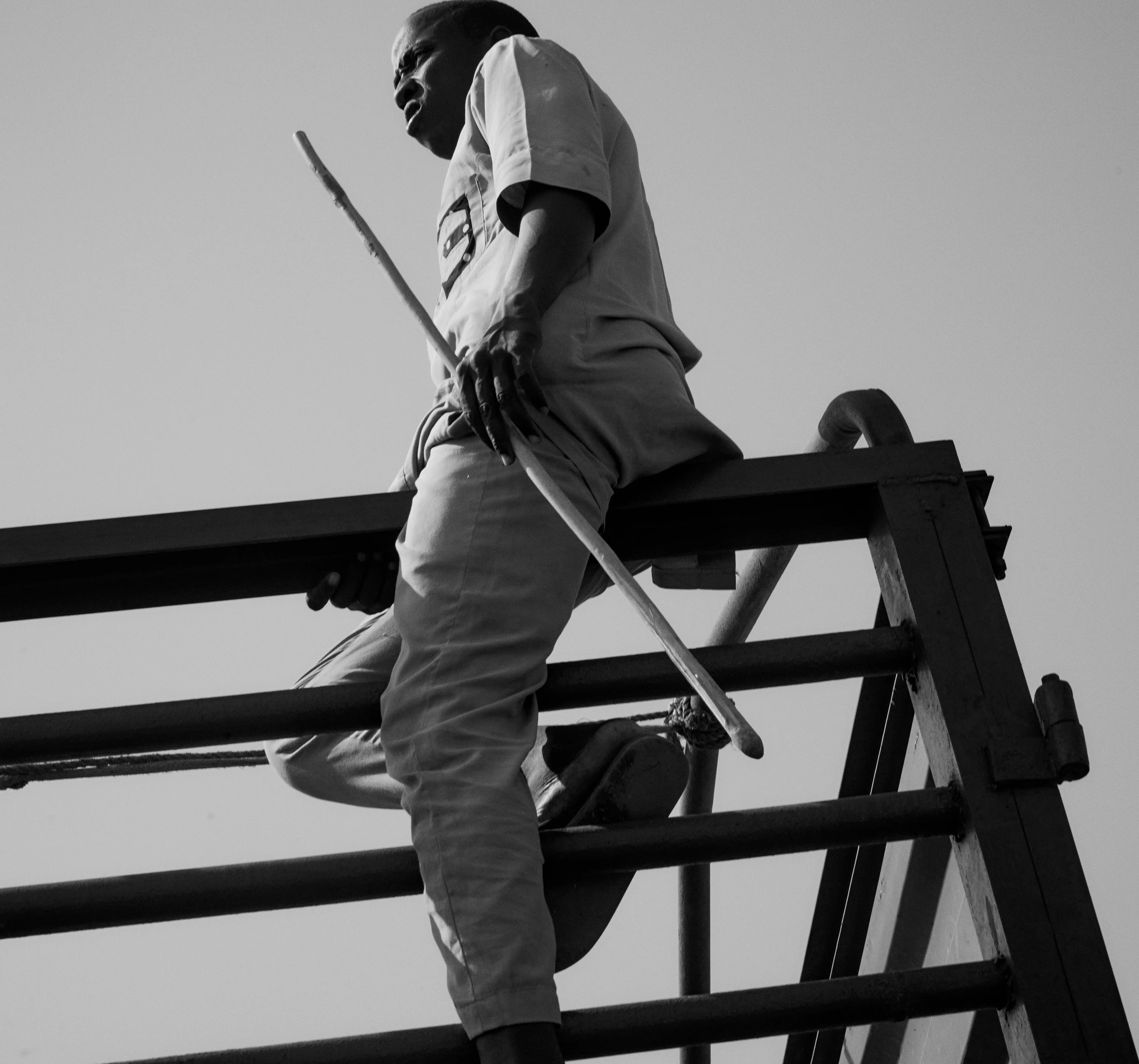
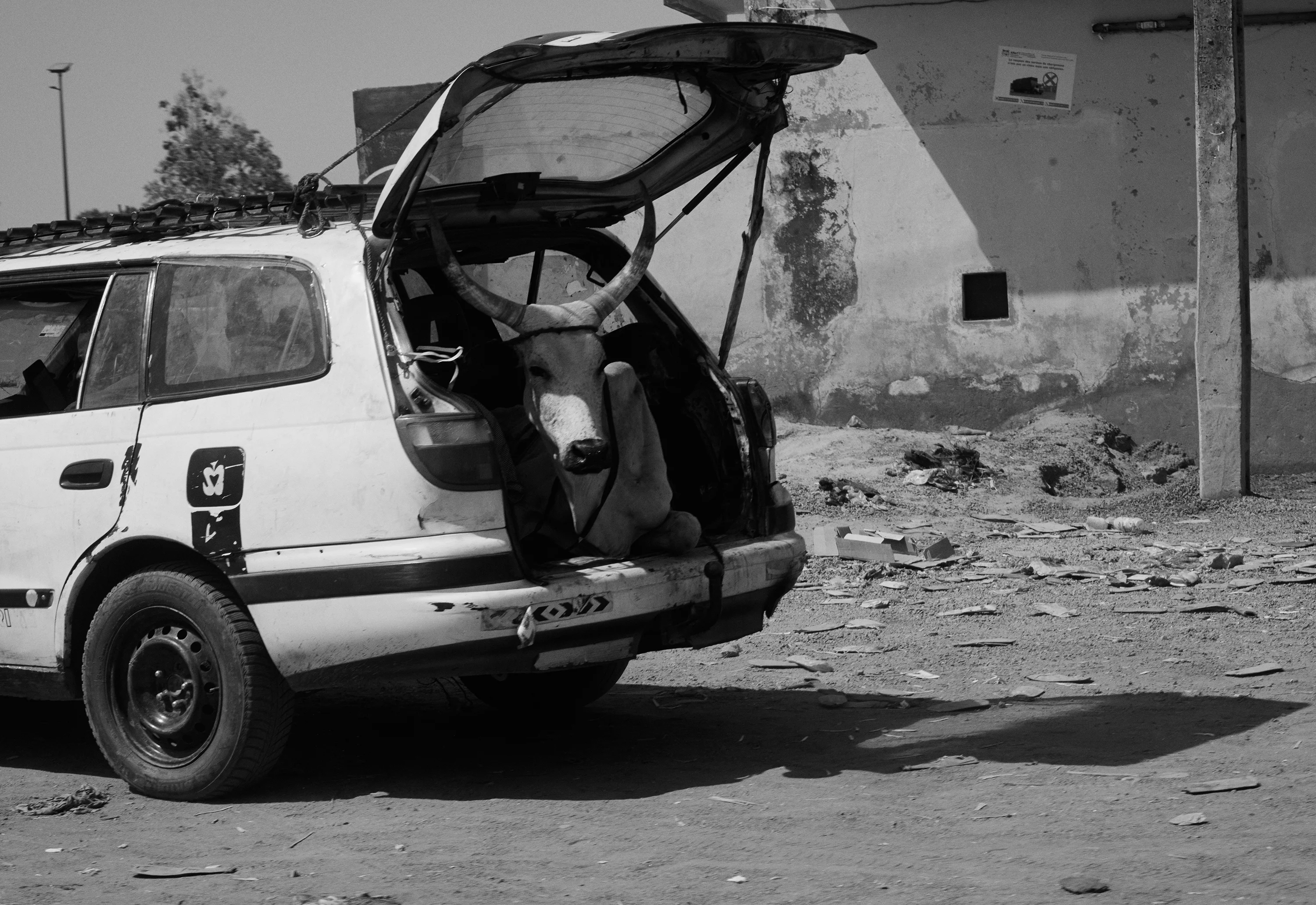
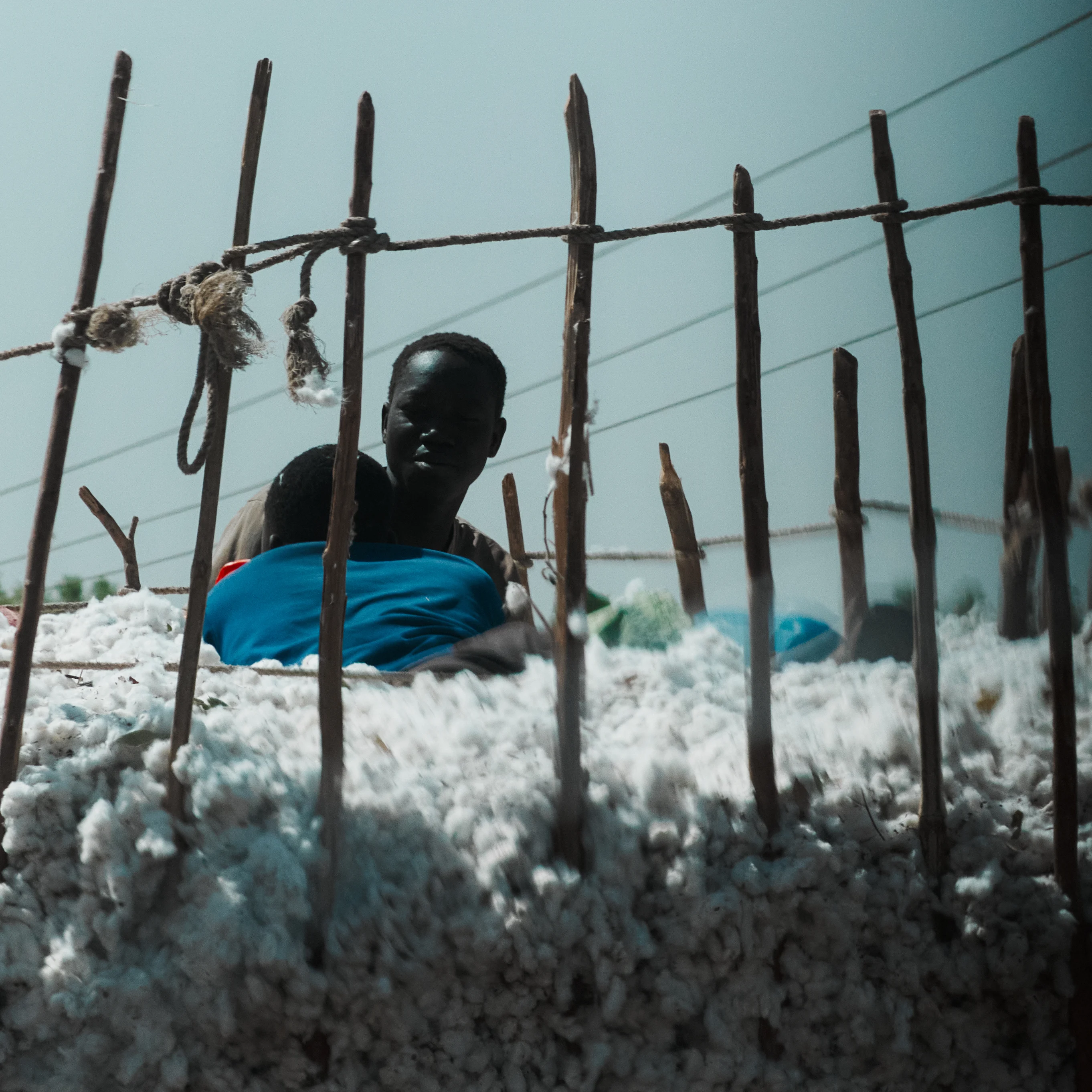
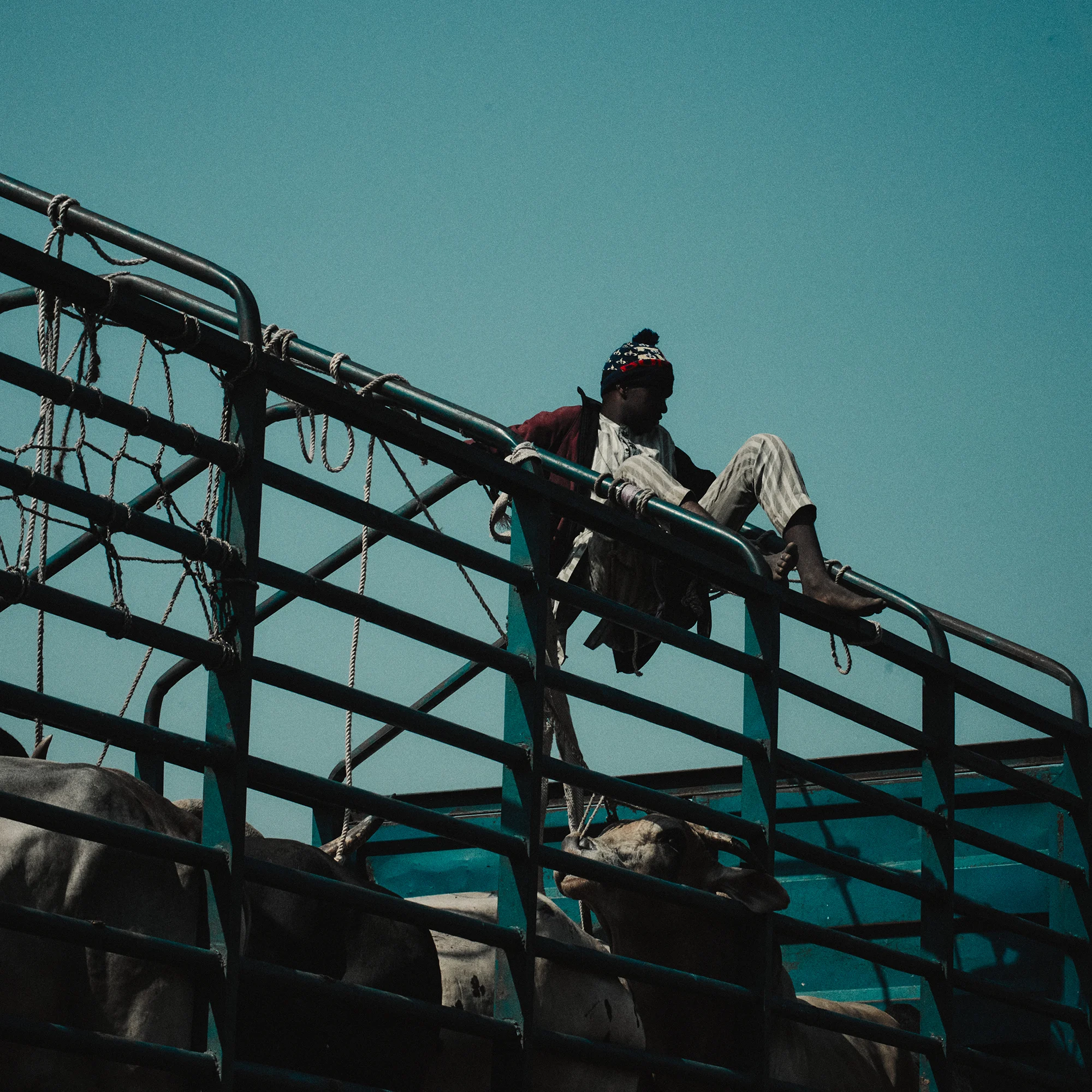
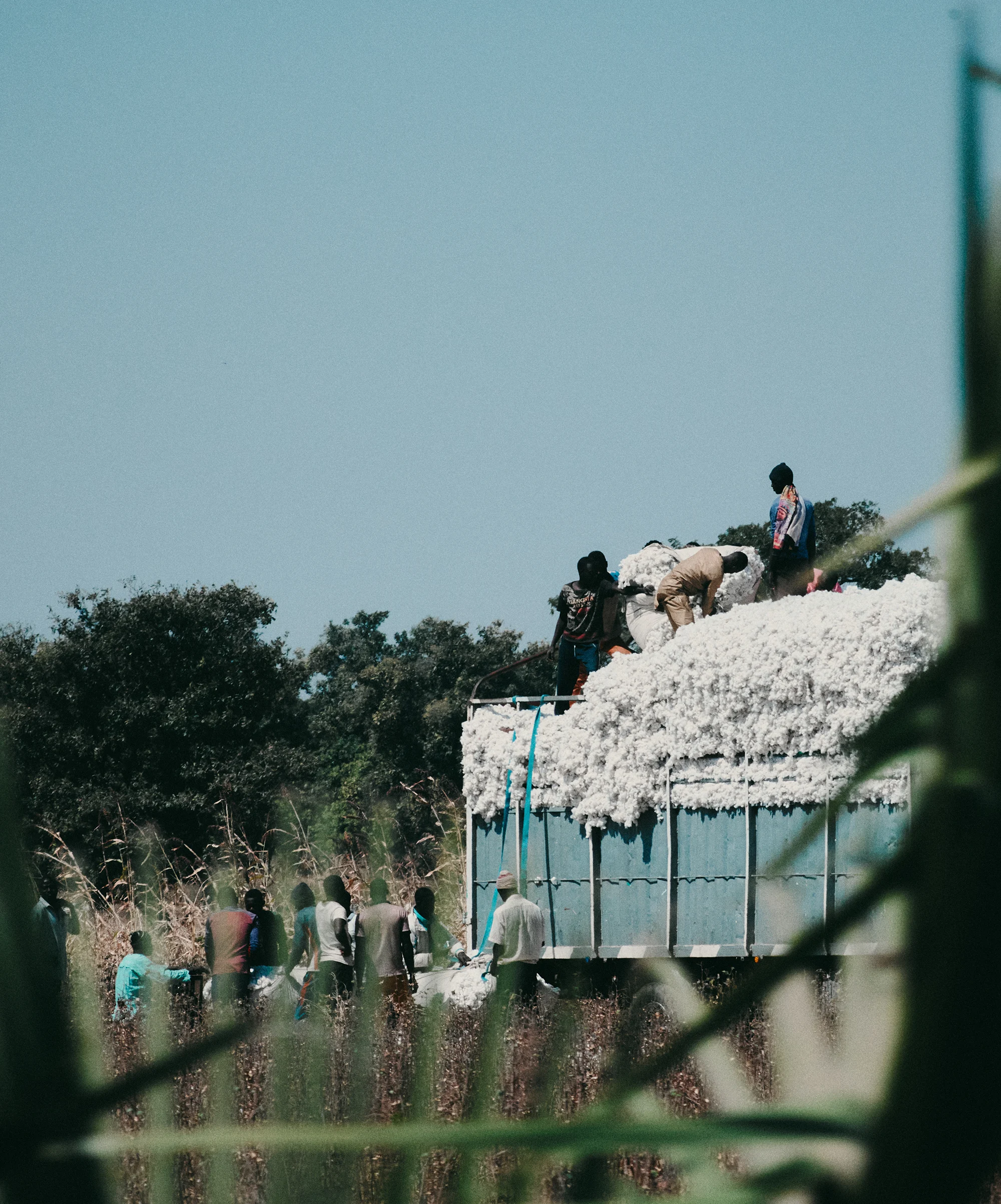
Bourdanné considers this latest series to be a road trip story, similar to those drawn out across the United States, retold so many times in literature and film that one could make the entire trip in their mind’s eye. The road unfolding in his photographs, however, is animated by trucks piled impossibly high with picked cotton like overflowing popcorn boxes, cattle herders asleep in makeshift hammocks slung above the packed oxen they’ve been transporting for days or energetic processions of fervent election campaigners filling the air with slogans.
“These images were born from the road, a journey stretching from the sun-baked expanses of Niger into the lush, humming borderlands of Benin,” Bourdanné says. It was the first time he took this route, with only a blurry picture of what he would find until he saw it for himself. “In Africa there’s a lot of life that happens on the side of the roads. It’s a whole system that I’m trying to get more in touch with. So this was about seeing the two countries from this different point of view.”
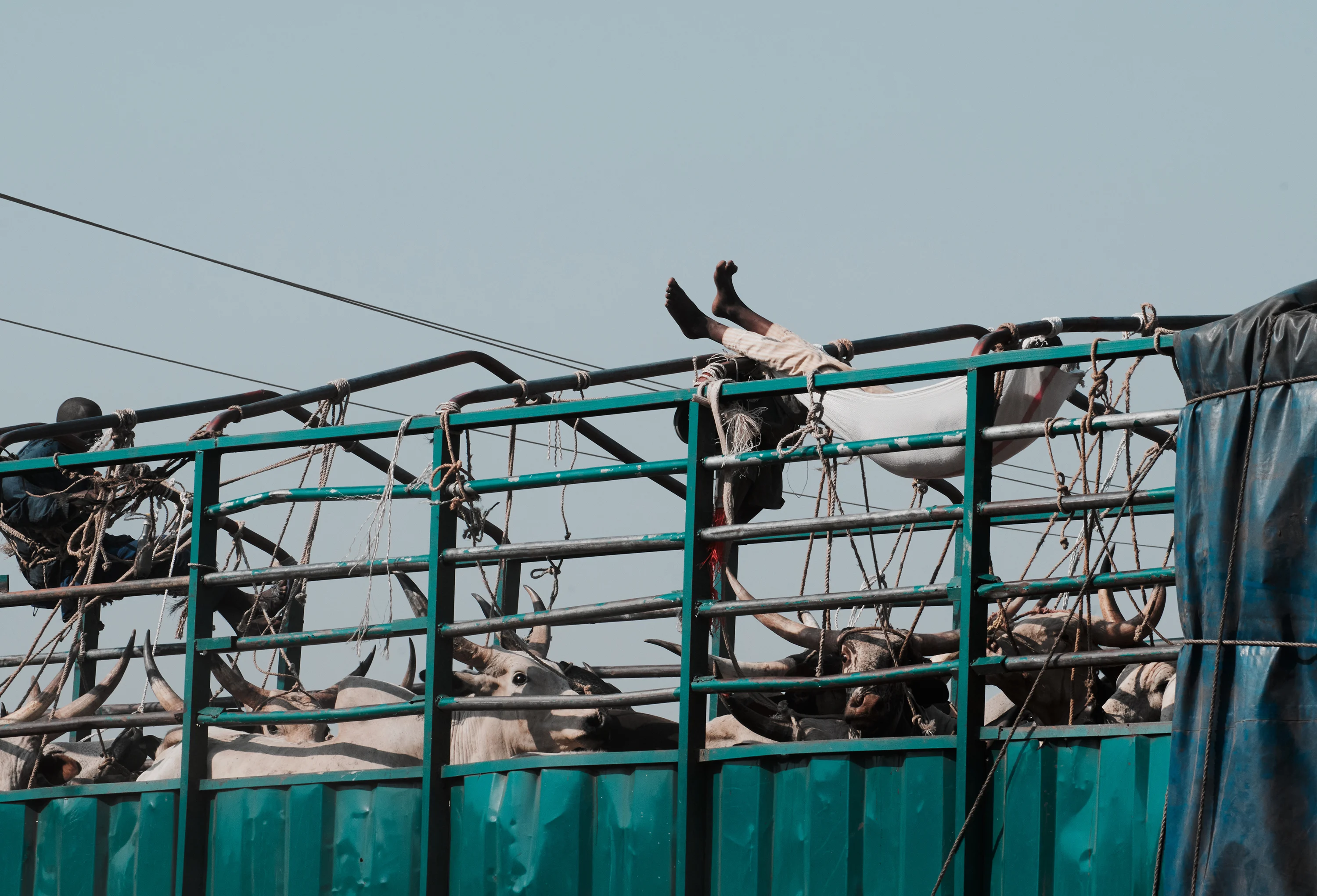
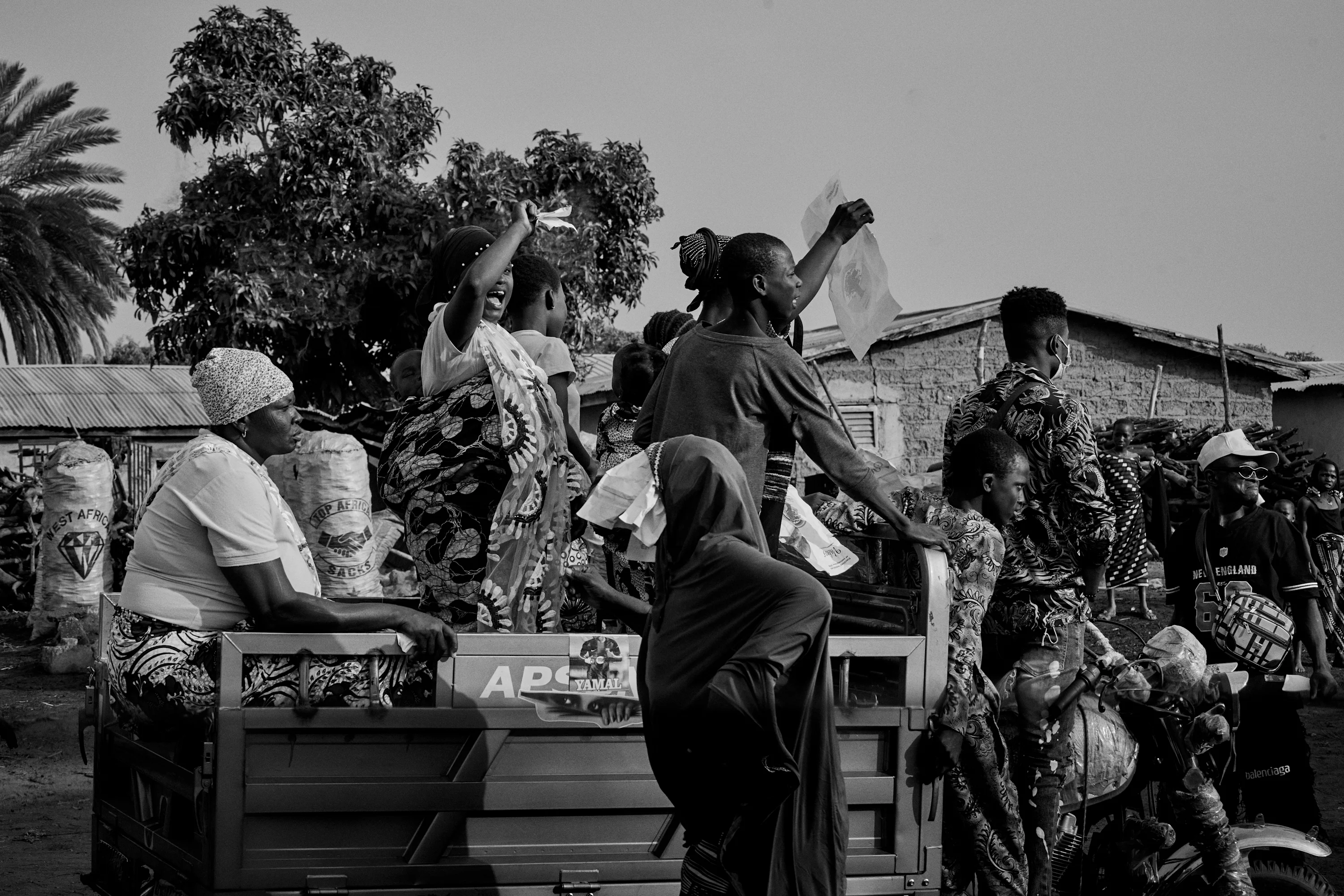
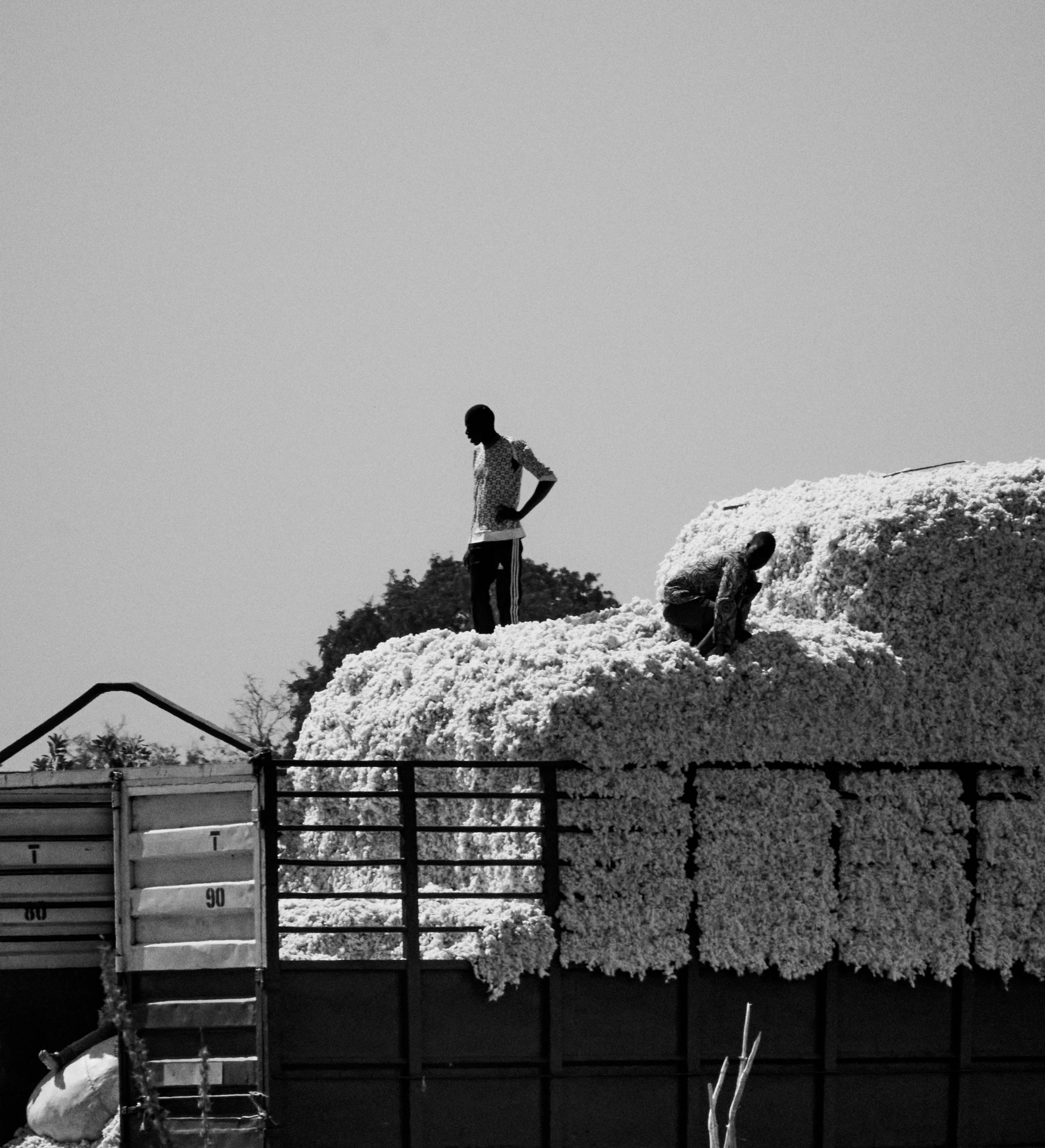
At the time of Bourdanné’s road trip in January 2026, the border between Niger and Benin had been shut since 2023 following the military coup in Niger that year. The closure has stifled trade and complicated movement between the neighboring countries, but a crossing over the natural border of the Niger River (where Bourdanné crossed by boat) remained active in spite of it. Presenting both sides of the border—Niger’s cattle traders and Benin’s cotton merchants—together in one body of work shows that life as viewed from the road keeps moving forward regardless. “Two countries, two rhythms, one unbroken pulse of humanity,” he says. “It was a crossing into something truer, a reminder that the world, when seen slowly and openly, is endlessly alive.”
Years of shooting street scenes have sharpened Bourdanné’s senses, so much that he feels he can predict when something is about to happen. “You pick up a lot of things by just being on the street and observing,” he says. “You start reading people, their body language. There have been so many situations where I’m like, ‘I know something’s going to happen. Let me just wait and see,’ and then it does.” He takes his shot, and keeps moving. Of course, shooting from the backseat at the mercy of the driver’s speed means there’s no opportunity for a retake: “You miss some shots, and you win some shots,” as he says.
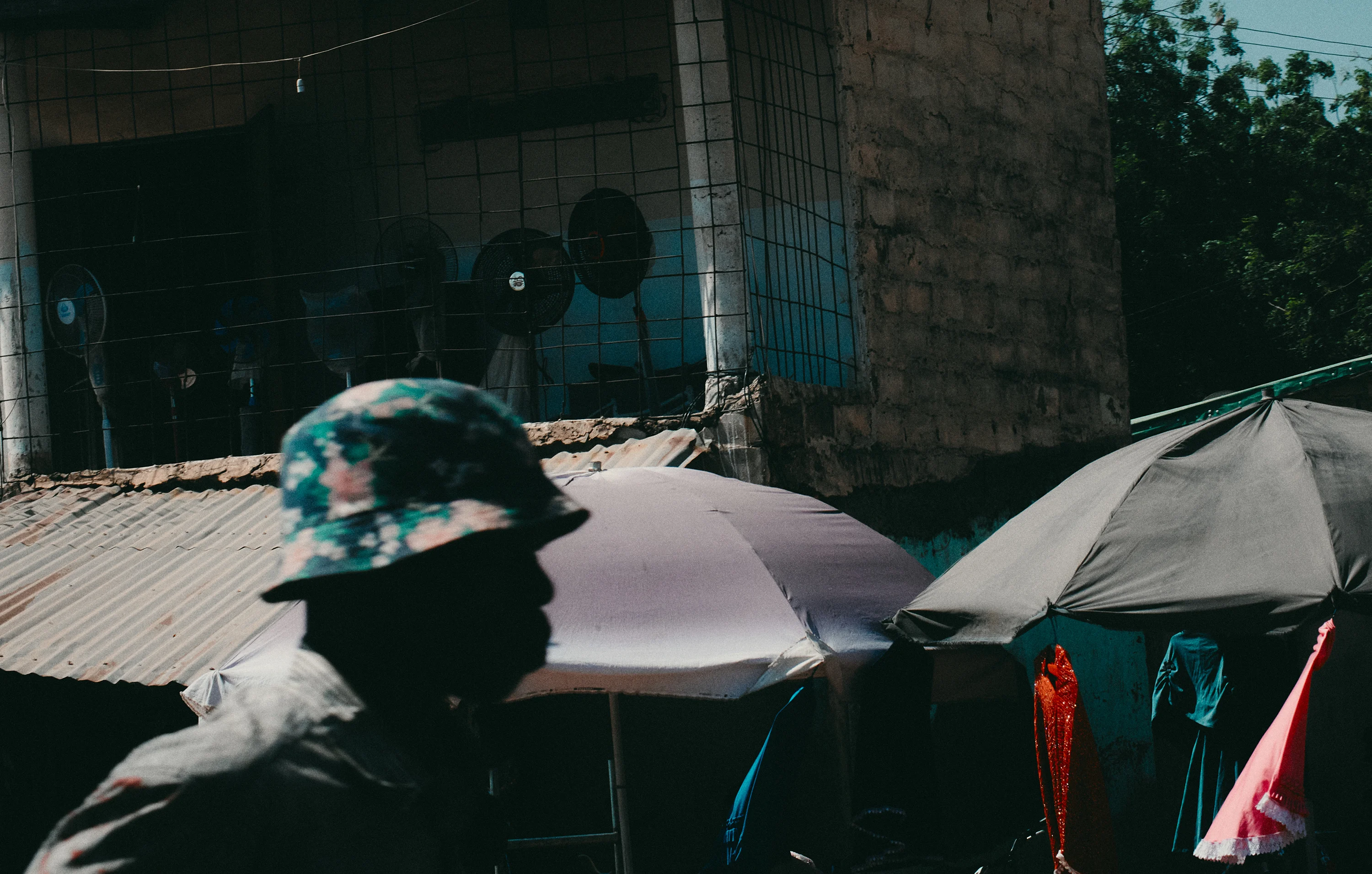
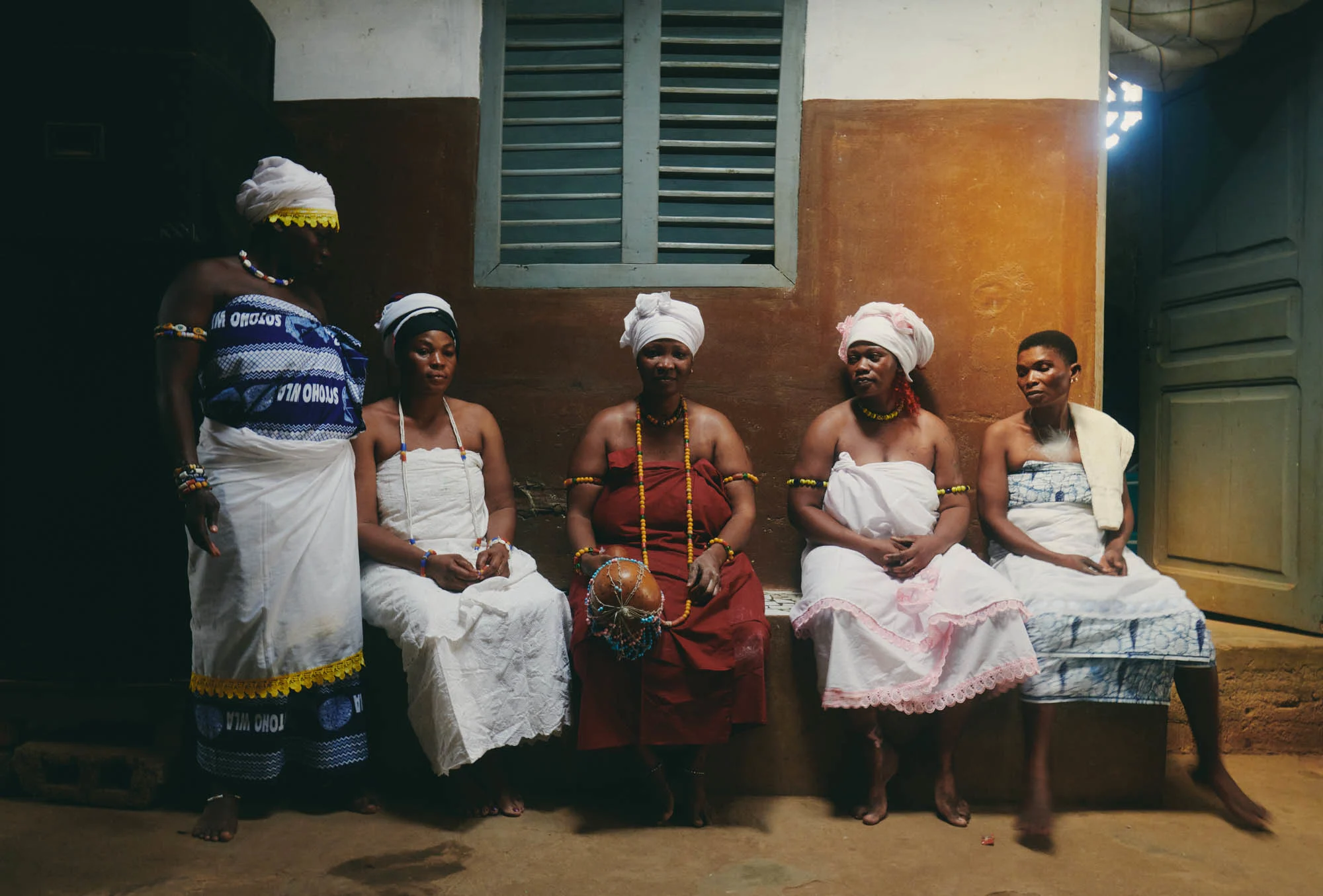
Bourdanné’s upbringing made him familiar with traversing cultures and continents, and the trips he makes alone have shown him that, dropped off anywhere, he’ll be able to find his way—whether in Brazil which he visited recently, or Benin. “It’s funny, but I don’t really shoot much in the UK anymore because I feel like I don’t have so much to say about it,” he says. He visits Benin as often as he can to expand on his ongoing documentary series on Vodou practitioners and to follow his burgeoning interest in the fishermen he’s met there.
When shooting with a digital camera, he’s not in the habit of looking at the images until much later, and even the broader themes in his work are only obvious in retrospect. What he’s looking for in the moment is an emotion that compels him to press the shutter. “There’s a sensitivity that comes with my personality and I feel things quite deeply,” he says. His images are of real life, but filtered through a lens of beauty and poetry, light and shadow. “I want to keep that softness,” he says. “It helps my work to stay authentic, and true to myself.”