

In 1994, Kulwinder “Jani” Singh opened the Punjabi Deli as a welcome stop for New York’s overworked taxi drivers, many of them South Asians and Sikhs like him. Sanvir Chana’s film “Cash Only” celebrates this New York institution, and how it keeps its founder and its patrons connected to their heritage. Here, Chana and Jani tell Ravi Ghosh about the beautiful story behind both the film and the deli itself, which has been a welcoming, joyful constant for locals and tourists alike for over 30 years.
In November 2021, a relatively unknown New York State Assembly member joined dozens of the city’s taxi drivers on a hunger strike. The workers, many of them immigrants who had entered the profession hoping it would lead to a life of financial self-sufficiency, were campaigning for debt relief after the value of their medallions—the permit allowing them to drive cabs in the city—had plummeted, leaving them with crushing monthly repayments. After 15 days of strikes, the city announced it had reached a deal with the loan holders, capping each driver’s outstanding debt and the maximum monthly repayments, which would now not exceed $1,122.
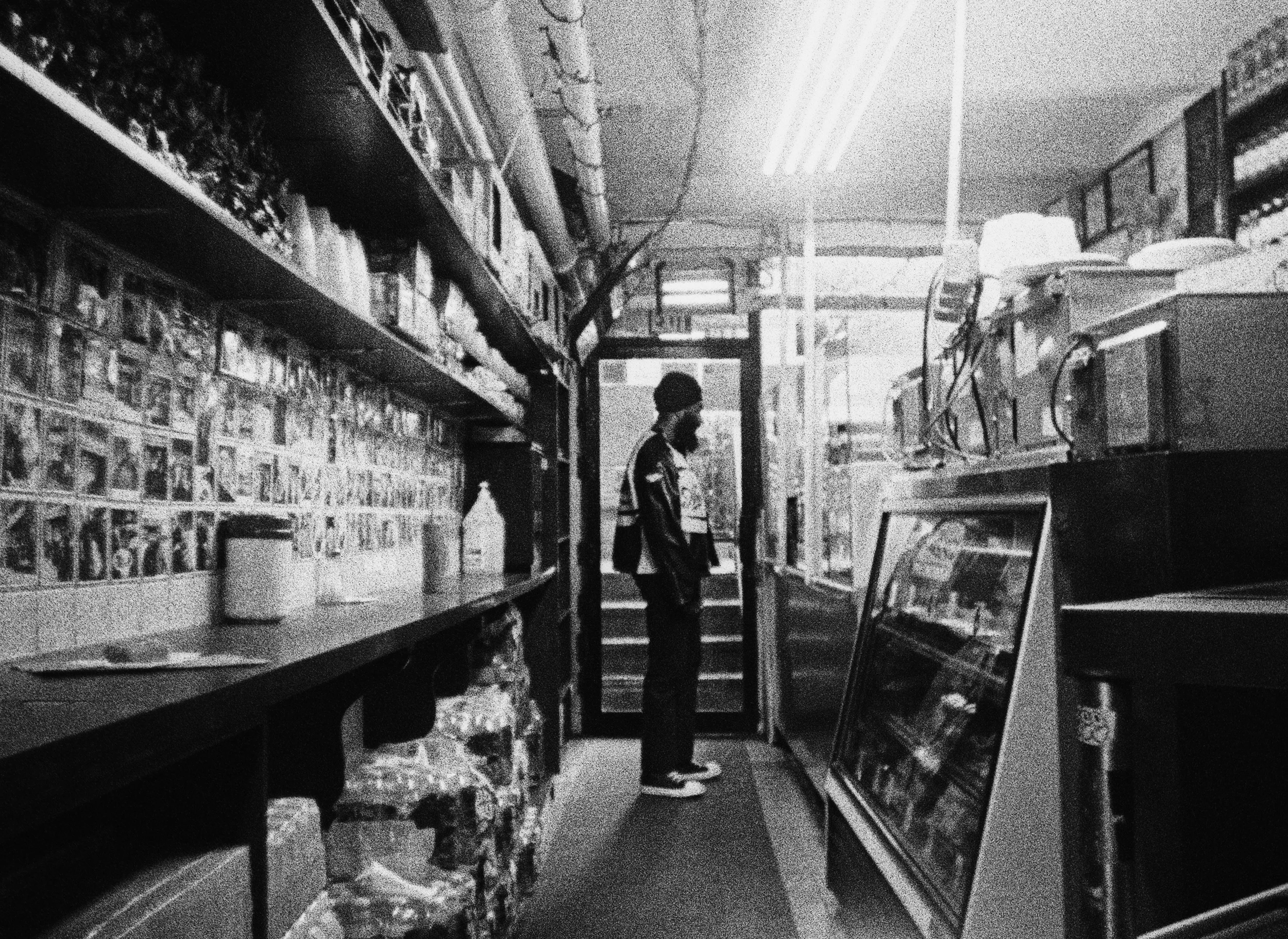
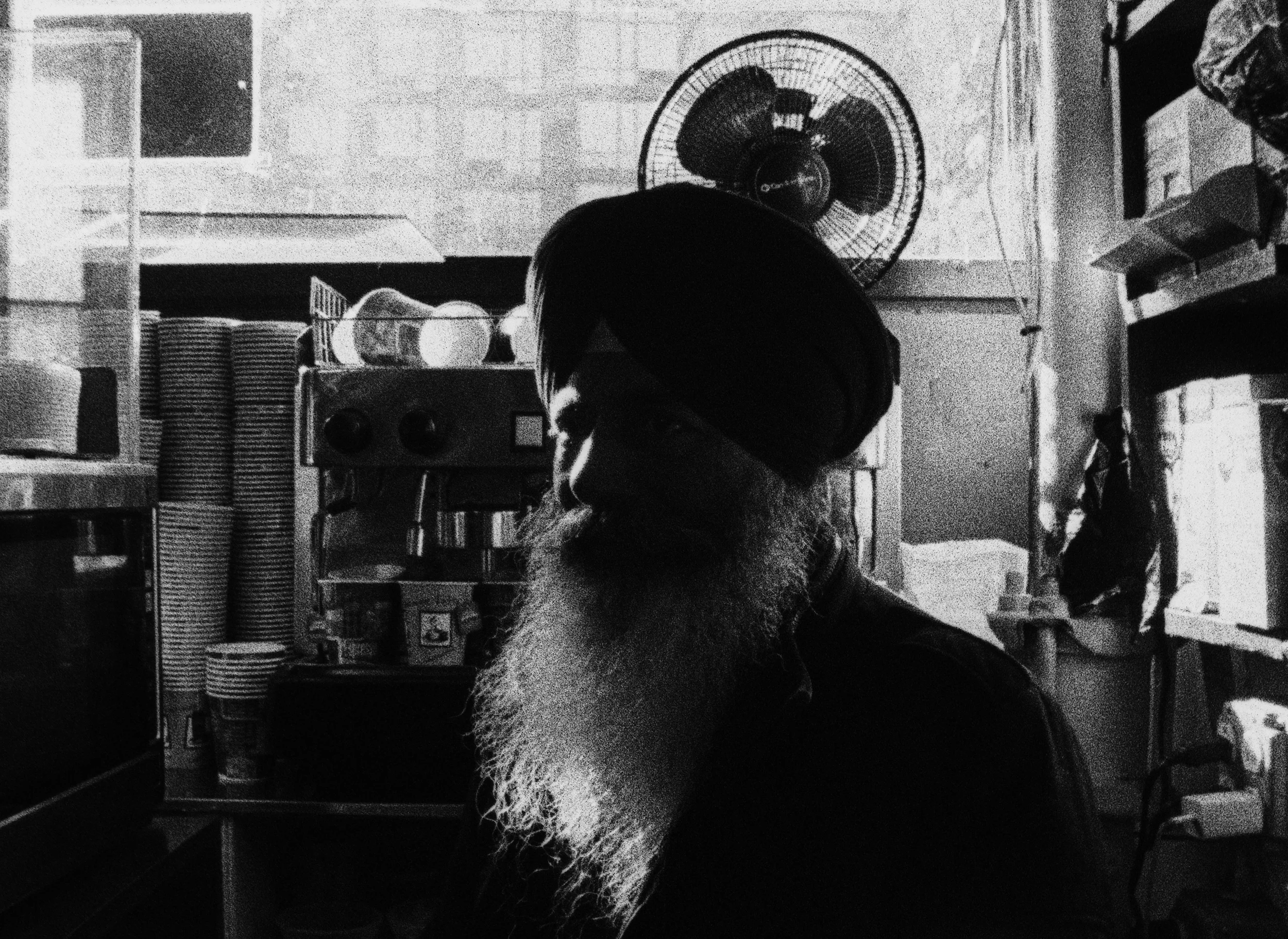
It’s a generational story that is reflective of what our parents and grandparents would have gone through.
Five years on, that supportive assemblyman is now the mayor of New York City. The tribulations facing taxi drivers have not completely eased, but they have always had allies, many of them regular New Yorkers far from the corridors of power. One of them is Kulwinder “Jani” Singh, the founder, owner, operator and spiritual mascot of Punjabi Deli, the unassuming stopoff for home-cooked Indian food on the southern edge of the East Village.
Jani opened the deli in 1994 to meet the needs of drivers on long shifts without a place to eat, relax, and use the bathroom, many of them South Asians and Sikhs like him. Today it is as popular with tourists and office workers as it is with taxi drivers, but its essence remains the same. Cheap vegetarian Indian food, friendly over-the-counter service, a drop-in social atmosphere and a welcome constant within the ever changing landscape of downtown New York.
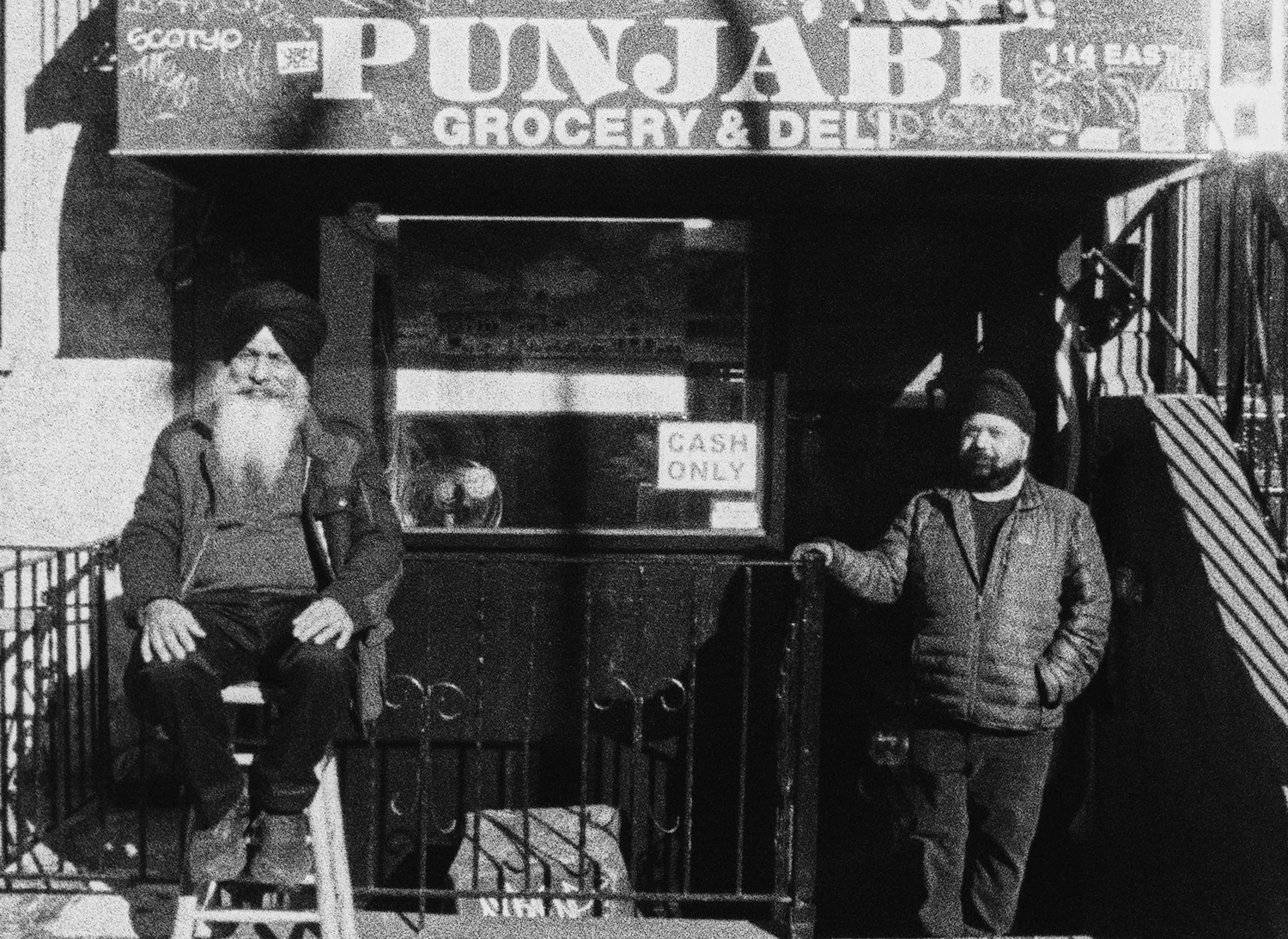
Now, Jani and Punjabi Deli are the subject of a new short film by Sanvir Chana, titled “Cash Only.” The work—a black-and-white, day-in-the-life-style vernacular portrait—follows Jani on his daily commute from Queens to the Manhattan venue, where he still works behind the counter alongside three staff members. The film, which Chana calls “guerrilla style,” also features phone call audio with Jani’s son, Jashon, who places his father’s story within a wider arc of immigrant striving, New York’s urban folklore and the spiritual framework of sikhism which has guided Jani since he arrived in the US in 1974.
Chana came to Jani’s story through a friend in Detroit, who insisted he had to meet one of New York’s most beloved Punjabi sikhs. Living in London, Chana sees connections between Jani’s journey and that of his own family, who similarly emigrated from India in the mid-20th century. “Cash Only” is “a generational story that is reflective of what our parents and grandparents would have gone through—or still are going through,” the filmmaker says. “We’re here now, we’re in these countries now, part of the societies...I don’t speak my first language anymore, I speak English now. My mother tongue is slowly dissipating.”
Despite this diasporic link, Punjabi Deli is a distinctly New York institution, Chana says, borne out of an American Dream-derived entrepreneurialism. When I meet him to discuss the film, Jani speaks fondly of his adopted country, telling me with pride about his industrial kitchen in Queens which services the deli, and the below-market rates he offers his tenants nearby. And yet his origins shine through. He talks with enthusiasm about sikh farmers’ role as the backbone of Punjabi agriculture over the centuries. (The greatest excitement is reserved for when he discusses his four toddler grandchildren, who FaceTime him regularly).
I sense that Jani’s work ethic keeps him in touch with his heritage. After our conversation, he rushes back to Queens to buy ingredients for the following day’s dishes of saag, cauliflower and chickpea curries and pakoras. Staples for many South Asians, but unfamiliar by name to many others, hence the order numbers on the deli’s glass serving counter, enabling customers to point and purchase with ease.
We’re here for a certain amount of time; we are blessed and here to help people.
Chana shot “Cash Only” on a clockwork Bolex over a single day. The initial plan had been to follow a working taxi driver to the deli and intersperse the footage with Jani’s own journey, but it wasn’t possible to plan around the cabbies’ relentless schedule. Instead, the focus on Jani allows for lingering, poetic shots away from the tight spaces of the deli itself, including a sequence of Jani wrapping his turban in front of a bathroom mirror.
“We tried to be as first-person as possible, rather than hover over,” Chana says. “We wanted to be in his space, like when he’s tying his pagg...he thought that was an important thing, a major aspect of his life.” The film is scored by Marcus Herne, a long-time collaborator whose fluttering, eerie score contrasts the visual bustle of the Manhattan landscape. “Marcus wanted to juxtapose the city with a slightly more sombre, filtered approach to the music. He didn’t want it to feel claustrophobic—perhaps it would start that way—but he wanted to come up with something different to typical New York jazz,” Chana explains.

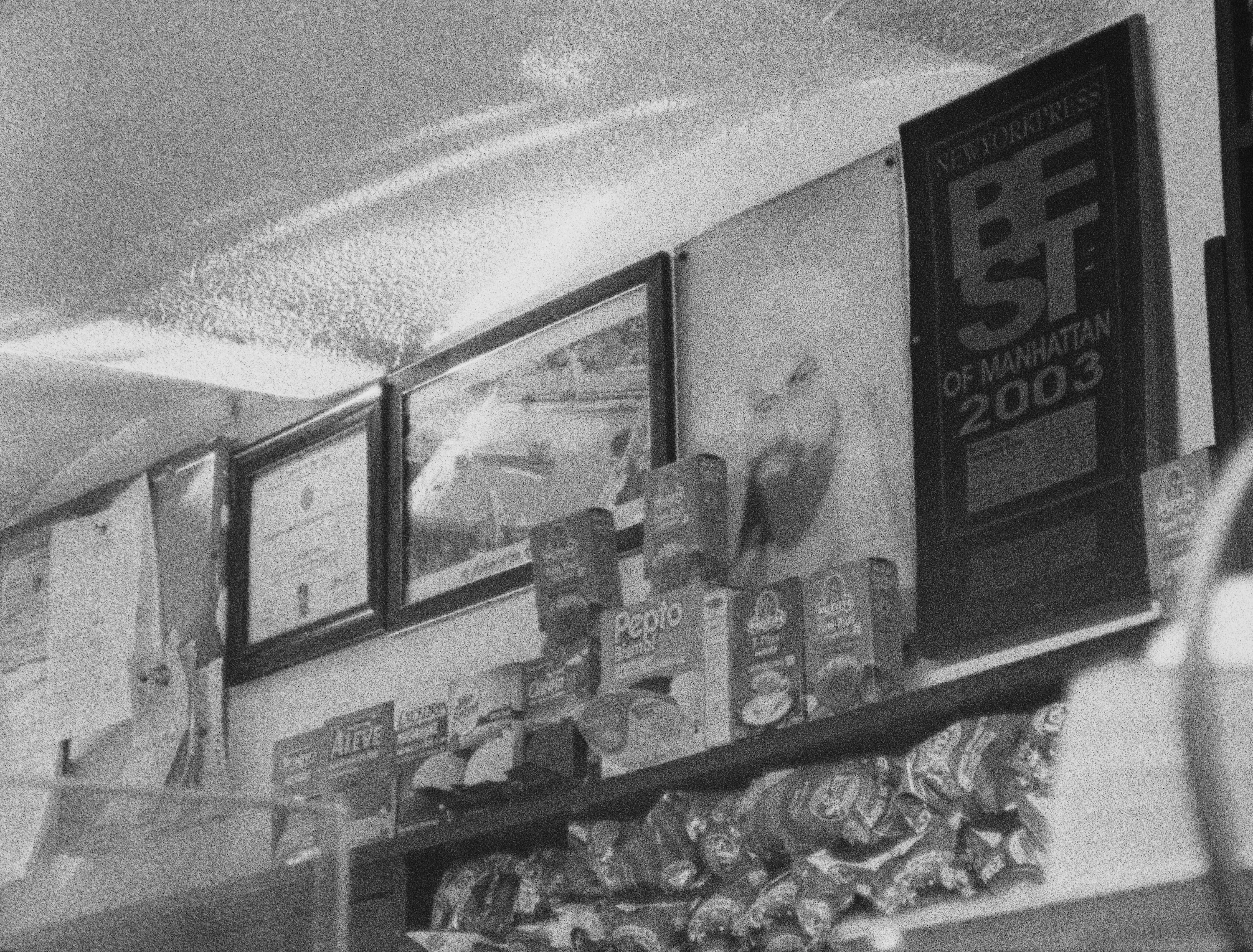
The question of the deli’s future comes into view through Jashon’s narration in the film. His father has always refused the opportunity to expand or franchise Punjabi Deli, or even to raise prices to match the city’s rapid inflation. For Jani, a key pillar of his sikhism is to be content with what you have. “We’re here for a certain amount of time; we are blessed and here to help people,” he tells me from the front seat of his car.
Retirement also seems far off, not least because Jani believes the constant activity keeps him healthy. For Chana, the film—and Punjabi Deli itself—is unimaginable without Jani’s presence. “The physical space and his life are so entwined. When we were going through the edit, it just seemed that they were so hand-in-hand, not least what he says at the end: that when he goes, he just wants to shut the deli,” Chana says. “It’s almost like he himself is the deli.”