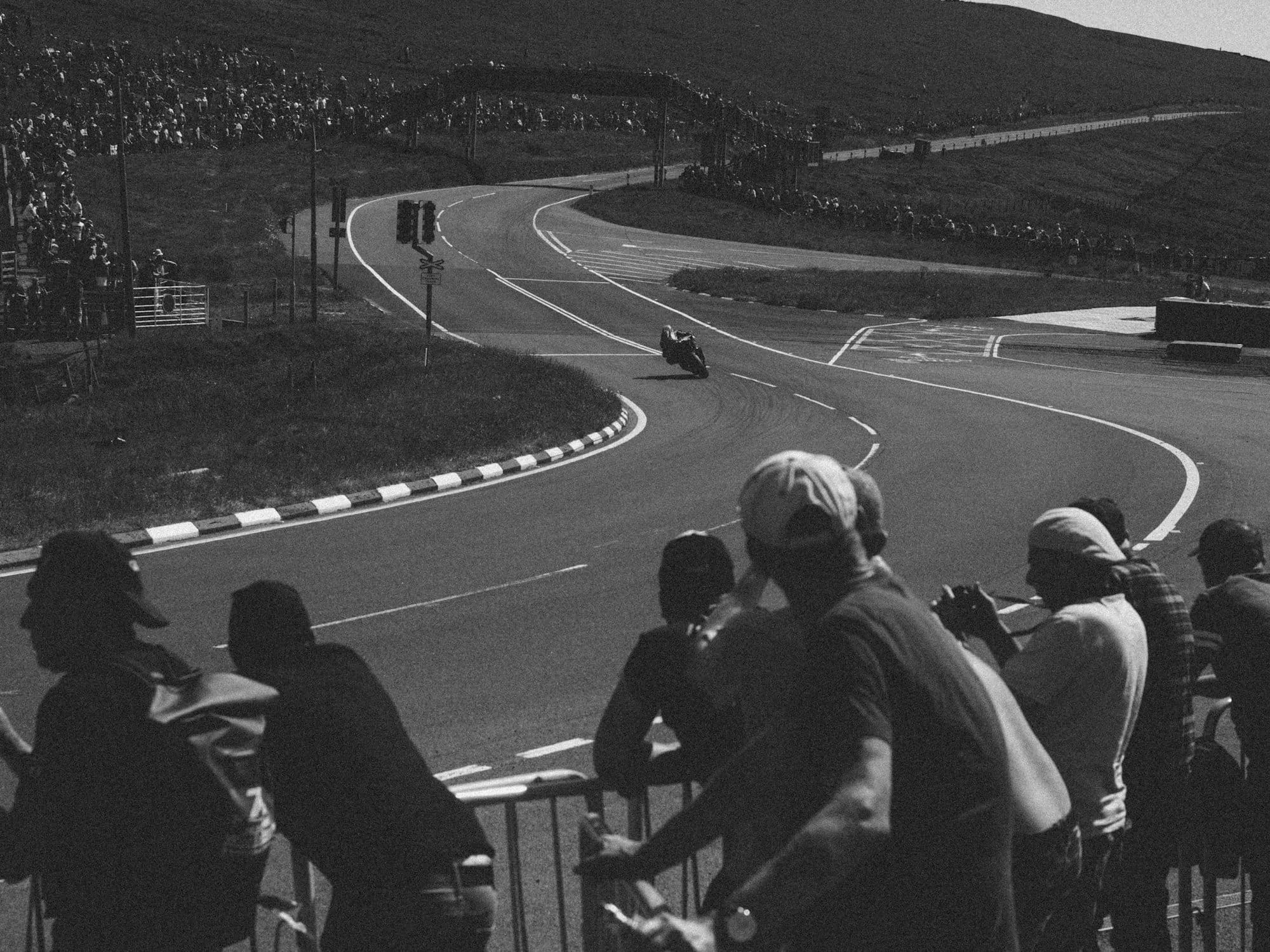
At the annual Isle of Man TT, motorbikes and their riders reach speeds of up to 200mph on winding public roads, appearing as little more than blurs of color to the spectators who line the course. It’s an event where exhilarating speed and excitement go hand in hand with danger and mortality—more than 150 people have died here since 1907. Photographer Robbie Lawrence tells Laura Havlin how he set out not just to capture the race itself, but the uneasy fascination with risk that draws riders and spectators back year after year.
A palpable sense of adrenaline-soaked danger draws people to both participate in and witness the Isle of Man TT, where motorcycles reach speeds of 200mph on public roads, navigating 219 bends where triumph and catastrophe exist in equal measure. Since 1907, over 150 riders have died on this course—a figure that attracts both spectators and the thrill-seeking riders who return year after year, but which also tests the boundaries of spectacle when that danger becomes real.
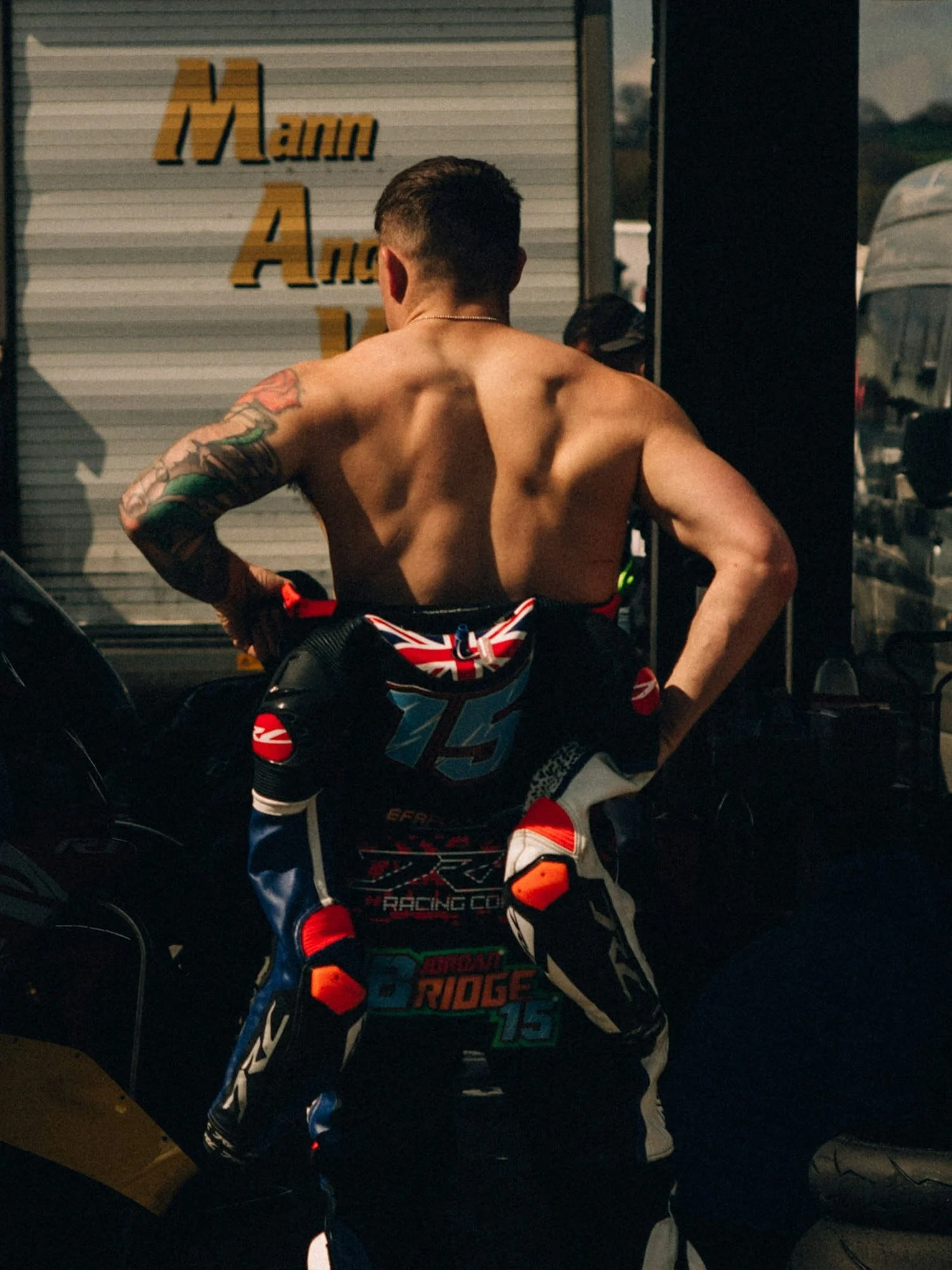
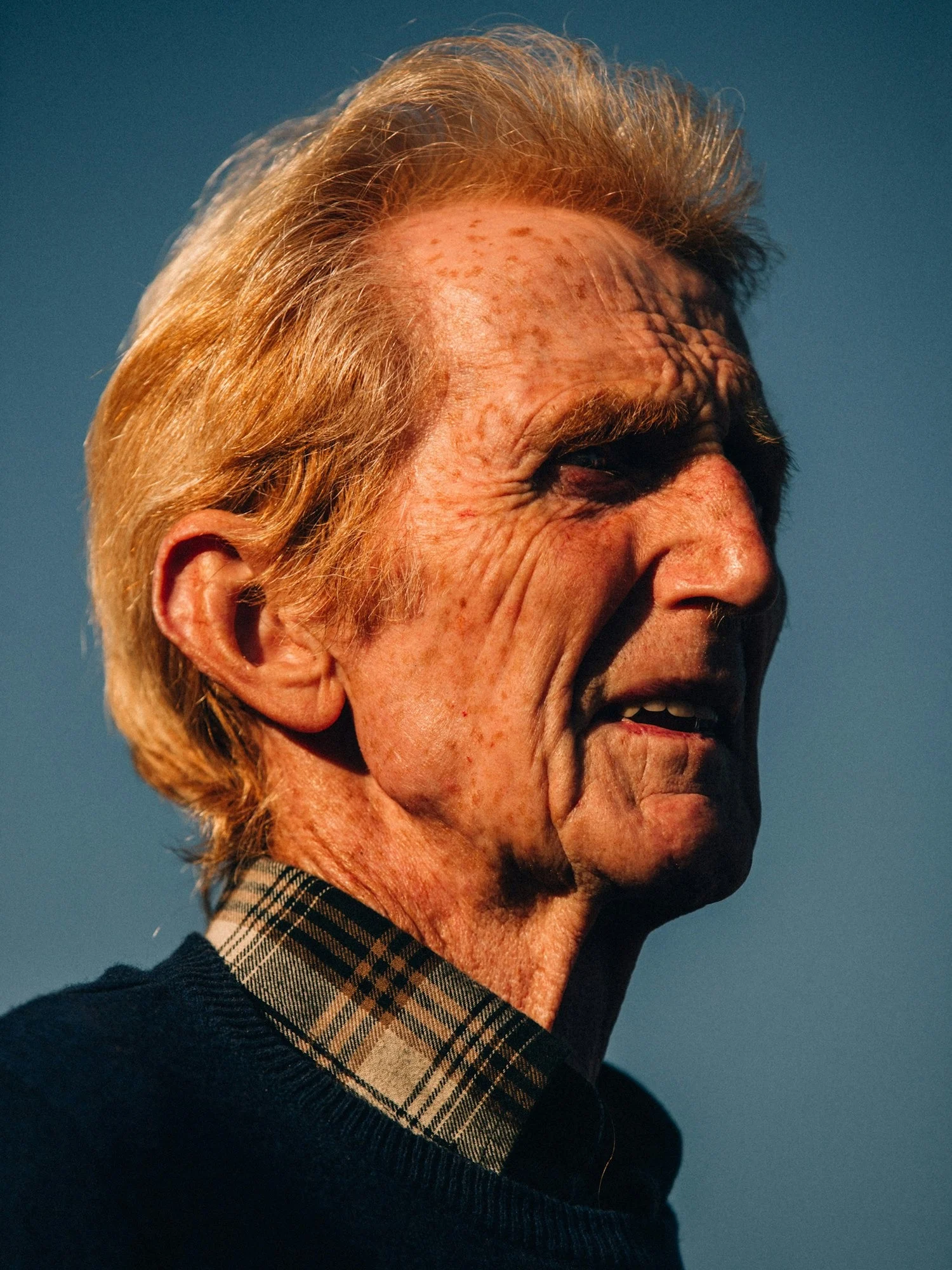
When art director Jack Foreman invited Scottish photographer Robbie Lawrence to document the 2023 race for what would become the publication “MANN,” Lawrence had no particular interest in motorcycles. But he was drawn to something else: trying to understand what compels people to gather around an event where death isn’t just possible, but part of the historical fabric. Working with long lenses that maintained an observer’s distance, and embracing motion blur that captured speed rather than froze it, Lawrence’s approach reflects his position as an outsider, documenting the experience.
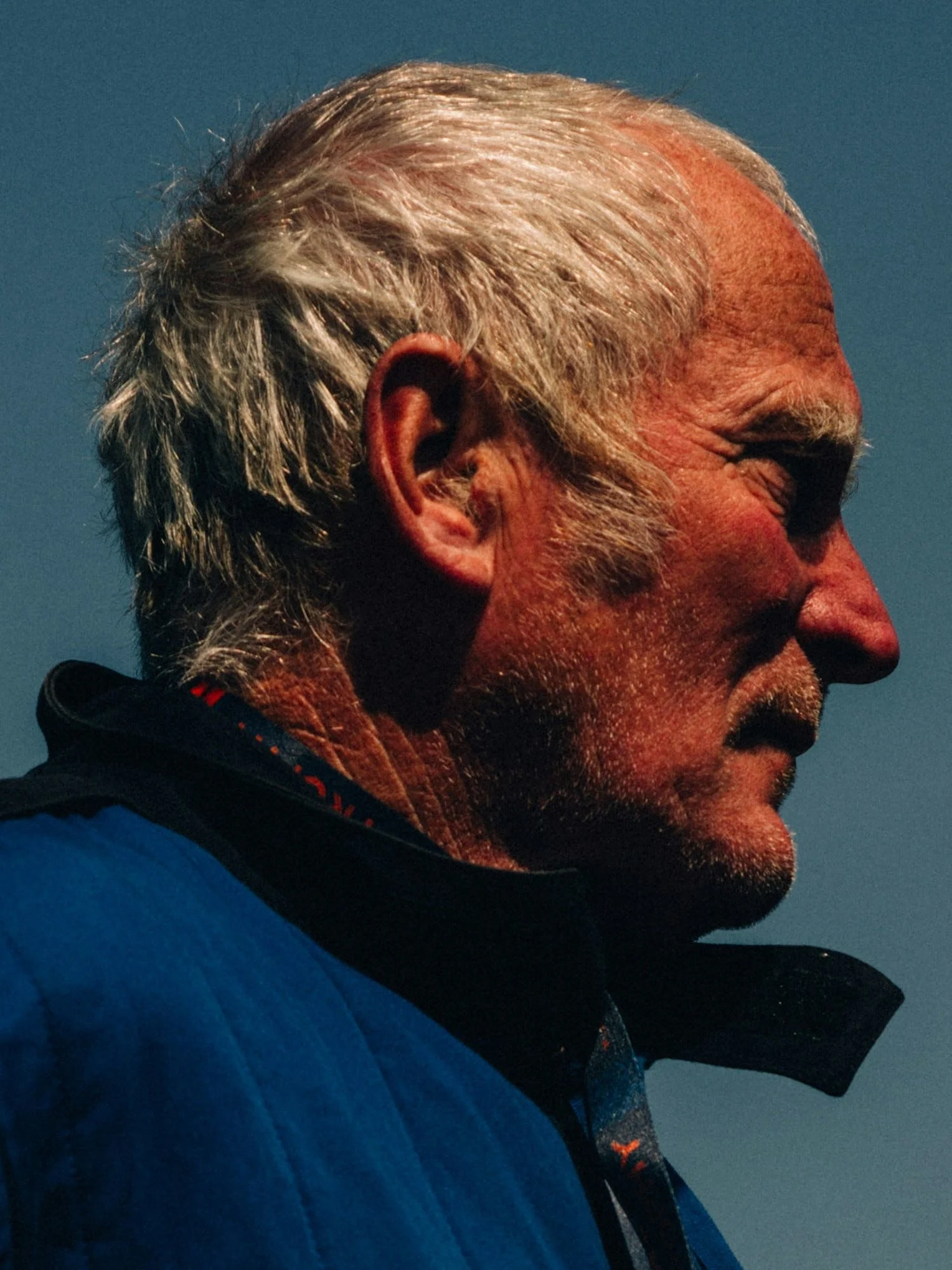
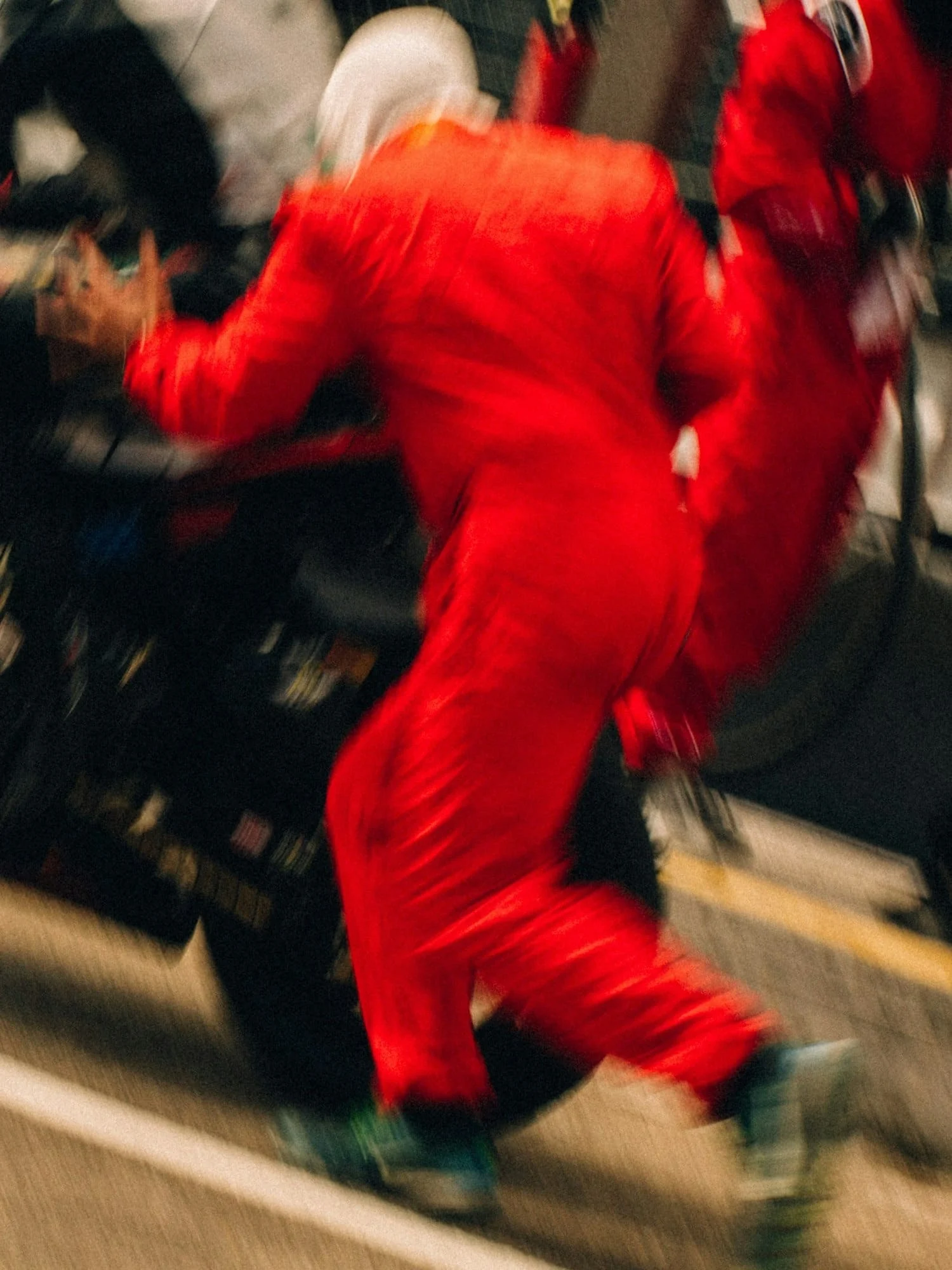
It’s very ephemeral, very transient... these flicking moments of someone’s eye or someone’s body flying past you.
This was the first time someone external had initiated what would become a long-form personal documentary project. But the subject interested him precisely because it felt alien. The Isle of Man TT exists in a unique regulatory space—the island’s self-governance allows it to close public roads and suspend speed limits for the race. That independence, combined with the extreme risk, created questions Lawrence wanted to explore. What drives people to take these risks? Why do spectators gather at sites of famous crashes?
He and Foreman spent five or six days immersing themselves in it, with Lawrence deliberately maintaining an observer’s position. “I think that sort of distance and that kind of voyeuristic lens is quite representative of that gap of knowledge and gap of understanding,” he explains. Using long lenses from close distances created that fly-on-the-wall feeling. “Even choosing portraits on a long lens from quite a close distance, I think, adds to that feeling.” That distance—both physical and conceptual—would become central to how the work eventually took shape.
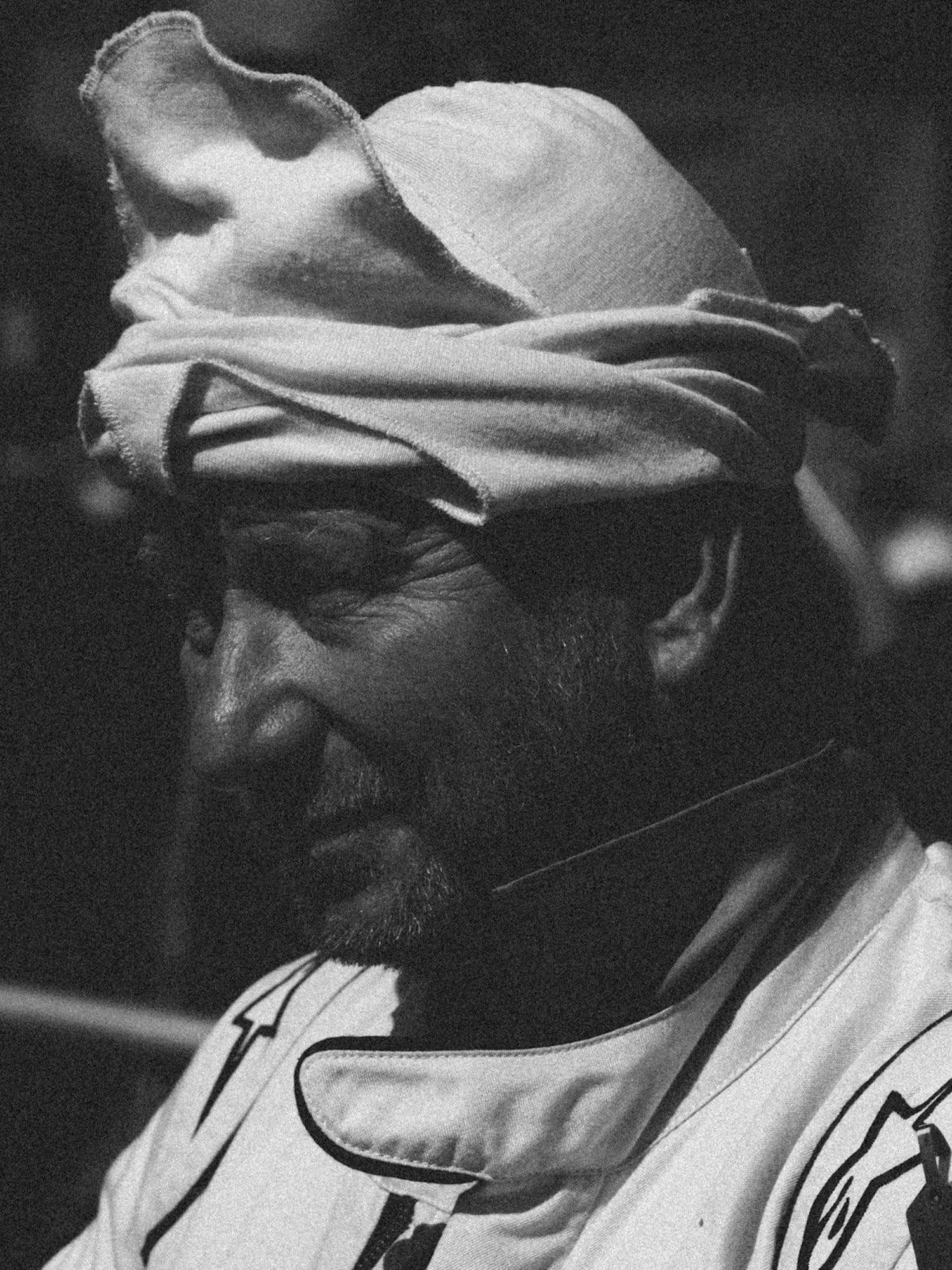
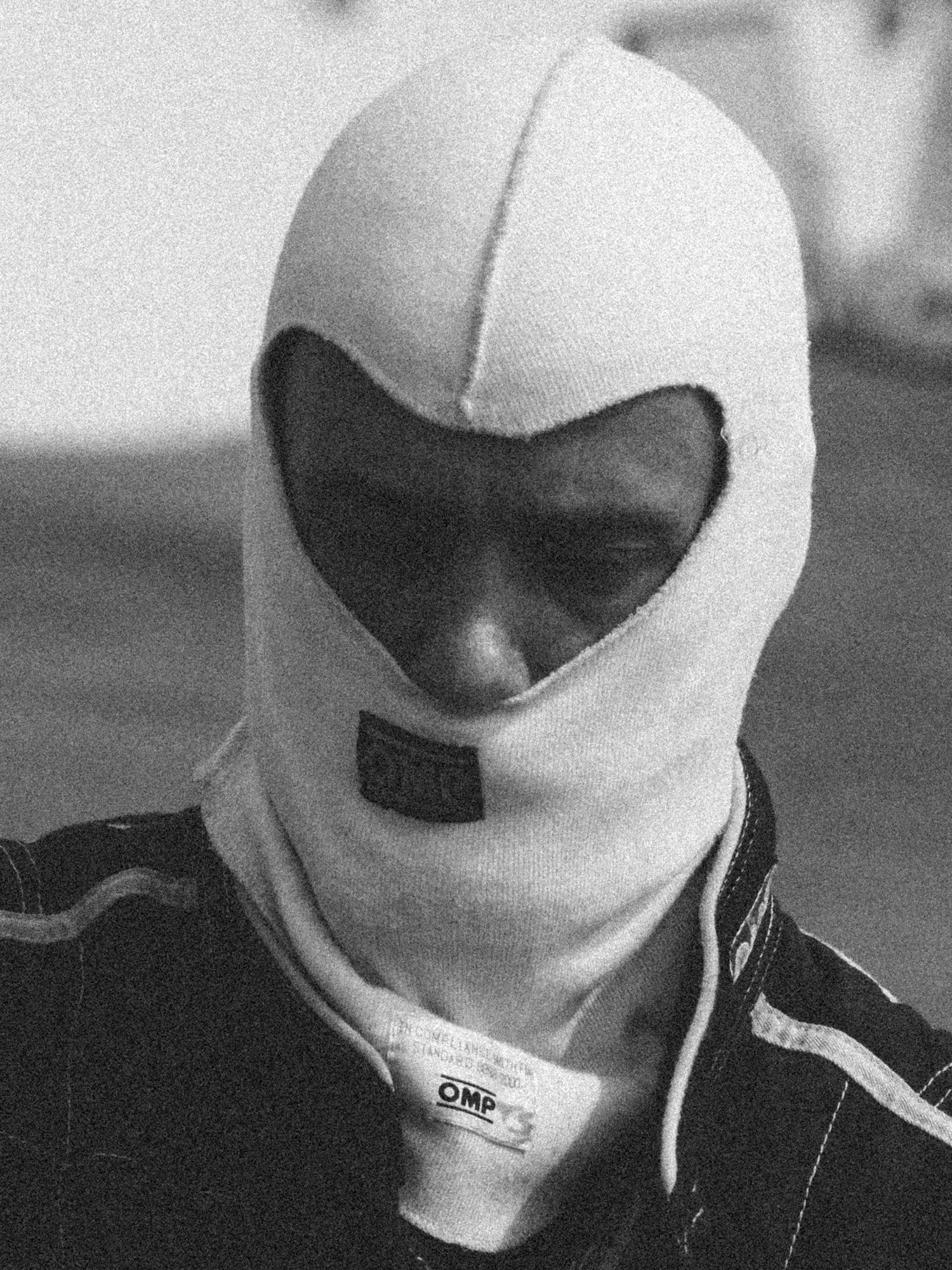
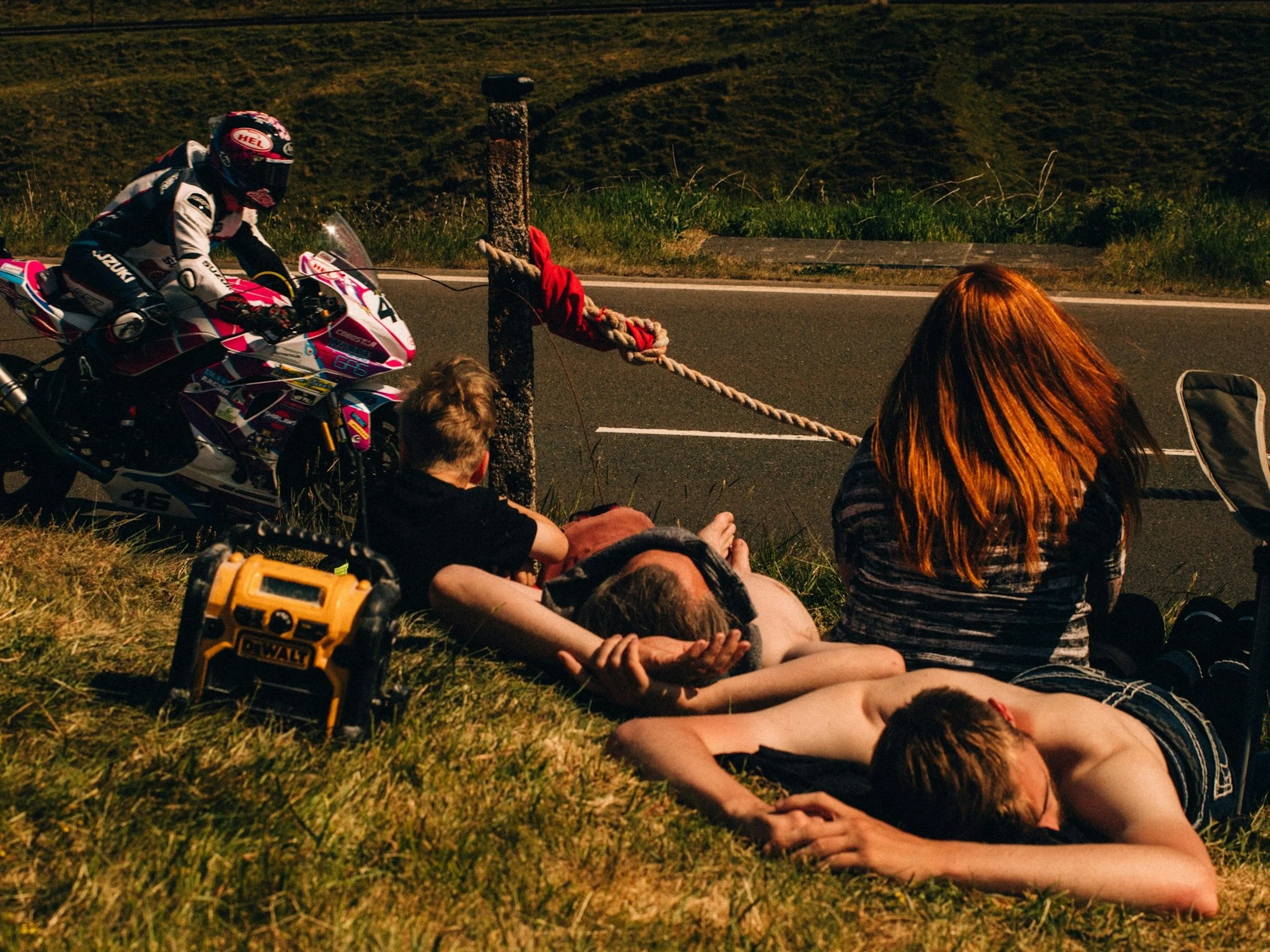
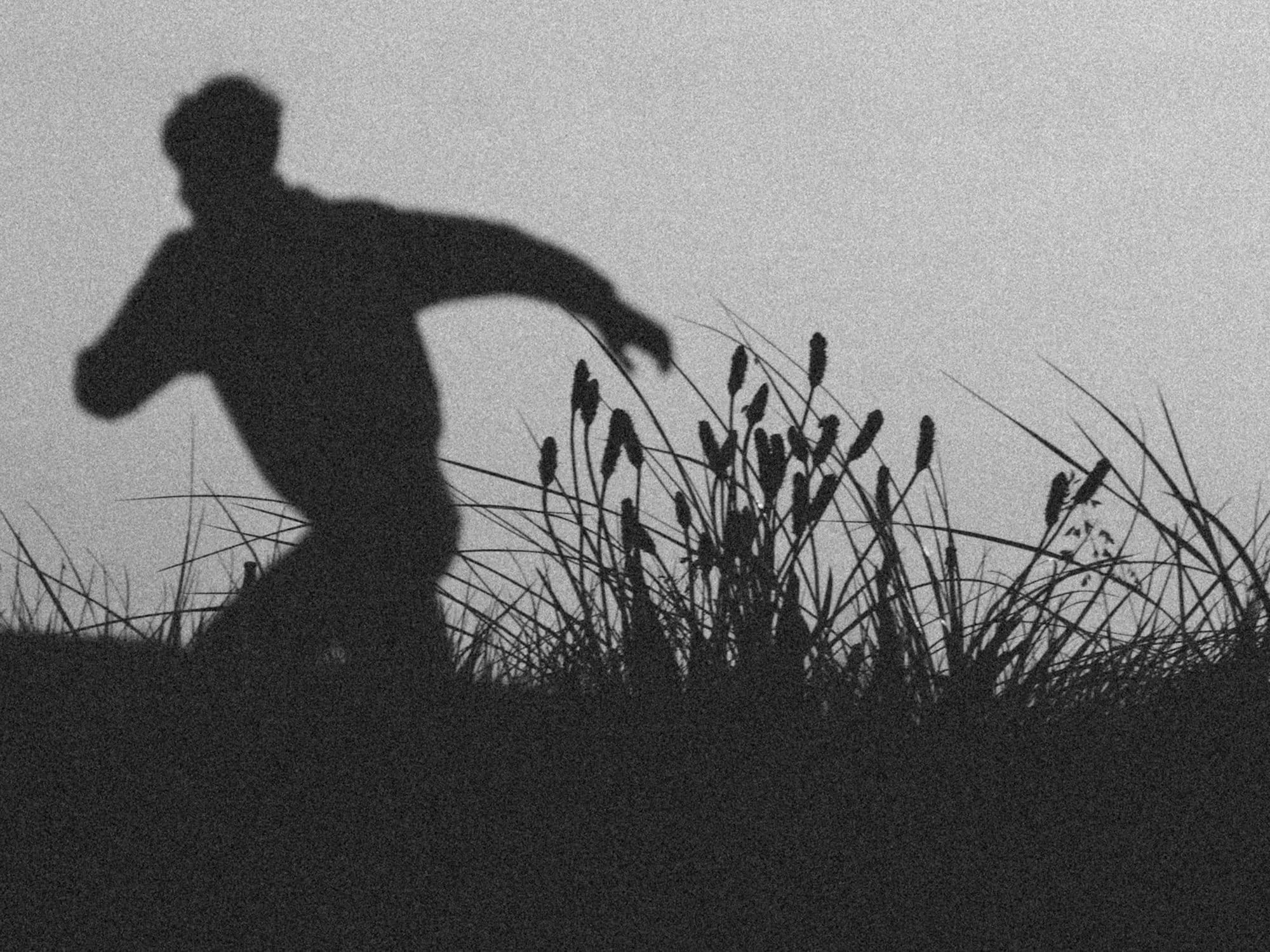
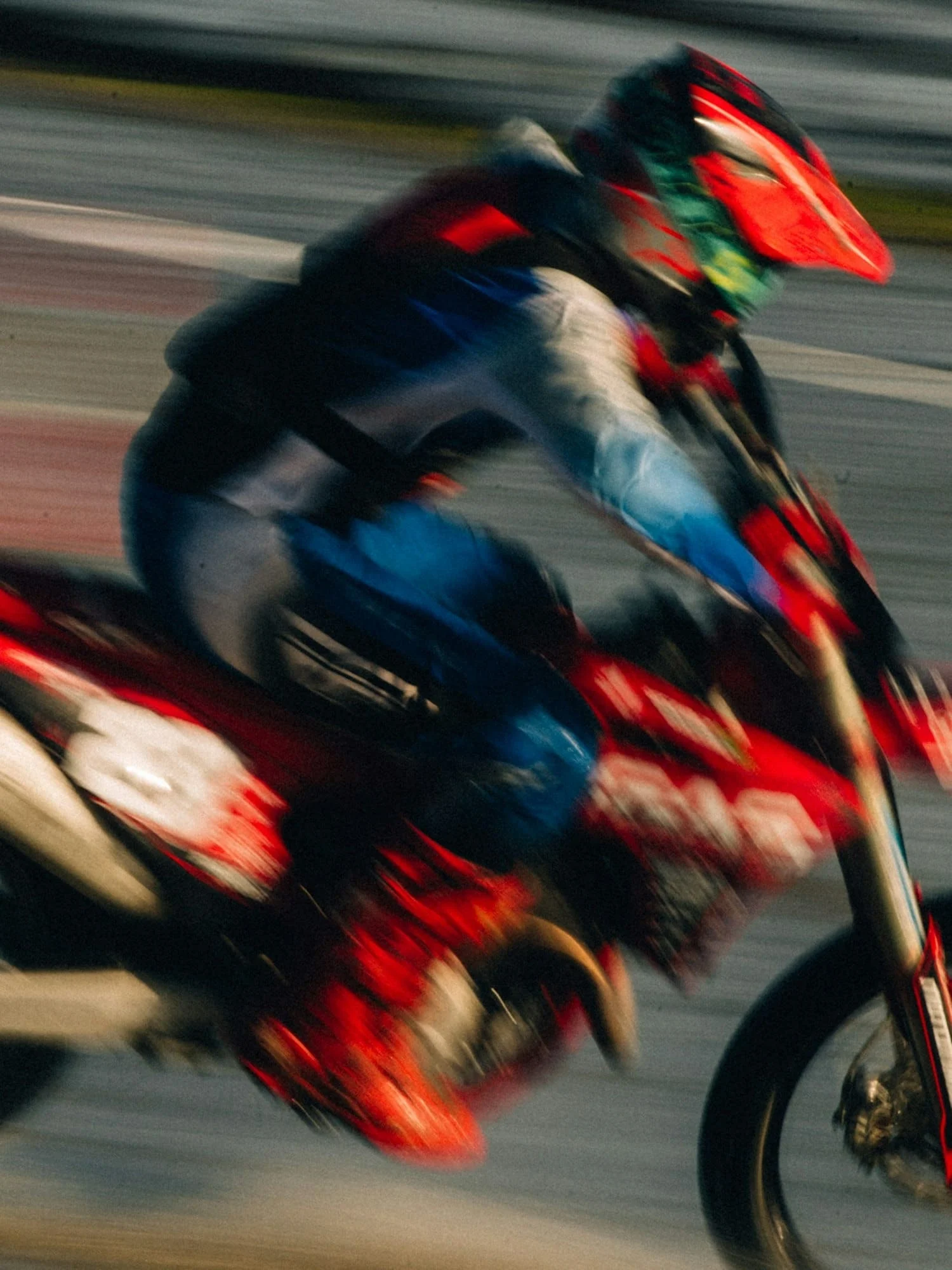
The technical challenge Lawrence set himself was how to convey both speed and fragility within a single frame. Motion blur became essential—not as a failure to freeze action, but as the only way to communicate what 200mph actually feels like when bodies and machines pass within meters. One image in the publication took around half an hour to achieve: a family asleep on a hillside as bikes screamed past. “It was just that kind of interesting juxtaposition there,” Lawrence explains. “Eventually, I caught the moment where the bike kind of fits into that composition.”
These decisions during those five days of shooting were only half of how “MANN” captures the experience of the TT. The edit and sequence that followed transformed individual images into something closer to the sensation Lawrence describes as “life flicking by in a cascade of grit and colour.” Faces appear and disappear across pages, motion-blurred bikes interrupt moments of stillness, fragments of bodies and machinery create a rhythm that mirrors the race itself.
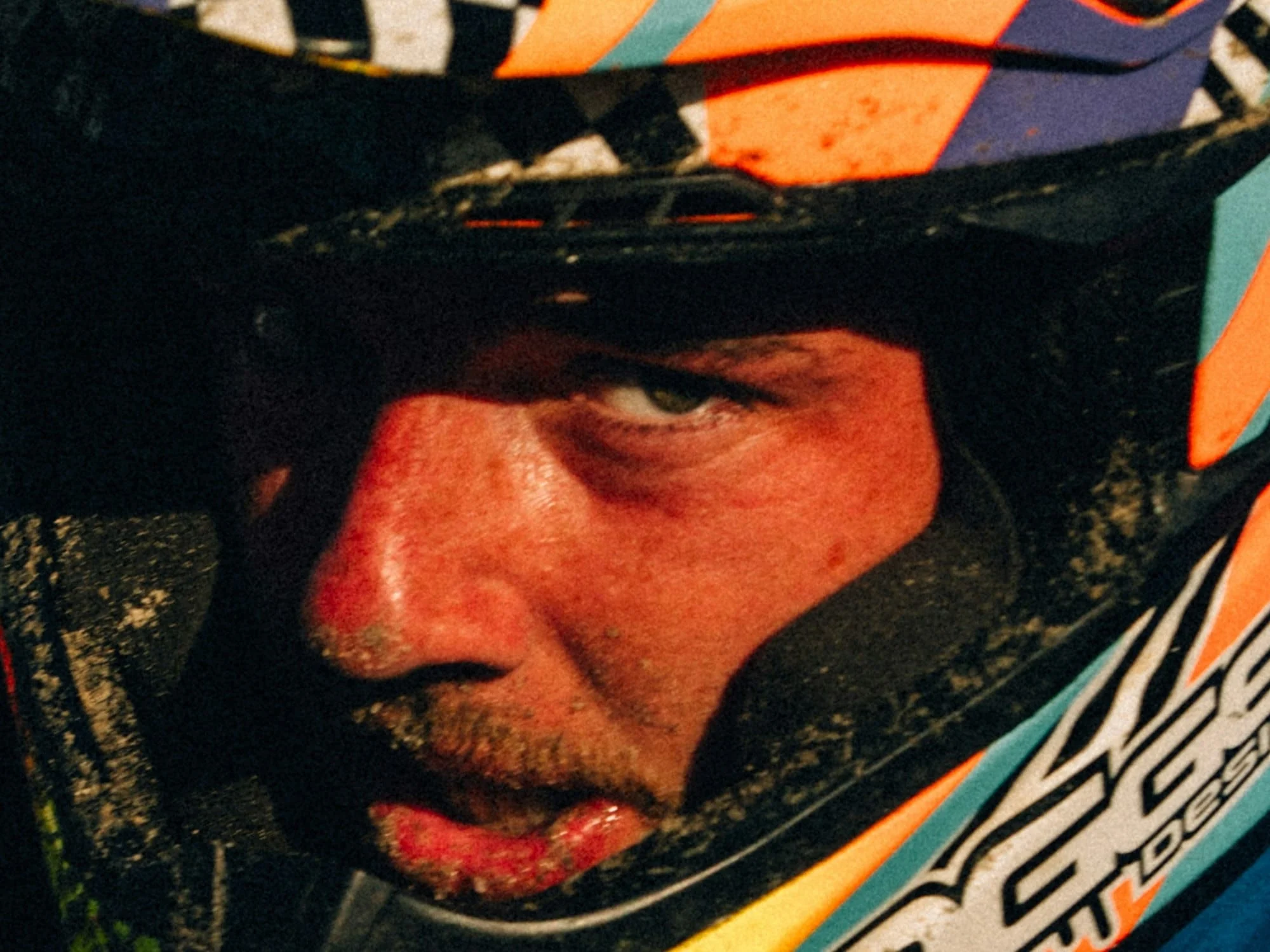
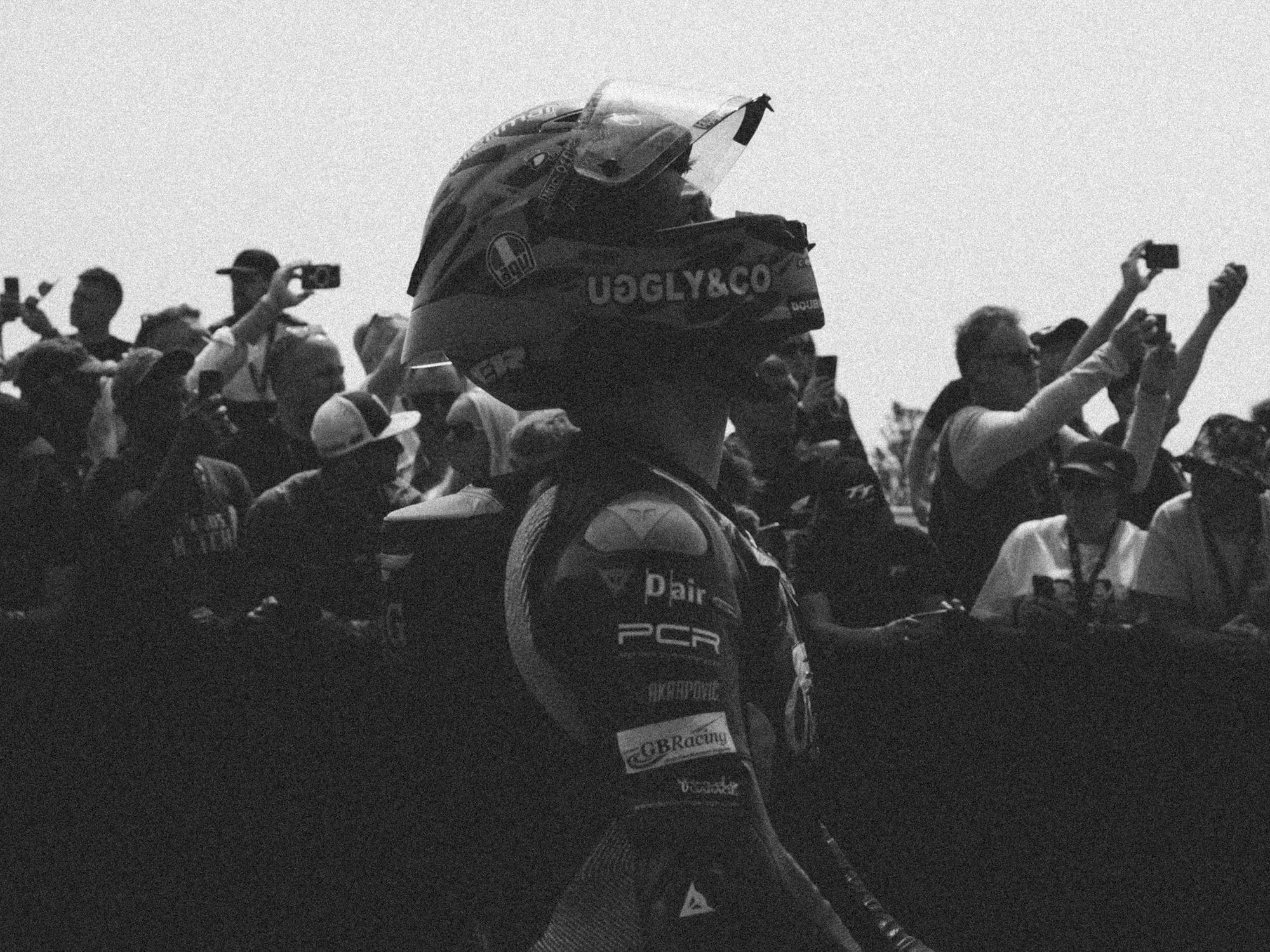
It’s worth remembering that the images reproduced online are extracted from this larger choreography—the work is designed to be experienced as a physical publication, turned page by page, where that sense of speed and fragility builds cumulatively. "It’s very ephemeral, very transient... these flicking moments of someone’s eye or someone’s body flying past you, or the last bit of sun on the sea,” Lawrence says. “It’s trying to capture this sort of feeling of a moment in time.”
That sense of capturing fleeting moments collided with something far more permanent during the shoot. Lawrence photographed a rider who then crashed and died approximately 20 minutes later. “I think we both felt a little bit unsure about how we wanted to progress with the body of work,” he admits. “Are you romanticizing that? What are you trying to say?”
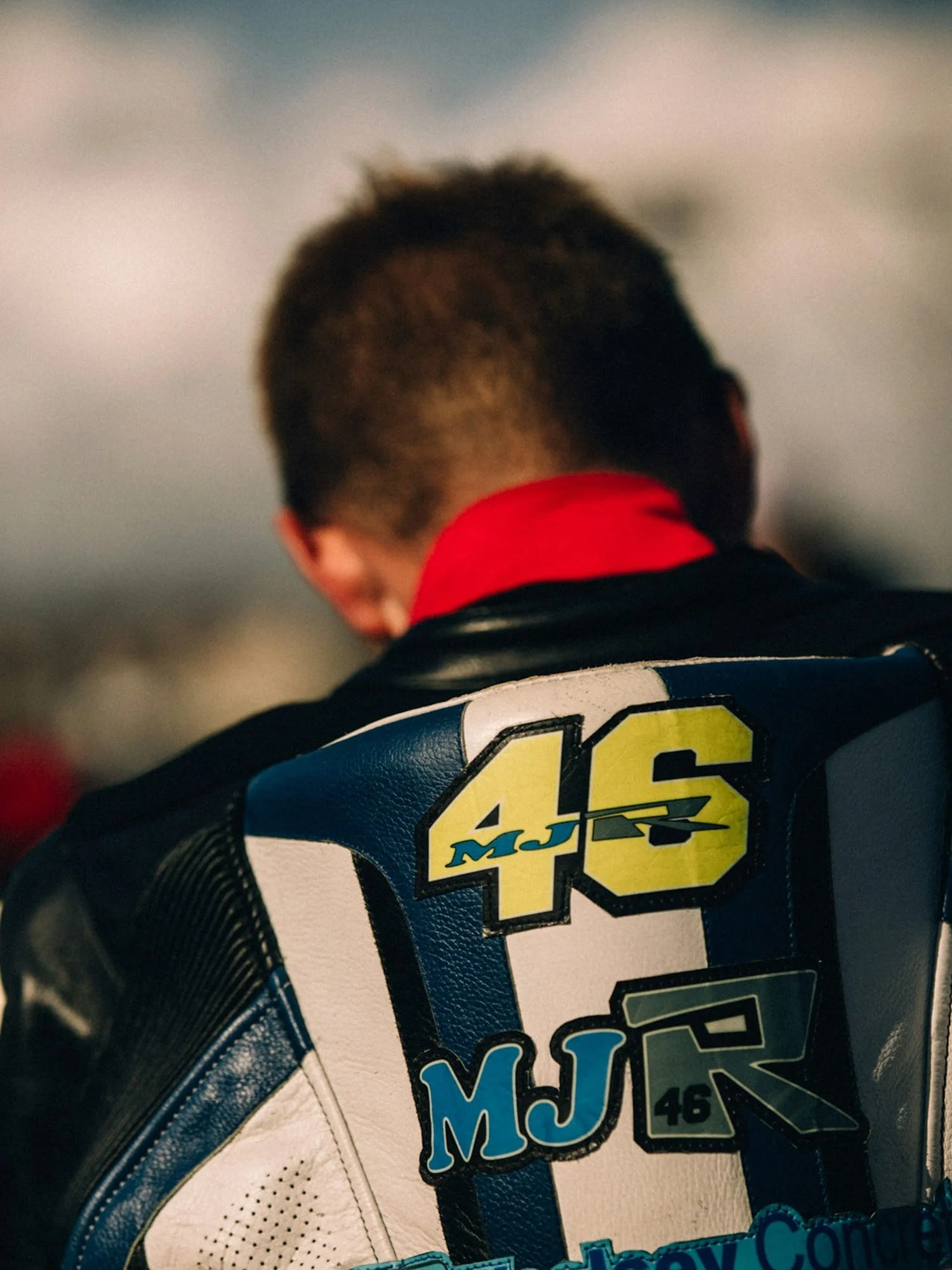
I think we are all fascinated with death in various ways.
It took two years for this to resolve, when Lawrence and Foreman eventually brought in writer Lou Stoppard, who helped contextualize what they’d witnessed within a longer historical perspective. “She was saying, you know, this has kind of been going on throughout history—people gather to witness these rituals that have a high potential of [death],” Lawrence recalls. The core question became clearer: what drives people to take these risks? “I find that extremely hard to imagine.” The edit and sequence became the way to sit with that question without claiming to answer it definitively. The ephemeral quality of the final publication—that cascade of moments—reflects Lawrence’s admission that “there’s a part of me that always struggled to kind of get there with it.”
That luxury of time—two years to sit with difficult questions, to bring in the right writer, to sequence the work until it made sense—is something personal projects afford that commercial work rarely does. The ability to not know what you’re saying immediately, to let a project breathe and develop its own logic, to work collaboratively without deadline pressure shaping every decision.
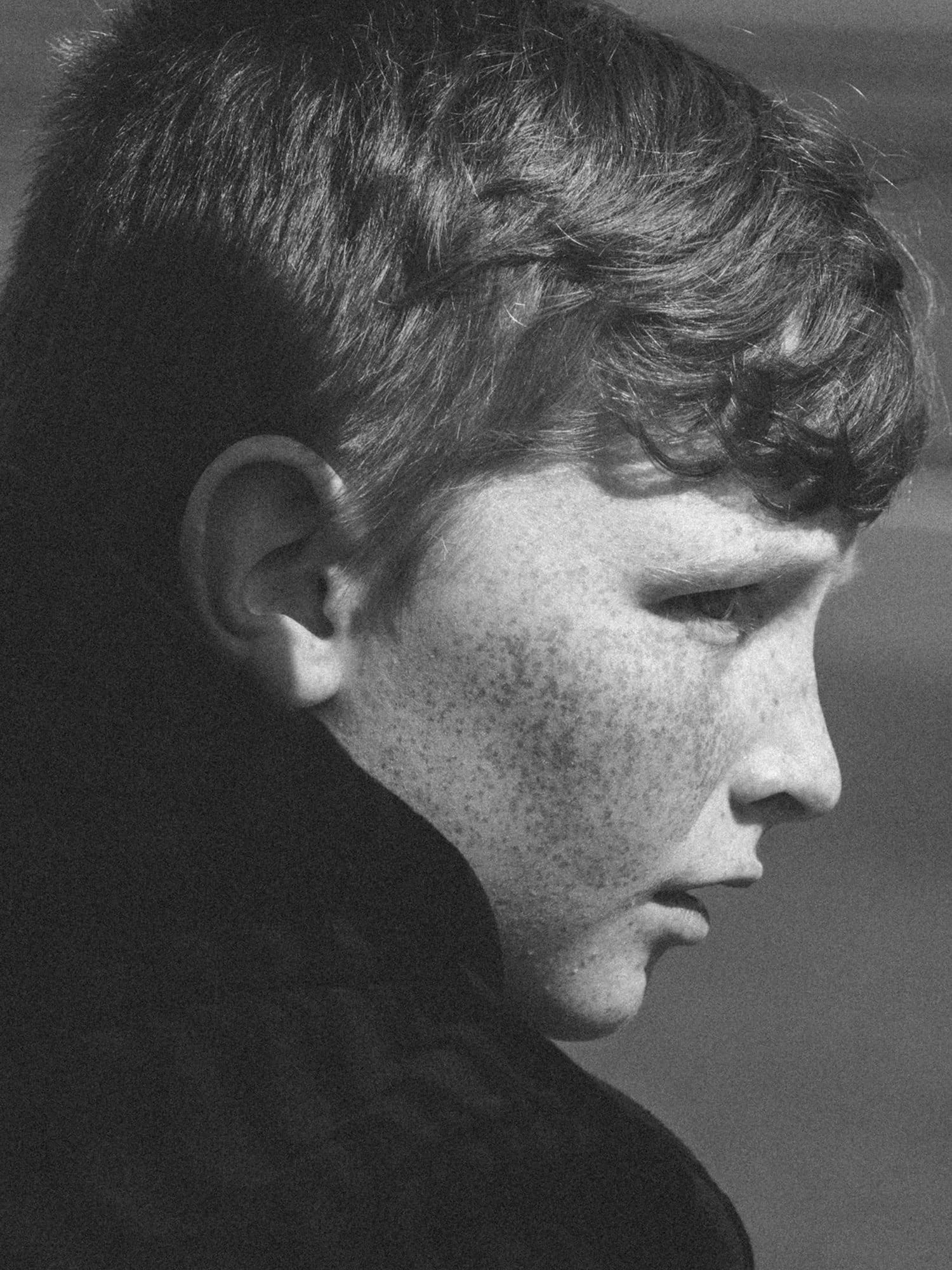
MANN emerged from that two-year process—sequencing images until they created that ephemeral feeling, defining how the work could ethically exist in the world. The publication doesn’t tell us why people gather to witness such danger; instead, it sits with the question. “I think we are all fascinated with death in various ways,” Lawrence reflects. “These riders come off the track feeling something extremely emotionally and physically innervating. They’ve just put their life at the thinnest of lines and I think that must be quite addictive.” Despite appearing online, “MANN” is best understood as a printed publication—the pace of turning pages, the way images build on each other, the weight of holding something that captures that thin line without claiming to explain it.