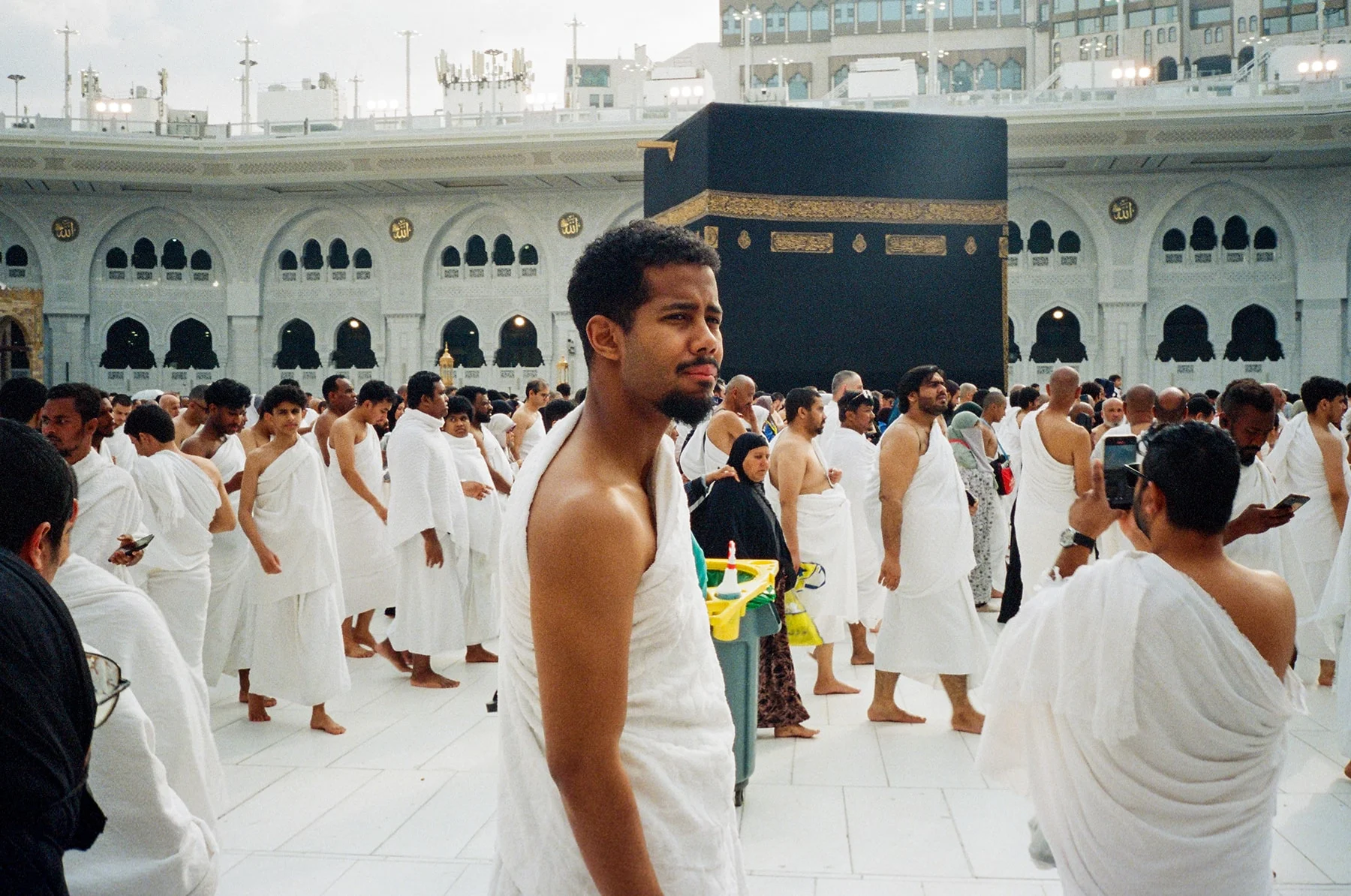
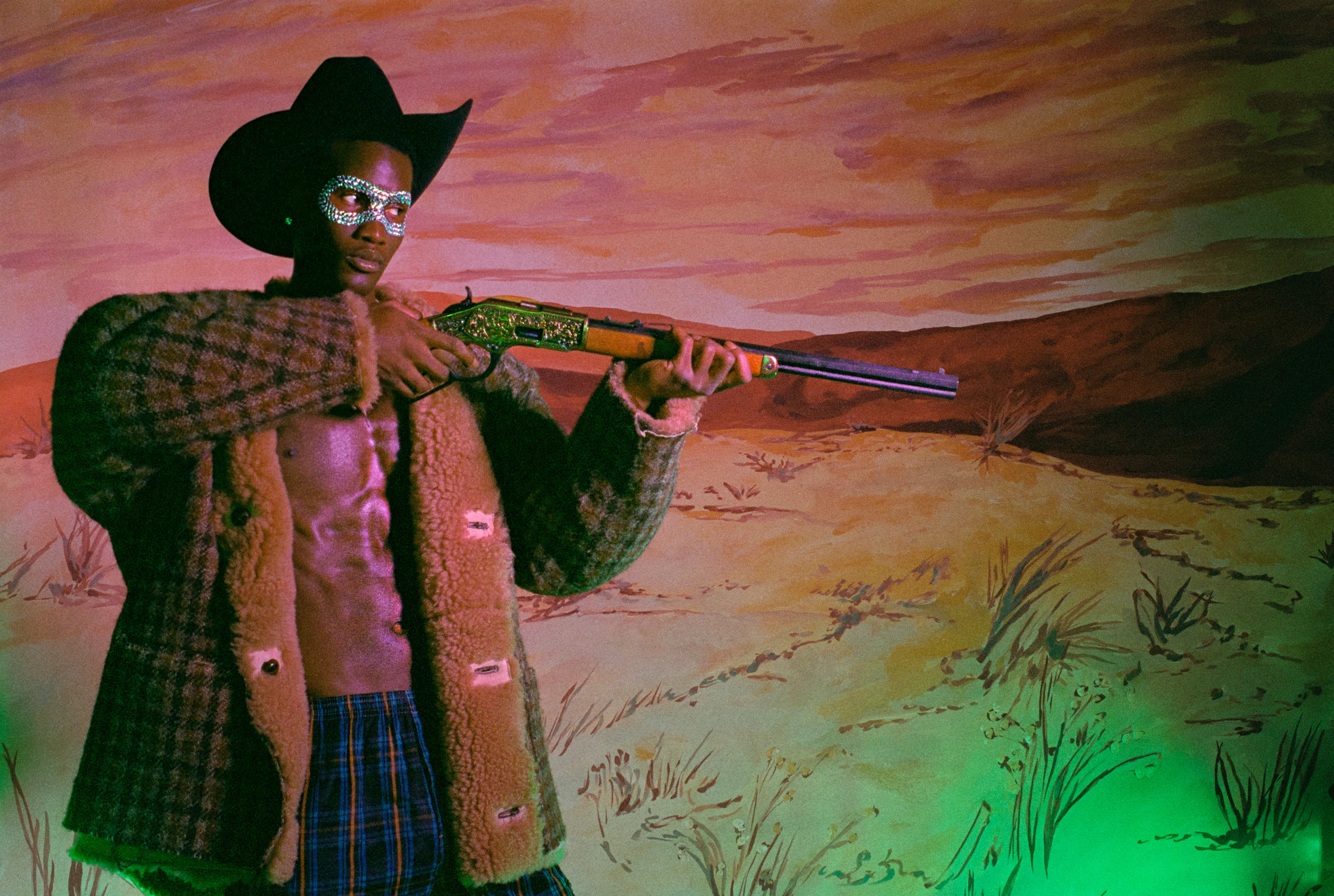
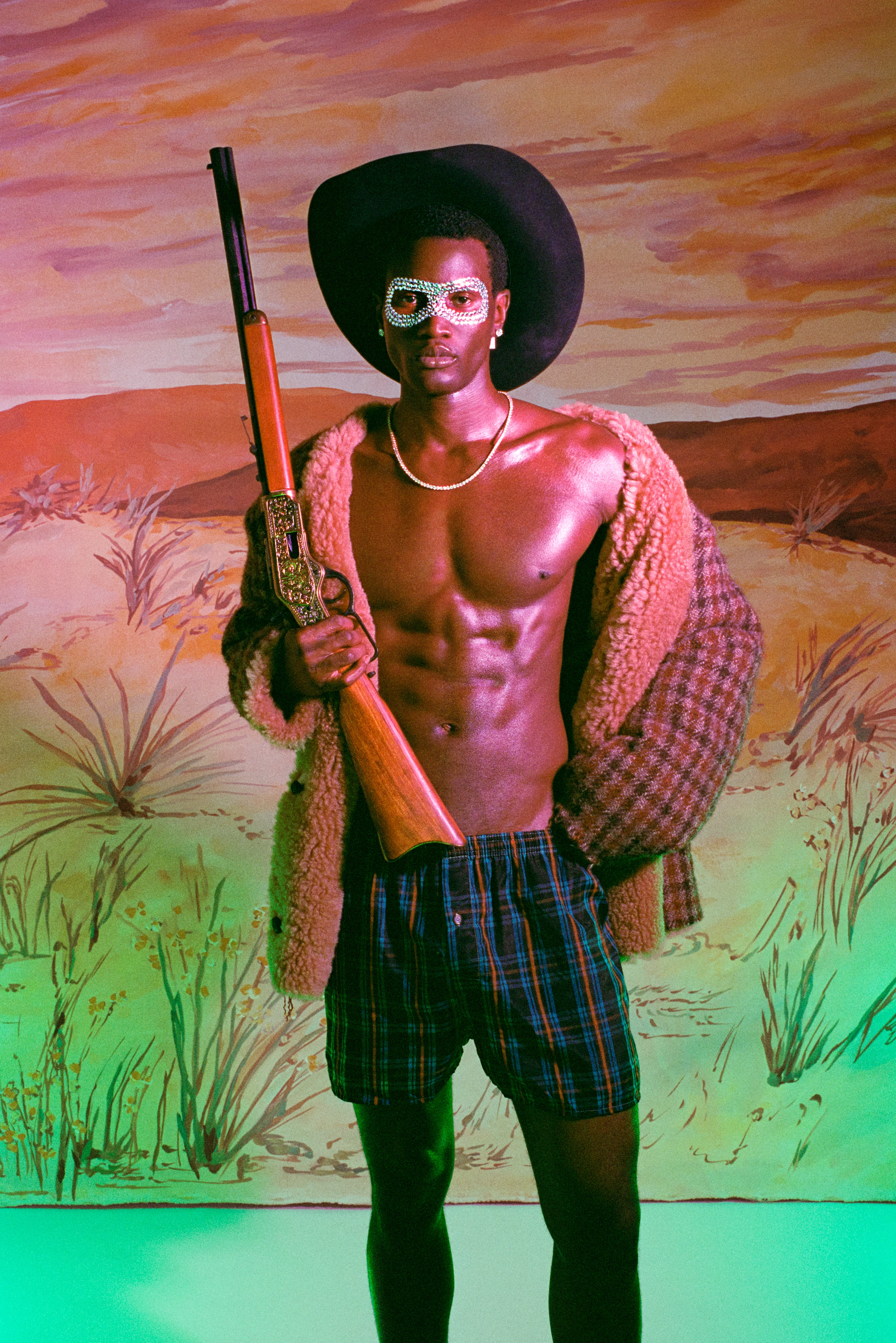
Photographer Quil Lemons has spent the last decade celebrating Black masculinity in all its forms. His new series “The New American Dream”, commissioned by WePresent as part of Brilliant: Unexpected Art from Everywhere, explores the mythology of the American West through a contemporary Black lens, examining how desire, freedom, beauty and the complicated promise of the American Dream shape masculinity. Gem Fletcher speaks to Lemons about the themes he keeps returning to and why bravery in artmaking is fundamental.
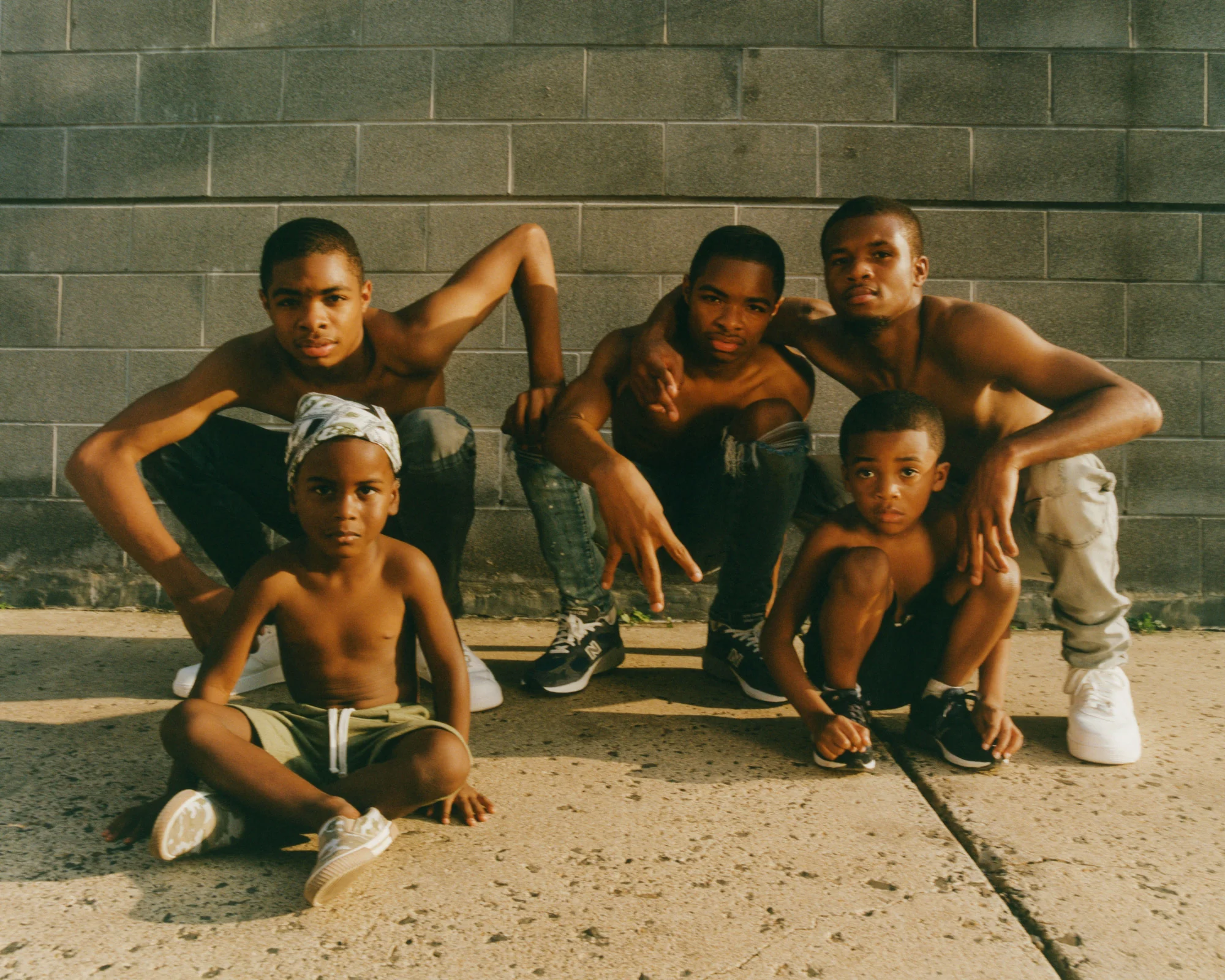
WePresent first collaborated with Lemons in 2021 to create his work “6,7,” which documents a block party in his hometown of Philadelphia in honour of his grandmother’s 67th birthday. The portrait “Little Lonnie” from that series appears on the cover of Brilliant: Unexpected Art from Everywhere, a book celebrating today’s most exciting artists.
Quil Lemons is no stranger to provocation. Since “Glitterboy”—his first project made almost a decade ago featuring young Black men adorned with glitter—went viral, he developed an interest in shifting cultural norms for Black men. The project changed everything, catapulting the Philadelphia-born, New York-based artist into the spotlight. He’s the youngest artist to shoot a Vanity Fair cover, his first solo show, “Quiladelphia,” got glowing reviews from the New York Times, and the comparisons to Robert Mapplethorpe never seem to stop. Still, the visibility and success haven’t distracted Lemons from his bigger mission: to present an expansive vision of queer, Black masculinity.
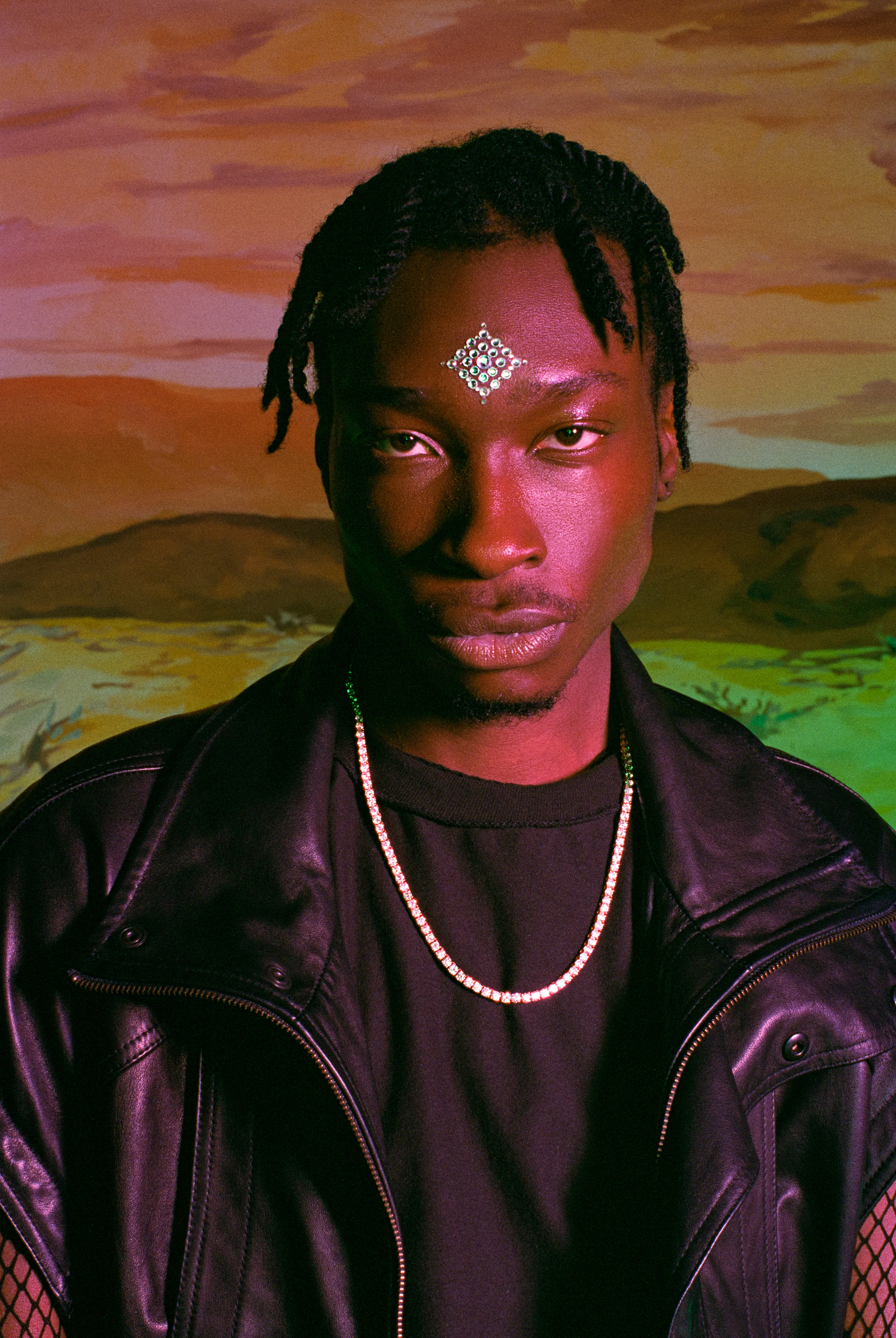
When queer Black masculinity expresses desire on its own terms, suddenly legitimacy comes into question.
“Heterosexual masculinity has always been allowed to express itself,” says Lemons. “It can be messy, sexual, prolific, contradictory. But when queer Black masculinity expresses desire on its own terms, suddenly legitimacy comes into question. When I made ‘Glitterboy,’ people told me I was dismantling Black masculinity, that I was presenting an invalid way of being. My response was simple—if you found that challenging, I’m going to push much further.” And he did. Lemons went on to use his work as an unfiltered site for grappling with power, consent, agency, desire, intimacy and freedom. “I’m not afraid to tackle these important and nuanced topics,” he says. “My audience is dealing with survival every day in America. I feel like the work is a mirror to our lived experience, and I make my best work in zones of friction.”
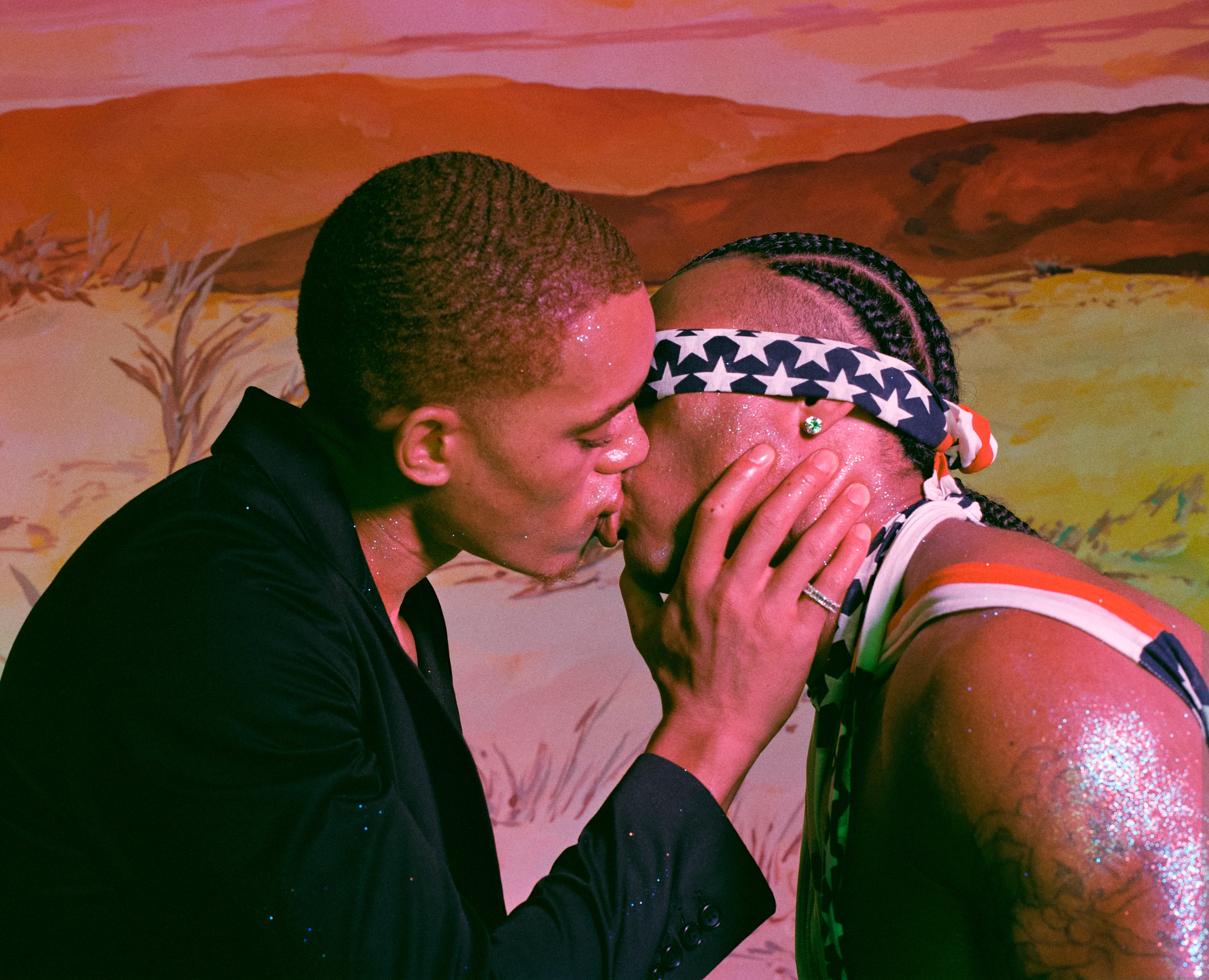
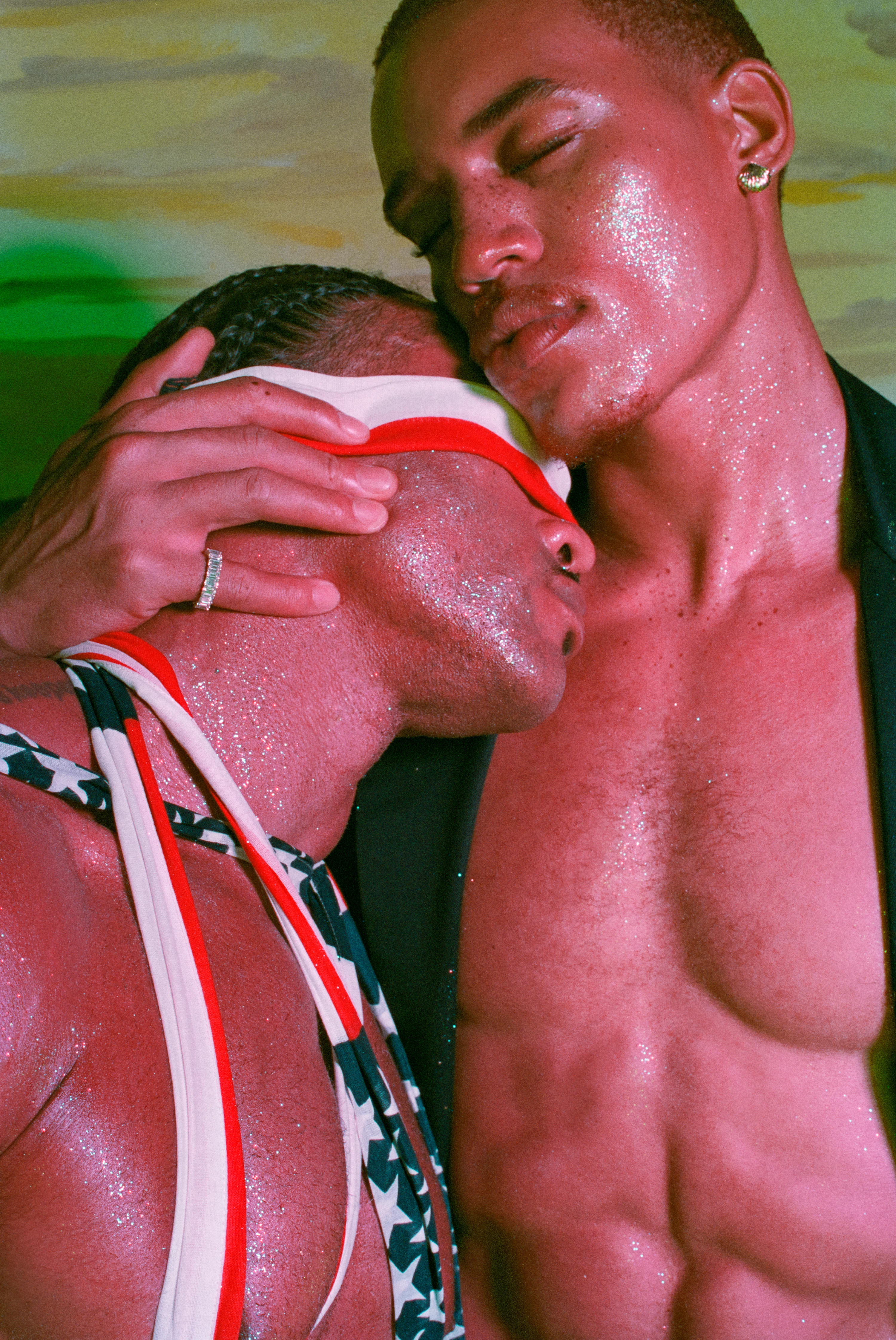
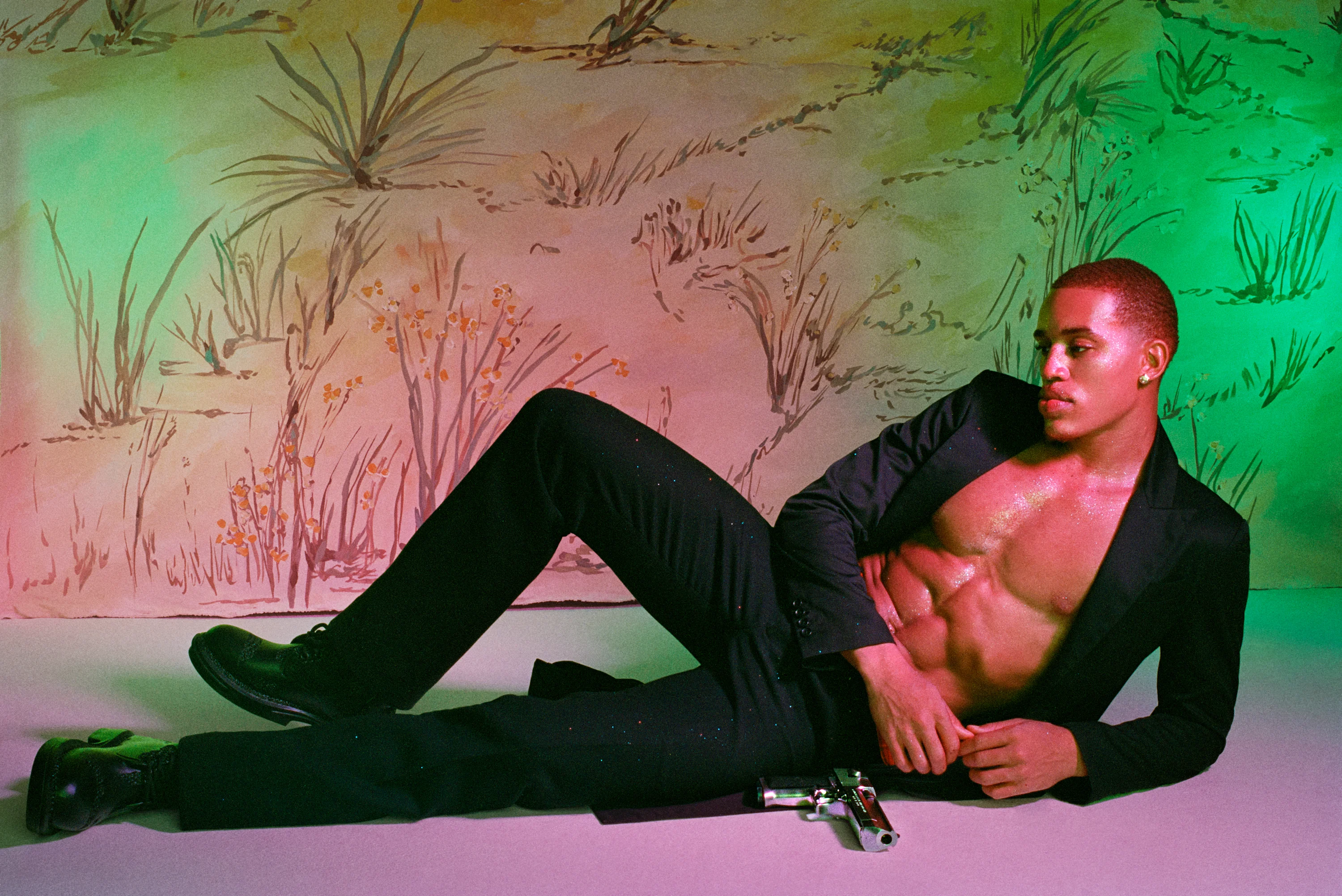
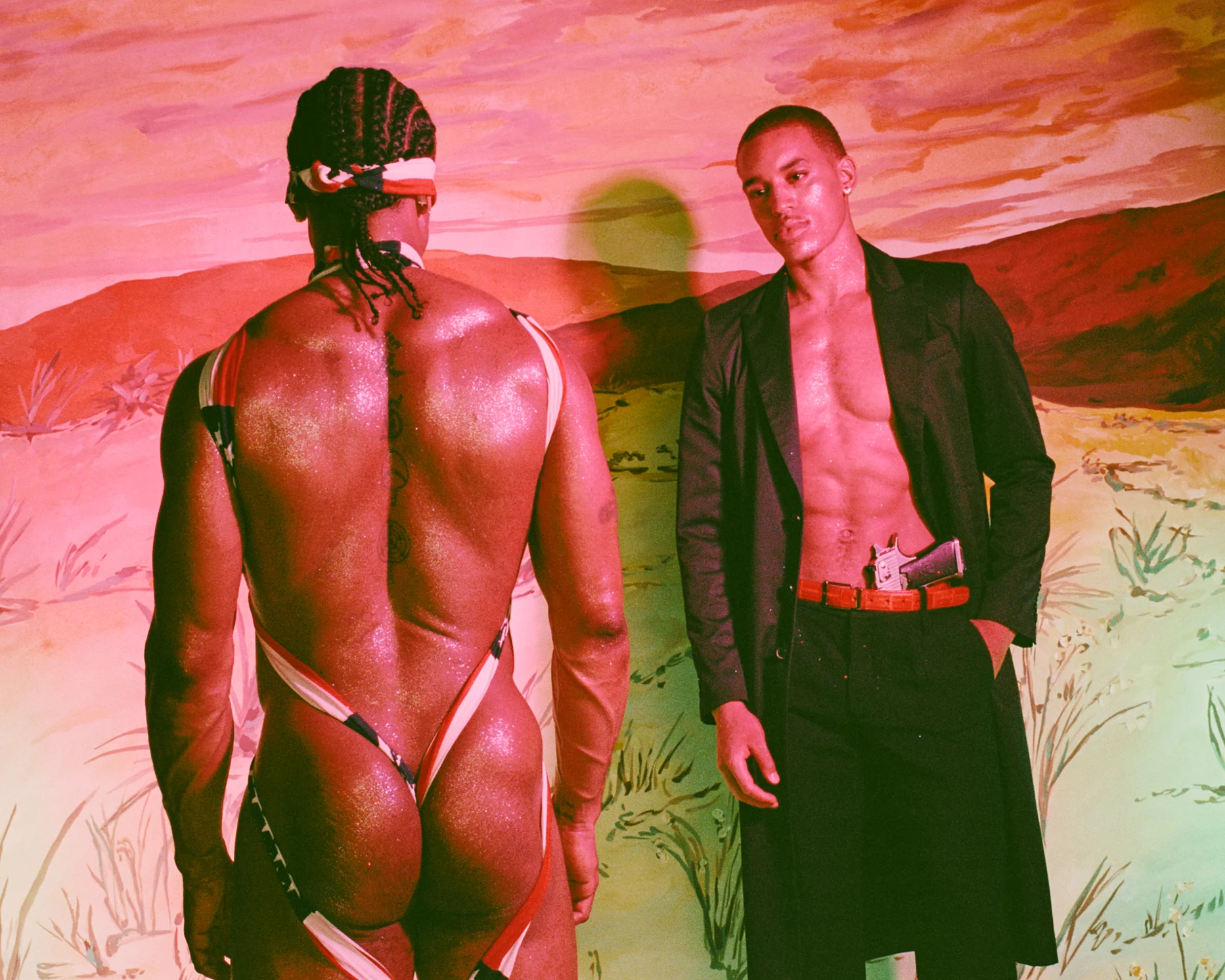
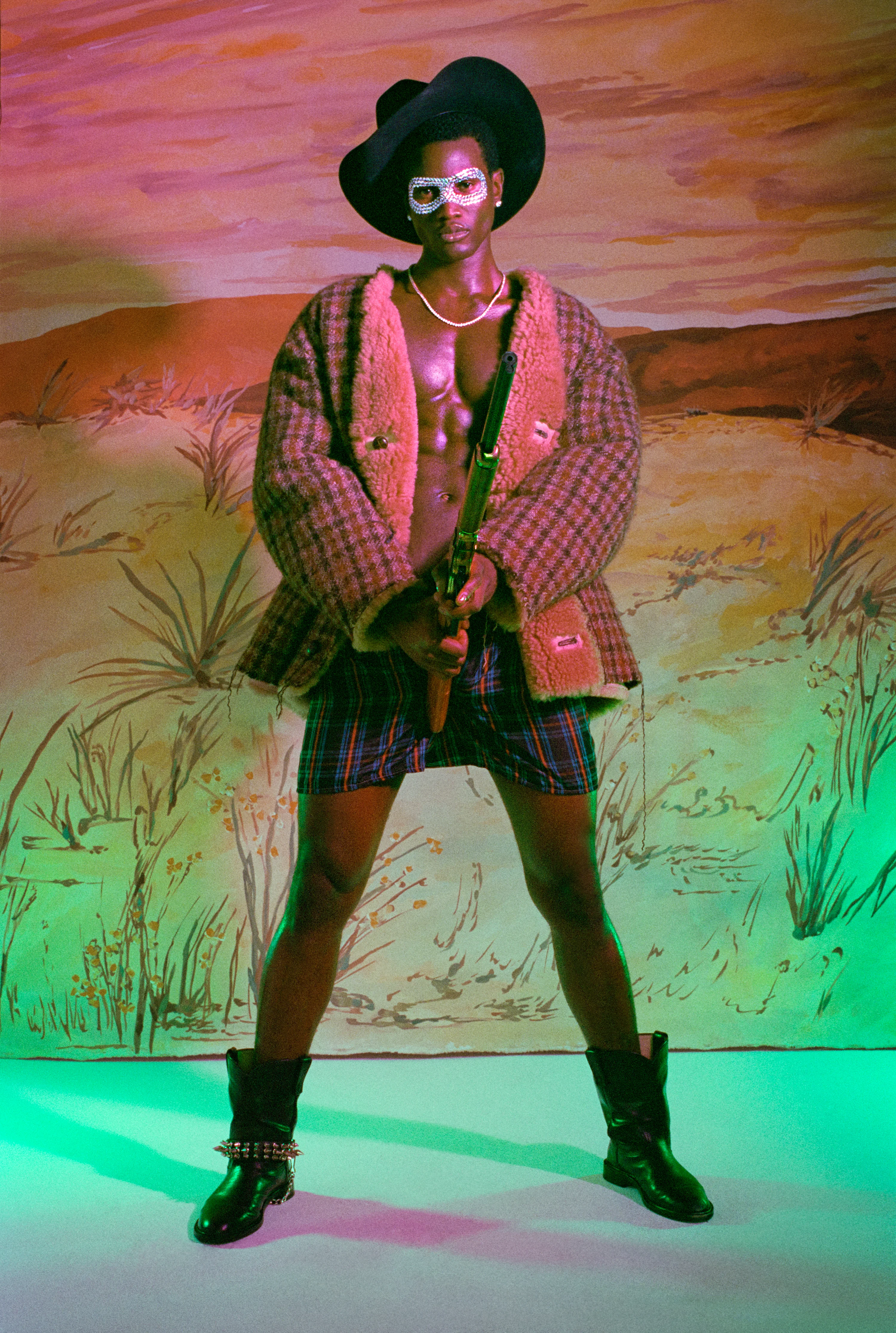
Now, 10 years on, the politics of identity remain at the forefront of the American experience, and Lemons shows no signs of slowing down. In his latest project, “The New American Dream,” commissioned by WePresent as part of “Brilliant: Unexpected Art from Everywhere”, he responds to the current moment with the provocation: what might the American Dream look like when Black people are no longer positioned at its margins, but are imagined as its protagonists? The result is a set of photographs that transform the Western landscape into a stage for possibility, self-invention and belonging for Black men. A space to reclaim autonomy—not just political freedom, but emotional and creative freedom. A space to imagine themselves outside of the stories they have inherited.
“The brief from WePresent was discovery,” says Lemons about the project’s genesis. “It was an interesting prompt, because it just brought up so many feelings. We’re at a cultural tension point in the United States where I find myself asking, ‘why am I still living in this country, when it constantly signals to me that it doesn’t want me here?’ As a Black man, everything feels so loaded right now. Our rights continue to be stripped back. I was observing the young male culture on YouTube and the ways it was stoking incel culture. I felt like I needed to make something that would cut through—a project that could exist on the edge of everything happening.”
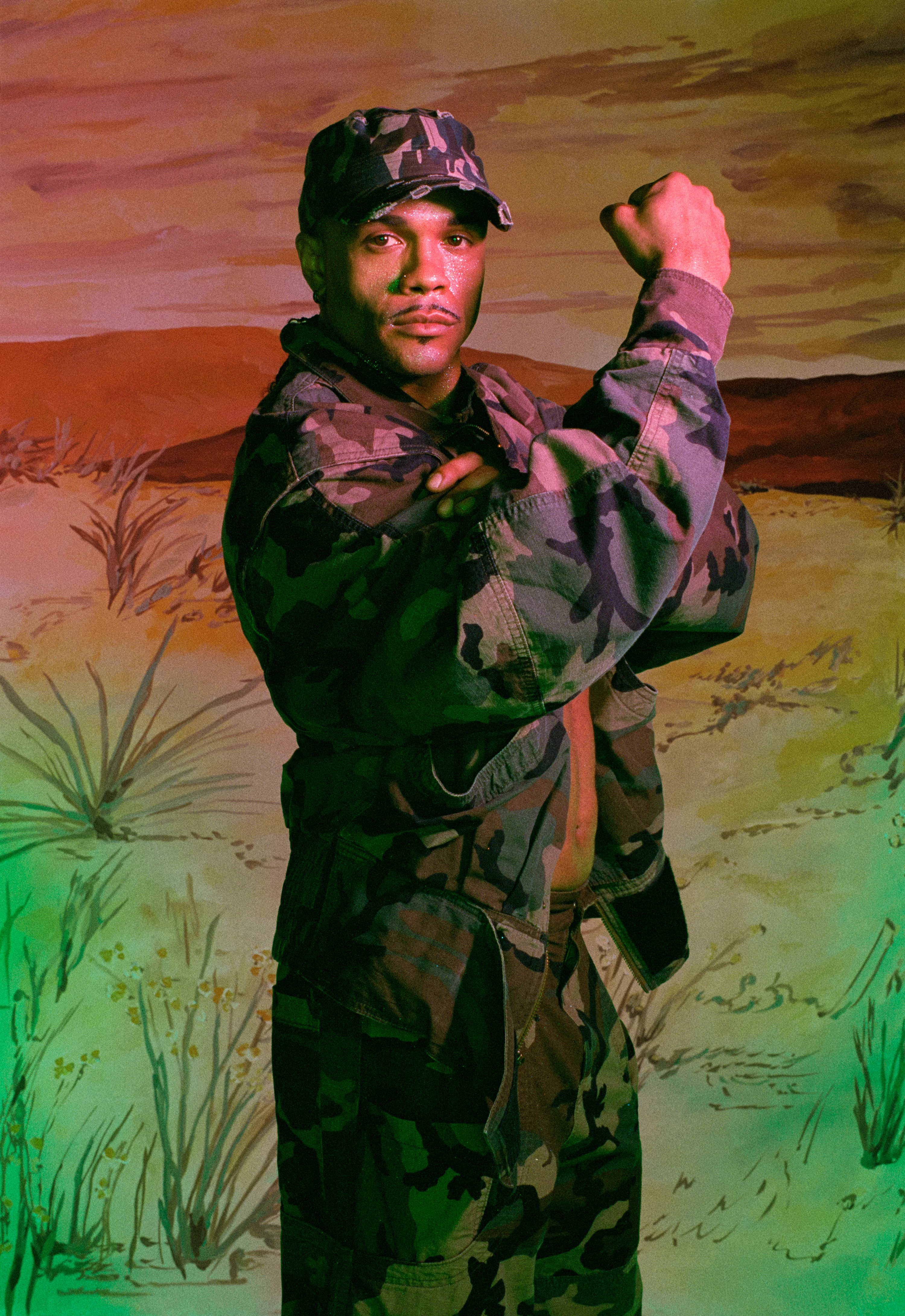
My audience is dealing with survival every day in America. I feel like the work is a mirror to our lived experience.
“The New American Dream” occupies a space between historical fantasy and future myth, creating a vision of the West that is both familiar and newly authored. A constellation of reference points informs the work, ranging from Isaac Julien’s “Looking for Langston” and “The Boon Docks” to the grandeur of French Neoclassicism and Romanticism, particularly the theatrical compositions and idealized figures of Anne-Louis Girodet and the poetic darkness of Salvator Rosa. Lemon also communicates his love of painting through the work, collaborating with artist and friend Mars Singleton on the shoot’s backdrop.
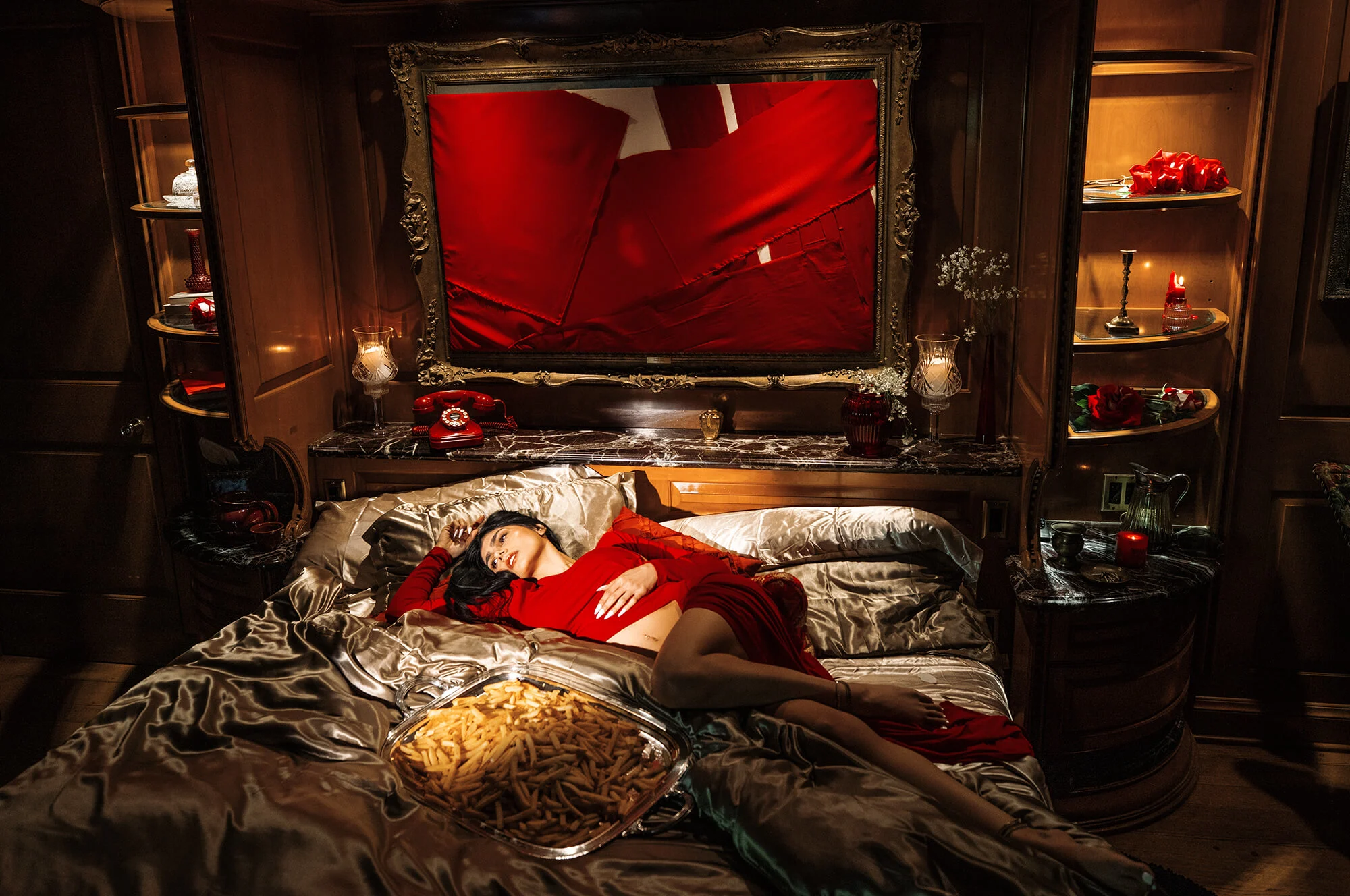
The series is also conceived as an homage to André Leon Talley’s groundbreaking editorial for Vanity Fair, “Scarlet in the Hood,” which centers Black beauty, fashion and imagination. “I first discovered this editorial when I was 22,” says Lemons. “It raised questions around power and agency and got me thinking about who gets to decide the terms of intimacy and freedom. For me, that was transformative.”
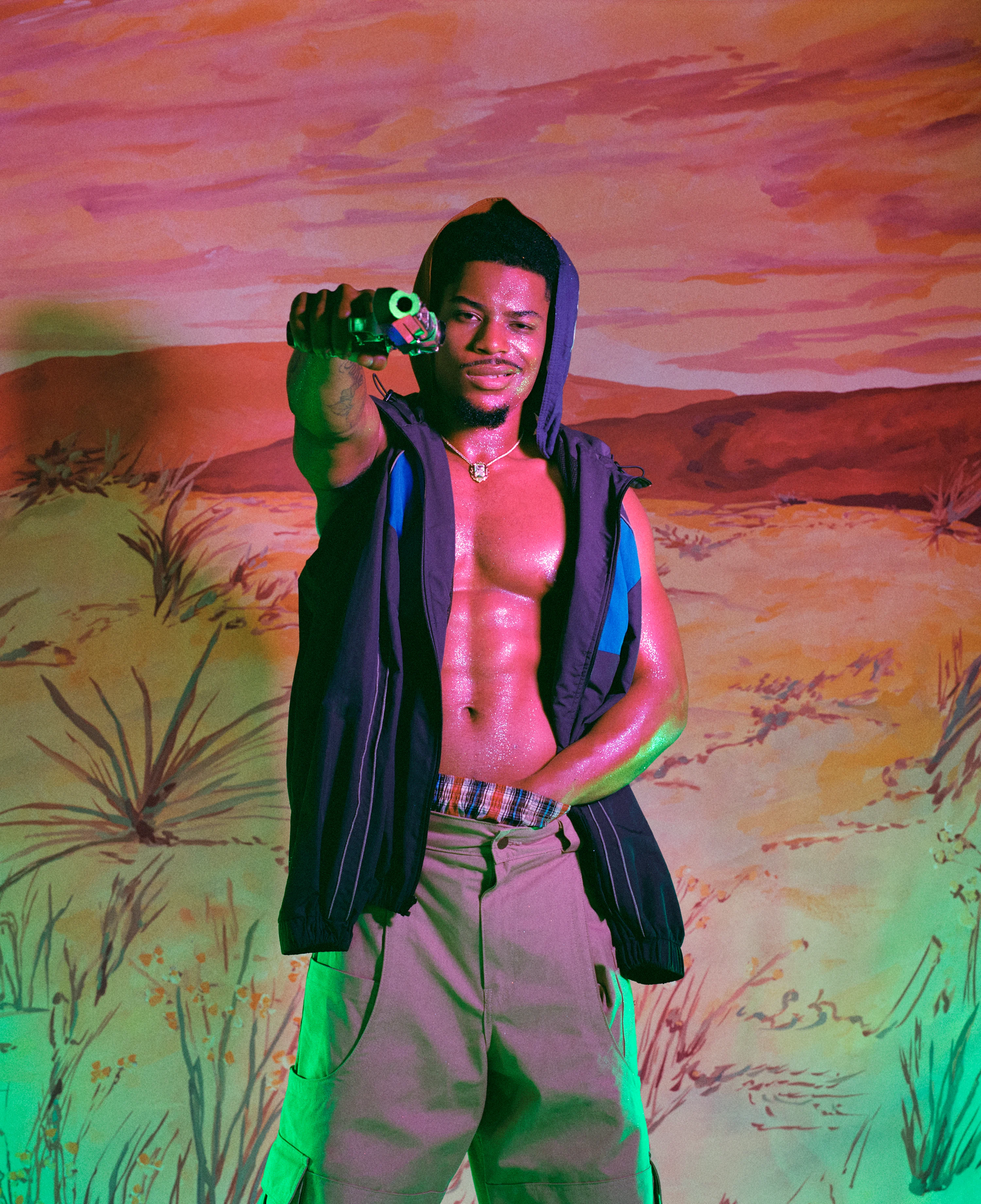
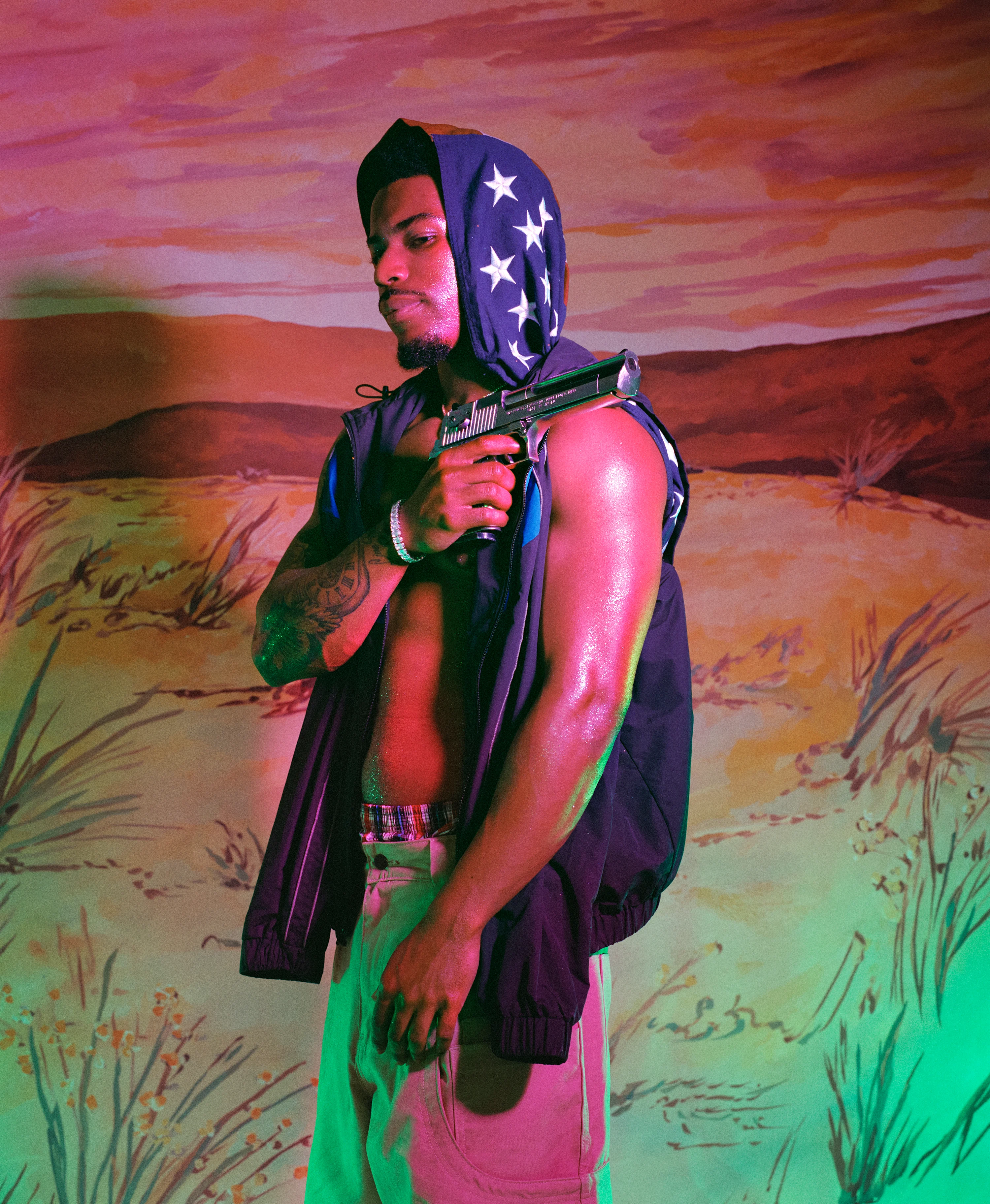
Utopia is not a term widely considered in contemporary photography by Black queer artists. Much of their art has been flattened into the politics of representation. But in “The New American Dream,” Lemon’s vision of liberation insists on concrete possibilities for another world. In the deconstruction and reconstruction of the codes of patriotism, he creates a radical riposte to the cycles of visibility and to the ways cultural gatekeepers decide what is legible.
“Bravery is a choice,” says Lemons as we come to the end of our conversation. “It’s strange to know that my work has had a hand in the Black psyche expanding. I saw it first-hand with ‘Glitter Boy.’ In that regard, my practice, and its potential, has become so sacred to me.”