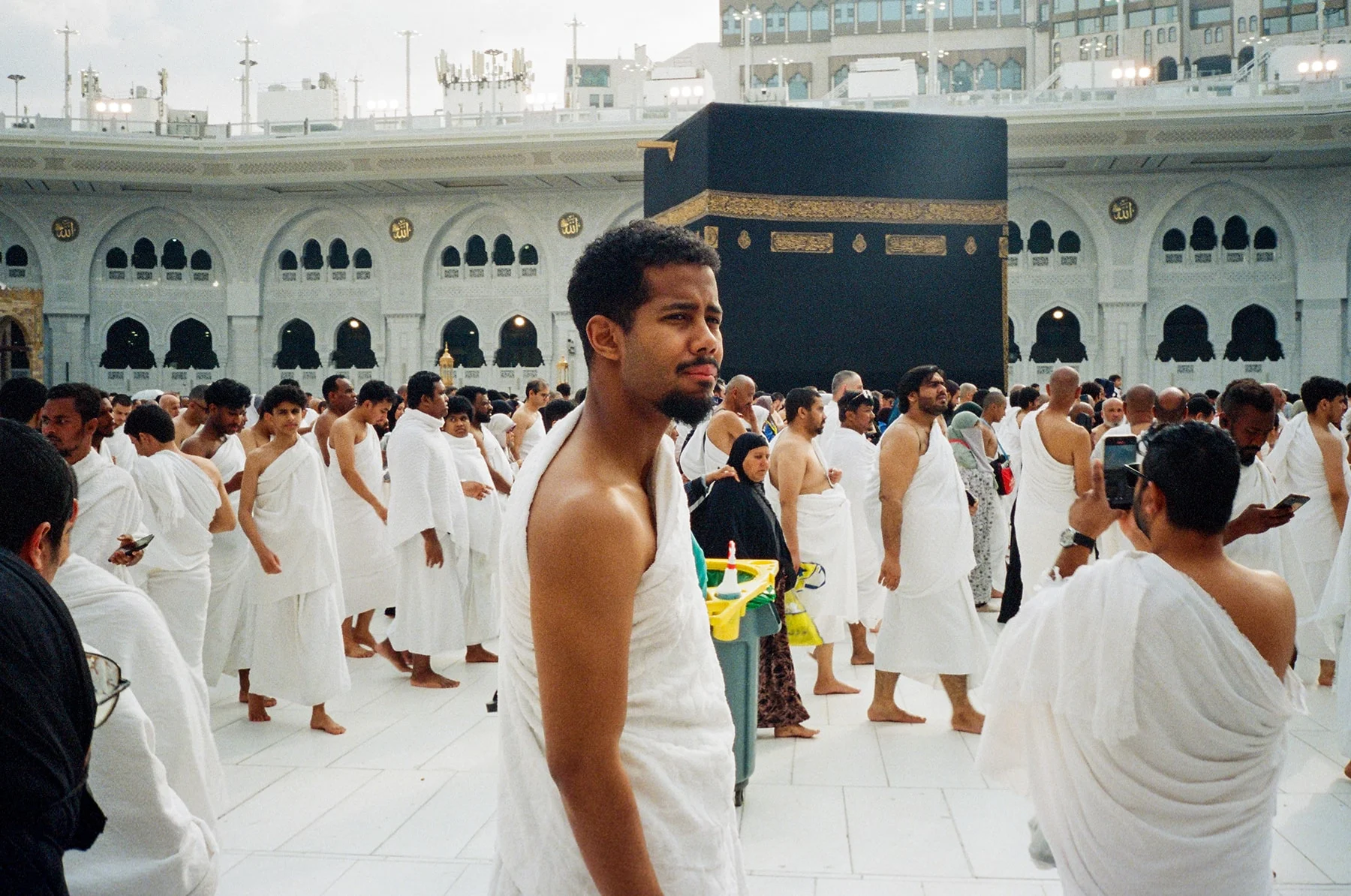


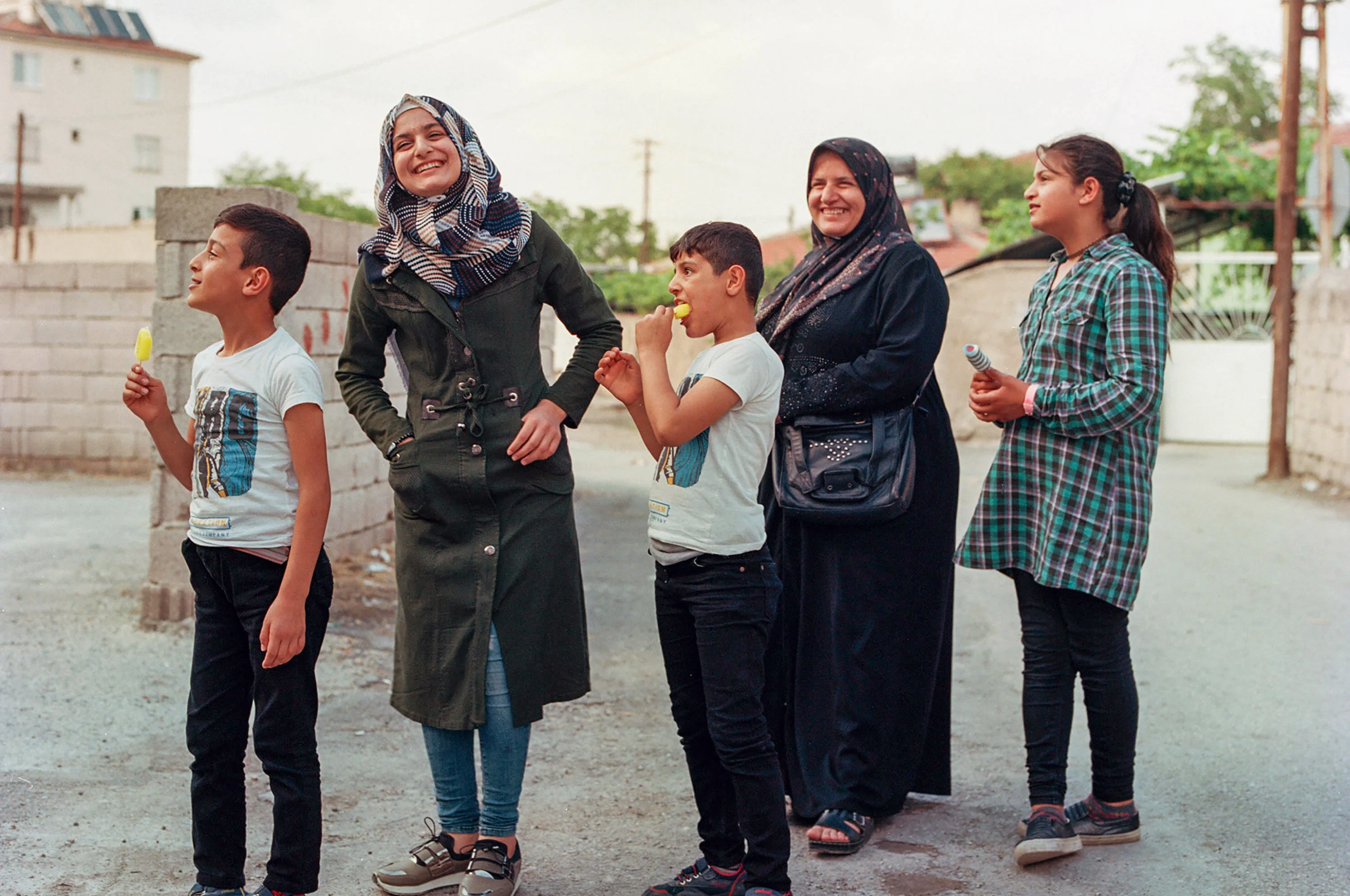
When international media began to cover the mass exodus of Syrians to Turkey, and later across Europe due to war, Özge Sebzeci was in her mid-twenties. She began to work as a photographer and fixer, often around the Aegean Sea, covering gender and migration issues. Since then, her lens has turned to the young Syrian girls, some of the most vulnerable and at-risk victims of the conflict, living their lives far from home in Turkey. She tells Alexander Durie how she hopes to spread awareness about how child marriage disproportionately impacts refugee communities, and to highlight the resilience of people who are too often overlooked.
In the mid 2010s, as the Syrian civil war intensified, and millions of Syrians fled the country, children—particularly girls—became some of the most at-risk victims of the conflict: access to health services and education became limited, and gender-based violence and inequalities increased. As a result, the war in Syria led to a dramatic increase of a frighteningly common yet often ignored subject: child marriage.
The United Nations Population Fund (UNFPA) has reported that humanitarian crises can substantially increase the risk of child marriage, nearly doubling it in some settings. In the case of Syria, child marriage significantly increased during its 14-year-war, especially for forcibly displaced people, as many families were torn apart and unable to provide for their children, who became even more vulnerable. Child marriage was thus perceived by many as a way to protect girls, at least financially.
These issues were immediately felt in neighboring Turkey, where an estimated 3.7 million Syrian refugees fled. Turkish documentary photographer and journalist Özge Sebzeci, who has spent nearly a decade documenting these issues in her home country, said that many young Syrian girls she’s spoken to said: “if my father was alive, they [my family] wouldn’t marry me off.”
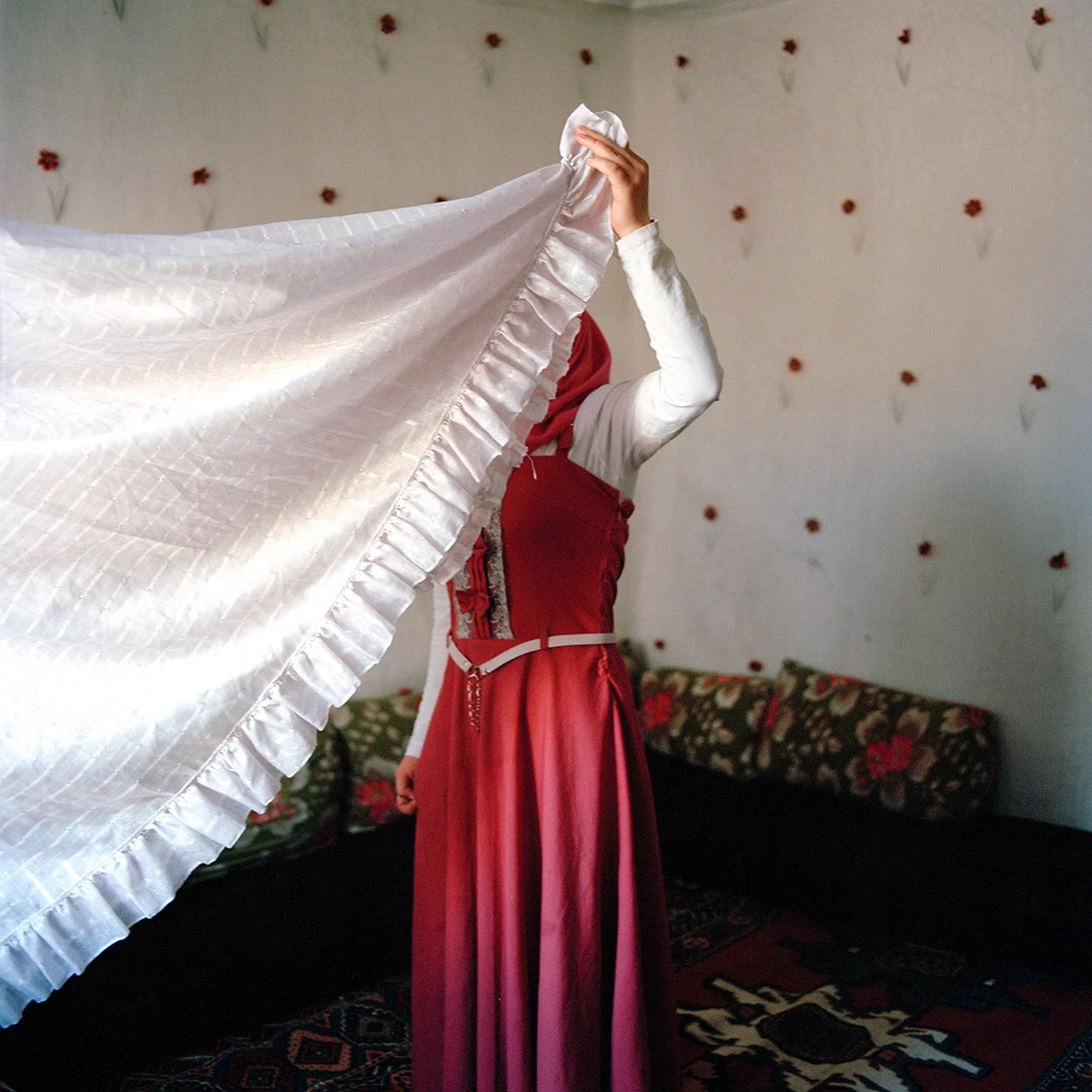
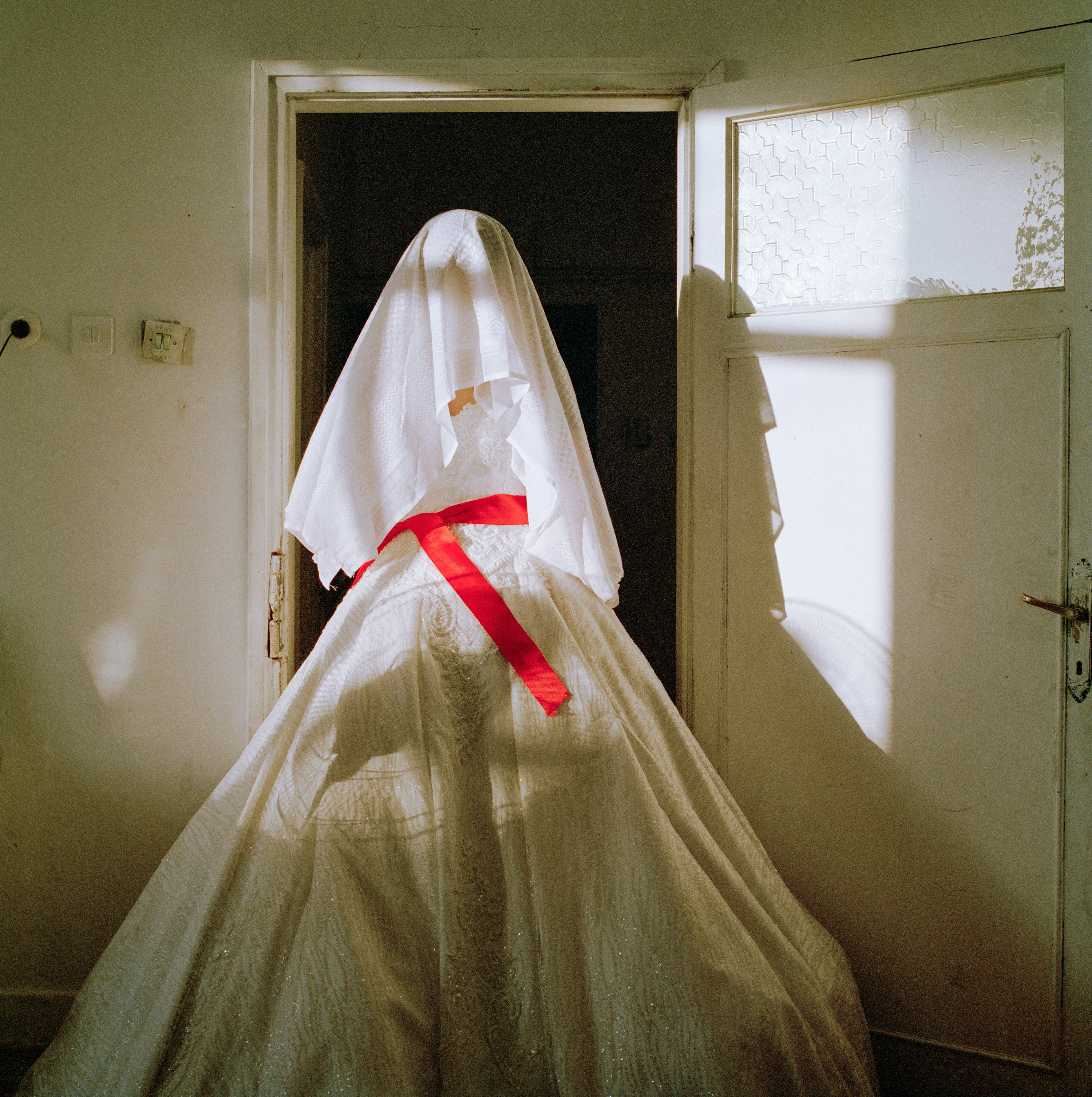
In her long-term photo project, “I AM BEAUTIFUL BUT MY DESTINY...” she documents the impact of child marriage on young Syrian girls displaced in Turkey, photographing them mostly in the city of Kayseri, in central Anatolia, but also in Gaziantep, close to the Syrian border.
Over the years, Sebzeci grew close with many of her subjects, especially two who grew up without fathers and met in Turkey. One was born in 2006, the other in 2002, and they happened to both be called Fatma. The youngest Fatma, now 20, has three young children aged 1, 3 and 5 years old, after marrying at 15.
For Sebzeci, this was a topic that she found taboo, though the more time she spent with these communities, the more she heard stories of Syrian girls aged between 13 and 17 marrying Syrian men aged between 20 and 25, often from the same hometown in Syria, due to financial pressures and male family members being gone. The marriages were usually done in Islamic ceremonies, so were rarely officially registered, making divorces frequent, which left girls “even more vulnerable, without inheritance or rights to alimony,” Sebzeci says.
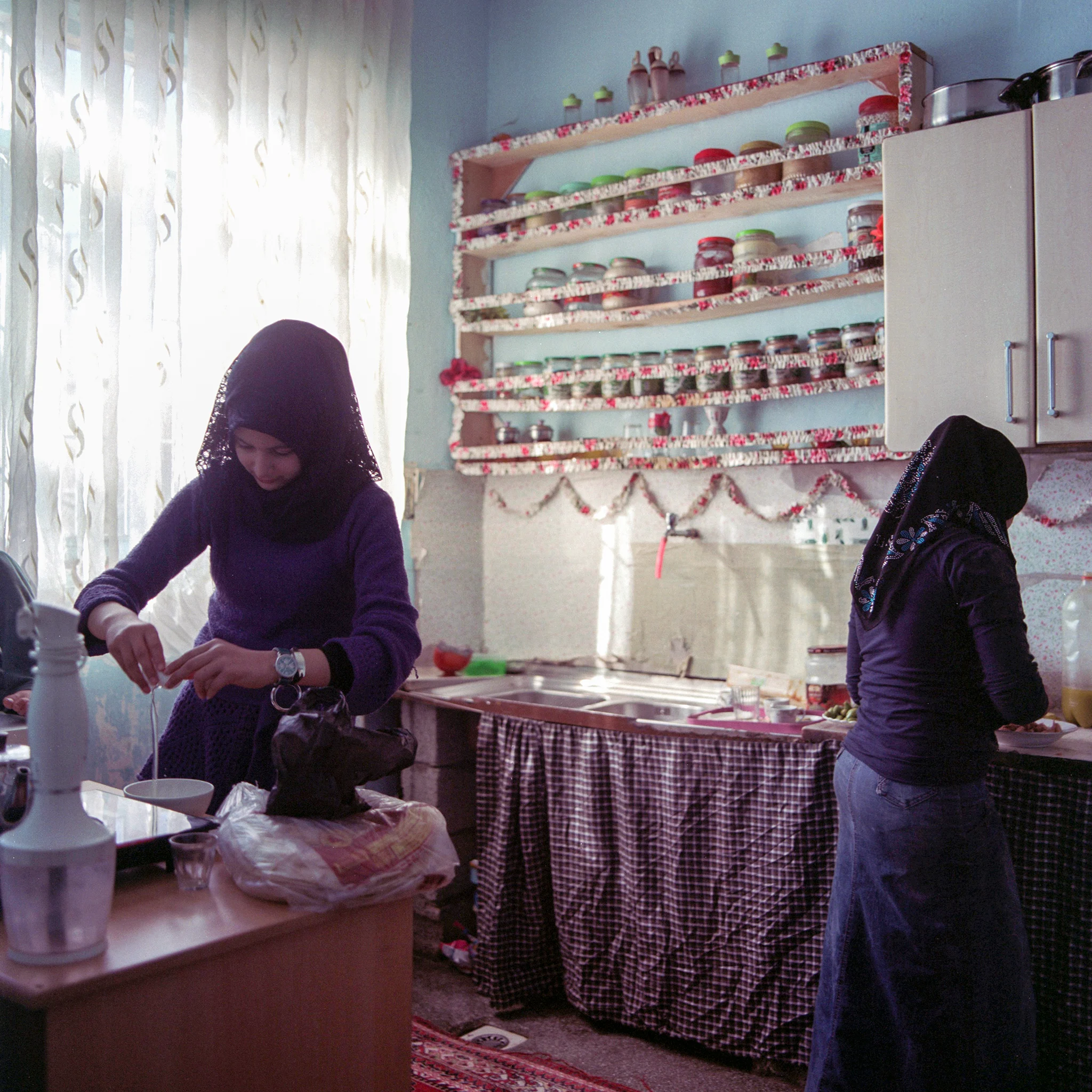
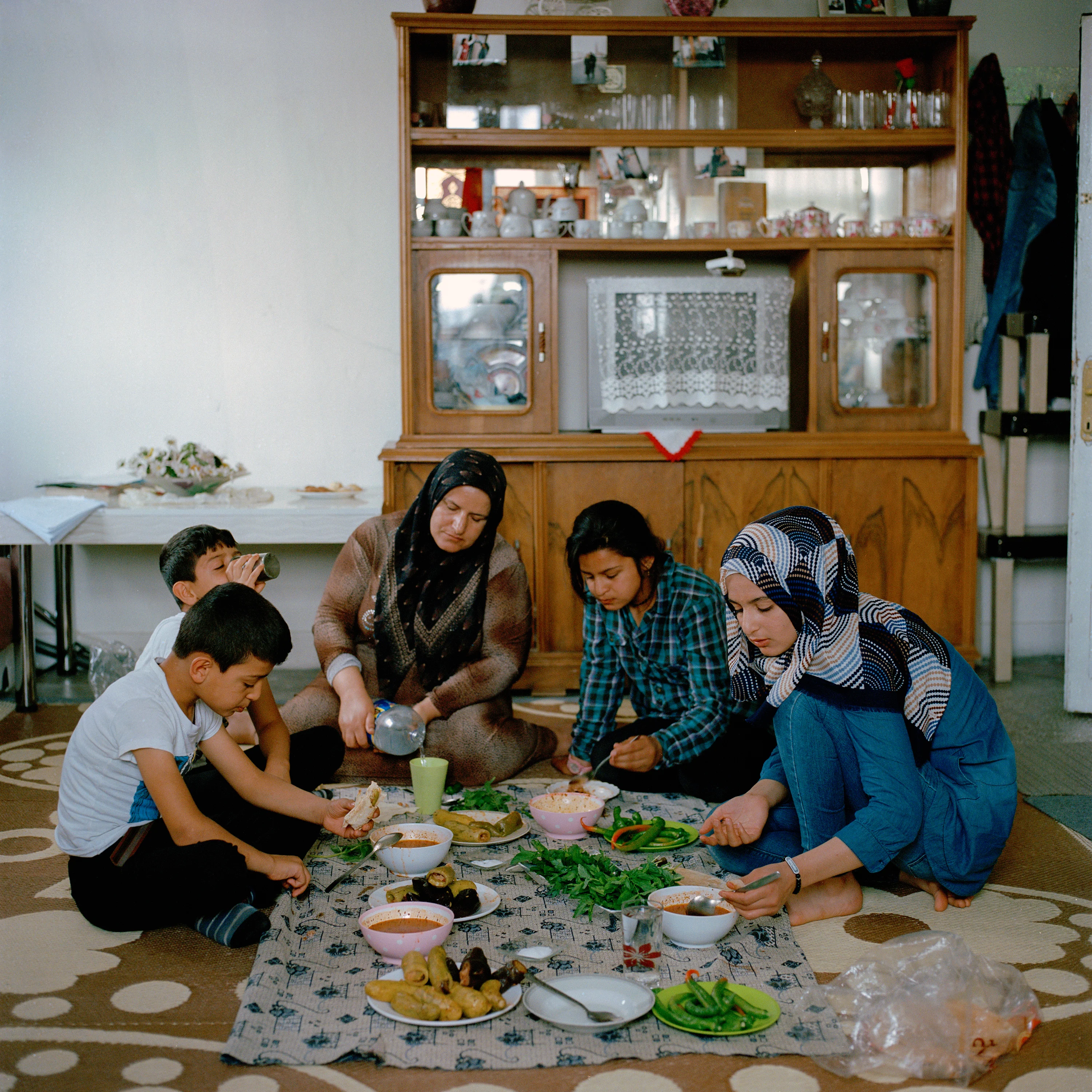
The younger Fatma served as a contrasting character in the project. Unlike her friend, she was going to school and dreamed of becoming a doctor. But as refugees without older male figures, in a society with a lot of gender-based violence, marriage superseded education, so eventually, she still had to quit school and married at 15.
“In the neighboring Turkish communities, people were saying, ‘Oh, Syrians get married at a really young age,’ as if it is accepted this way. They see it as a part of their culture, but they don’t see this as a consequence of war,” Sebzeci says. “A lot of people don’t think about this a lot,” she adds, because interaction between Syrian and Turkish communities remains “very limited.” Child marriage remains illegal in Turkey, where the legal minimum age for marriage is 18 (with exceptions), but Sebzeci says that it remains prevalent and that “in practise, perpetrators rarely get any sentence.”
Sebzeci was in her mid-twenties when international media covered the mass exodus of Syrians to Turkey, and later across Europe. She started to work as a photographer and fixer, often around the Aegean Sea, covering gender and migration issues. “I realized that photography has the power to give you access to people’s lives,” she says. “I liked that photography can be about empathy and human connection, and that experience stayed with me.”
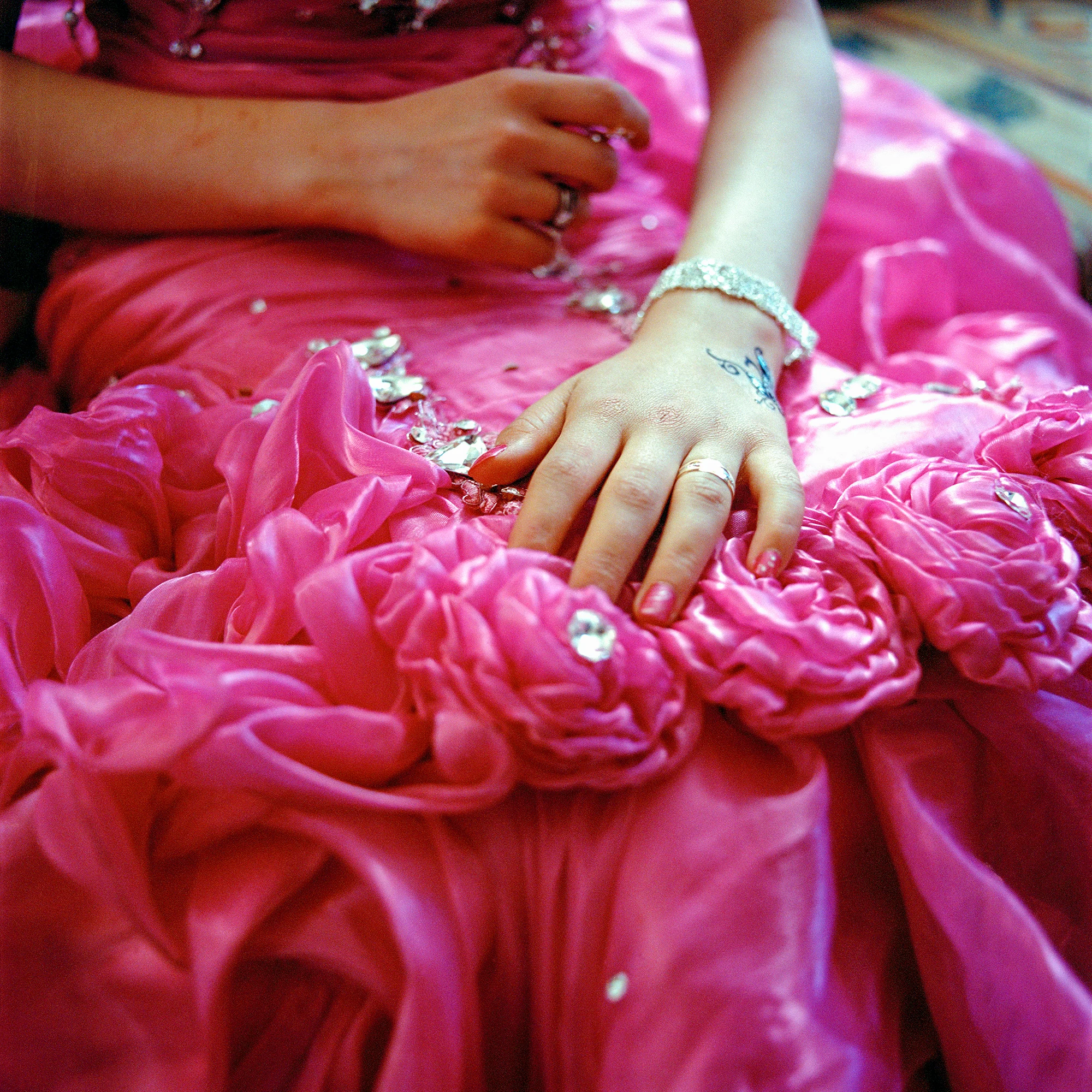
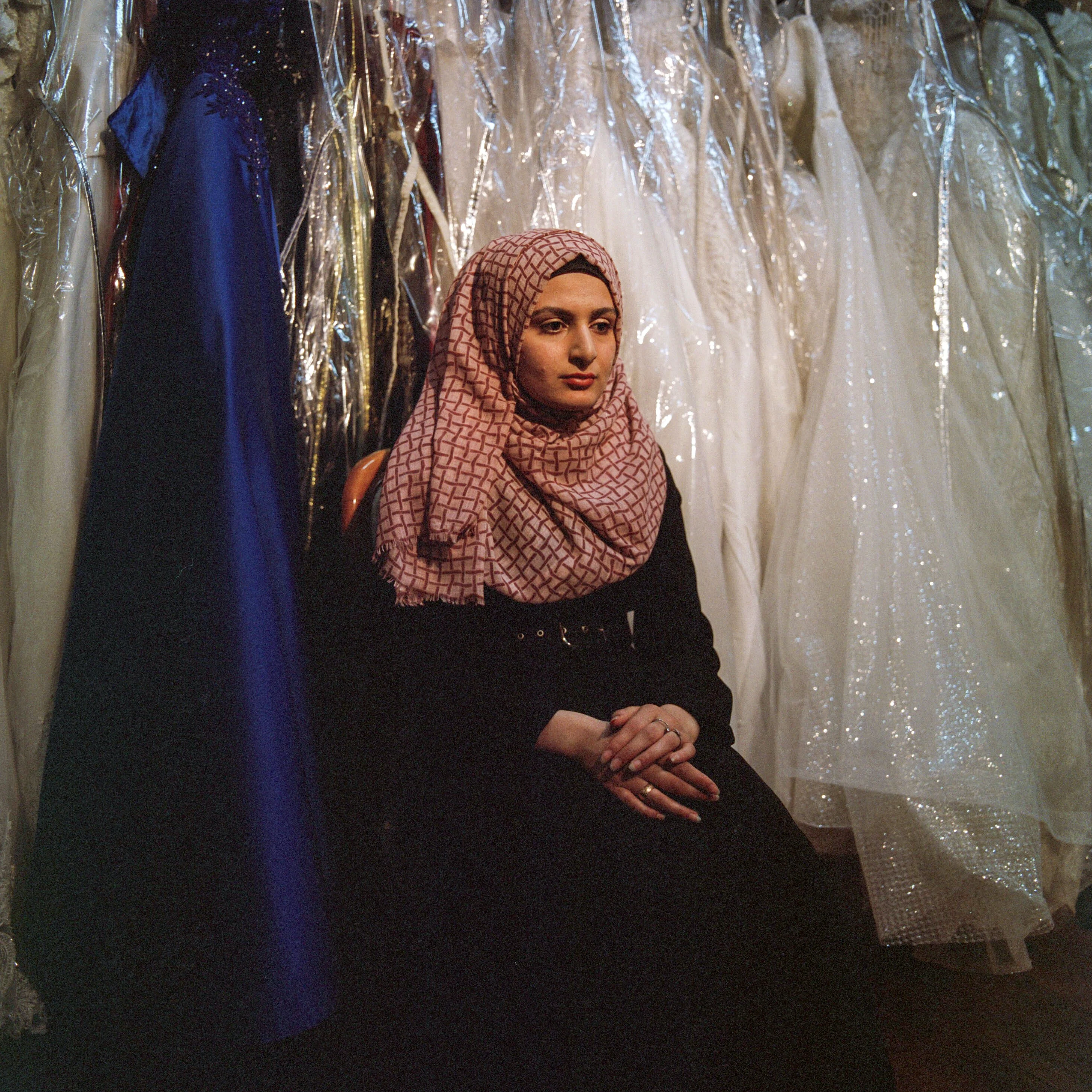
“Their stories reveal not only what has been lost, but also what they continue to hope for.”
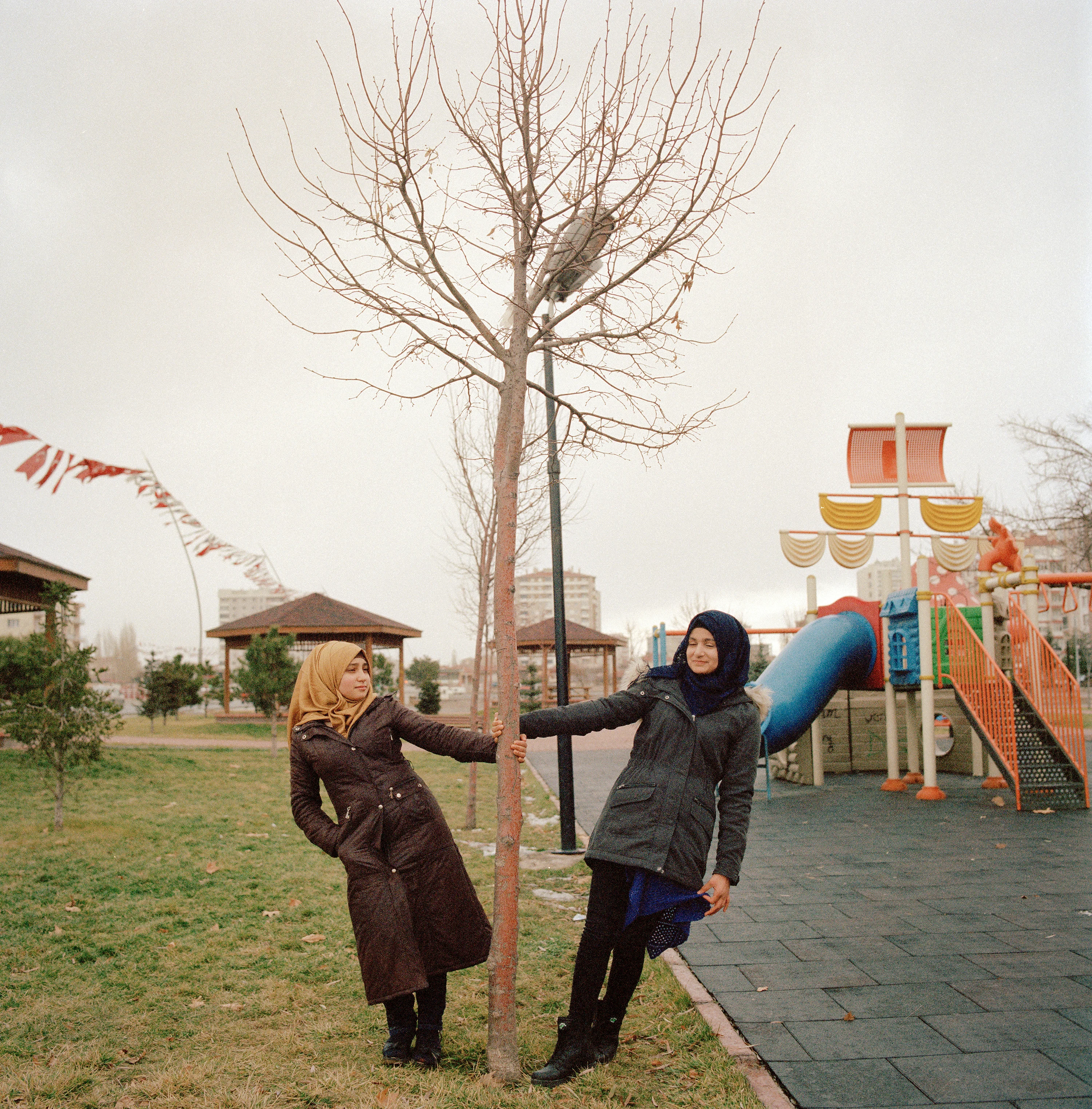
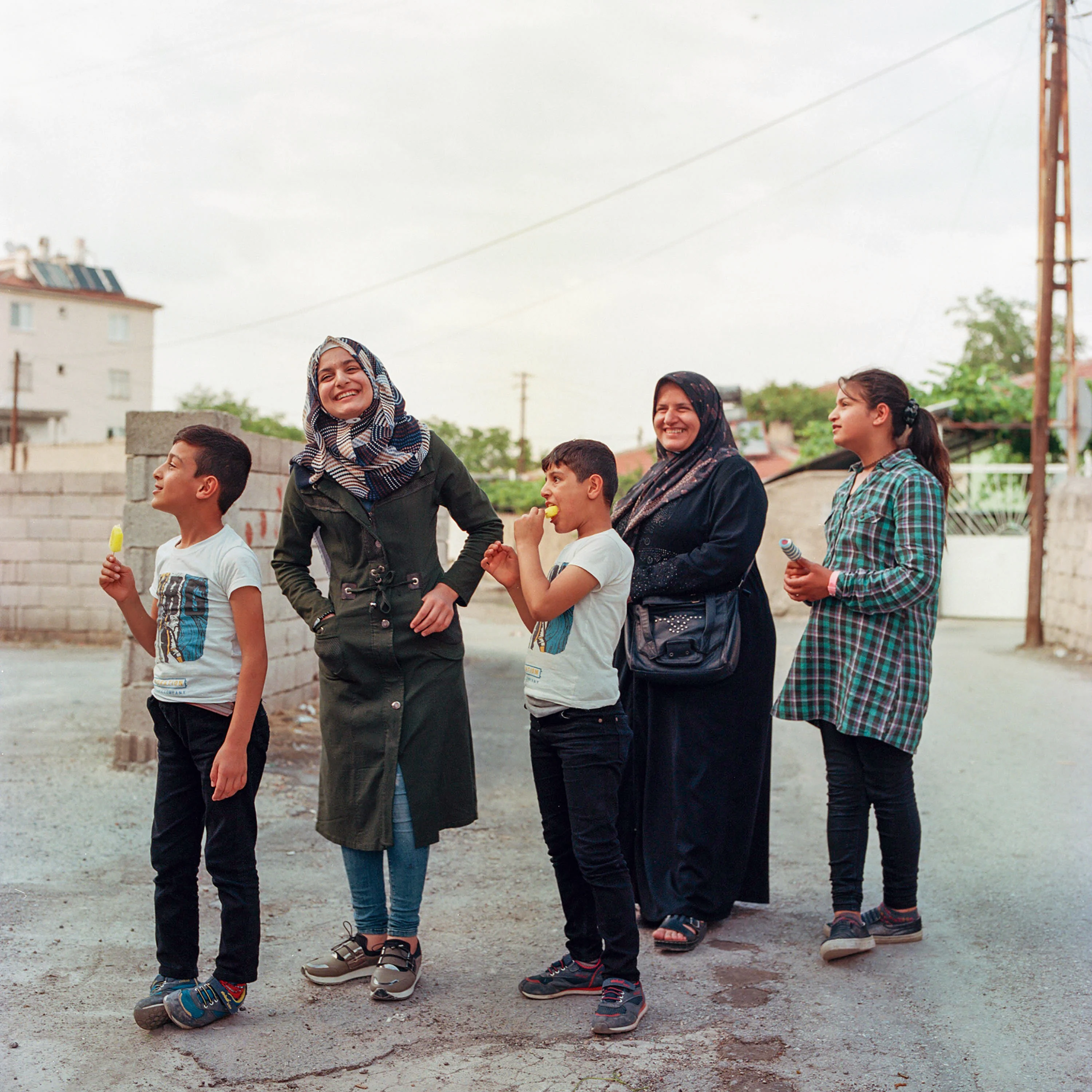
Sebzeci started working for photo agencies, but quickly understood it wasn’t for her, preferring a slower approach to photography. Shooting on a Hasselblad medium-format camera, slowness was practically imposed, but it suited the narrative journey the series took over almost 10 years.
“Their lives are also slow, so I think slow photography makes sense for this project,” she says. She evokes a sense of intimacy and proximity between the girls, as the images are almost all taken inside their homes, in their bedrooms or kitchens. “I stayed there for a long time just talking, photographing just a very little amount,” she explains. “Taking photos was just 10 percent of the work.”
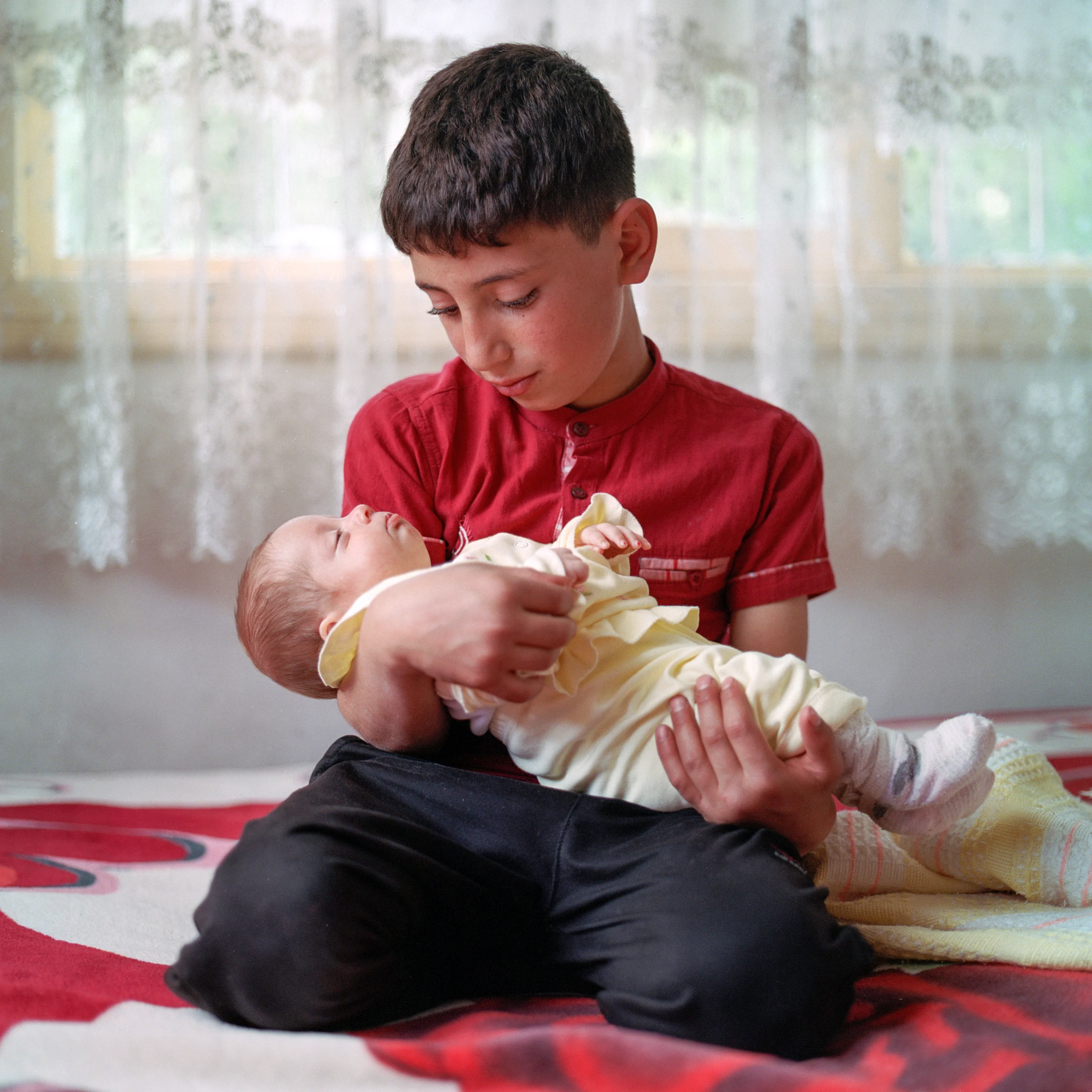
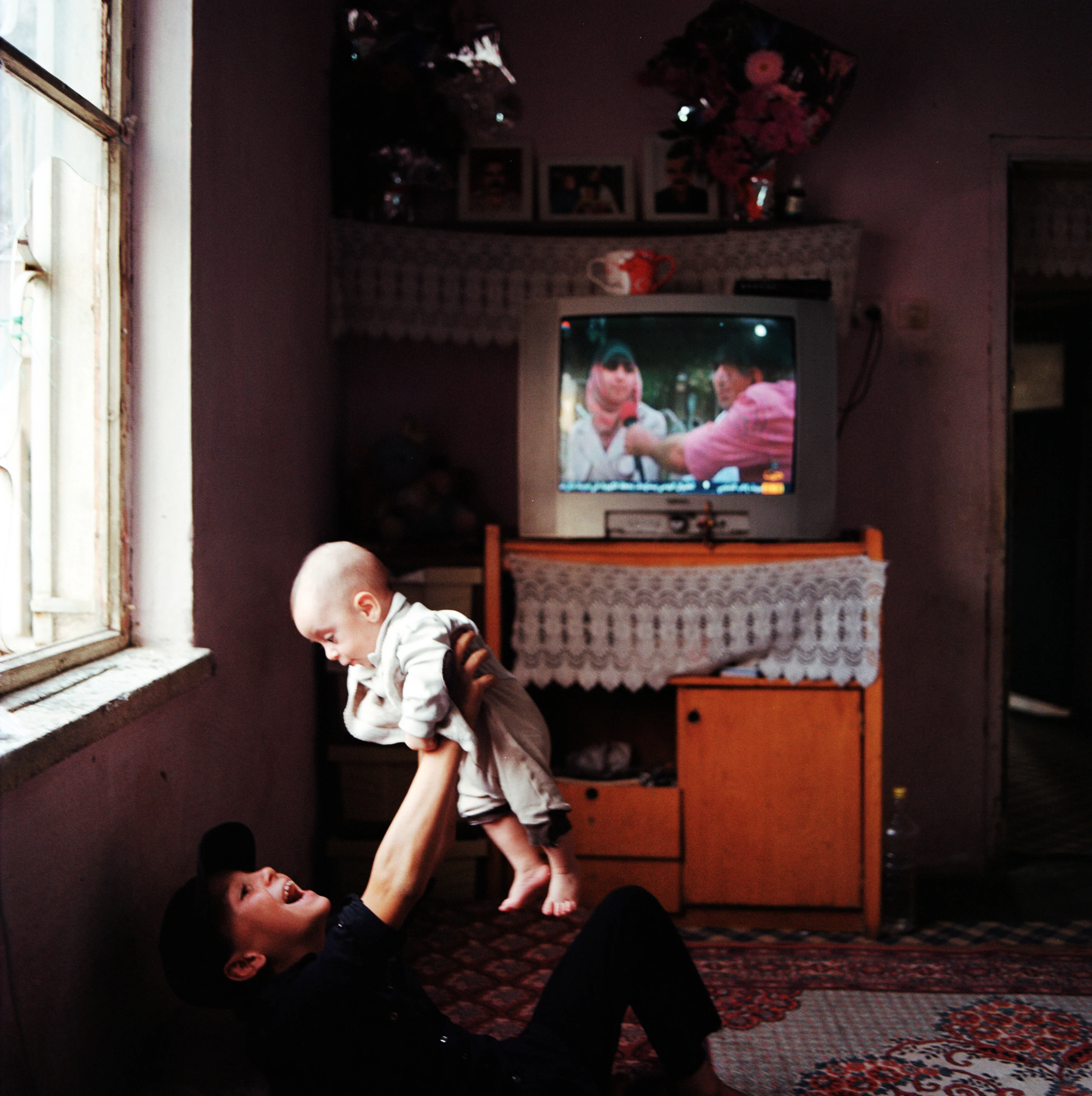
It is no coincidence that there are so few portraits of male subjects. One of the rare exceptions is of Muhammed, who was 10 when his photo was taken and is photographed holding his niece, a tender image that captures just how young Sebzeci’s subjects are, and how their precarious situation forces them to grow up so quickly.
“As a woman it was always more interesting for me to photograph women,” Sebzeci says. She explained that Muhammed was already working in textile workshops, “so he feels much older than 10. He’s really showing vulnerability here, and I’m glad I was able to photograph him like this.”
Another key reason Sebzeci sought to turn this into a long-term project and not just a news story is that when she met these girls in 2017 they were all still underage, with little insight about their situation or the impact a published photo series could have. “I could not just photograph them at 15 and stop there,” she says. “I wanted to go back and see how they age and if they’re still okay with these images—to follow them for a longer period to see how their lives change.”
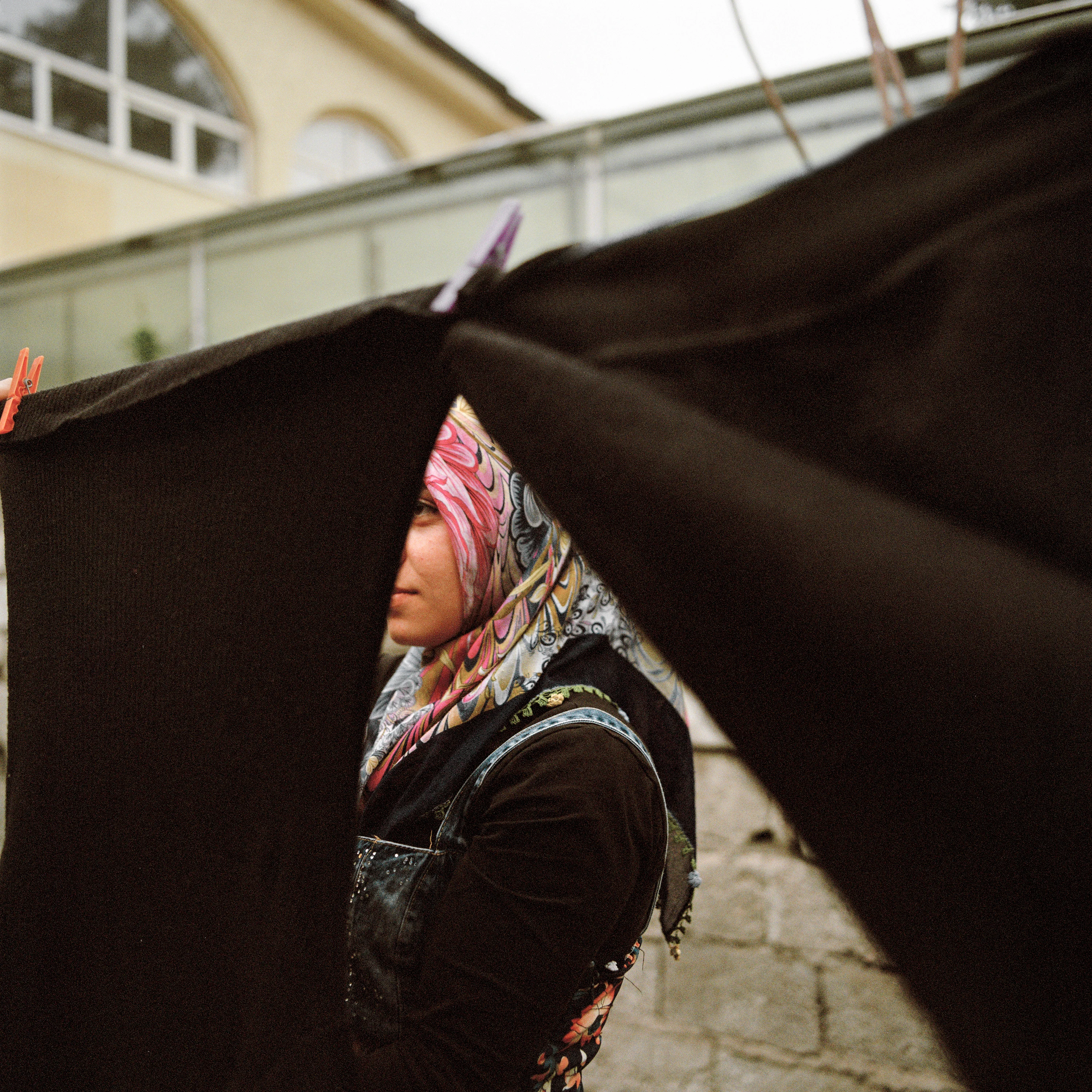
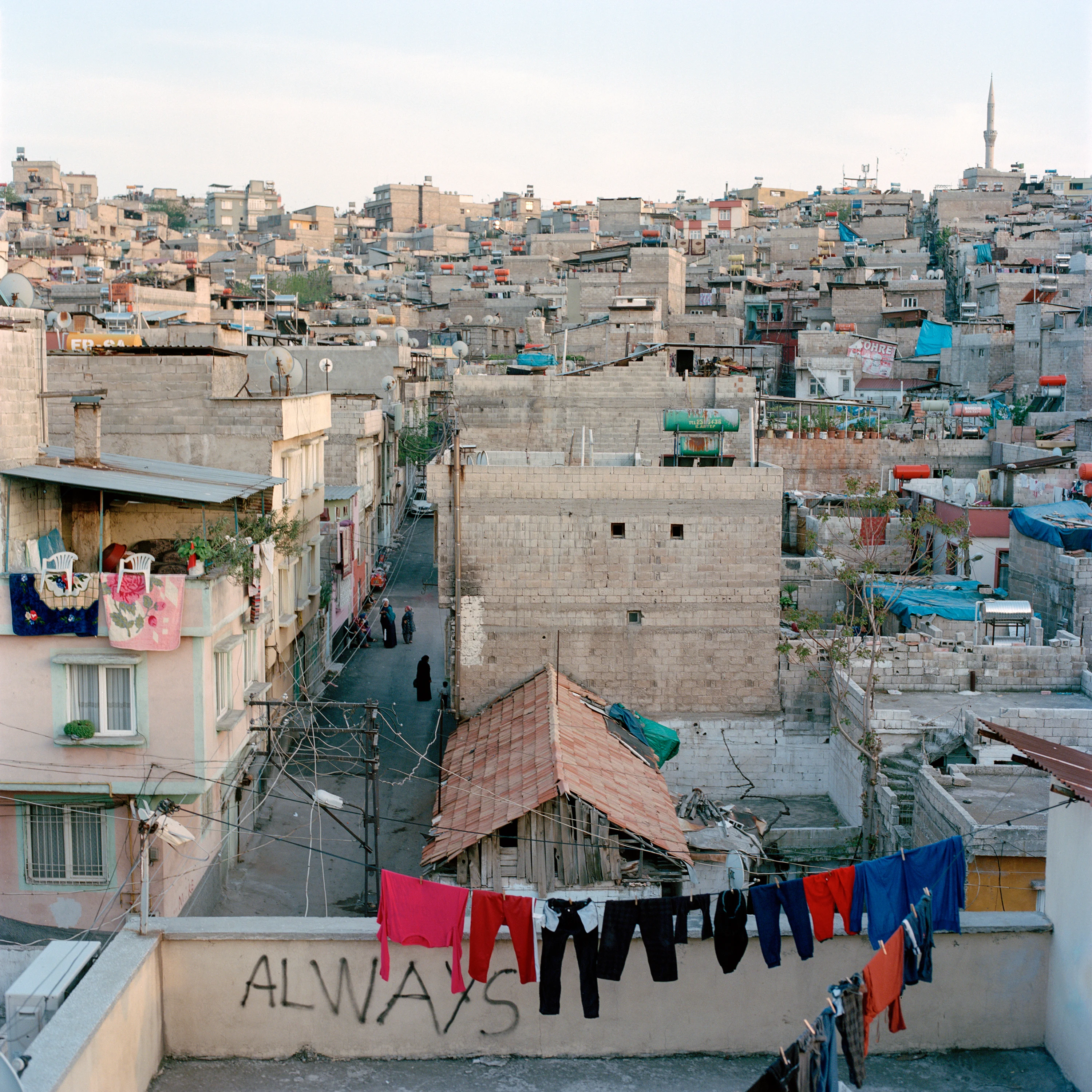
This patient practice bore fruit, as it meant the project matured alongside the young girls. In June this year, five years after getting married and having her first child at 15 years old, the younger Fatma shared with Sebzeci: “It was too early for me to get married, and I became a mother when I was still a child myself. I learned my lesson the hard way, so I will never marry my daughter at a young age.”
Sebzeci is not sure when the project will end. She said she hopes that one day—if or when the girls return to Syria—she could follow them there and photograph them in their hometown in a full circle moment, but few have chosen to return to Syria despite the fall of the Bashar al-Assad regime in December 2024.
She hopes this work spreads awareness about how child marriage disproportionately impacts refugee communities, who are largely overlooked by governments. “I hope this gives [Syrian girls] agency,” she says. “Their stories reveal not only what has been lost, but also what they continue to hope for. As one girl told me: ‘I am beautiful, but my destiny is not.’”