In June 1982, Nancy Floyd began taking a daily snapshot, curious to find out what it would be like to watch herself grow older. 40 years on, her casual diaristic habit evolved into “Weathering Time,” an archive of over 3000 images that chart her journey from youth to old age, tracing the major events and relationships of her life. She tells Gem Fletcher what she discovered about the key cultural and technological changes witnessed by her generation.
“Weathering Time” was recently selected as the series winner of Open Walls Arles, an award held by WePresent in partnership with the British Journal of Photography.
“From a young age, my father always told me to keep a diary as it’d be really important for me to read when I got older,” Nancy Floyd tells me when I ask her about the genesis of “Weathering Time.” While a written diary never worked for her, in June 1982, aged twenty-five, she began capturing herself each morning using a camera set up on a tripod in the corner of her room. “My alarm would go off at nine, and I’d jump out of bed and grab the camera straight away,” she says about the project which was originally called “Nancy at Nine”. “If I woke up early, I’d keep watching the clock until the minute it hit nine and then take a shot. You can sometimes see me holding a telephone because someone would call while I was in the middle of making a photograph.”
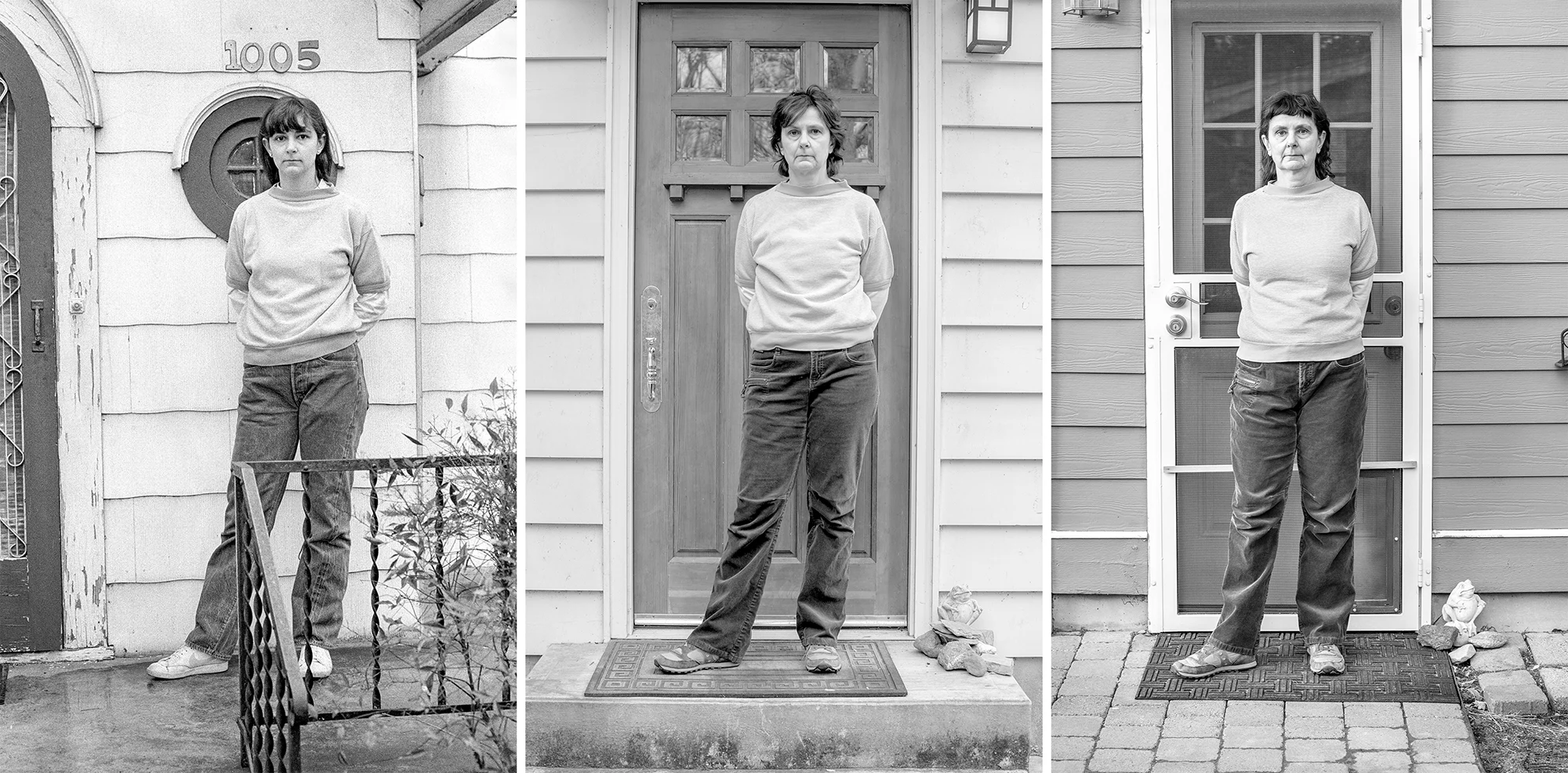
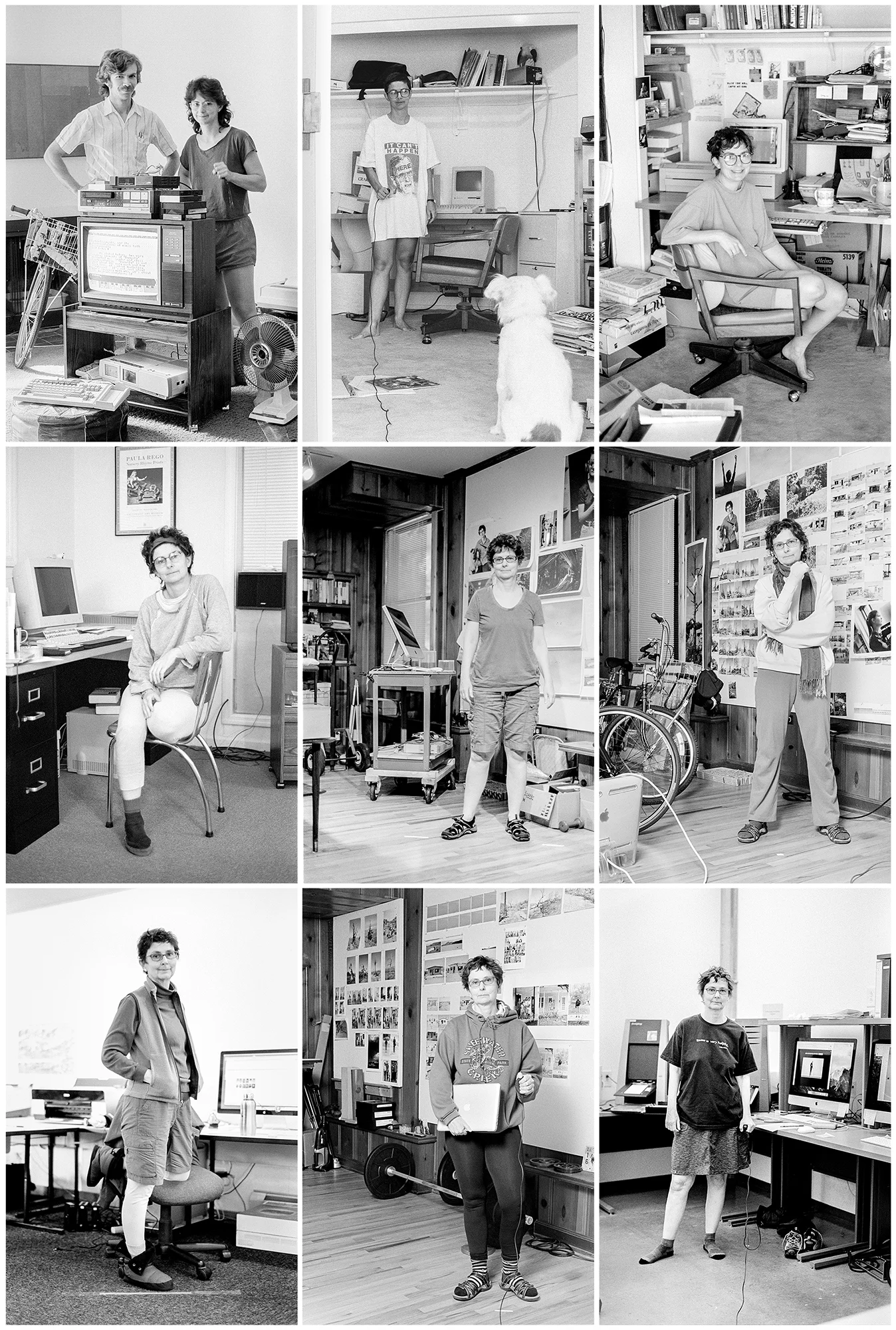
Floyd’s aim, at the start, was to observe herself aging, and her process was simple; capture herself in a full-length shot with a straight expression. The neutral face was critical, not just so she could observe her face change over the years, but also politically. “I refused to look coy or cute or all those things that people would say would make the images more interesting,” she recalls. “It made the work unpopular for a very long time because people would say, ‘You're just standing there?’” Floyd hated the misogyny rooted in female representation, so in a deliberate riposte, she refused to pose, wore overalls and avoided make-up. This forthright demeanour—an uncalculated anti-pose absent of vanity, the cliches and expectations of conventional femininity—is what gives the work its subversive quality.
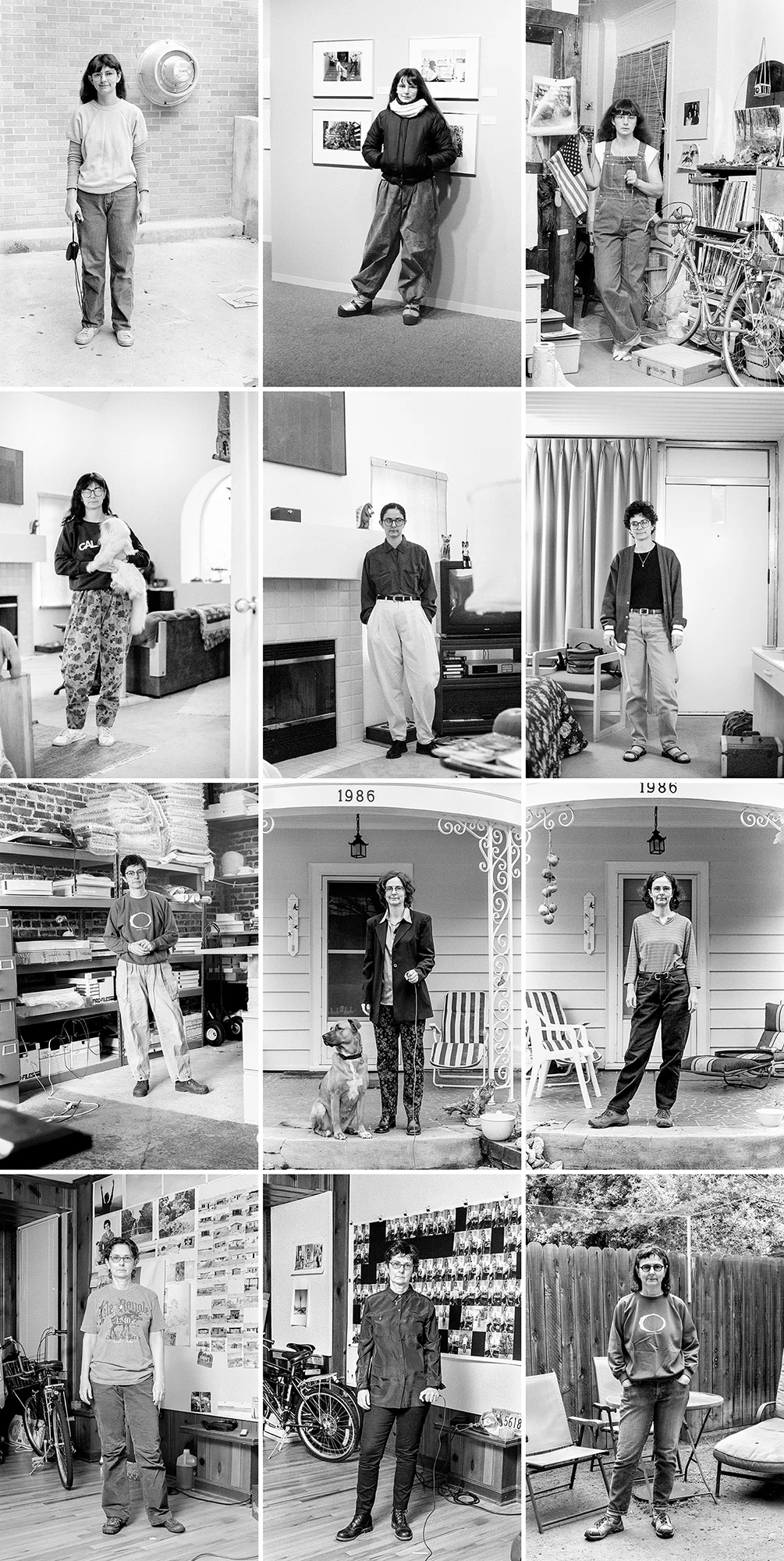
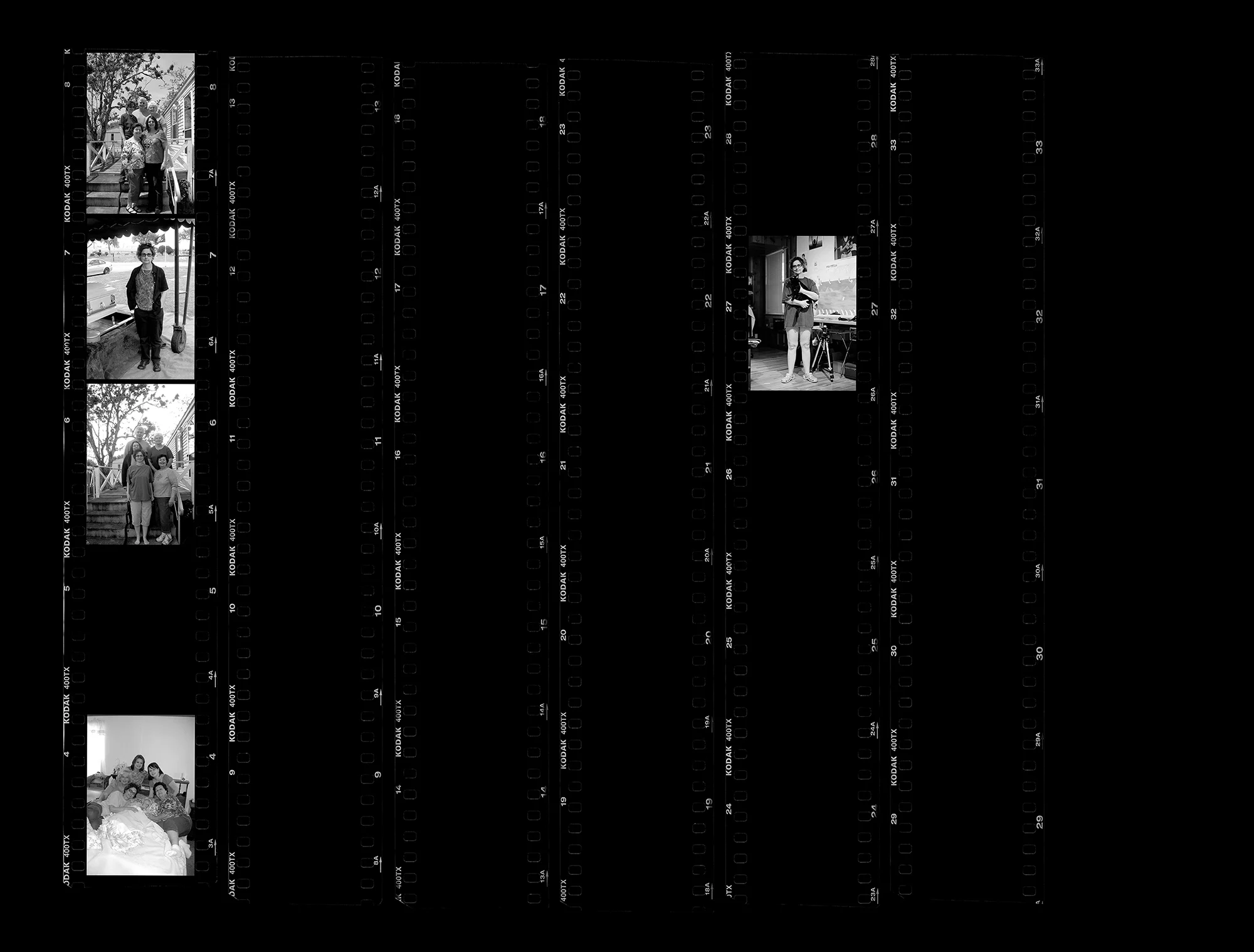
Commitment is key to duration work, and Floyd’s mission was to maintain the practice for twenty years. On days when she skipped taking a photo, she advanced the film in her camera, leaving a blank when she processed the roll. As the project evolved, there were many days, some months, and even three years when she didn't take pictures. The missed days were mostly because she forgot or felt burnt out. In 1991, 1992, and 1995, there were no self-portraits because she lost interest in the project. Thankfully, in January 1996, Floyd realised the personal importance of her archive and started up again.
Initially, the landscape of the work was the bedroom in her houseshare; a small space littered with everything she owned. “I’m a slob,” she says, laughing. “It’s just my nature, but it became a happy accident layering the image with timestamped ephemera.” This sense of objecthood—the accumulation of objects which reflected the architecture of her life—became as important as her changing body, reflecting the social, cultural and technological experiences of her generation from the advent of mobile phones to the home-made masks she made during the pandemic.
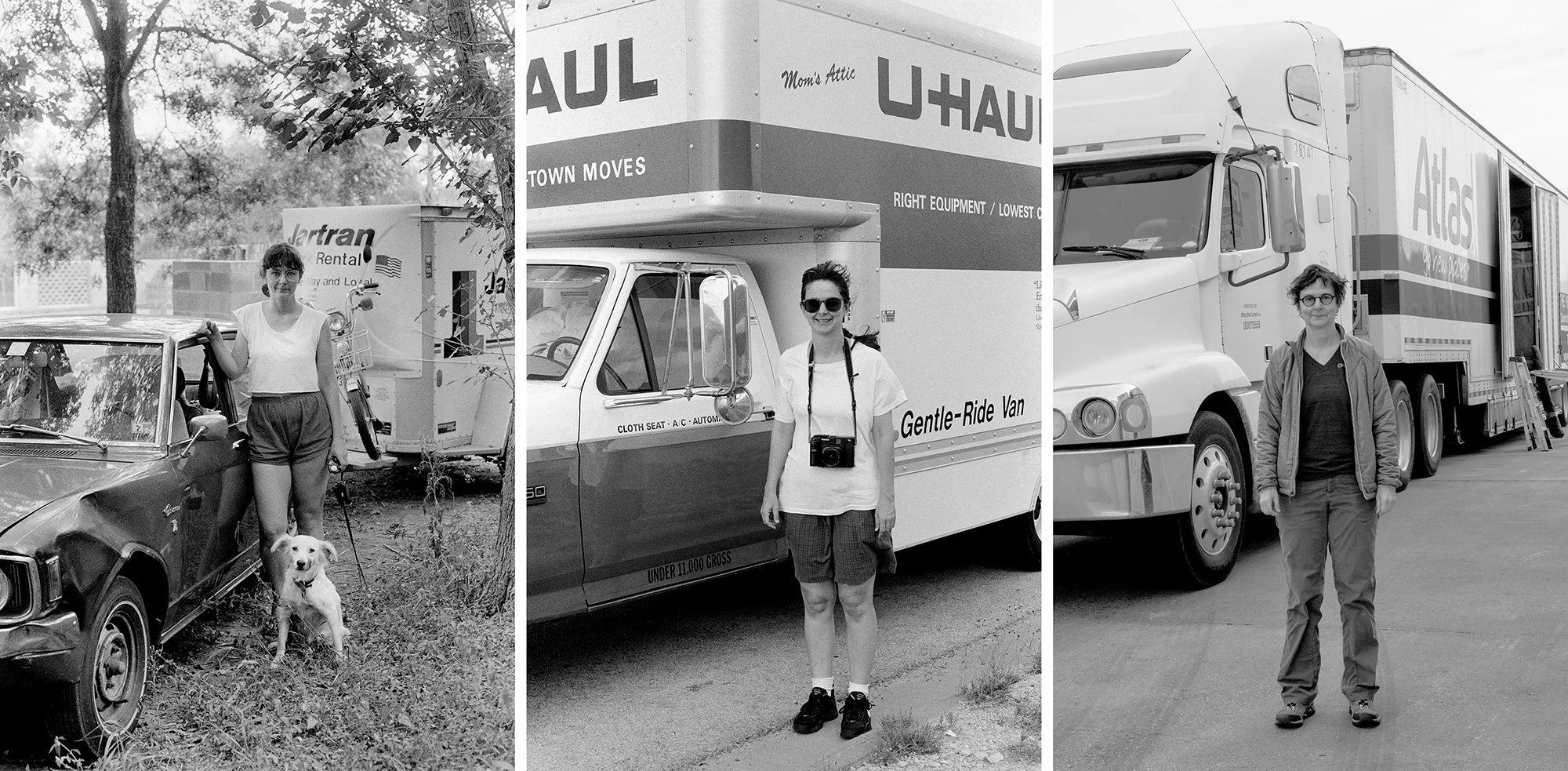
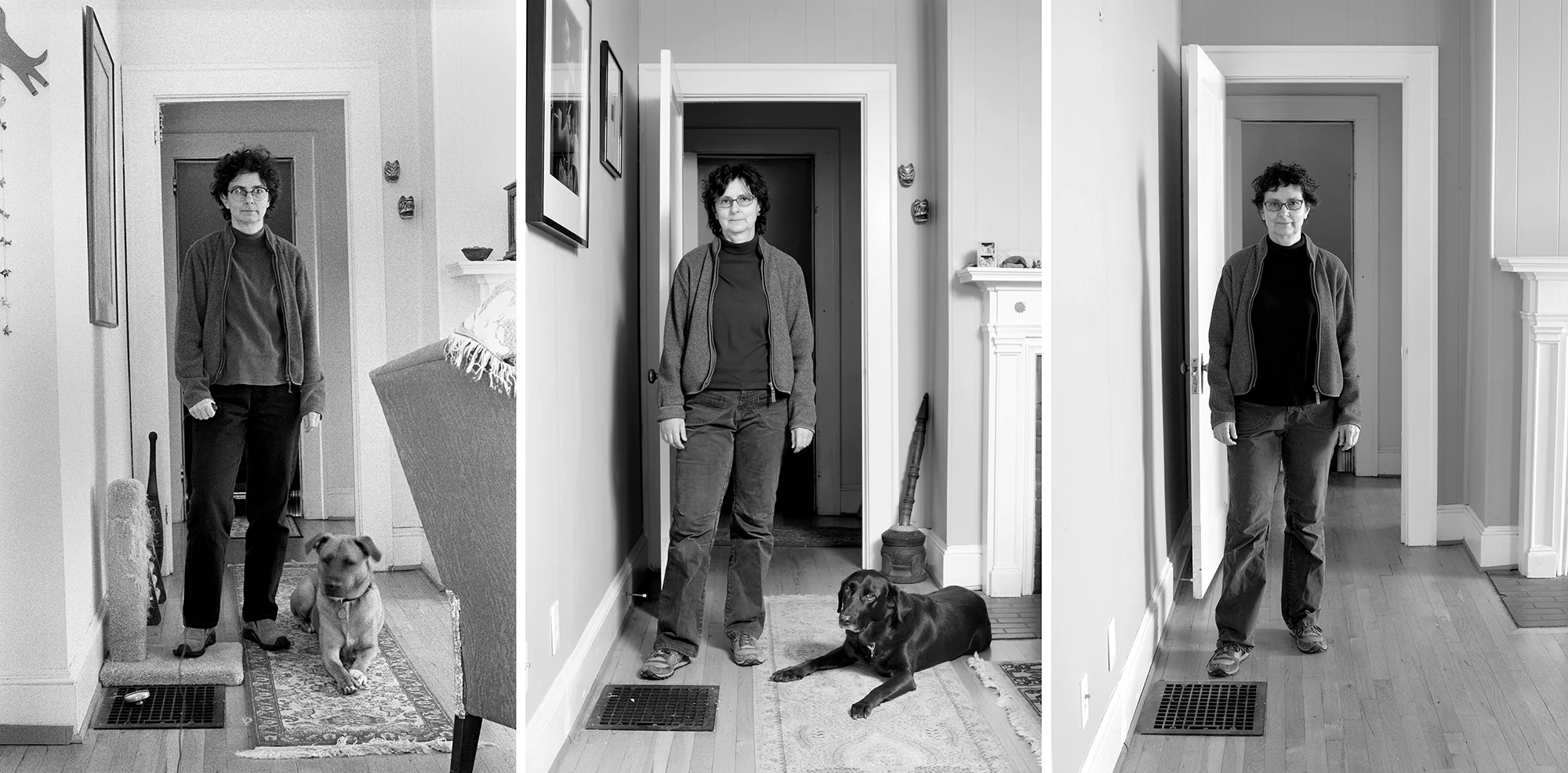
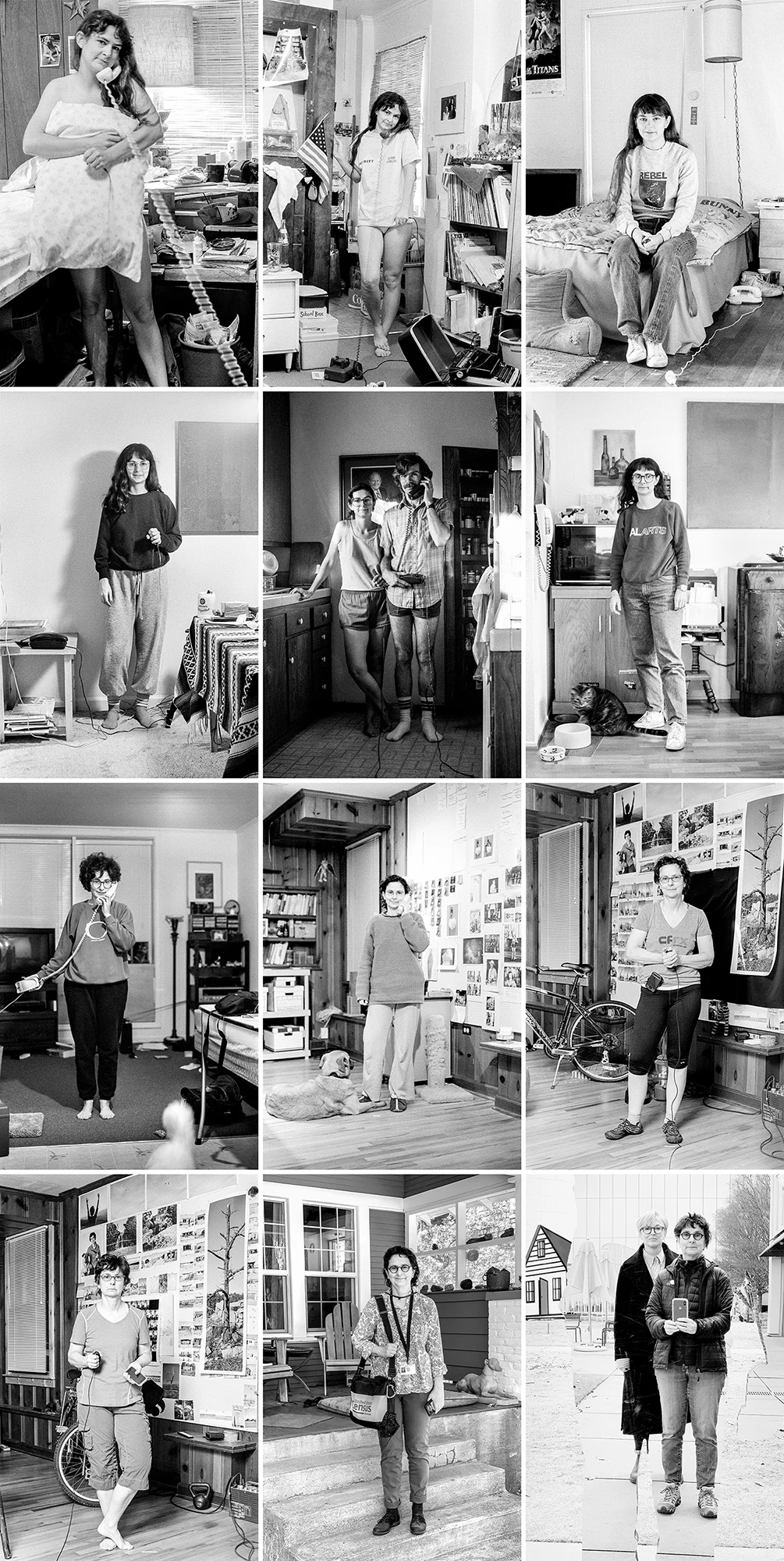
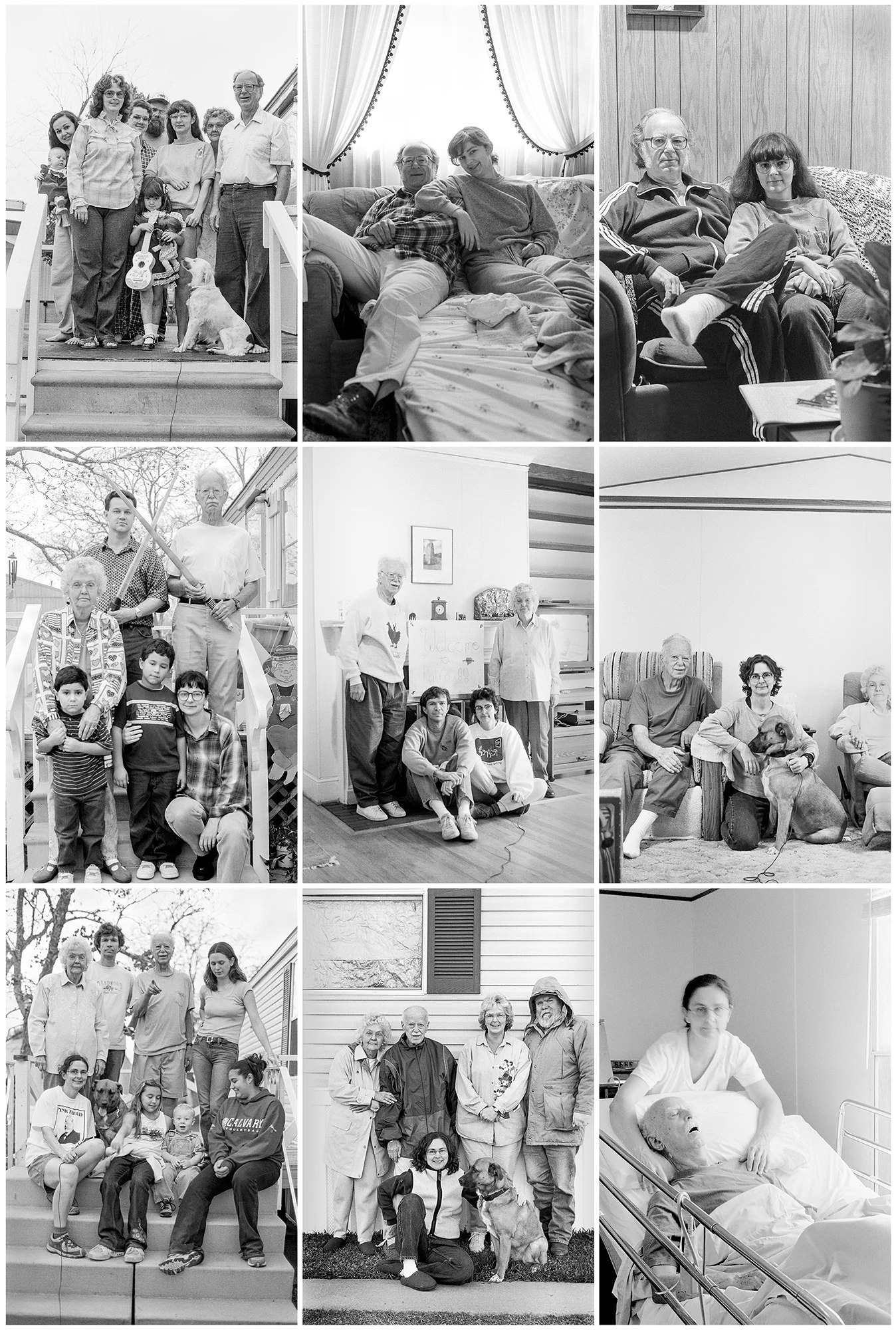
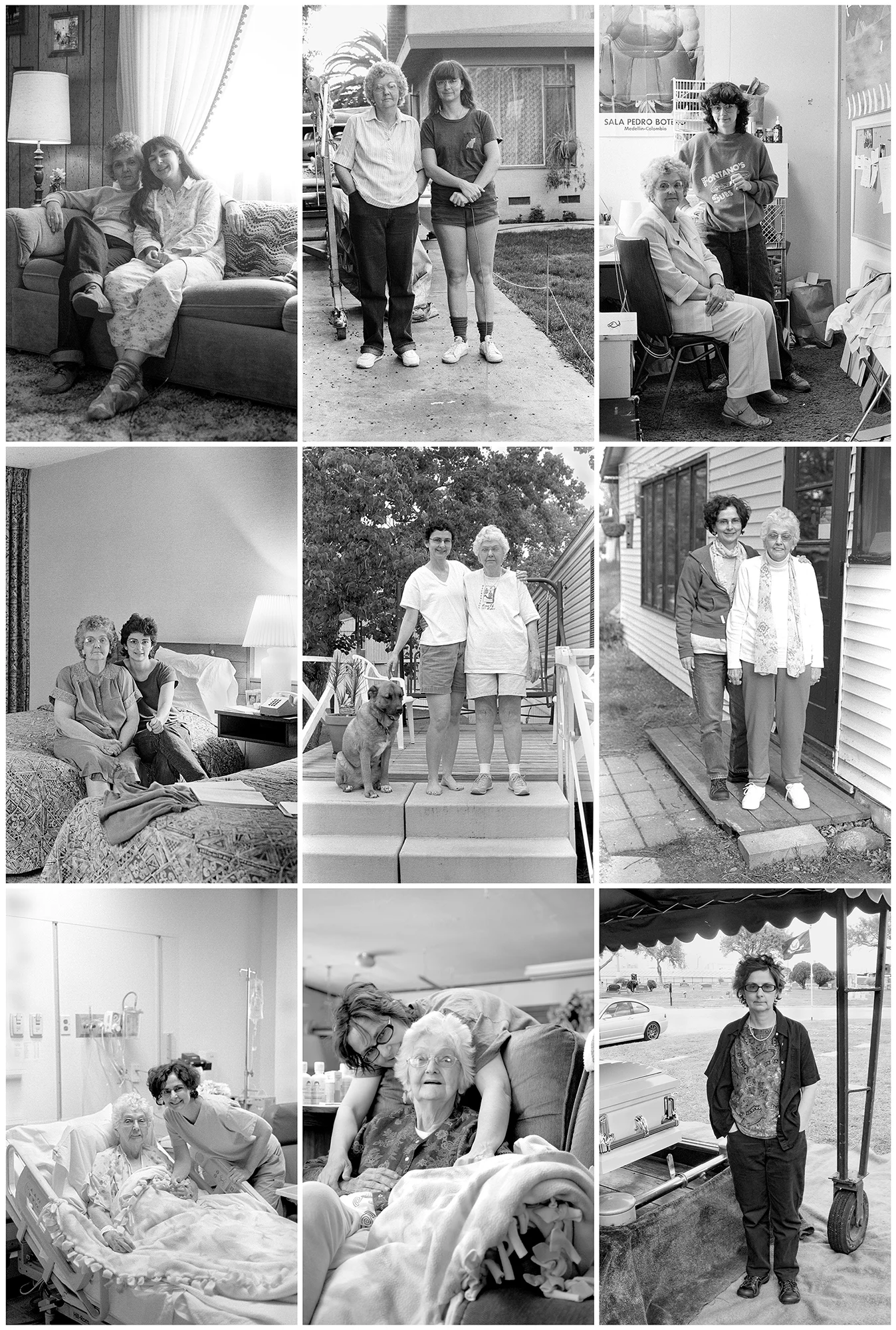
Over the years, she moved the tripod around, first room to room, then house to house, outdoors and around the world, while still always clutching her shutter release cable. She began including friends, family, her partner and pets into the pictures, enabling the work to speak to more than the aging process, but instead describe the major events and relationships of her life.
“Sharing the work with my family became really important to me,” she says. “At first it was just about showing them the work and seeing their expressions, but over time it became this profound collaborative experience. I love looking at the photographs and remembering when I was in a great place and not so great. I can remember when my dad was dying, and I was caring for him during the last week of his life. I felt so sad and numb, but those experiences were also beautiful. He was there when I was born, and I was there when he died. There was something poetic about this, and I’m able to access all of these feelings because of my photographs.”
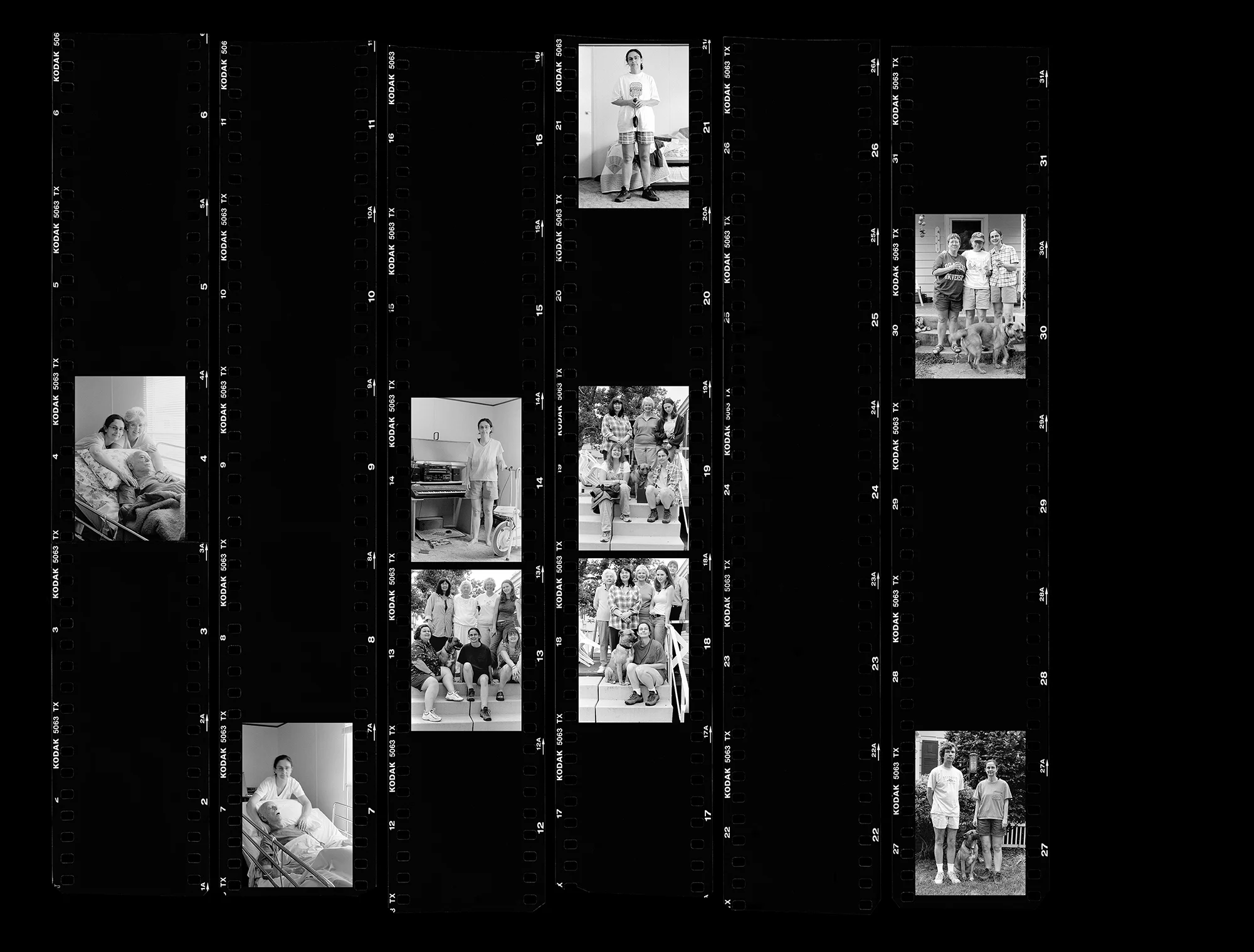
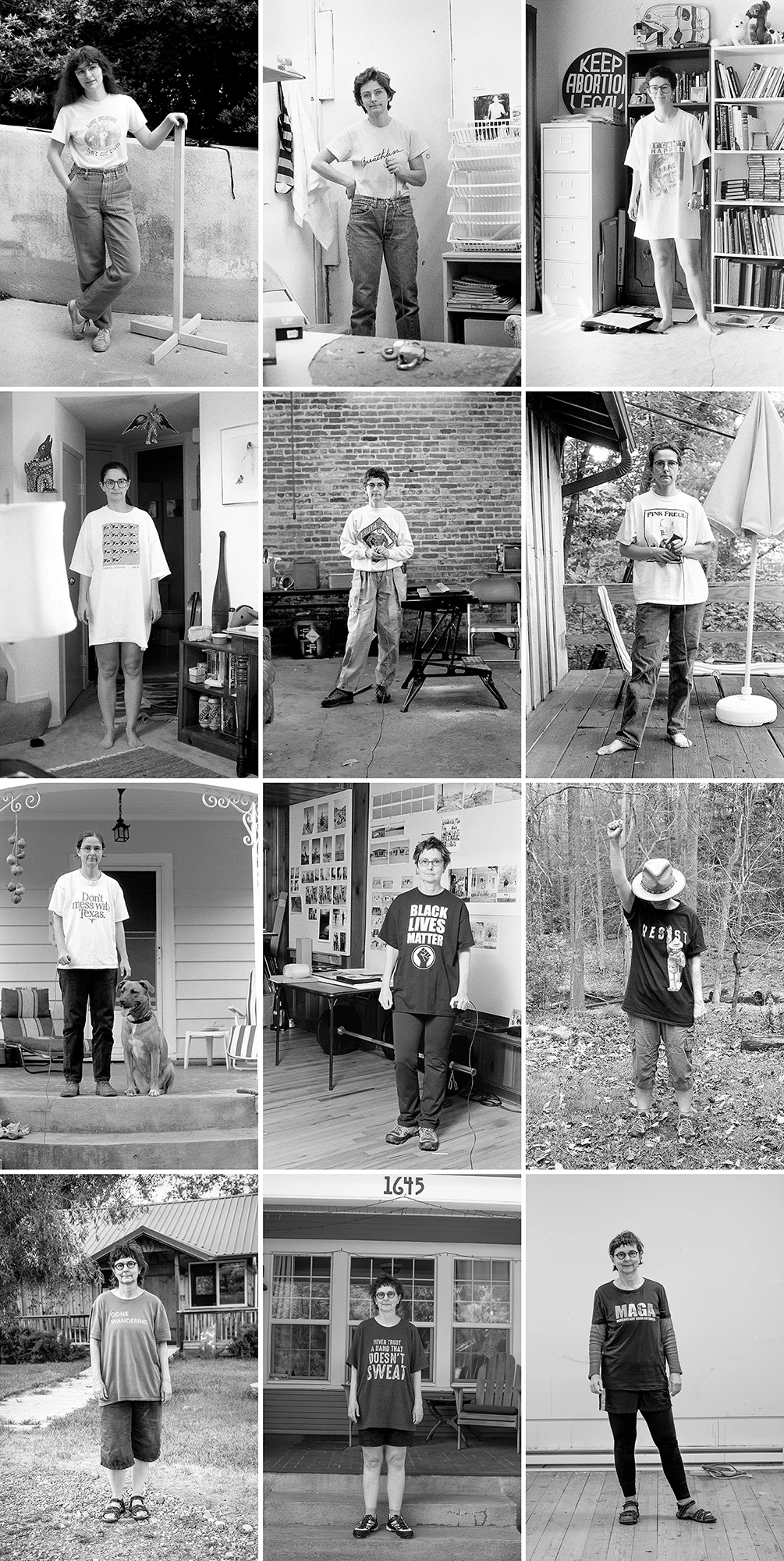
“Weathering Time,” now a 40-year census, tells a much bigger story than Floyd’s physical transformation through time. Her uniquely personable approach transcends vernacular photography into a form of snapshot conceptualism made more potent by the astute and sometimes satirical categories she presents the work in. From “Mom and Dad” to “Good Hair,” “Pets Misbehaving” and “Shirts with Words” (the latter documenting her political commitments), Floyd lays out the macro and micro shifts in the American experience, rewarding the viewer who looks closest.
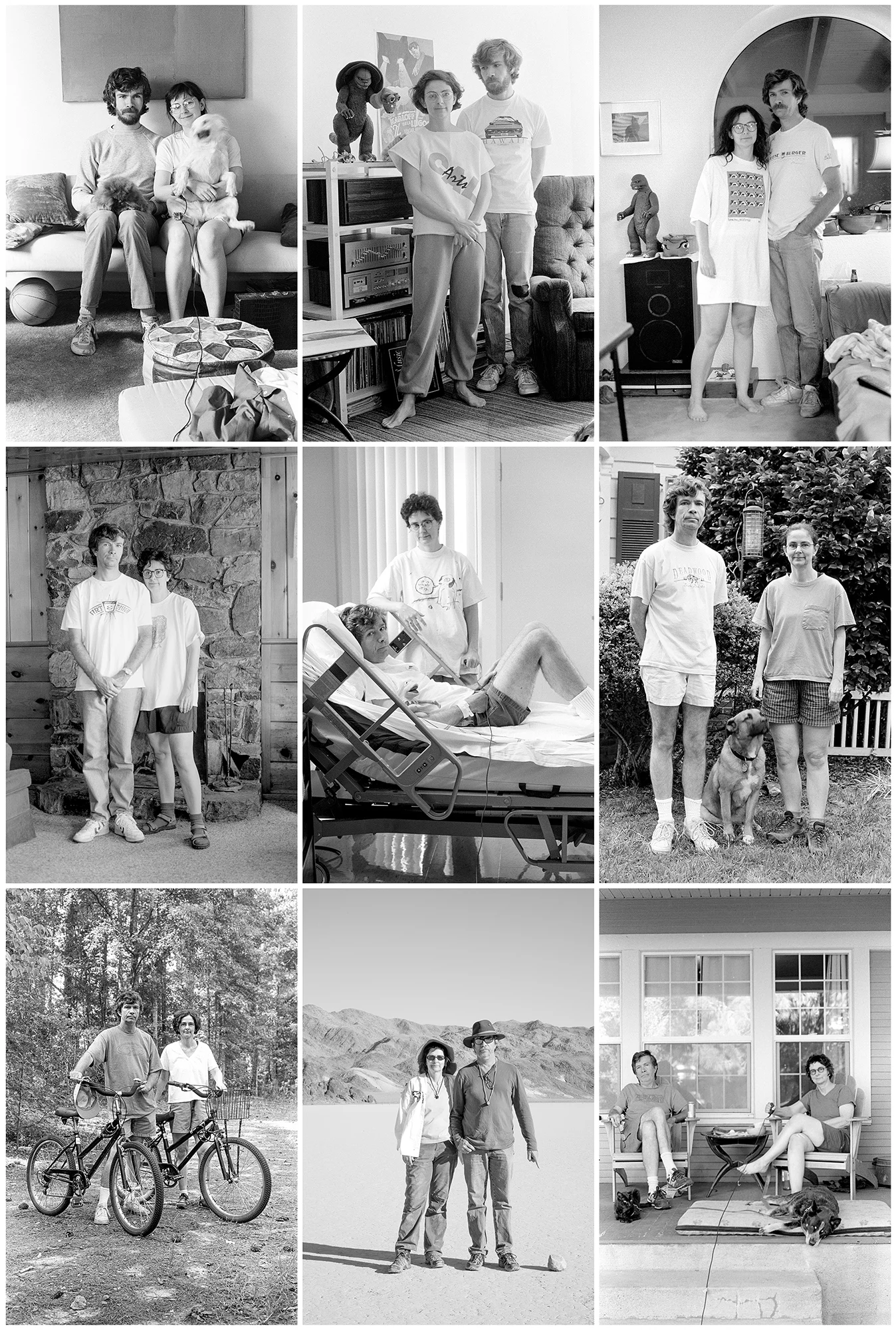
In 2012, she began to consciously re-create setups from old photos in the series, to illustrate the passage of time with more dramatic jumps. Sometimes these re-enactments were done solo, or with family members and sometimes the story was told through pertinent props like the robe that once belonged to her brother, who was killed in Vietnam. “I’m really okay with my body,” says Floyd when I ask her about what she discovered in making this work. “Photography is so full of lies; it’s interesting to see pictures of people when they’re off guard.”