
The Strait of Hormuz has frequently become a site of political tension over recent decades and beyond, and this year has become so again after the United States and Israel launched attacks on Iran. Since 2017, photographer Morteza Niknahad, born and raised on the Strait, has been documenting everyday life for the communities in the region, painting a picture so beautiful and vivid that one might easily forget this geopolitical context. He tells Alexander Durie why, at a time of such tension and hardship, we must place the focus on the ordinary people who call the place home.
Morteza Niknahad’s photos feel like the sea. The winds almost waver in his images. The motorbikes gliding along the coast can almost be heard. So can the children playing with sea animals, or horses whinnying on the beach. But it is not any sea Niknahad diligently captures—it is the Persian Gulf, located in West Asia between southern Iran and Gulf countries.
Each time I return to the sea, I encounter something familiar, yet nothing is ever repeated exactly the same way.
It is a sea which, particularly in the last six months, has become highly politicised due to the war in Iran, which was started by joint attacks by the United States and Israel on the country in late February this year. Iran retaliated with strikes on neighbouring countries with US military bases, but what’s really had massive political and economic consequences in this war is the blockading of the Strait of Hormuz. The narrow chokepoint connects the Persian Gulf to the open ocean, and through it passes 20% of global oil and gas flows.
As a result, this region around southern Iran, which is largely closed to international media and where Iranians face intense repression, has been mostly associated with war, oil and energy crises. But in Niknahad’s images taken across Iran’s southern coastline and on the islands near the Strait of Hormuz, one almost forgets this geopolitical context. What we grasp is a deeply human and moving contemplation of everyday life by the sea. “I believe that during periods of tension, we need to pay closer attention to human beings”, Niknahad tells me. “I do not want the people in my photographs to be reduced to ‘victims of a crisis.’ They are, first and foremost, individuals with their own lives, personalities, dreams and memories.”
40-year-old Niknahad grew up in Bandar Abbas, a large port city in southern Iran on the Strait of Hormuz. He’s held photo exhibitions across the world, but always returns to the Persian Gulf, which he calls “my only source of reassurance.” When he carries his camera back home, he is not photographing a place: “I am photographing part of my own identity and memory,” he says. “Each time I return to the sea, I encounter something familiar, yet nothing is ever repeated exactly the same way.”
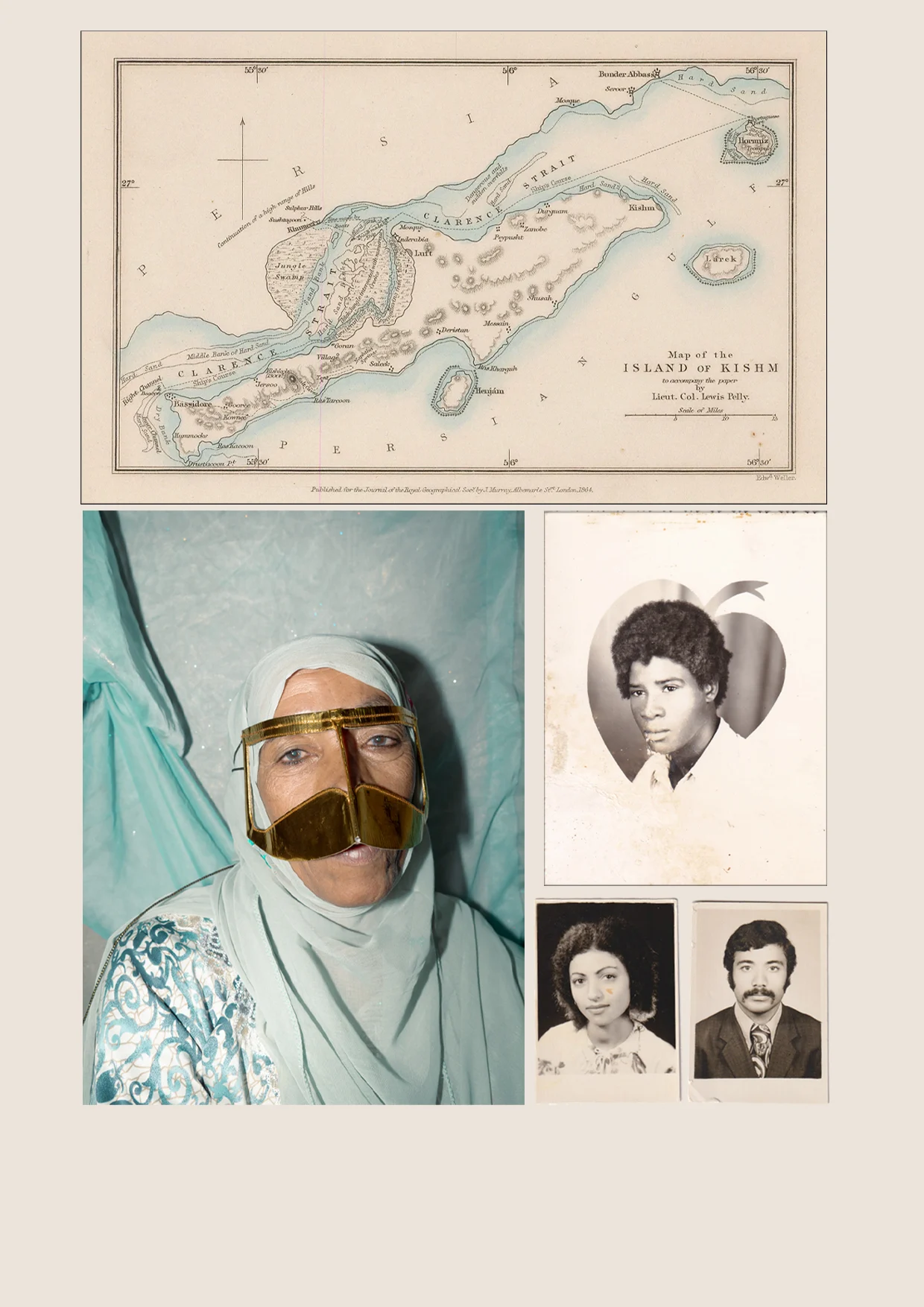
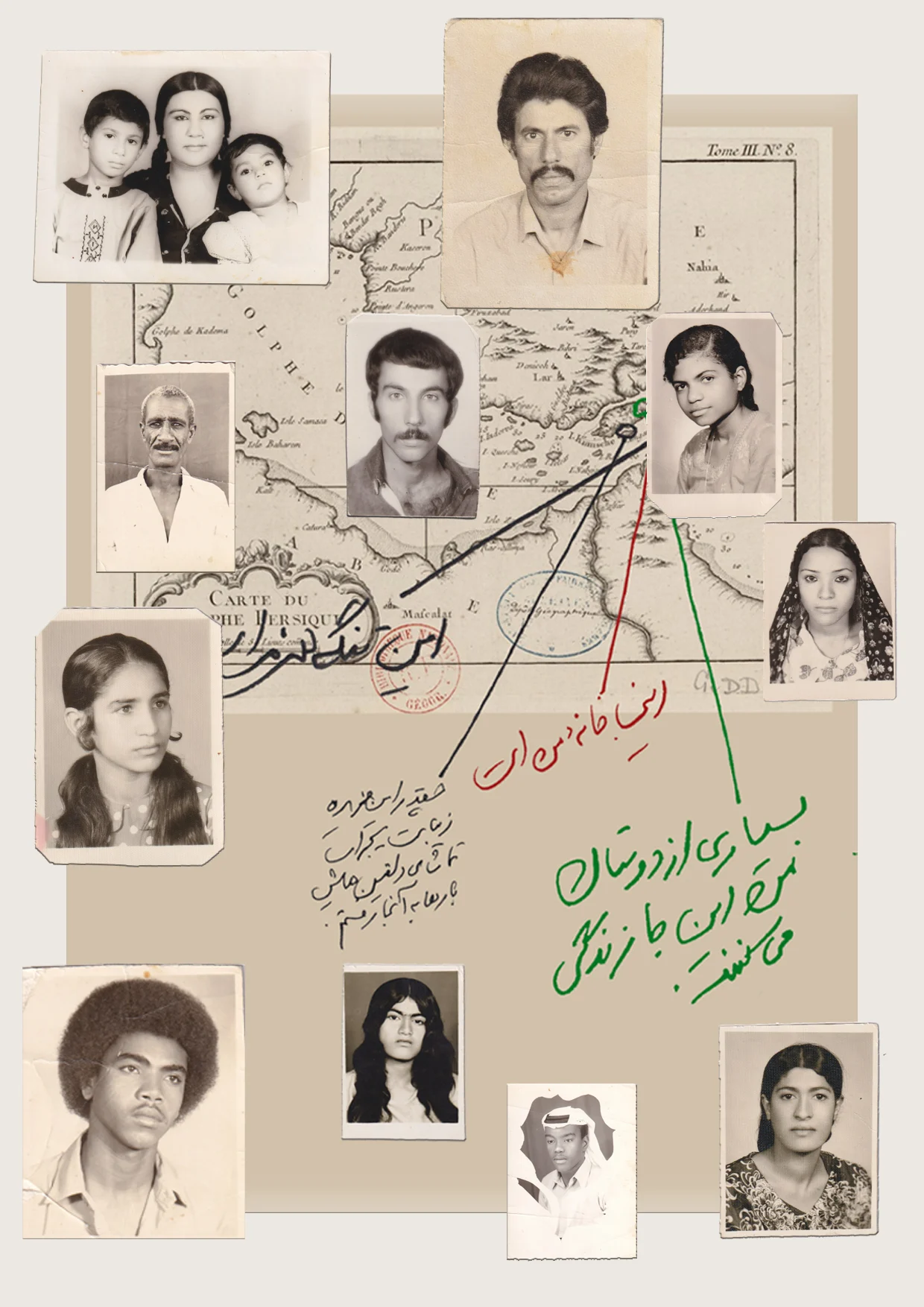
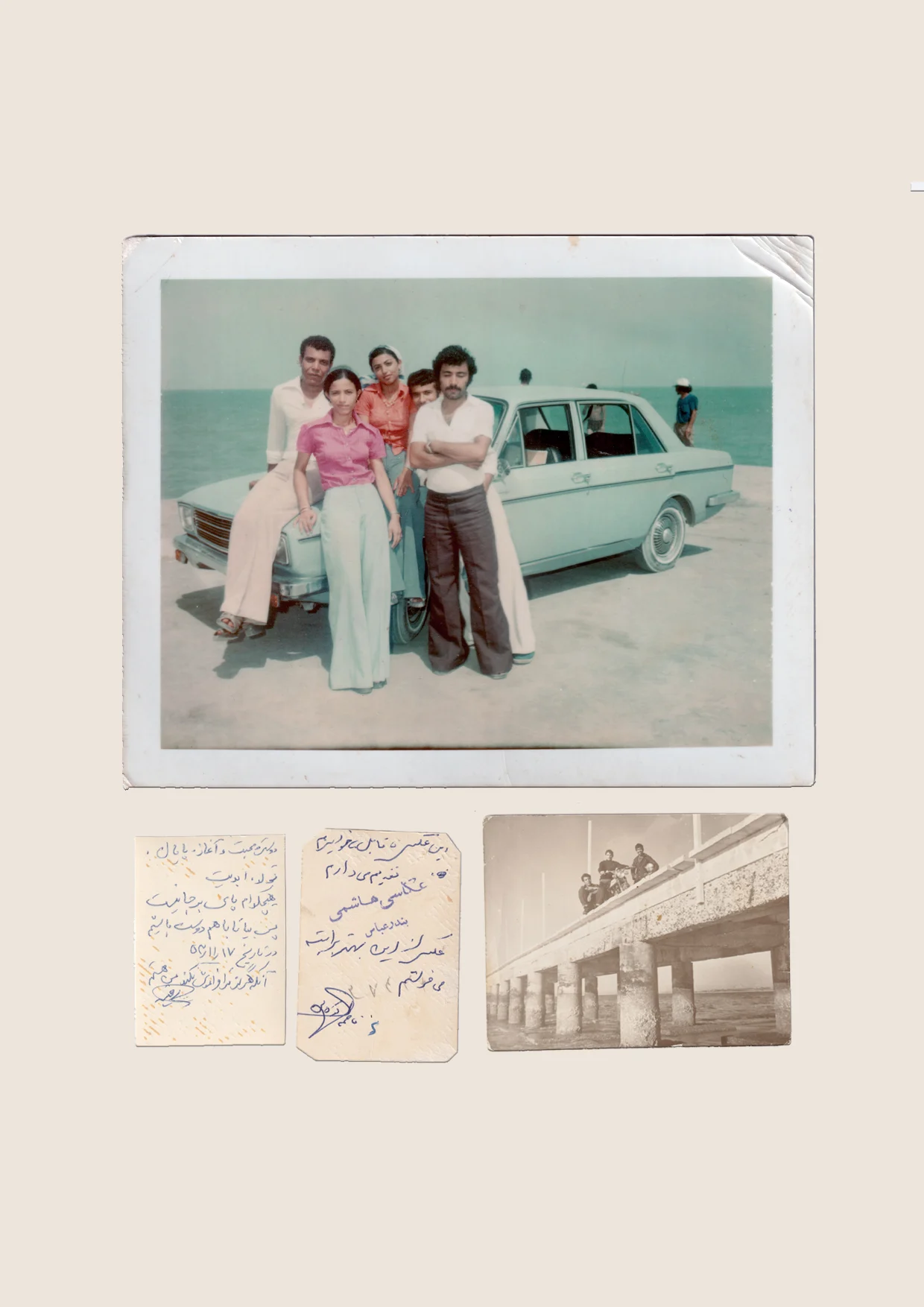
Although he lives in a region which has been at the centre of international news lately, his lens shifts away from the oil refineries or targeted vessels, and focuses instead on the intimate bond between coastal communities and the Persian Gulf. His ongoing visual essay, titled “Southern Winds,” has long been in the works, well before war erupted this year. Since 2017, Niknahad has been combining his own images alongside archive photos he’s collected from families he’s met across the Persian Gulf, as well maps of the region from the online collections of the British Museum and the National Museum of Qatar.
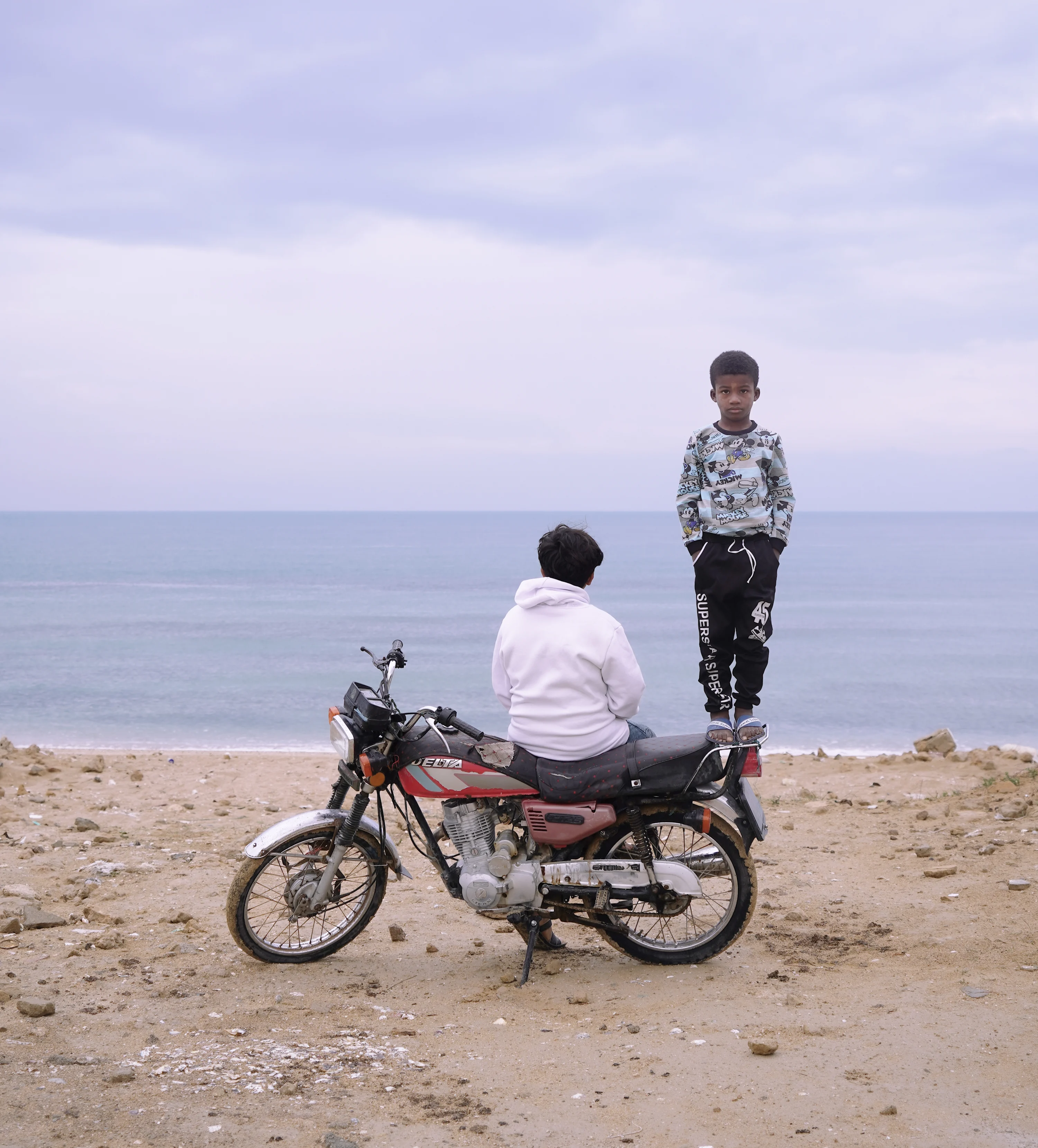
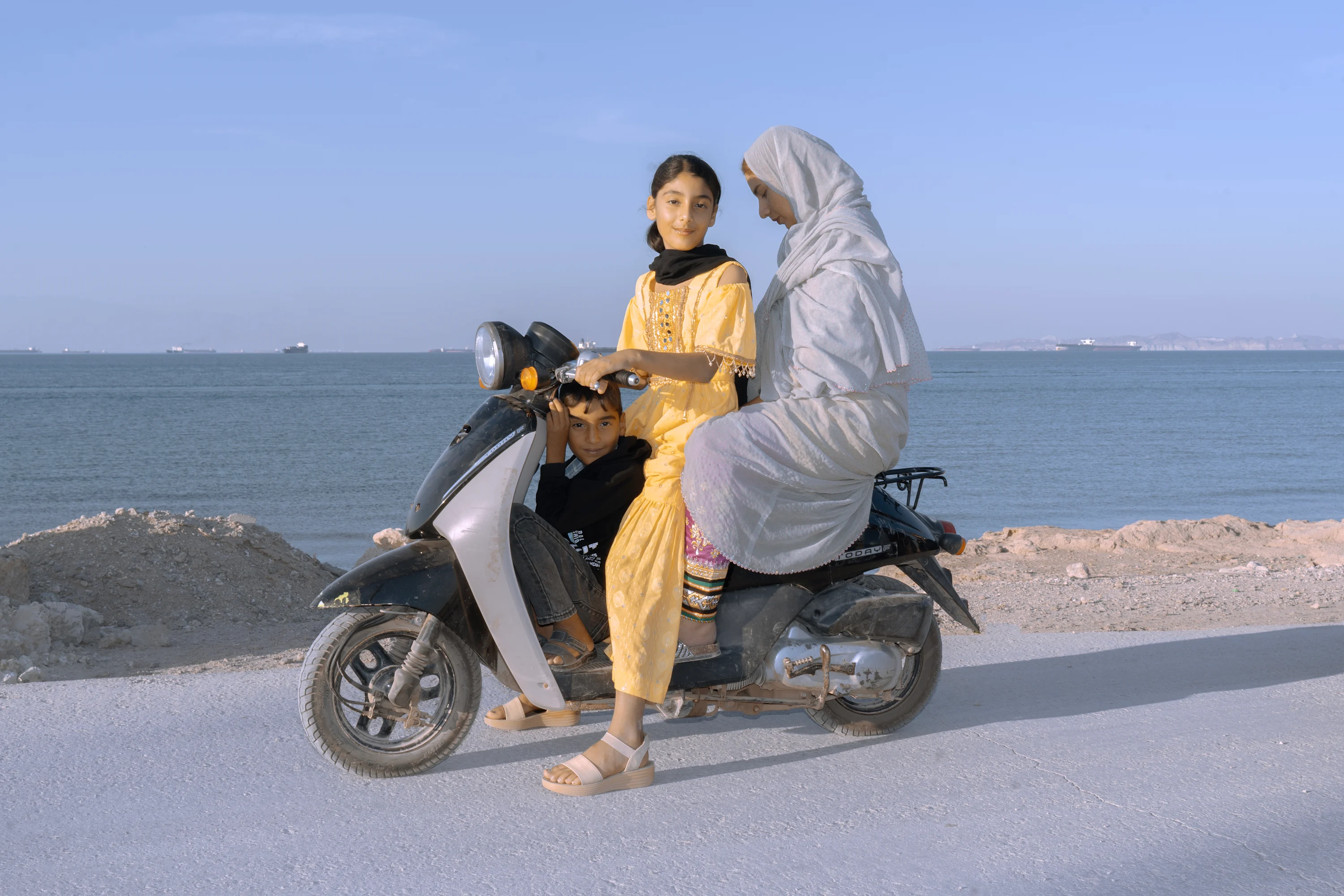
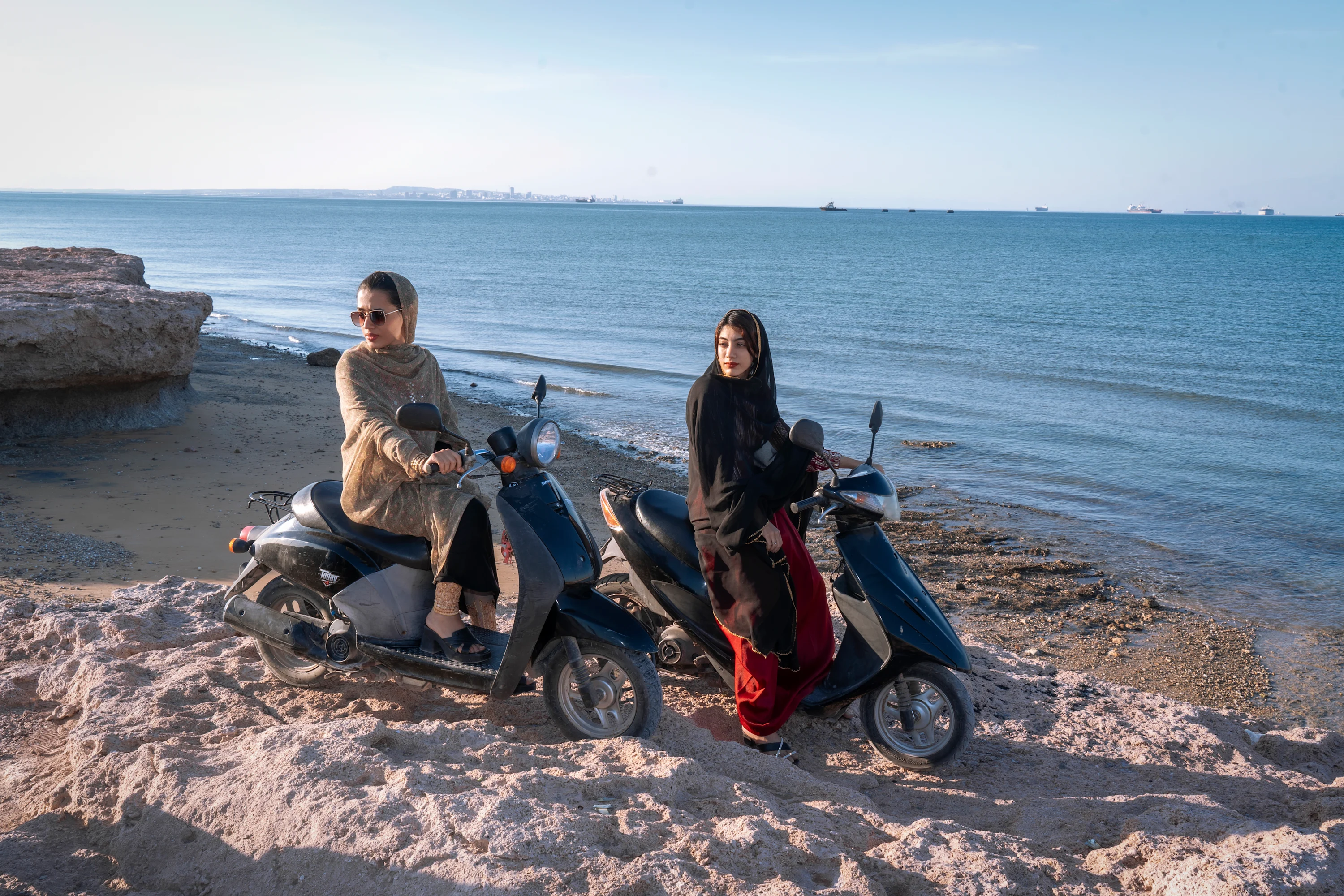
Niknahad decided to develop this project after he did a series on Afro-Iranian communities. He realised that “everything I was thinking about had occurred through the Persian Gulf: this variety and diversity, this suffering and migration, and this intermingling of cultures.”
If Niknahad’s images often look like paintings, that is no coincidence. The Iranian artist says that he is visually inspired by major artistic movements from the 19th and 20th centuries, including Impressionism, Expressionism and Surrealism. “My relationship with photography began with the genre of staged photography,” he explains. “I would always think through my ideas, sketch them on paper and then begin the work.” He tells me that he wants people in his photographs “to be seen like figures in the paintings of Claude Monet or Édouard Manet. In other words, I want very ordinary people from small towns to be seen as beautiful.”
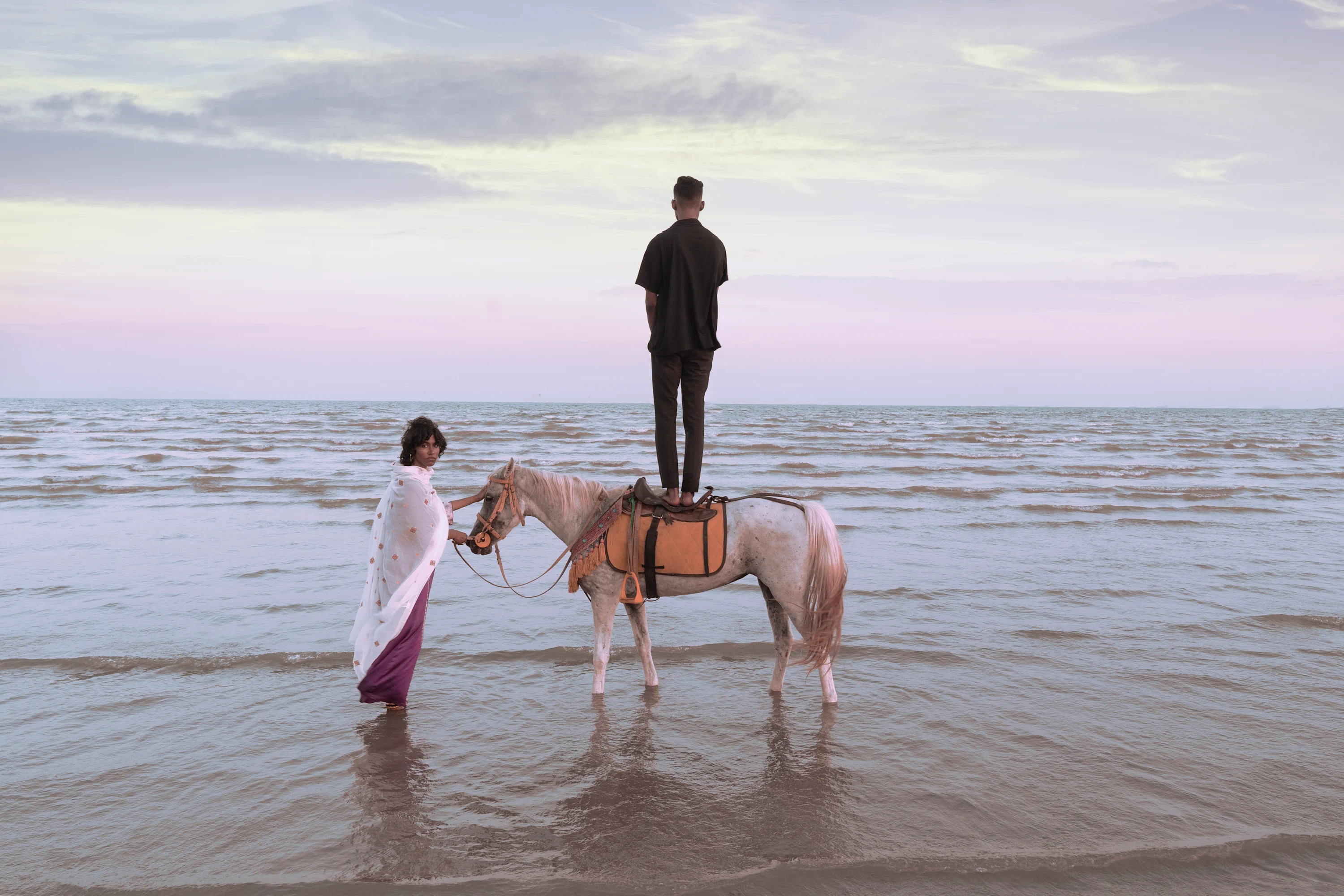
In one shot, a person stands on a horse facing the sea, while a woman is holding the horse’s bridle and gazes into the camera. It often seems Niknahad is showing two sides of people: some facing the sea, others facing their homeland. But the Iranian photographer tells me these images actually pay homage to a local myth called Aali and Fati, about a pair of lovers who, after their families oppose their relationship, flee on horseback to reach the sea, and then cross it to live on Hormuz Island.
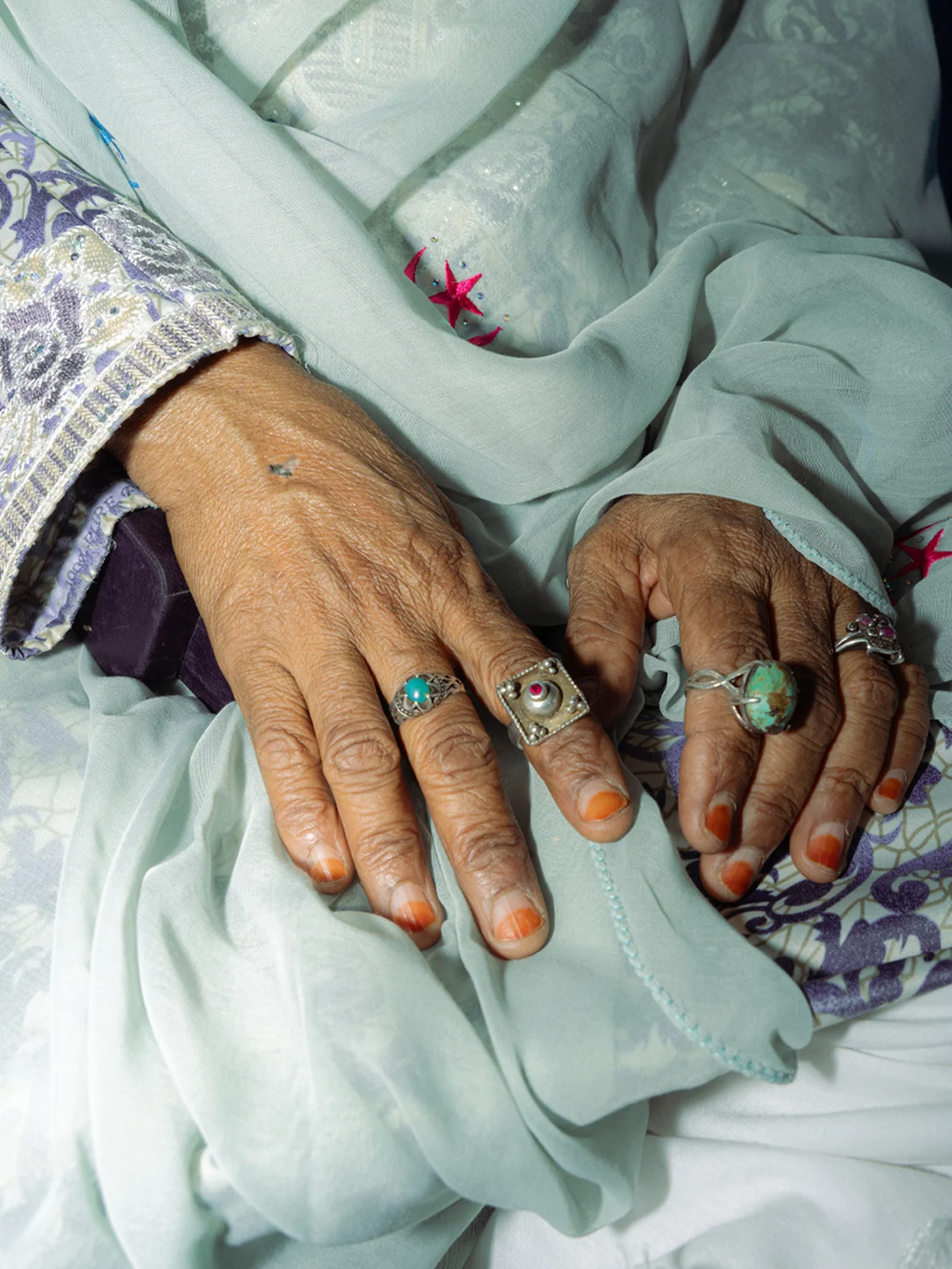
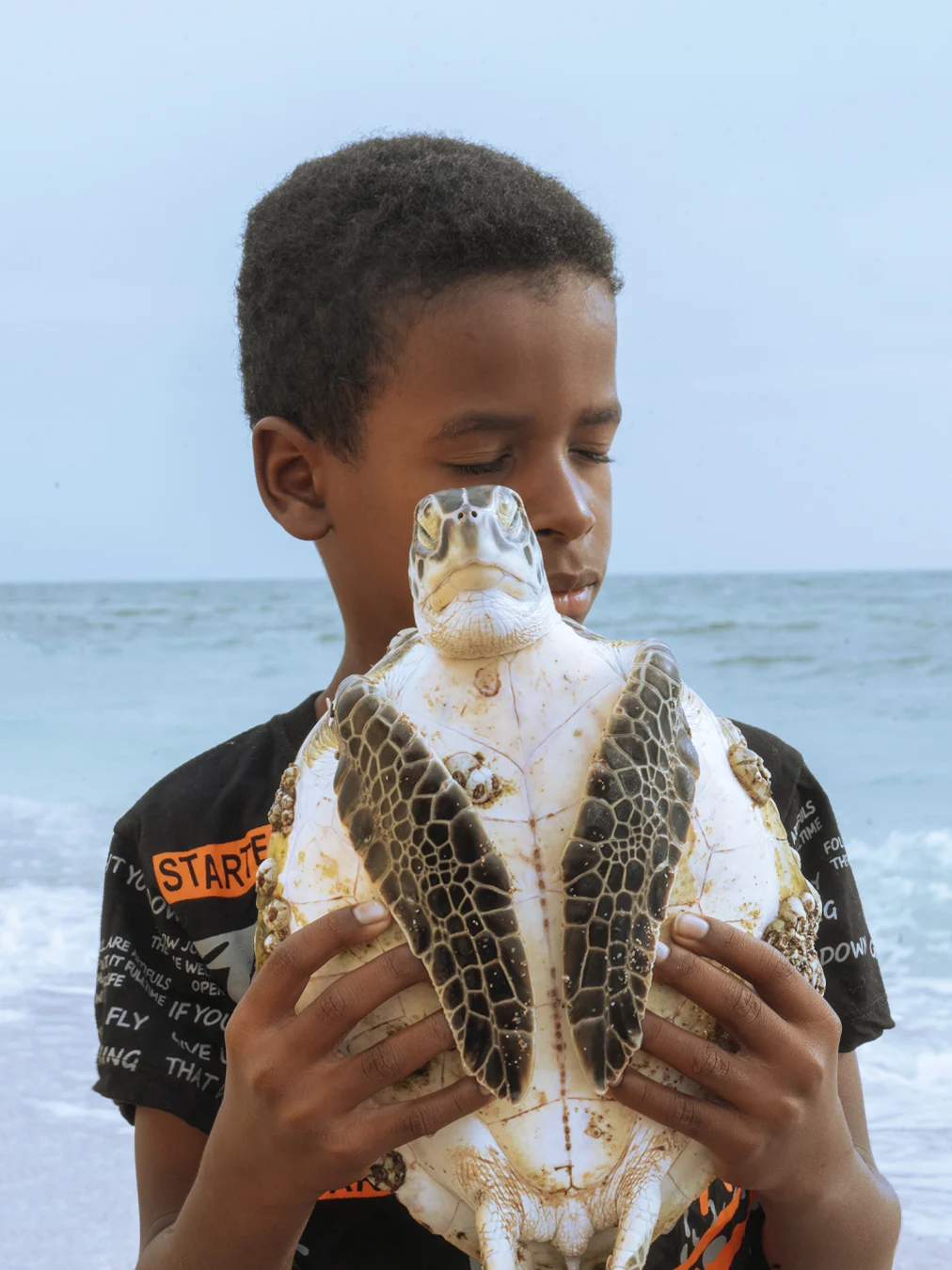
It is the south that exists somewhere between my imagination and the reality on the ground–I love that boundary.
“Southern Winds is a tribute to the south I know,” Niknahad tells me. “It is the south that exists somewhere between my imagination and the reality on the ground–I love that boundary.” For the artist, “all the world’s southern regions resemble one another in some way,” and doing an artistic project on southern Iran means also recognizing the political dimension of uneven power structures that many southern regions exist within. “In many countries, the south has been warmer, farther from the centre of power and, at the same time, closer to the sea and to trade routes,” he says.
Developing this long-term project by the sea has also incited the artist to question the concept of borders, and to view identity as shaped by a shared sea, instead of a shared land. This is part of the reason why he chose to include several archive images of sailors: to “trace the relationship between people and the sea through photographs from different periods,” he says. “When I speak to older sailors in Hormozgan in southern Iran, they often describe a time when borders mattered very little to people living beside the sea.”
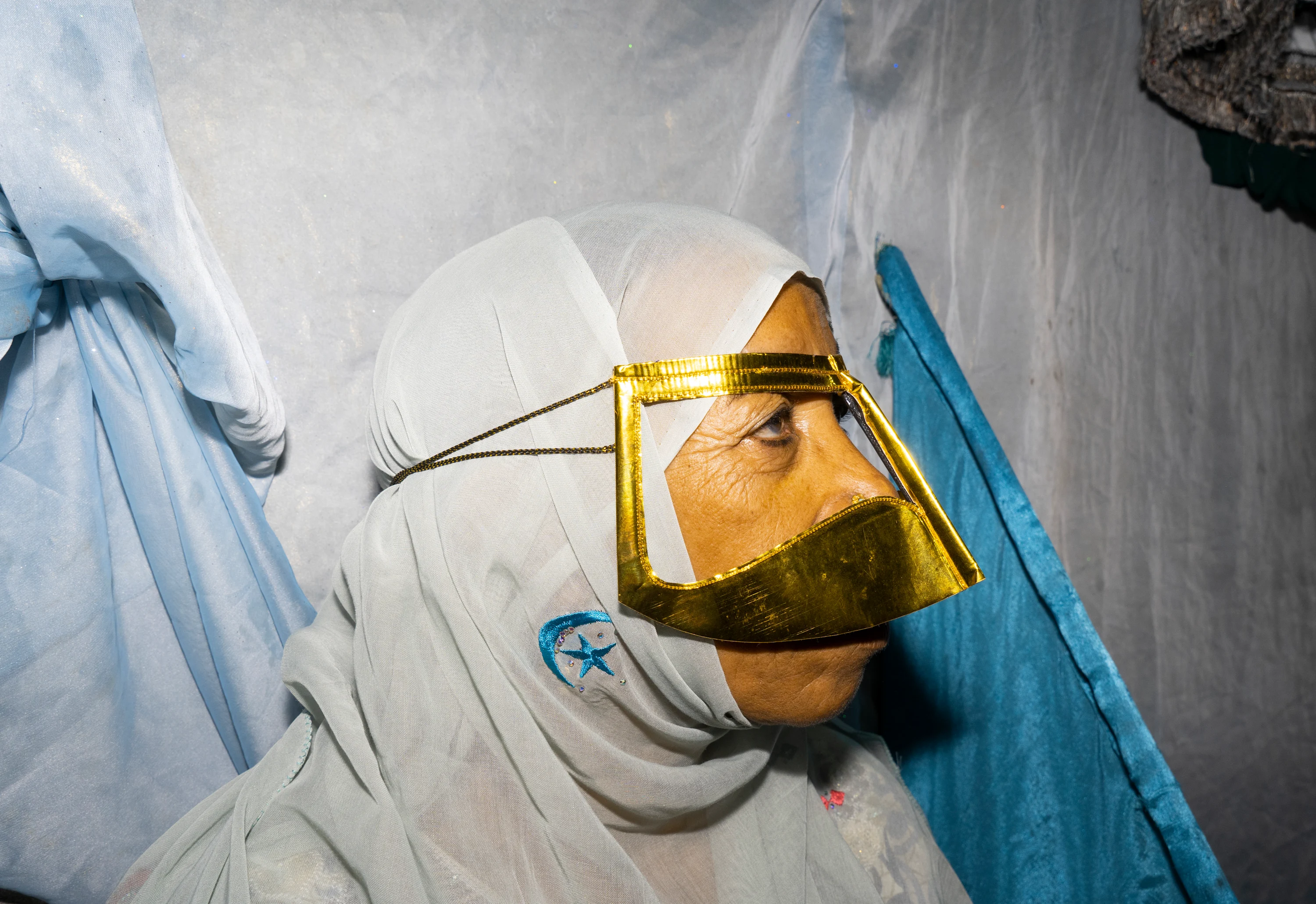
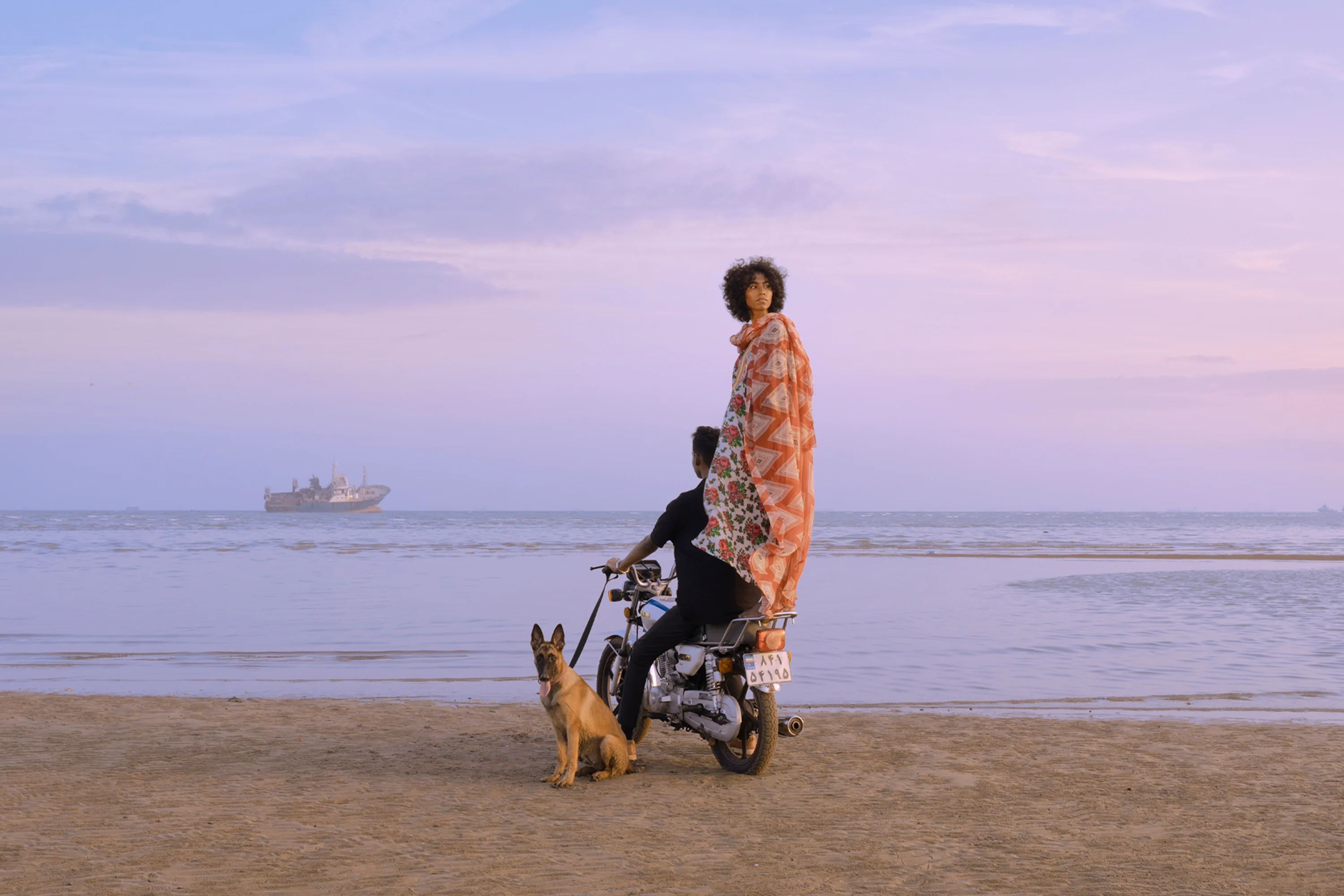
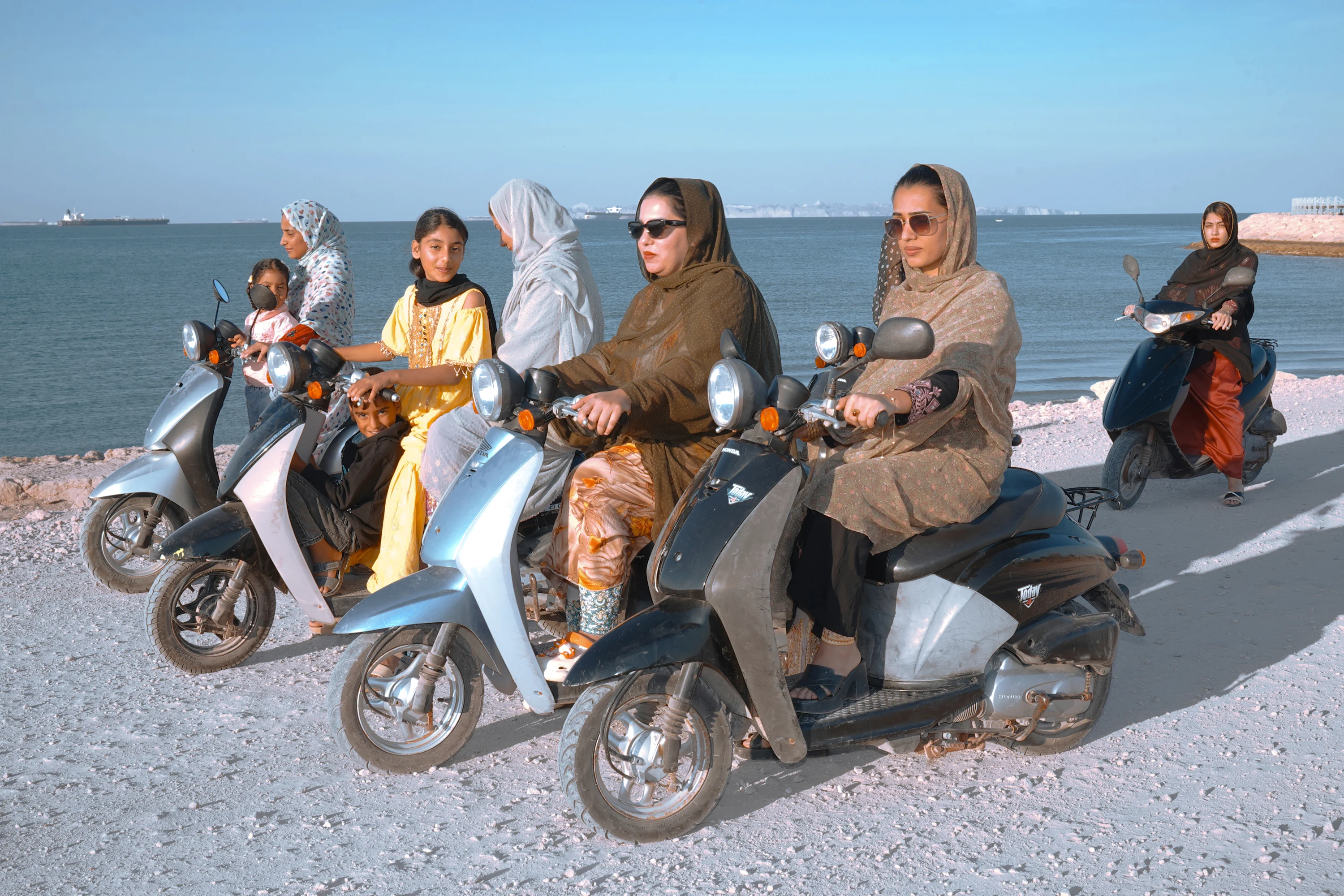
Niknahad doesn’t shy away from staging images that are quietly defiant and political, notably in those of women riding motorbikes. The photographer says that after 2022, when Iran underwent a social revolution following the death of Jina Mahsa Amini in police custody, male-dominated spaces slowly began to change, and women became more visible within society. “Riding a motorcycle may be an ordinary everyday activity elsewhere in the world, but for us, witnessing the breakdown of that masculine image of society was significant, and I needed to document it,” he tells me.
Despite the lack of artistic freedom he and other Iranians face in the country, Niknahad says he remains determined to continue this work, hoping his photo book in development and future exhibitions can contribute to shaping a different and more human narrative of southern Iran and the Strait of Hormuz. “At a time when images of war and violence are being produced and consumed so rapidly,” he says, “I believe that documenting ordinary life becomes even more important.”