
Growing disillusioned with the world of fashion photography, it was a close encounter with nature that put Michael Sabuni on a new path. Now, he’s committed to capturing the deep connection between Tanzania’s tribes, their land and the wildlife they share it with. He tells Laura Havlin about a practice centered around presence, slowness and care, from his relationships with the locals to the communities he’s building elsewhere by telling their stories.
There was a moment in 2023 when Michael Sabuni nearly stopped taking photographs altogether. He’d been working in fashion for years, caught in what he calls “the popularity contest” that had taught him about the industry but nothing about purpose. Then came an encounter with an elephant in Tanzania that brought him to tears. “I really believe that animals can read your energy,” he says. “This elephant was just so close to us, and there was no fear.” That moment of connection became what Sabuni calls his “reckoning,” the turning point that would redirect his entire practice towards the place and subjects that had shaped him since childhood.
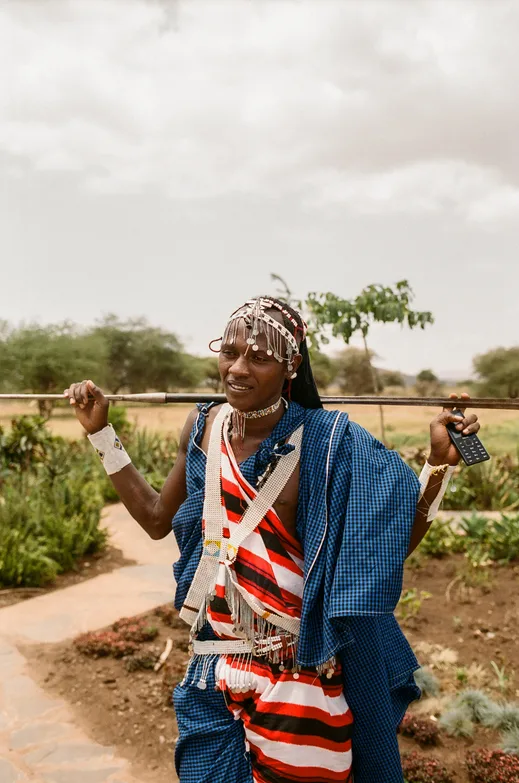
They sustain the cattle and the cattle sustain them, a perfect form of give and take.
Sabuni's father, a Scottish wildlife researcher, has been studying baboons in Tanzania for nearly half a century—one of the longest continuous primate studies in history—working alongside the late conservationist icon Jane Goodall, who Sabuni remembers as a close family friend. His mother is Tanzanian, from the Pare tribe, a descendant of one of the main chiefs. Sabuni spent a significant part of his childhood in Gombe National Park, where Goodall conducted her groundbreaking chimpanzee research.
“When I would go there as a child, I would see this stuff, but it was my normality,” he says. What he took for granted—the proximity to wildlife, the etiquette of moving through animal territory, the rhythms of conservation work—has become the foundation of a practice that approaches both wildlife and communities with long-term commitment rather than extractive urgency. This distinguishes Sabuni’s work from the helicopter approach of many wildlife and cultural photographers who drop into Tanzania, shoot and leave.
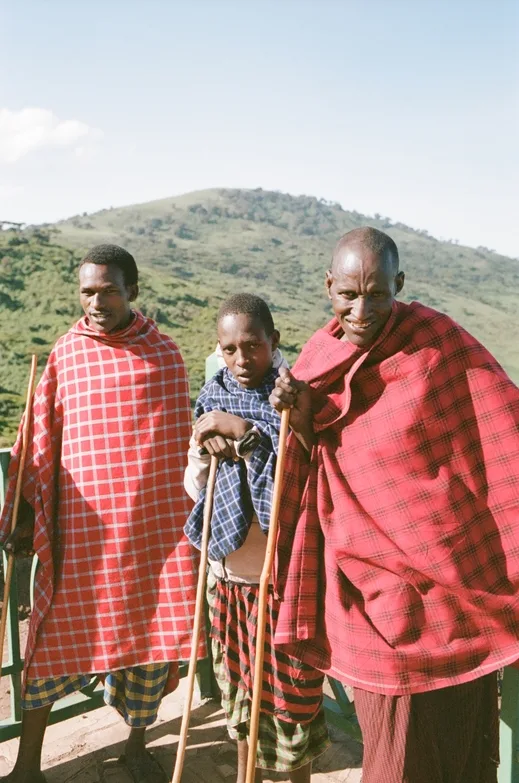
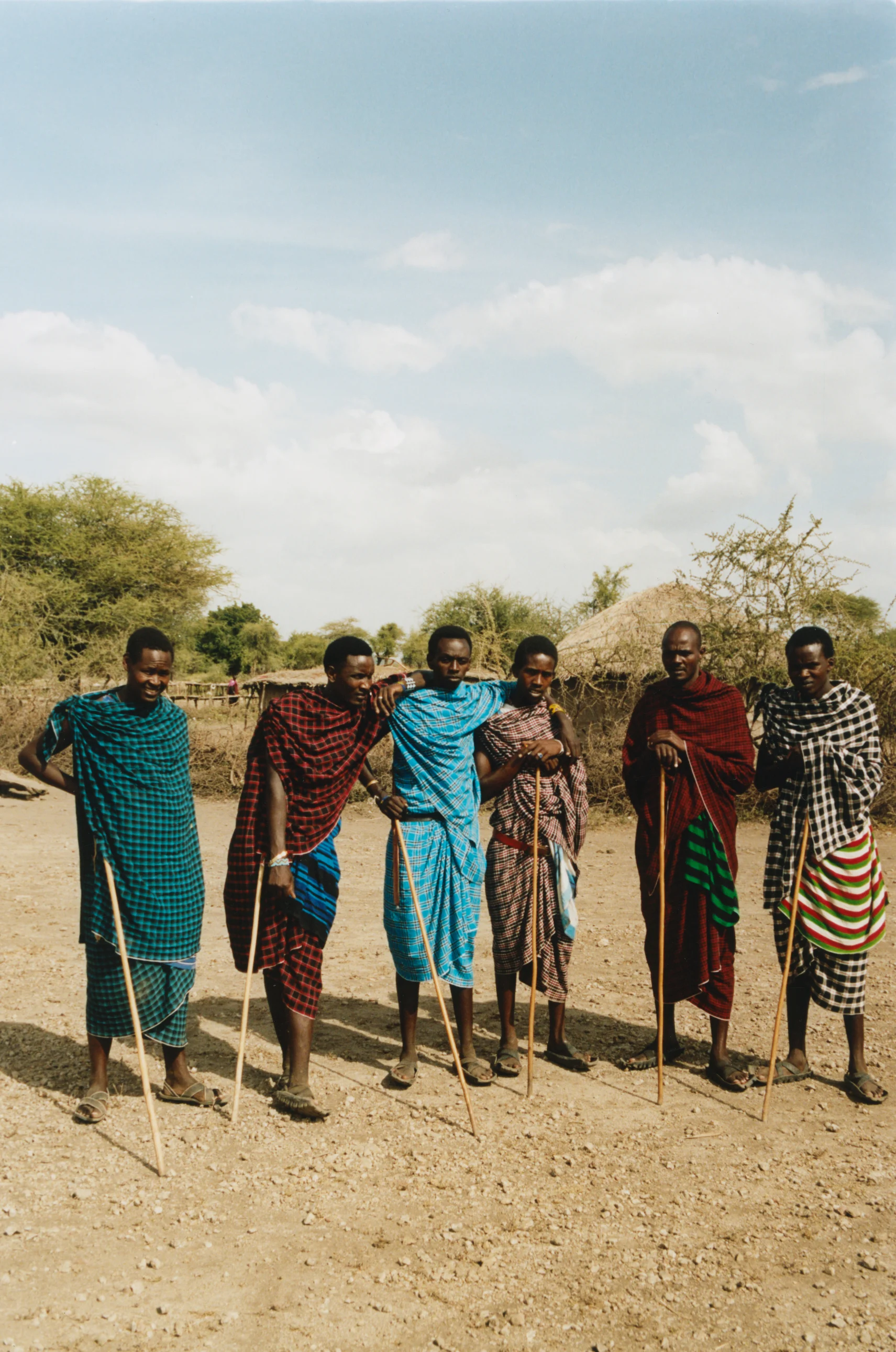
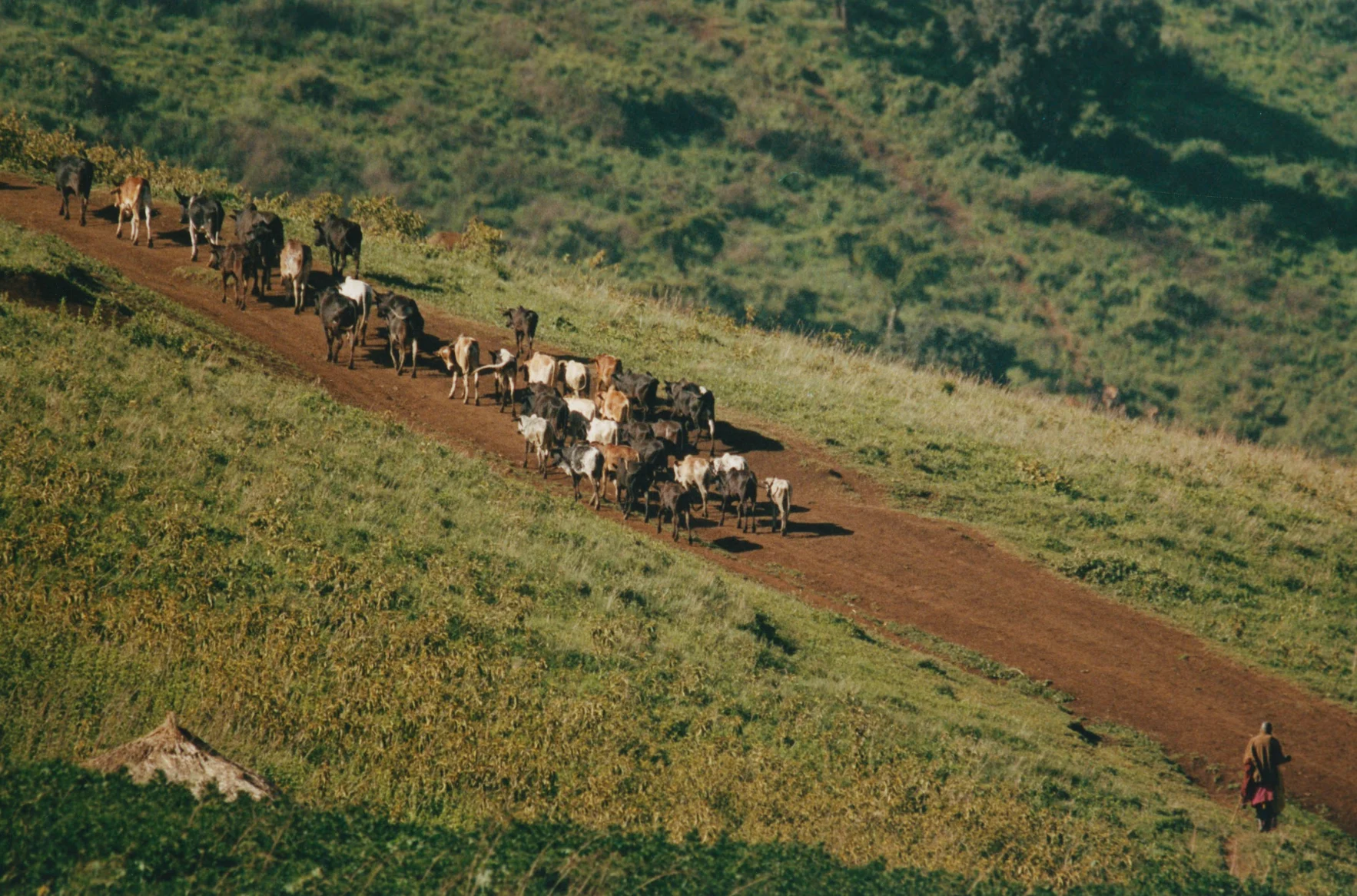
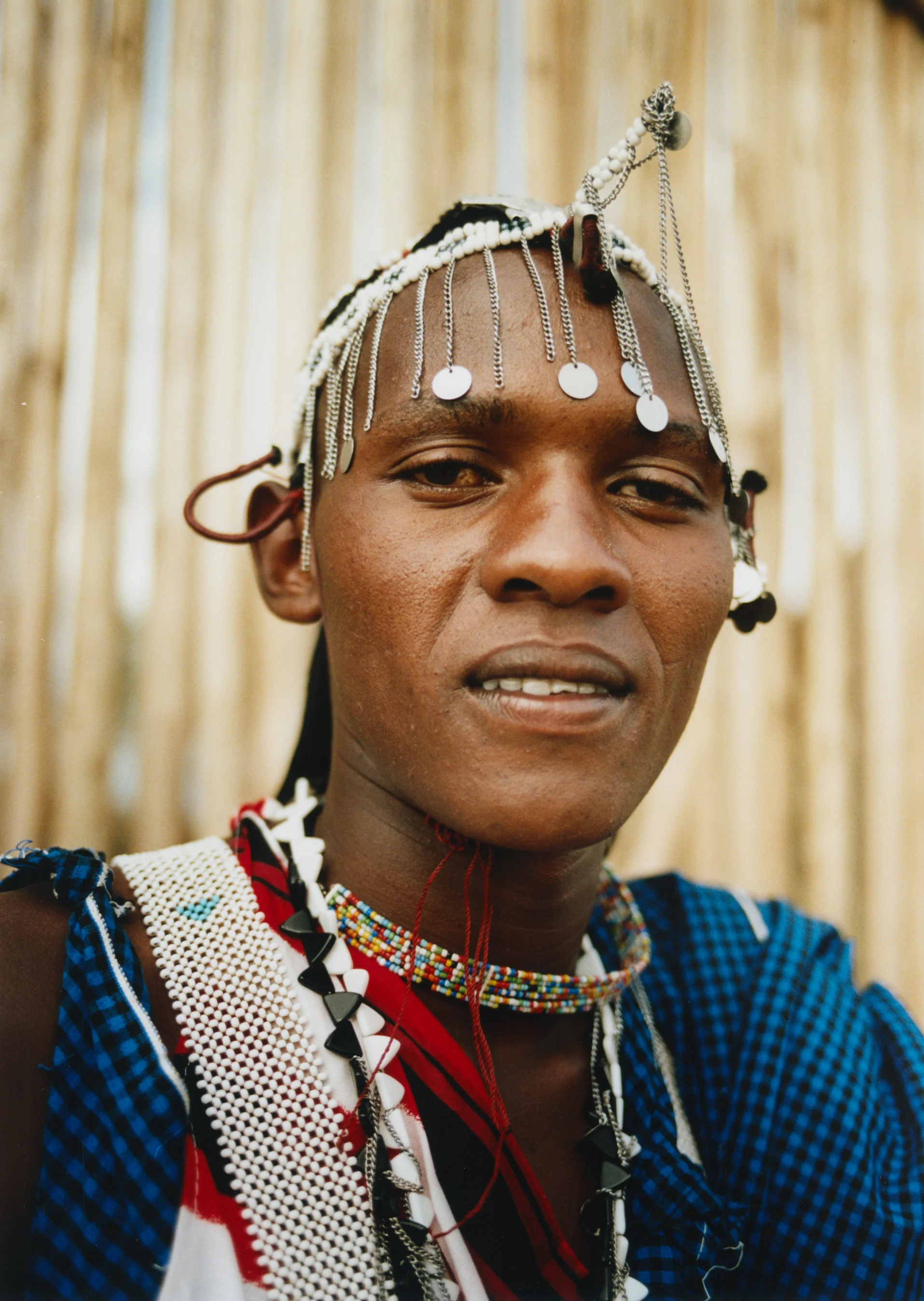
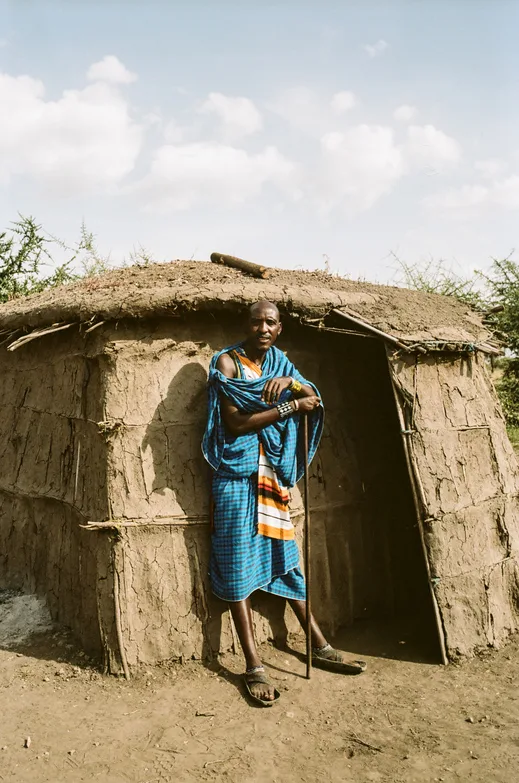
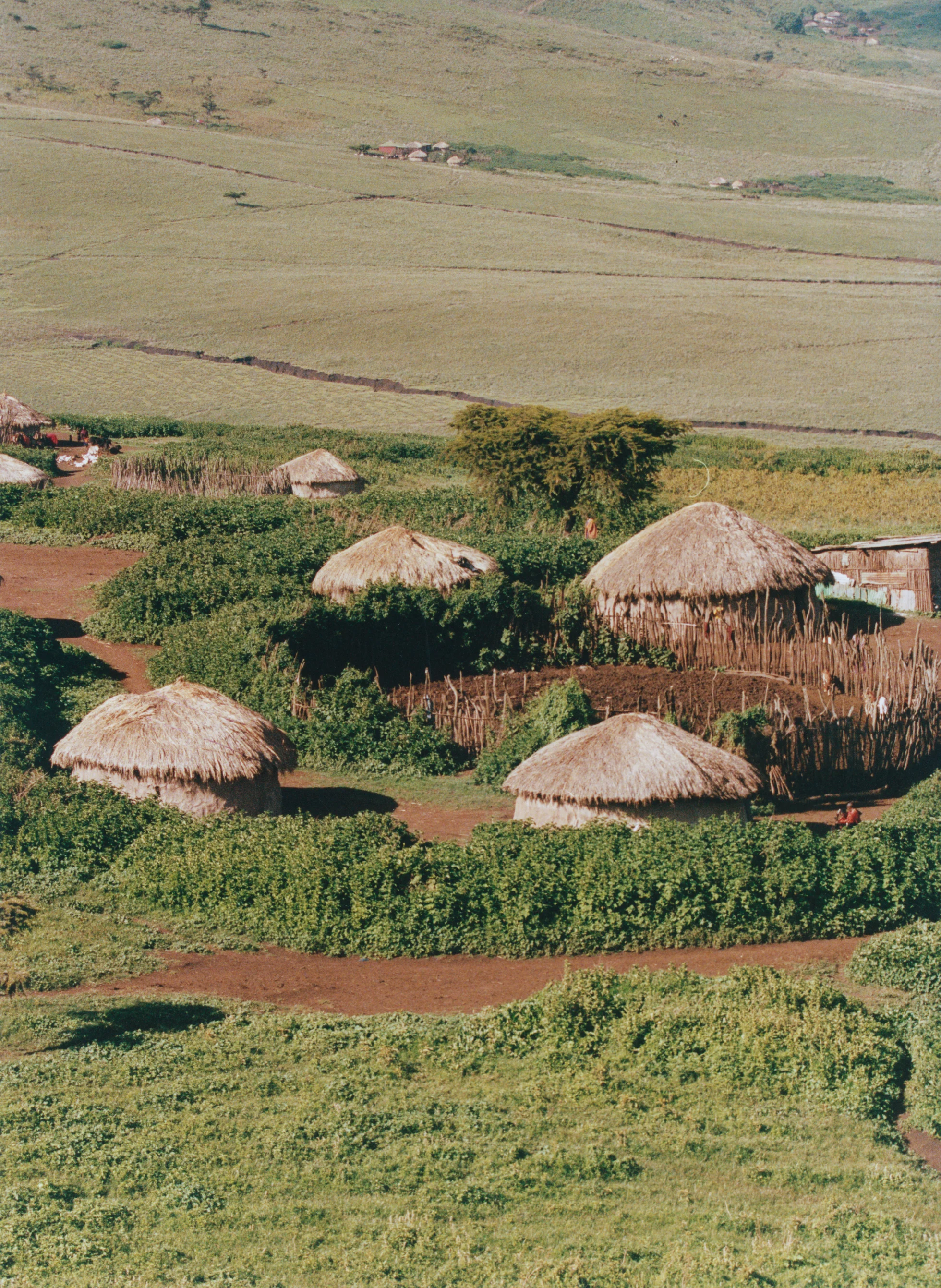
His understanding has deepened as he’s spent time with tribes who have a relationship of mutual care with the land there. When he began photographing the Maasai on one trip in 2023, he was struck by how central cattle are to every aspect of their lives. The traditional boma—a circular settlement of mud huts arranged around a wooden-fenced enclosure—keeps the cows literally and symbolically at the heart of the community.
“The women construct each hut using locally sourced woods, earth and cow dung, materials sourced entirely from their immediate surroundings,” Sabuni explains. Cattle determine wealth and social standing, and the Maasai drink small amounts of blood drawn from the cows in ways that don’t harm them. “They sustain the cattle and the cattle sustain them, a perfect form of give and take.”
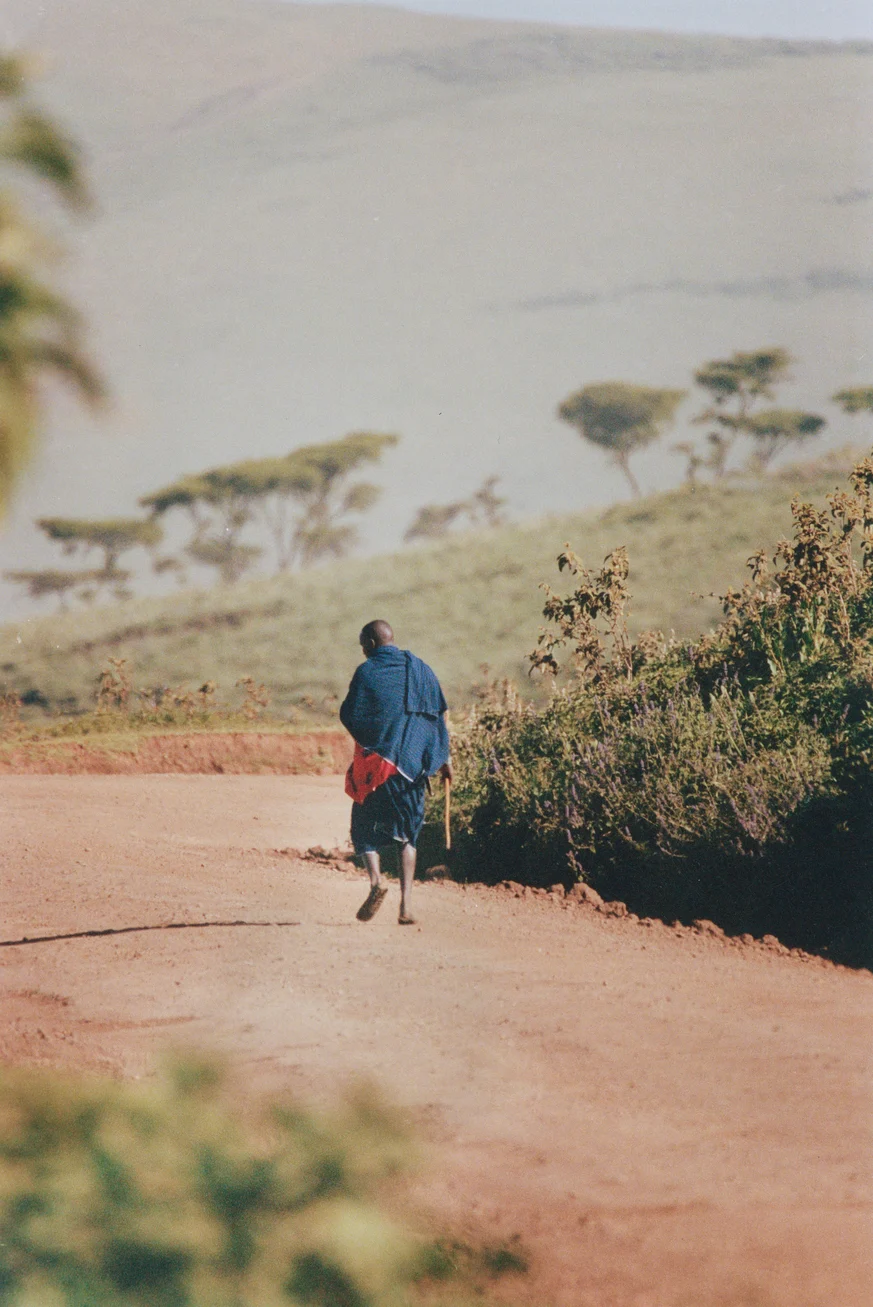
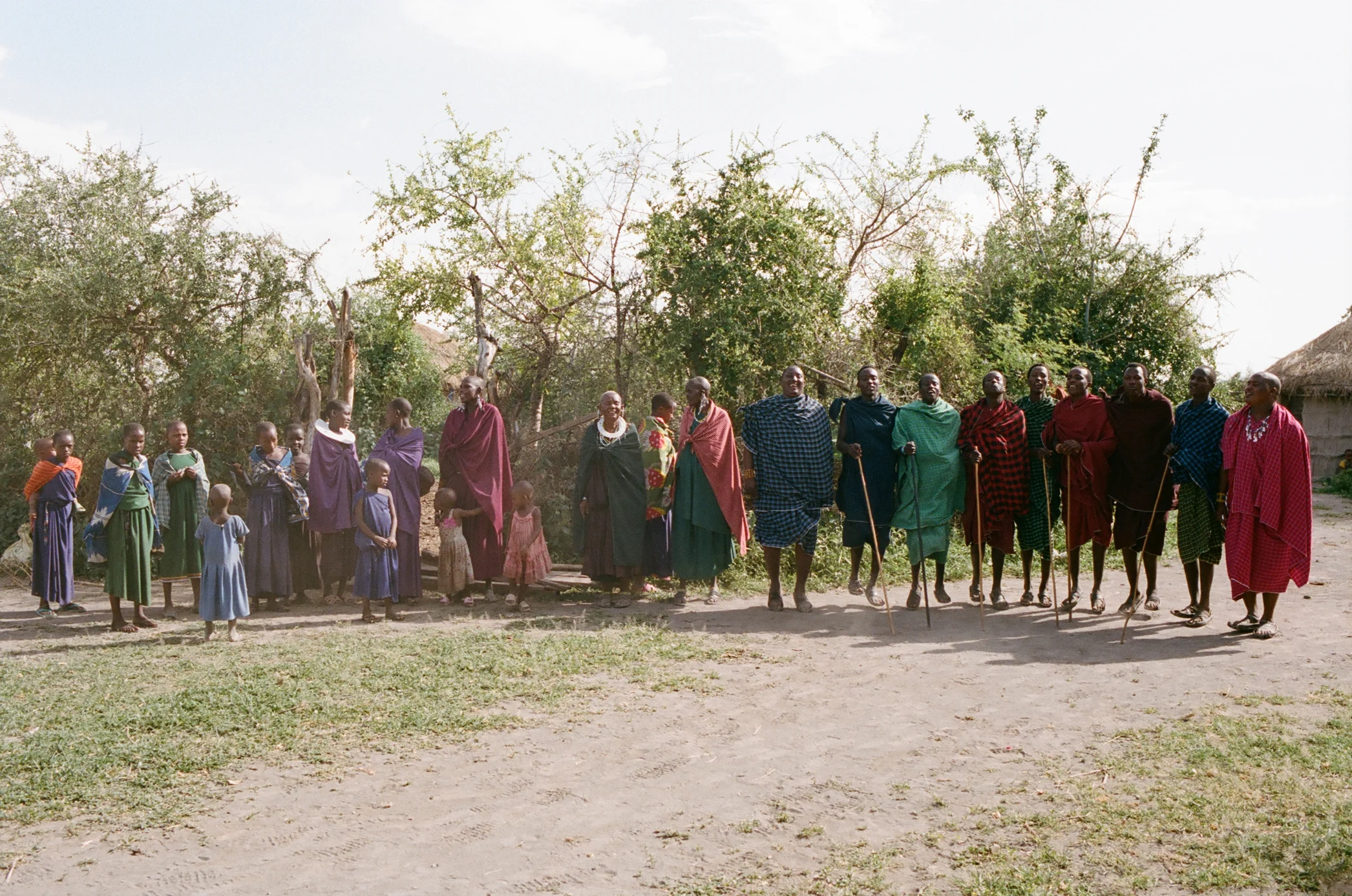
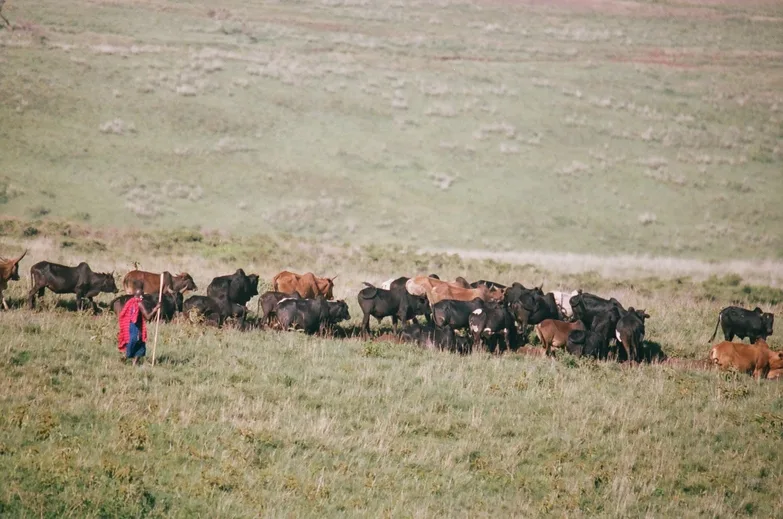
The Maasai are traditionally semi-nomadic, their seasonal movements guided by grazing needs and rainfall cycles. They read the land and follow its rhythms. One conversation with his Maasai guide revealed the extent of this adaptation: when Sabuni mentioned trying to drink two liters of water daily, his guide laughed—some community members might consume that amount in a month.
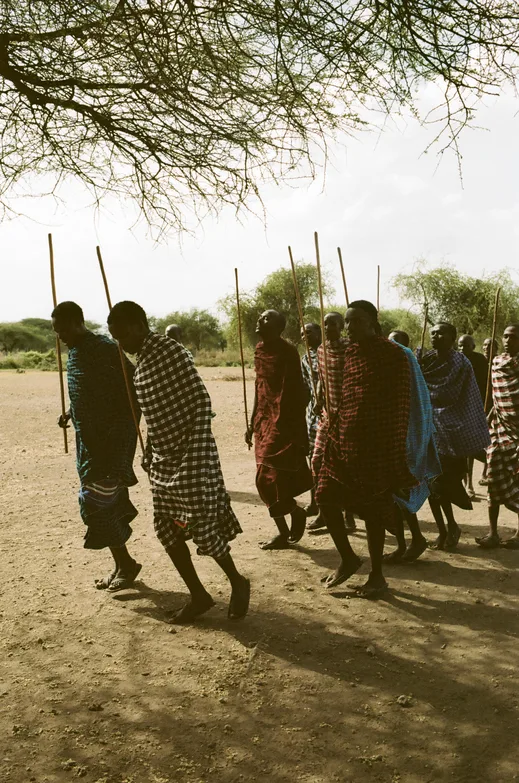
The interdependence between land, animals and people extends to how people care for each other. “Over there, it’s very much encouraged and you want to help your neighbour out,” Sabuni says. He has since worked with four different tribes, including a project where he witnessed interaction between the remote Hadzabe hunting tribe and the blacksmith community they trade with.

I think we have a duty to try and show animals for what they really are. We need to inspire respect for wildlife as well as admiration.
Sabuni shoots on film, an unusual choice in contemporary wildlife documentary photography, in particular. "It’s a lot more rare to capture something than shooting constantly,” he says, and film also resists the heavy retouching common in wildlife photography. “A lot of people try to show wildlife in this really glamorized image, but I think we have a duty to try and show animals for what they really are. We need to inspire respect for wildlife as well as admiration.”
Sabuni’s commitment to an intentional practice developed further when he began hand-printing his work during a residency at Studio Monde in North London. Where his earlier workflow ended with digital files, now there’s a physical object to work with, where colors are more vibrant and the true potential of the negative is finally realized. In a culture of endless scrolling, the print forces presence and slowness, and creates room for memories to form and conversations to develop.
Sabuni put on his first exhibition at Hackney Gallery in 2025. “It was such an emotional moment for me because I saw the power that having these images physically can create community,” he says. This philosophy of communion and shared experiences has inspired him to launch photography retreats in Tanzania, born from the realization that his access to “the real Tanzania” had saved his practice in 2023. Most visitors go straight to Zanzibar’s beach resorts or expensive safaris, missing the authentic connections he’d experienced growing up. “This has been what it's done for me,” he says. “What is it going to do for somebody who works a nine to five?”
For Sabuni, photography has become inseparable from how he lives: the months building relationships with the communities he documents, his connection to the physical photographic print, the retreats offering others the same thing that saved his practice. The image is central but small. Beyond the photographs that came out of this project is a practice built on slowness, presence and the authentic connections that emerge when you truly commit to being somewhere.