When photographer Laurie Broughton moved from London to south Wales, he discovered community spirit within recreational clubs that changed his perspective on what it meant to belong somewhere, and the precariousness of holding onto culture in places both government and industry have long moved on from. Here, writer Rhys Thomas explores “Clwb,” the series he built around these resilient communities in the valleys.
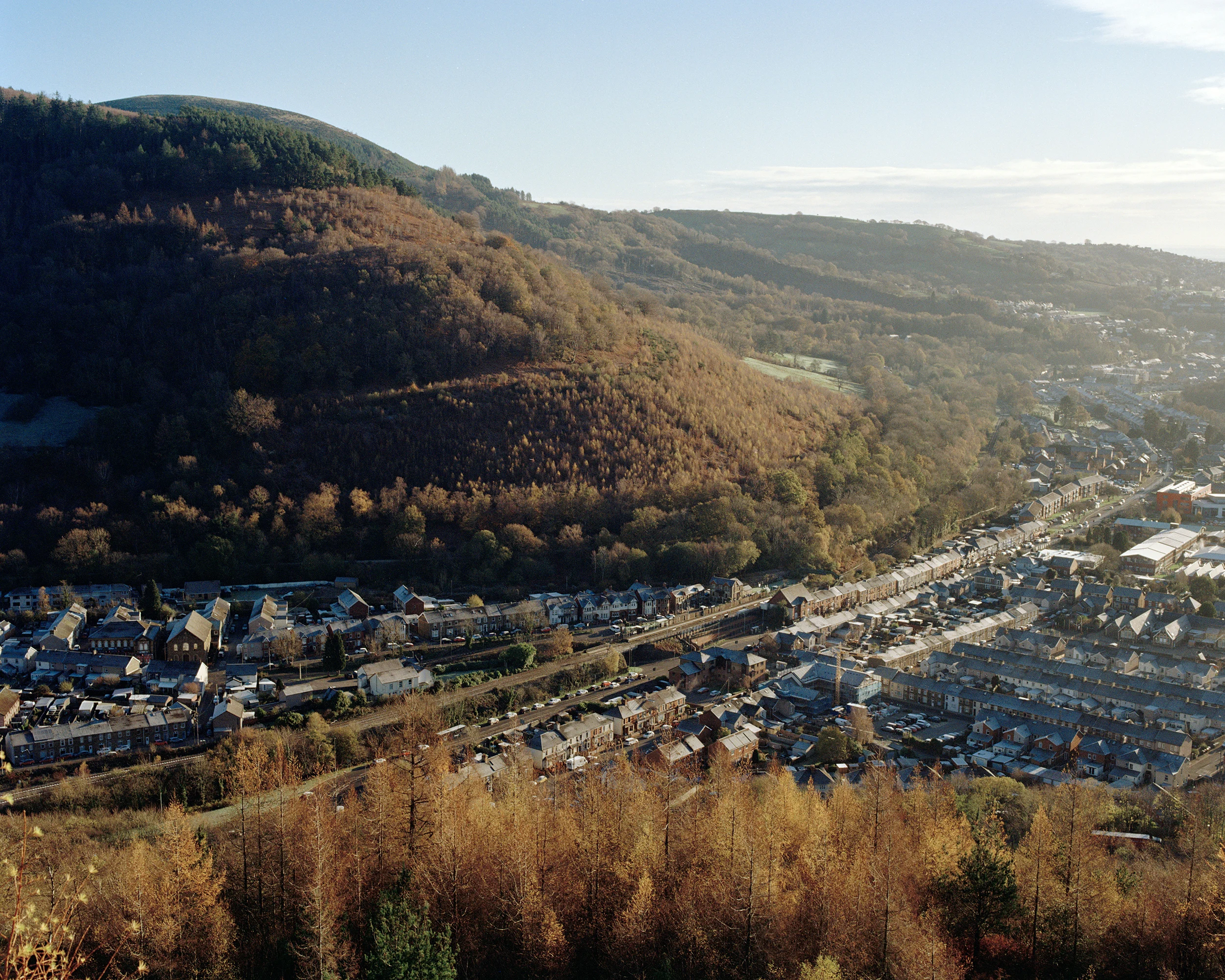
There are two biological tensions when it comes to survival—adaptation and habit. In places like Ebbw Vale, an anchor-point within photographer Laurie Broughton’s series “Clwb” (Welsh for “club”), these continue to dictate existence. A former industrial hotbed where, at its peak in the 1960s, roughly 12,000 people worked either in coal mining, iron or steel production. Besides the population, which has remained at around 33,000 since then, not a lot has been stable for the community. There was vast unemployment when these industries were pecked to a halt in 2002. The people who lived here had to adapt, to find income, to find work, to maintain their home. In these difficult years, peace, levity and rest were found through sports and social clubs. Today, these clubs harbour all of the above, but also a sense of purpose and hope.
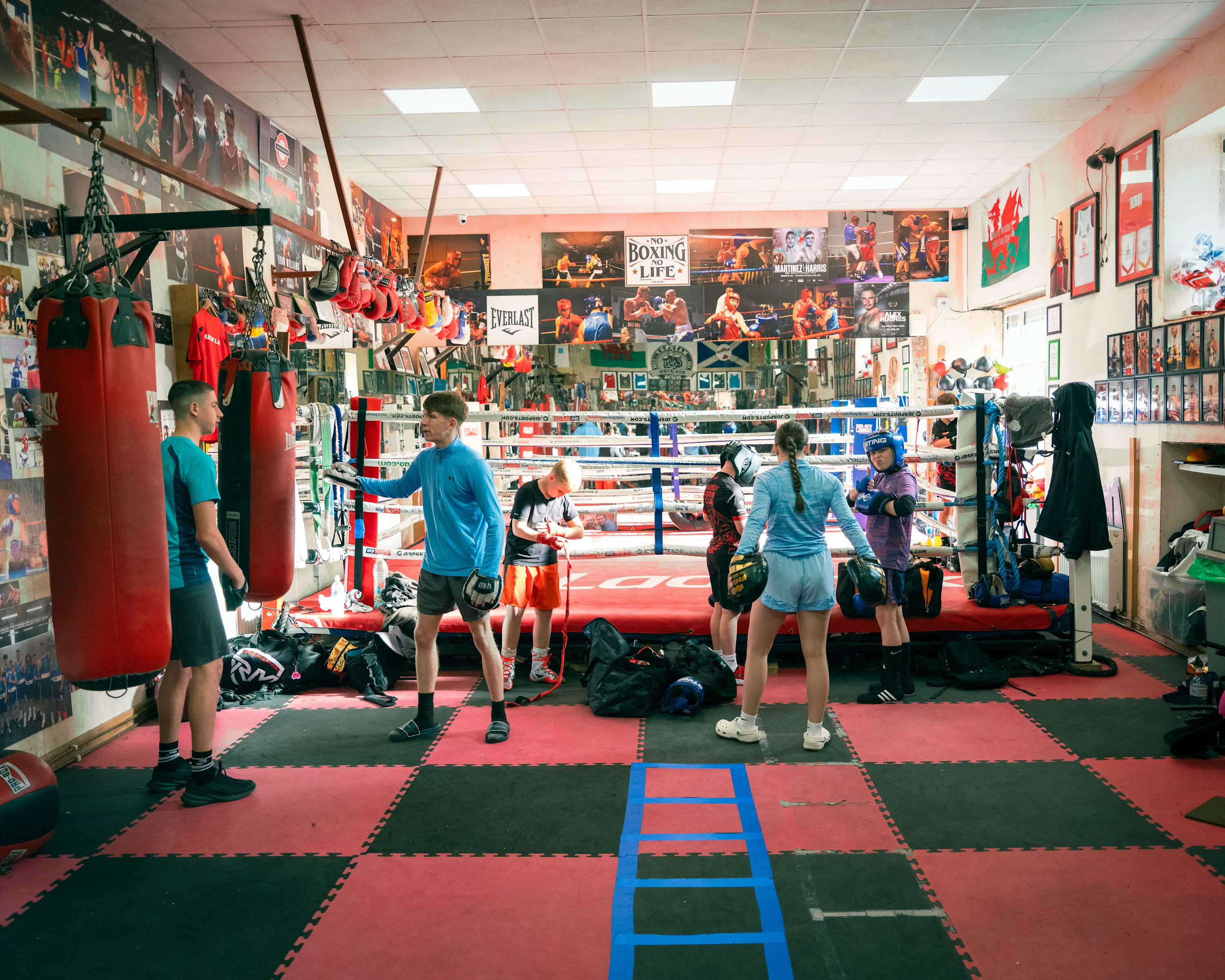
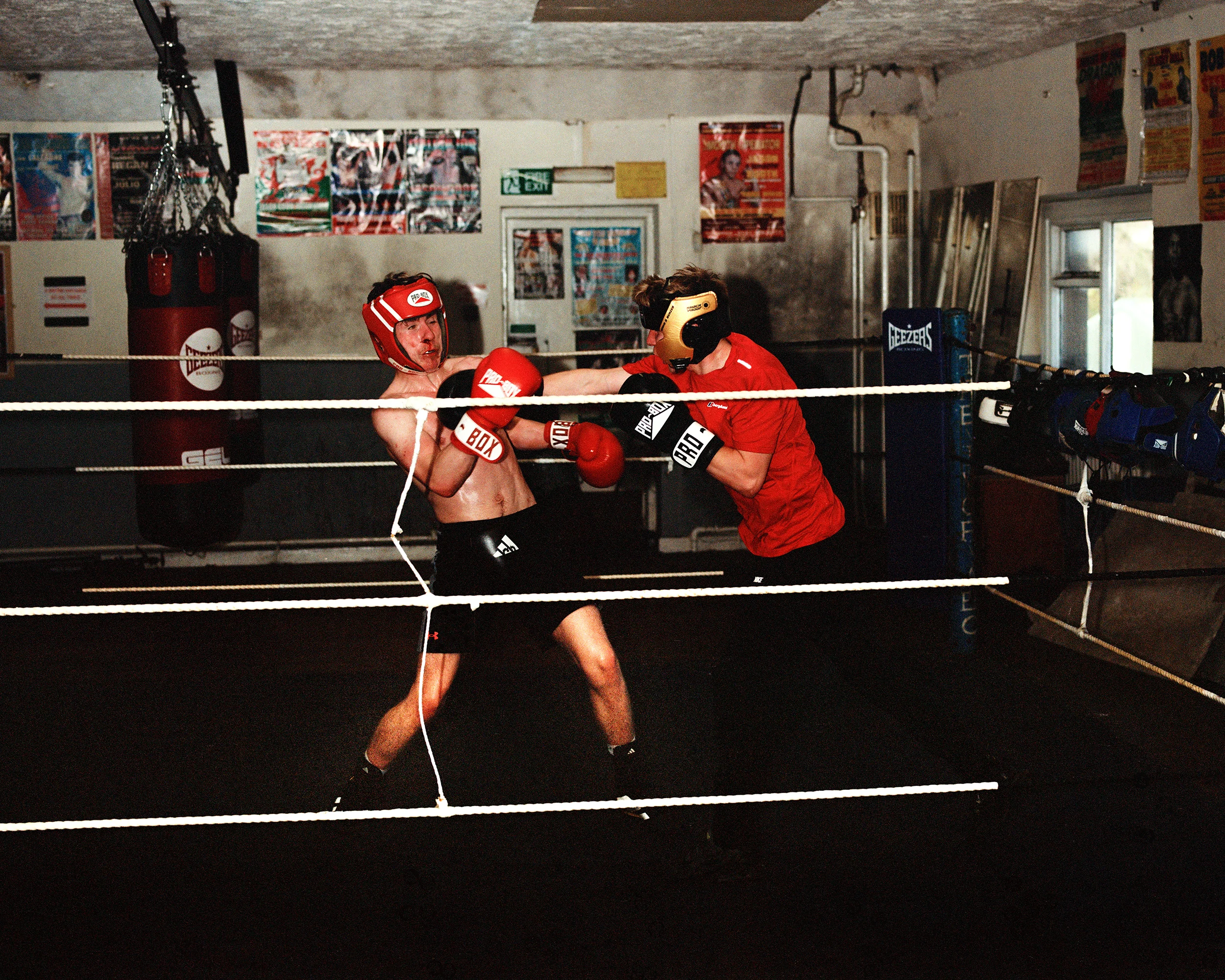
I could sense how important this community was for those within it, especially the younger people.
Broughton’s series captures this thriving inter-personal, inter-generational cluster of communities brimming with spirit. A series of valleys flowing through south Wales flooded with hobbies, passions and aspirations. In spite of absolutely everything thrown at them, these people drive on, fuelled by their innate sense of life as they’ve always known it.
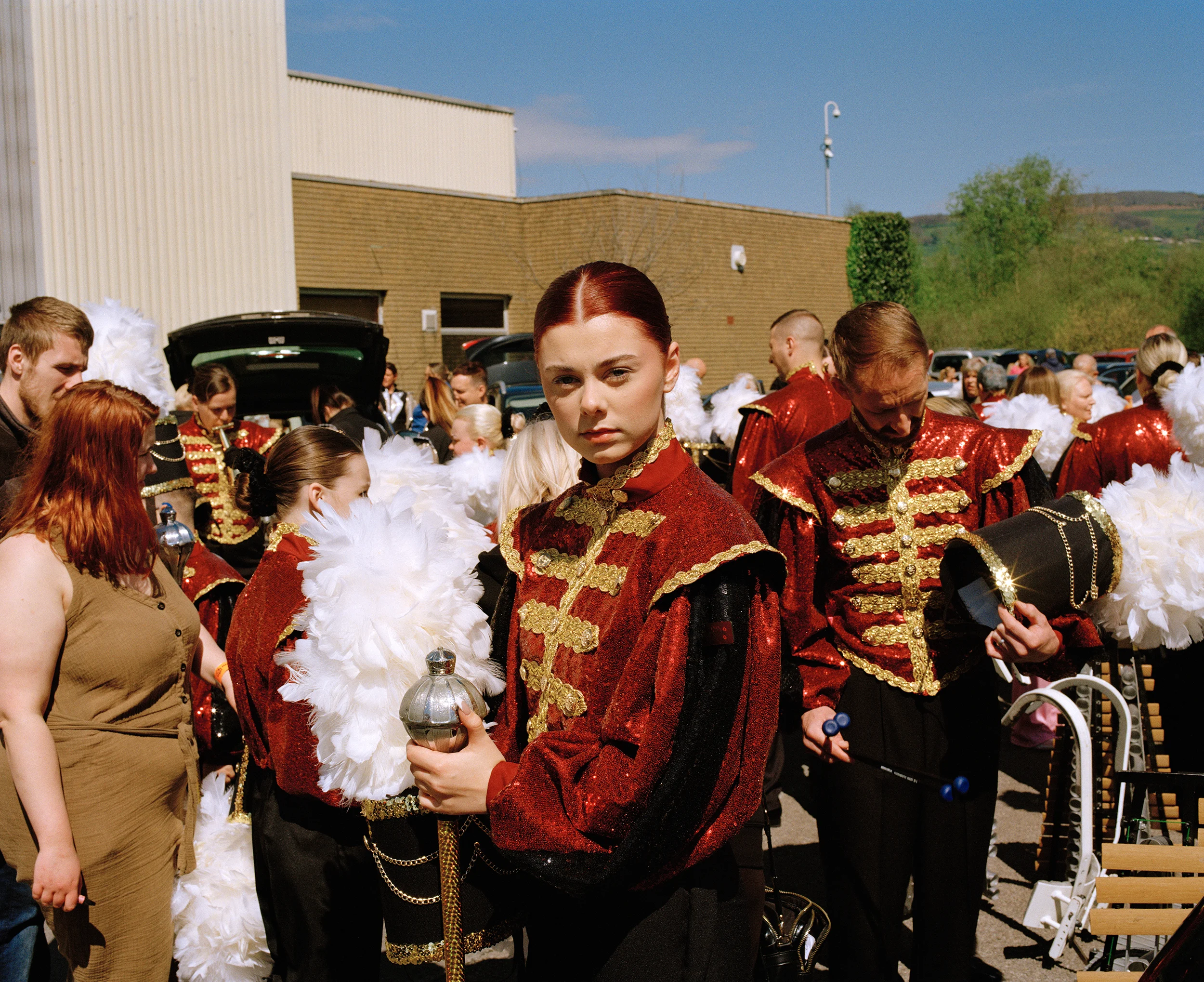
As it has for many, work brought Broughton to the area. Having done a teaching postgraduate, he soon moved up from the urban south-east of Wales into Blaenau Gwent, valleys country. “The college I teach at was actually built on the old steel works,” he says, keenly aware of the tension this carries. “Clwb” began when a student of Broughton’s kept mentioning the marching jazz band they are part of. “I was trying to push them to go and take pictures of the rehearsals and competitions they were doing,” he says. “They convinced me to come along and experience it, so I brought my camera. The organisers asked if I’d take some photos for them to have, so I did. My interest built from there.”
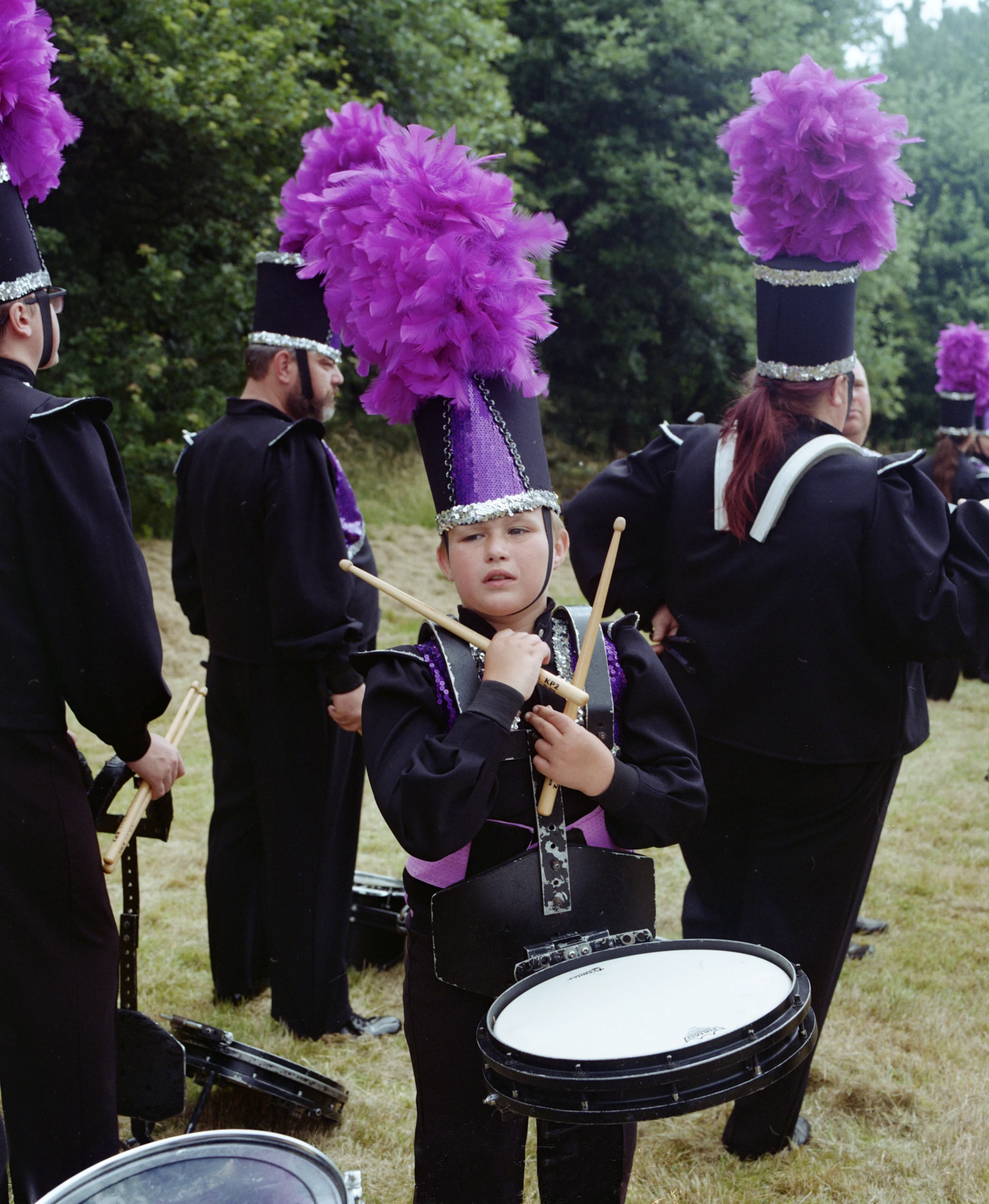
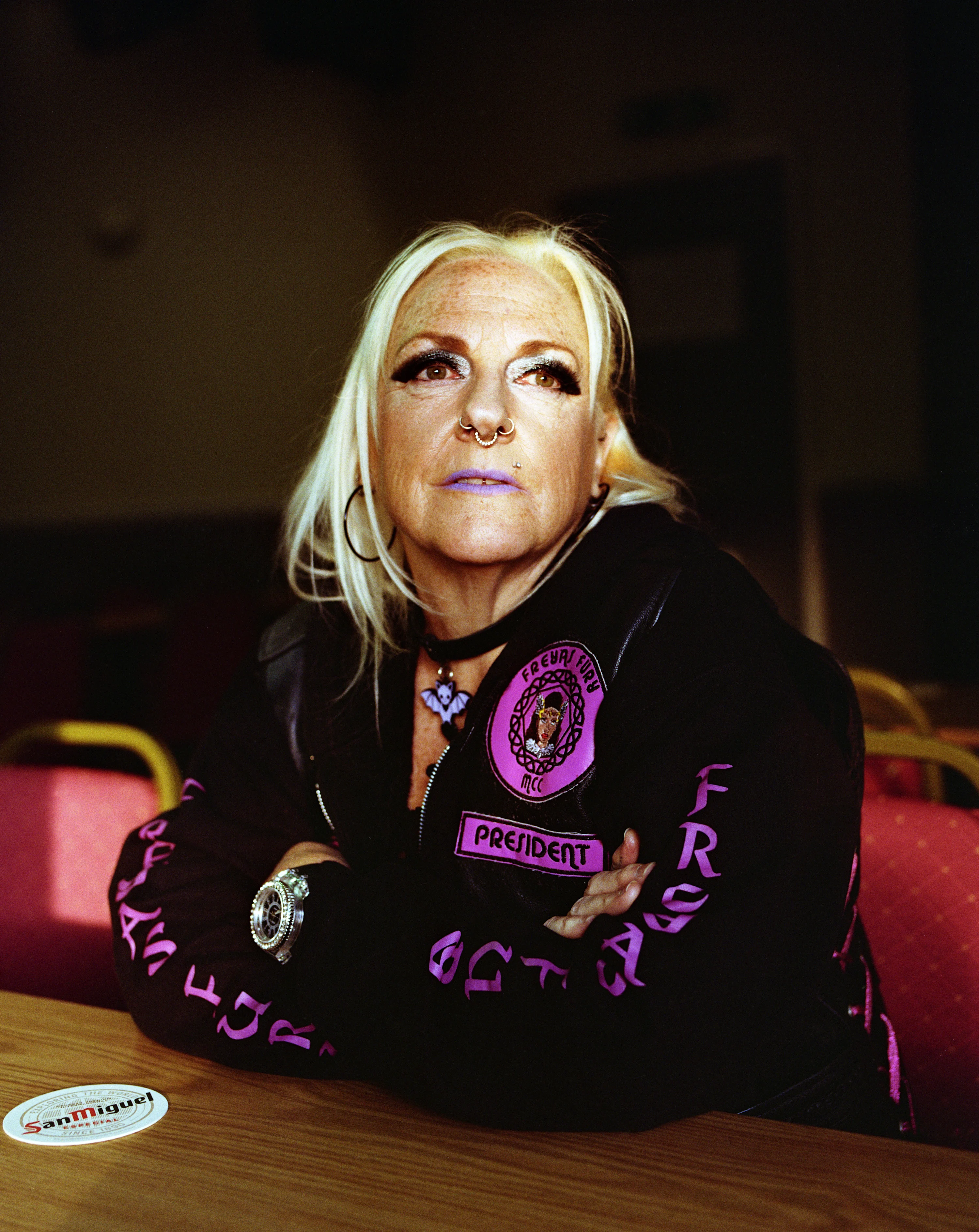
The interest, first and foremost, was in the sense of community, tradition and lineage he could see in this marching jazz band. “I could sense how important this community was for those within it, especially the younger people,” he says. “I became interested in what the spirit was like for other clubs in the area.” Young people take the focus of much of the series, many of them born when these towns became formally post-industrial, in the heart of unemployment and a scramble for a sense of self within and outside of work. Rhys, a 22-year-old champion pigeon racer, is one of them. Broughton met Rhys several times at his grandmother’s place, where he lives. “She has been around pigeon racing her whole life,” Broughton says. “She gave it to her son, who gave it to his.”
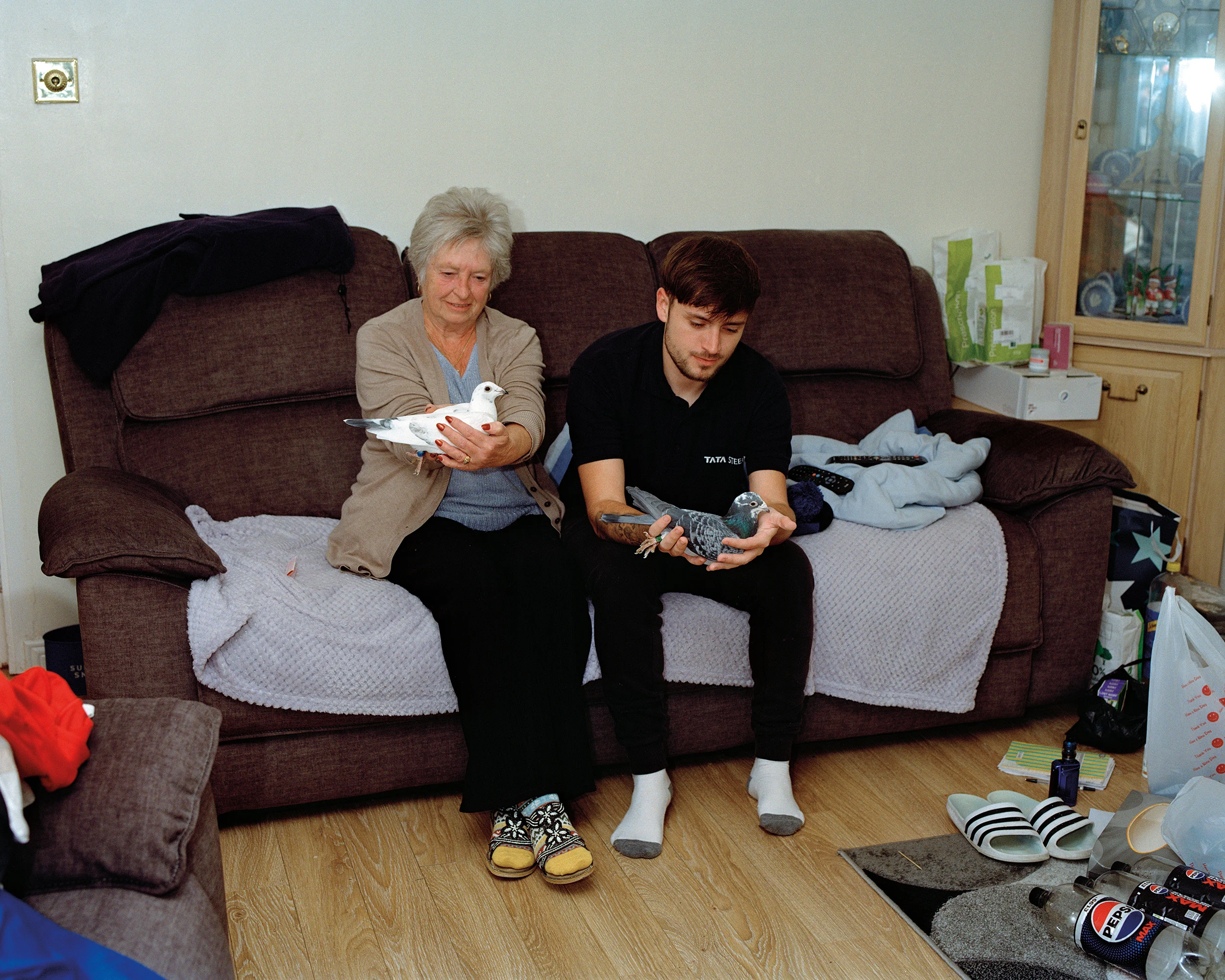
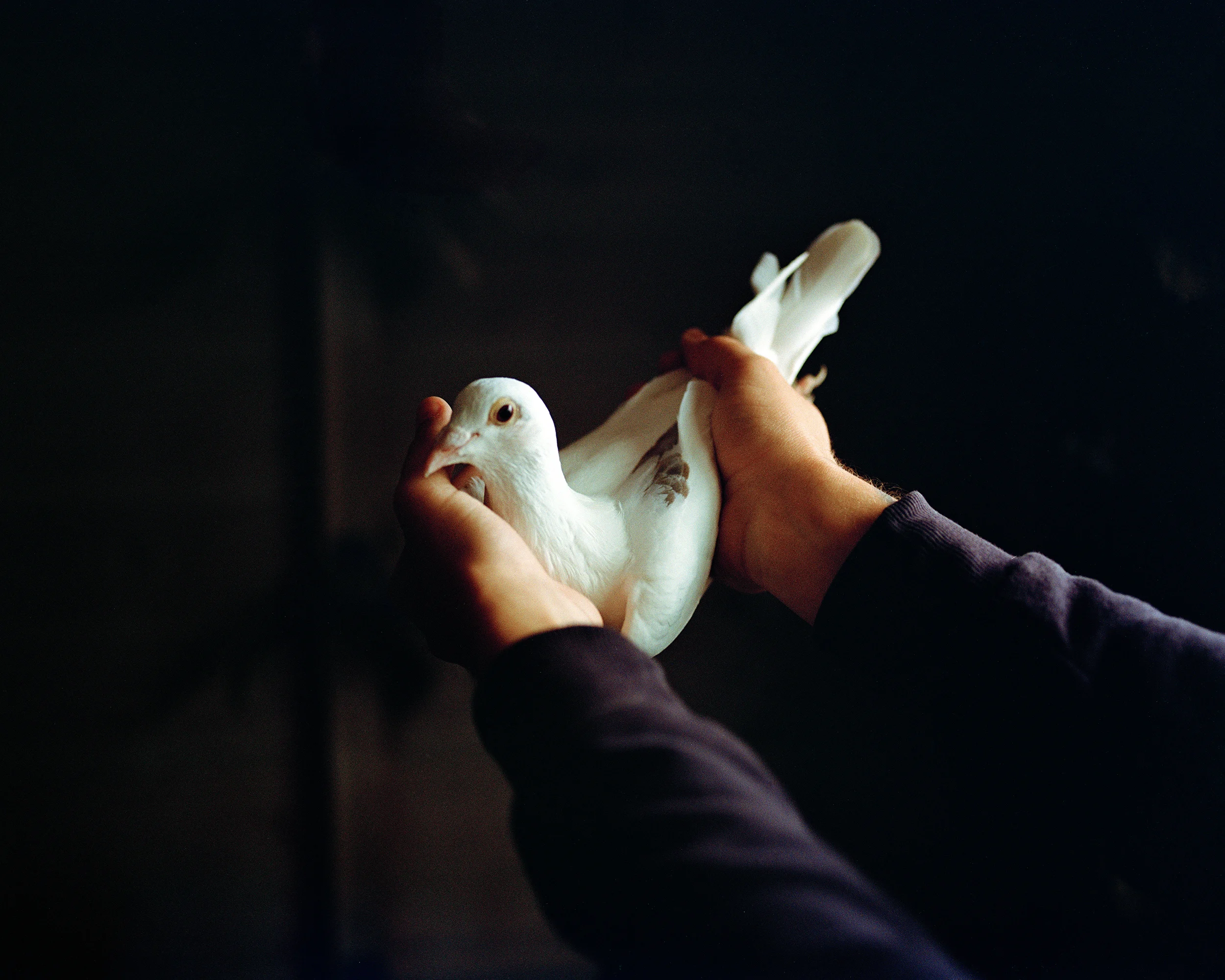
Rhys happens to be wearing a Tata Steel t-shirt in Broughton’s photo of him. Tata Steel was the main and final steelworks employer within the area. The company t-shirt, handed down from his father, casually worn, has barely faded. “I only made the connection after I’d developed the photo, it was a coincidence,” Broughton says. In these many meetings with Rhys where they “essentially spent evenings chatting, hardly taking photographs,” Broughton also met Rhys’ girlfriend. “When I did, Rhys was keen to show me her favourite pigeon, and for me to photograph it, so I did” he says. It’s a white pigeon, often mistaken for a dove, and commonly used in wedding ceremonies, as they can be more relied upon to return home. Rhys cradles the fragile creature like a child, the thing that he will nurture and let fly, a pigeon beautiful enough to be used as a dove.
The government doesn’t fund these clubs, it’s always done through whip-rounds and local support, by them and for them.
These intimate moments, locations and connections of trust formed over a couple of years, as Broughton slowly built rapport with these clubs. He went to their events, he drank with them at the working clubs on the nights they drank there, he learned their stories, the quirks of each of their family units.
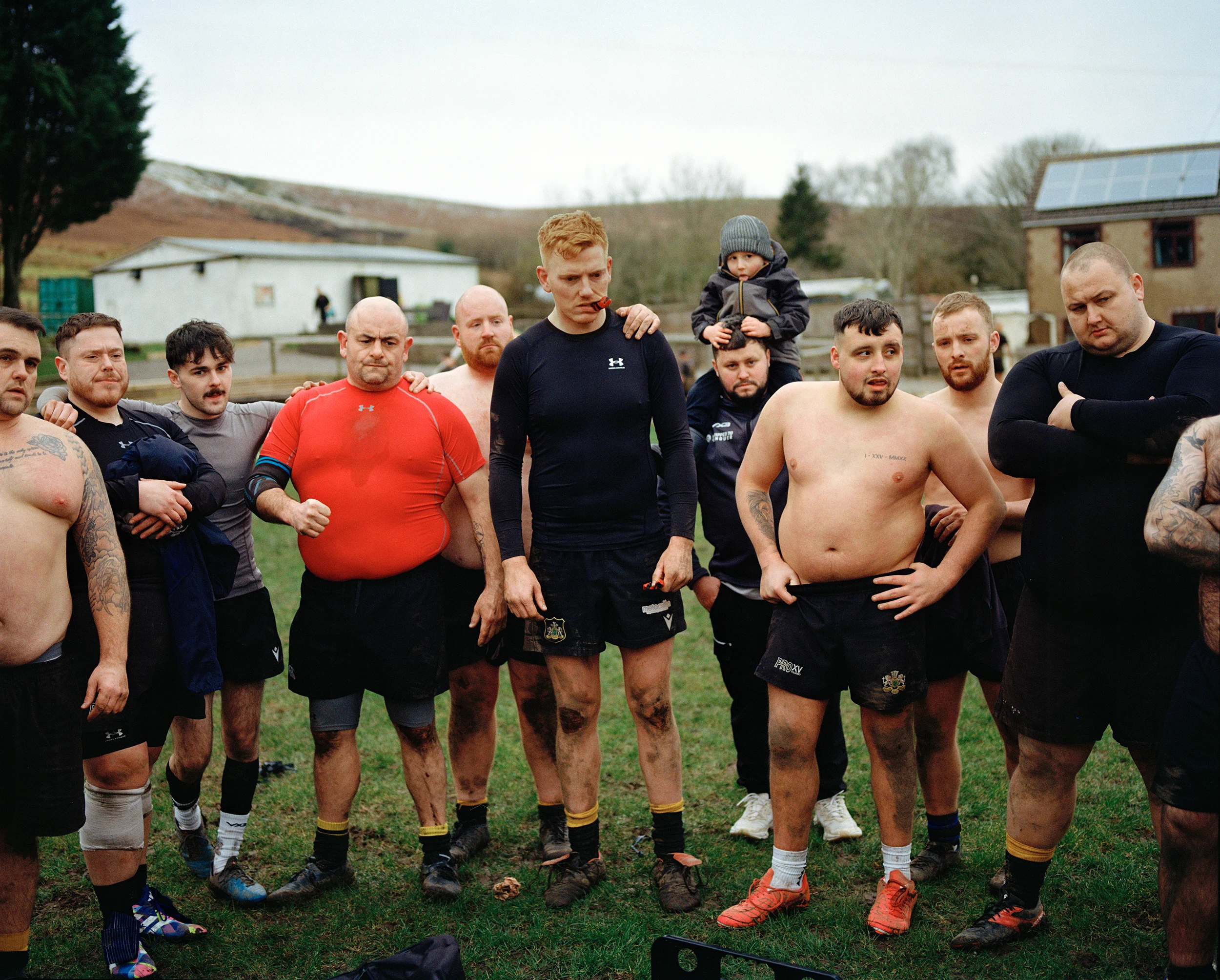
Even though young people do form the heart of the project, there’s also a strong inter-generational community here too. Hollybush RFC are a proud community club. Three generations exist in the photo Broughton took of them shortly after a game they lost. You can see stoic older leaders and a toddler with his tongue out, emotions from sorrow to optimism on their faces. They’ve been knocked down, but they’ve got each other.
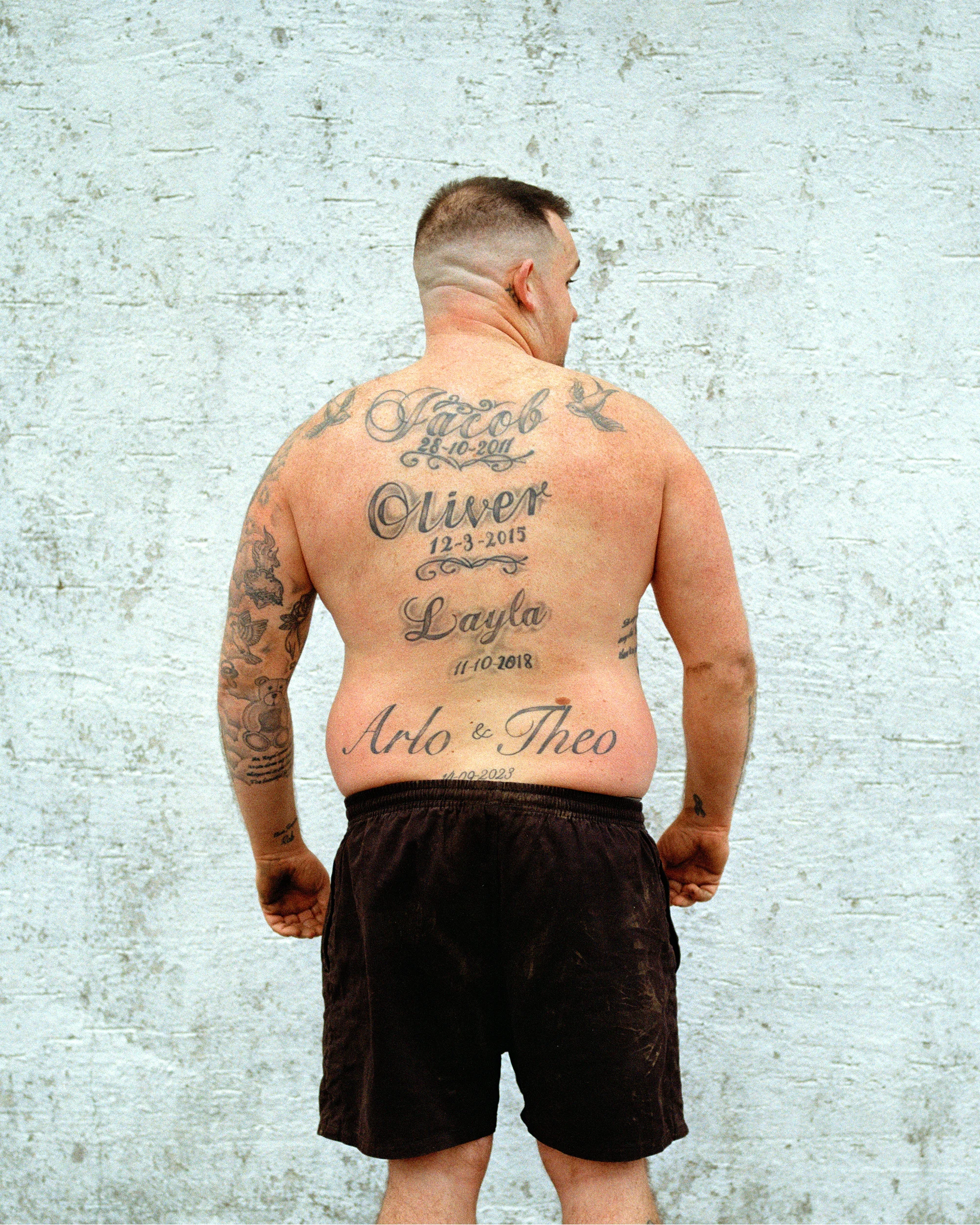
“While speaking to the rugby players I noticed Gaz’s back tattoo, and I felt compelled to take a photo of it,” says Broughton. The shot of Gareth shows something of a family wall. A slab of lineage, it is dedicated to his five children, all of whom have been carried on that very back. The photo shows the things that matter to him most, these children we can’t see, his club, his family, the future of this place.
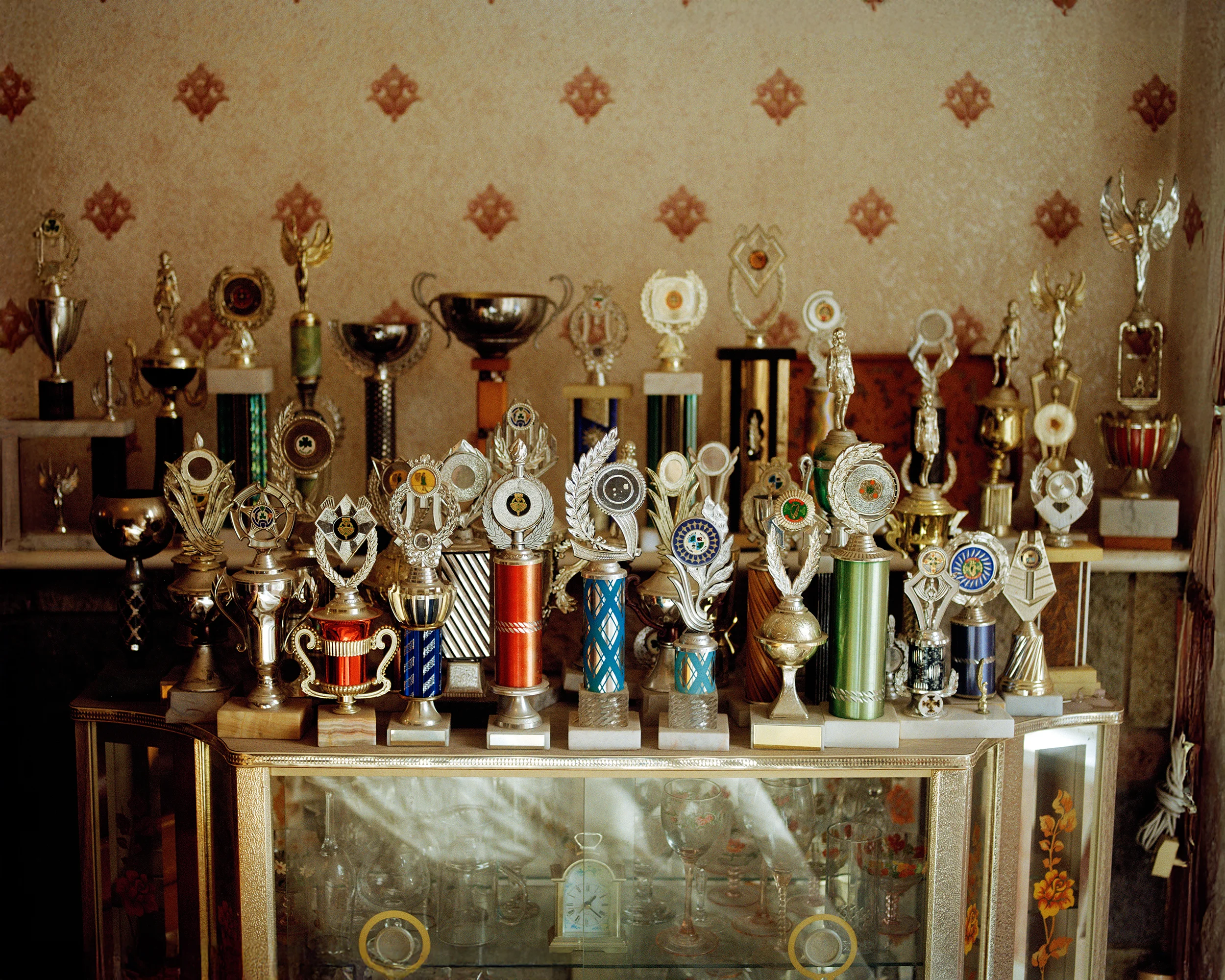
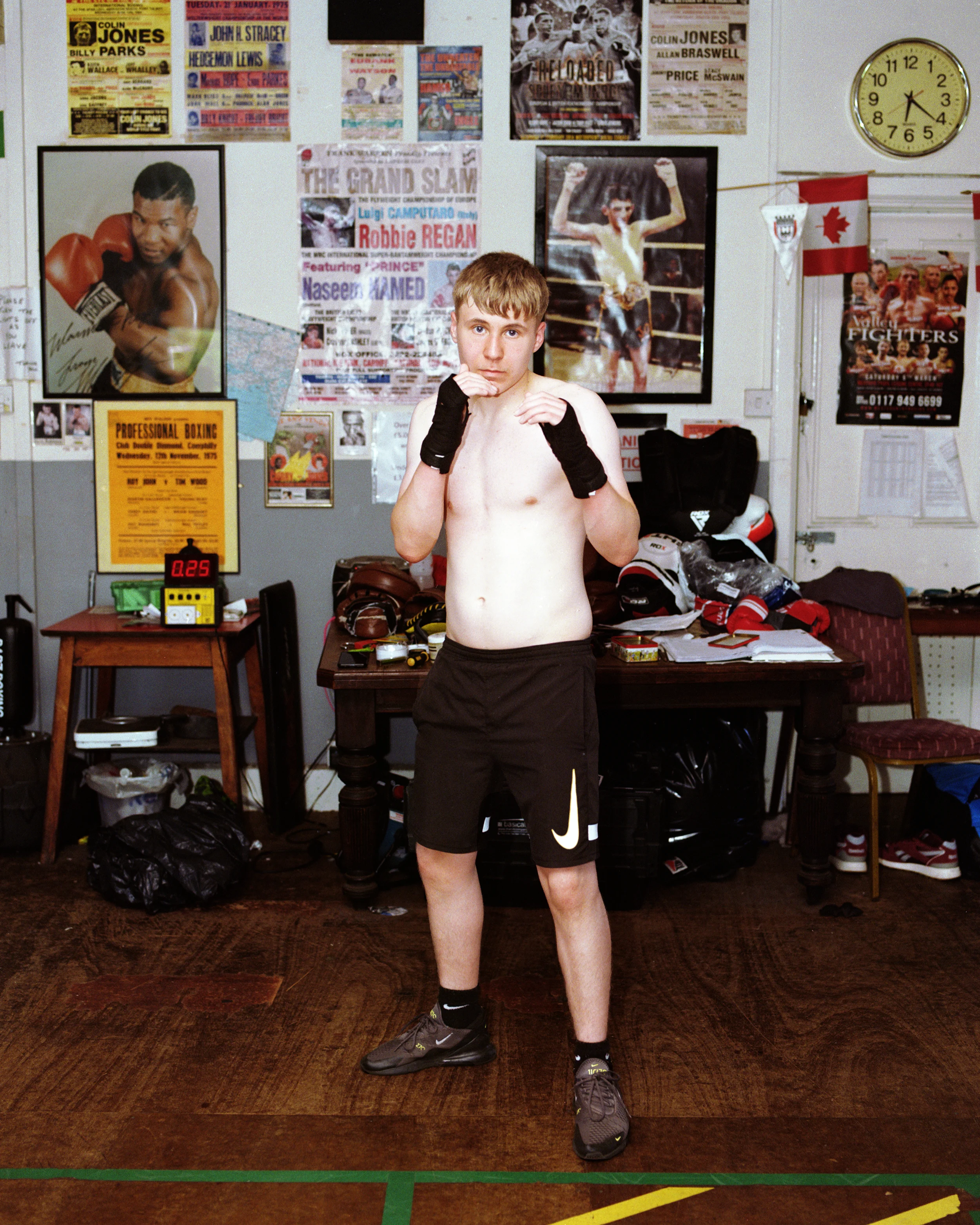
“The government doesn’t fund these clubs, it’s always done through whip-rounds and local support, by them and for them,” Broughton says. Freya’s Fury Ladies MCC embody this, the “wonderfully dressed” matriarchal angels often riding through the shadow of the valleys, raising money for local clubs and charities. Fuelling the marching drums, the boxers like Johnny Owen, the man in the black and white poster behind the young boy posing in stance today. The Merthyr Matchstick fought over 120 fights in a career which saw his untimely death at just 24 years old, in the 12th round of a world bantamweight title fight, and is a storied legend of the area. It shows how people can go anywhere from here, from the boxing ring in this Ex-Servicemen’s Club to the top of the world. He trained in his club, and generations on, others do too.
And these fights will continue to go on. They have to, or else the lights will go out. That’s why Broughton is doing this too; it’s about telling the stories that matter, making sense of the world, finding a home, preserving a slice of life.