

For years, Kadeen Brown has been immersed in London’s grassroots jam scene, attending nights across the city. Her project “The Pride in the Panther” centers the young Londoners pushing the scene forwards and building spaces for creative communities to grow. She tells Neelam Tailor how the project celebrates the resilient, pioneering Black Londoners who came before them, as well as the tight-knit communities being forged in the city’s grassroots scene today.
Kadeen Brown was listening to “Can You See the Pride in the Panther” by by Yasiin Bey, formerly known as Mos Def, when she started thinking about her father. Not Tupac, whose poem inspired the track. Not the Black Panther Party, whose legacy runs through both versions. Her father. A first generation Jamaican Brit and Rastafarian—who told her stories about the Britain he grew up in, which wasn’t always welcoming. Yet what stayed with her wasn’t the hardship itself, but the way he carried it.
“He went through some horrible stuff in the UK,” Brown says. “But despite that, he held his head up high and he just did his thing.” She also thought of the people she’d grown up alongside in Kilburn, north-west London, who were now becoming dentists, teachers, artists. She thought of the musicians she watched at grassroots jam nights around the city. “I see them becoming maybe the next Mos Def, the next Tupac in the future,” she says. “I wanted to uplift their current, and have them in the story.”
You could not speak the same language, but you’d be able to communicate through music. It’s a different level of connection.
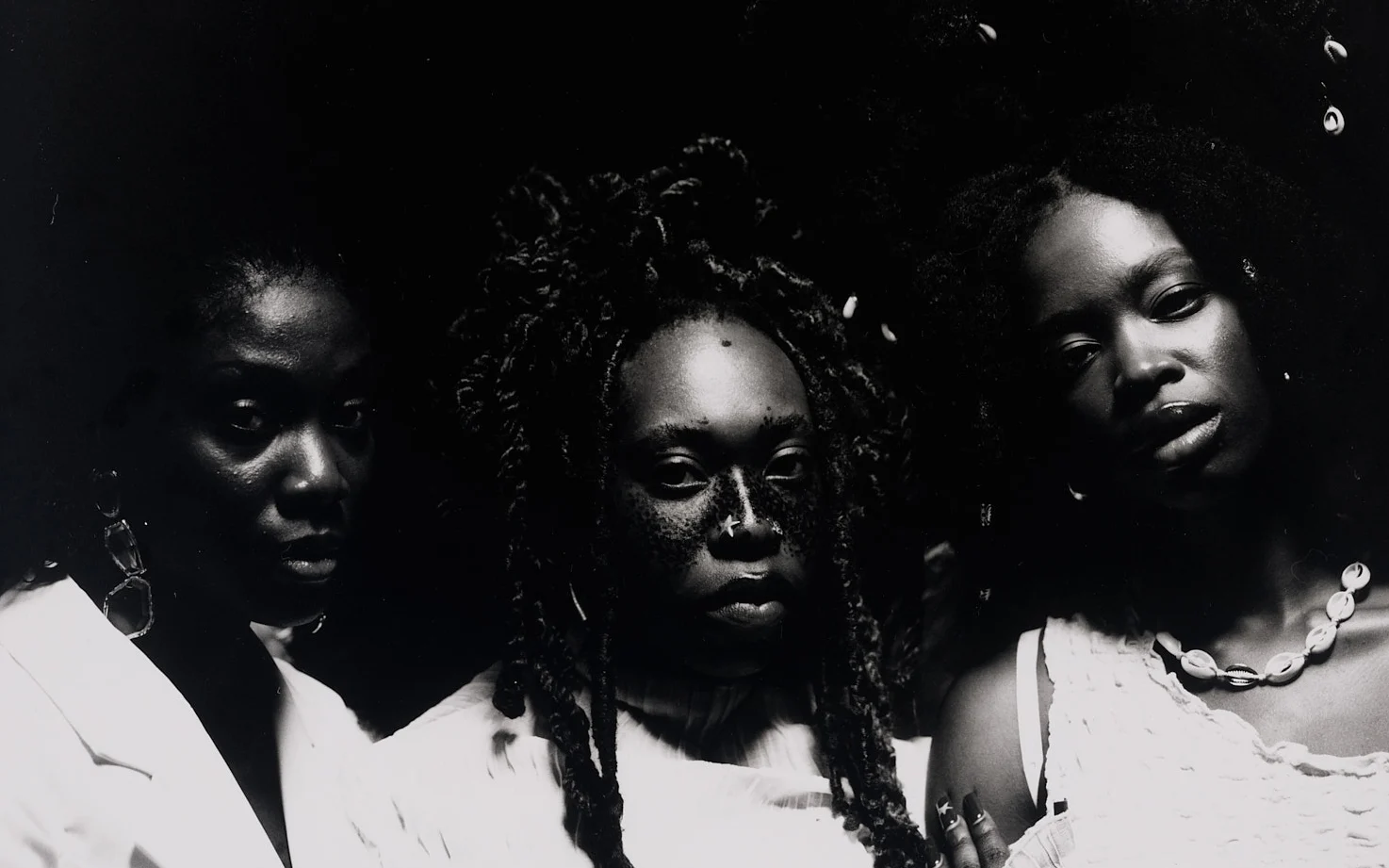
That idea became “Pride in the Panther,” Brown’s graduate project from the London College of Communication: a series of black-and-white portraits, a short film and an original soundtrack that reimagines Tupac’s poem through the lives of Black Londoners today. Rather than casting professional models, Brown turned her camera towards the musicians, dancers and artists she’d met through the jam scene. Many weren’t solely performers, but people building spaces where London’s creative community can grow.
“I wanted it to be more realistic to my experience of life now,” she says. “Being a Black Londoner.” For years she’d been immersed in that world herself, accompanying her partner to jam nights across London and watching strangers build something together in real time. “You might not speak the same language, but you’d be able to communicate through music,” she says. “It’s a different level of connection.”
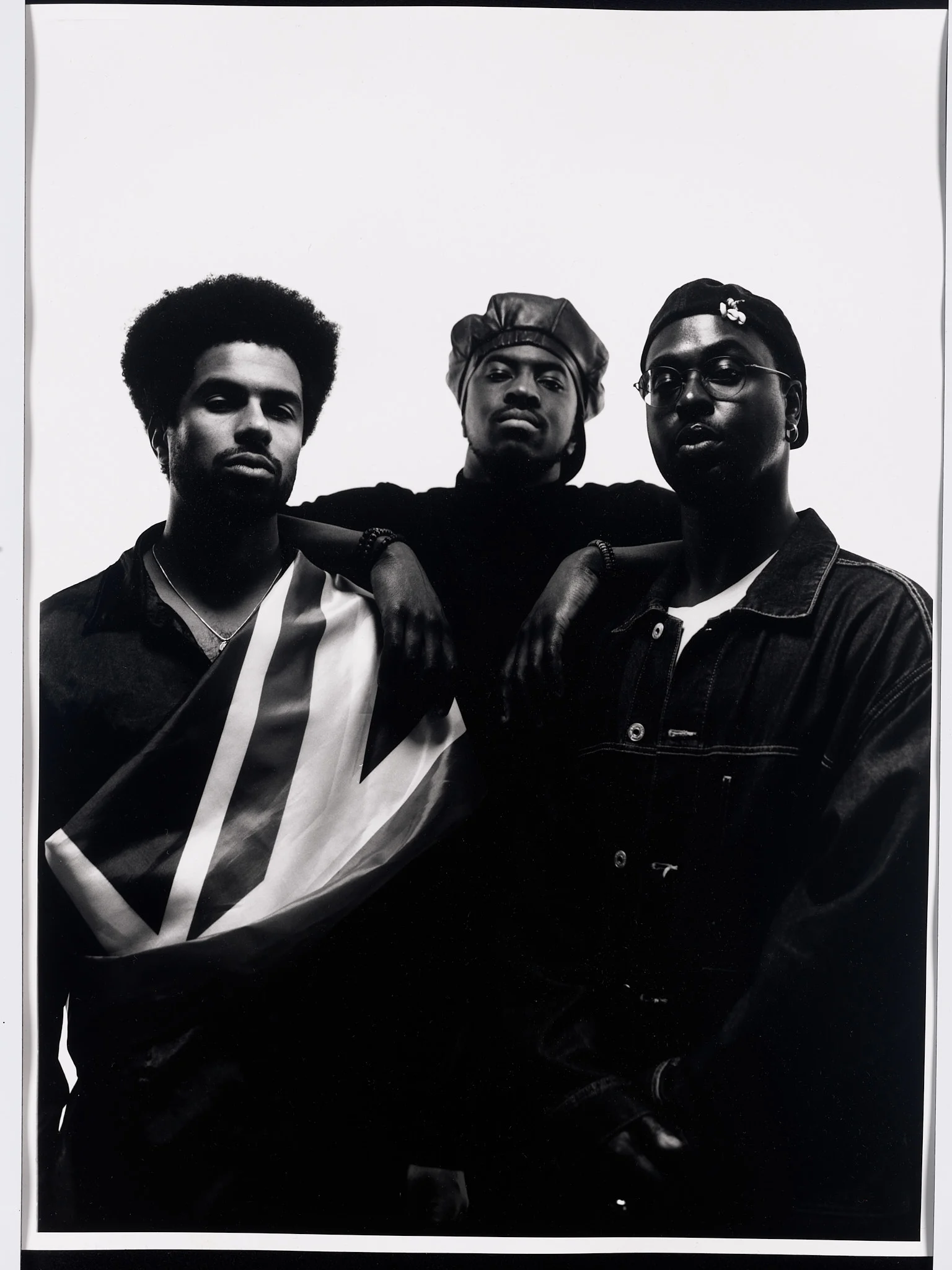
Among those she photographed was Töpia, founder of the community jam night “Töpia’s Homies.” “Creating your sound takes a village, just like creating a person does,” she says. “Kadeen’s photographs gave me that perspective. It reminded me that the real success of these nights isn’t just the music, it’s the people finding one another through it.”
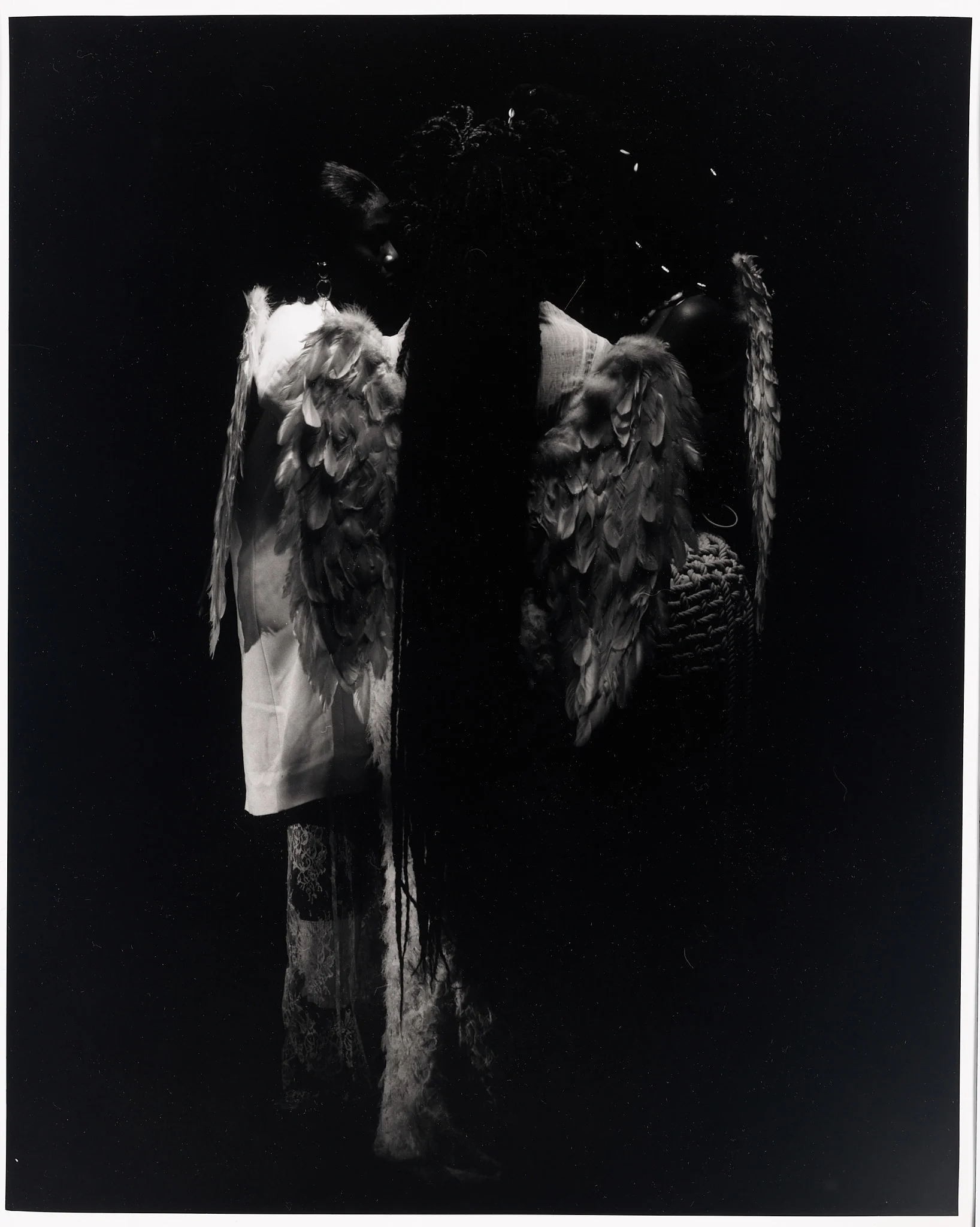
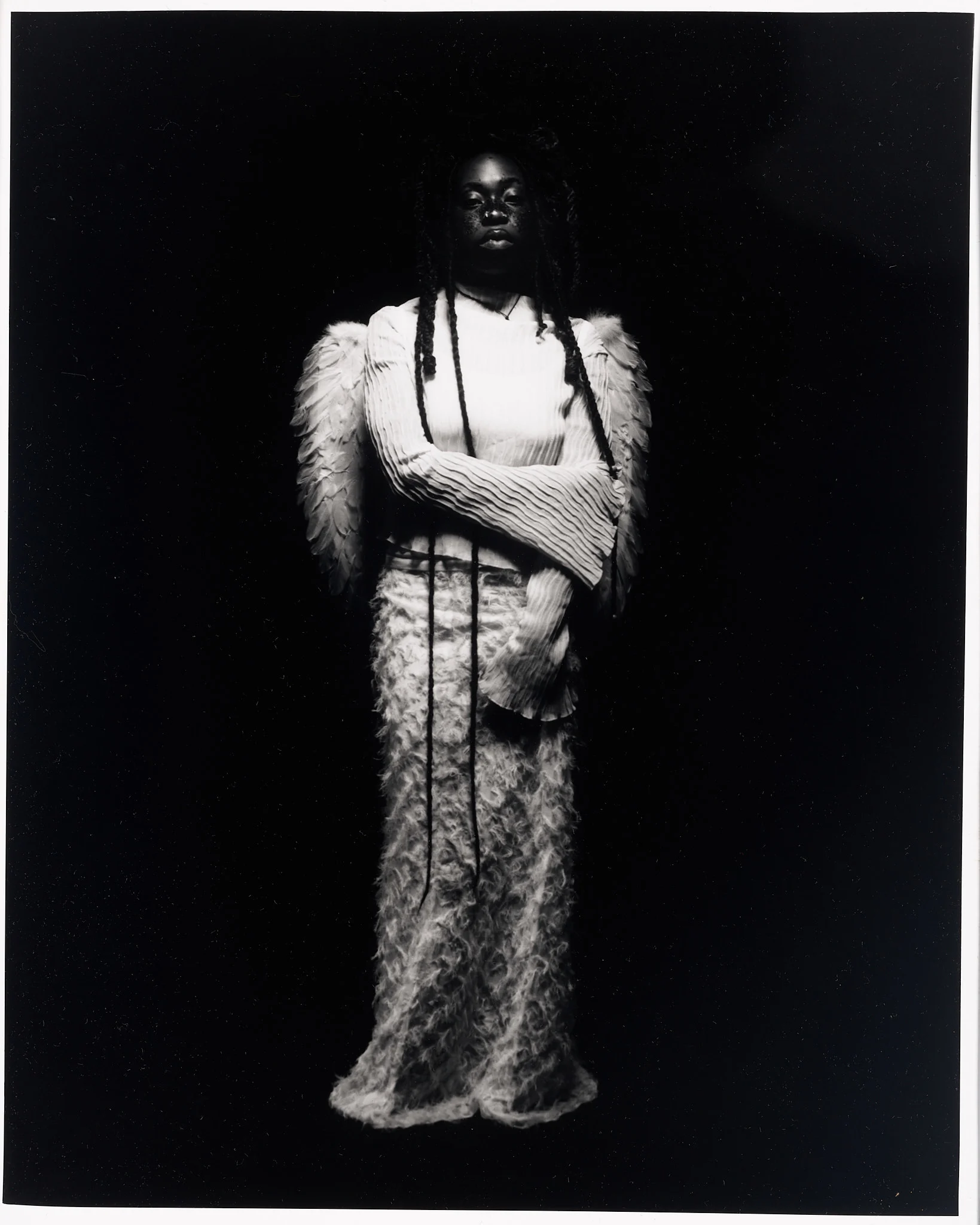
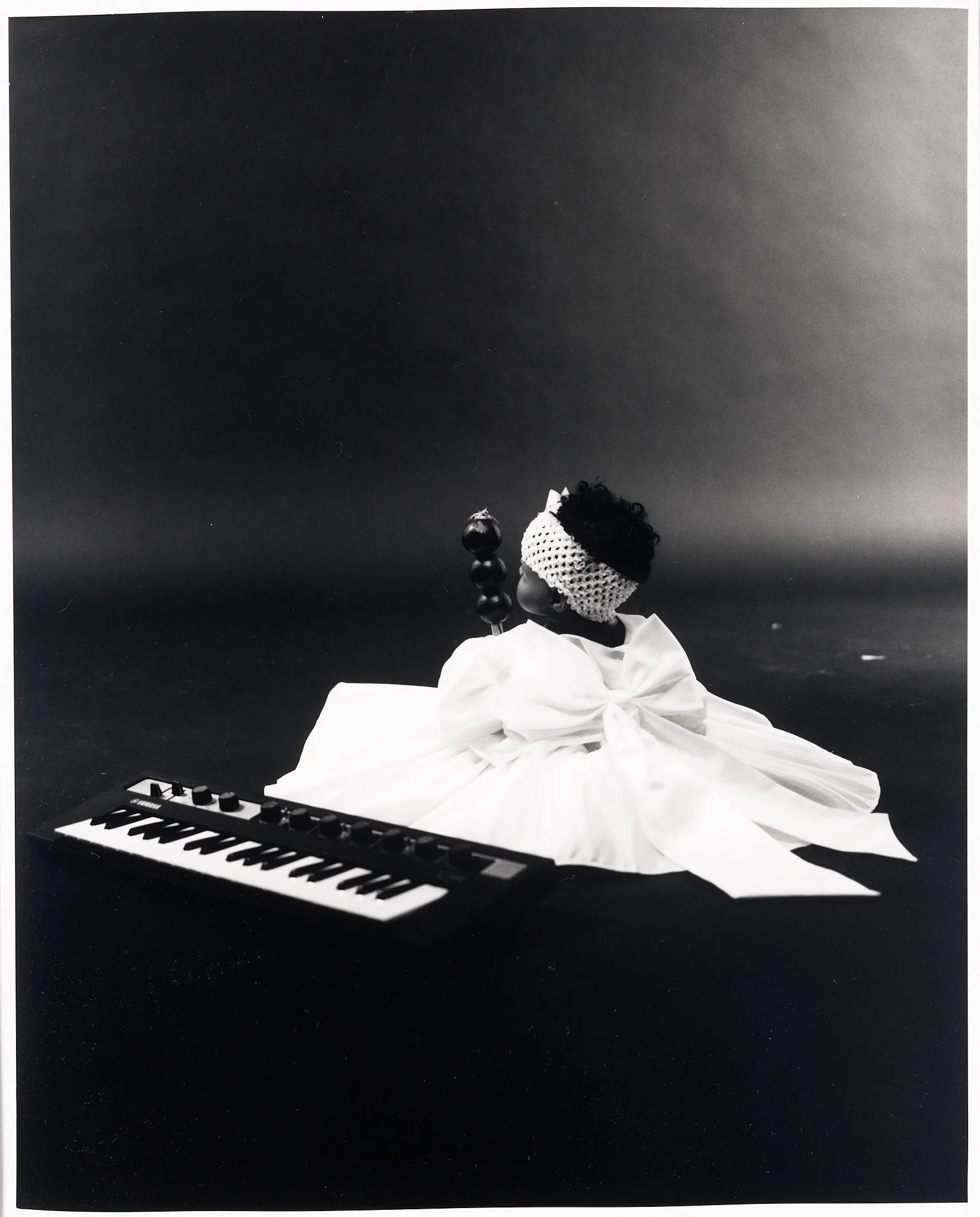
Shot entirely in black and white, the photographs resist being pinned to a particular moment in time. “I wanted it to be a thing where you don’t know if it was taken today or in the past,” she says. “These are the same things that have been going on for years and years. Having color would be distracting from actually seeing the people.” And the people are the point.
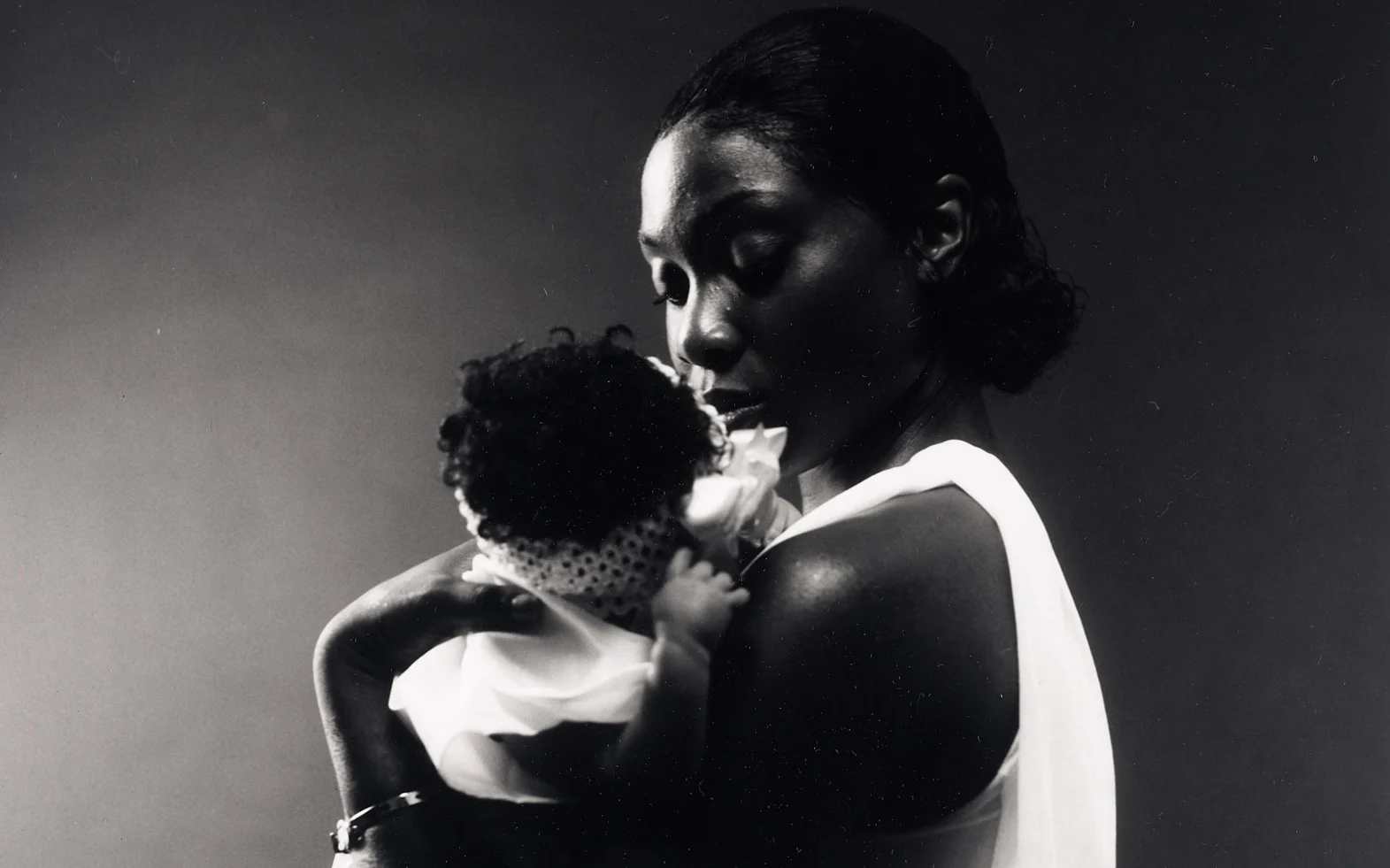
A mother cradles her baby in a pose inspired by Brown’s own family photographs. The child represents youth and, Brown says, “hope for the future.” The portrait is also a tribute to her own mother. “My mum was the one who primarily raised me after my parents split up,” she says. “It was just me, my brother and her. She was working two or three jobs and then coming home and looking after us. I wanted to celebrate that strength that Black women have.” Brown hopes the image also challenges assumptions about single-parent families. “It’s not always bad to have a single parent,” she says. “Sometimes they’re doing more than two parents can do.”
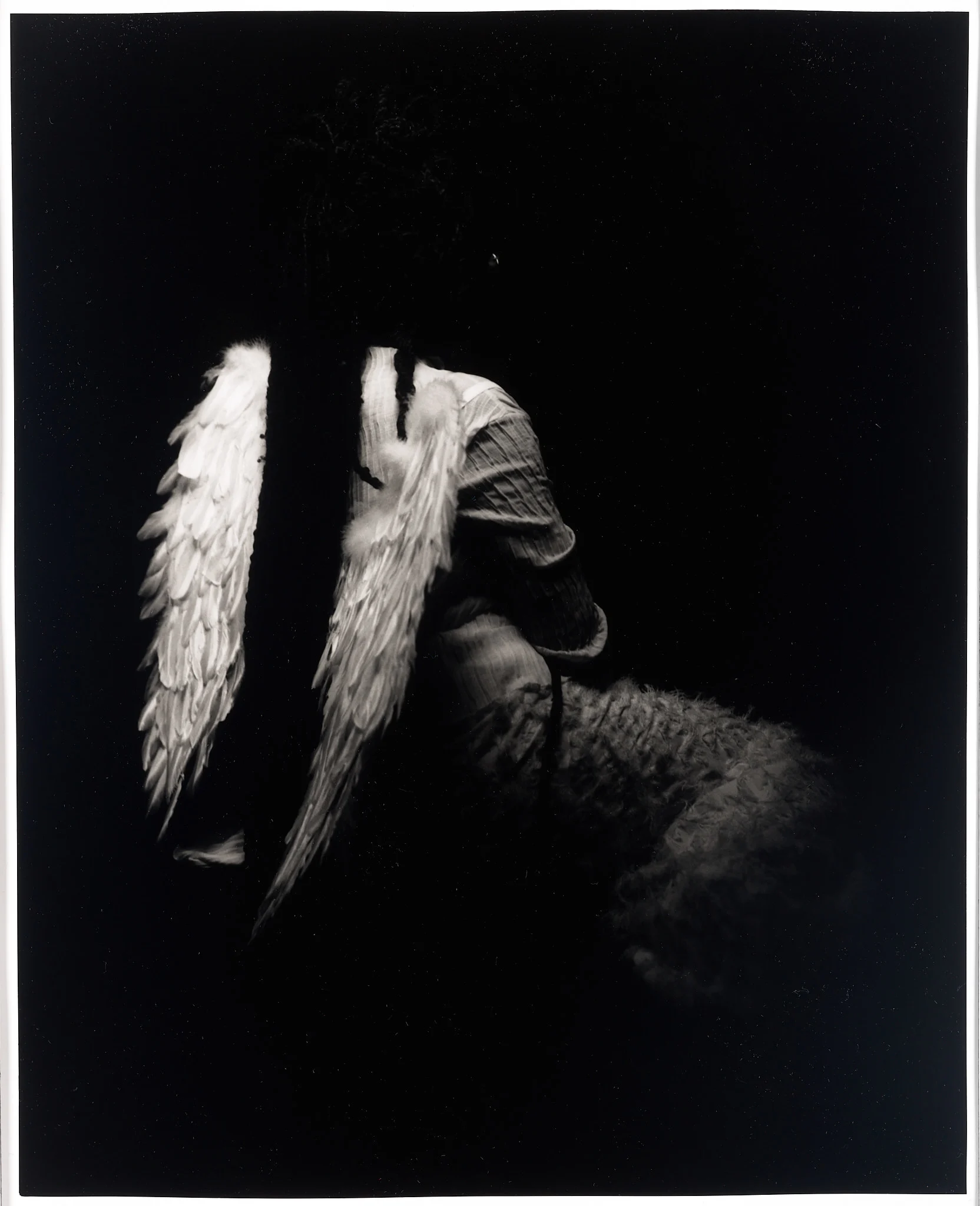
In another image, three women gather in a prayer circle, inspired by the church services Brown briefly attended as a child with her mother, where she remembers the power of people coming together in hope. The women all wear white throughout the series, often appearing with angel wings, a deliberate choice. “Especially with Black women,” Brown says, “you don’t really get that softness and feeling of grace and of being angelic, since you’re often expected to be stronger.”
Britain has a difficult history, but Black British people have also played a huge part in creating a new Britain.
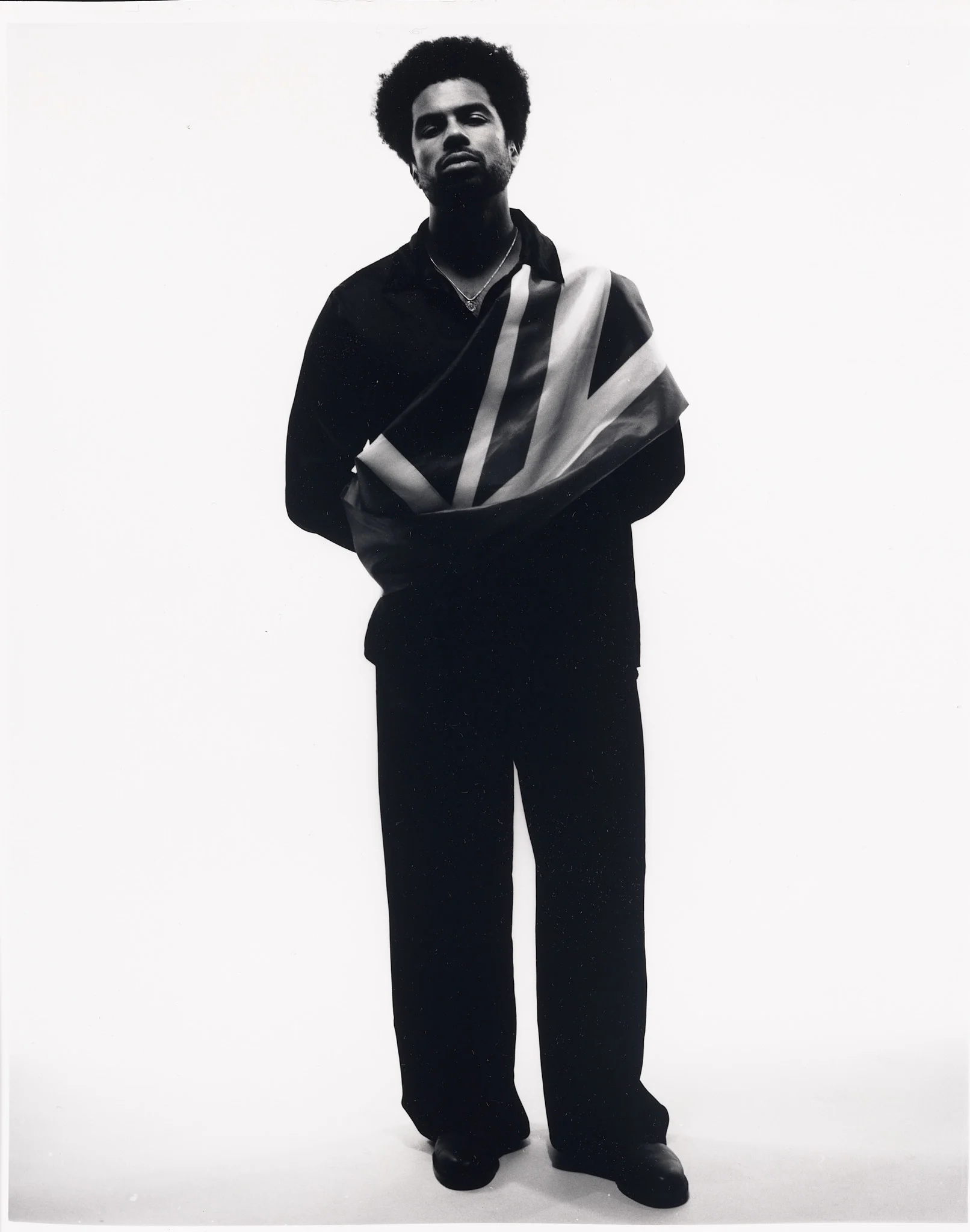
Elsewhere, Brown turns her attention to the men in her community. In multiple shots, musician Charlie Flynn, founder of the grassroots jam night Donut Jam, is wrapped in a Union Jack. “I wanted to ground it in the UK,” Brown says. “Britain has a difficult history, but Black British people have also played a huge part in creating a new Britain. I wanted to celebrate that at a time when people are trying to use [the flag] for hate."
The soundtrack does the same in another way, inviting musicians from London's Black creative community to continue the conversation begun by Tupac and later reimagined by Mos Def. Brown opens the film with her own words, voiced by London artist Nia: “Through struggle and hardship, a flower blooms. Its scent spreads, forcing all to stop and stand in awe. We are the rose that grew from concrete.”
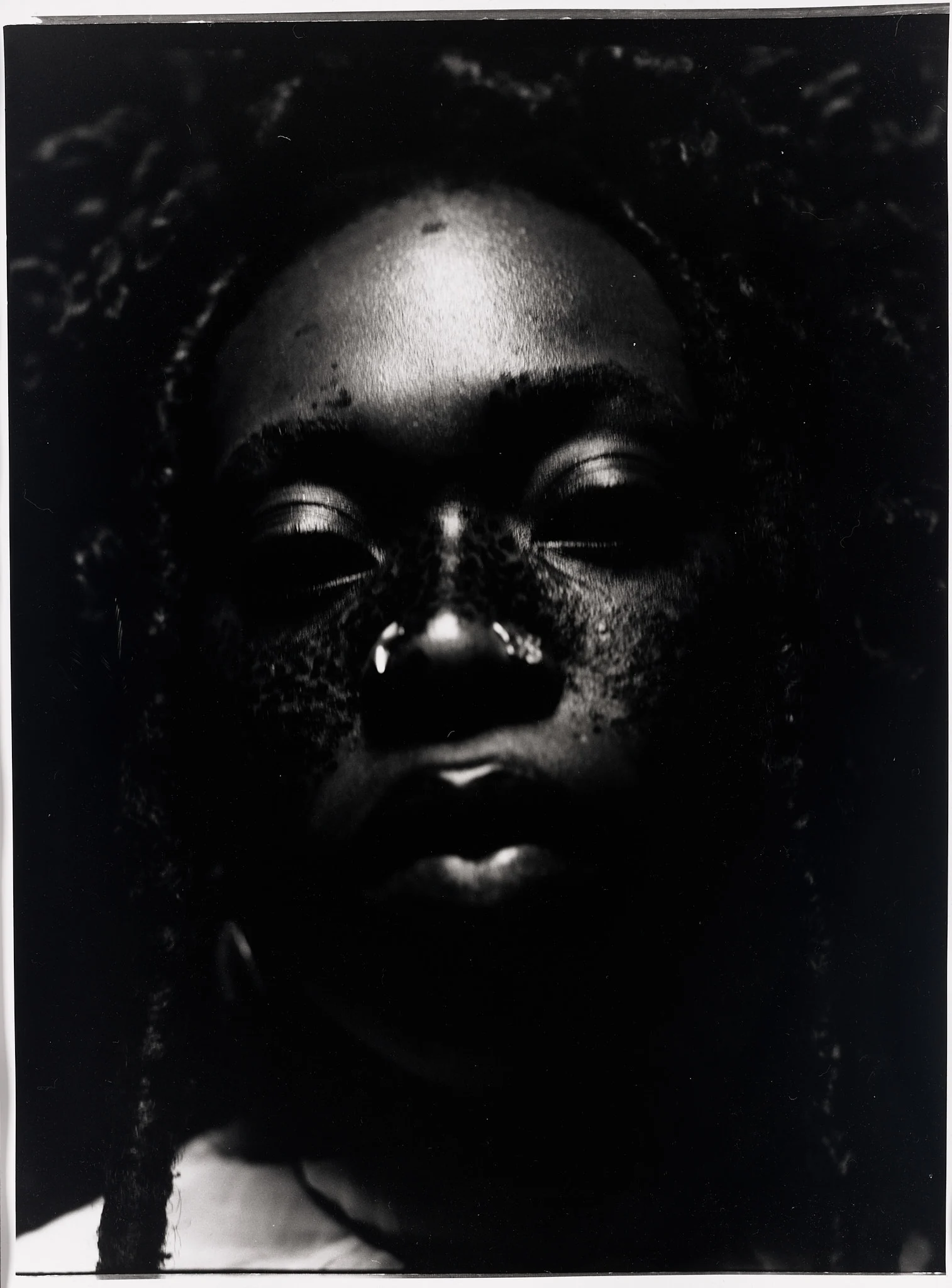
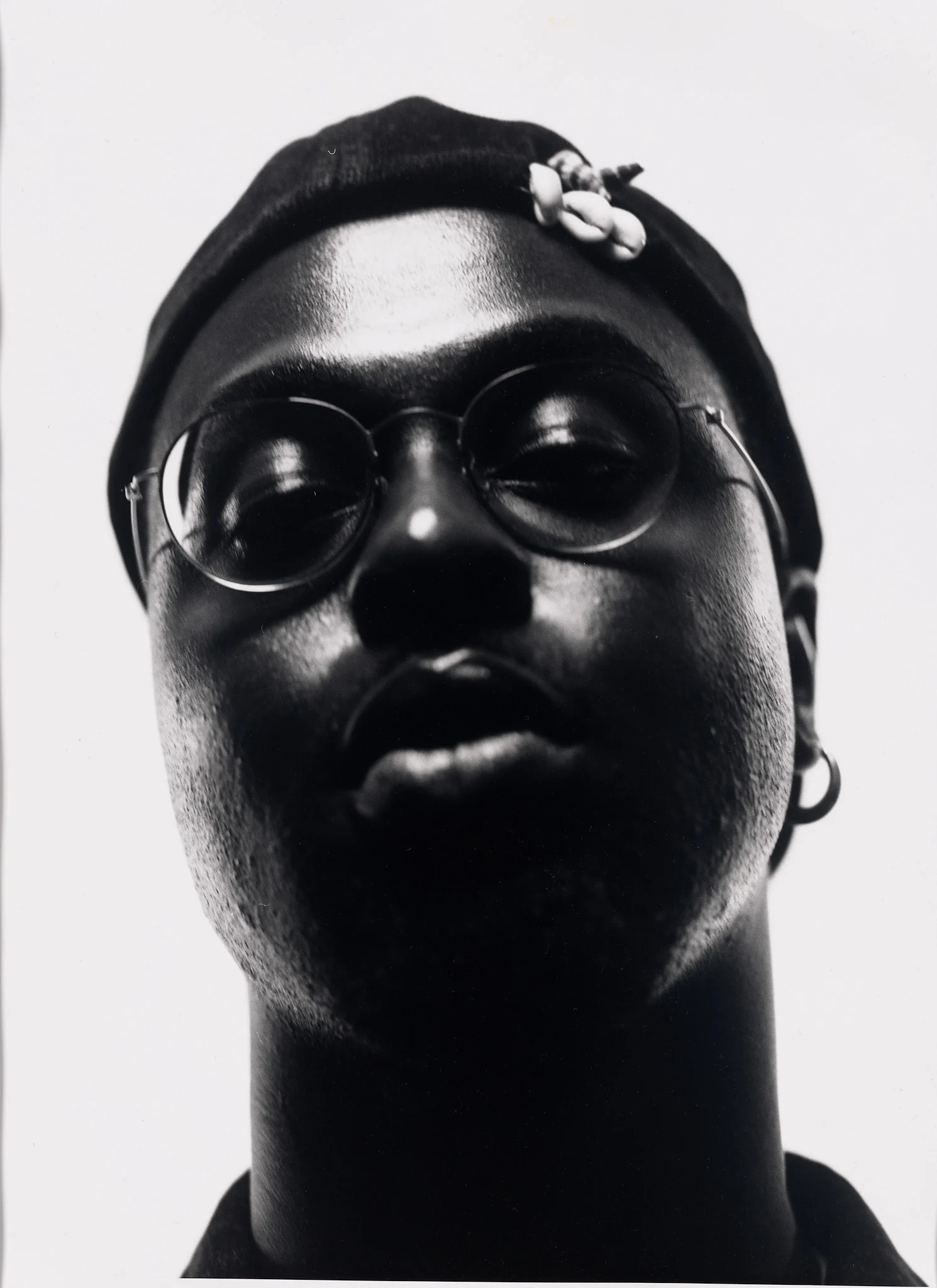
She then hands the story over to rapper Tino Gee, whose original piece responds to Tupac’s poem through his own experience of growing up Black in Britain. “I realized my strength didn’t begin with me,” Tino says. “It came from my parents, my grandparents and so many key figures from my childhood who were all panthers in their own right. The flame that was passed to me isn’t mine to keep. It’s mine to pass on. Responding to this poem felt like a chance to honor the generations that came before me while contributing something meaningful to those who come after.”
Brown dedicates the project “to the pioneers of the past and the future.” She made it for people who, like her younger self, didn’t always feel seen by the school system, or who simply needed to believe another future was possible. “I just want people to resonate,” she says, “and be like, okay... things are going to work out.” When Pride in the Panther was shown at her graduate exhibition, people stood in front of photographs of a community they may never have encountered before. “People came away feeling hopeful,” she says. “Which is what I wanted.”