
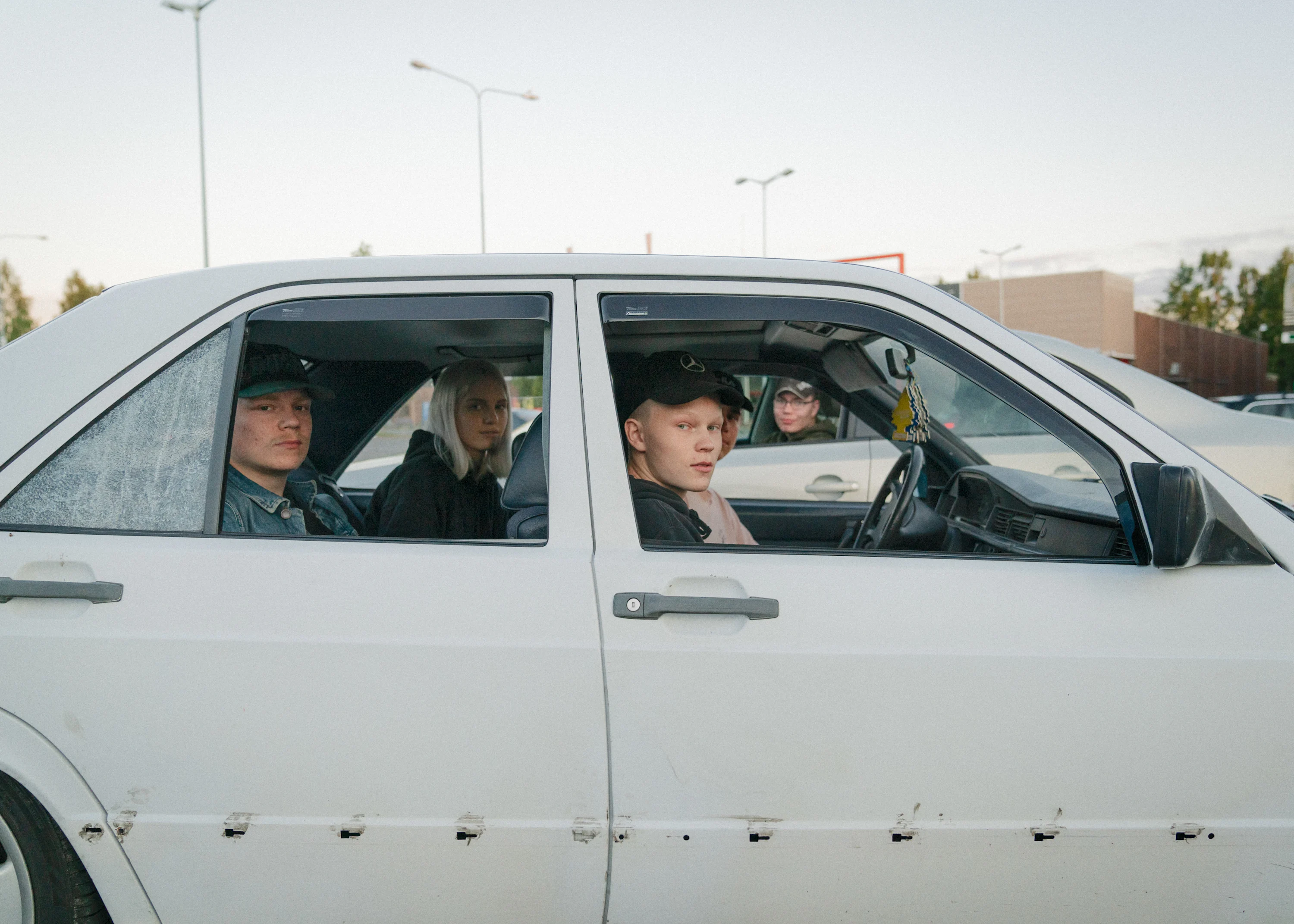
For his new project, photographer Jussi Puikkonen spent four years capturing young drivers as they cruised through the golden-blue glow of Finland’s “nightless” summer nights. He tells Marigold Warner how he embedded himself in the community, and what the culture can tell us about how the country’s youth choose to communicate and express themselves.
Finland’s “nightless nights” are a summer phenomenon where the sky blends from sunset to twilight to dawn without fully reaching nightfall. It was on one such night in 2020 that photographer Jussi Puikkonen took his first photographs of the Pilluralli—Finland’s youth cruising scene. Raised just outside of Helsinki, he was always familiar with the subculture, which started around the mid-70s. “I realized it was still very much alive, and that it said something quite specific about youth, place and belonging,” he says.
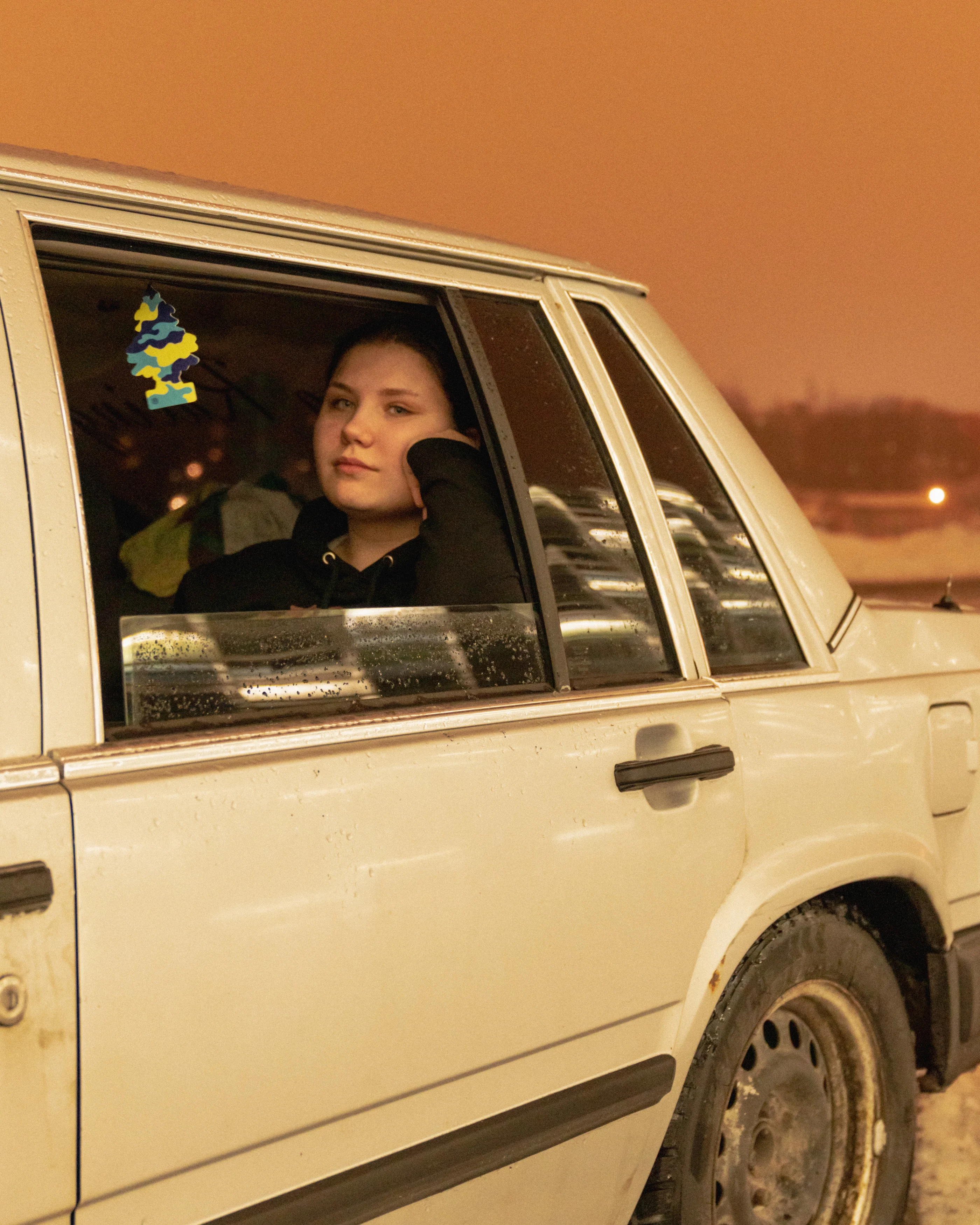
Traveling from his home in Amsterdam up to Finland, he set off down the main road of a small northern town at around 11pm. In the golden-blue twilight of the midnight sun, he spotted a few old cars looping back and forth, windows down, music playing.
“I approached a car that had pulled into a parking lot. I think it was an older BMW, quite worn, nothing flashy,” he recalls. At first, he was unsure of how the young men—probably still in their teens or early 20s—would react, but they were relaxed, if not slightly amused by an older photographer’s interest. “It is a closed social circle in a way, and I was clearly an outsider… [But] there was not much suspicion. I think because the whole culture is built around being seen, in a way, driving up and down, showing yourself, so the camera didn’t feel out of place.”
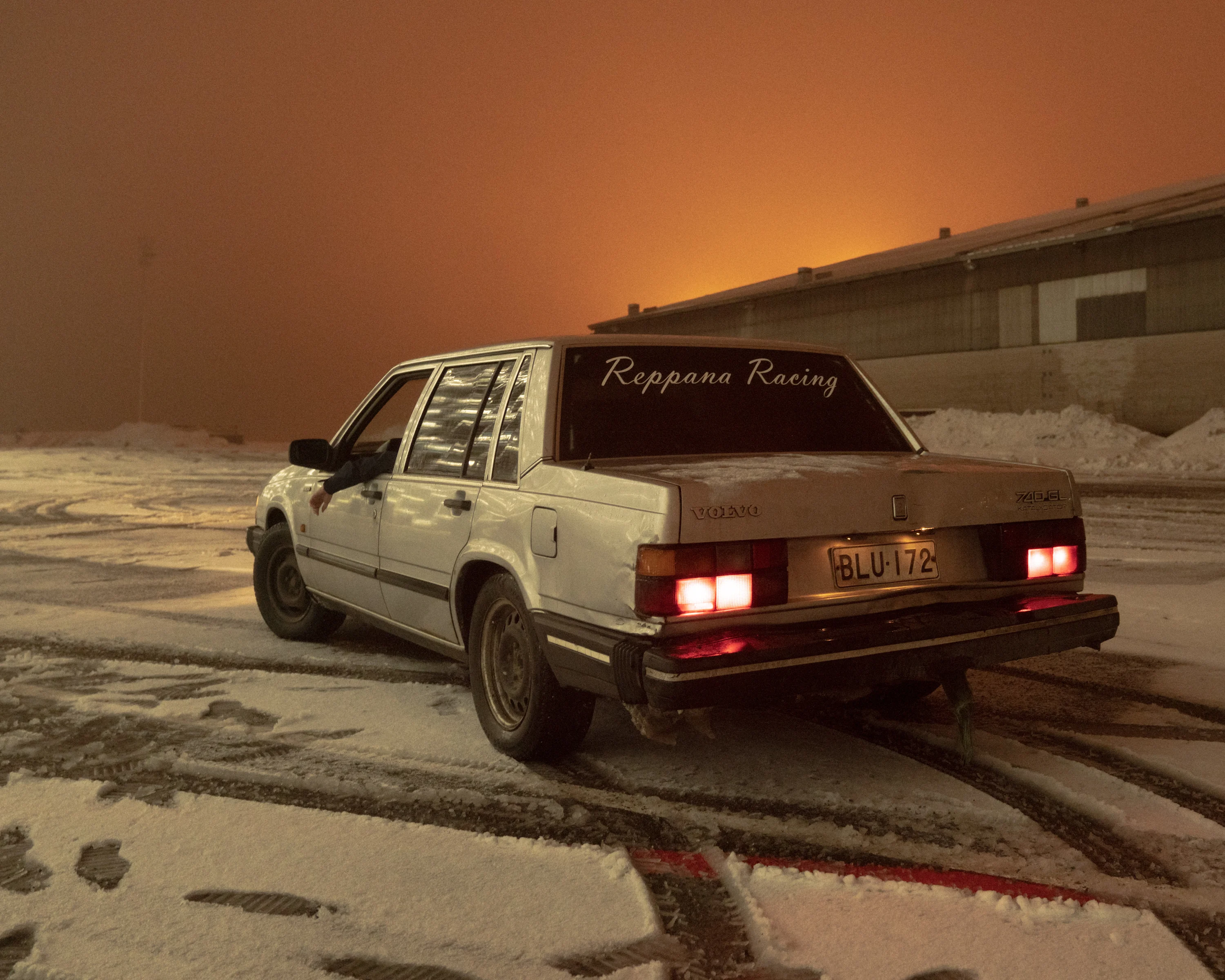

Since people are quite reserved... this is an easy way of communicating, through cars.
That first encounter triggered a deeper interest in the scene, but when Puikkonen went to research it online, there was almost no information. “Everything was word of mouth,” he says. “Quite early on I understood that this project could not be done quickly. The rhythm of it is slow, repetitive and seasonal.” Over the next four years he continued to visit his home country, approaching groups in parking lots, slowly building what would become his new book, “Cruise.”
He found that the scene is particularly active in northern Finland, where public transport is non-existent and the distances are vast. Young people gather in their modified vintage cars, often bought for as little as 300 euros, driving the same open roads until dawn. According to Puikkonen, some locals disapprove of the loud engines, loitering, the music blaring out of speakers, but on the whole it's widely accepted as a rite of passage, and the atmosphere is tame. “The culture is very Finnish. Since people are quite reserved, this is an easy way of communicating, through cars,” he explains. “You can just sit and observe—you’re protected by your car. You can see this even through how they communicate, driving really close to each other and chatting through their windows.”
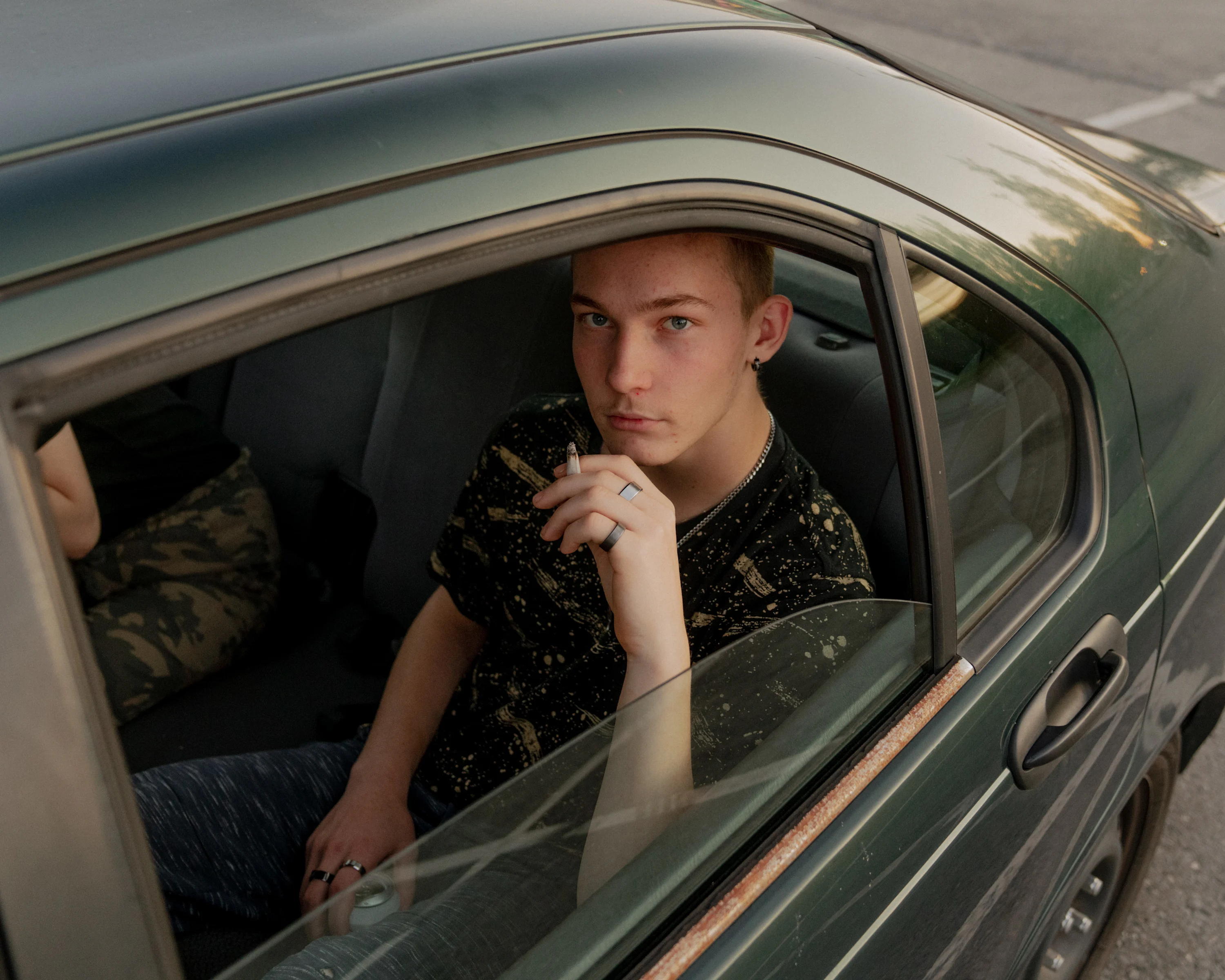
Over four years of shooting, Puikkonen rarely encountered the same people twice, but there were some characters that left an impression. One driver had only been on the road for a year, and already clocked 40,000 kilometers—that’s once around the globe. He also met Rasmus, the young man on the front cover, who pulled up in an old Toyota hatchback with his friends in the backseat. At first, they were hesitant. “Suddenly, they just came out of their car, jumped on the hood and did all these crazy things,” he says. In his portrait on the front cover, the car window is rolled up halfway, perhaps a nod to the photographer’s experience as an outsider looking into the scene.
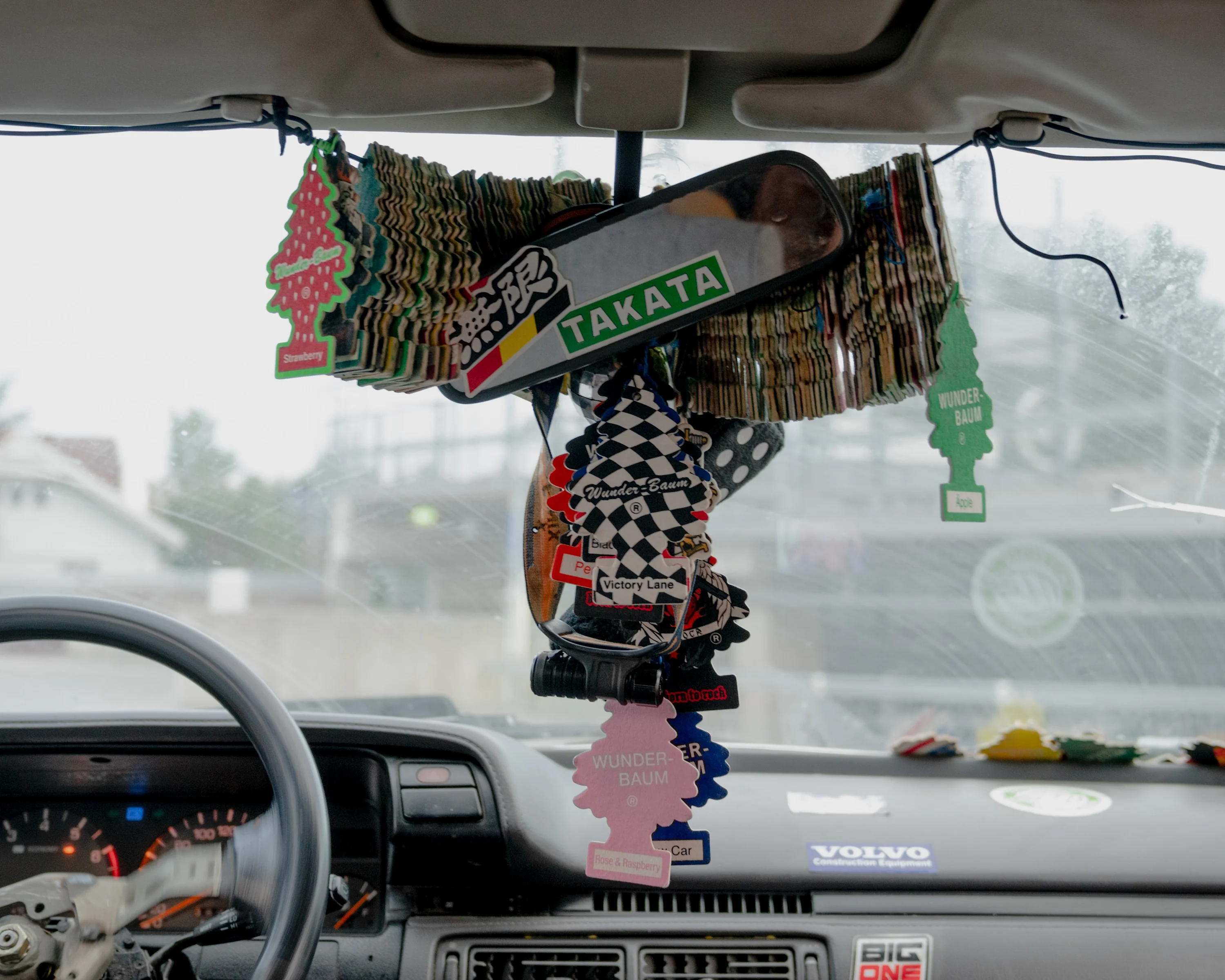
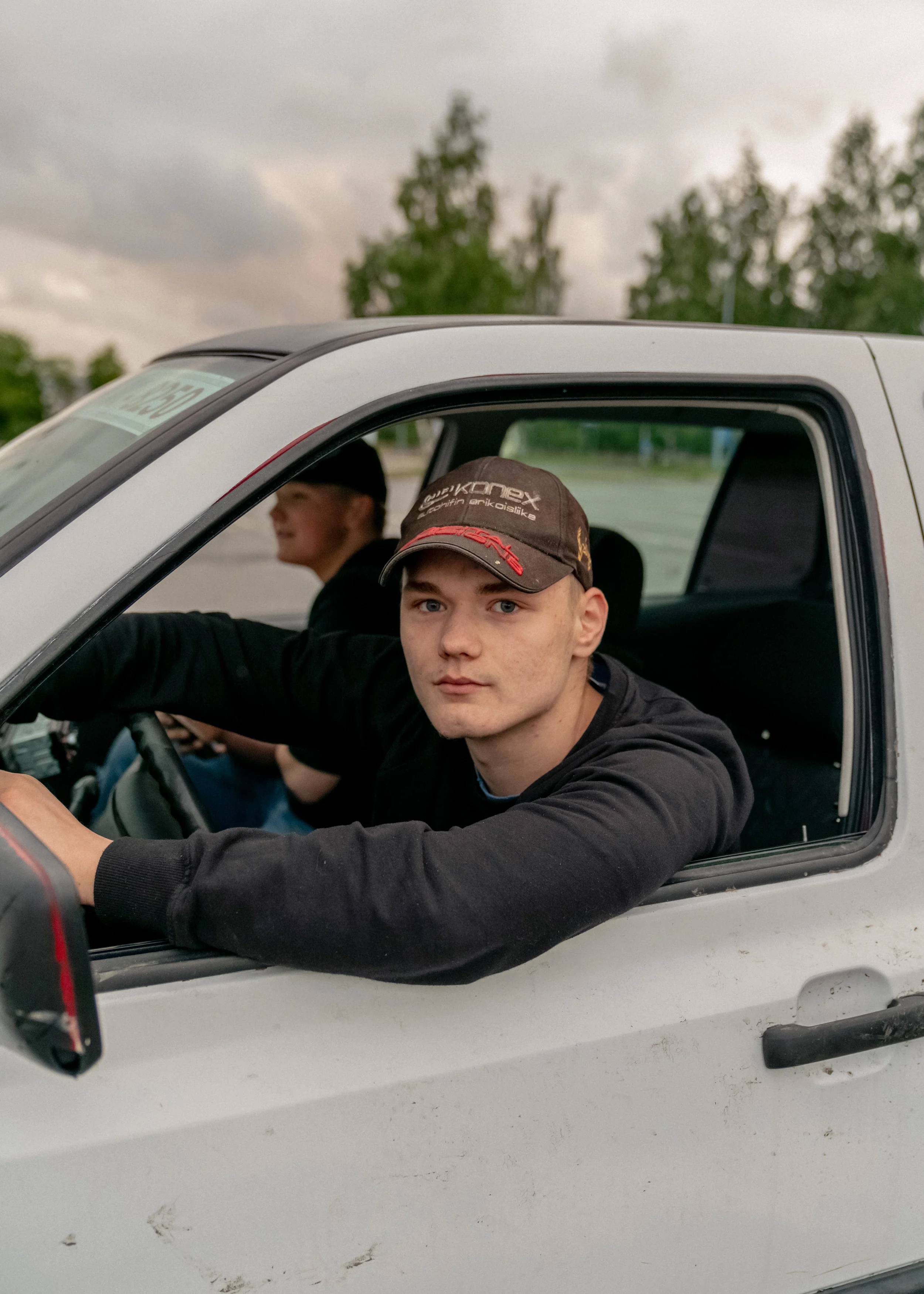
Their car already tells you something about their character.
All around the world, car-related scenes tend to be masculine spaces, and according to Puikkonen Finland is no different; around 80 percent of the drivers he encountered were men. In Finnish, Pilluralli directly translates to “pussy rally,” referring to cruising’s origins as a way for men to pick up women. But nowadays, the term has taken on its own meaning specific to this scene. “Every single Finnish person would know exactly what it means. My mother would even use that word when she would be talking about this culture, but not in any other context,” he explains.
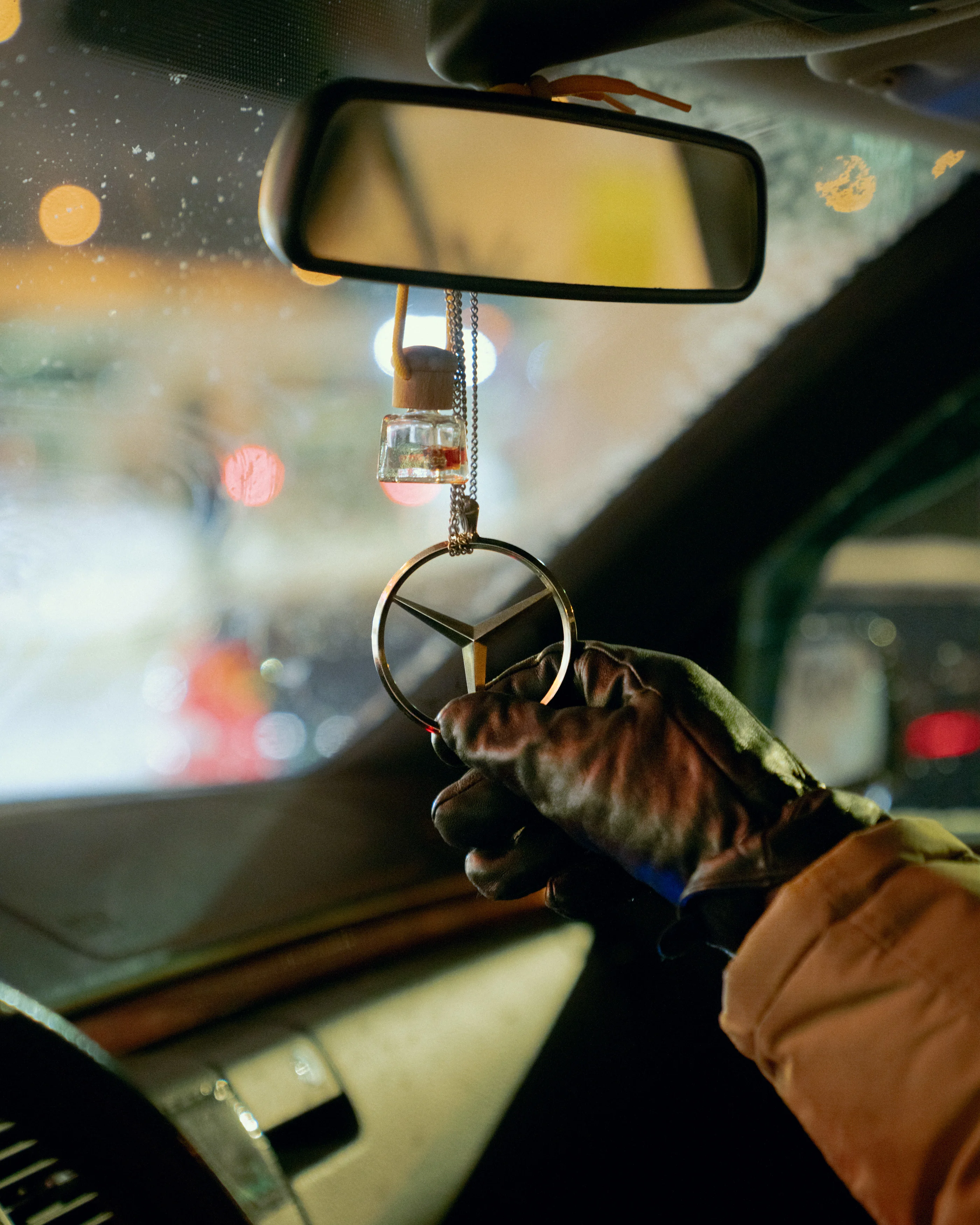
While he found that while women were less likely to agree to being photographed, the keepsakes they chose to hang on their rear-view mirrors, or the rhinestones that stud their gearsticks, were just as revealing. “It’s like in American movies—the first time a character drives on screen, their car already tells you something about their character,” he says. “What I’ve noticed is that the car often works as a kind of extension of the self, especially in places where there aren’t that many other ways to stand out. The choices are rarely random.”
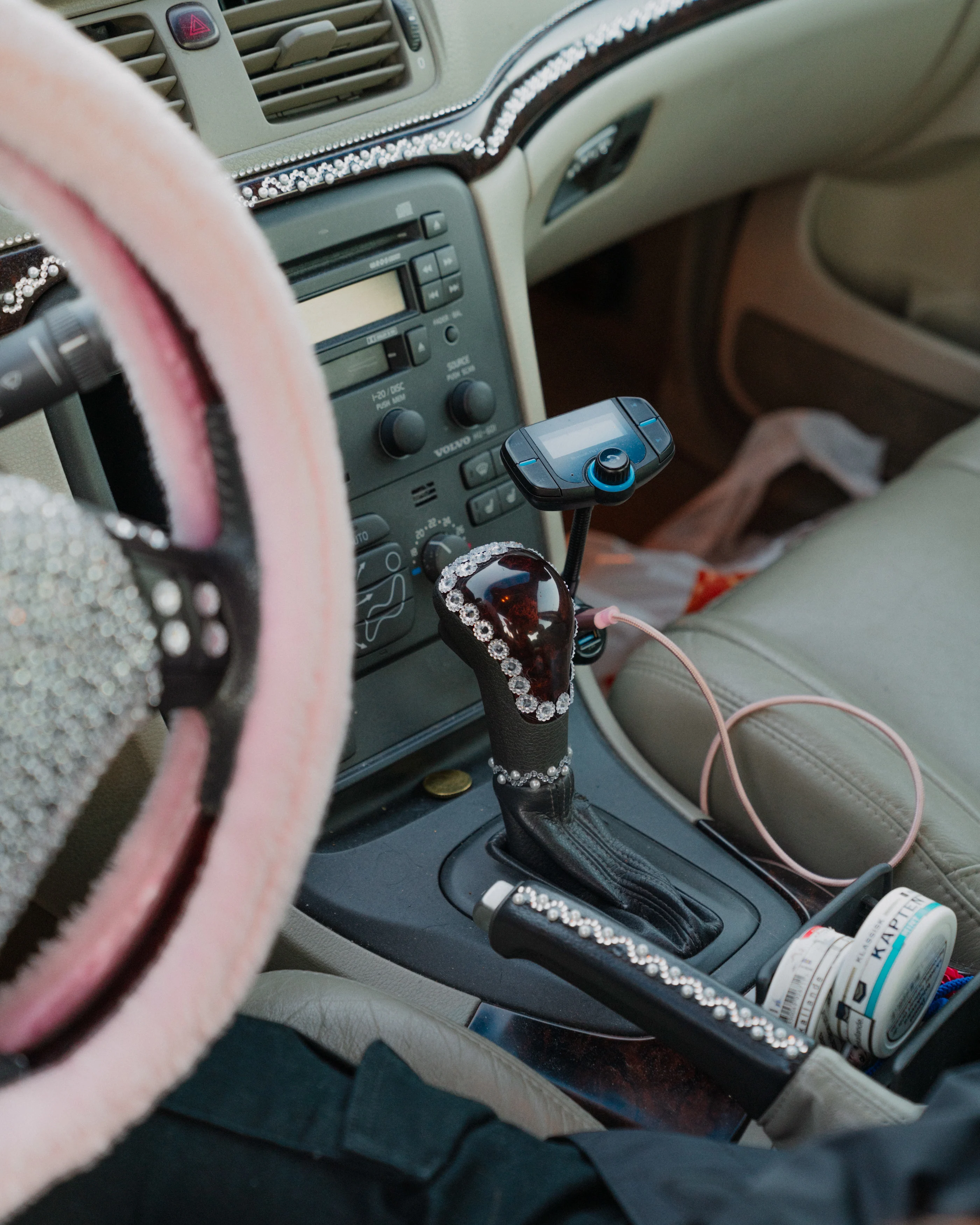
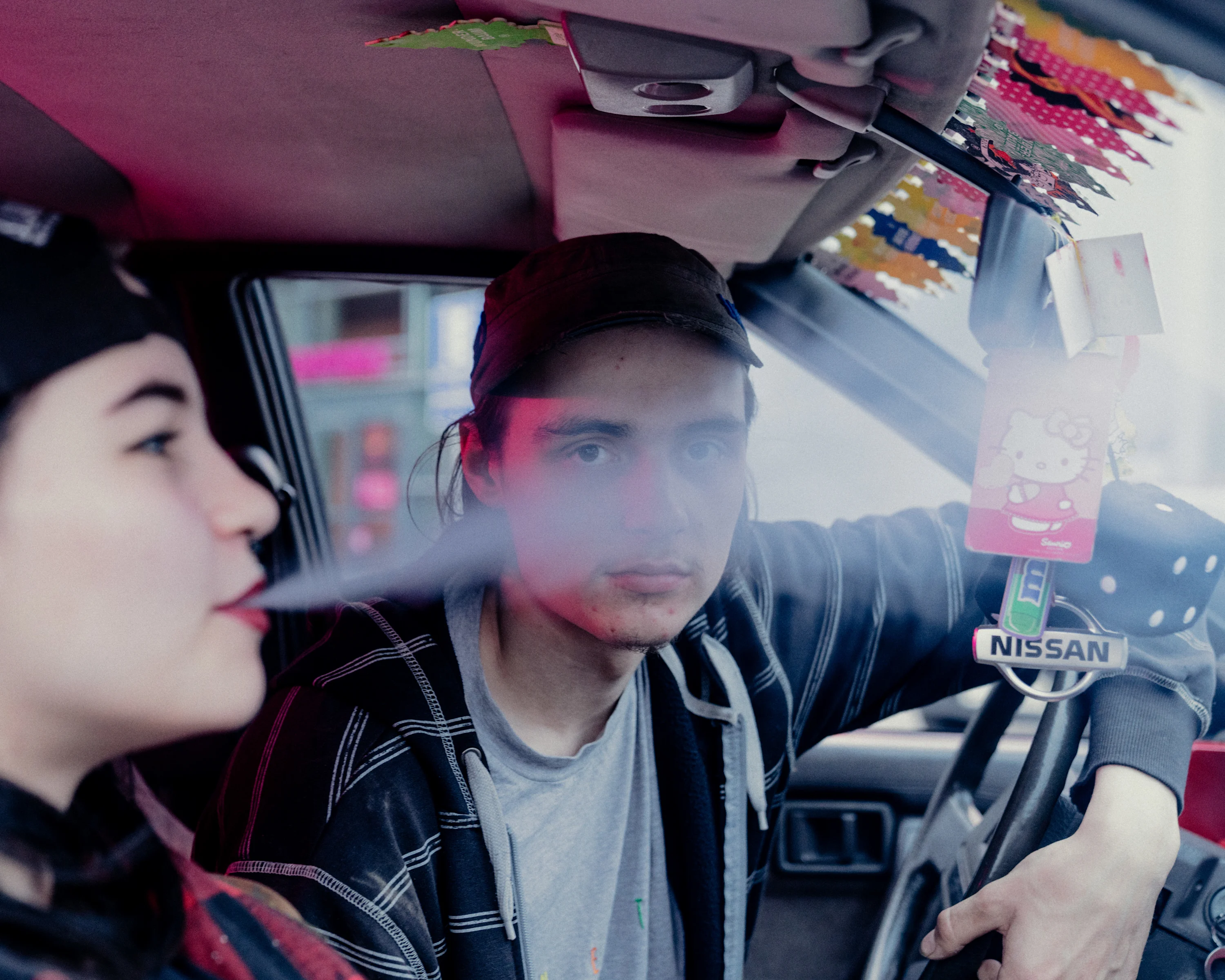
Engine modifications, sound systems, a lowered suspension, polished alloys—all of these customizations say something about who the driver is and how they want to be perceived. “It can lean towards showing status, technical skill, or just presence, something that reads quickly from the outside,” he says.
For these young people though, their first car is more than a marker of identity. It’s a symbol of freedom, and the “nightless nights” function as a metaphor for that. “The light has this extended, almost suspended quality that creates a very specific atmosphere where time feels a bit blurred,” says Puikkonen. In the book, the photographs span four years, but are organized seasonally from summer to winter. This echoes the cyclical and repetitive nature of cruising, or any youth tradition, and the midnight sun that lights up these images are the perfect expression. Neither day nor night, just the golden hours in-between.