From capturing cosplaying communities to taking photos at the Appleby Horse Fair, Jack Tennant has always been drawn to the places and spaces where people find a sense of belonging. His latest project took him to the Isle of Man, where he documented a punk collective called the Manx Punx. He tells Bruno Bayley just how much the group means to the “outsiders” on this small island.
The moment a friend mentioned she was from the Isle of Man, UK-based photographer Jack Tennant was intrigued. “Not that many people I know have been there, or even met someone from there,” he says. Soon after, a couple Tennant met while walking the dog with his mother spurred his interest, telling him about the island’s natural beauty. “A lot of things were pointing me toward the Isle of Man, it was churning in my head.” That Chris Killip, renowned documentary photographer and one of Tennant’s major inspirations, was from the island only heightened his interest.
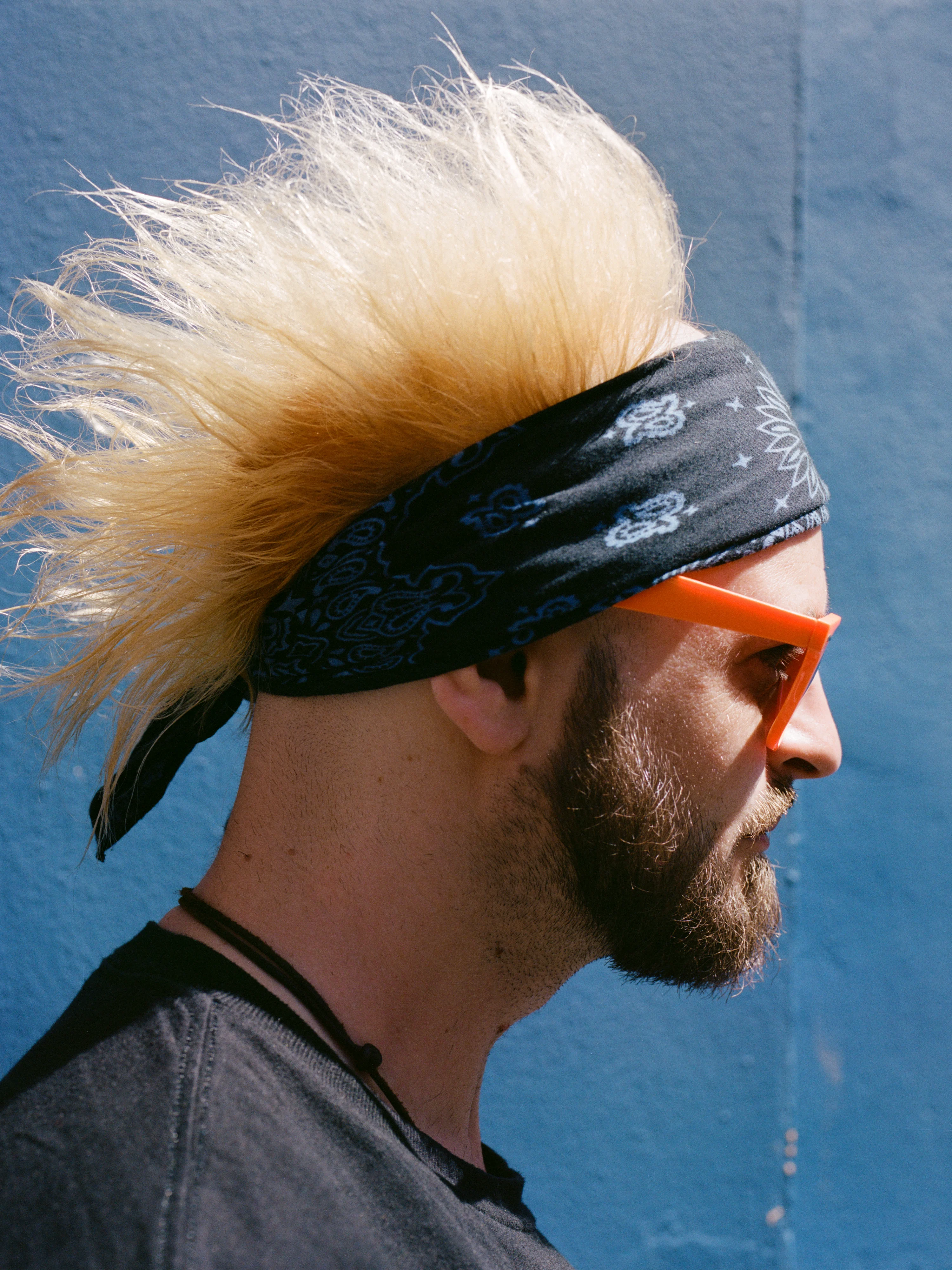
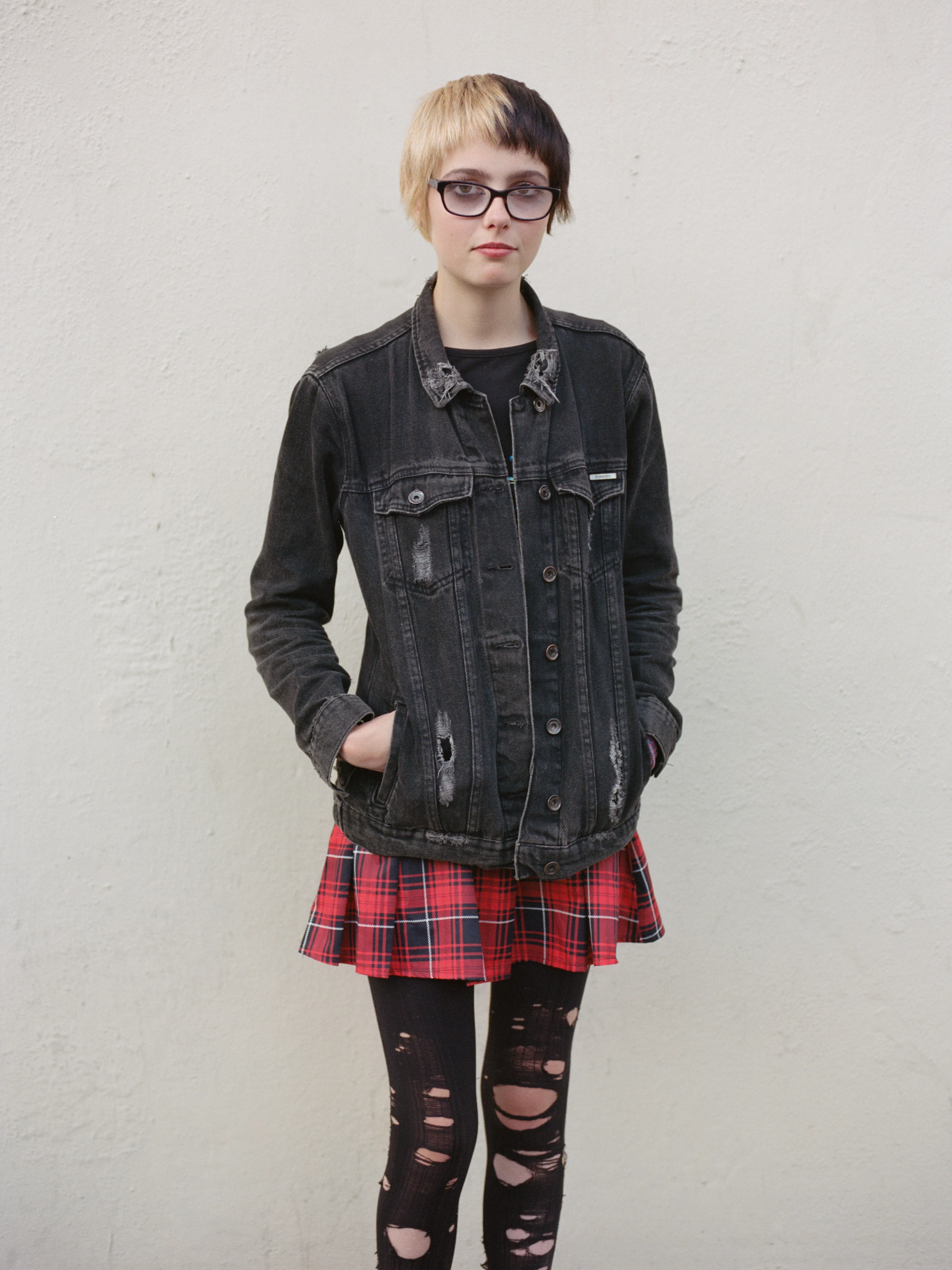
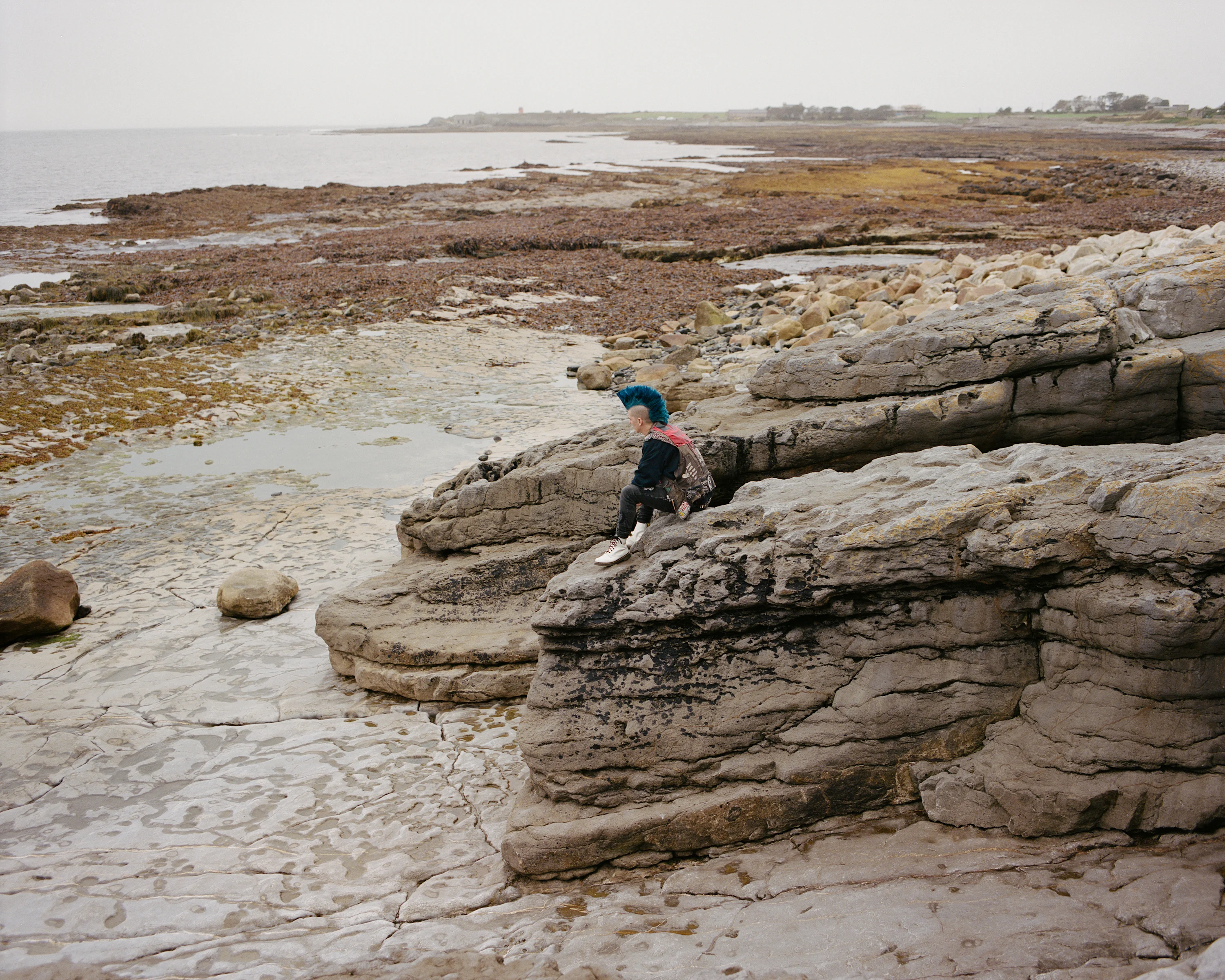
The Isle of Man lies in the middle of the Irish Sea, 110-odd miles off the English coastline. A British crown dependency, the nation is proudly independent, rich in folklore and history, but perhaps best known today for its low taxes (and resultant status as an offshore banking haven) and for hosting the Isle of Man TT—arguably the world’s best-known motorcycle road race. It’s small—221 square miles—with a population a little under 85,000. It is perhaps not the first place one might expect to find a thriving punk scene.
“I’ve had success in the past shooting subcultures, youth cultures and coming of age stories, and I thought of Chris Killip’s fascination with punks,” Tennant says. He asked his Manx friend if there was a punk scene of any sort on the island. She said there was, and before long Tennant was messaging with the organiser of a Facebook group called Manx Punx. In the early summer of 2025 the contact suggested he come along to an all-day festival to start work. He would return to the island to take photographs twice more before the project was complete.
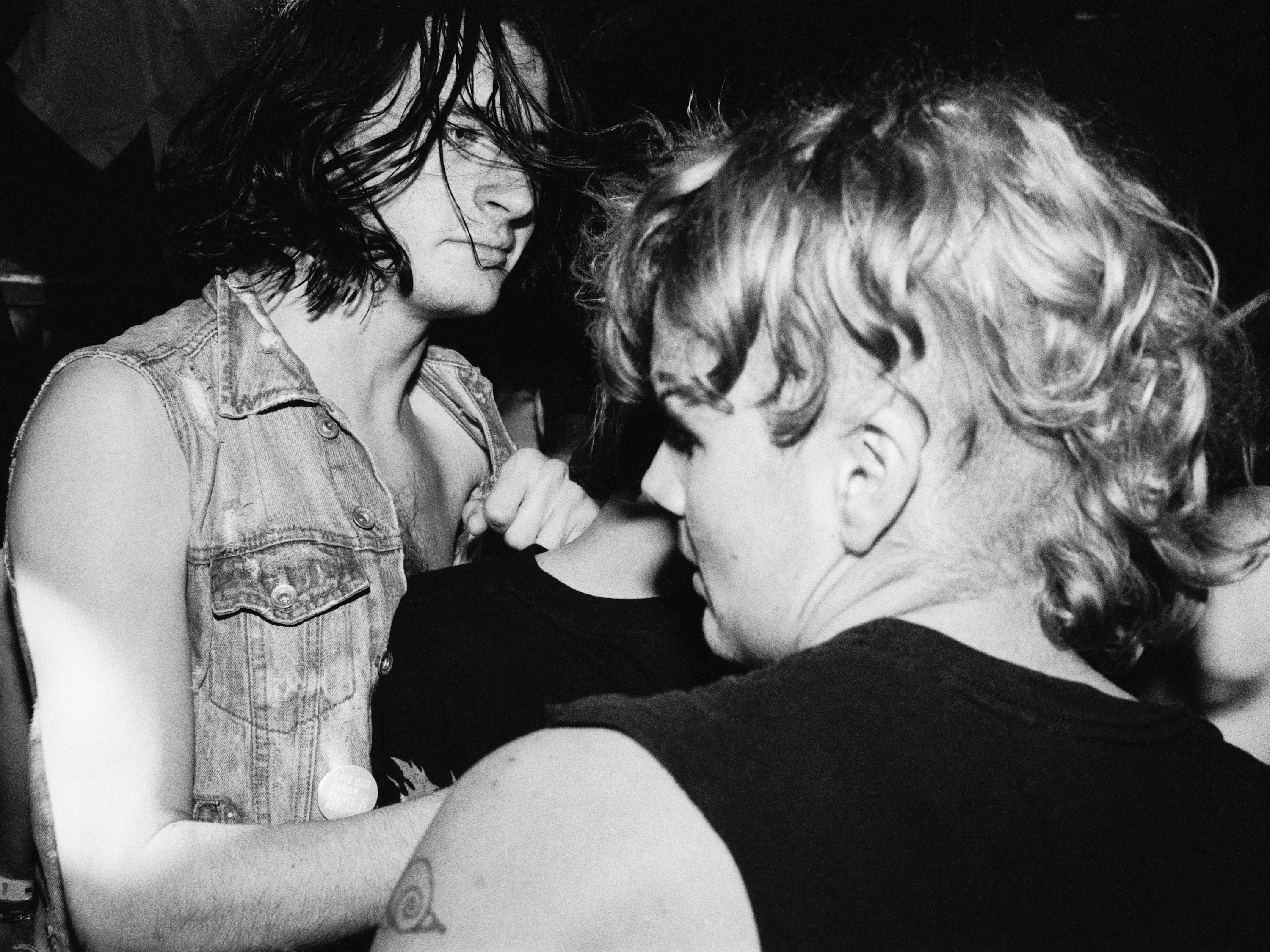
The Punx collective is somewhere people can be and feel safe if they don’t feel they fit into the mainstream on the island. It was beautiful.
For Tennant, the ideal photographic subject matter avoids sensationalism, but incorporates visually exciting components. “I could shoot punks in Tokyo, but I wanted something more subtle, quieter,” he says, but shooting close to home presents its own challenges. “You’ve not got that immediate visual vernacular that’s surprising to the viewer. You have to dig to make it work, and do that in an authentic and truthful way. To me it’s almost a cosier sort of world-building than photographing something visually sensational.”
In spite of his research, Tennant was surprised on arrival in the Manx capital of Douglas. “It’s so small,” he says, “and you have this tax haven vibe there, combined with lots of unemployment. There are certainly lots of disenfranchised people.” The photographer describes the Manx Punx collective as a welcoming, diverse, alternative DIY community. “I think on the Isle of Man, if you are someone with creative or politically left-side views, then you’re not really easily slotting in there,” he says. “The collective offers a place for all of them to come together.”
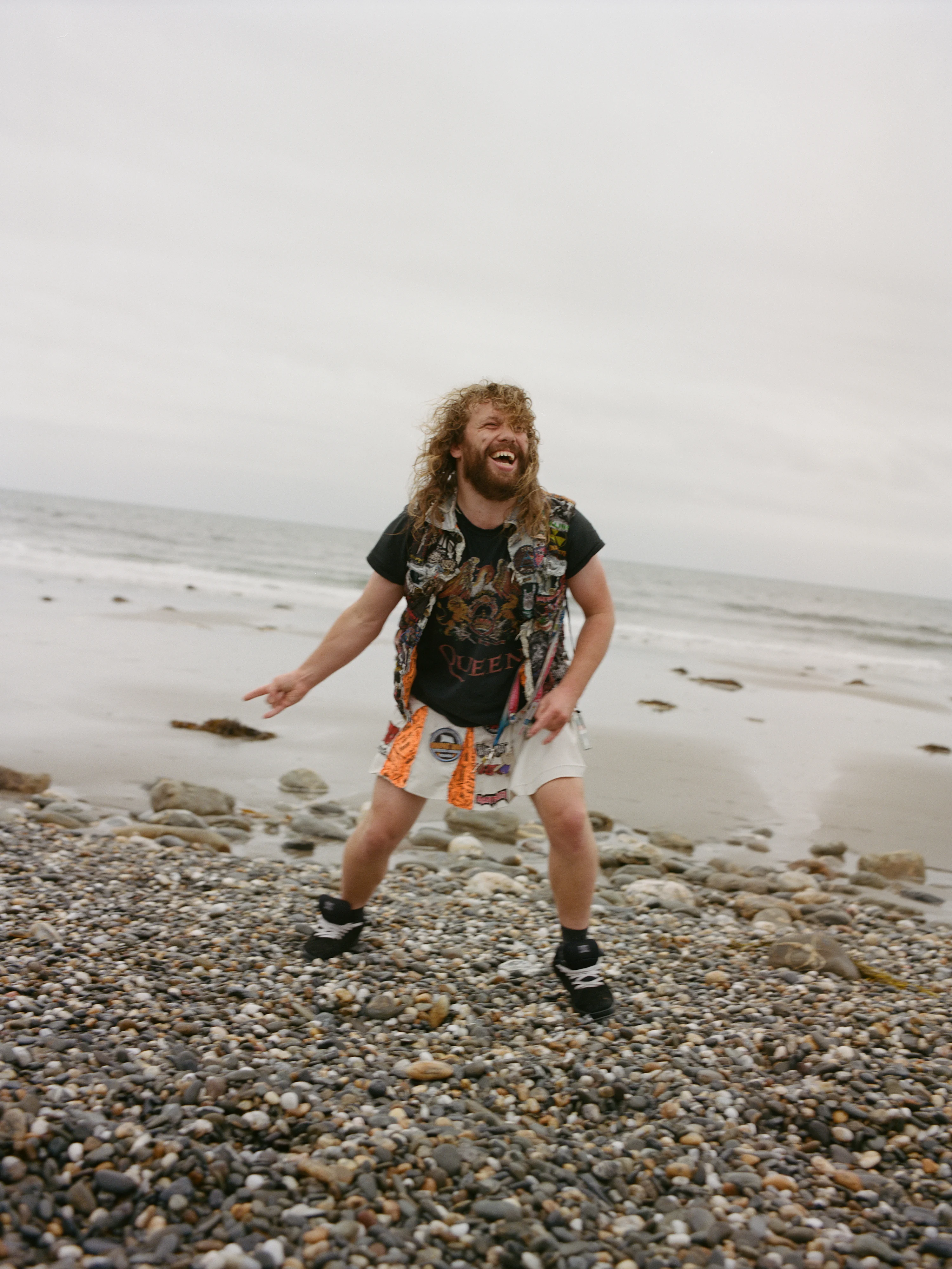

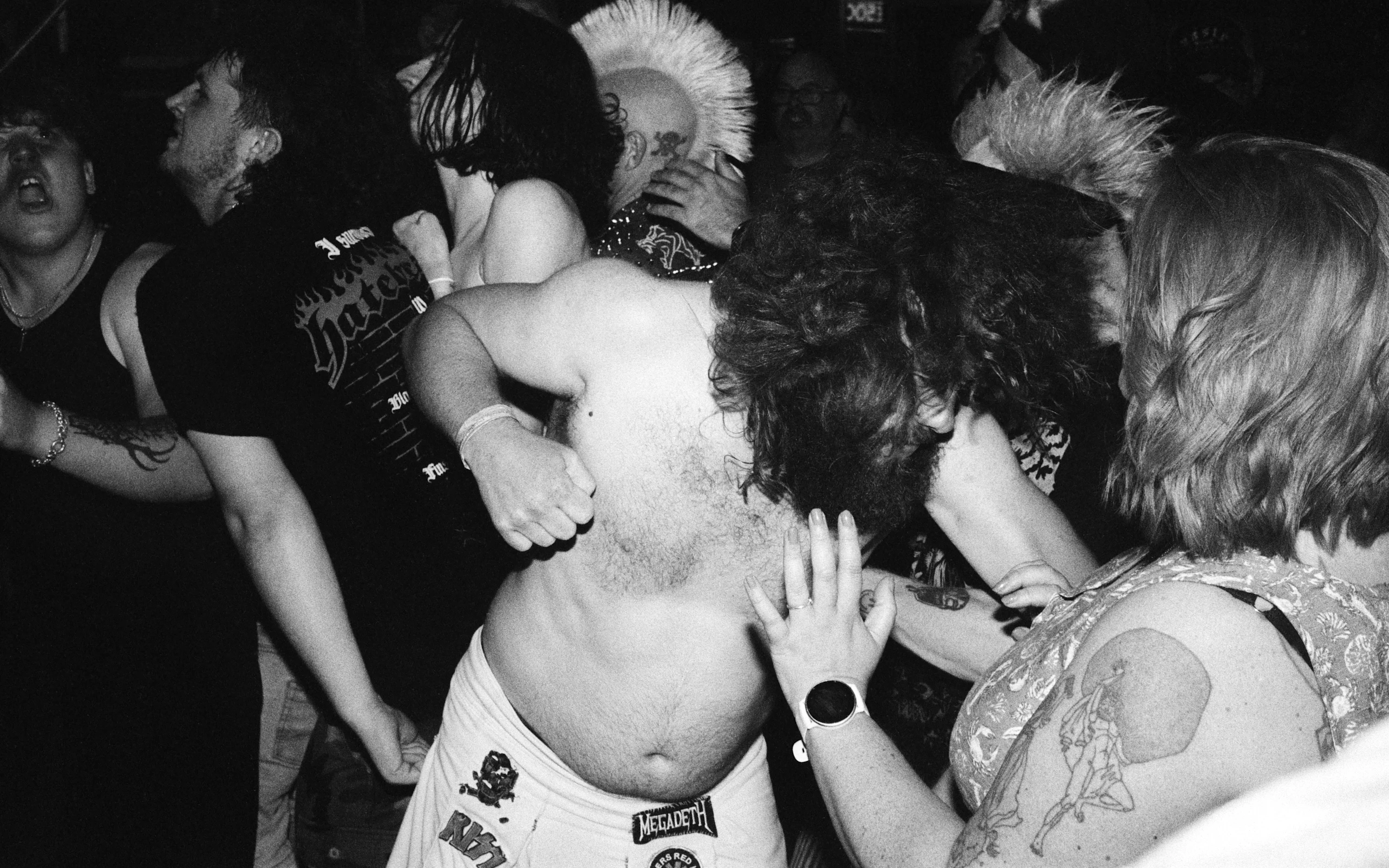

Tennant is reluctant to discuss or summarise the collective members’ feelings or views, explaining that in his practice he tries “to speak of the world people live in, rather than speaking for them.” To record his subjects’ feelings and views during this project, he created an anonymised survey which he sent to those he’d worked with, asking about life on the island, hobbies, dislikes and, of course, about what the collective meant to them. One member wrote that “punks see each other as family... no matter what sex, color, race, or language... We are anti-establishment as that’s the real enemy of the working classes.”
Acceptance, as well as antiestablishmentism, was an unsurprisingly common thread in replies to the survey, with some answers hinting also at a value of community perhaps heightened by the isolation and size of the island. “I would describe [being punk] as freedom,” one member said, “to express, to represent, to experience... to be appreciated by like-minded individuals brought together by a passion for change.” When discussing the survey, Tennant recalls being at a service station on the way back from the island as responses came in, and being almost moved to tears seeing how much the collective meant to some.


Tennant is clear that the project is complete, and that he doesn’t intend to photograph the collective again. “It’s changed my world shooting [these subcultures], it’s helped me see the beauty of the modern world. Something we could all do with spotting more often,” he says. “But [a project’s] finished when you think you’re done with it. I feel I’ve done it justice.” He does, however, want to feed the work back to those who welcomed him. “I feel the need to share it in a meaningful way with the collective, maybe that’ll be a zine or a show,” he says. He’s still in touch with some of the people featured in the project, and has shared selections of the work with them. “Some of them have said, ‘Ooh, you’ve made me look cool!’ and that makes me so happy.”
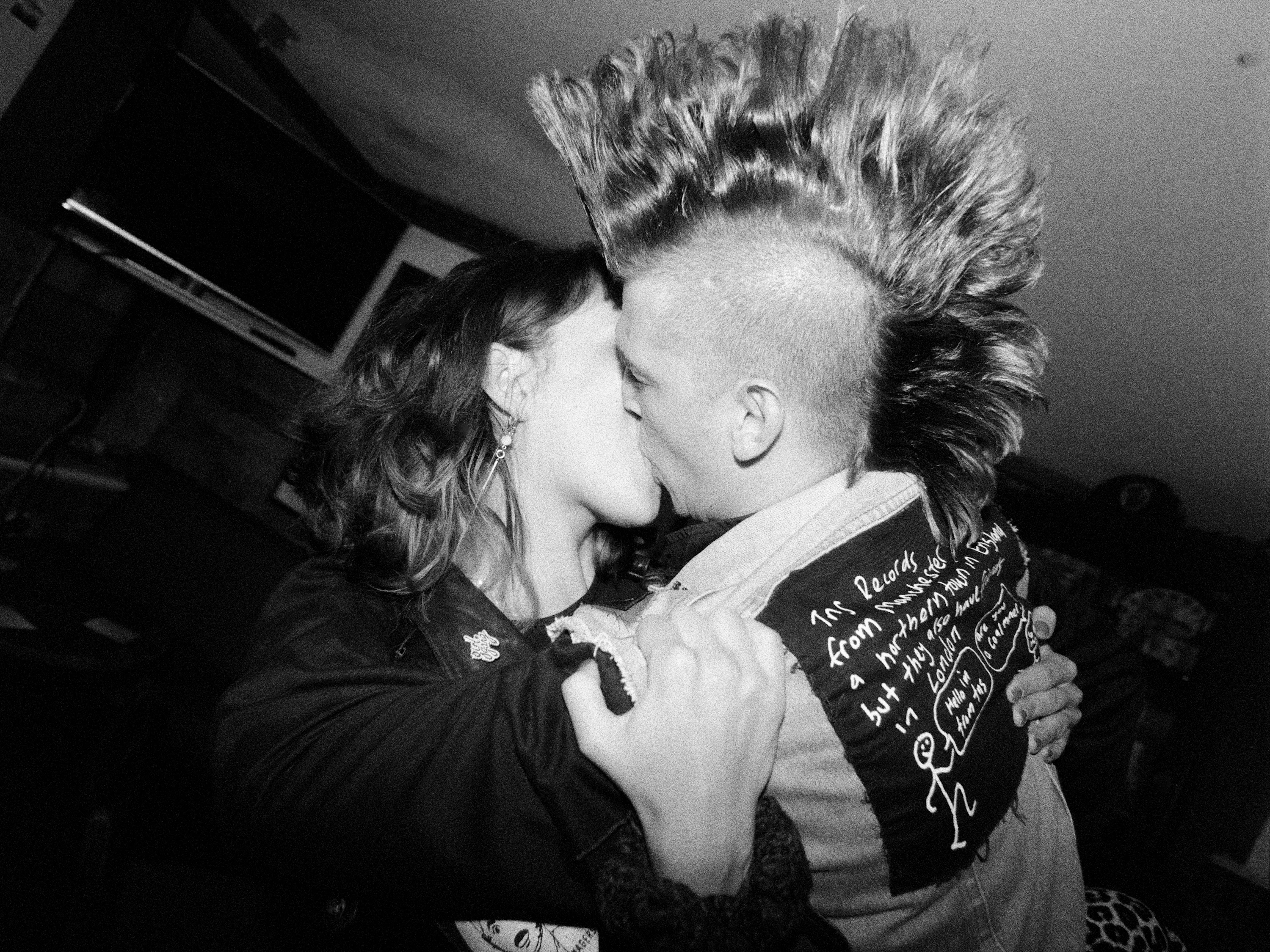
Tennant likens his experience with the Manx Punx to that he had with cosplay communities he photographed in 2023. “As I try to avoid sensational things, my subjects can end up feeling more tender… I shot cosplayers a lot, but that work became more about an alternate LGBTQ+ scene story, an ‘alt-pride’ almost,” he says, “and this was really more like that, about people coming together in an inclusive scene. The Punx collective is somewhere people can be and feel safe if they don’t feel they fit into the mainstream on the island. It was beautiful. The people I shoot are often outsiders, and for whatever reason I want to champion them and connect with them. I want to celebrate these people.”