
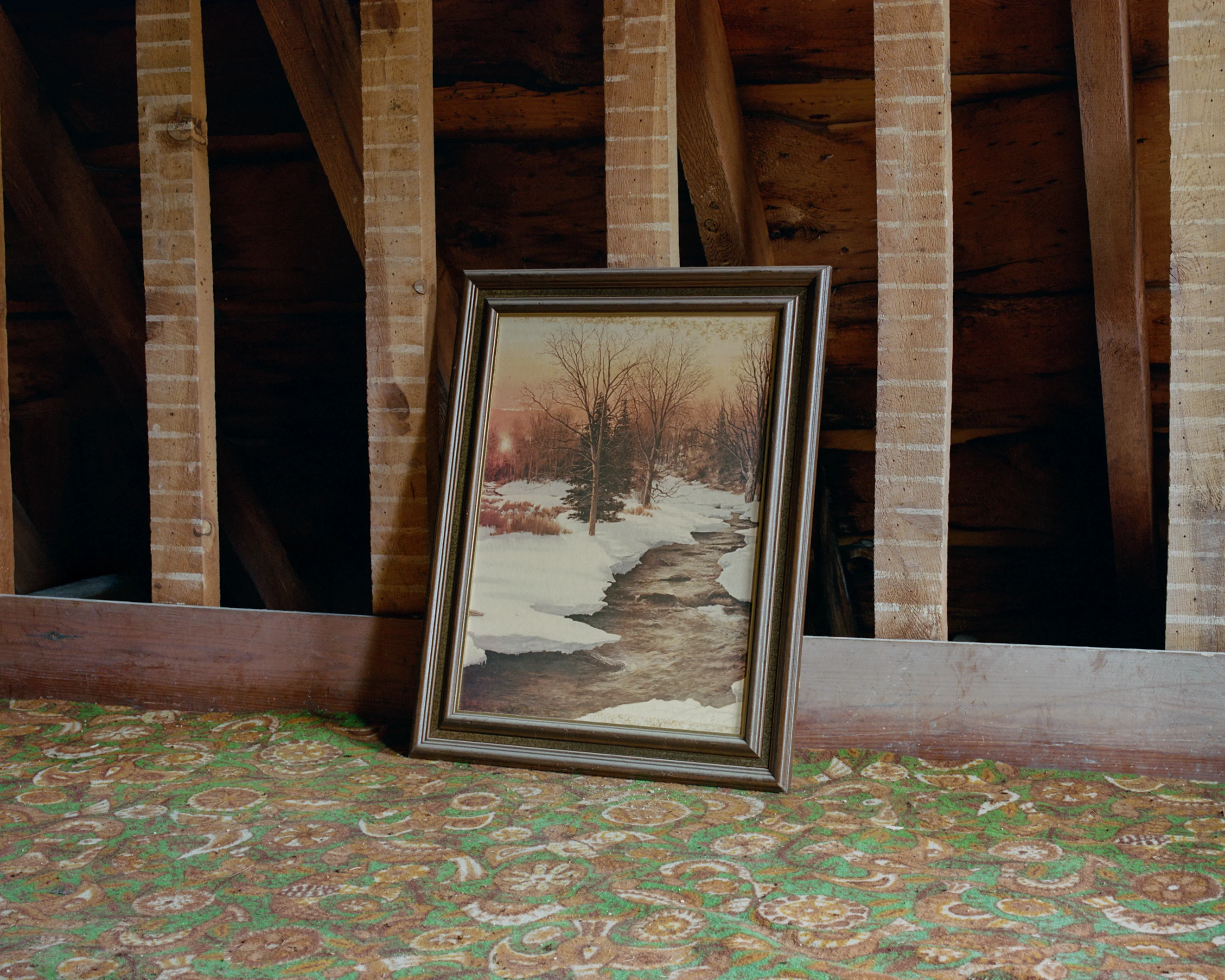
Before the internet, mapmakers would use invented places to catch those who might plagiarize their work. In most cases, these invented spots stayed purely imaginary—names printed on paper with no real-world counterpart, but in one corner of upstate New York, one of these paper towns appeared to take on a life of its own. Photographer Henri Kisielewski tells Joe Zadeh how he’s documenting the strange story of Agloe, and what it can tell us about the relationship between photography and truth.
In the 1975 edition of the New Columbia Encyclopaedia, there was an entry for a woman named Lillian Virginia Mountweazel. A fountain designer by trade, Mountweazel had become a celebrated photographer and was famed for her images of rural American mailboxes. Born in 1942 in Bangs, Ohio, read the entry, she died at the age of 31, blown up in a horrifying explosion while reporting a story for Combustibles Magazine.
Perhaps you’d already guessed from the tragicomic details that what you just read was false. But this was a real entry in a real encyclopedia. It was a tradition in encyclopaedias of the pre-internet age to place one or two fake entries like this among the thousands of pages of objective facts to protect their copyright from would-be imitators. If another encyclopedia came on the market and Miss Mountweazel appeared, then it was clear they’d been plagiarised. Cartographers did the same, inserting “trap streets”, “phantom settlements”, and “paper towns” in otherwise accurate maps to catch illegal copiers.
I’ve always been interested in this blurry boundary between fact and fiction, past and present.
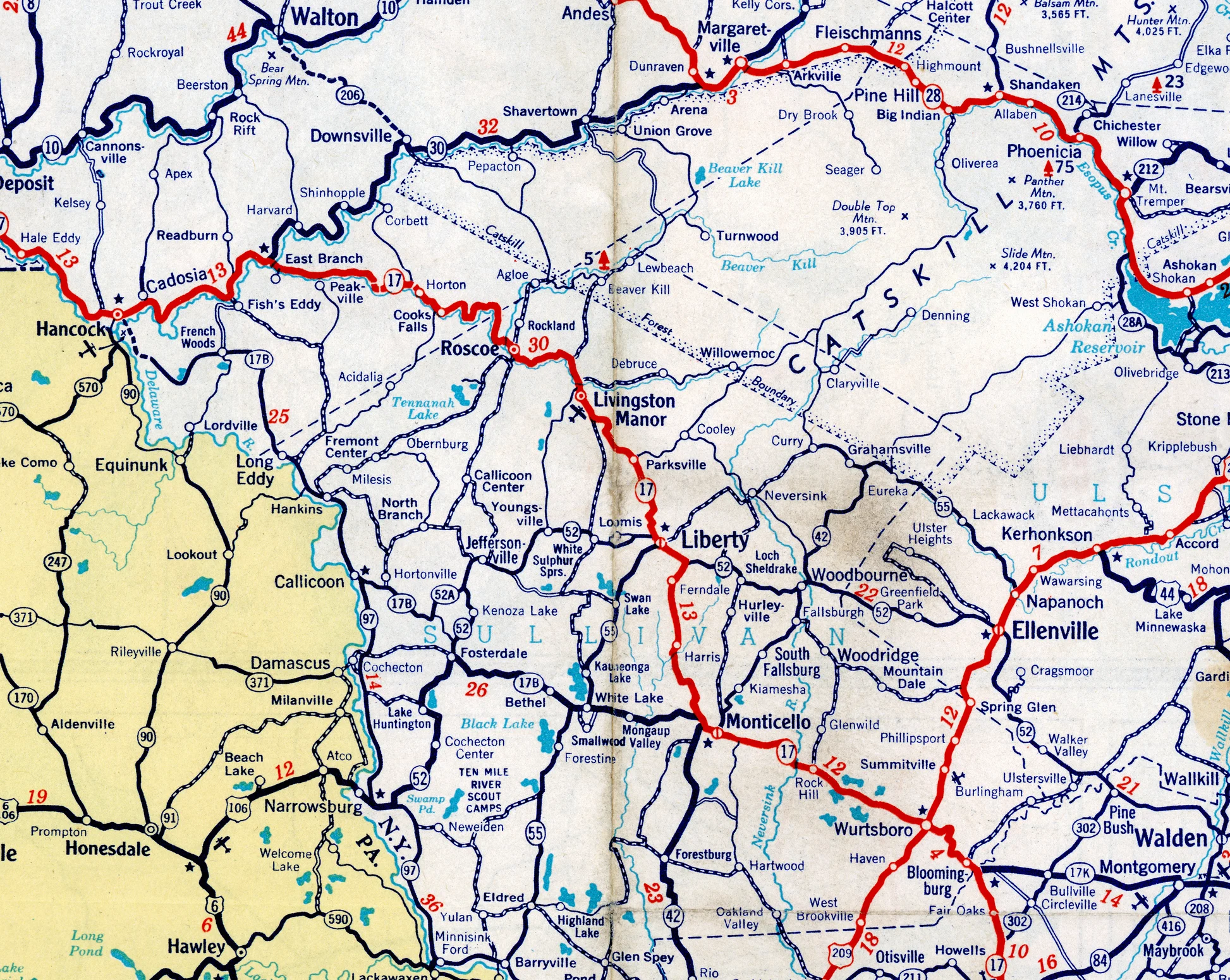
When the French/British photographer Henri Kisielewski came across the curious story of one such paper town—Agloe, in Sullivan County, New York—he felt compelled to pursue it further, because this paper town was a little different from the others. “I think I first heard about it on a podcast at like two in the morning while brushing my teeth,” Kisielewski explains to me over Zoom. “The story goes that Agloe first appeared on a map in the 1930s. It was made by a mapmaker for General Drafting Co. called Otto G. Lindberg and his assistant Ernest Alpers.” The pair picked a random, empty, desolate spot in the Catskills, at the junction of an unnamed country road, near a stream, and inserted the name of their paper town.
“Agloe was an anagram of the first letters of their names. That seemed so poetic to me, because a map is an empirical tool, yet they were inserting fiction into it to protect its truth,” Kisielewski says. “Anyway, a few years later, a competing company, Rand McNally, released a map and Agloe was on there, so General Drafting Co. knew they’d copied and took them to court.”
This is where the story becomes interesting. At court, Rand McNally insisted that when their map designers visited the site in question—that once empty and desolate spot out in the Catskills—there was now a general store there. Not only that, it was called Agloe General Store. For some mysterious reason, the paper town had become bricks and mortar—the fiction had ushered in a new reality. But whatever tiny settlement had begun to form in Agloe has now disappeared once again—Kisielewski says it last appeared on an official map in around 2014.
It seems Agloe was a fictional place that became real, and then disappeared. “I’ve always been interested in this blurry boundary between fact and fiction, past and present, and what happens when you probe the limits of representation,” Kisielewski says. “c for that. So after thinking about it for a while, I decided: I’m going to Agloe.” And so began his project: a documentary-style study of a town caught between truth and fiction.
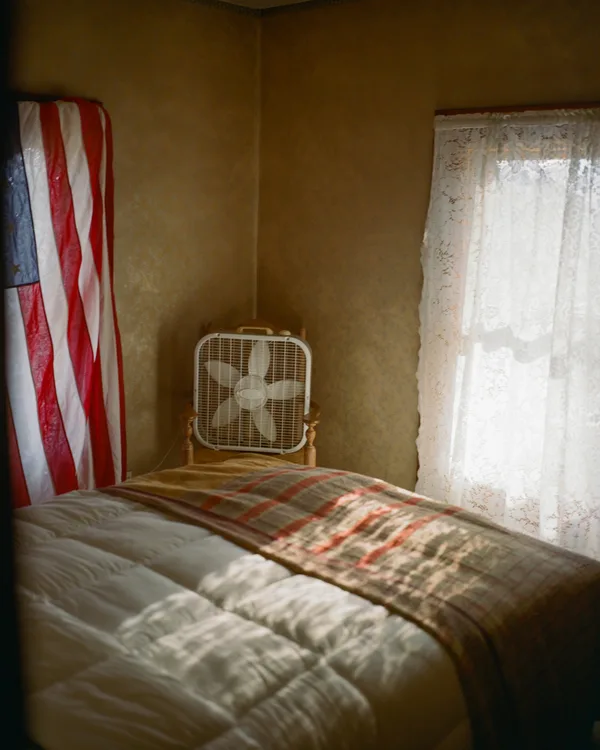
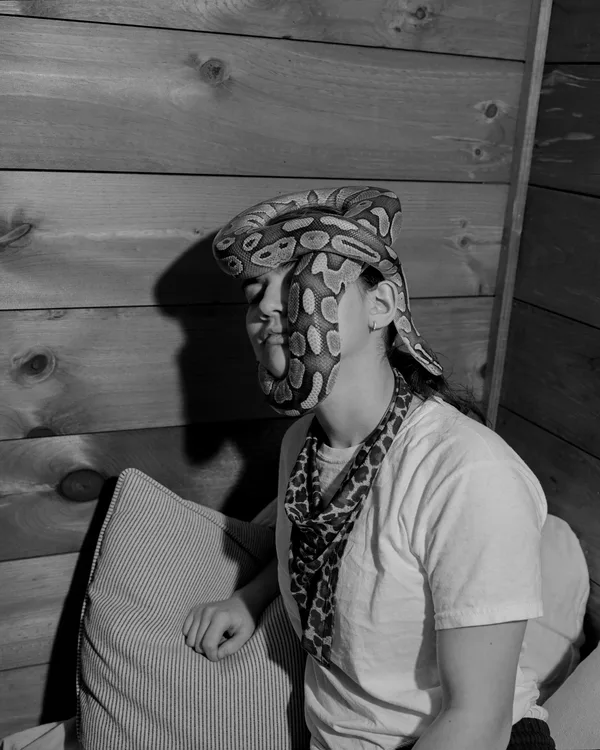
He arrived in the Catskills during the deep winter in 2023. It was -10 degrees celsius and the ground was covered in snow. He couldn’t drive and had no leads, but had arranged to speak on local radio. “It was called WJFF Radio Catskill 90.5 FM. The presenter knew the story of Agloe and asked me to do an interview live on air. I said I wanted to meet people in and around the area who could tell me anything at all about the place, especially anyone who could drive. I gave out my email address and, little by little, messages started to arrive.” A woman insisted that her father had grown up in Agloe and had proof; another man simply wanted to show off his pet snakes; another wanted to talk about the mysterious white horse he’d seen galloping down a road near Agloe late one evening. “Let’s just say, I spent a lot of time in cars with strangers,” says Kisielewski.
All photographs by definition have an element of fiction… at what point does it snap and become unreal?
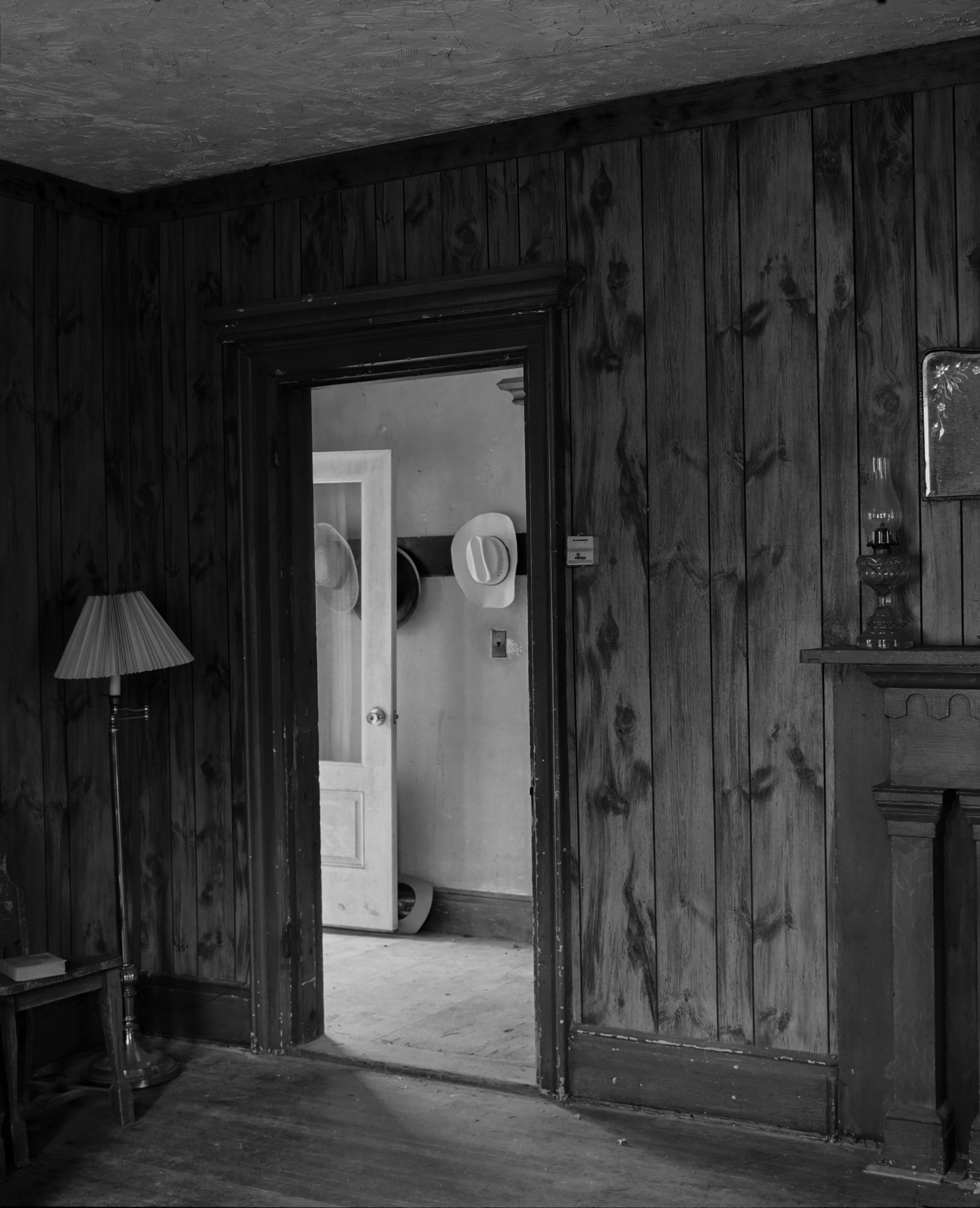
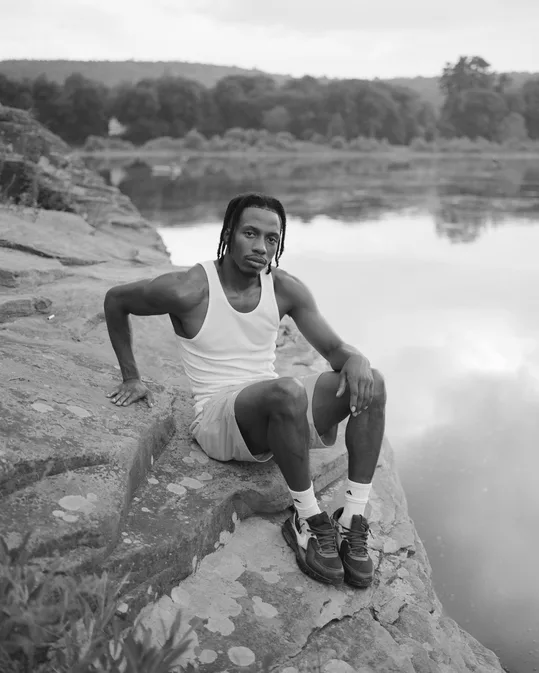
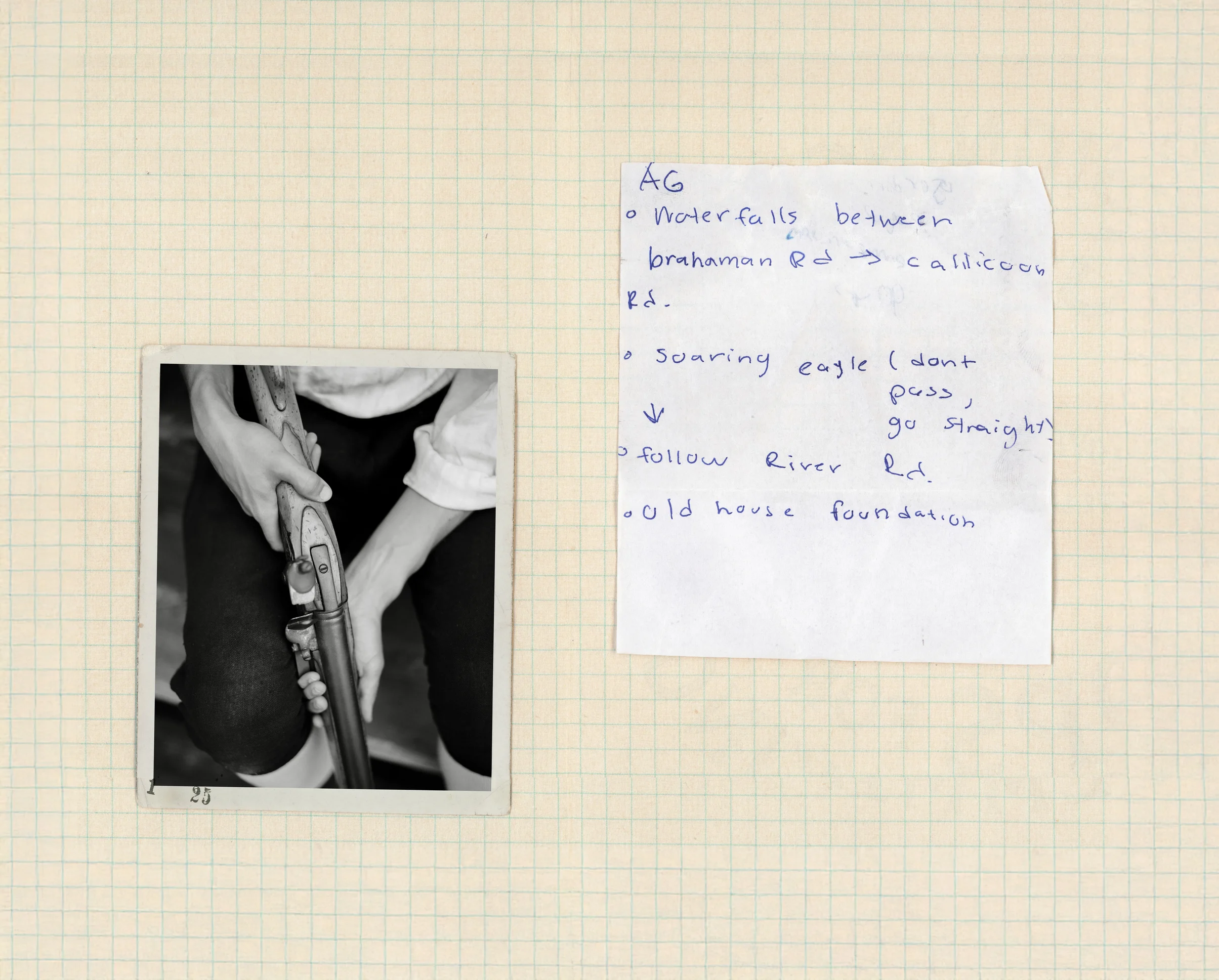
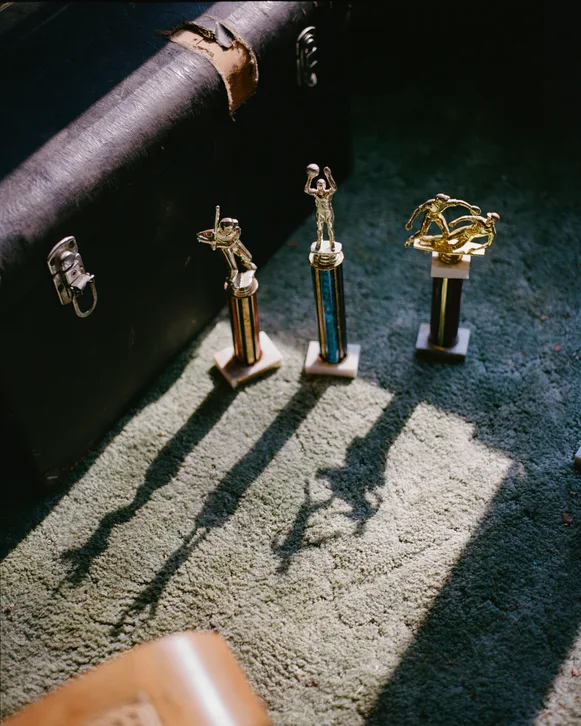
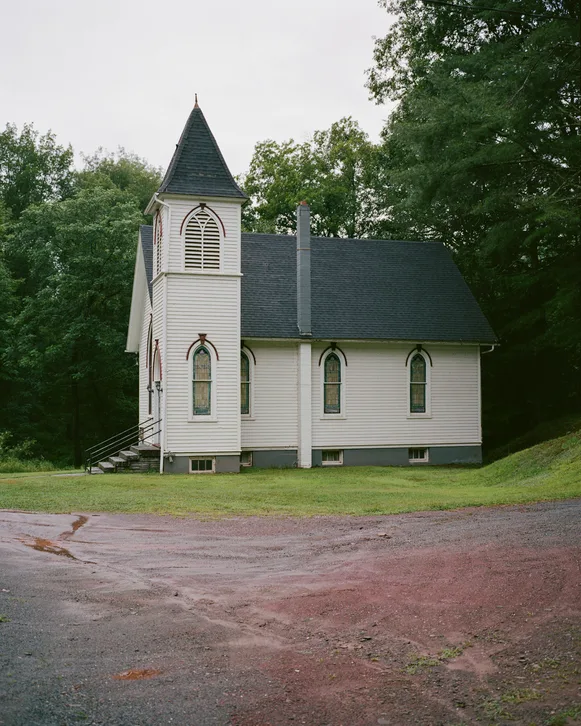
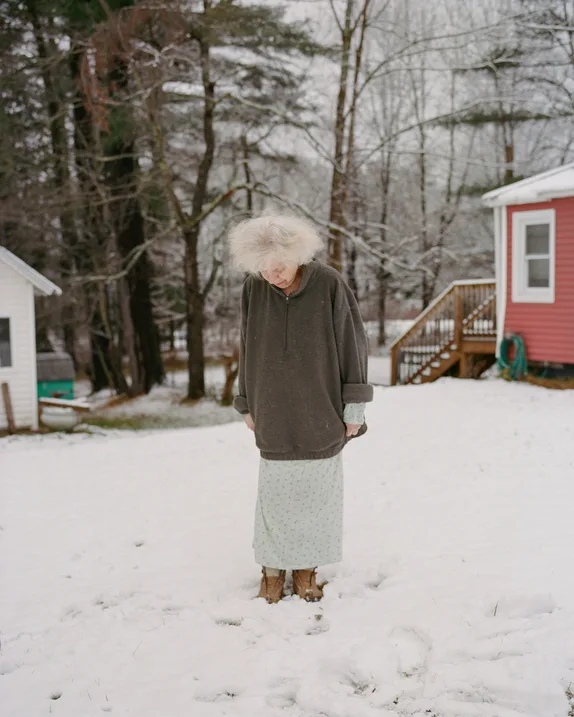
“A photograph passes for incontrovertible proof that a given thing happened,” wrote Susan Sontag in her 1977 book, “On Photography.” “The picture may distort; but there is always a presumption that something exists, or did exist, which is like what’s in the picture.” Kisielewski exploits this presumption throughout his project, using the language of evidence to build a portrait of Agloe. Images are placed side by side—a riverside shrubland; an eerily quiet church; two hands holding a rifle. And in a Kuleshov-like effect, they begin to tell a sort of story about what this town might have been, who may have lived there, what kind of lives they might have led.
“I wanted to include a photo of a gun, because it’s an object so deeply ingrained in American iconography, but the interesting thing about that image is that it’s being held by an actor at a nearby war re-enactment site,” says Kisielewski, so there are even deeper layers of fiction within every photo.
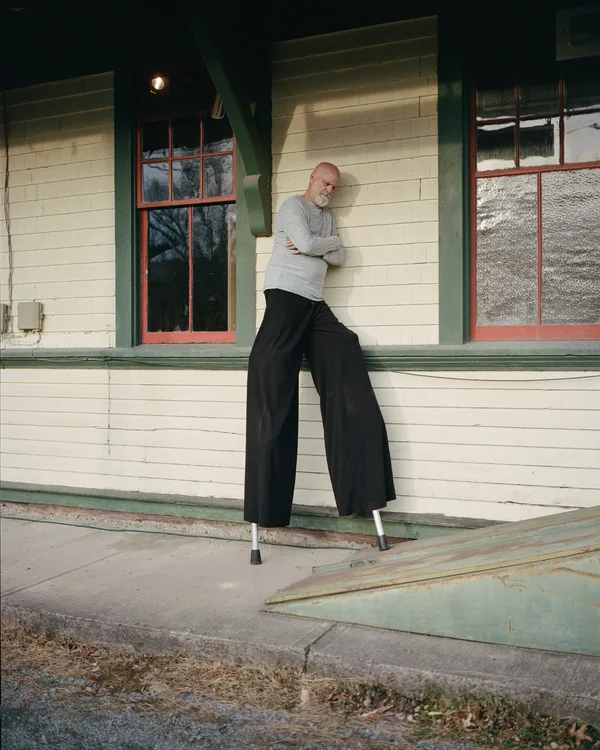
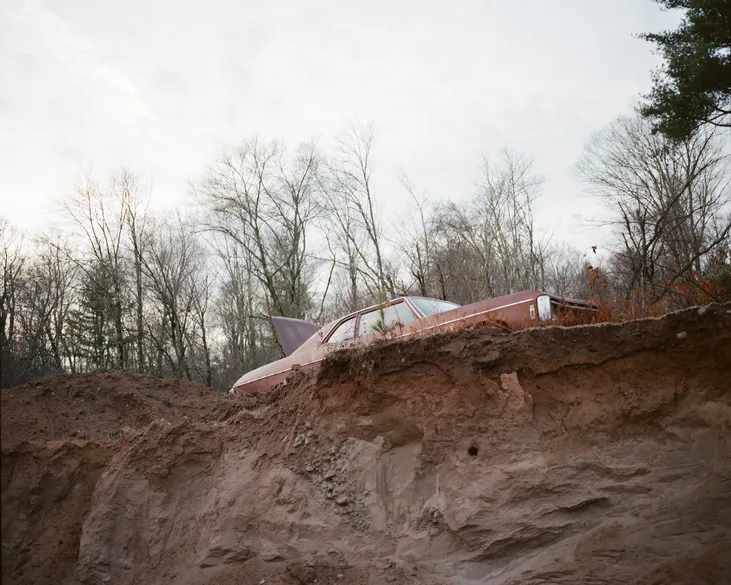
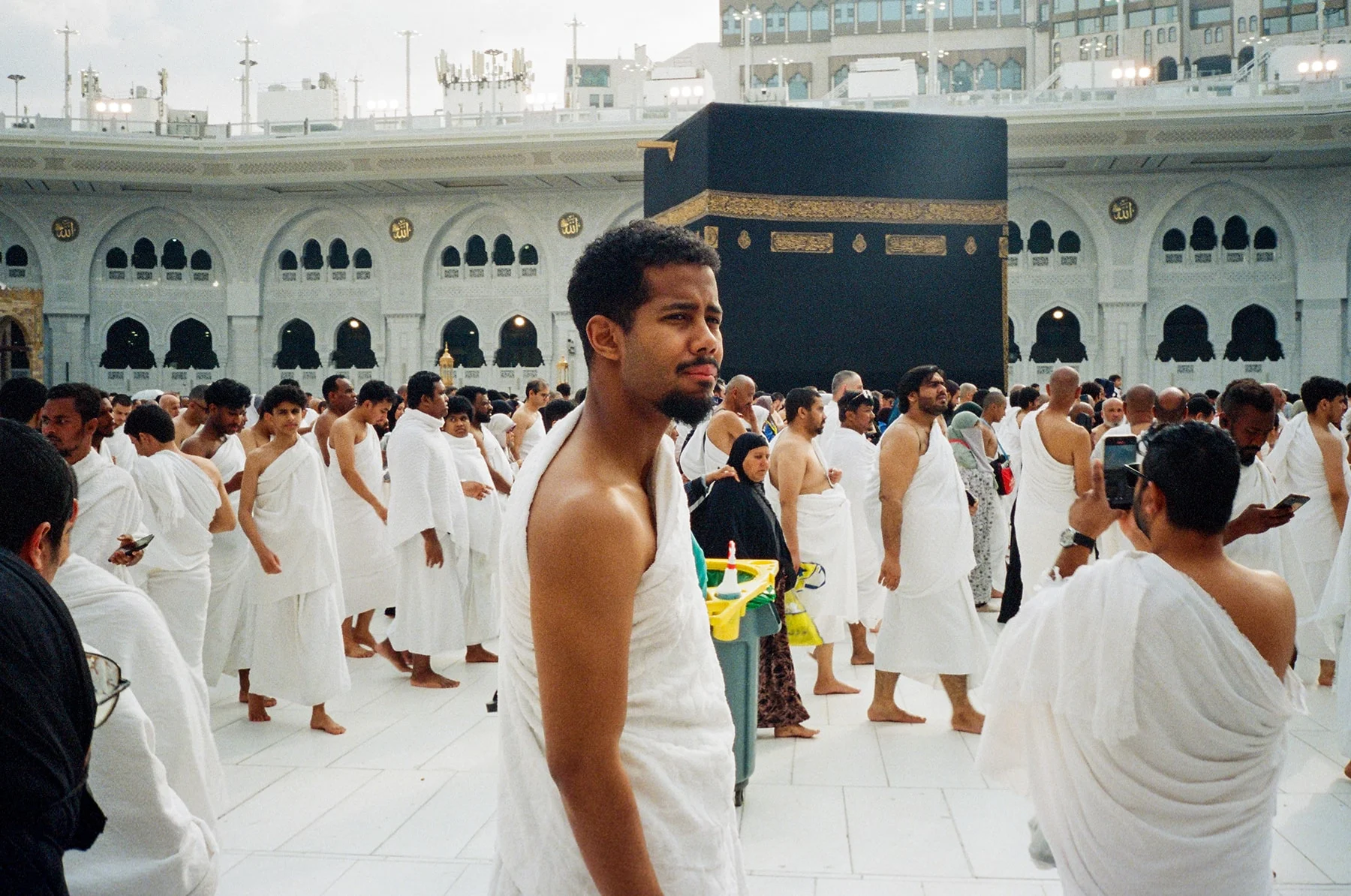
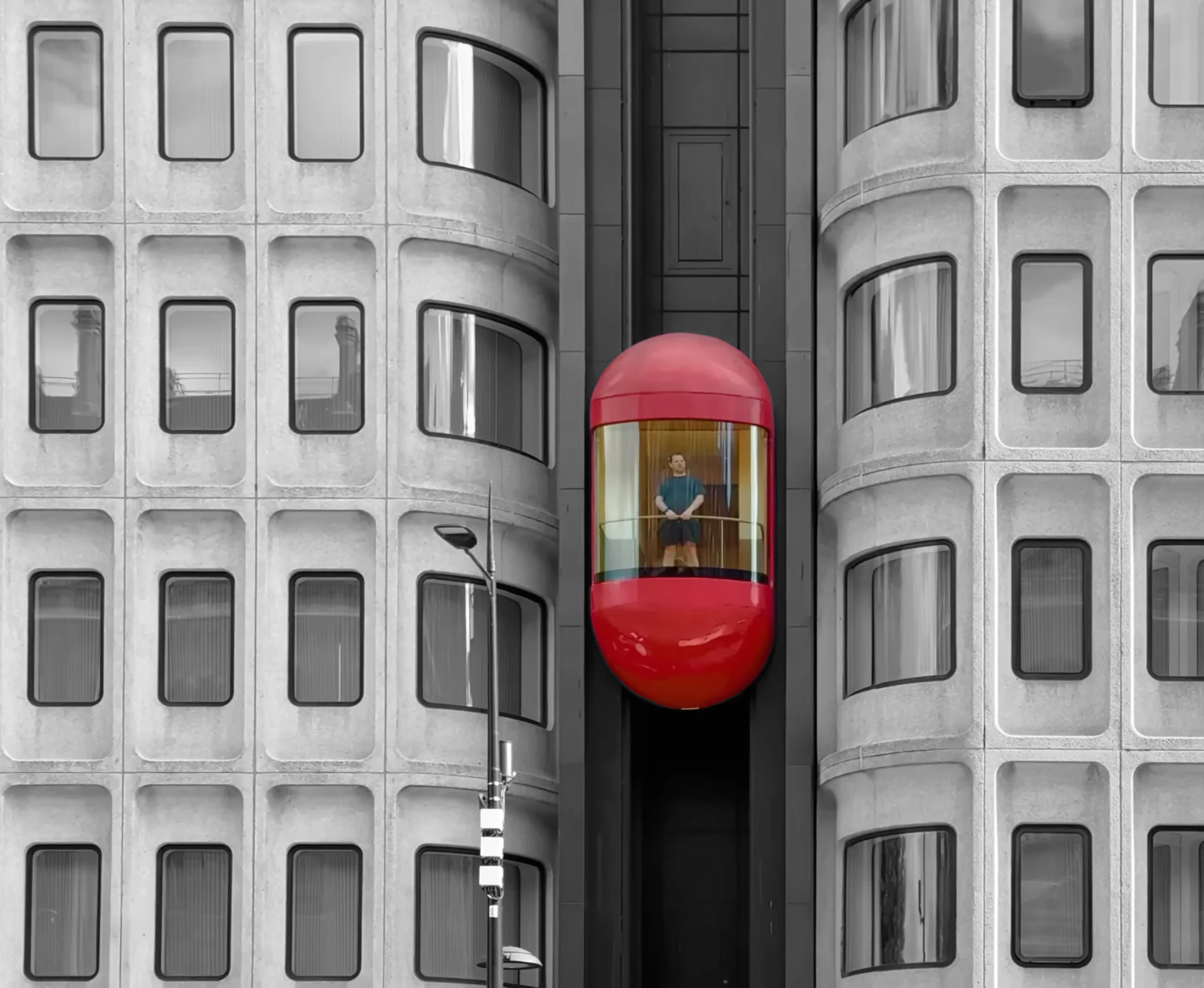
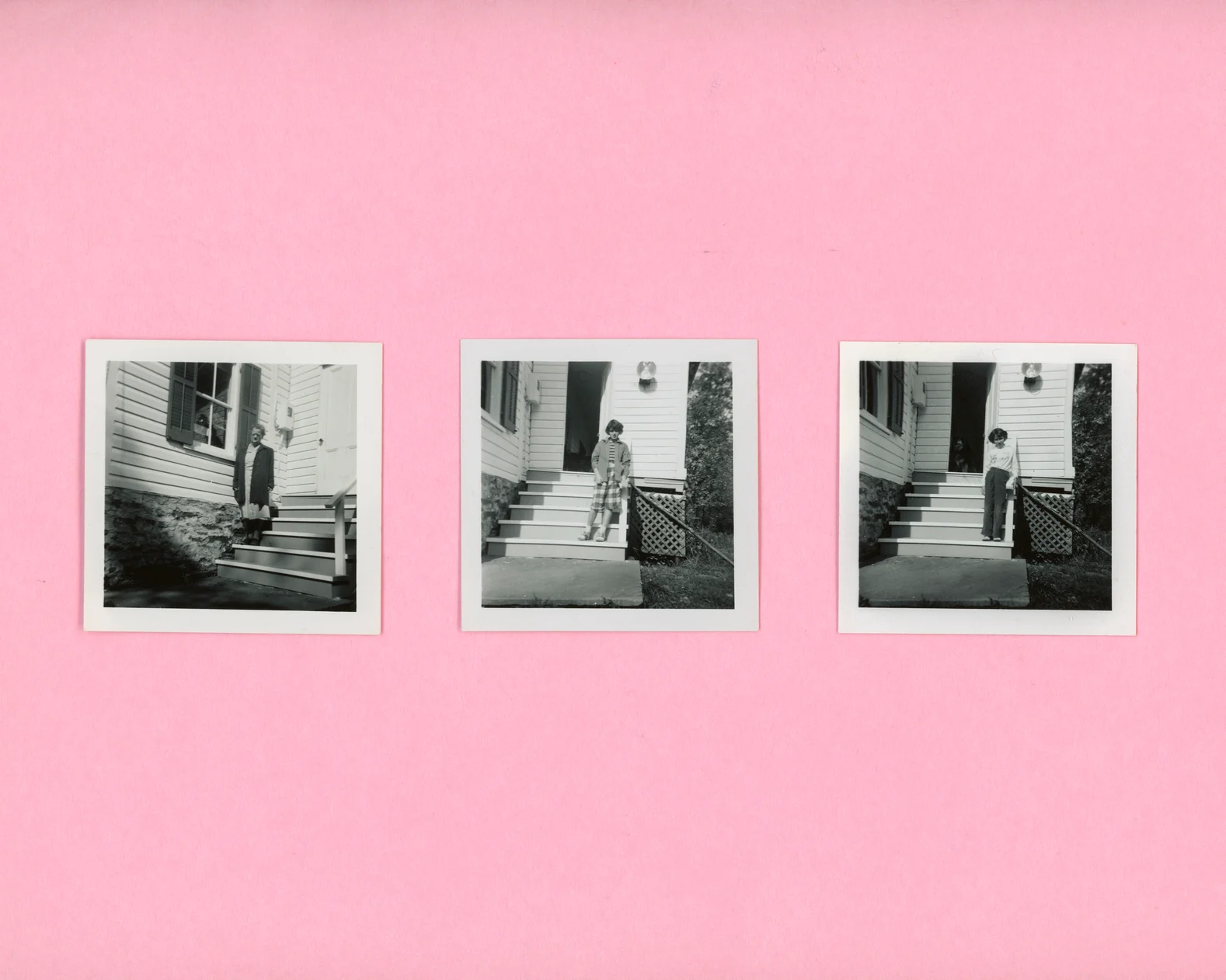
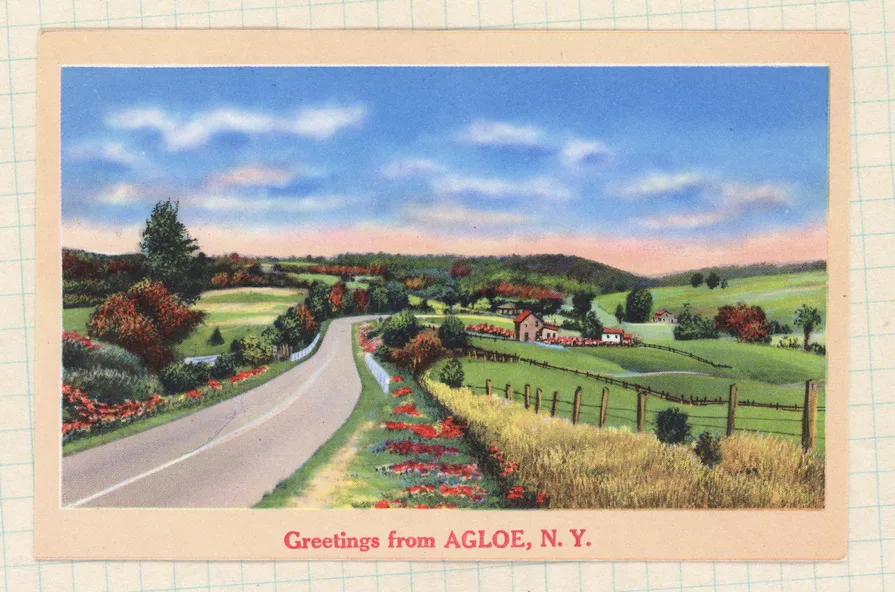
Kisielewski also combines real archival evidence of Agloe’s existence that he uncovered alongside fictionalized pieces he has fabricated and manipulated. Alongside the photos sit newspaper clippings, postcards, maps, keyrings and 1960s yearbook photos, as well as videos: a mixture of authentic conversations with local historians and staged conversations in which people reflect on fictional memories of Agloe. What is real and what is fake gradually slips into irrelevance, and what becomes remarkable is how easily a collection of ephemera like this can rouse such a vivid and convincing portrait of a town in a viewer’s mind. “All photographs by definition have an element of fiction,” says Kisielewski, “but I’m interested in how far you can push that tension. At what point does it snap and become unreal?”
Towards the end of his second visit to Sullivan County in 2025, Kisielewski took prints of photographs taken during his first visit and buried them deep in the bush at the site of where Agloe once was. “It’s a weird kind of time capsule,” he says. “I like the idea that in the future all of the images and research I’ve compiled might eventually become the official narrative of Agloe. I feel like it would be a good homage to a place like this.”