After Guillaume Chevalier Fustec lost the two closest women in his life in the space of just 10 days in 2022, his project “Swift & Swallow” became a vessel for his grief. From the places one of the women asked him to scatter her ashes, to places where he simply sensed a ghost or a presence, he created haunting images imbued with the complex feelings he was carrying. He tells Emily Steer how he found that, rather than making him fully understand the loss he was dealing with, the project instead helped him accept that he never would.
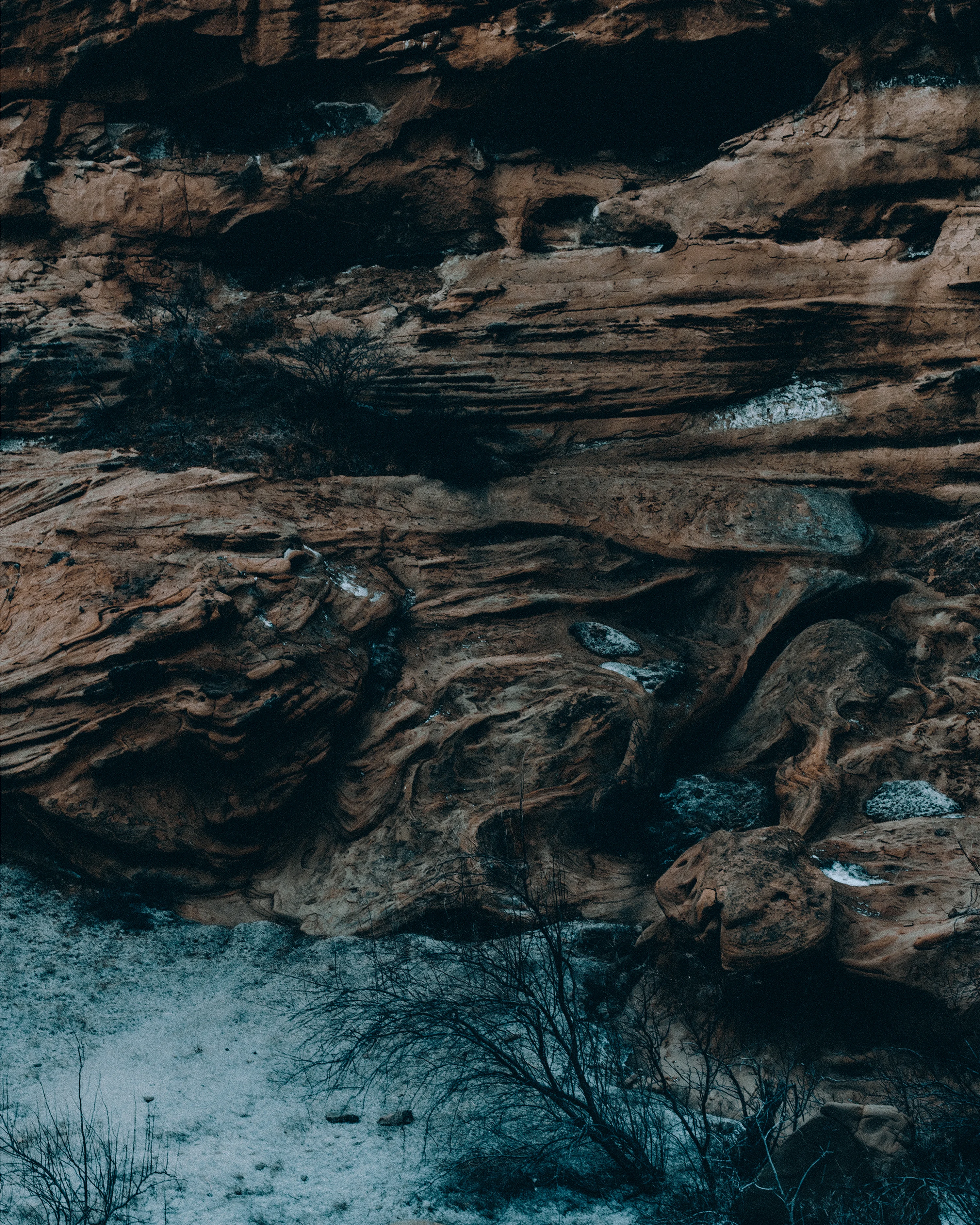
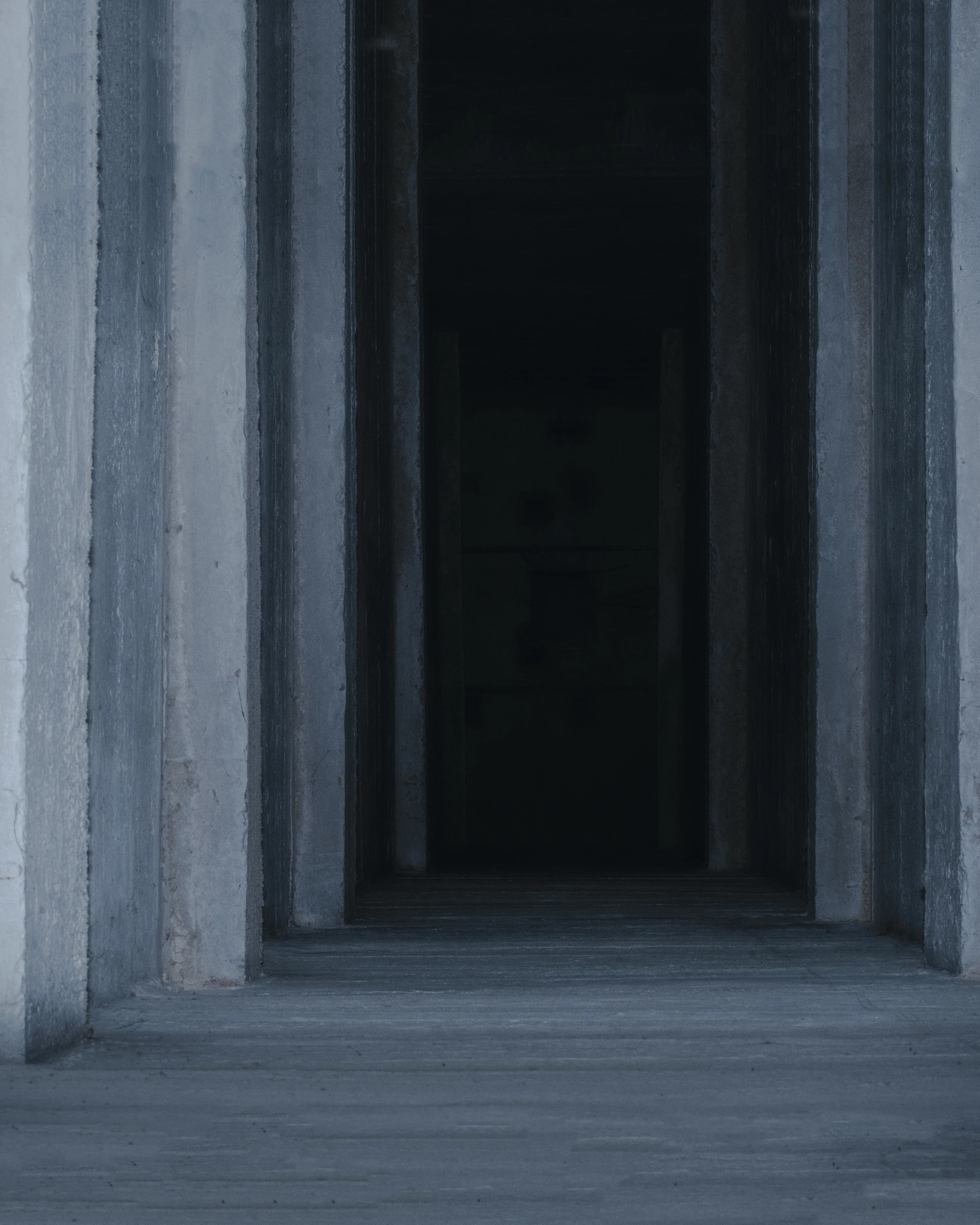
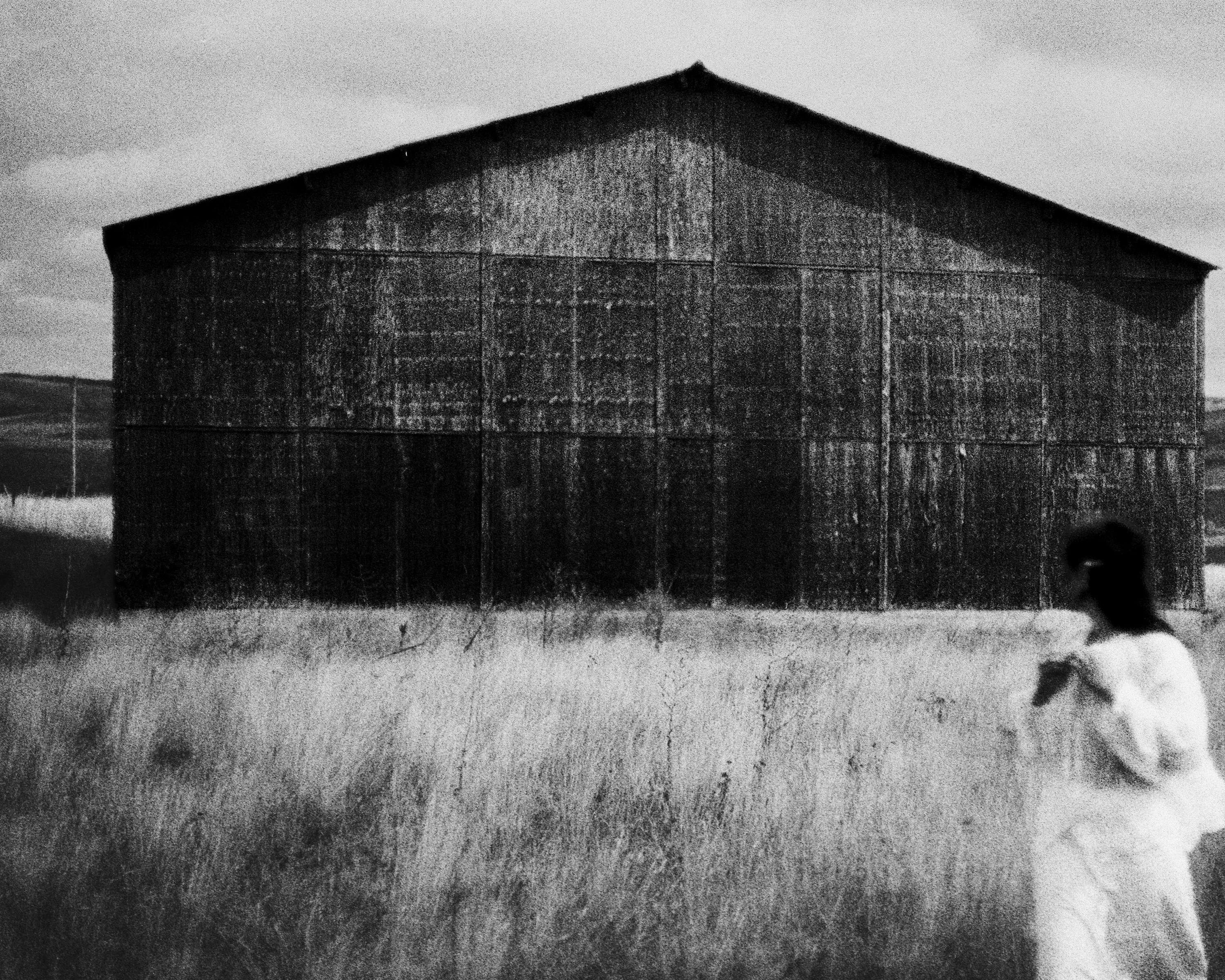
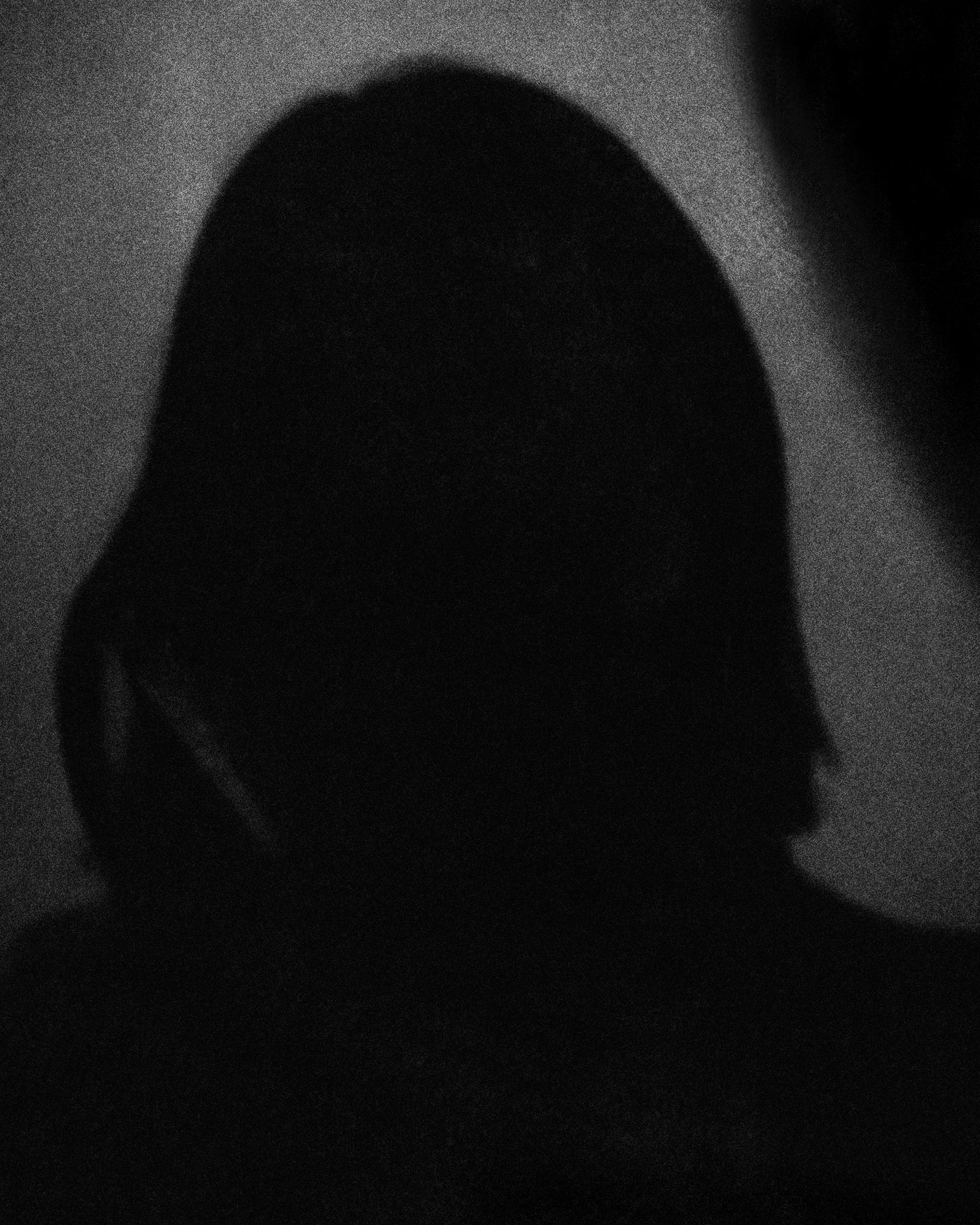
In 2022, French photographer Guillaume Chevalier Fustec lost the two closest women in his life in the space of just 10 days. His ongoing series “Swift & Swallow” became imbued with a new view he had on the world following the loss. The images are saturated with feeling, offering grainy views on the landscape and apparition-like multiple exposures. “It was even more than spontaneous, it was compulsive in a way,” he says. “I was going to places or finding myself in situations where I felt a ghost or a presence, so I had to take a photo.” The photographer doesn’t share many details about the women or his connection to them. “Then it becomes anecdotal,” he says. “They were the two closest women I had in my life at that moment. The fact they were so close can be seen in the work.”
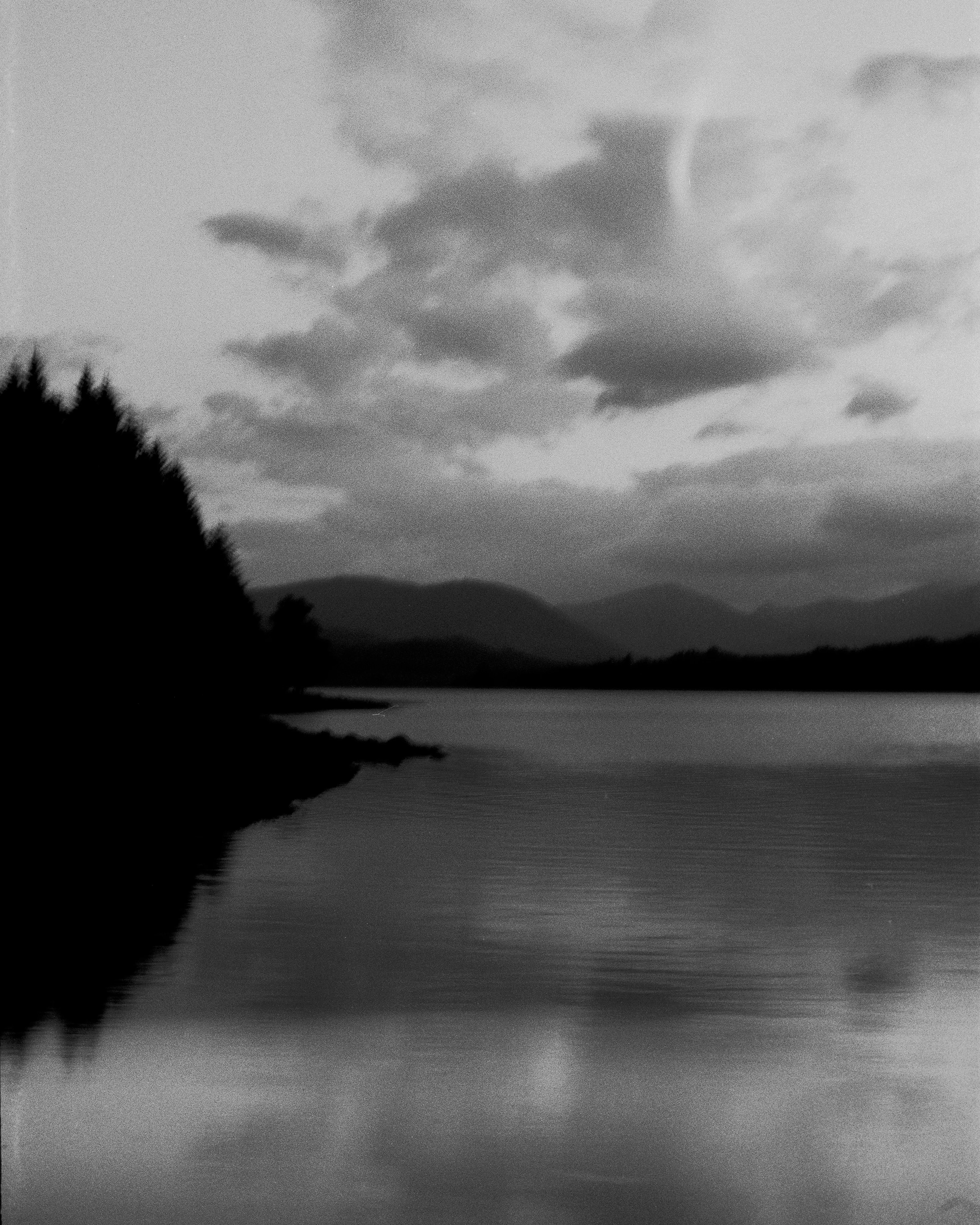
Fustec is interested in how his own grief and way of seeing the world connects with those who view the work. Some of the locations in the series, from snowy woodlands to craggy rock faces, are connected to the two women, but he does not spell these out, viewing them instead as secrets within the work. One of the women had asked Fustec to scatter her ashes in any places that made him think of her, and he carried her remains in the same canisters that contained the film used to capture the images.
“There were places where there was a story behind it, or a secret,” he says. “I think it’s really important that images have secrets and it’s also really important never to tell them. I knew I could make a lot of my own projections on the landscape, but that might not touch another person. Then you would not have access to [your own] remembrance. But if I look at something in a certain way, then you may share this way of looking and fill in your own secrets.”
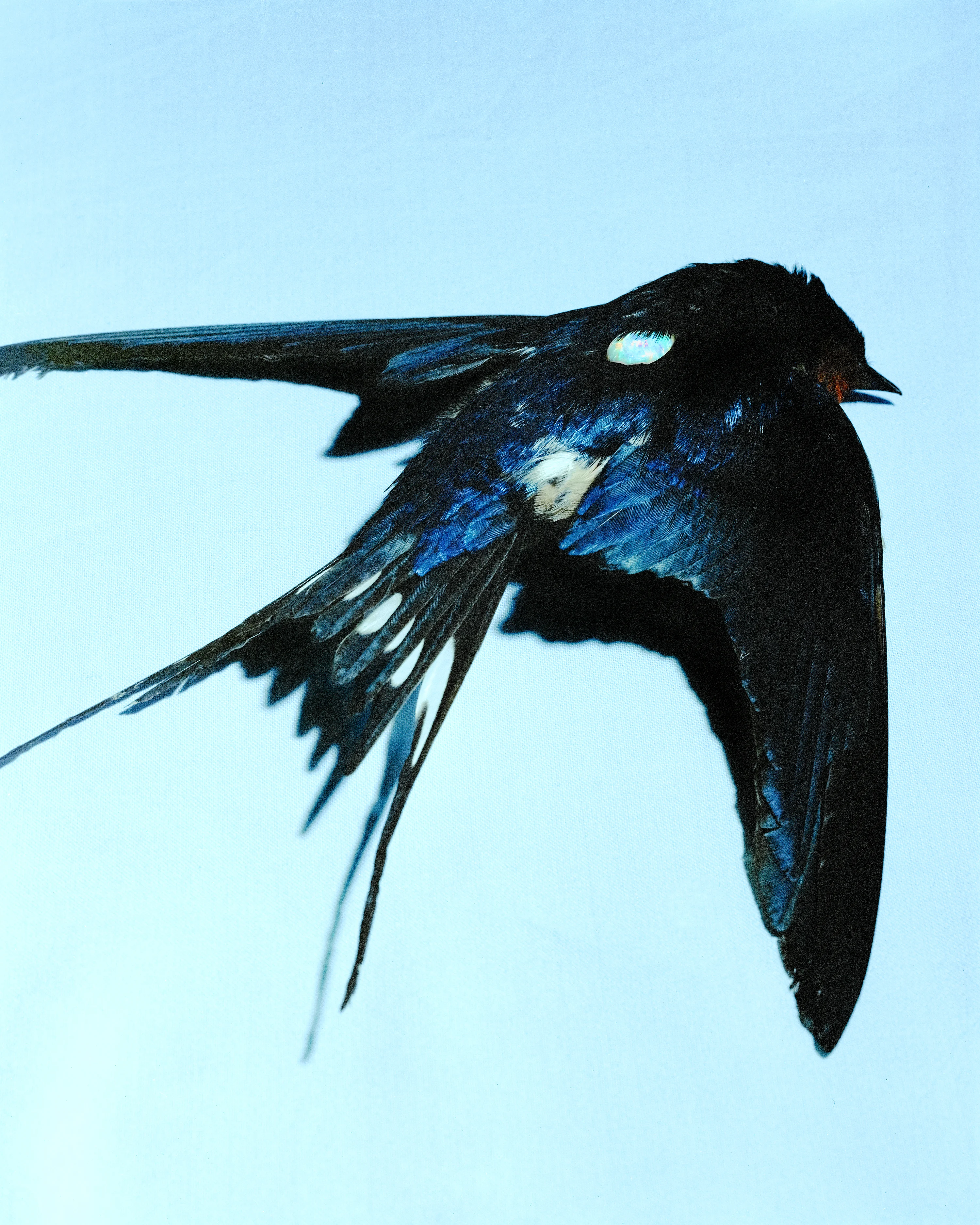
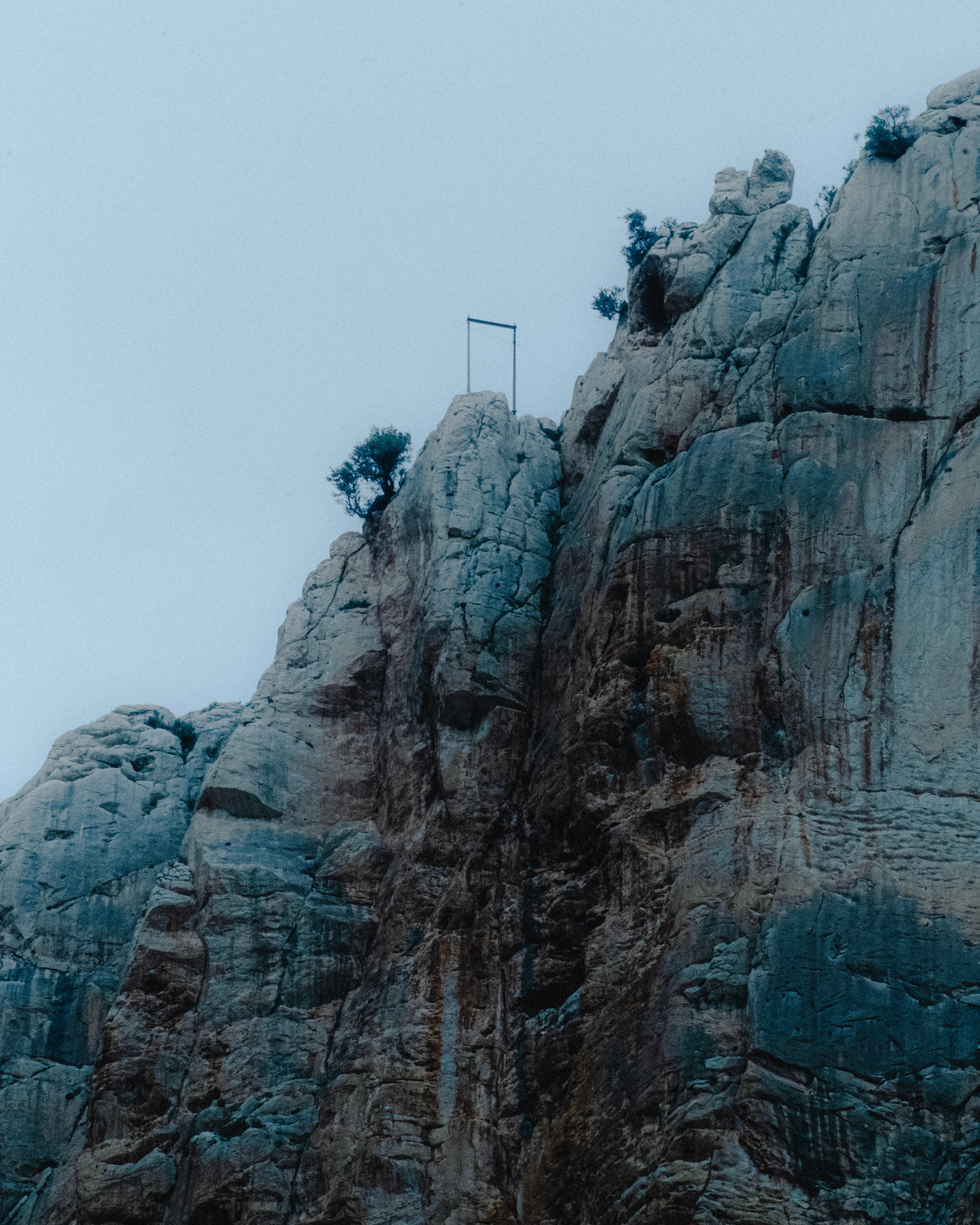
I was going to places or finding myself in situations where I felt a ghost or a presence.
As Fustec’s grief seeped into his work, he began to degrade and distort the images physically, mirroring the experience of loss which also warps and changes the world around us. Some photos are staged, others chemically altered. He buried some color images before re-photographing them and would place black and white negatives in chemical baths to destroy some of the image in an uncontrolled way.
“For me, taking a photograph is not making an archive of reality. It’s something we can stretch, crop and alter. Truth is a really nasty word,” he laughs. The material breakdown of the images also parallels the material breakdown of the body after death, something made palpable in his scattering of ashes. “There is an element of disappearance and an element of continuity,” he says. “Someone is not here anymore but they continue in a certain way. I find this really difficult. It is a problem to wrap your mind around it.” The act of making these works has helped to “comprehend” the reality of the losses, and of the ashes he has been left with.
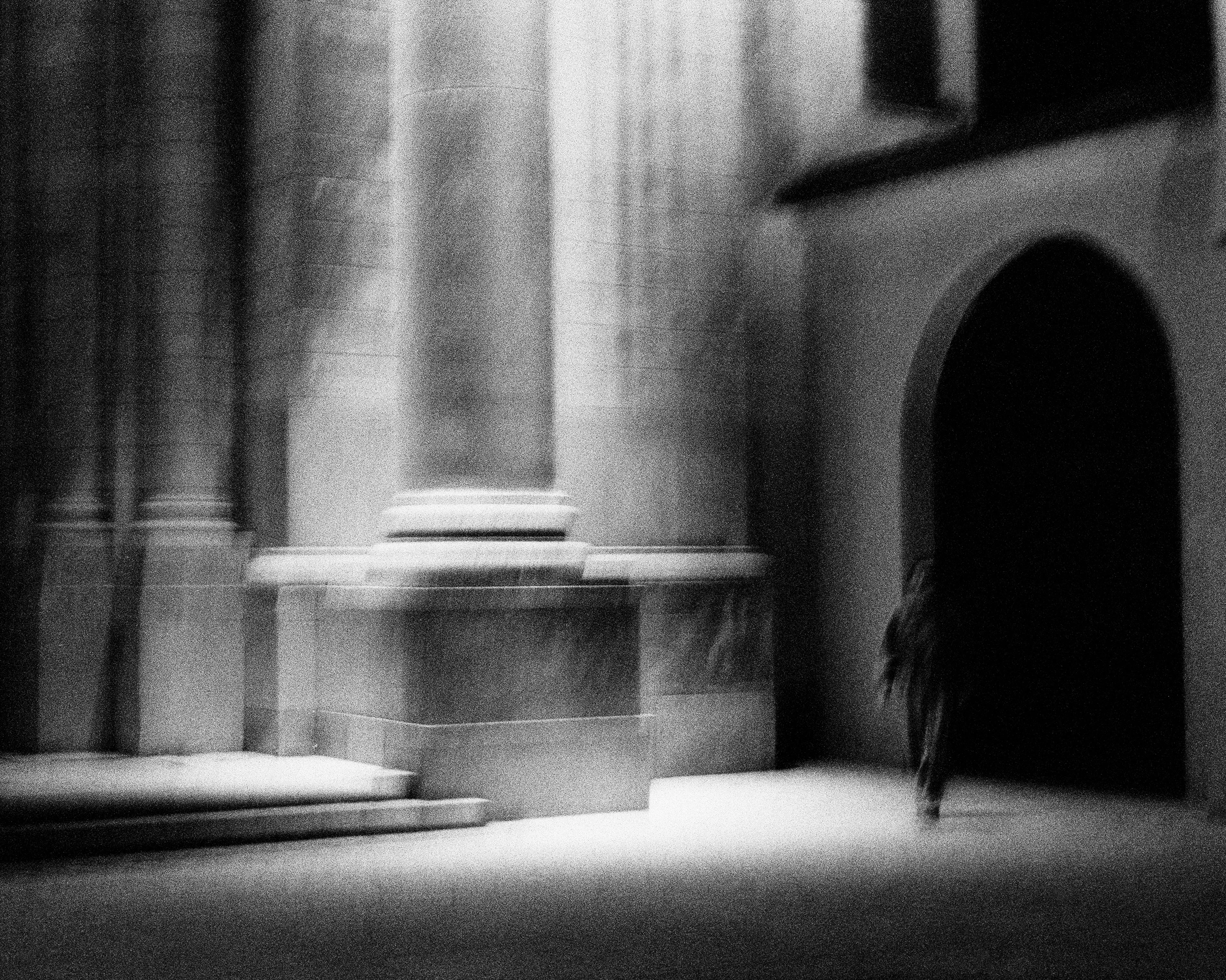
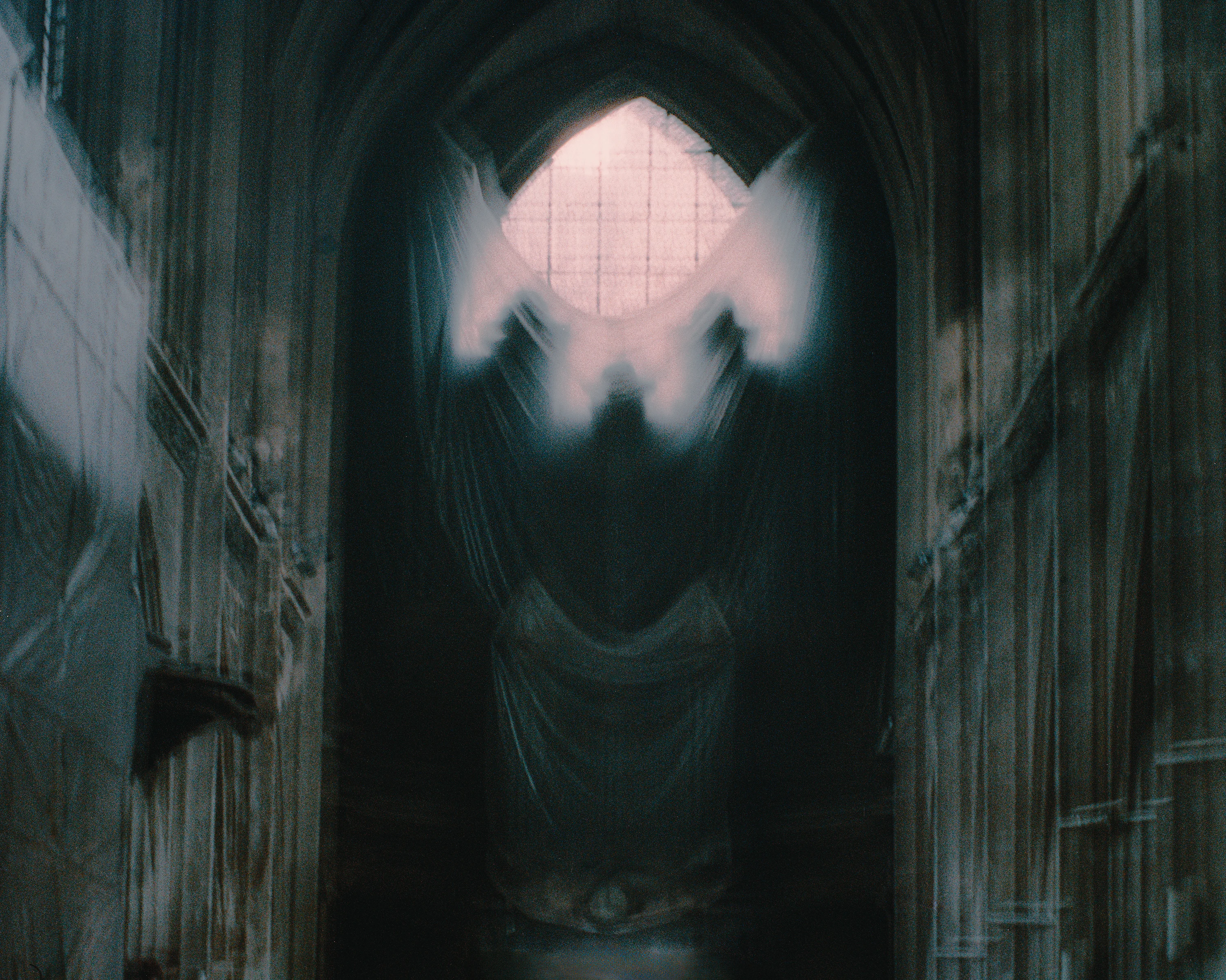

The work also draws upon the surrealist idea la vie étrange; a state in which chance, dream and reality become porous. Fustec sees the work as surrendering to this state of unknowing, evoking a feeling that often happens after the death of a loved one in which reality feels strange and the world around us might seem to be loaded with meaningful symbols. Suddenly, the sight of a certain bird, or the presence of intense wind, might appear to be sent by our loved one.
“In this state of grieving, we are more keen to read reality in a symbolic way,” he says. “I used to do that with reality and in art, and it was causing a lot of damage. It’s a really tempting way of looking but symbols are contradictory. The moment we make a conclusion out of a symbol, the world is closed. Experience is not that and death is not that.”
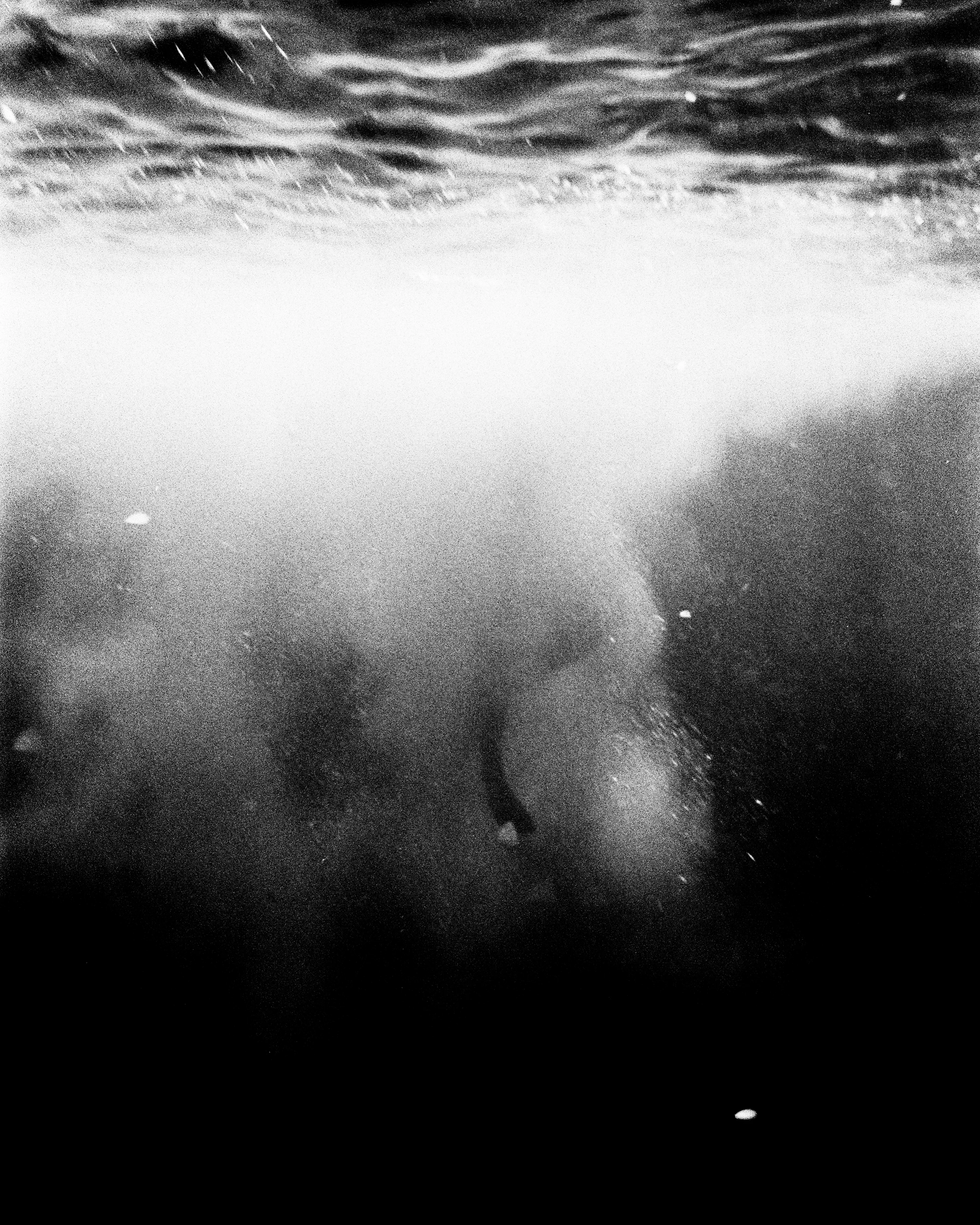
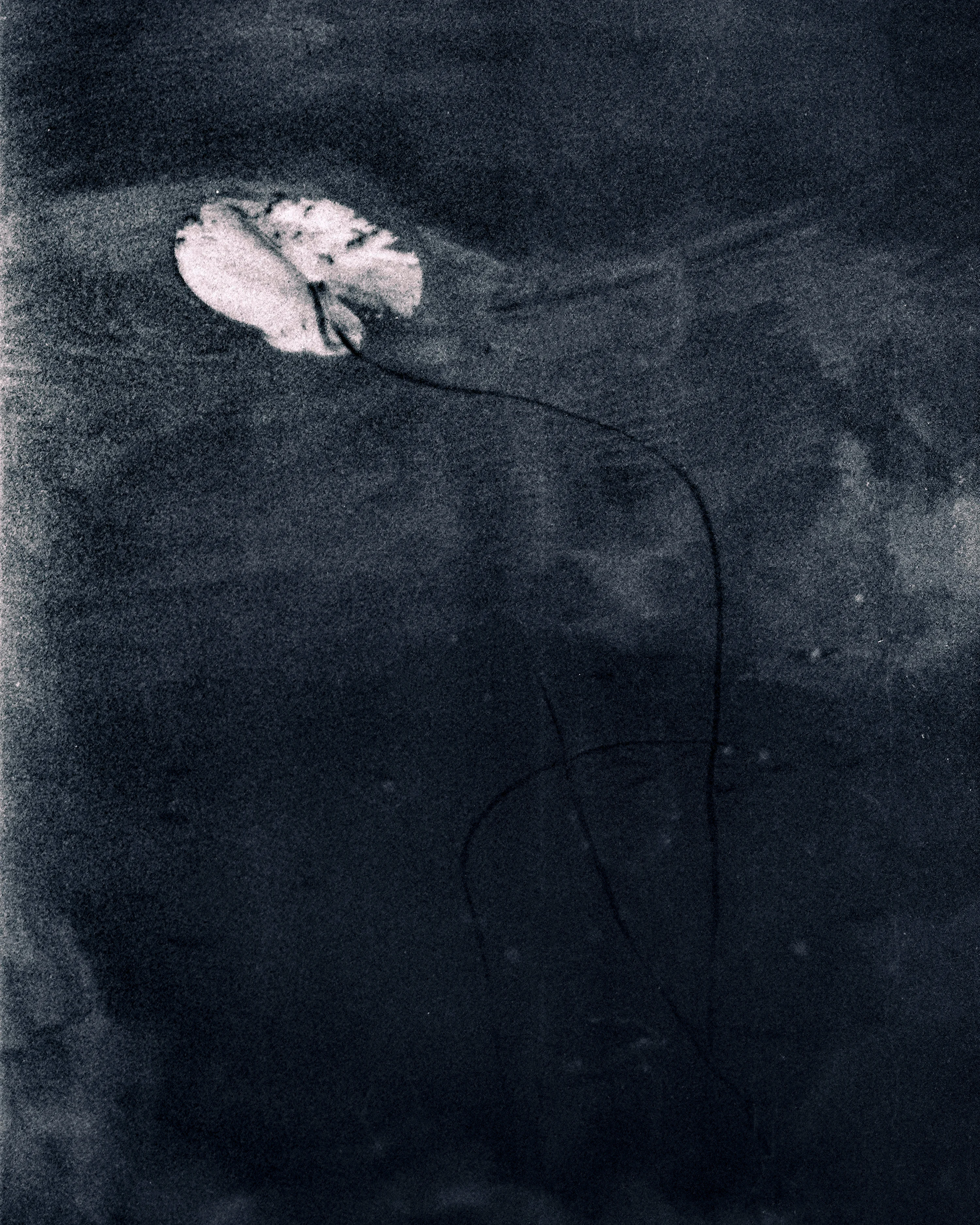
Someone is not here anymore but they continue in a certain way. I find this really difficult.
In his images, Fustec wants viewers to see an image or scene and “not be able to wrap their mind around it,” similar to the experience of trying to understand death. Viewers might “be tempted to read a symbol in one place, and then another and another and another,” he says. “This continuity of them means you actually read nothing because they all contradict one another. I think this is much closer to an experience of grief.”
As both bereavements happened at the same time, the photographer describes them as being entangled with one another, and they are also now entangled with his way of working. While the process of making “Swift & Swallow” has helped him to come to terms with his grief to some extent, that grief has changed who he is as an artist. “I was always really keen to have an obvious point of view, to be an artist who could decode reality,” he says. “But the point is not to decode it. To not understand it, that is very beautiful.”