American coming-of-age narratives have captivated young people the world over. As a child of the 1990s, Eva Verbeeck was among them. That curiosity led her to begin a roving documentation of girlhood across the nation two decades later, culminating in her new project, “America’s Girls, On the Edge of a Dream.” She tells Megan Williams about channeling her early influences while reflecting the real lives of young women and girls in the US today.
“America’s Girls, On the Edge of a Dream” is available to pre-order via GOST Books.
There’s an acute longing felt by many young people immersed in western pop culture, particularly when they see teenagers in American media and realize their own lives bear no resemblance. For most Americans, life is nothing like what’s on TV either, although those of us raised in other countries were rarely aware of that. Instead, many set about borrowing American vernacular and other cultural touchstones, where imitating idealized coming-of-age stories becomes a rite-of-passage in itself. Growing up in rural Belgium, Eva Verbeeck was drawn into those very mythologies. “I feel like that was something that had a very strong gravitational pull for me as a young girl,” she says.
These influences coalesced in her imagination as they do for so many young people within the US and beyond. When she moved there for a few years as an adult, she carried these ideas with her, emerging in the form of an ambitious, sprawling documentation of American girlhood, which saw her photograph more than 400 young women and girls around the country over six years.
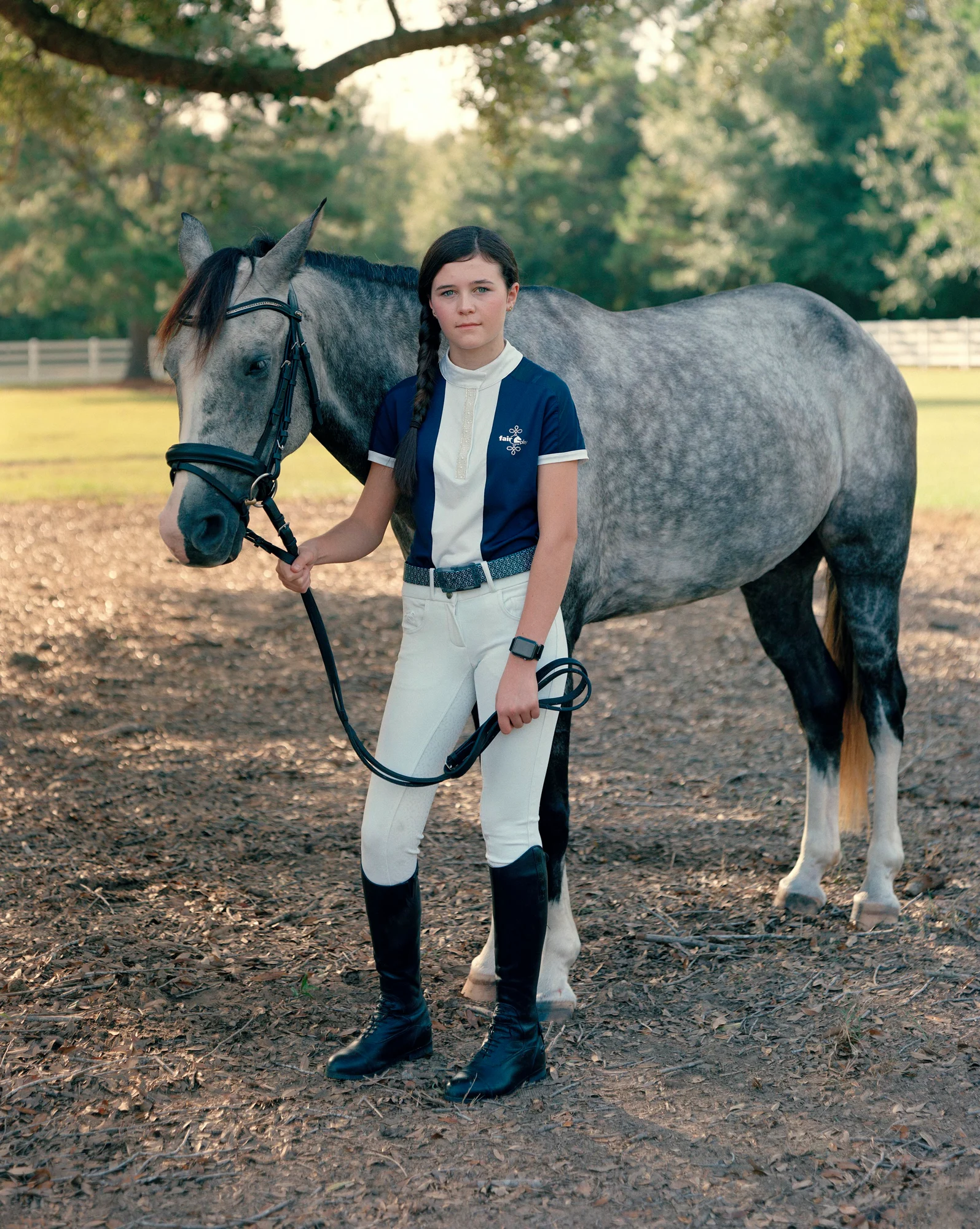
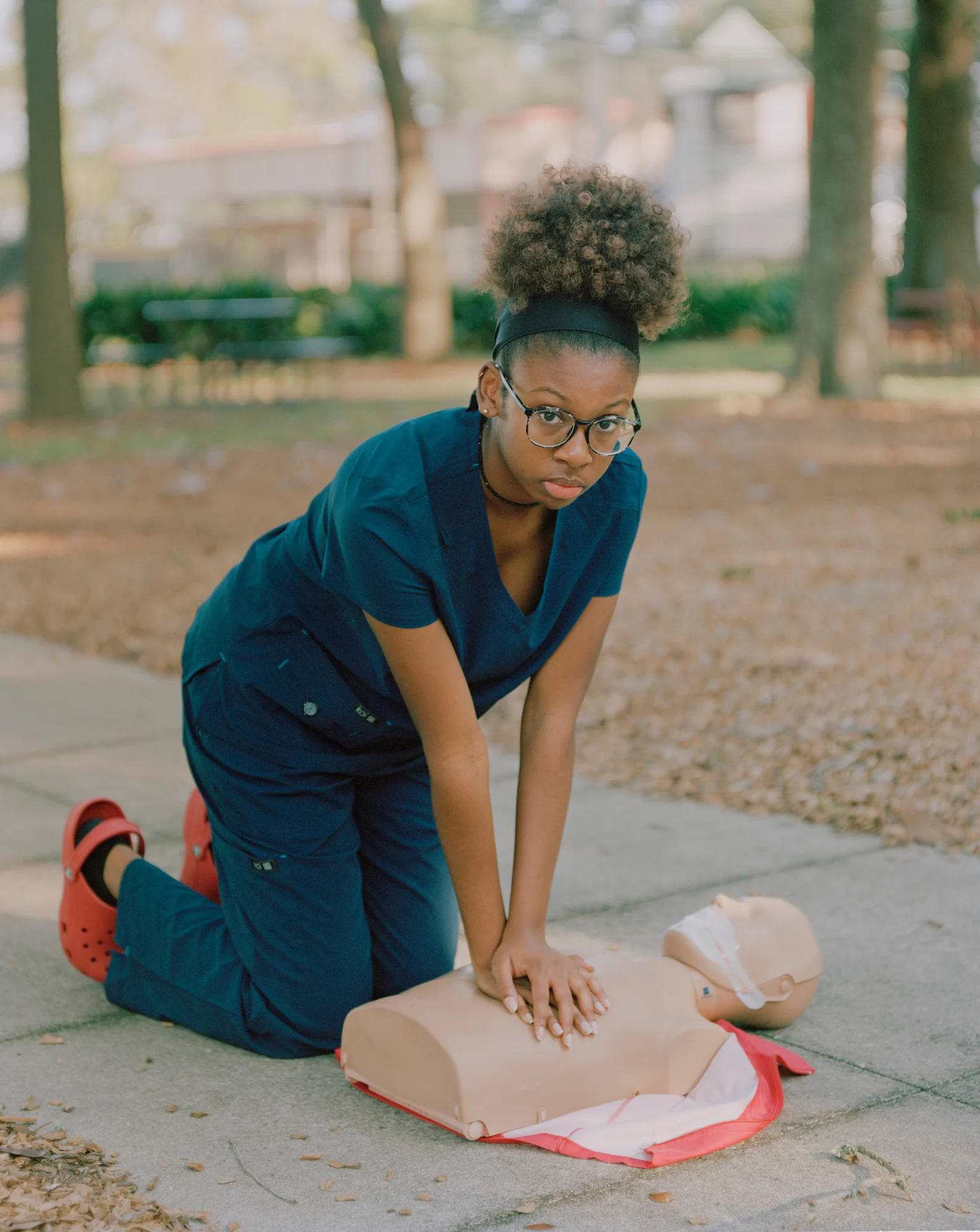
A selection of these are being published in Verbeeck’s new book, “America’s Girls, On the Edge of a Dream,” which feels as much a reference to their dreams as her own. She got to step foot into a world that had once felt like a distant fantasy. She remembers going to a high school for the first time and encountering the instantly recognizable motifs from on-screen stories: the carefully curated lockers that act as miniature galleries of personal identity, the lunch tables that visibly map social hierarchies. “My school was not like that! We still had nuns that were teaching us in primary school,” she says. “All this lore and mythology around the United States were translated in real life and I thought that was very fascinating. For me as a photographer going into these spaces, I do feel like I honored a little piece of my younger self to go back and explore that.”
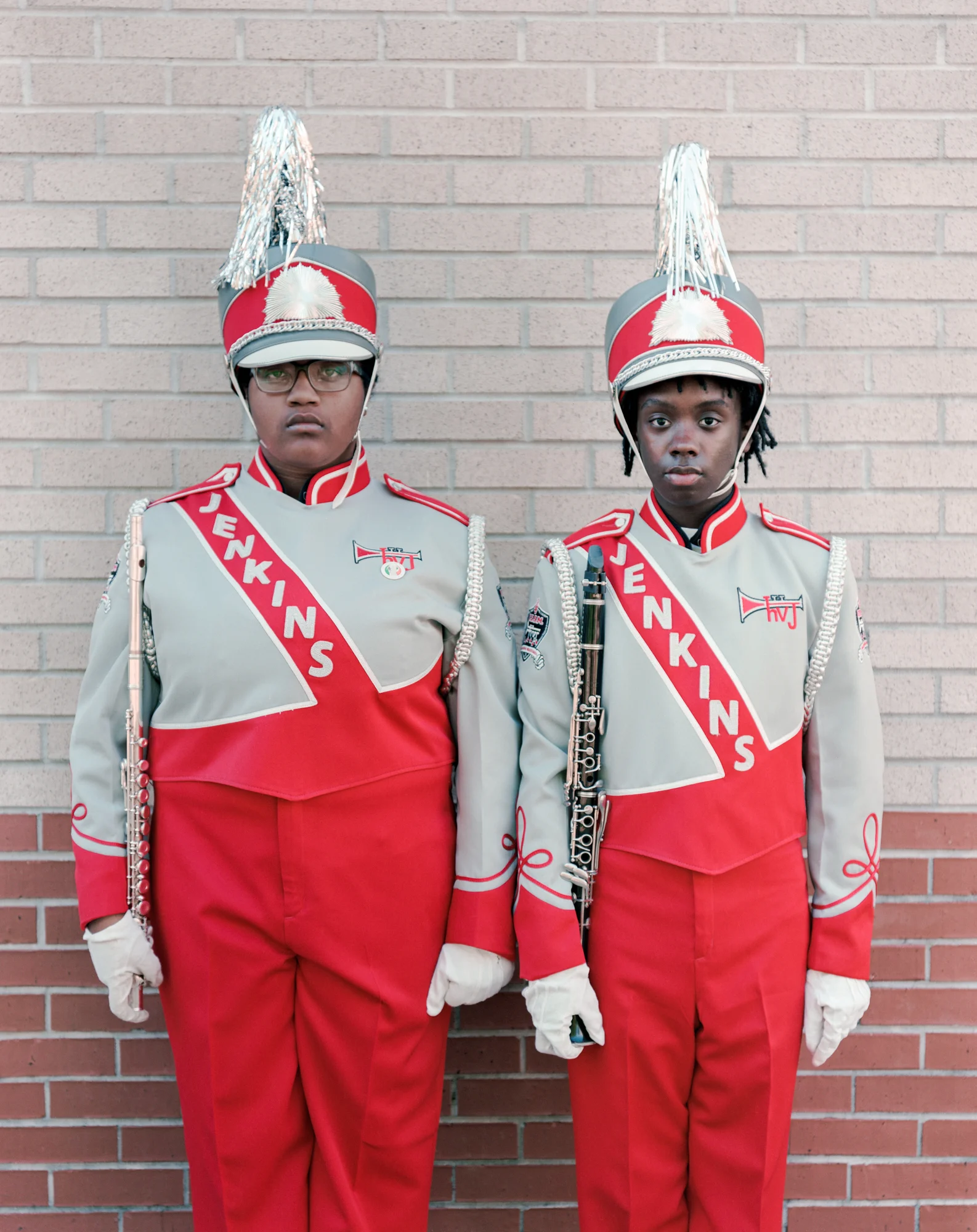
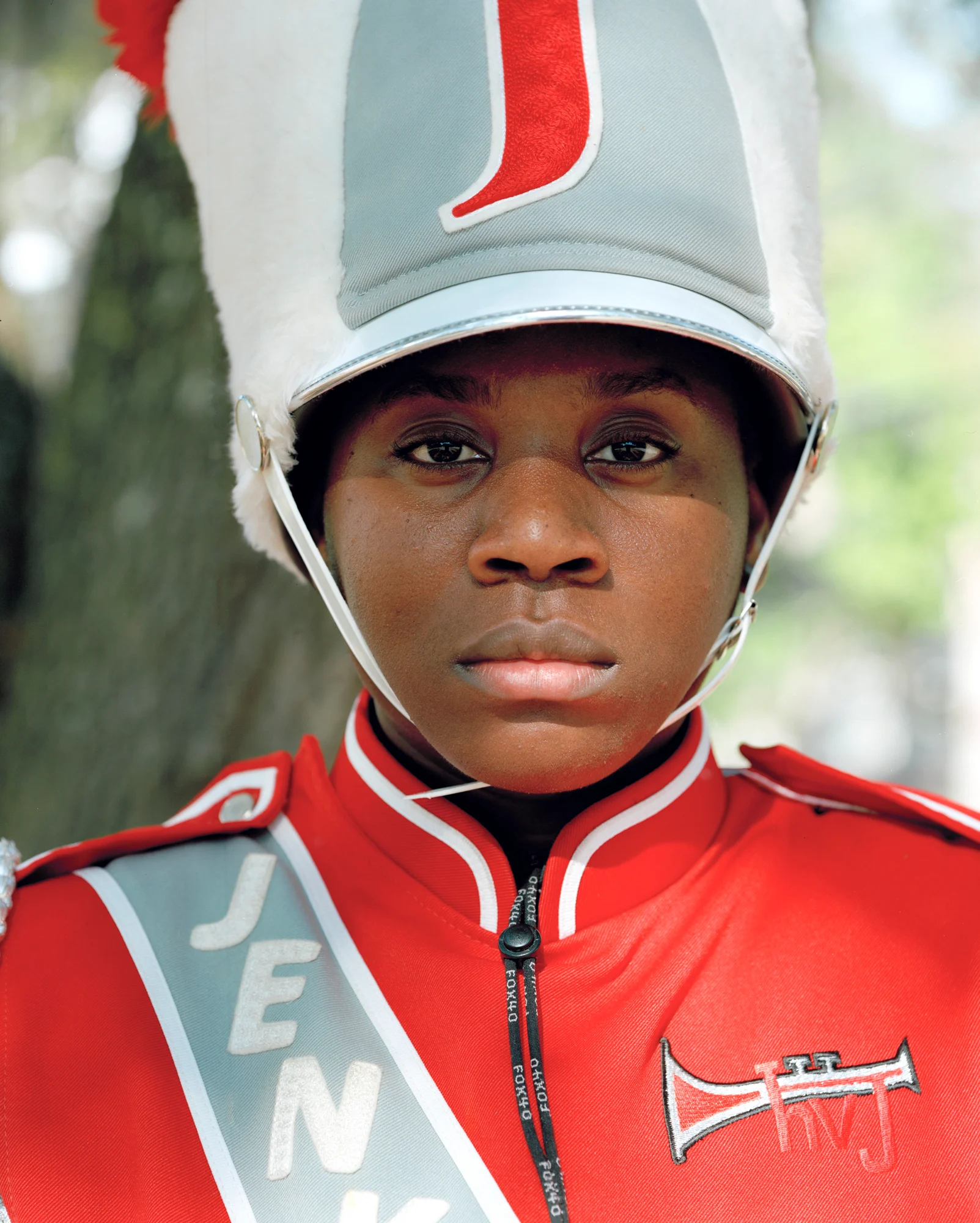
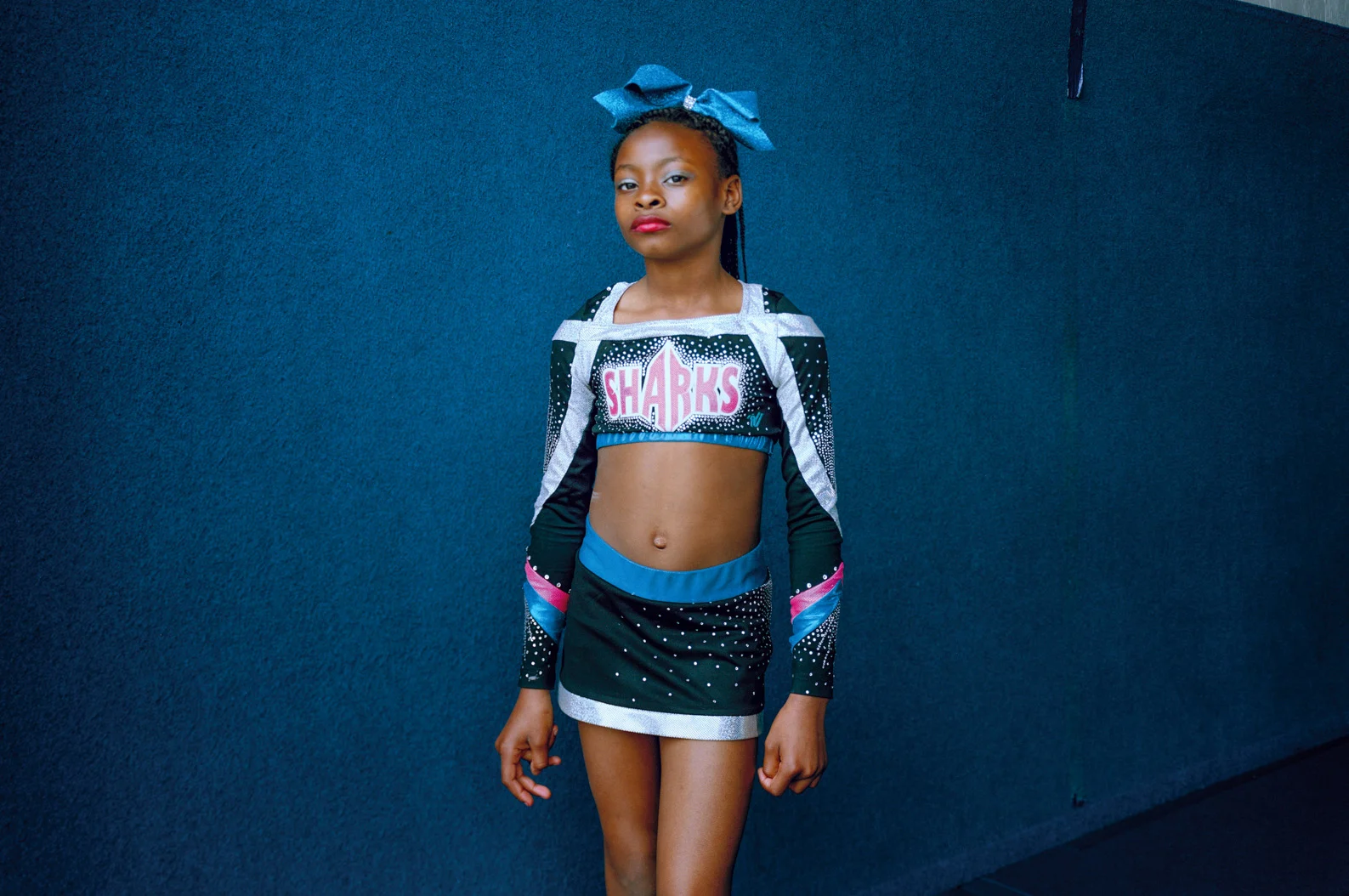
Many of the portraits in the book are orientated around hobbies and pastimes, from baseball to horse riding to marching bands, a reminder of how closely intertwined those pursuits can feel to people’s sense of self, particularly in those formative years. Verbeeck invited sitters to come to photoshoots with an object that they feel represents them. “I think the first way of getting their voices into the project was asking them to bring something of themselves, so that it felt like it was their image that said something about what they cared about and what they wanted to do,” she says. “The second part was having time to talk with them. We’d talk about how they were feeling, we would do questionnaires, I have letters from them.”
Verbeeck recalls the girls being mostly unfazed by the process of being photographed. Some chose to bring a friend or a sister into the frame, but it seemed less about nerves and more to “commemorate” their closest relationships. The sense of calm was perhaps due to the fact that their generation is so visible. “I think maybe because they’re so photographed, another photograph didn’t really feel like it was that grand,” she says.
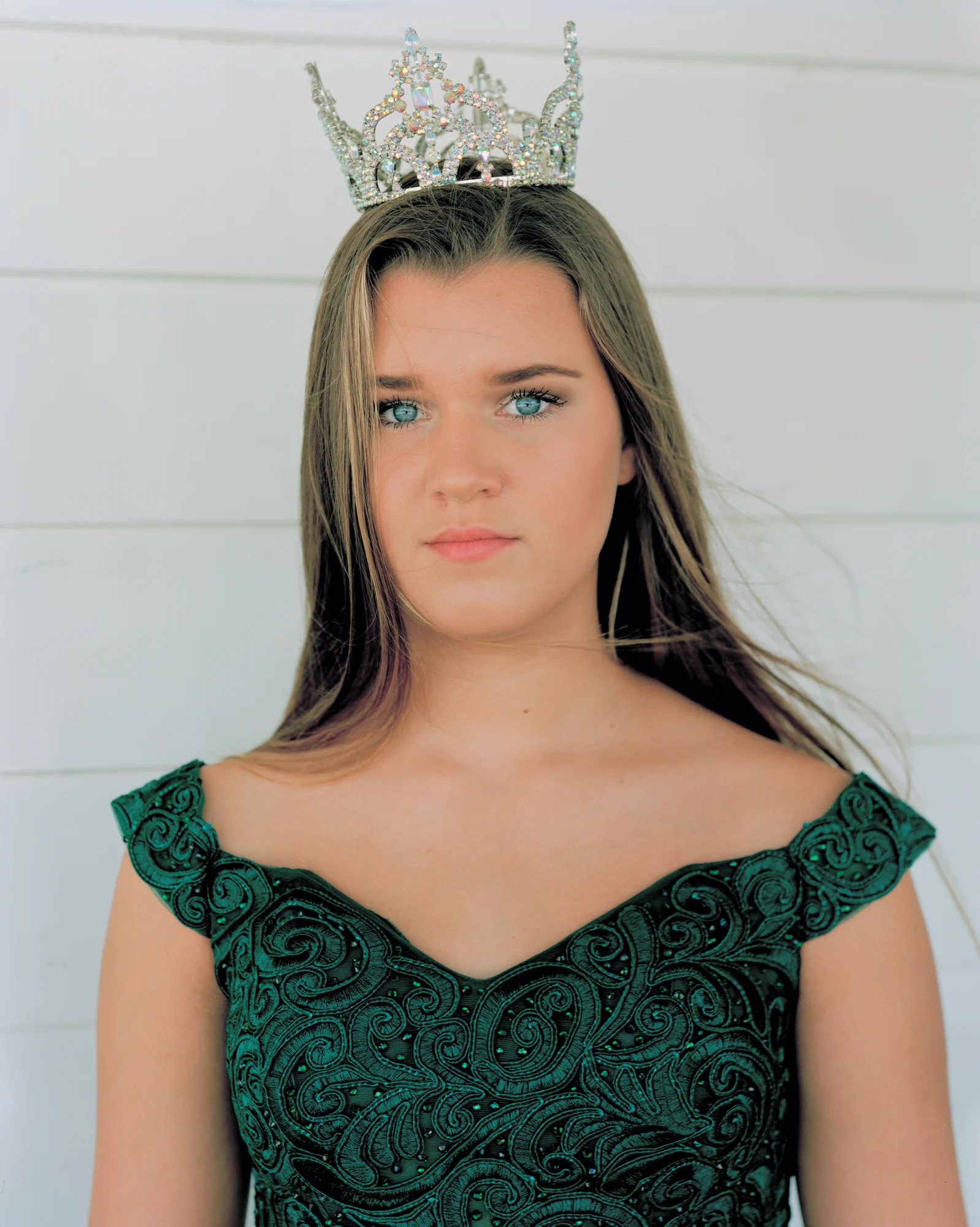
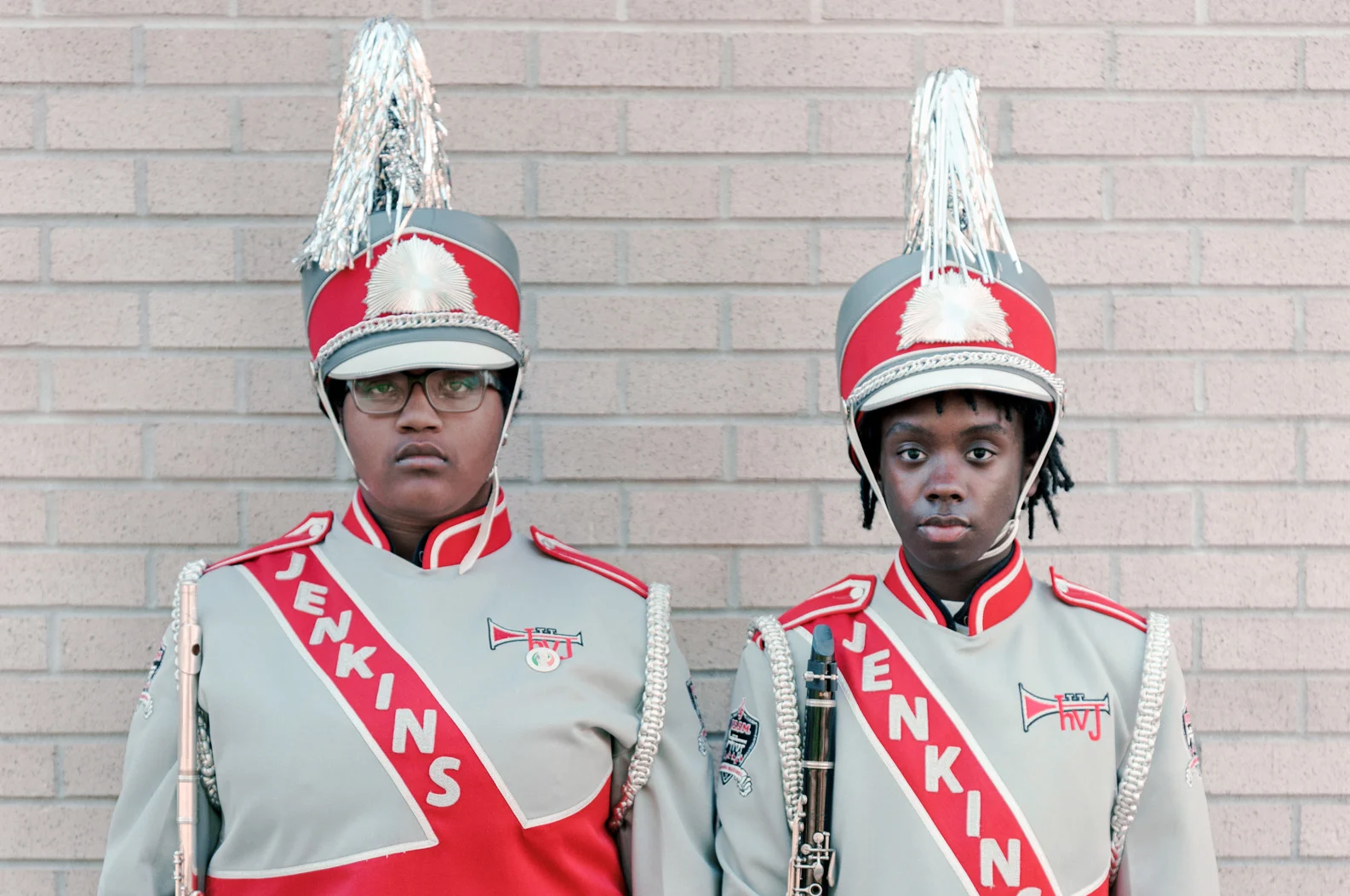
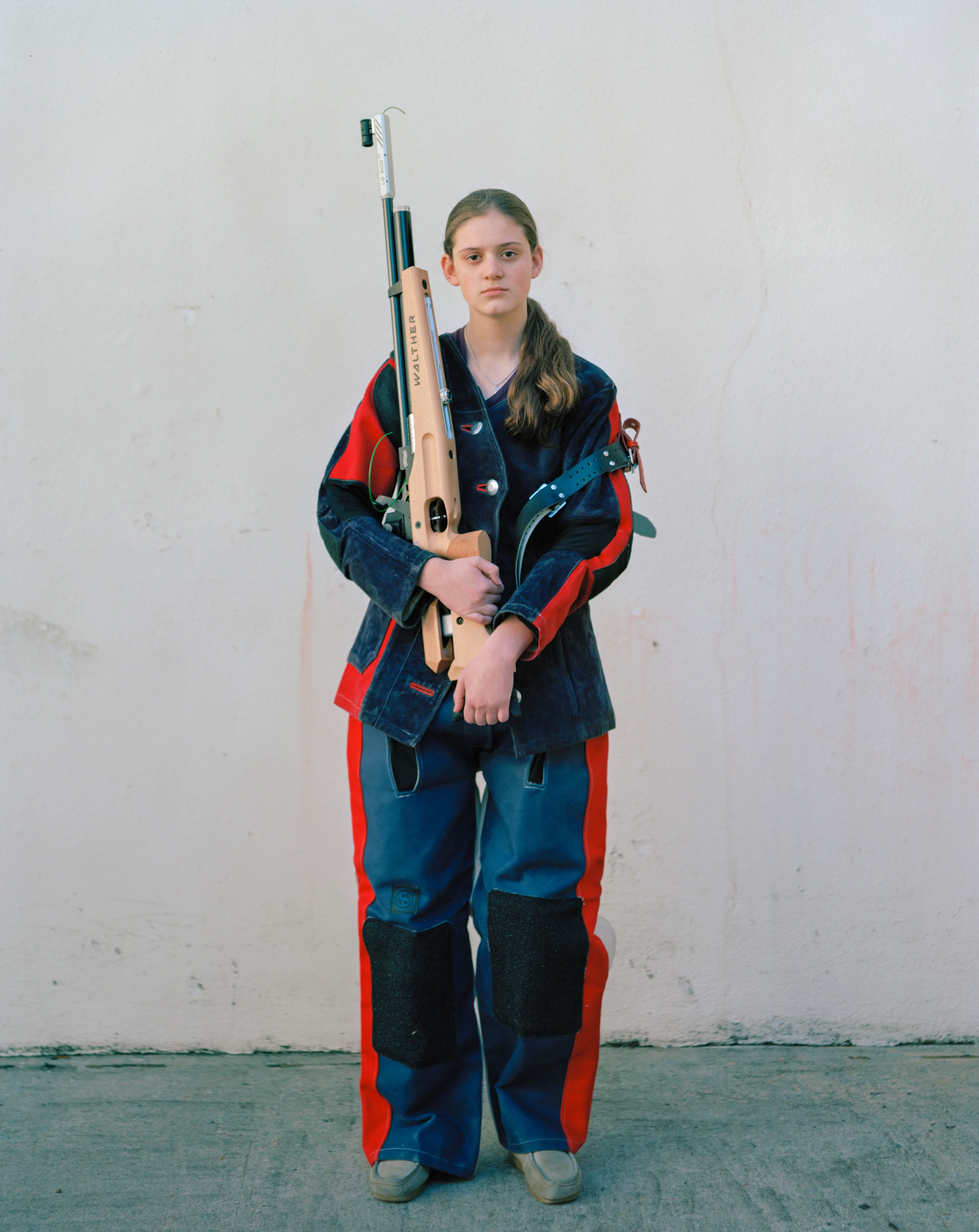
Yet their comfort was also owing to Verbeeck’s deeper, unrushed engagement with them, sustained by those conversations as well as the nature of her equipment: a large format camera, which slows down the photographic process significantly. When she explained to the girls that this meant they wouldn’t be able to see their own portraits immediately, “all the fear in the world about what it was going to look like went away,” she remembers. It’s revealing in terms of where anxieties in front of cameras—even our own—sometimes stem from today. Perhaps it is less the photograph being taken than the feeling of being instantly confronted by your own image, begging to be analyzed for imperfections.
The large format camera shaped not only the tone of the sessions but the form of the photographs, lending the portraits a textural softness but also a compositional clarity. “I wanted to see the voices of young women and the images of young women portrayed in a super respectable, large way,” she says, “and with that camera, it really does that.”
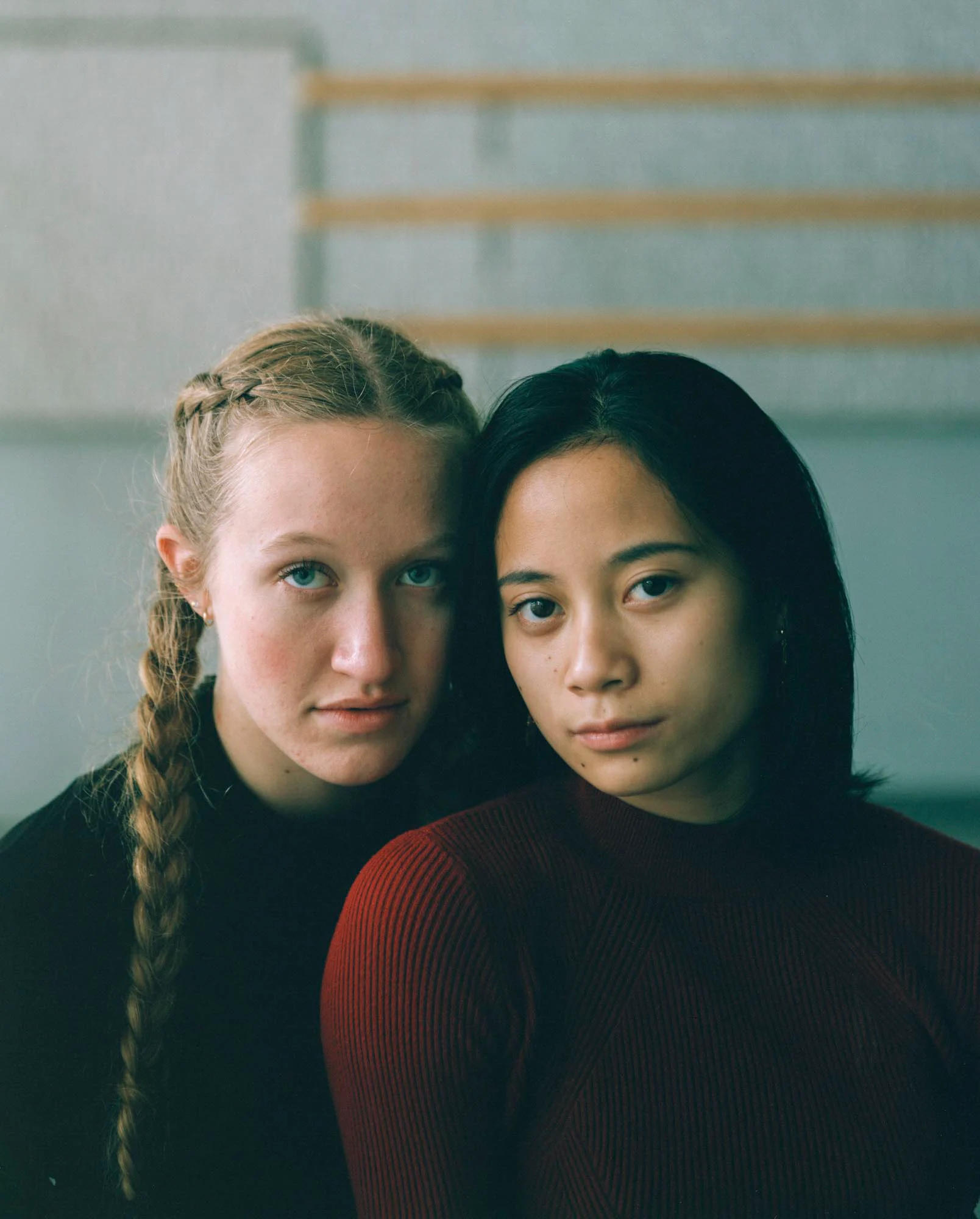
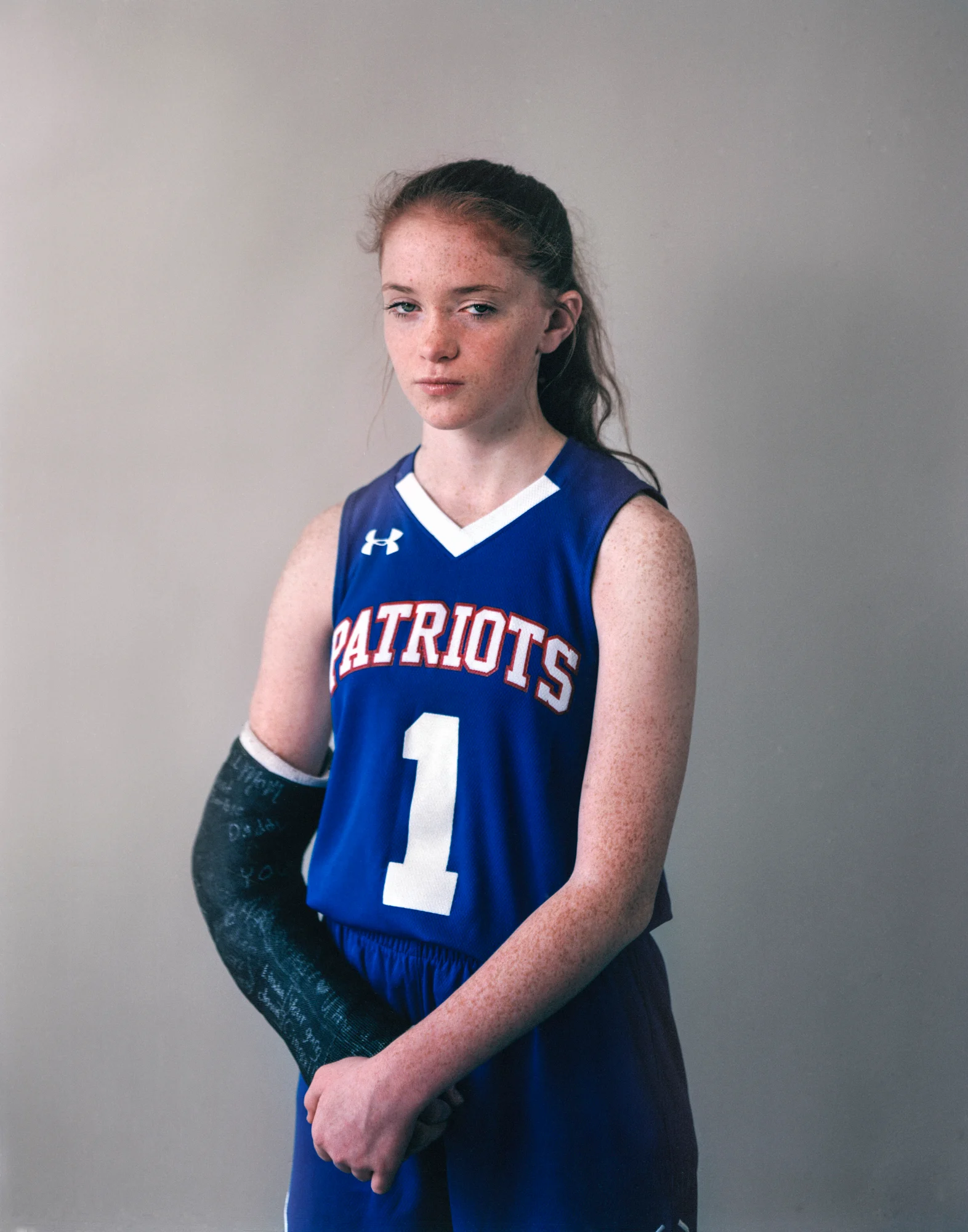
By the time she wound down the project in 2024, Verbeeck had photographed people from the ages of six to 18 years old across 28 different states. “I was curious what it felt like to be a young girl in Ohio. I wanted to know what it was like to grow up in Florida,” she explains. However, she chose not to attach locations to specific portraits in the book. “I don’t think it matters that much, and also I didn’t want to give people the chance to play on stereotypes within certain states.” There are significant differences across the US—cultural, political, geographic, and economic—yet when it came to documenting the girls, she found many of those boundaries blurred, and that “a lot of the images that I thought I would make in specific states, I made in different ones.”
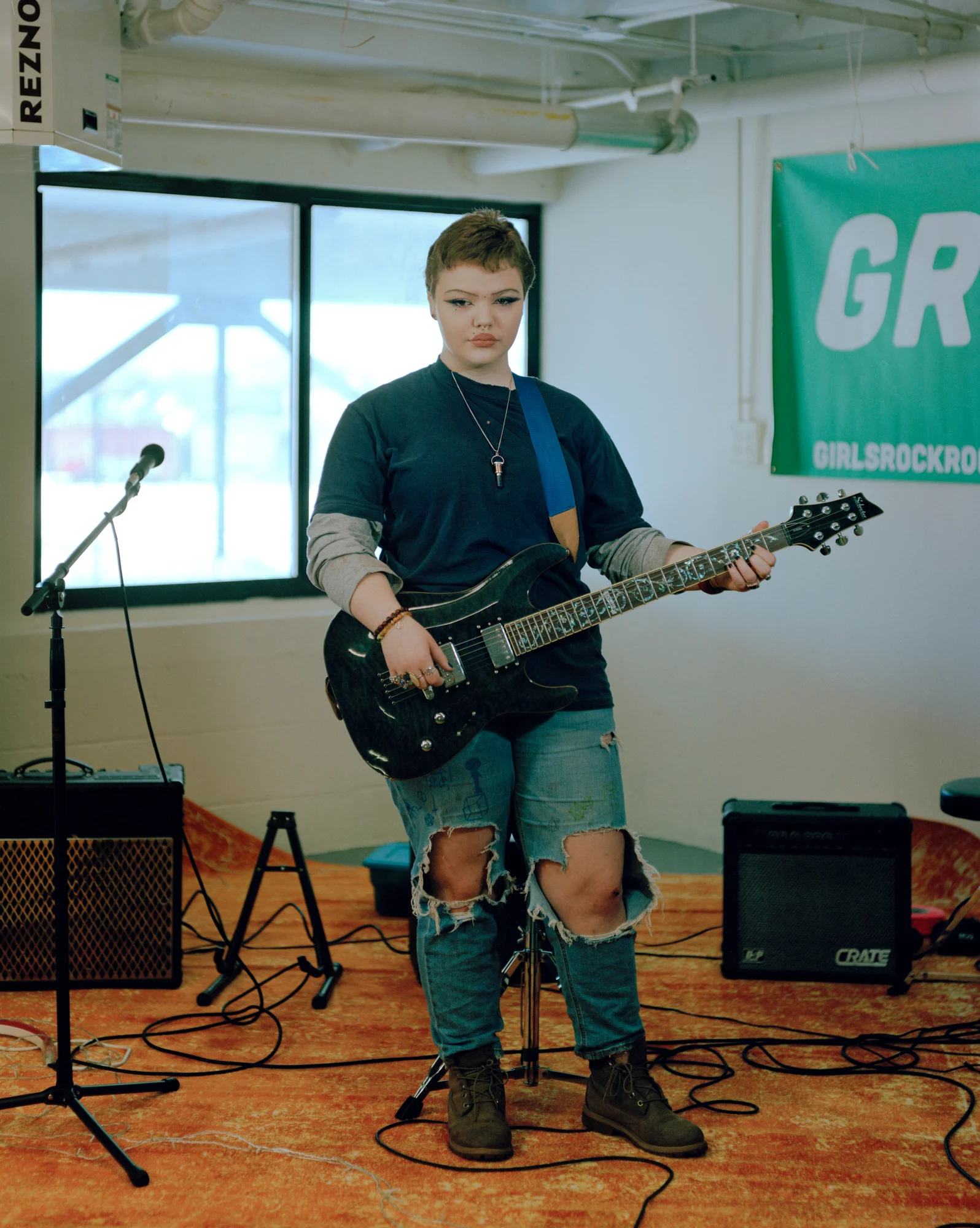
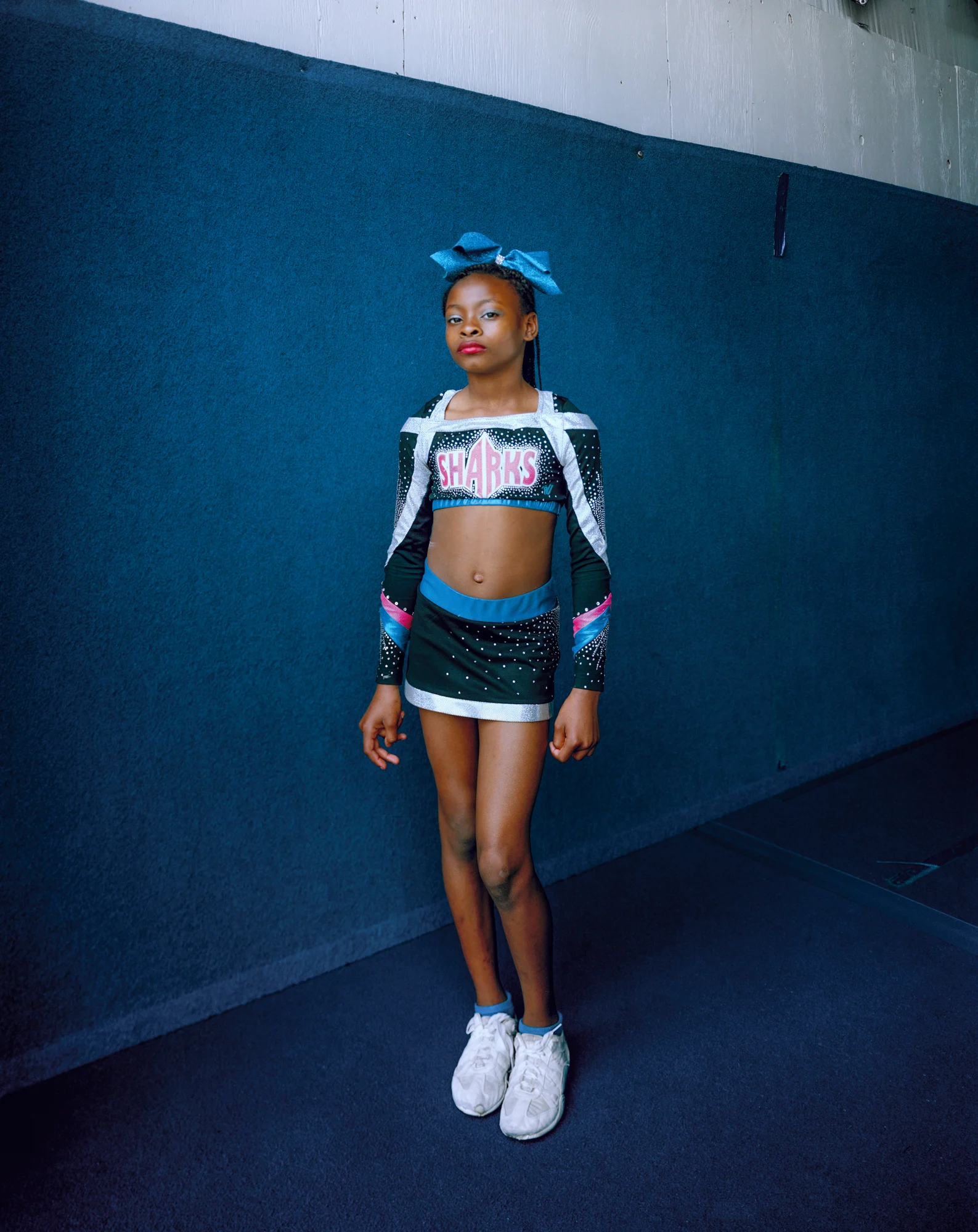
For all the mythologizing that influenced her growing up, Verbeeck even recognized something of herself in many of the young women, whose lives are somehow both beautifully distinct and perfectly ordinary. Any project that sweeps across the US is often saddled with additional commentary, yet “America’s Girls, On the Edge of a Dream” insists on a more universal coming-of-age story, where each girl is simply trying to carve out a sense of who she is and who she might one day become.