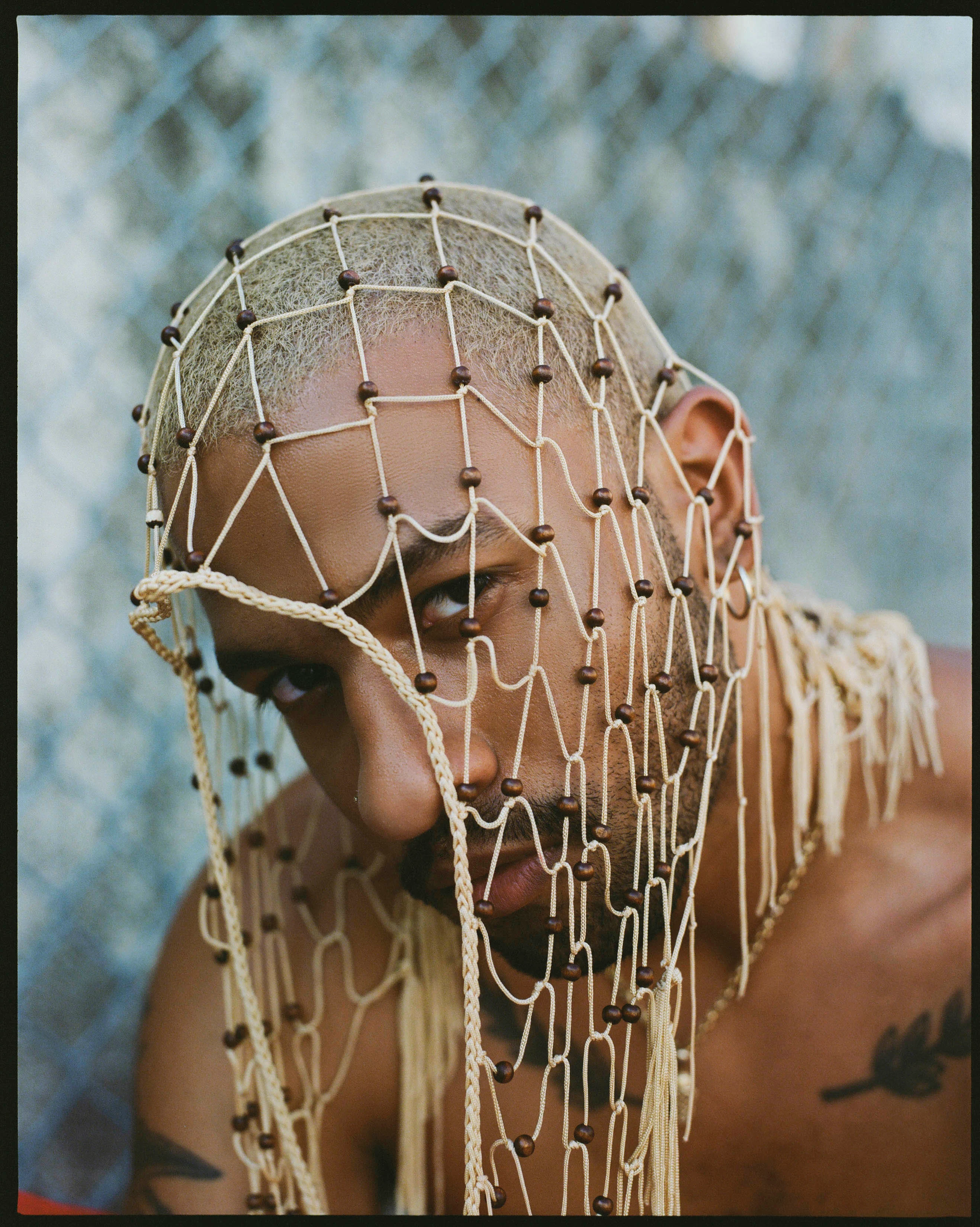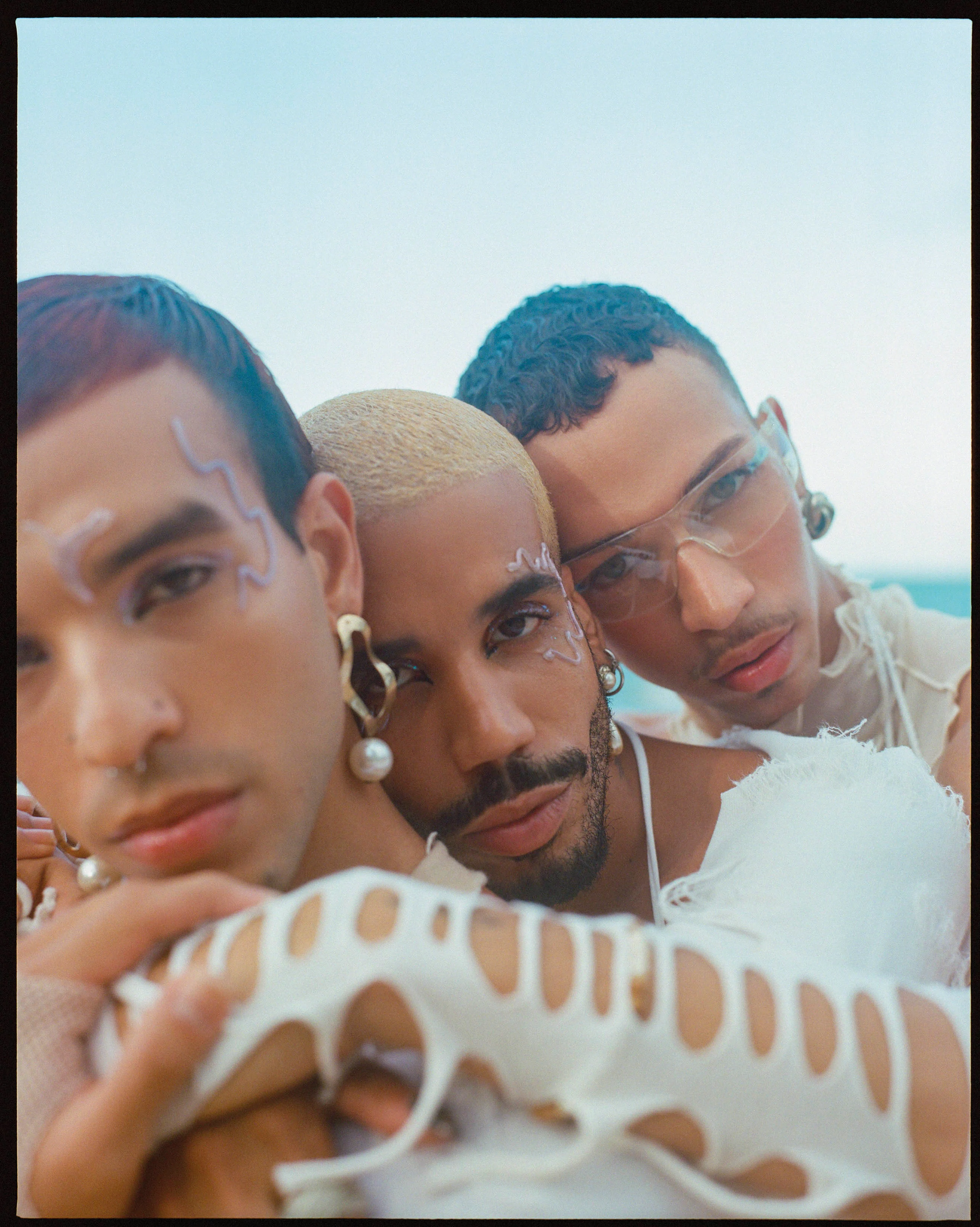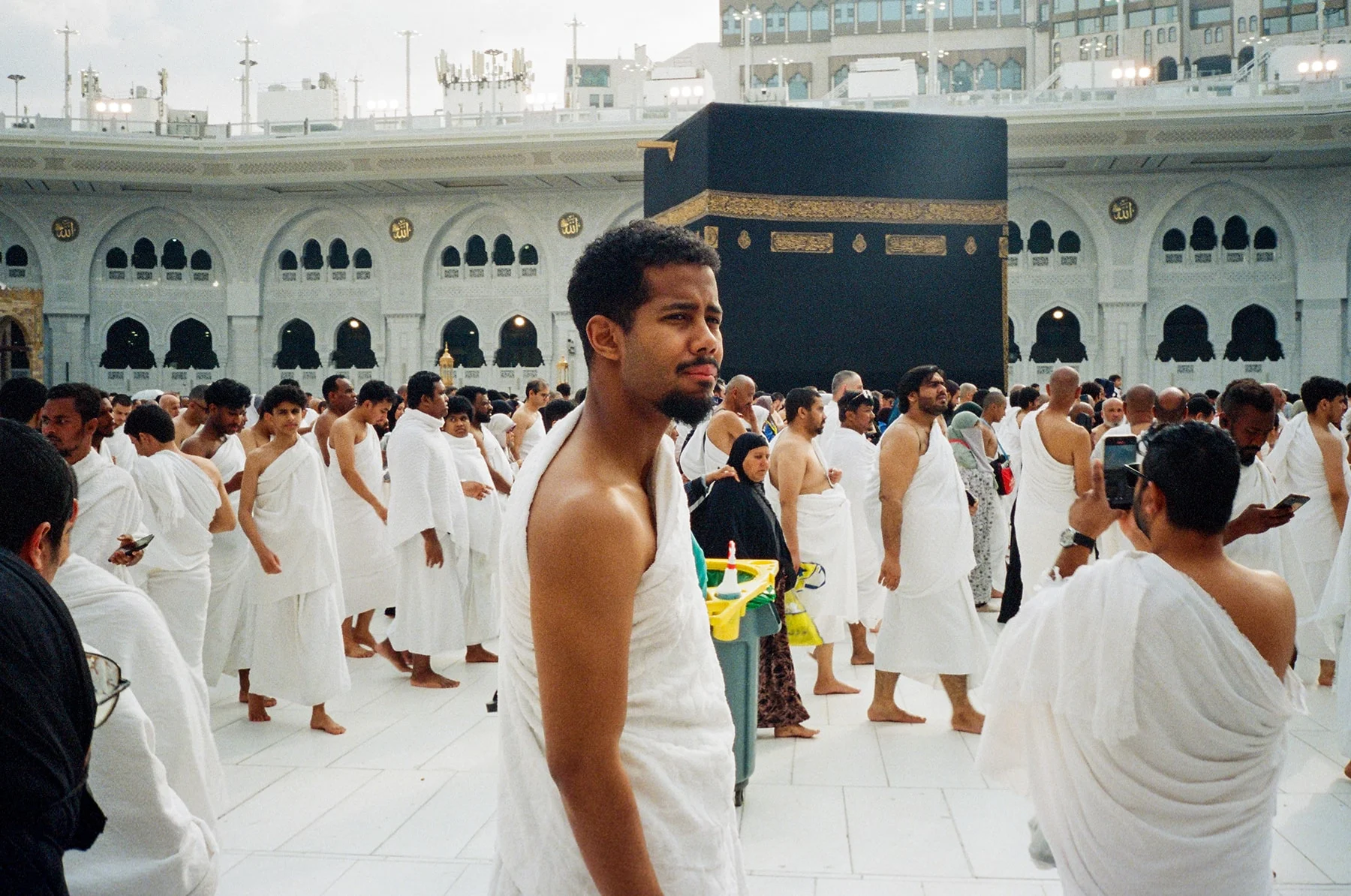
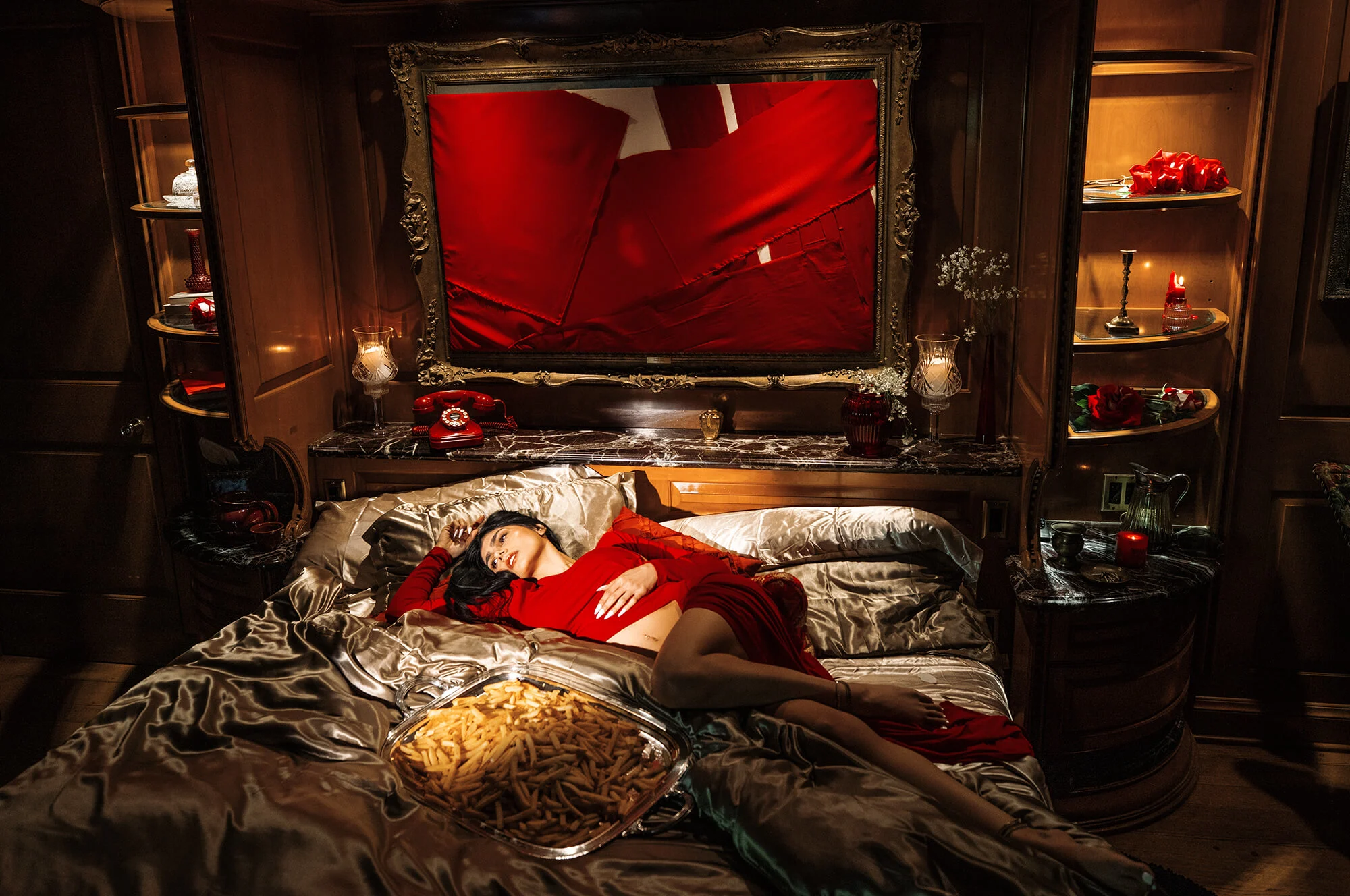
Elianel Clinton’s "Espejo" is a generational portrait series exploring Puerto Rican identity during a complex time of cultural visibility and systemic uncertainty. Clinton shifts his gaze towards lived experience centering Puerto Ricans who, like him, are navigating heritage, gender and belonging on their own terms. He tells Gem Fletcher about his fly-on-the-wall approach to storytelling, and how handing the power to his collaborators paved the way to a more personal project and a more authentic picture of Puerto Rico today.
In 2022, the New Jersey-based photographer Elianel Clinton returned to Puerto Rico with his family to bury his last living grandparent. The emotional experience left him in a state of profound confrontation, realizing he had not just lost a loved one, but was left with many questions about his family heritage that he could no longer find answers to. This longing for knowledge was the genesis of “Espejo” [Spanish for mirror], a generational portrait series exploring Puerto Rican identity.
“Espejo” is rooted in the political as much as the personal for Clinton, who has long been frustrated by the ways that the island and its people are often flattened—visibility that fails to translate nuance. “Puerto Rico receives a lot of attention globally,” says Clinton. “But it’s often framed either through crises: hurricanes, debt, colonial politics, disaster or through branding and aesthetic consumption like tourism, music, trend culture, social media and celebrity visibility. While some of that attention is positive, I feel it rarely leads to a deeper understanding of Puerto Rican people and everyday life. The question is no longer whether Puerto Rico is seen, but how it is seen, and by whom.”
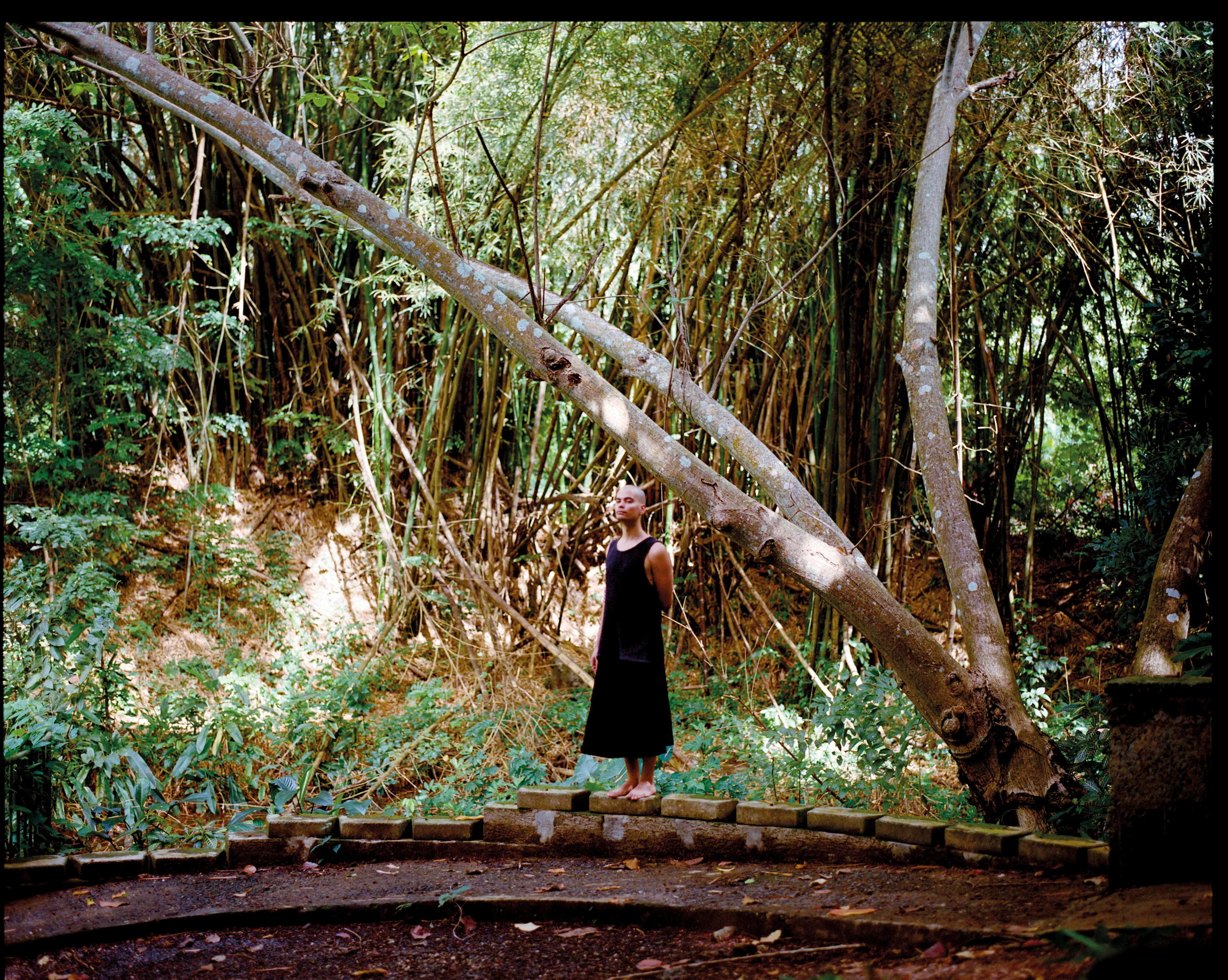
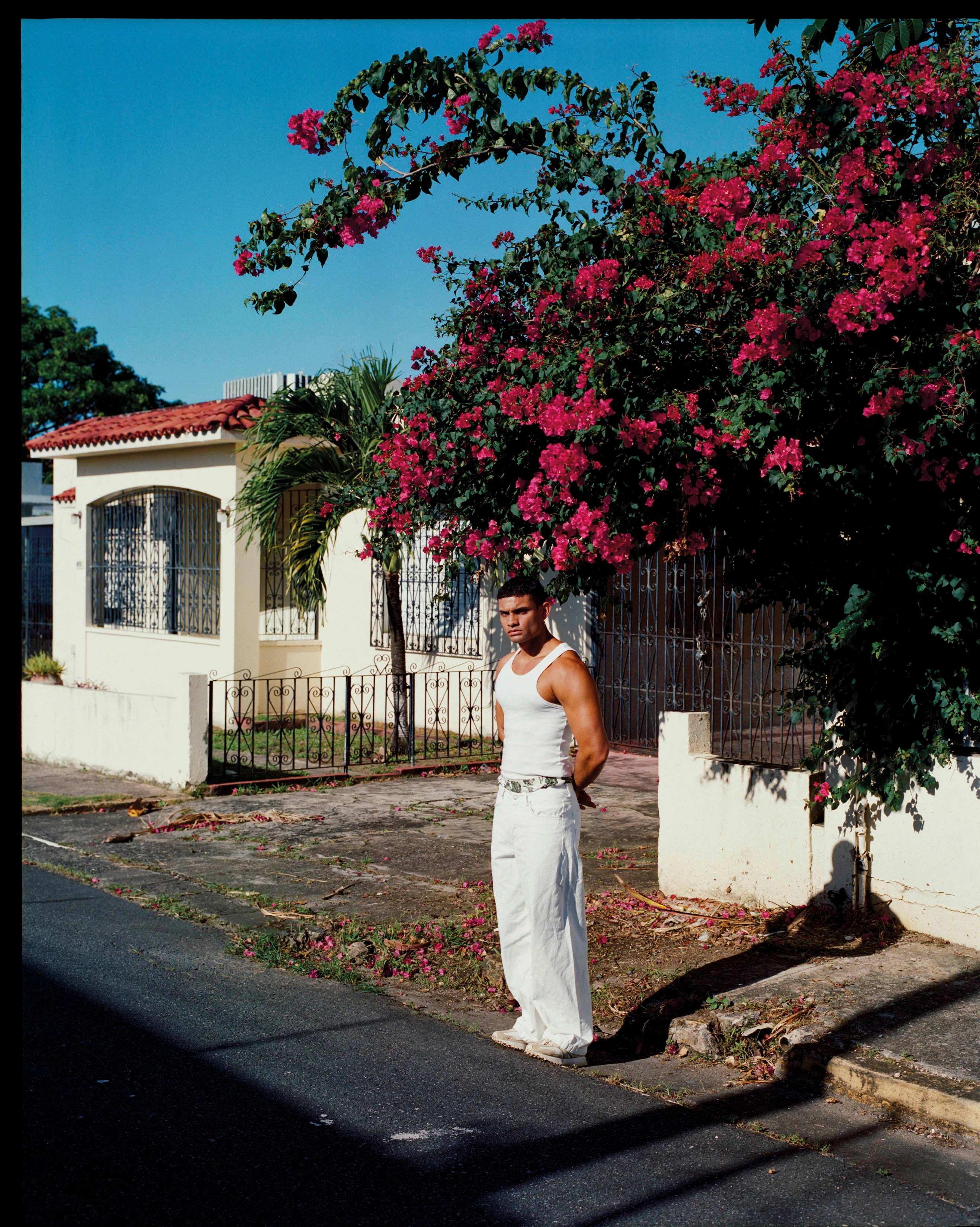
Grappling with the tension between visibility and nuance became the beating heart of Clinton’s project, and finding a diverse group of collaborators was key. Initially, he found people through social media, but as the project grew, friends began recommending their friends and it developed into a communal ecosystem. His participants are from many walks of life, from designers, dancers and artists to soldiers, boxers and working parents. “I wanted the work to reflect the complexity and individuality that exists within Puerto Rican communities,” says Clinton. “Maybe not a complete picture, but at least a glimpse into lives that deserve to be seen and heard.”
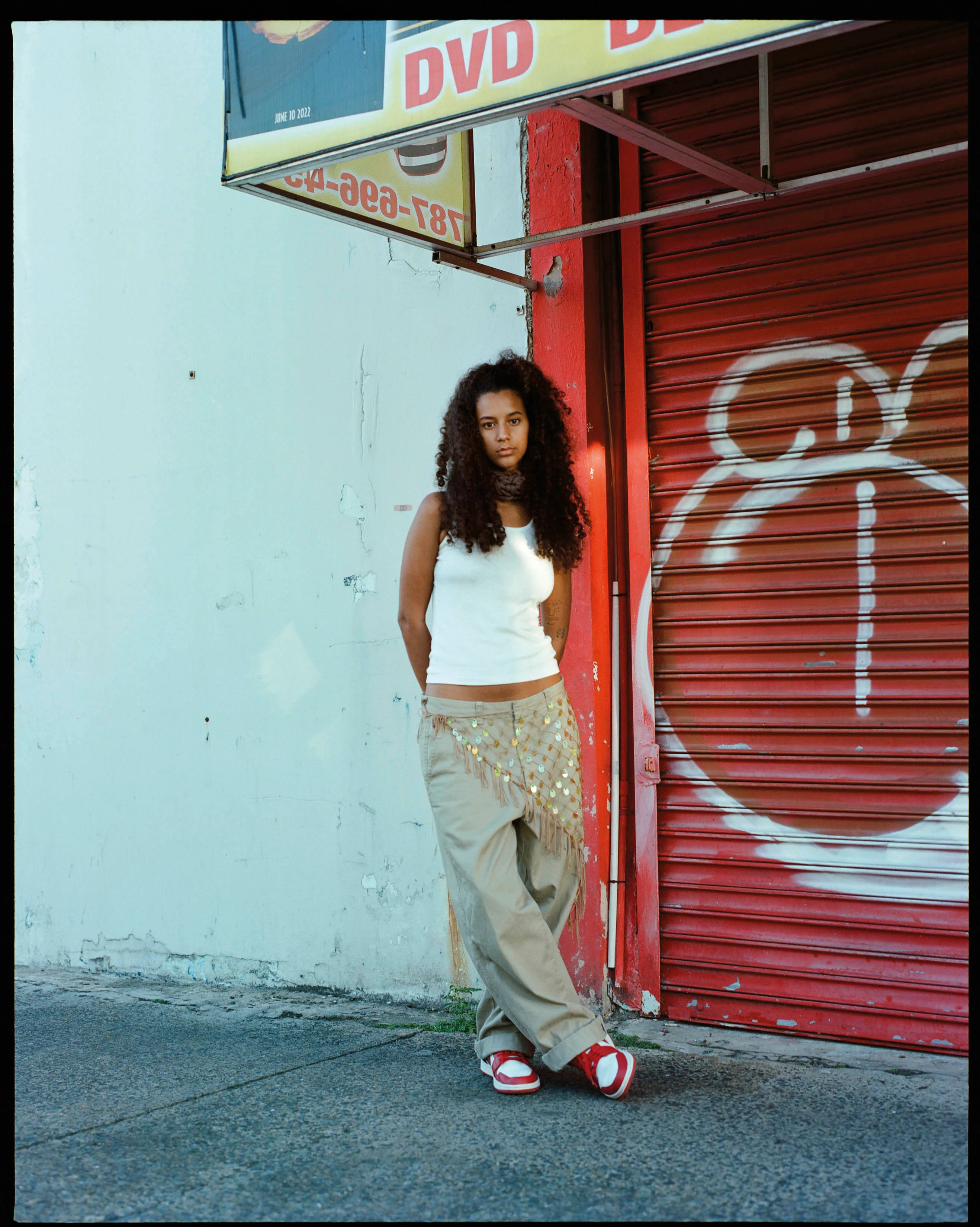
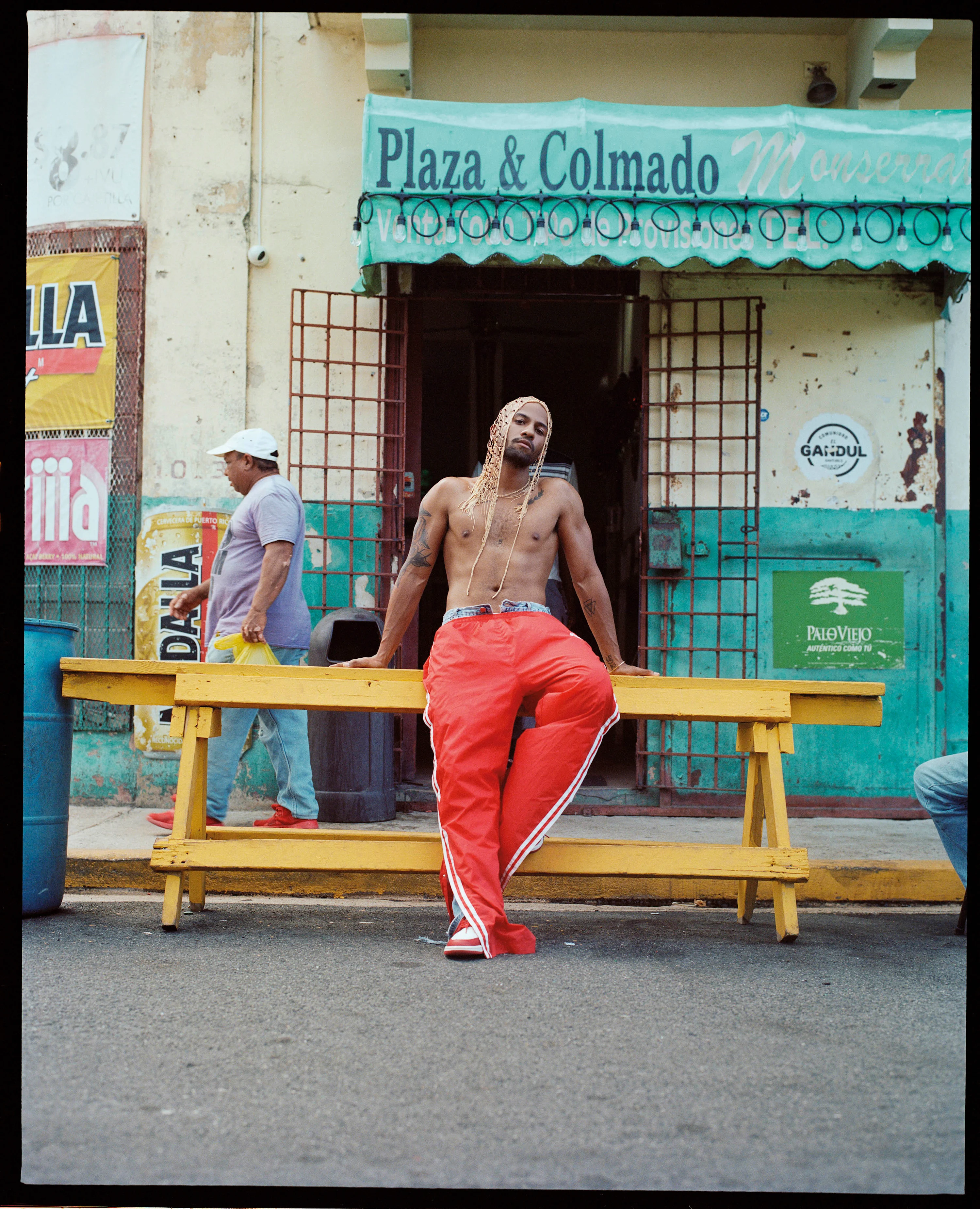
As a medium, photography has always been front and center for Clinton, who has been documented by his father for as long as he can remember. “Coming out of the womb, the first thing I saw was a camera,” he laughs. “My dad photographed us throughout our entire lives. It was more than just capturing holidays or birthdays—he was interested in every detail of our daily lives.” While Clinton was always aware of the camera, his interest in the medium only began as he got older and began going through his family albums. He became obsessed over the images and their portal-like quality; they offered him the ability to revisit his family throughout the decades.
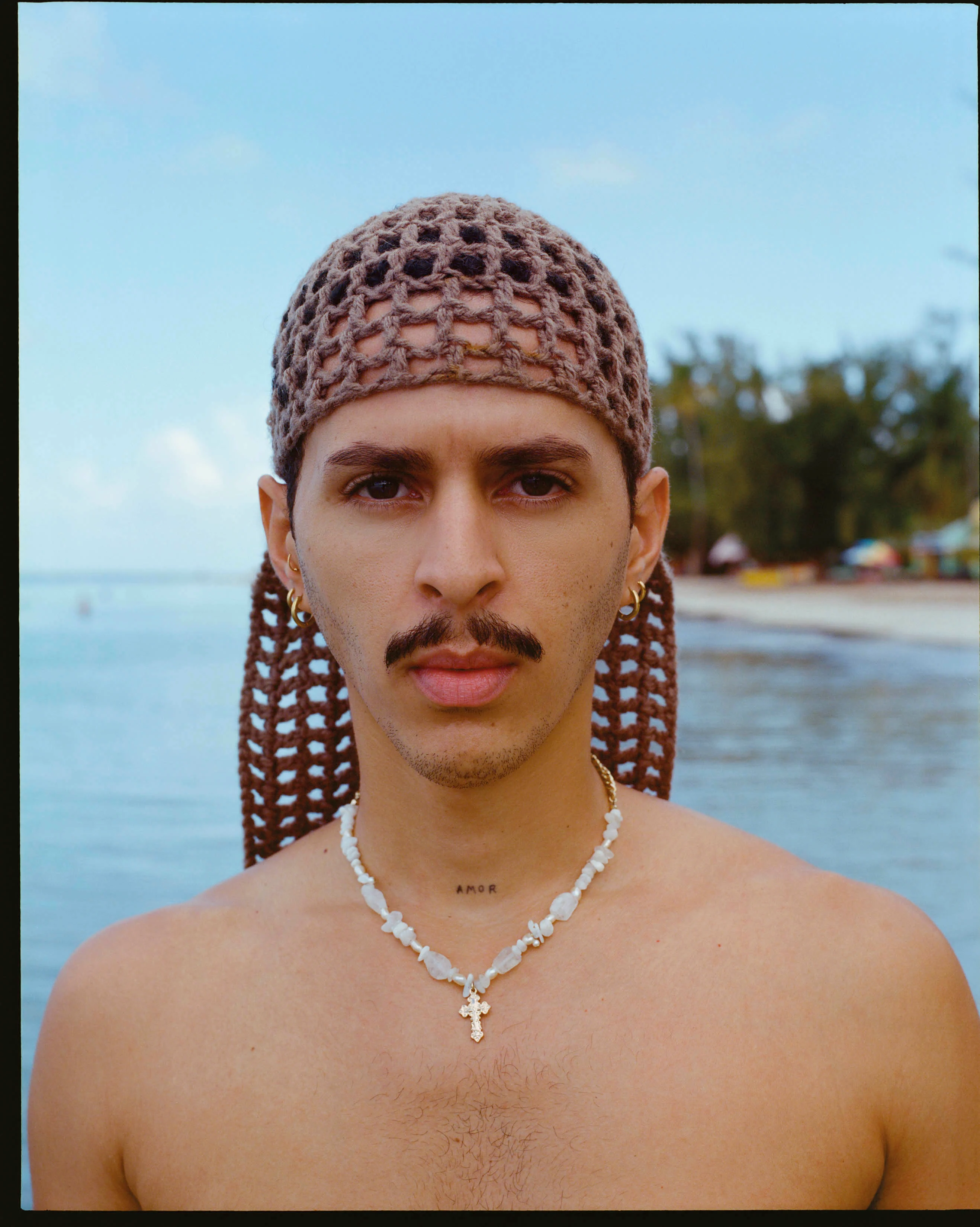
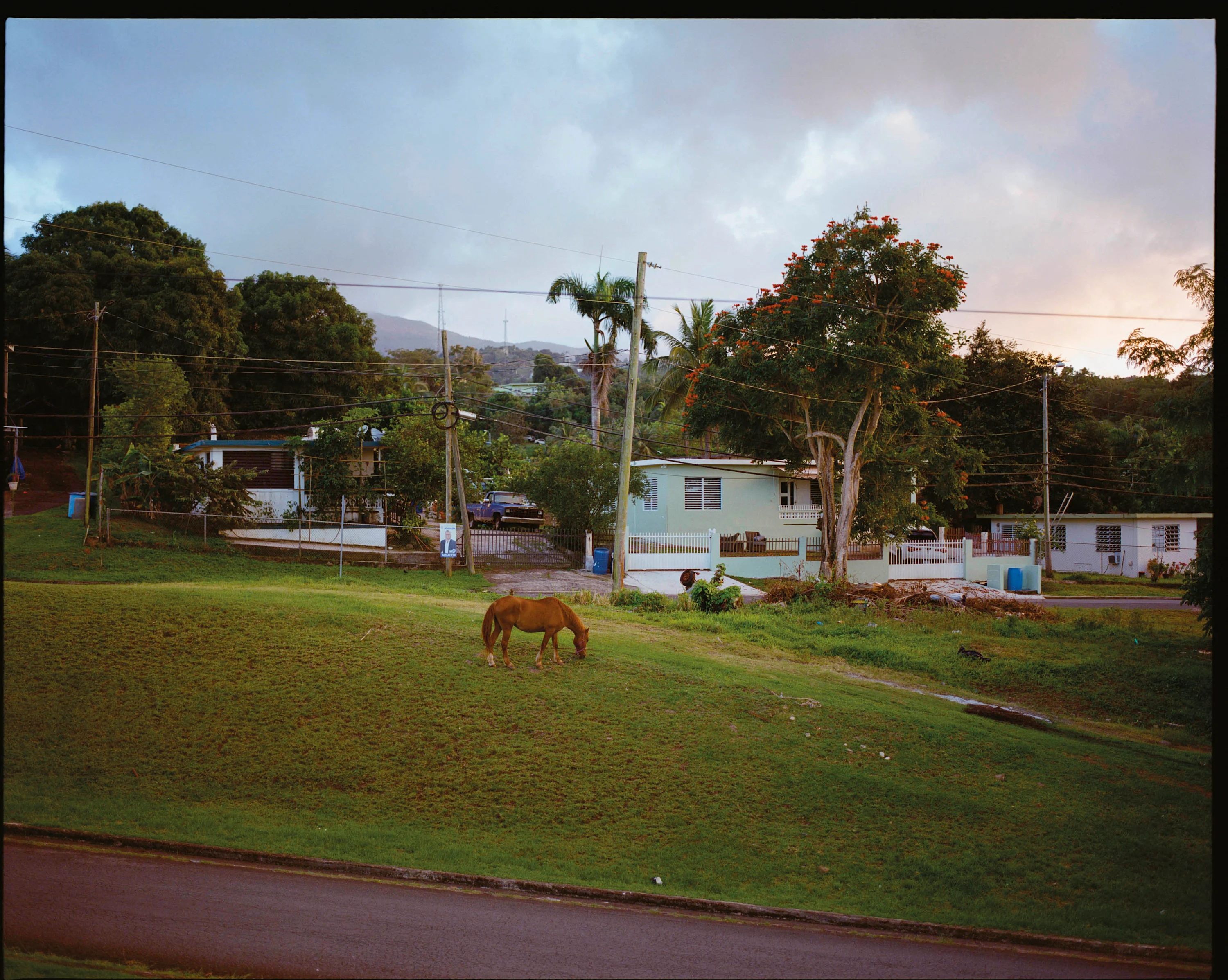
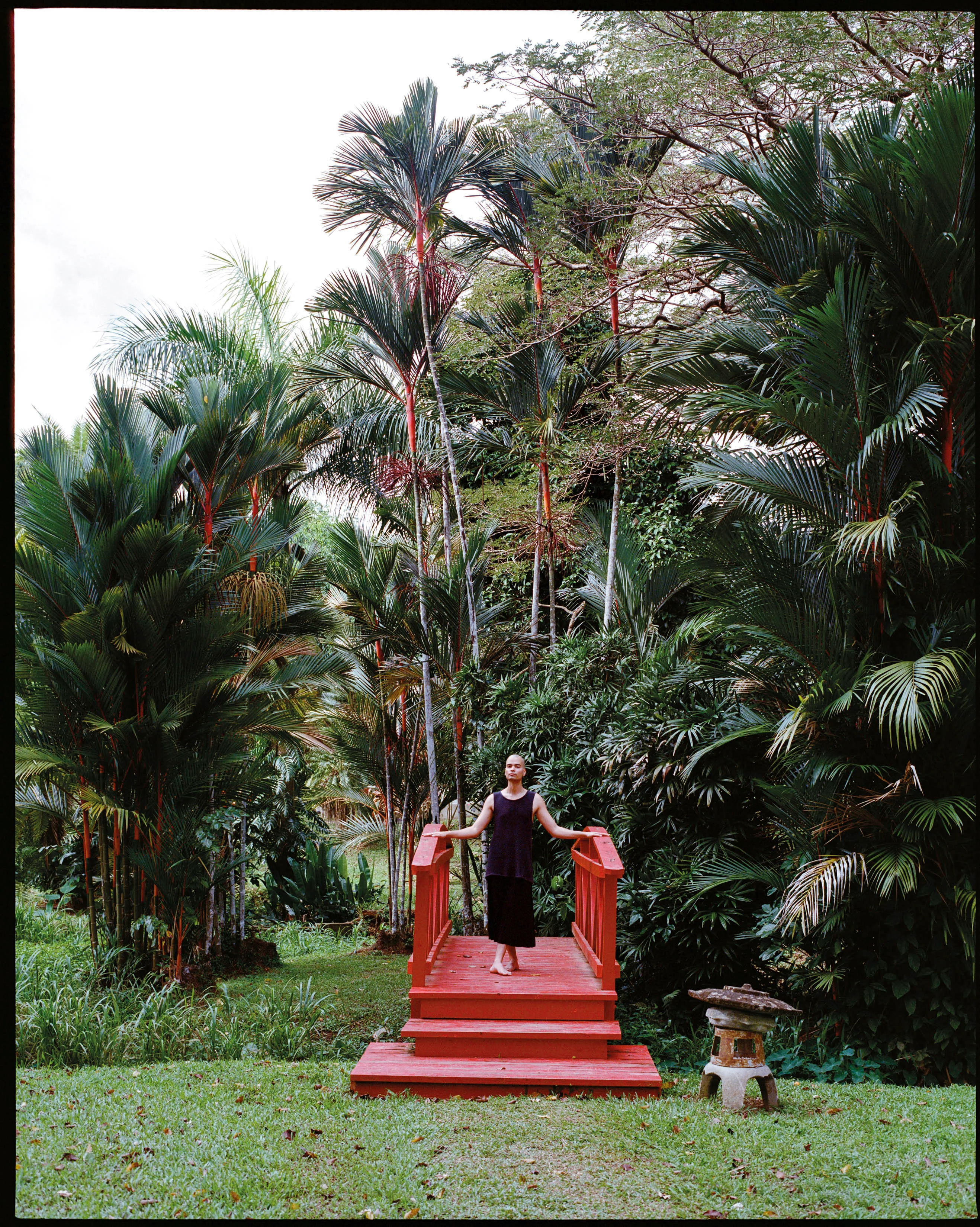
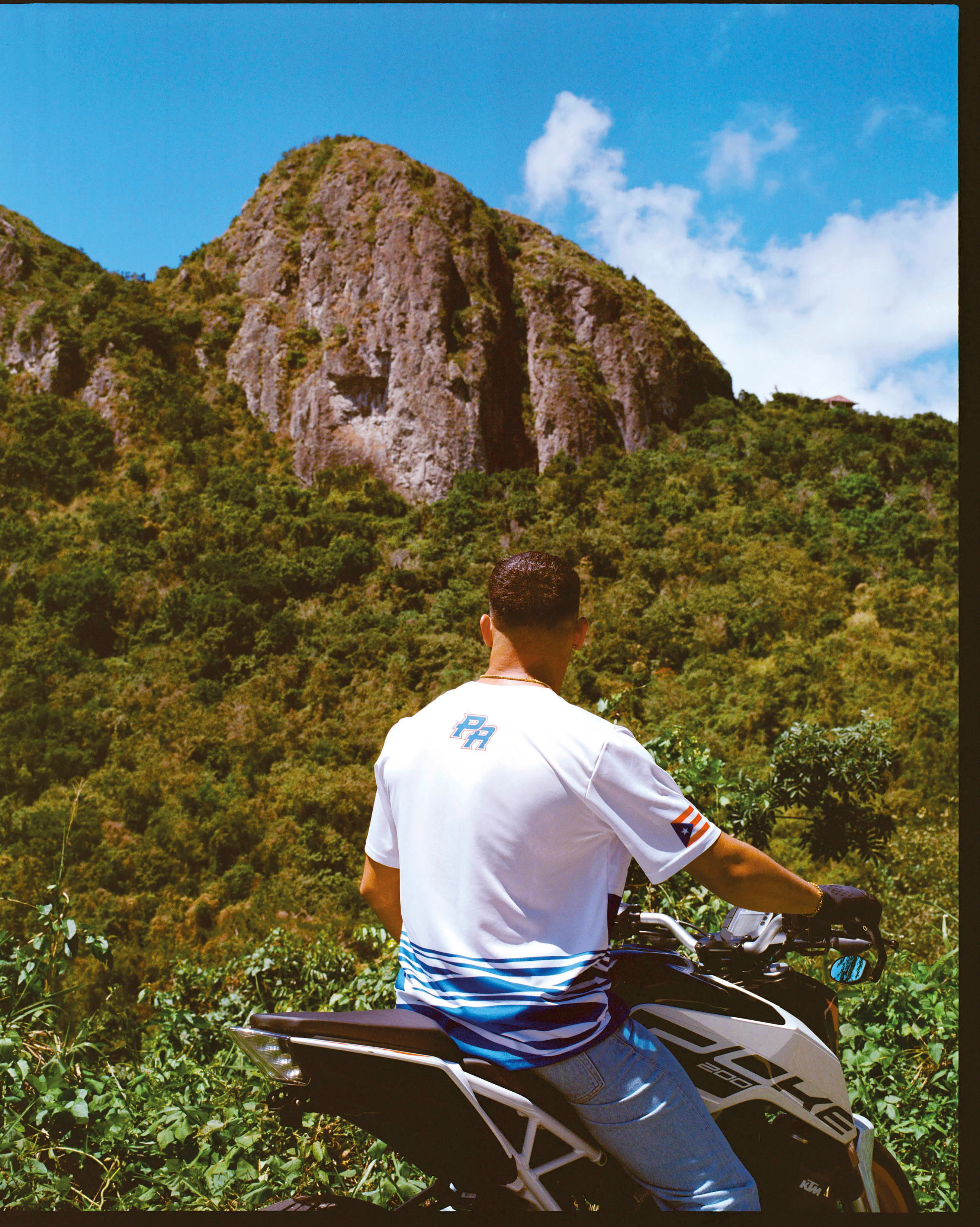
Clinton simply asked each subject to take him to a location on the island that speaks to them. Julissa, a tattoo artist, took him back to their High School, the place where their creative life began. Daniel took him to the renowned boxing ring, Team La Perla in the heart of San Juan. Yarek, a soldier in training, who is also a biker, took him deep into the rural outskirts of the city, to a safe haven where he goes to decompress, meditate and journal. Clinton’s initial hope was to be “fly on the wall in their world,” but the images speak to something even more sacred; the reciprocal power born from truly being seen.
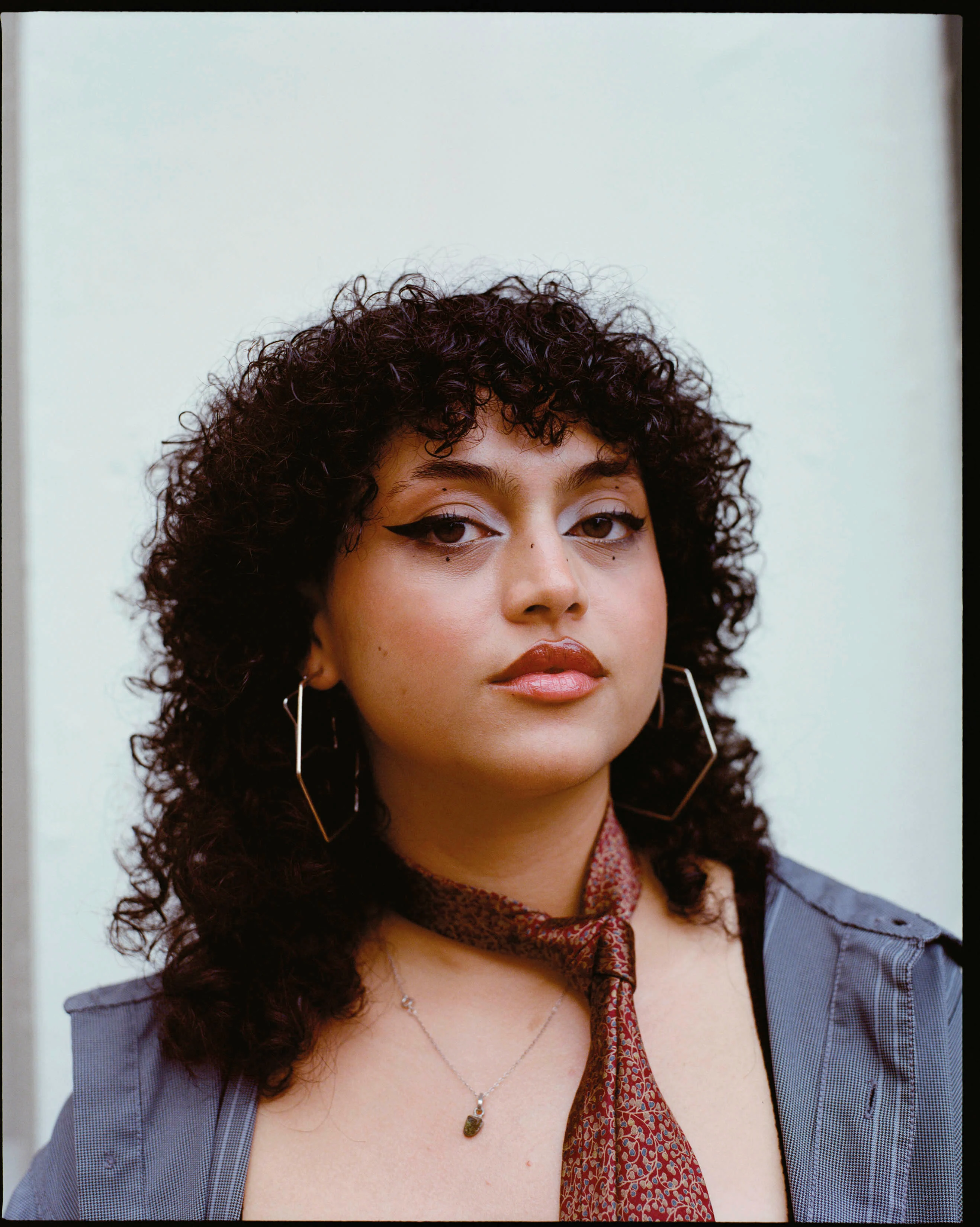
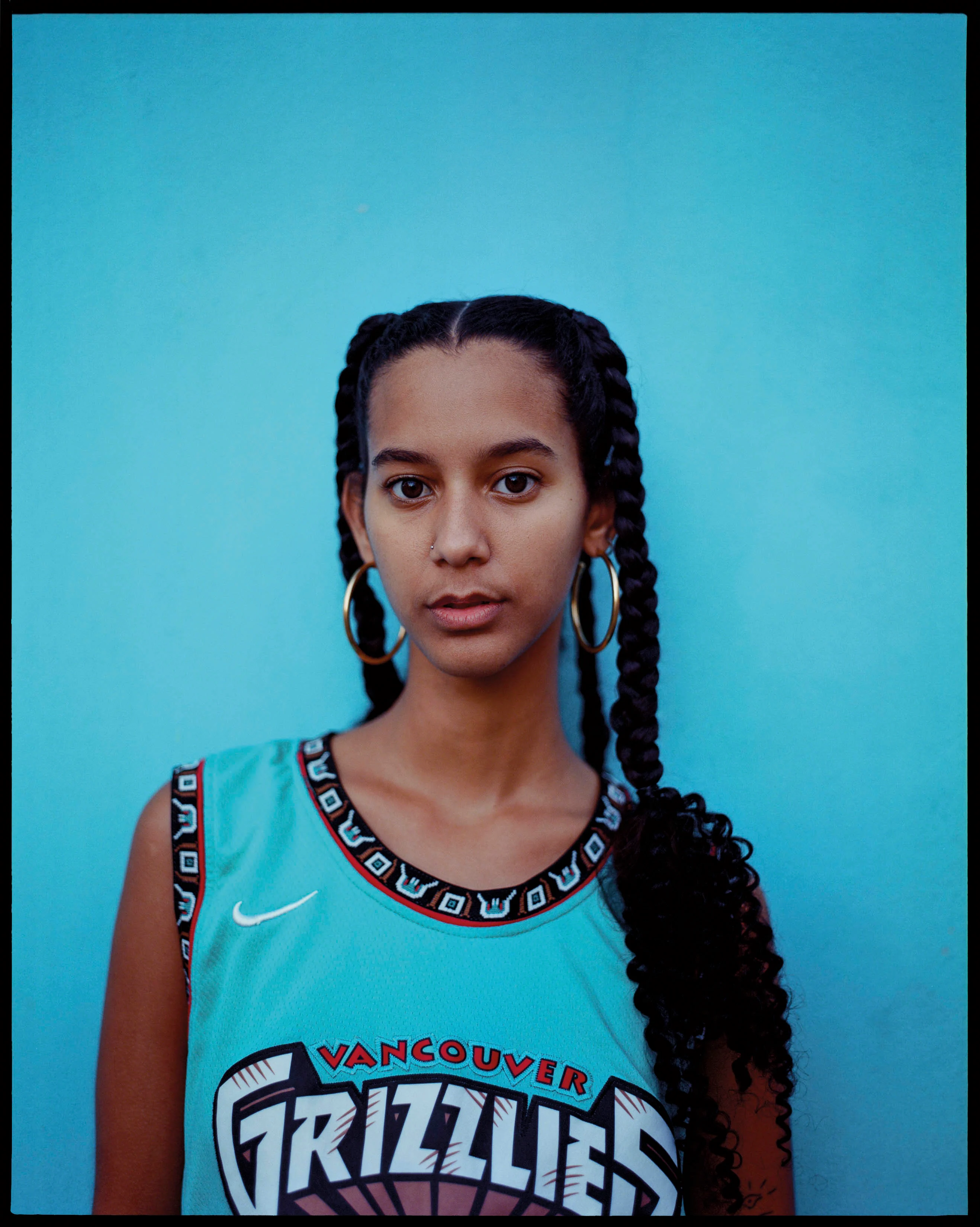
As the project evolved—Clinton is working with art director Raymond Croft to turn “Espejo” into a photography book and exhibition—it became richer and more expansive. His portraits sit alongside a selection of polaroids from his family album, opening up a dialogue between his past and present. Each collaborator was also invited to respond to the journal prompt: what do you say to yourself when you look into the mirror? Jean writes, “If I looked at myself in the mirror, I’d feel proud for keeping my head up in the toughest of circumstances.” Rizo shares, “You got this. You can be you. You’re safe.” These moving reflections complement the portraits, building a tapestry of interiority—a space where critical feeling is as important as critical thinking.
Publishing “Espejo” doesn’t mark the end of a chapter for Clinton. In fact, he thinks about it as a new beginning. “Making this work has opened up more questions,” he explains. “We are all dealing with our own troubles and triumphs on a daily basis. This work is about those shared conversations and what it means to connect on a bigger level. Photography has the ability to open up people’s eyes and minds to see things anew, and I’m excited that every portrait I’ve made during this process will live long beyond our time here on earth.”