
In 2022, Daniel Dorsa began photographing Greenland’s ice sheet, and he’s since been returning to capture the island as a whole. His mission: to negate long-held stereotypes and instead embrace the island’s complexity, tracing points of tension where the land resists, fractures, and responds to human intervention and environmental change. He tells Gem Fletcher how, despite the big existential questions and the rapid pace of change, a new generation are adapting, and finding hope and resilience through a genuine love for, and understanding of, their home.
“To Skip a Sinking Stone,” Daniel Dorsa’s latest book that maps the relationship between Greenland’s ice sheet and the intricate tapestry of life it sustains, began by accident. When an old high school friend started posting images of Greenland on Instagram, Dorsa responded. He quickly discovered she was now a microbiologist working with a group of scientists under the project name, S.I.L.A. (Significance of Ice-Loss to Landscapes in the Arctic), tasked with studying the downstream consequences of the ice sheet melt. Captivated, Dorsa sought permission to join the group’s next expedition to document their work, eager to learn more about the unique ecosystem of the world’s largest island.
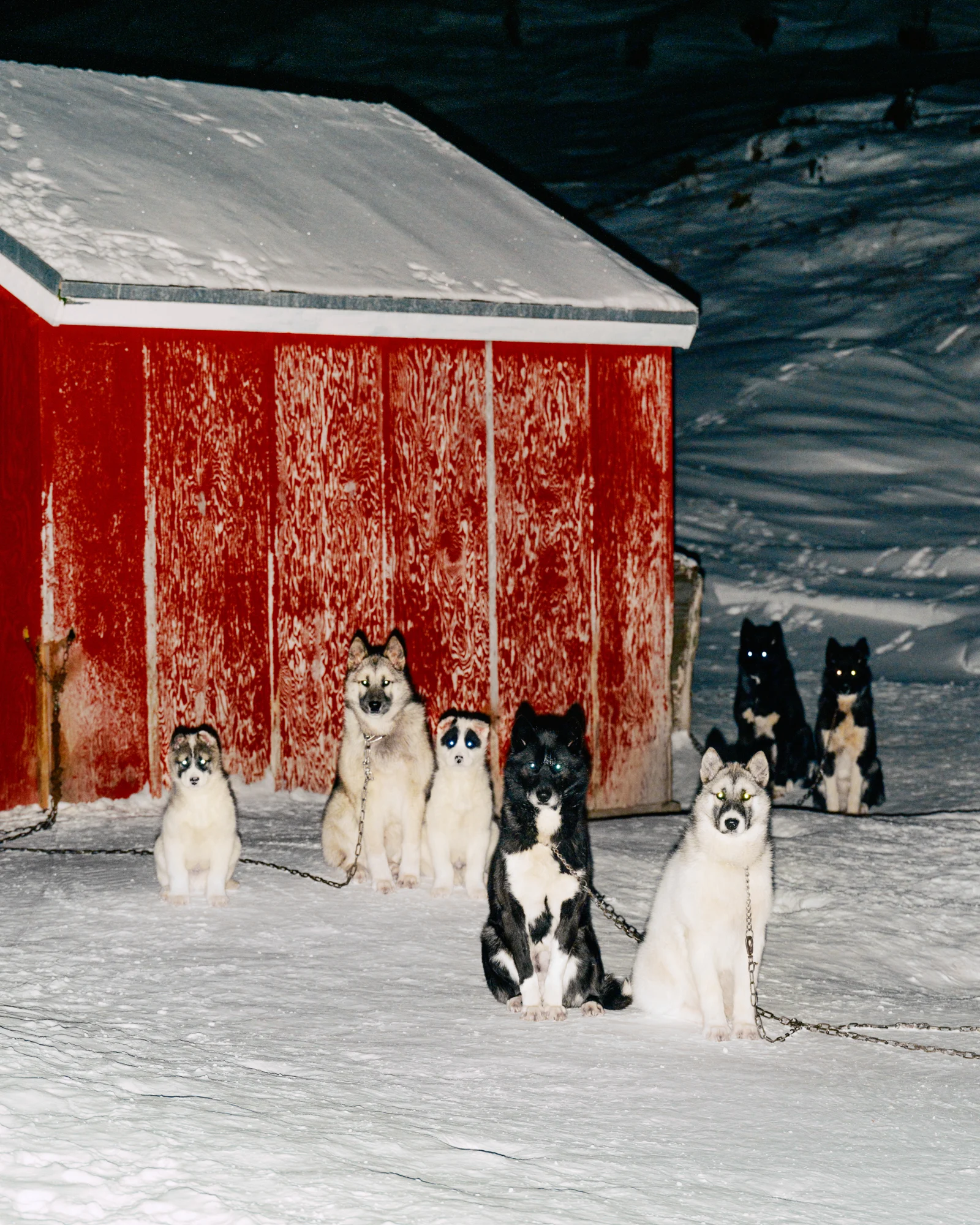
“The first time I saw the ice sheet, it was overwhelming,” explains Dorsa. “It felt like this vast, endless ice desert was looking back at me in all its power, and the whole experience really stayed with me.” His first trip lasted for seven weeks. When he returned home to Los Angeles, he knew he had something, but wasn’t sure exactly what. “I spent a year with the work; writing about it, reflecting on it, making different edits and trying to listen to what the work was trying to tell me,” he says. “Over time, I realized I was interested in what this entity of the ice sheet—a living organism in its own right—does to the place and its people. All my subsequent trips followed that line of inquiry, and my intention was to allow different threads to interconnect in an organic way.”
This place hardens you. You grow up quickly when the only things you can rely on are the elements.
Throughout the work the ice sheet is a persistent presence—the lead character. It encloses, shapes and borders. Even when out of sight, we feel its presence in the visible impact of the changing weather on the rivers it leaves behind as it melts, together illuminating the painful reality that adaptation is not a choice but a condition of living there.
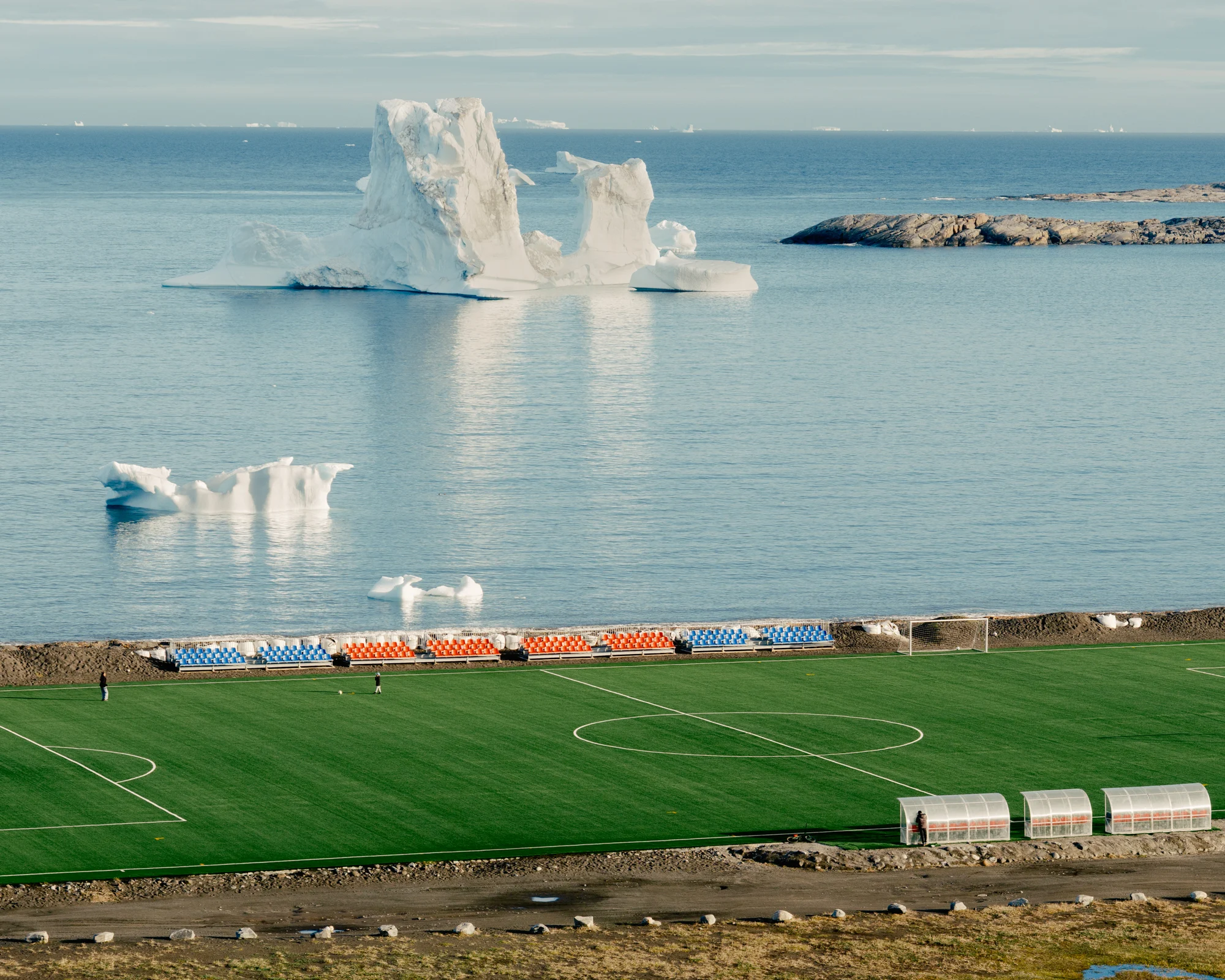
One of Dorsa’s most disarming images shows the Qeqertarsuaq football Stadium, located on the coastline of Disko Island off the west coast of Greenland. Unlike any other pitch in the world, the grounds are framed by dramatic arctic landscapes full of massive floating icebergs. The image acts as both a profound microcosm of life on the island—where the ordinary and everyday brush up against extraordinary conditions—and a provocation for the viewer to confront how climate change operates as both a global phenomenon and a regional shift.
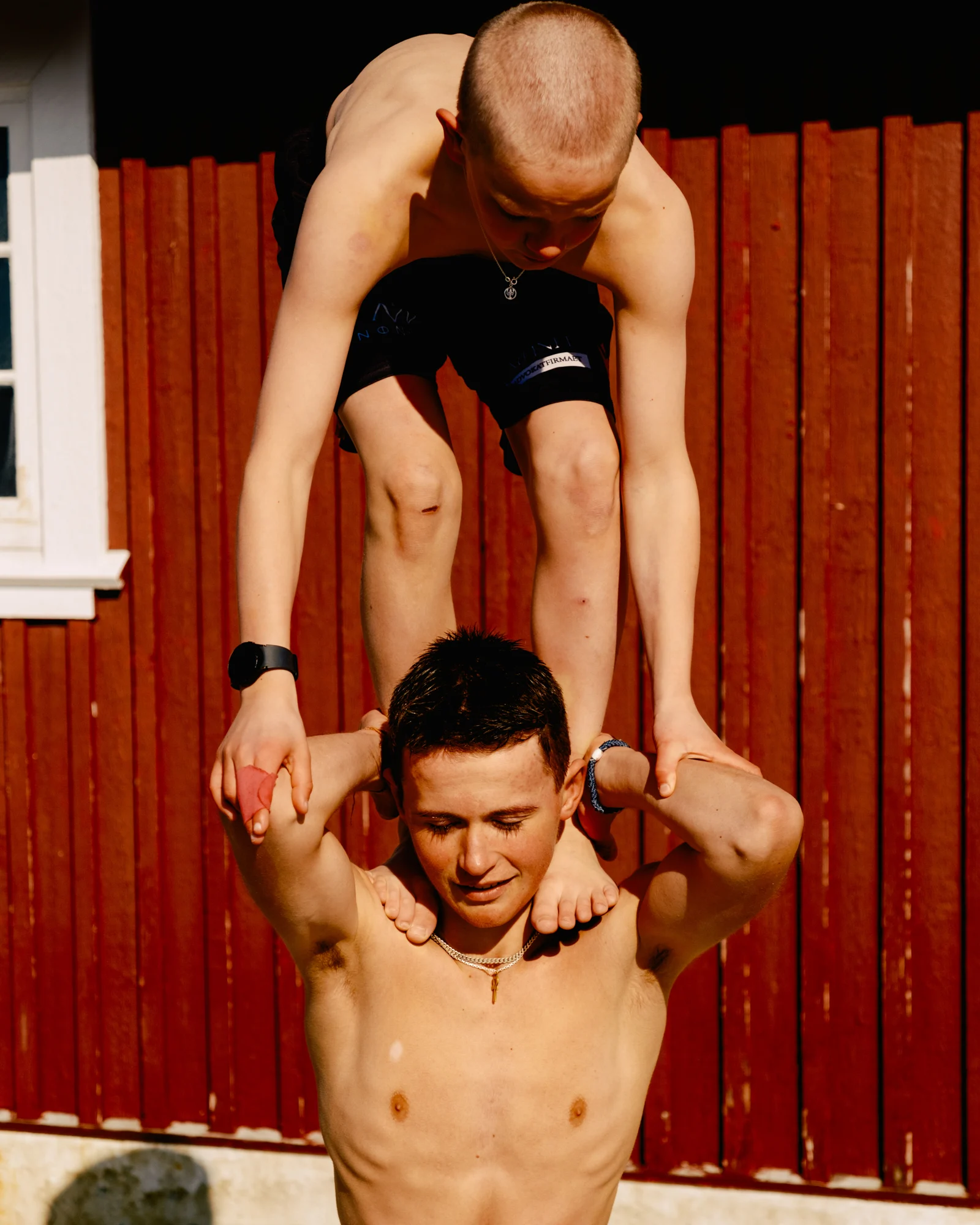
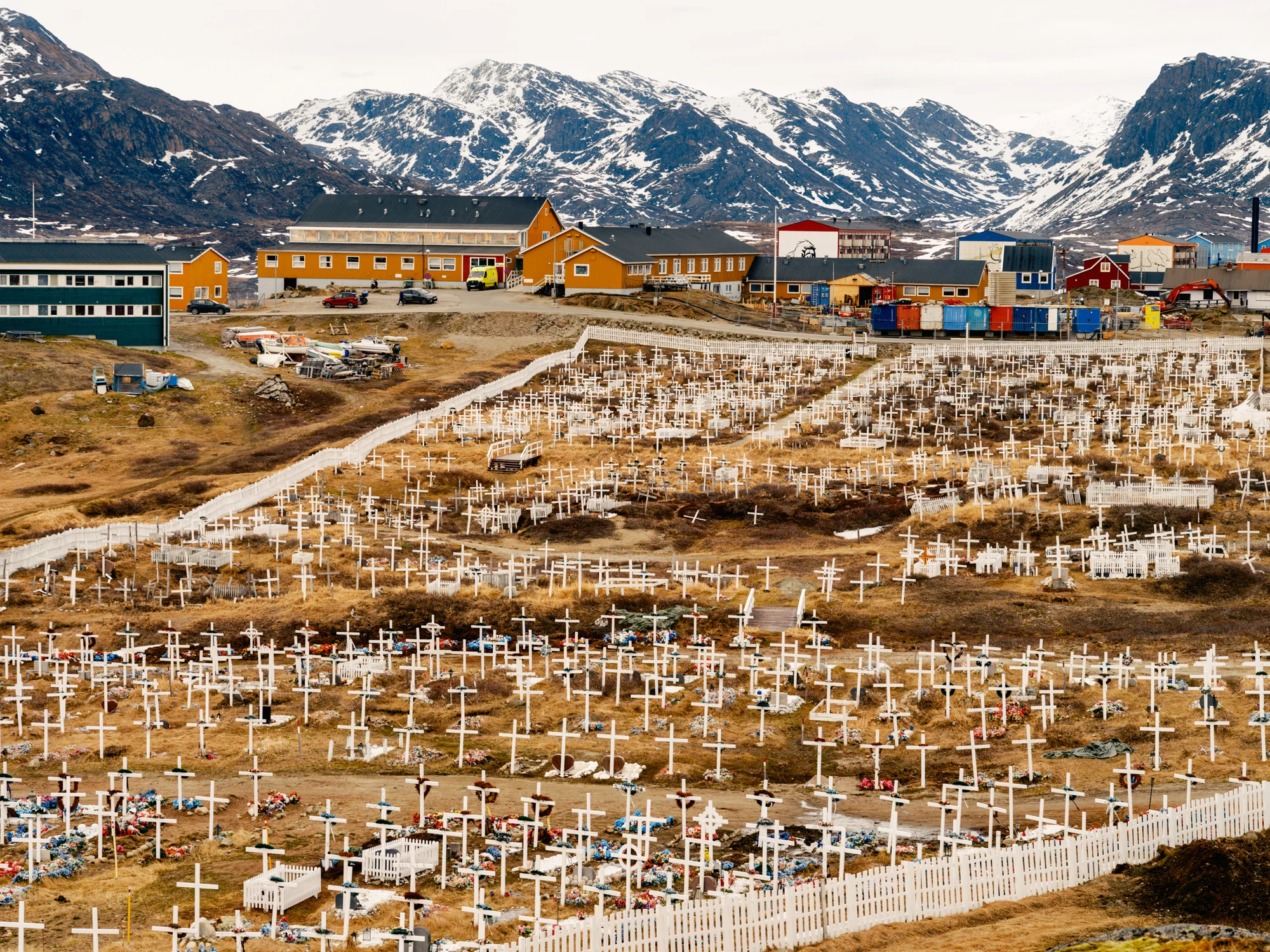
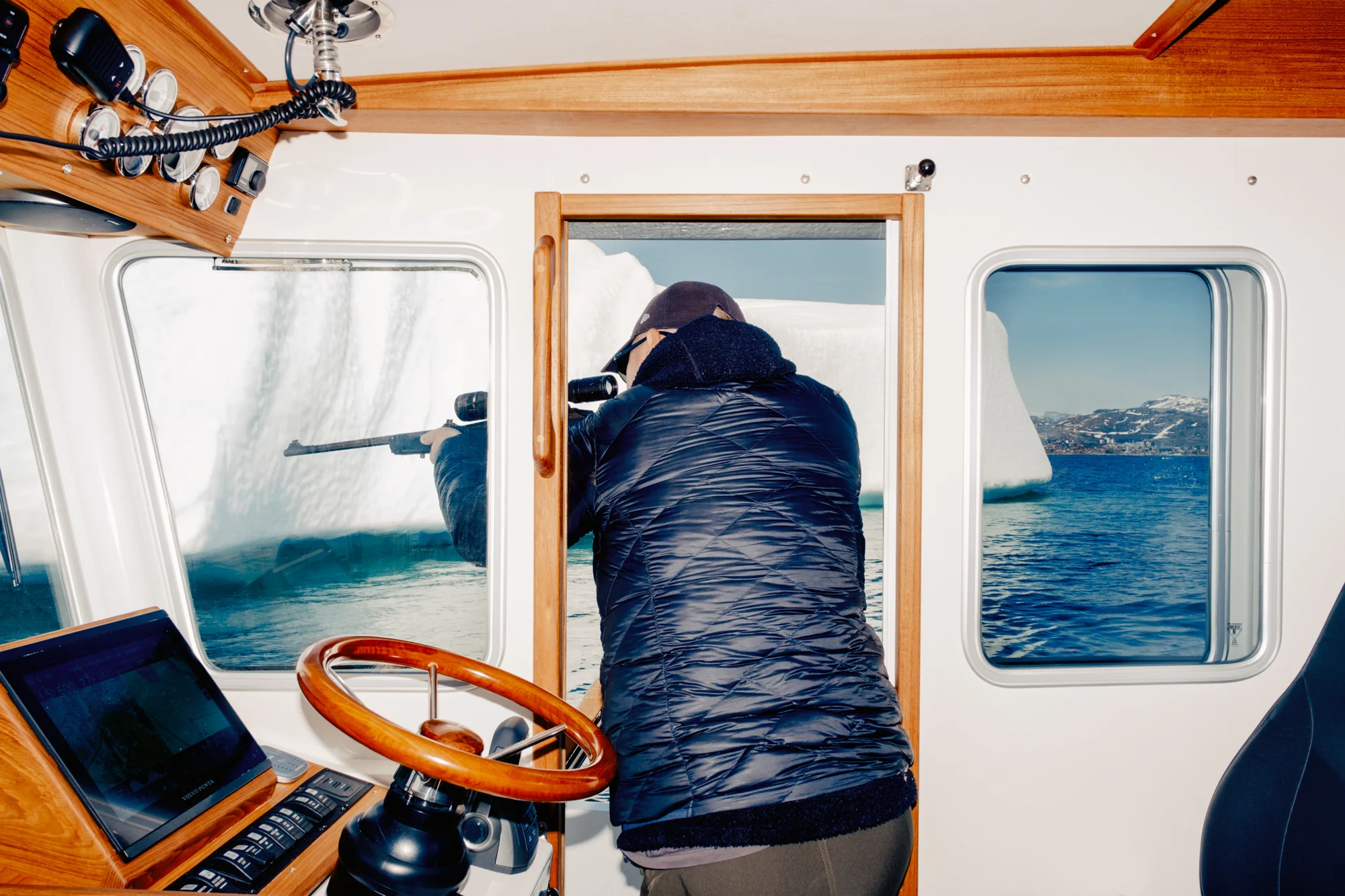
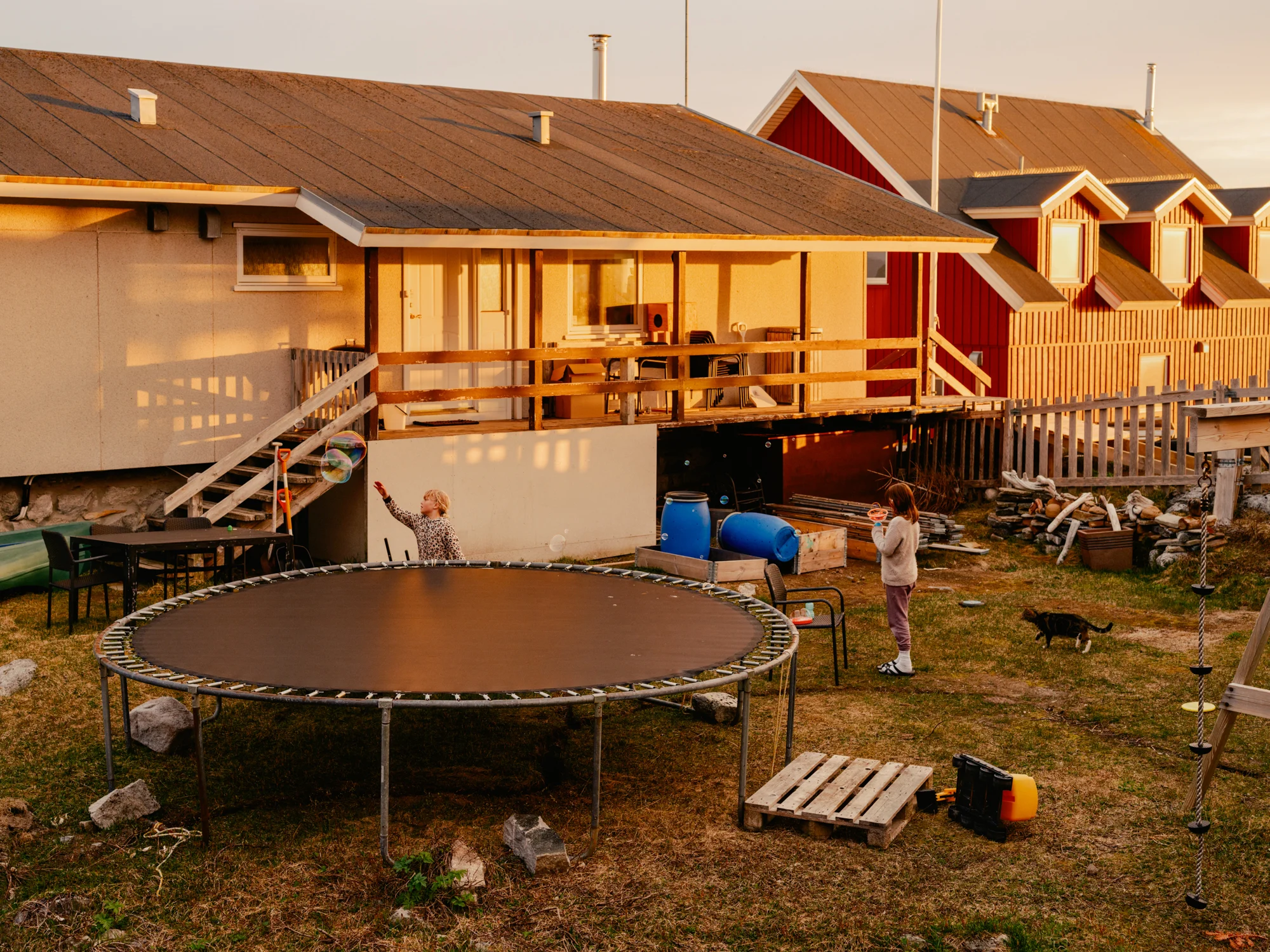
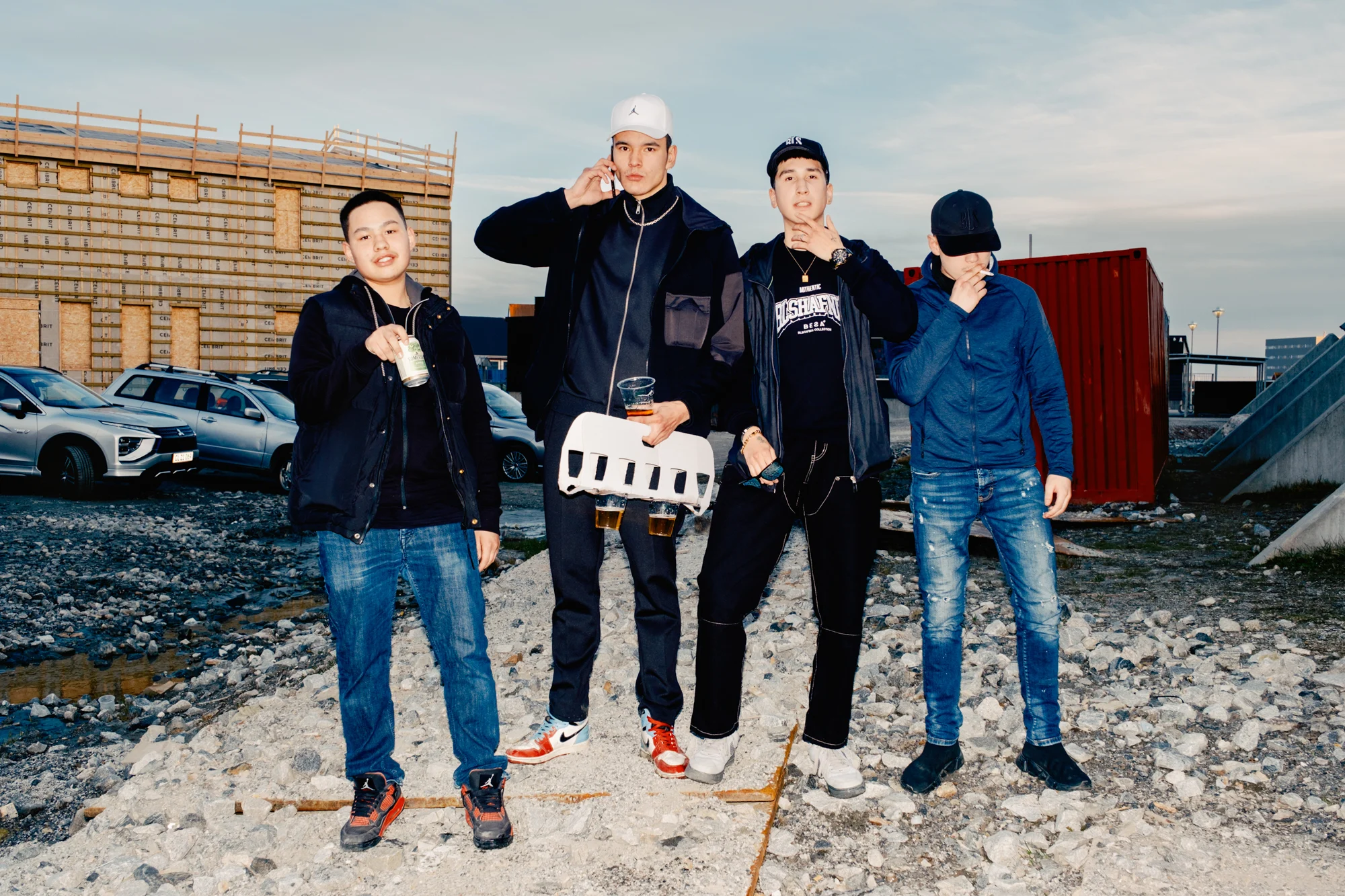
While the project may have begun in scientific research, over time it expanded in multiple directions, led by a cast of new friends, acquaintances, and random strangers with whom Dorsa built relationships during his four trips. Some of his most striking encounters are with young people, the individuals who we witness living very much in the present, but who can’t shake their proximity to the climate crisis. “This place hardens you,” Dorsa explains. “You grow up quickly when the only things you can rely on are the elements. They recognize the big existential questions while also deeply loving where they are from. I see their hope not as a promise of control, but as a way of choosing how to live while the world shifts around us.”
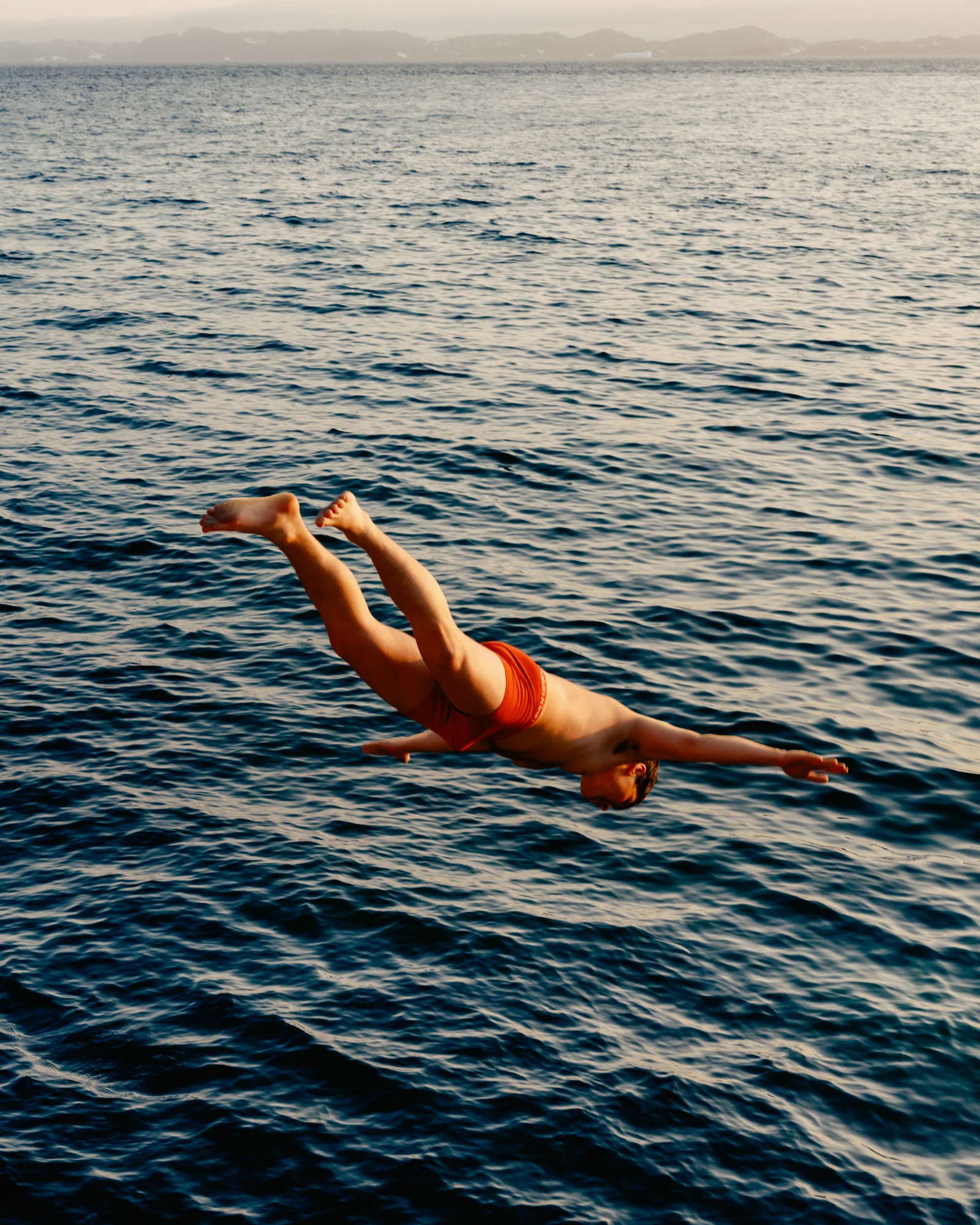
They recognize the big existential questions while also deeply loving where they are from.
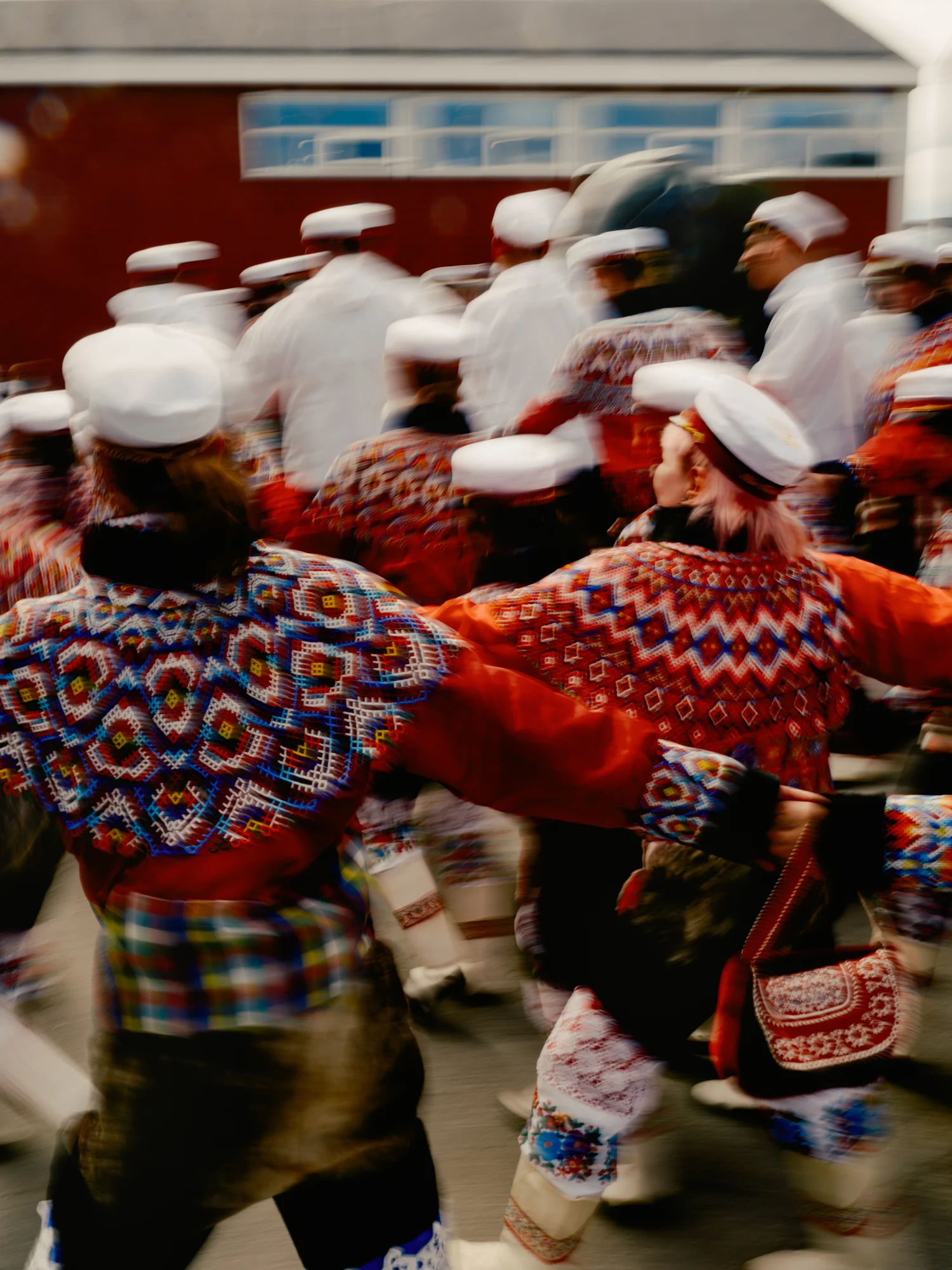
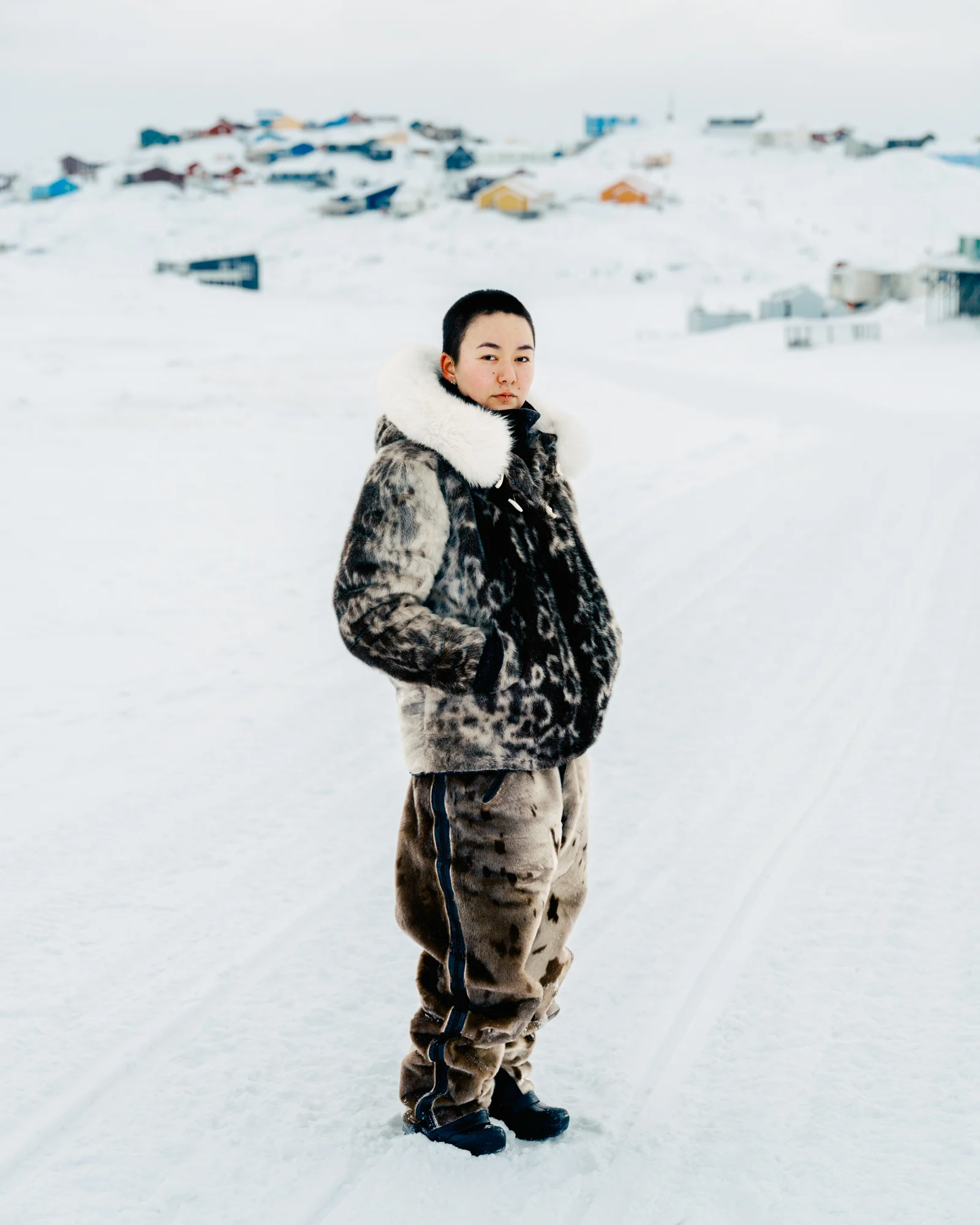
A quiet patriotism runs through many of Dorsa’s portraits, reflecting the ways in which a new generation are finding their place between the country’s traditions and the pull of modernity. Take Nava, a young Queer woman in Sisimiut, who was born into a family of dog sledders and is proudly adorned in traditional furs, or Aggu, a highly regarded up-and-coming chef in Nuuk, who blends his classical French training with a fine dining approach to Greenlandic cuisine. Together the portraits build upon each other, capturing a specific moment in time, while being tethered to a lineage of cultural traditions which are continually iterated on as they pass between the generations.
As a medium, photography’s potency comes from the ways the meaning of an image can change over time. Unexpectedly, in the middle of making this work, Dorsa was forced to confront his project anew when the President of the United States threatened to seize Greenland. Strangers he met began questioning his intentions when they heard his American accent. Planes to Greenland, which were previously empty on his earlier trips, became full with US tourists, political content creators and reporters. This unexpected plot twist brought forward the uncomfortable fact that it’s not just the environment that shifts when the ice retreats, but the geopolitical landscape changes as well.
Dorsa describes “To Skip a Sinking Stone” as an “atlas”—a word first used by Gerardus Mercator to not just describe a collection of maps, but an attempt to understand the architecture of the universe and humanity’s place within it. “An atlas, in this original sense, was not only a tool for navigation, but a framework for orientation and a way of asking how we exist in relation to land, time and forces larger than ourselves,” explains Dorsa. “This project holds true to that original concept, using the idea of an atlas as a means of holding complexity. These images are a record of a land caught between preservation and transformation, where ancient rhythms meet new realities. This is not only a story of ice melting, but a reminder that the forces shaping our world are often invisible, persistent, and intimately connected.”