
Images courtesy of the artist and Palo Gallery, NY.
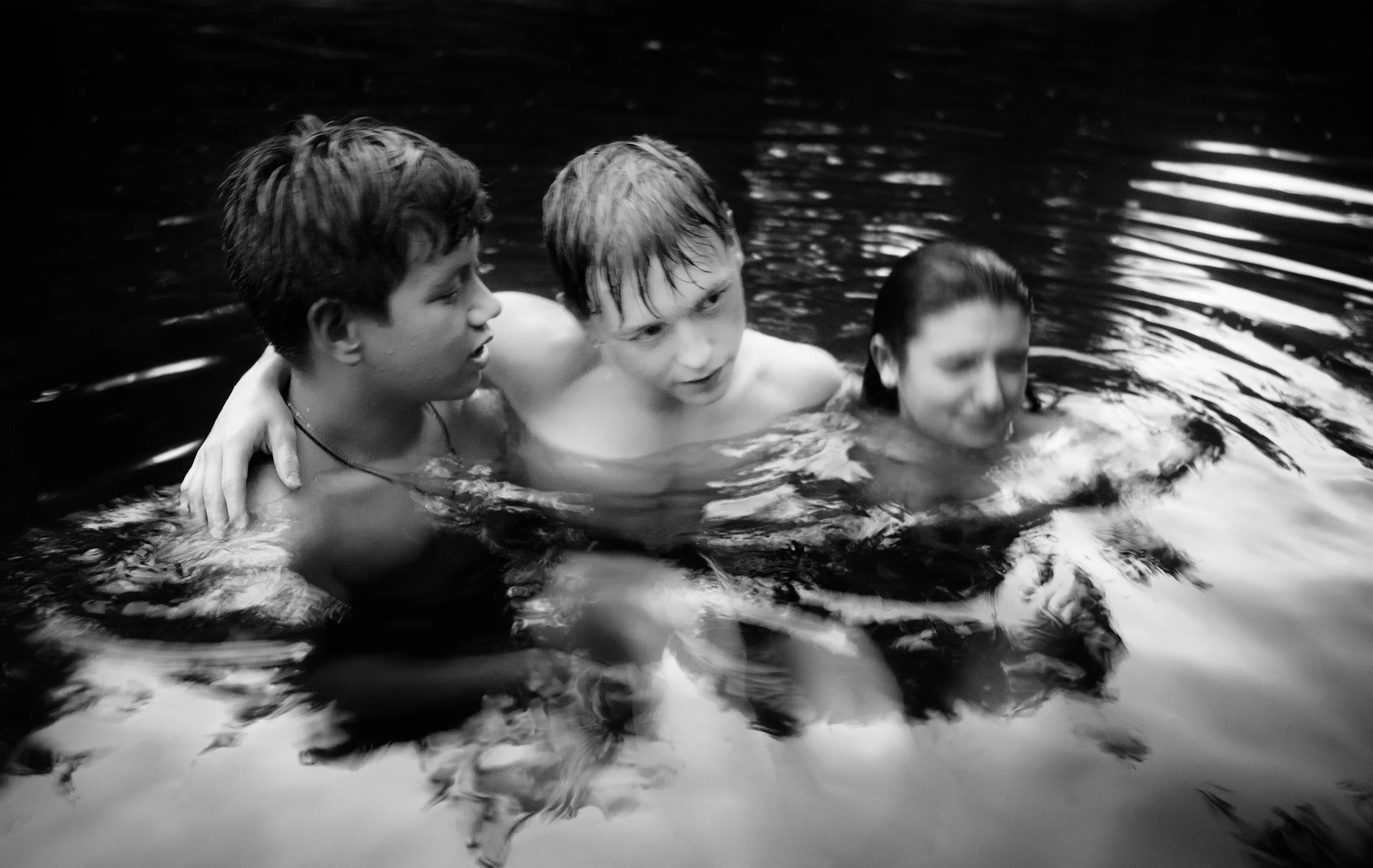
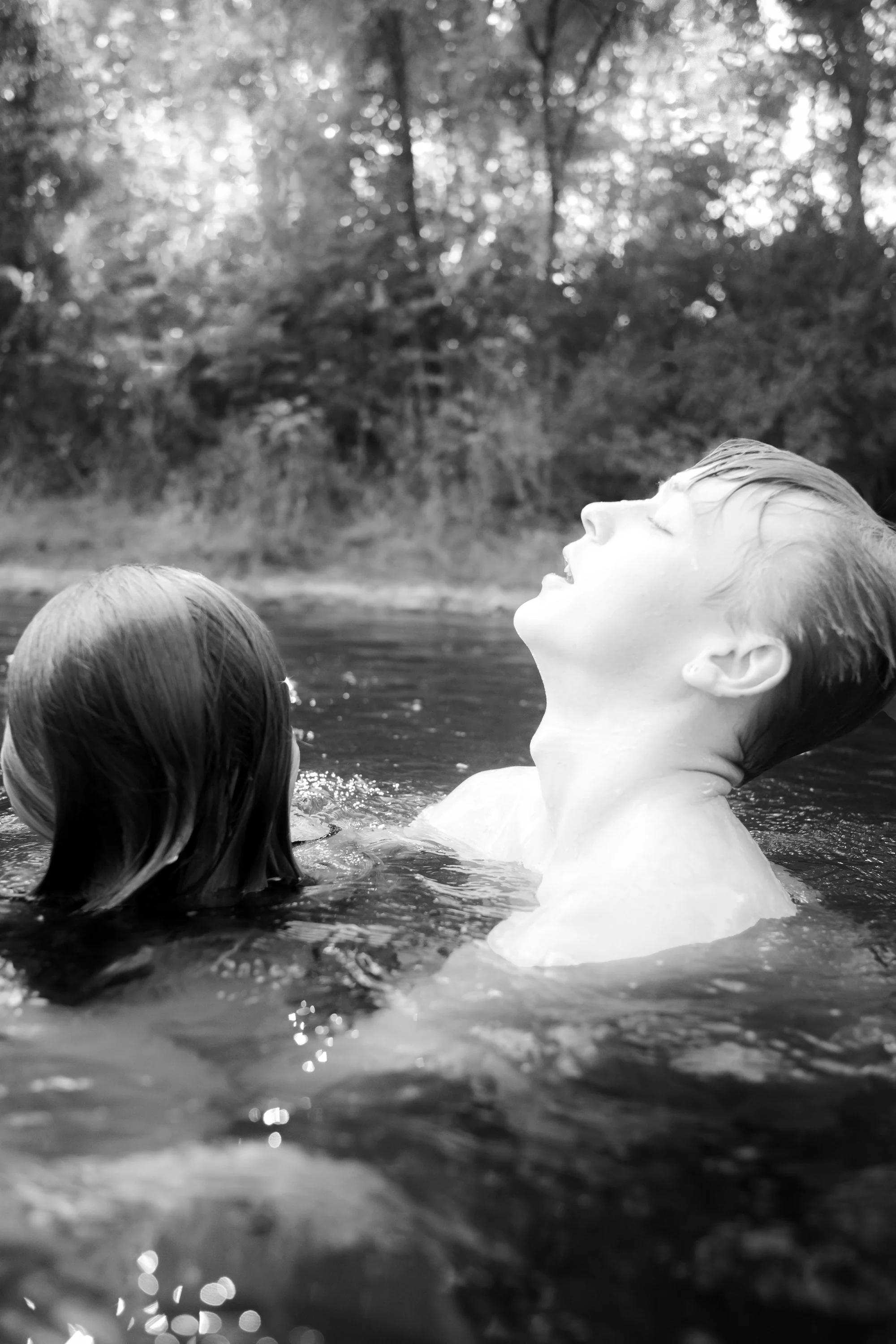
90 minutes from New York City, on the edge of Poughkeepsie, New York, lies Wappinger Creek. Every summer, this unassuming watering hole comes to life, offering its visitors much-needed relief from the chaos of life and the sweltering heat. For over a decade, photographer Caleb Stein has spent his summers at the creek, fascinated by how an environment can shape behaviour, how water invites a sense of freedom and vulnerability. Here, he tells Gem Fletcher how the act of returning has become a vital ritual in his practice, and how the creek shapes the people who find their way to it.
“Down by the Hudson [2013-2025]”, published by Palo Gallery Press, is available to order here. A solo exhibition opens at Palo Gallery, NY on September 10th from 6-8pm and will be on view until October 3rd, 2026, before traveling to solo exhibitions with Sixteen World Collection during Paris Photo, Book & Job Gallery in San Francisco (January, 2027), and Matt Carey-Williams Gallery in London (March 3-April 2nd, 2027).
Photographer Caleb Stein spent years swimming in the watering hole in Wappinger Creek before he made a single photograph. Prior to being an image maker, he was a long-distance swimmer—a ritual he still maintains long after competing came to an end—and the reason he found his way to the creek after his partner, Andrea Orejarena, discovered it. Once there, he became fascinated by the secret swim spot and the people who found their way to it, building relationships with a motley crew of strangers and newfound friends.
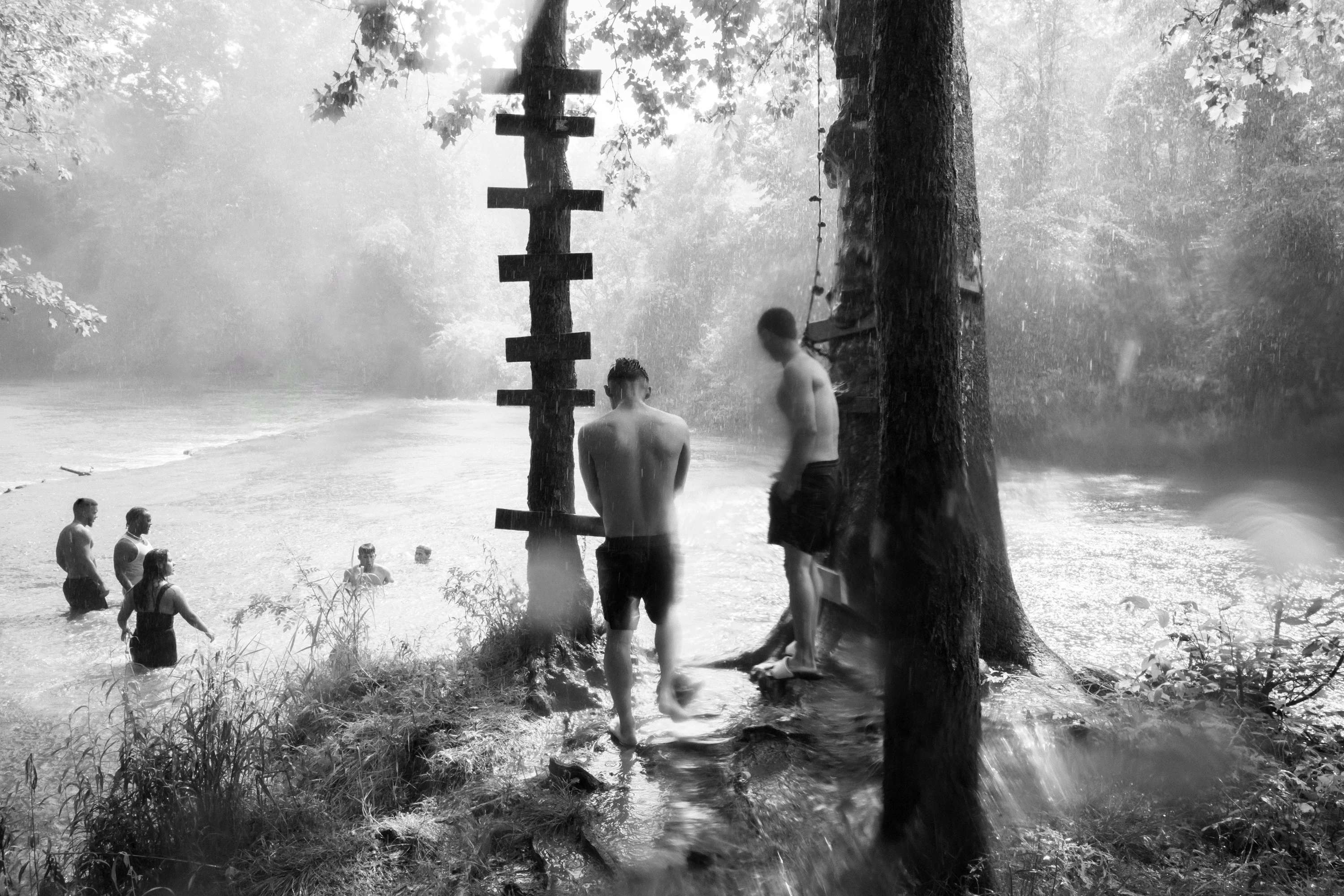
“The creek is a serious melting pot in the classic sense,” Stein explains. “It’s all of New York and every conceivable type of person all connected by the fact that we’re collectively breaking the rules by being there.” The creek is technically off-limits due to county restrictions, and yet, despite “No Trespassing” signs littering its perimeter, the gains of this spontaneous commons outweigh any risk for those seeking relief from the summer heat and the toil of everyday life.
“There is something in the fact that we’re all breaking the rules by being there,” he adds. “Everyone is united by their collective desire to find a space to come together and let their guard down. Even when the police come to clear everyone out, they’ll admit they bring their own families here too. It’s a unique space that somehow belongs to everyone and no one.”
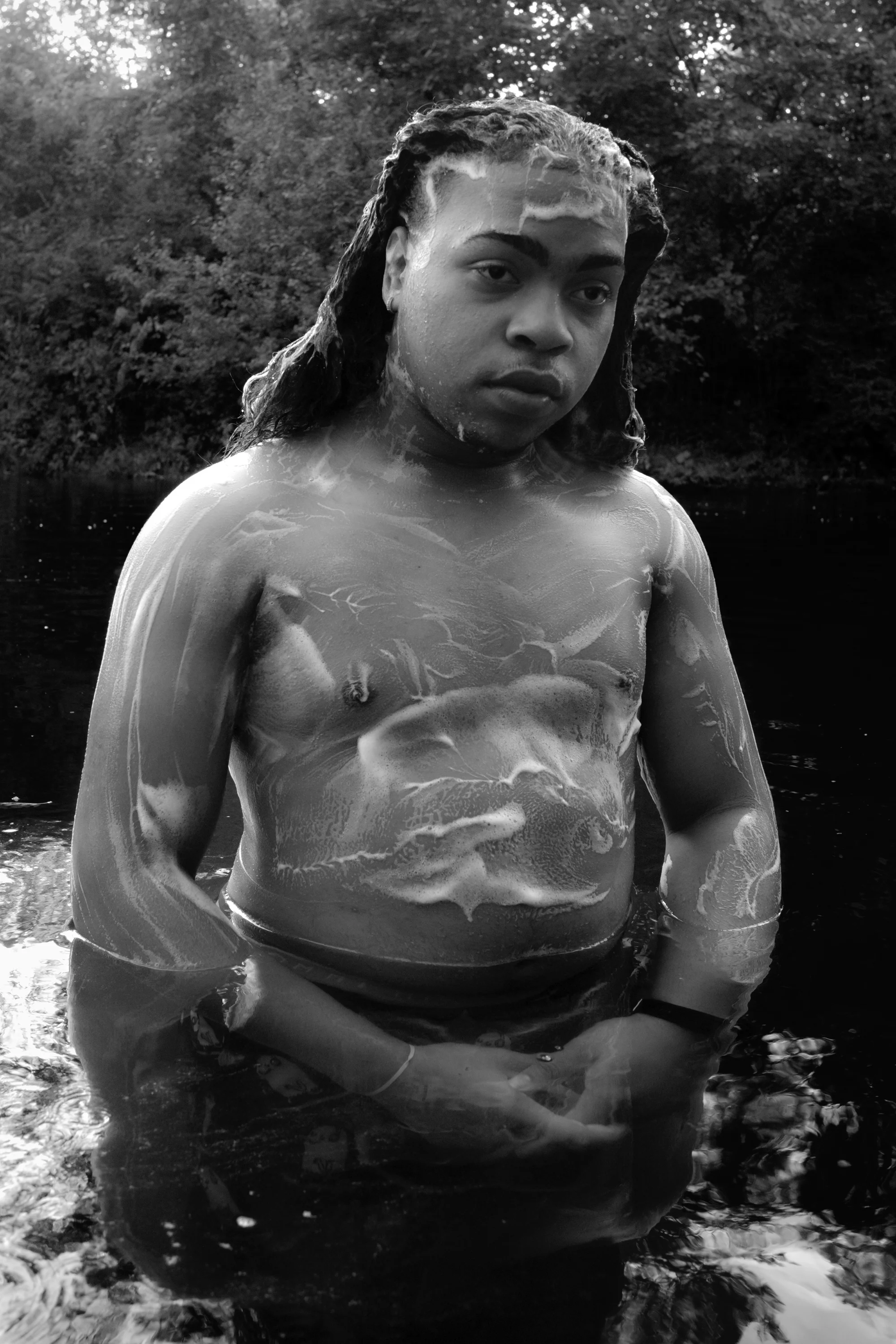
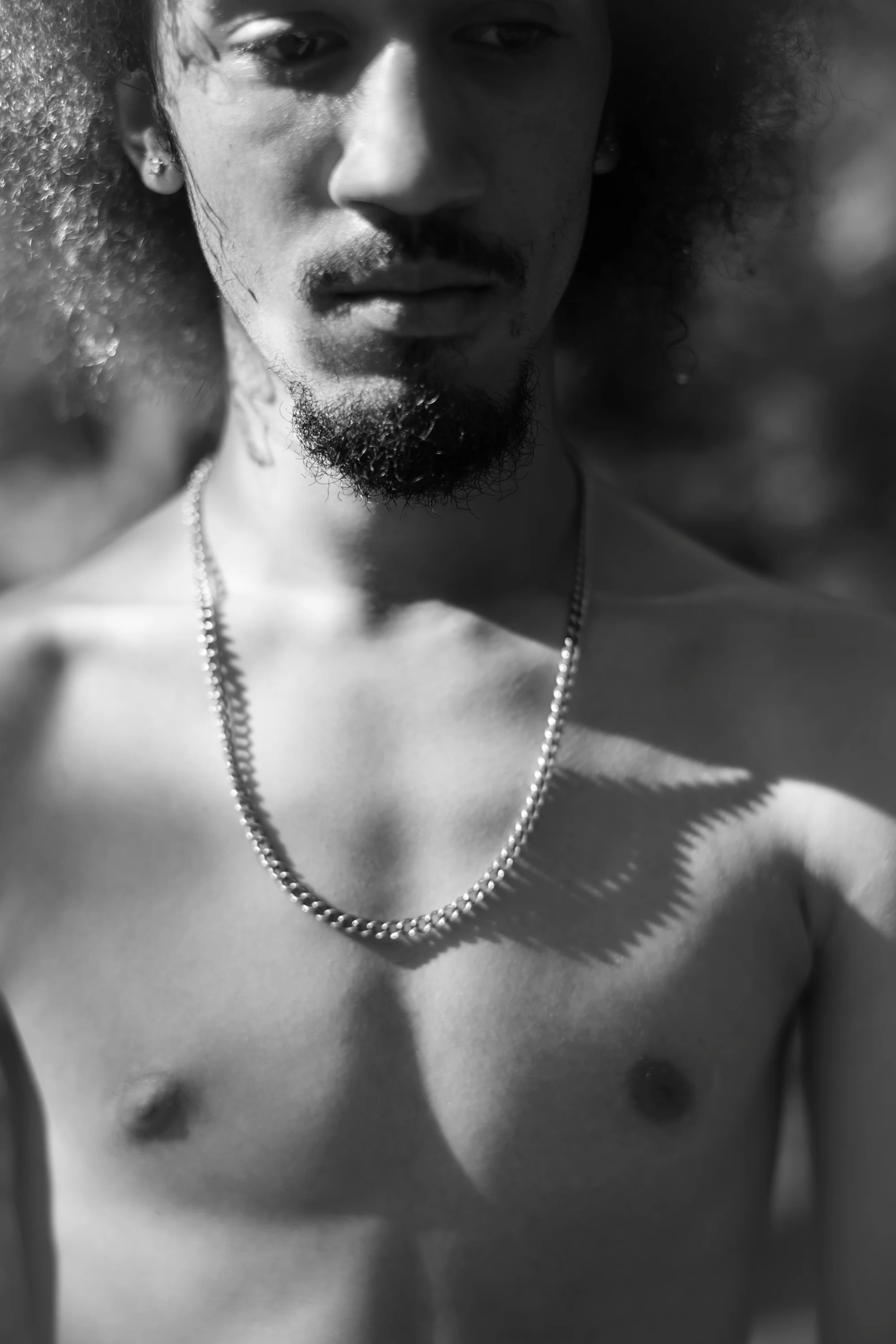
Everyone is united by their collective desire to find a space to come together and let their guard down.
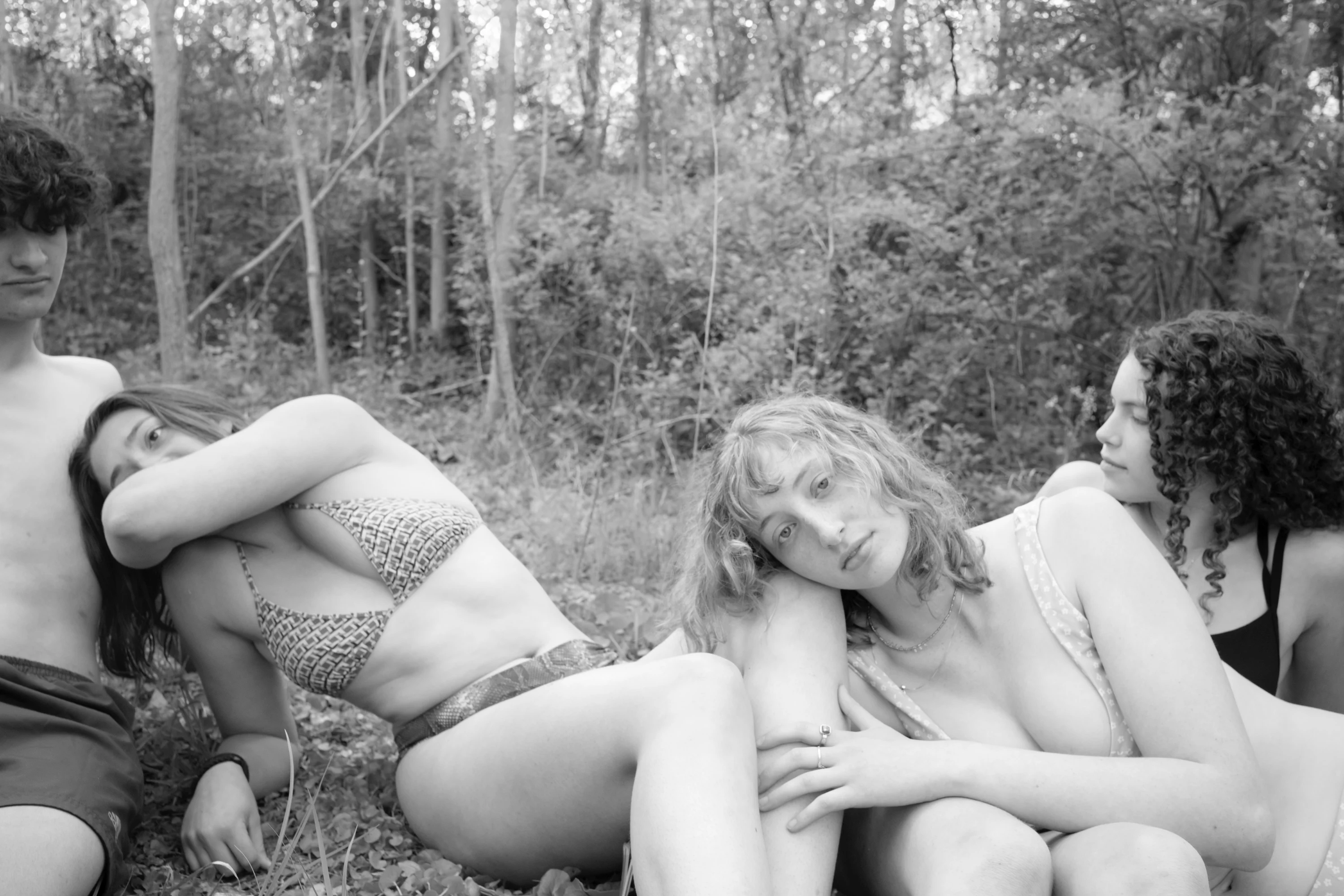
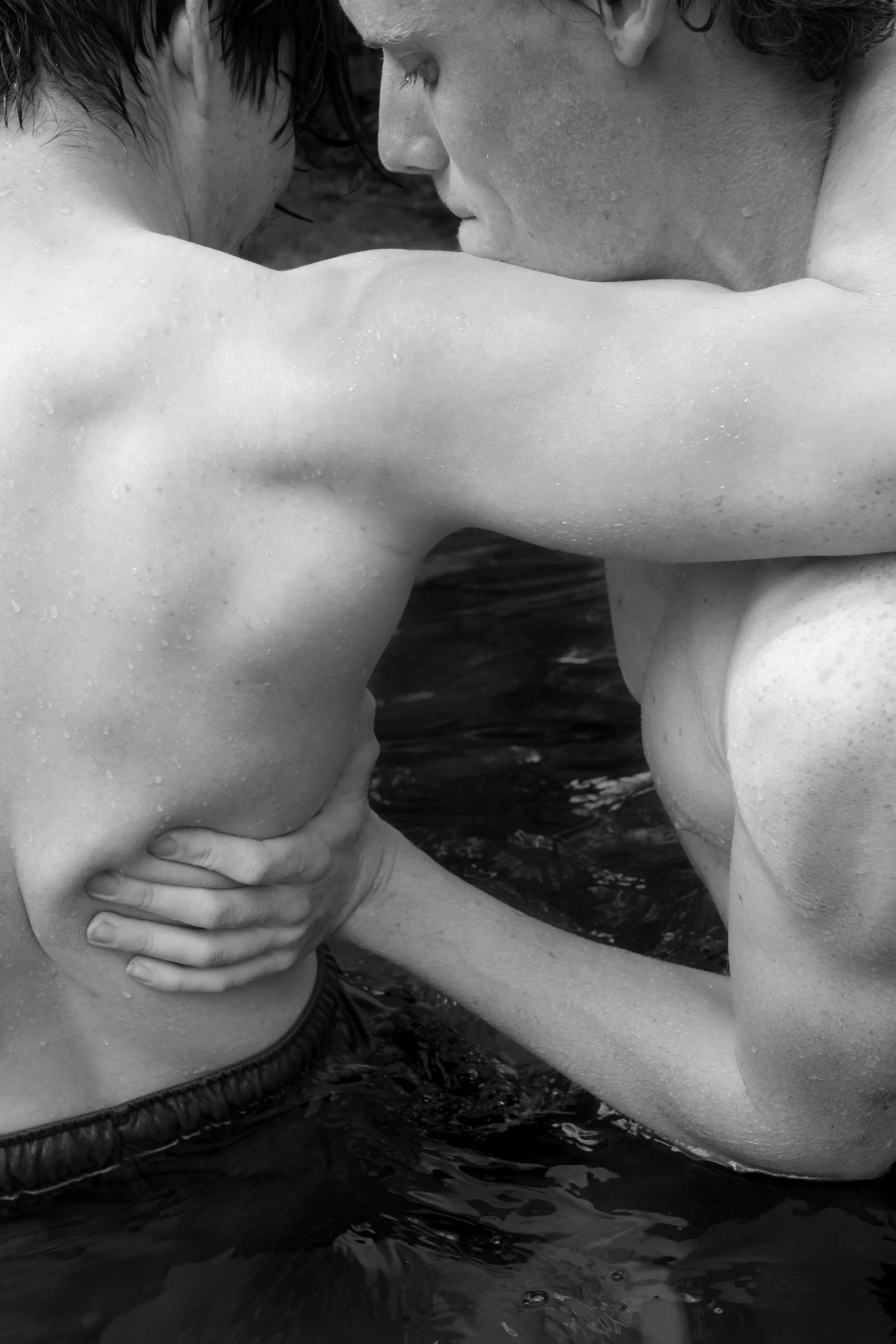
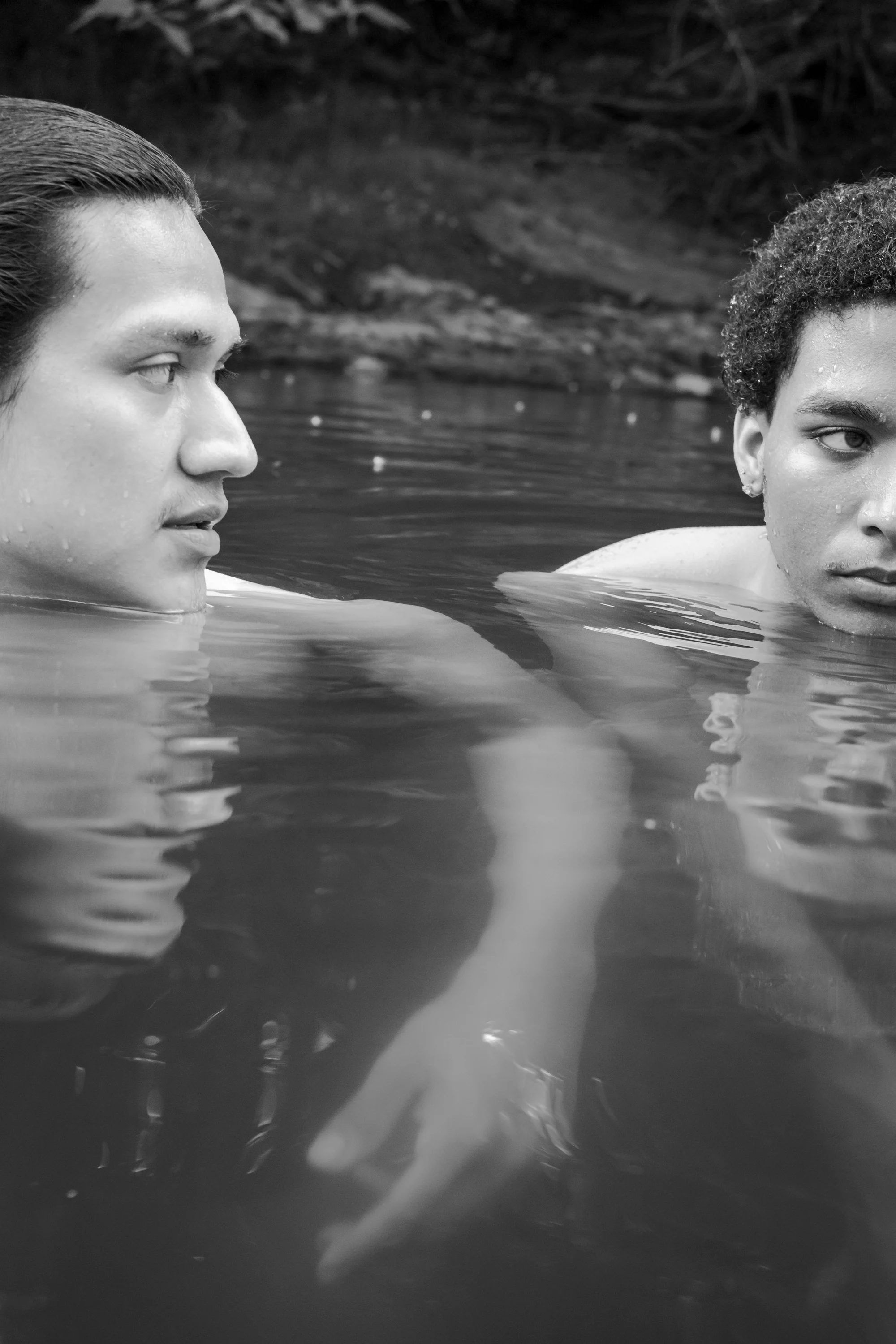
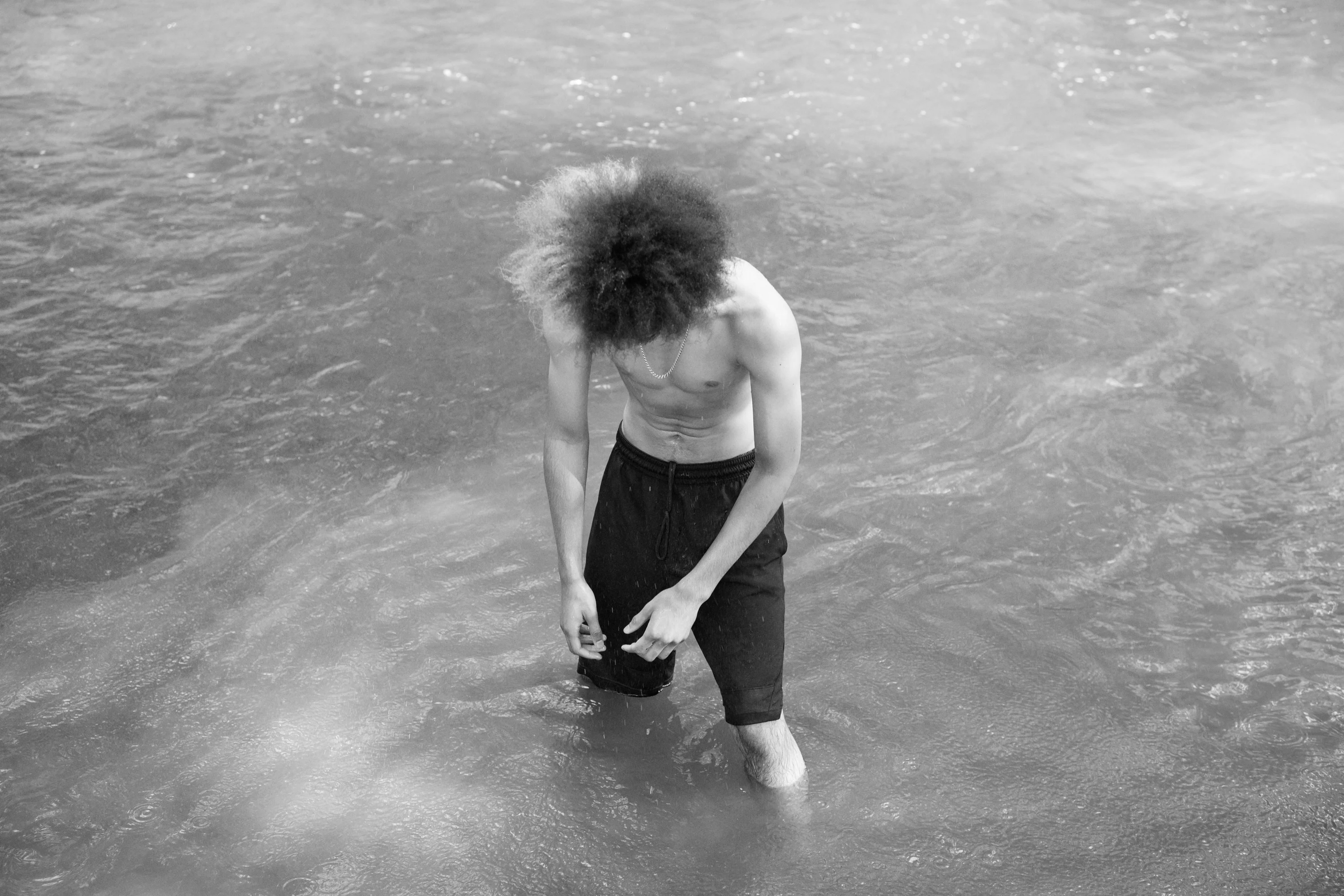
Over time, the camera became part of Stein’s visits to the creek. First, documenting, and later reaching for something more poetic, a visual tribute to the freedom and Edenic sense of community that the place elicits. As trust grew, the process of making images became a collaborative gesture rooted in sociality. Some bonds span years, while others last an afternoon, but what is consistent for Stein is that “every photograph begins with a relationship.” It’s here, in a shared curiosity and desire to memorialize what the creek means to them individually and together, that the work begins. “I often think about all of the people that have gathered here over generations,” Stein says. “The people who have come here to rest, to heal and to fall in love. I wanted to make pictures where you can feel something about a person’s weather, and to explore how the space elicits a different set of behaviours in the people who go there.”
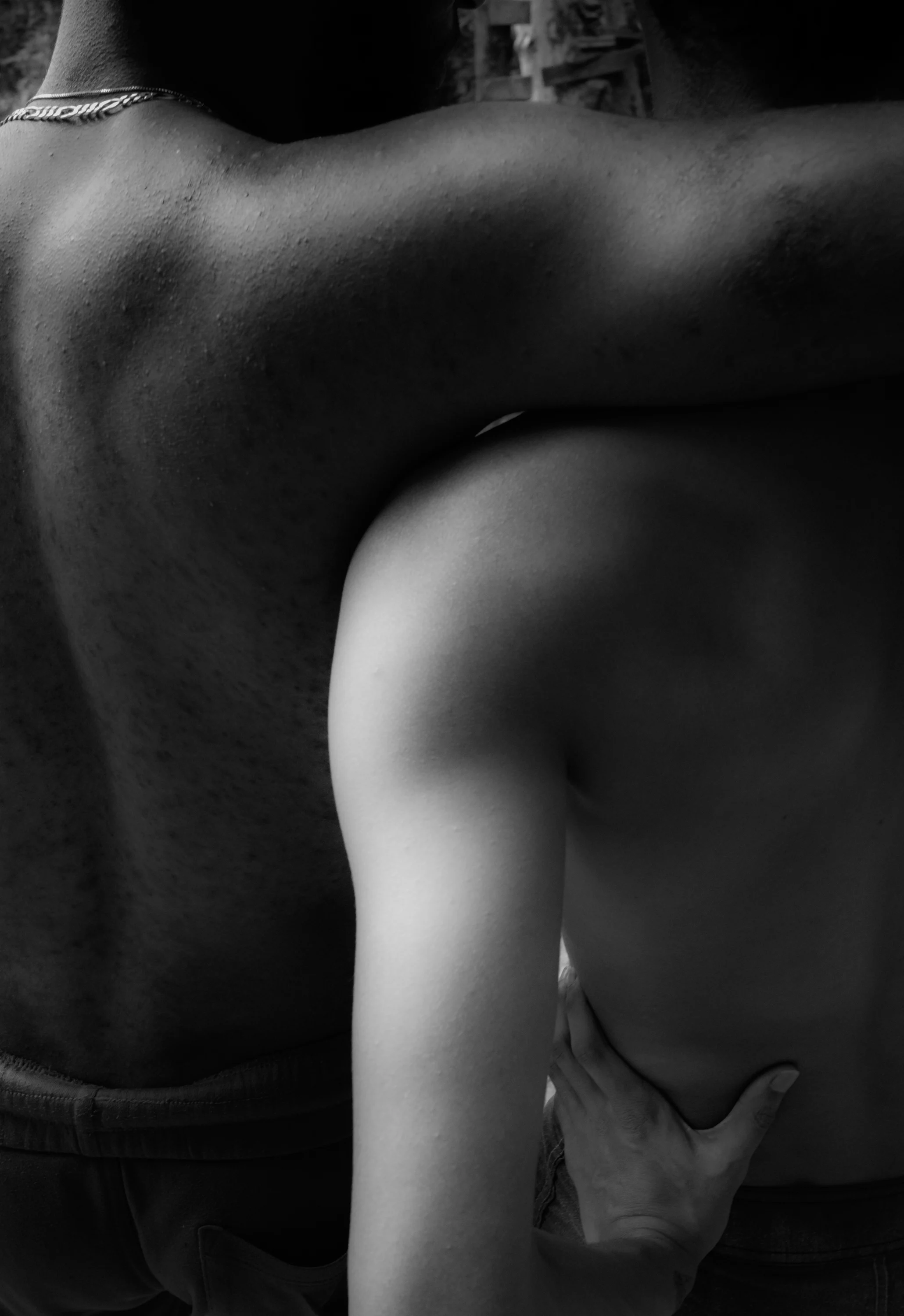
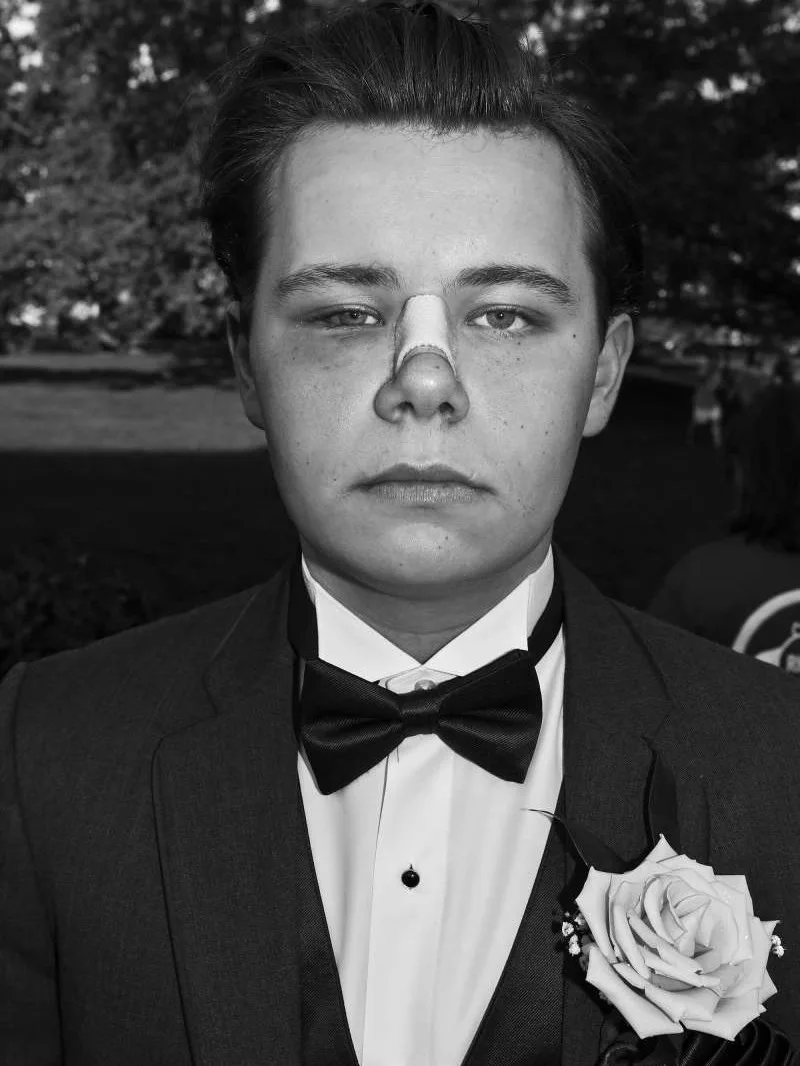
While the creek’s aura and offering drew Stein in, it was the unexpected observations about how masculinity shifts at the creek that kept him coming back. In his images of Skyler, Malikai, Fred and TaeShawn, we witness the water softening their energy, bravado giving way to tenderness. Throughout the series, masculinity is seen as a journey, mapping the transition from adolescence to adulthood. Together with his protagonists, they unpick the codes and tropes of masculinity in unexpected and nuanced ways. Take the image of Matthew, Jackson and Oden in a moment of casual synchronized swimming. A quiet, calm and reflective moment that sits in contradiction to the current portrayal of boyhood in the wider culture. Or the disarming image of Seamus in Embryo pose—taken a week after he lost his mother to a motorbike accident, and the same day Roe v Wade was overturned—where we witness his yearning for maternal comfort.
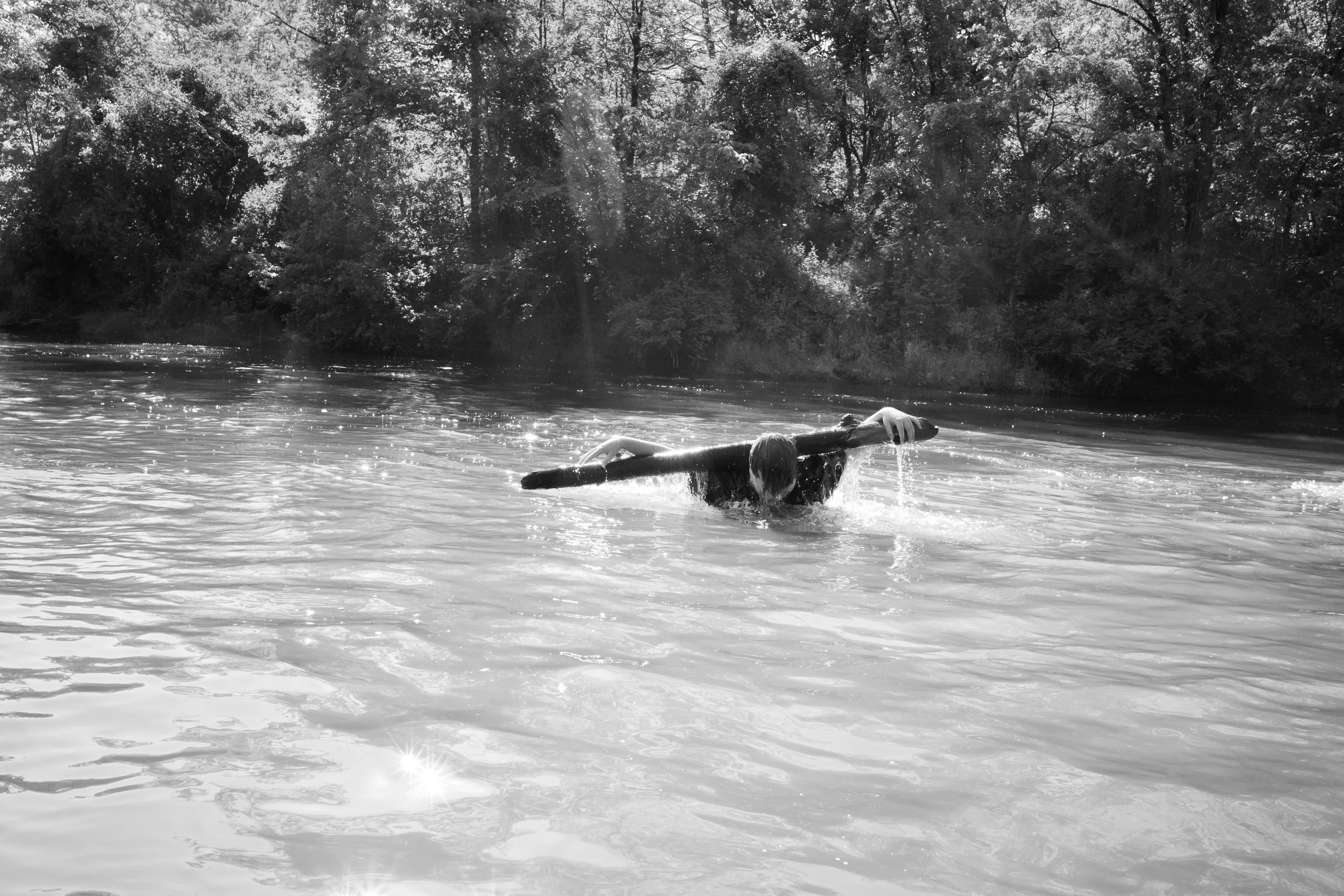
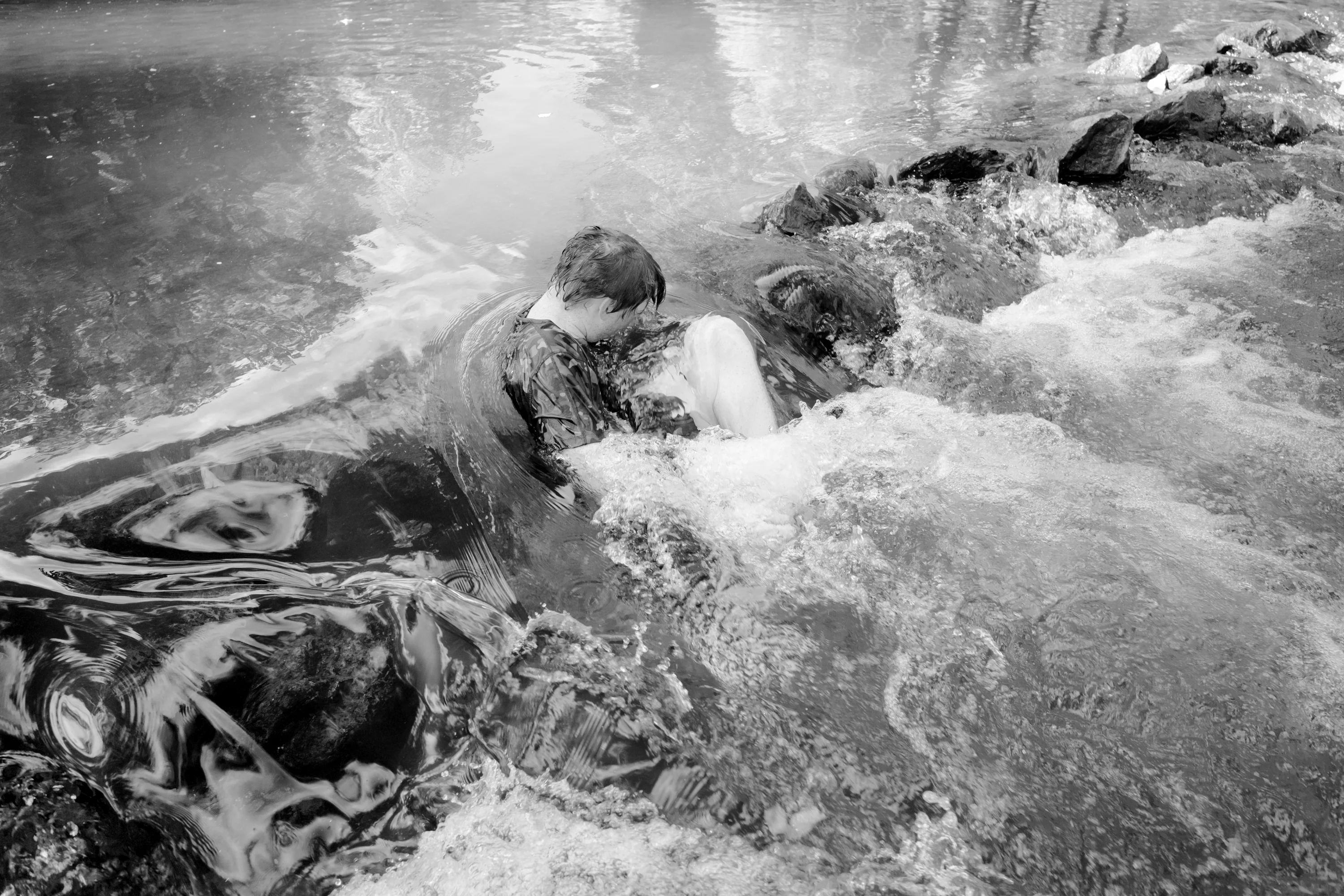
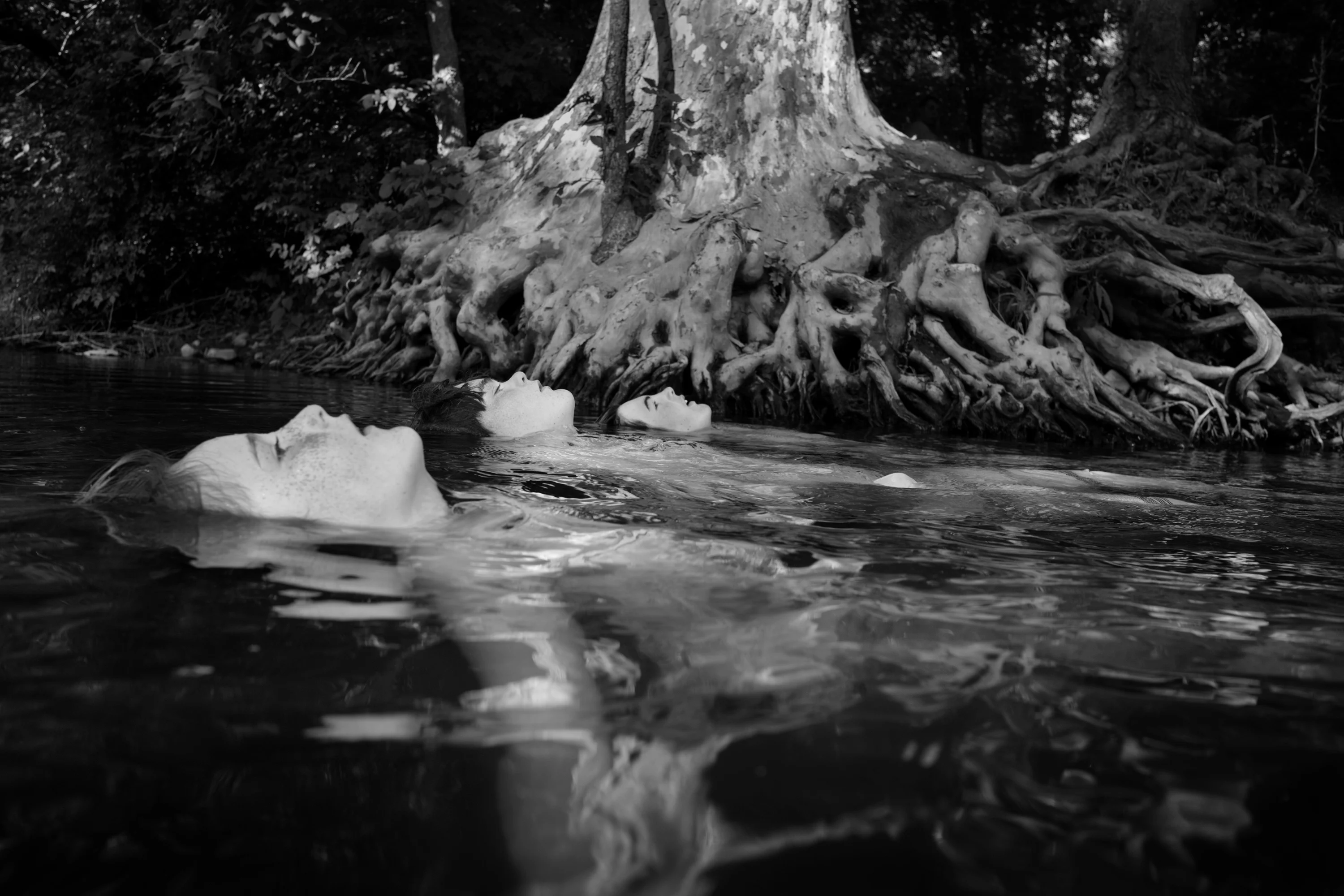
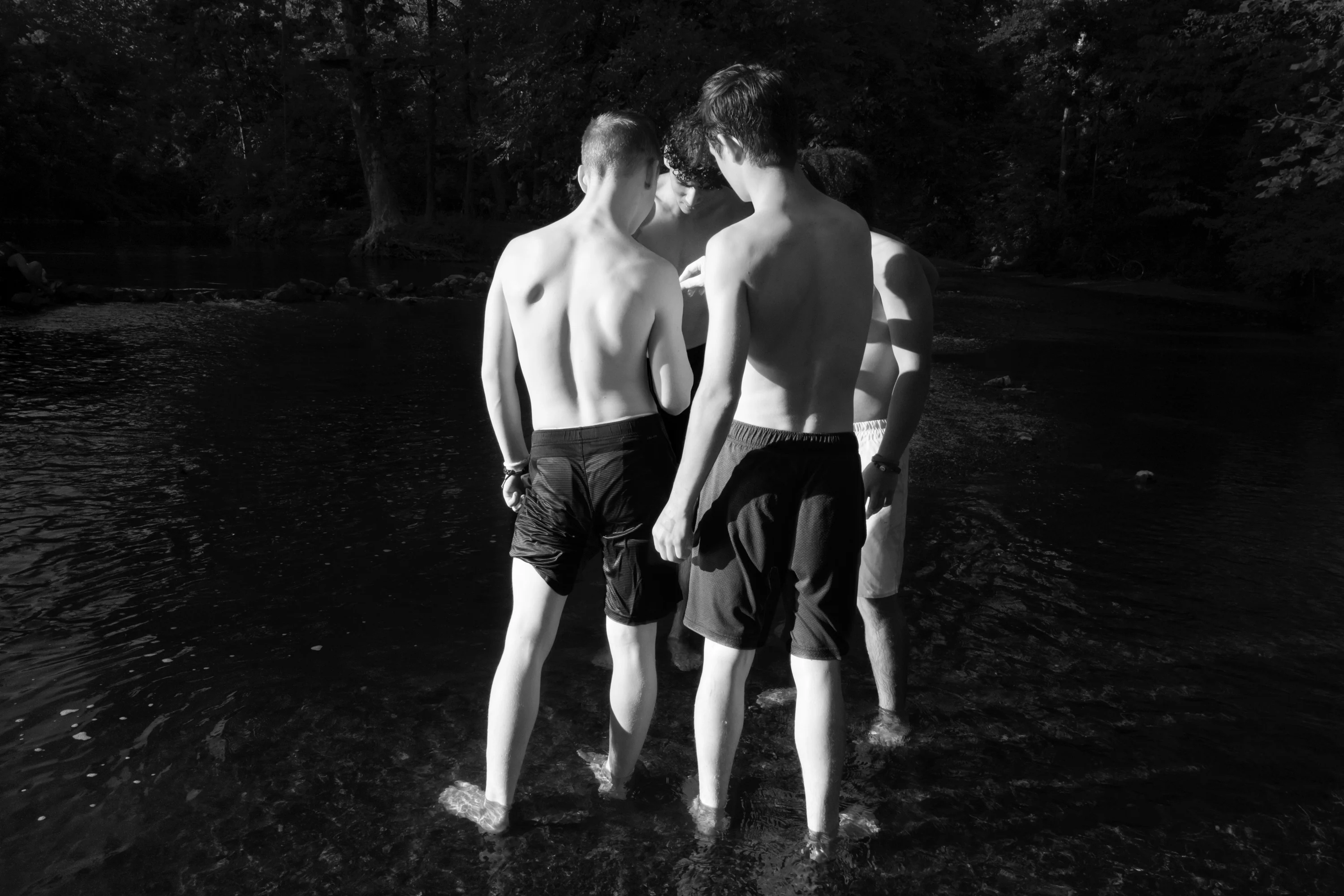
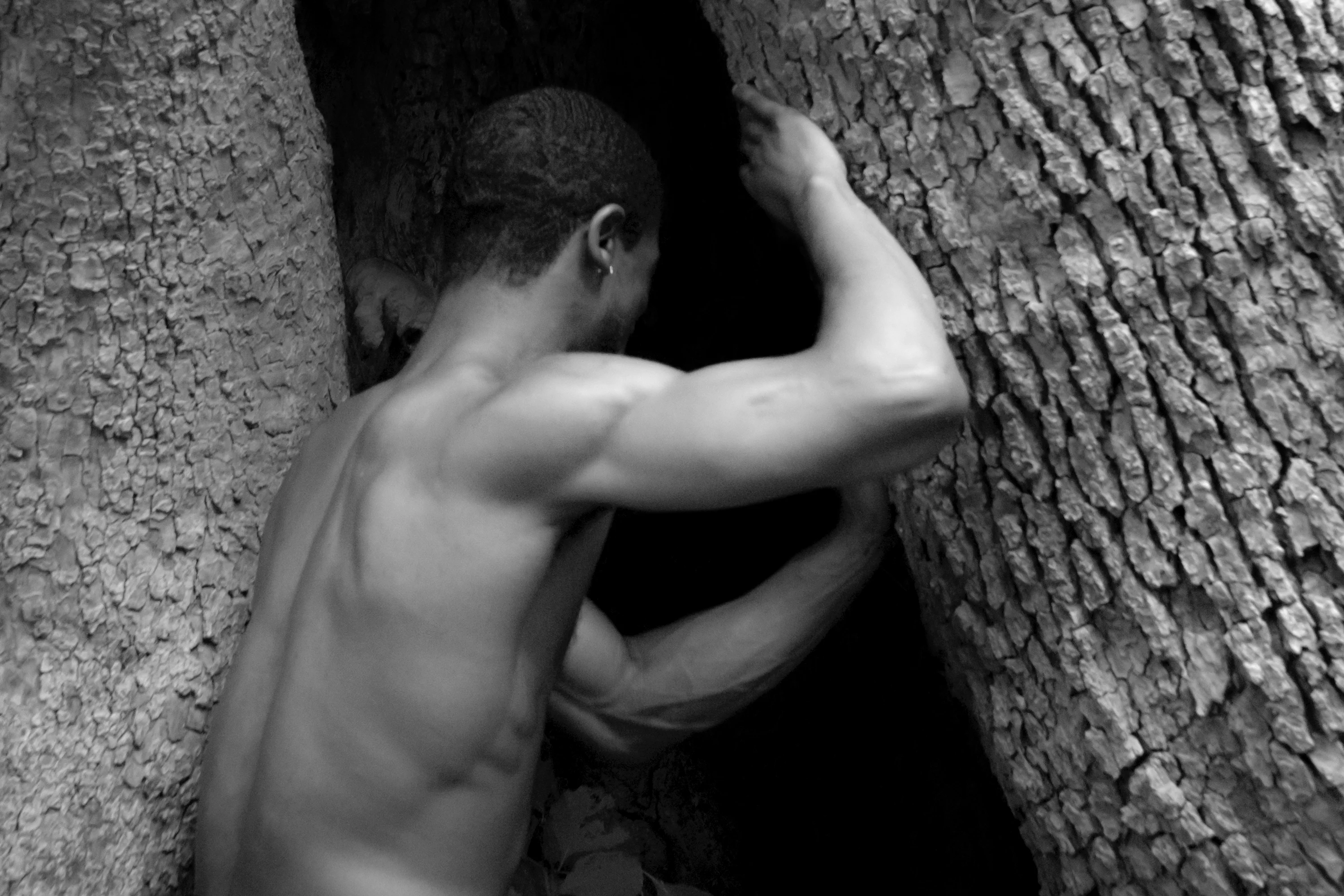
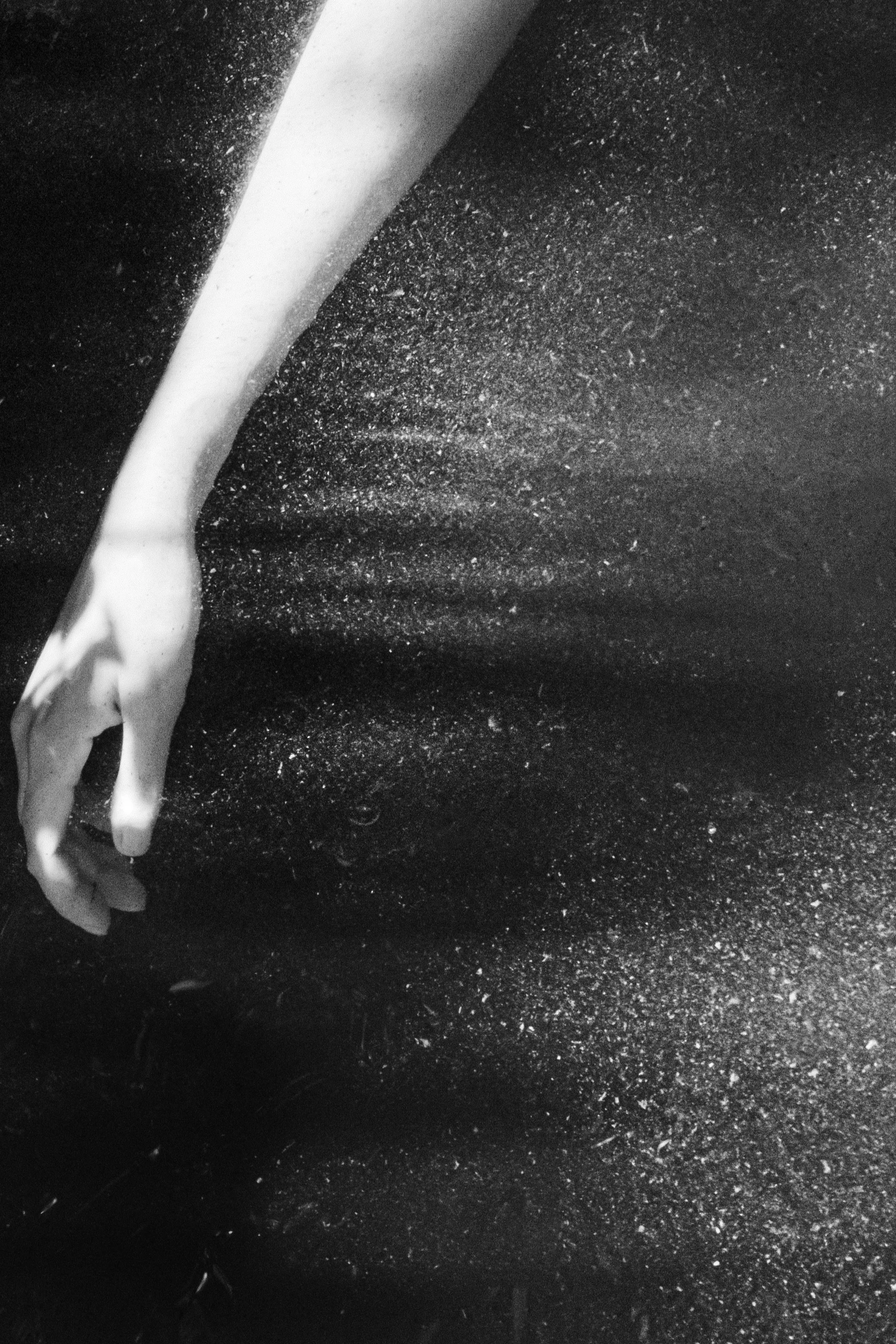
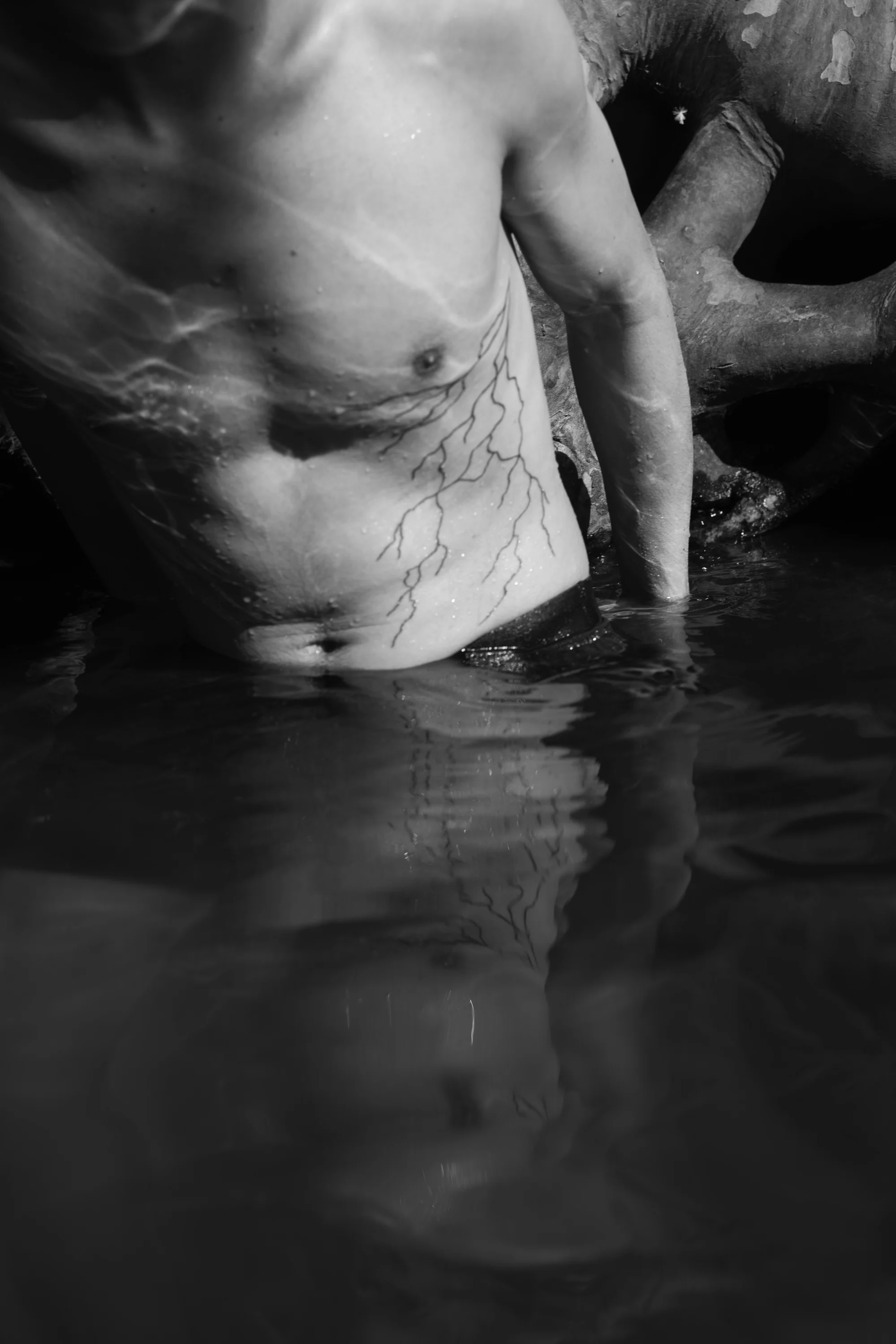
What’s clear from “Down by the Hudson” is that the creek is as much a psychological space as a physical one, and the natural world sits at the heart of it. The reality of the creek is intricate: enormous tree roots dominate the contours of the river bank, knuckle-like in their overwhelming presence, while the river—a persistent energy—encloses, laps and holds all who enter it. The sculptural force of the land—a lead character in the series—speaks to everything from climate change to access and resources in the larger social and political landscape of post-industrial towns like Poughkeepsie; places shaped by both struggle and resilience.
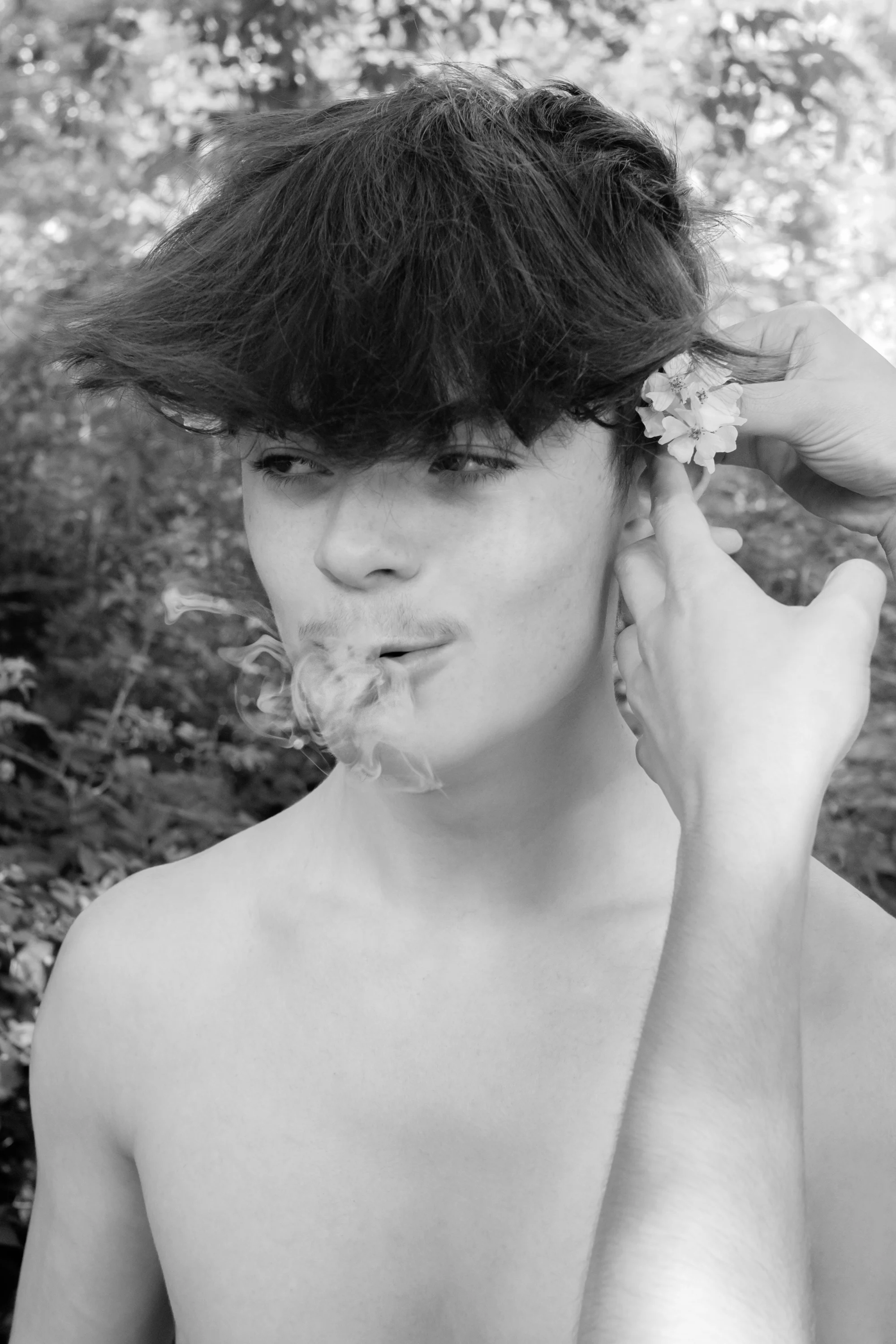
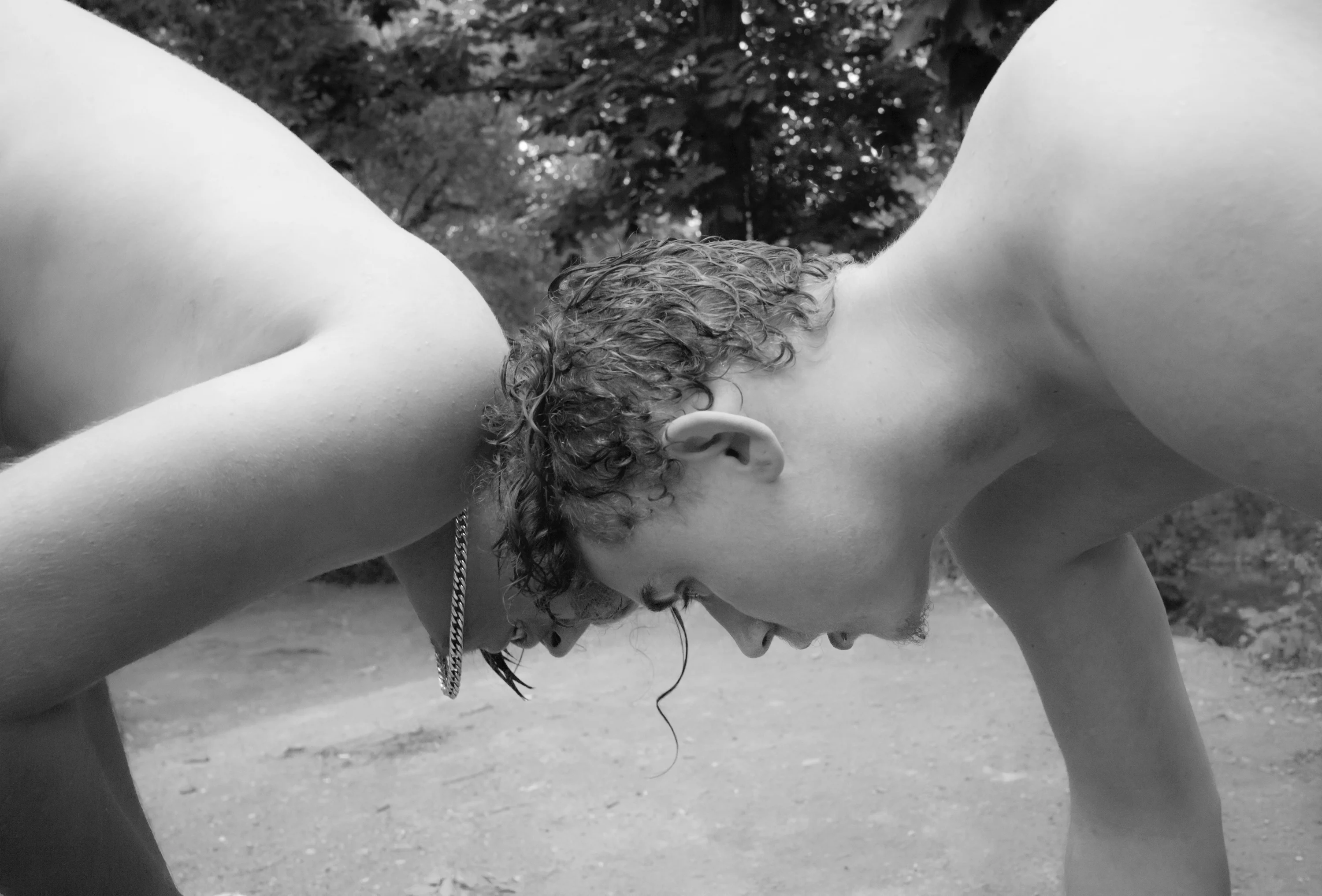
I was interested in what endures, and what renews itself.
While Stein’s work feels in conversation with artists like Helen Levitt, Sam Contis and William Gedney, it’s also a quiet riposte to the Hudson River School tradition. Painters who showed the valley as vast and unpeopled, waiting to be possessed or rationalized by colonial forces. In truth, the place was always embodied; full of stories, continuities, and change. “While those paintings are pastoral and sublime, they overlook the reality that there have been people in this space for millennia,” Stein says. “I see ‘Down by the Hudson’ as a counterpoint to that tradition, to put pressure on that history and really bear witness to life being in full force here.”
The notion of ritual and consistency is the beating heart of Stein’s project and, in many ways, the reason the work grew in significance. Moving at the pace of the place allowed him to see how the most ordinary things are layered and alive. The camera became a way to trade second-hand myths for lived experiences, doing the heavy lifting of dismantling assumptions and stereotypes through the dedication of looking again and again at one place. “I was interested in what endures, and what renews itself,” explains Stein. “Over time, my understanding of the place deepened and unfolded in ways I could have never anticipated. That act of looking, of trying to see something clearly, became its own form of devotion and changed what I saw and how I could see.”
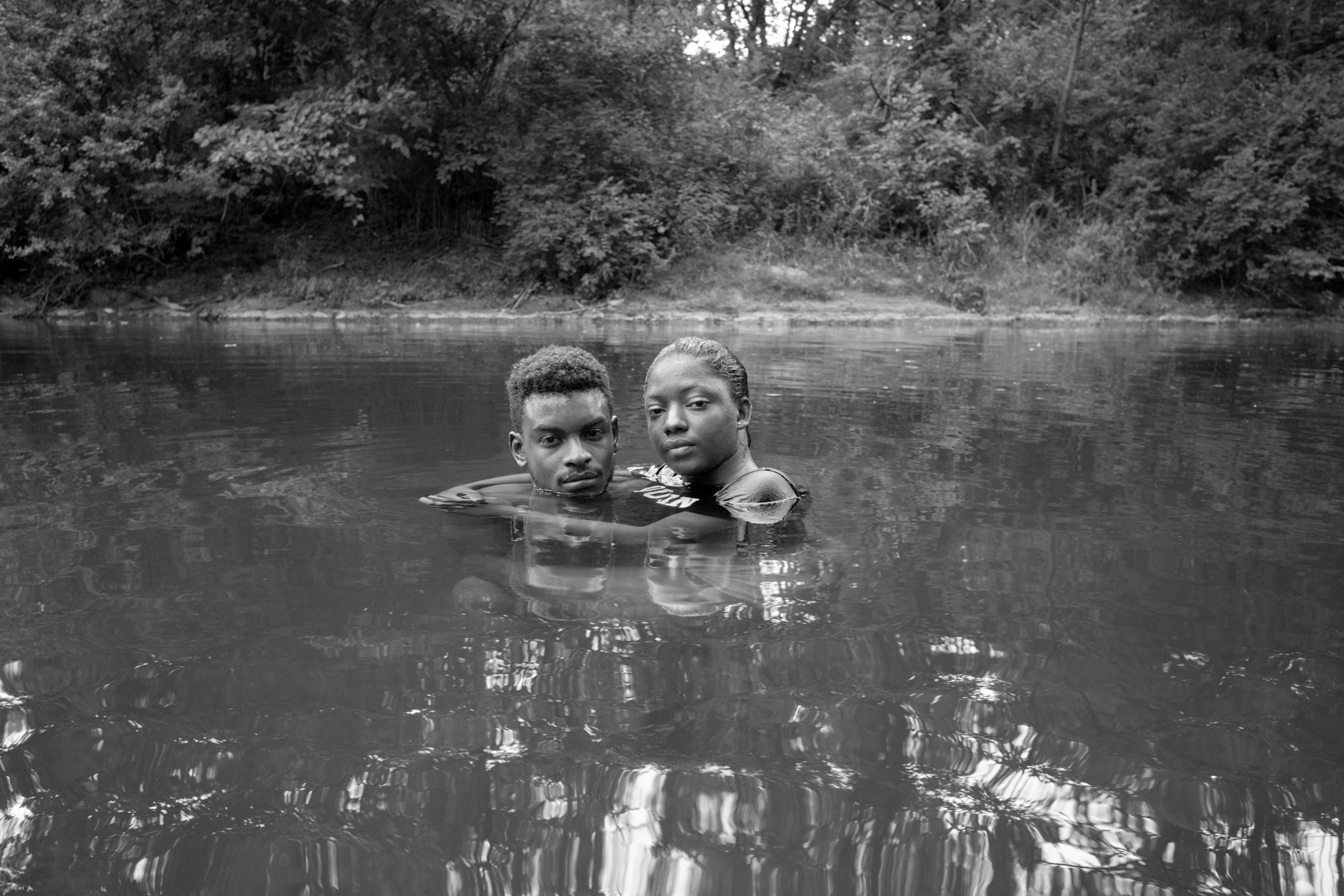
Stein’s ritual of returning went beyond the sweltering months when the creek was full and vibrant into the cold, dark winter where the site is empty, covered in snow and ice. Off season he can trace how the landscape is changing, how the contours of the riverbank have shifted, which trees have fallen and drifted downstream and how the beloved rope swing is holding up. In this subtle yet profound gesture of continual care, Stein makes his most remarkable discovery yet—“staying with something long enough allows you to witness the world renewing itself.”
I often think about all of the people that have gathered here over generations… to rest, to heal and to fall in love.
Staying with something long enough allows you to witness the world renewing itself.