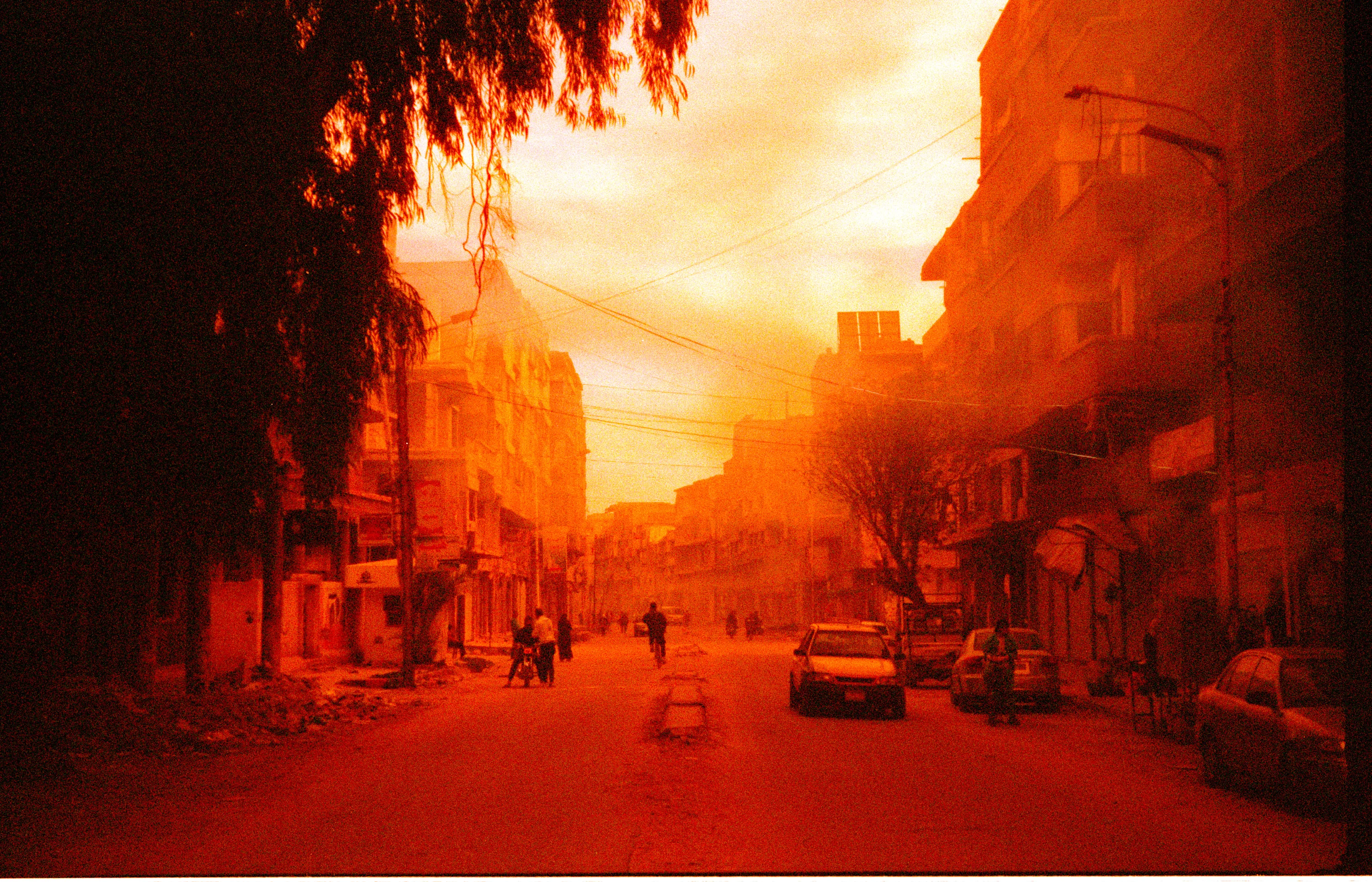
Photographer AlBaraa Haddad has been capturing Syria ever since anti-government demonstrations broke out in 2011 during the Arab Spring, documenting everything from the war on the ground, to the plight of refugees in exile, to the pangs of hope at the the start of the long road to recovery since the fall of the Assad regime. He tells Alexander Durie how color returned to his world that day, and how photography and other forms of creative expression can help Syrians to reclaim the narrative and rediscover a sense of home.
In 2012, at the start of Syria’s brutal civil war between President Bashar al-Assad’s army and rebel forces, a then-17-year-old AlBaraa Haddad was presented with an important choice to make by his uncle, a fighter with the Syrian rebels, while they were sheltering from explosions. On the left: an AK47. On the right: a camera. “You pick,” his uncle told him. Baraa chose the camera that day, and his uncle said: “From now on, this is your path.” Since then, during Syria’s 14-year war, in exile documenting the plight of Syrian refugees in Turkey, and in the aftermath of the Assad regime in the past year, the camera has been Baraa’s weapon of choice.
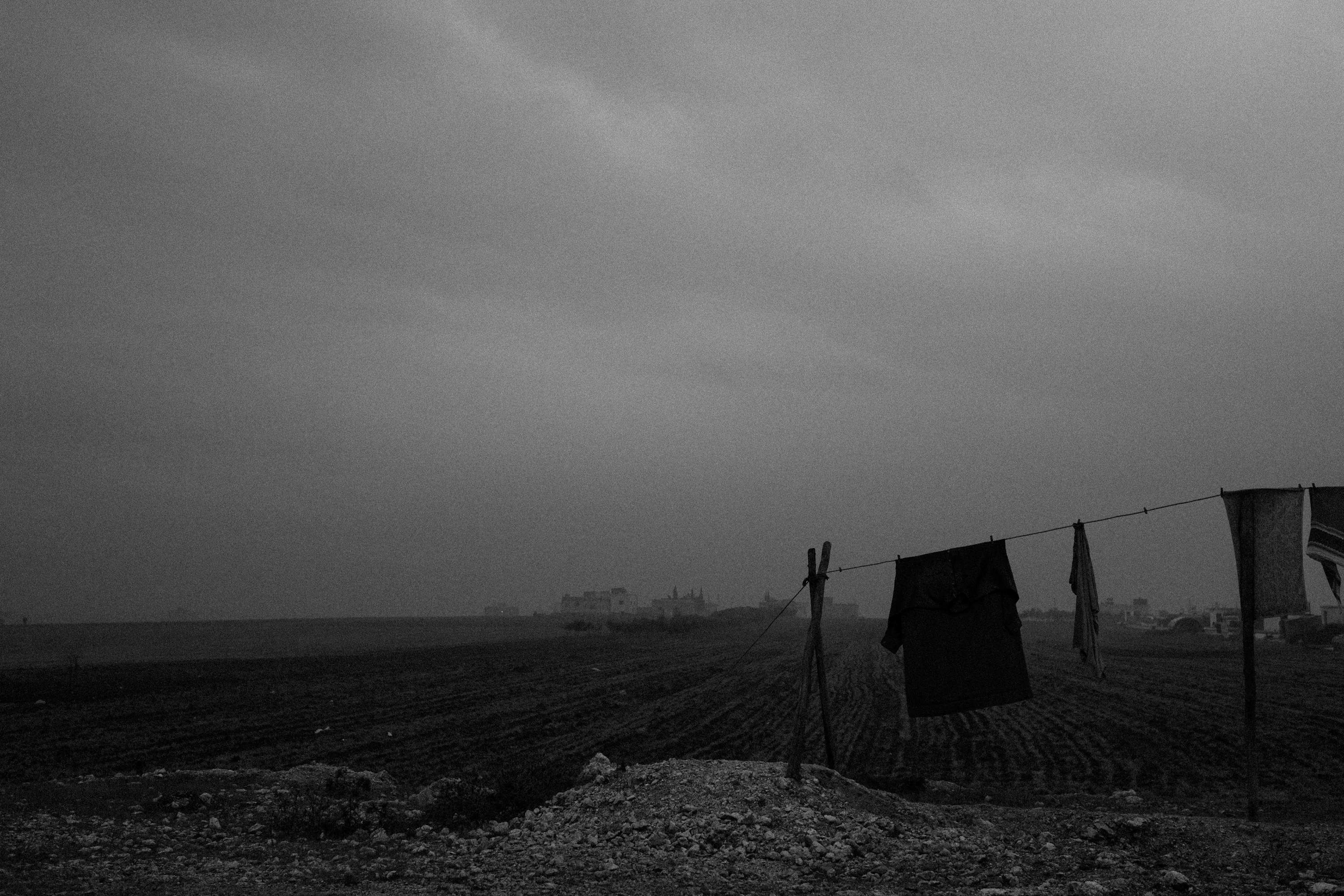
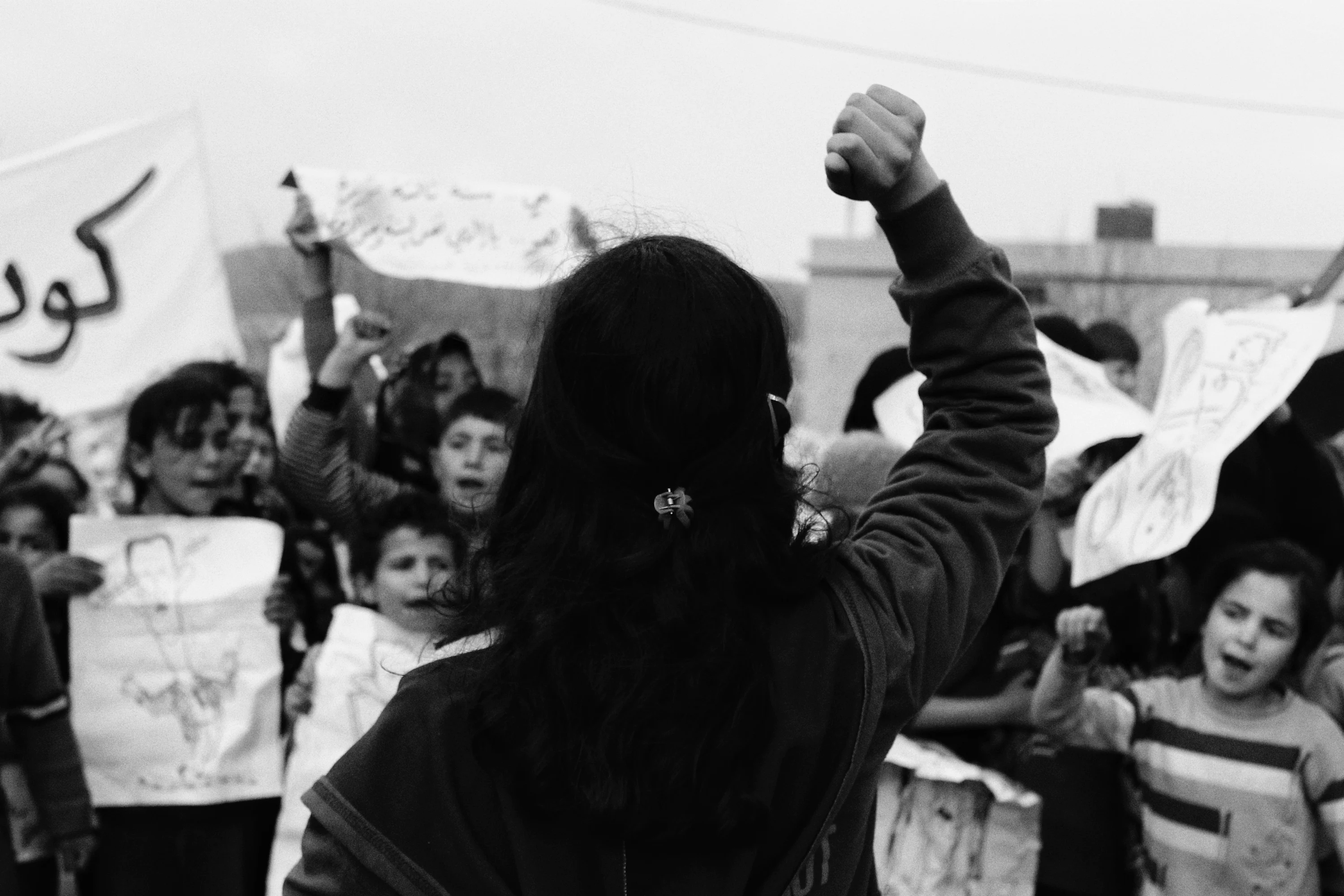
Born in 1995, Baraa grew up in a family of political dissidents in Latakia, a coastal town in the north of Syria, where the Mediterranean Sea was “always a huge escape” during his unstable childhood. The Assad family had been in power since 1971, ruling Syria with an iron fist, cracking down on anyone critical of the regime. Even well before 2011, Baraa already had many family members killed or forcibly disappeared by state forces. When anti-government demonstrations kicked off in 2011 during the Arab Spring, Baraa took to the streets the lessons his mother taught him: “you must never support this regime.” Baraa had already toyed with film cameras, but during the revolution photography took on an extra meaning. “It was my form of activism, of participation,” he says. “I knew that this was the thing I would do. It came from this motivation––from this urge in me––to do something.”
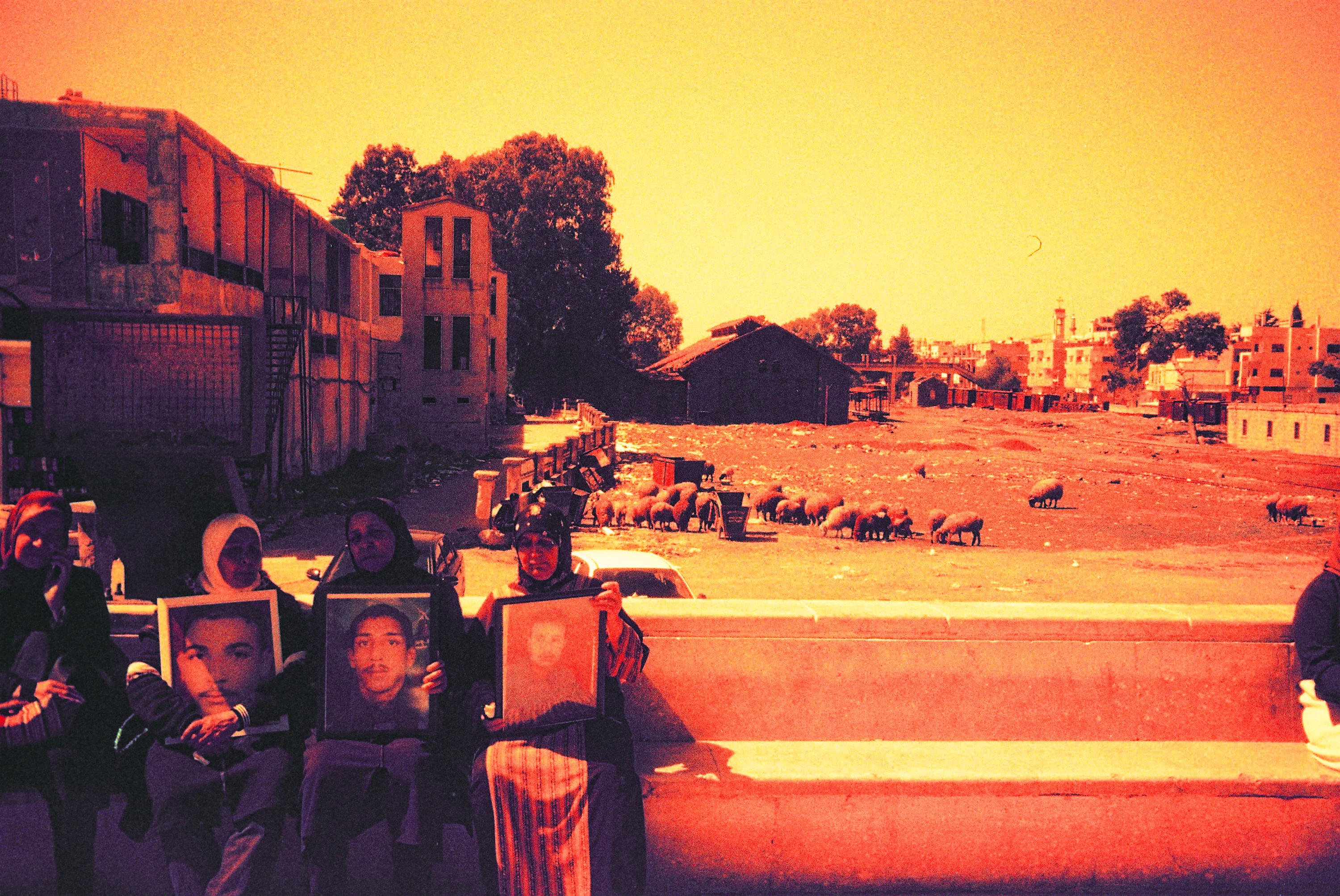
But pro-democracy protests quickly turned ugly in Syria. Regime forces violently suppressed them, slaughtering and imprisoning thousands. The Syrian Network for Human Rights reports that more than 177,000 people are still considered “forcibly disappeared” in the country today, a year after the Assad regime collapsed and prisoners were freed. On 8 December 2024, rebel forces took control of Damascus after a nationwide offensive, forcing the Assads to relinquish power and flee to Moscow. It’s estimated that 620,000 people were killed and nearly 14 million displaced during the war––over half the country’s population. Across Syrian society, and in Baraa’s solemn images, the scars remain inescapably clear.
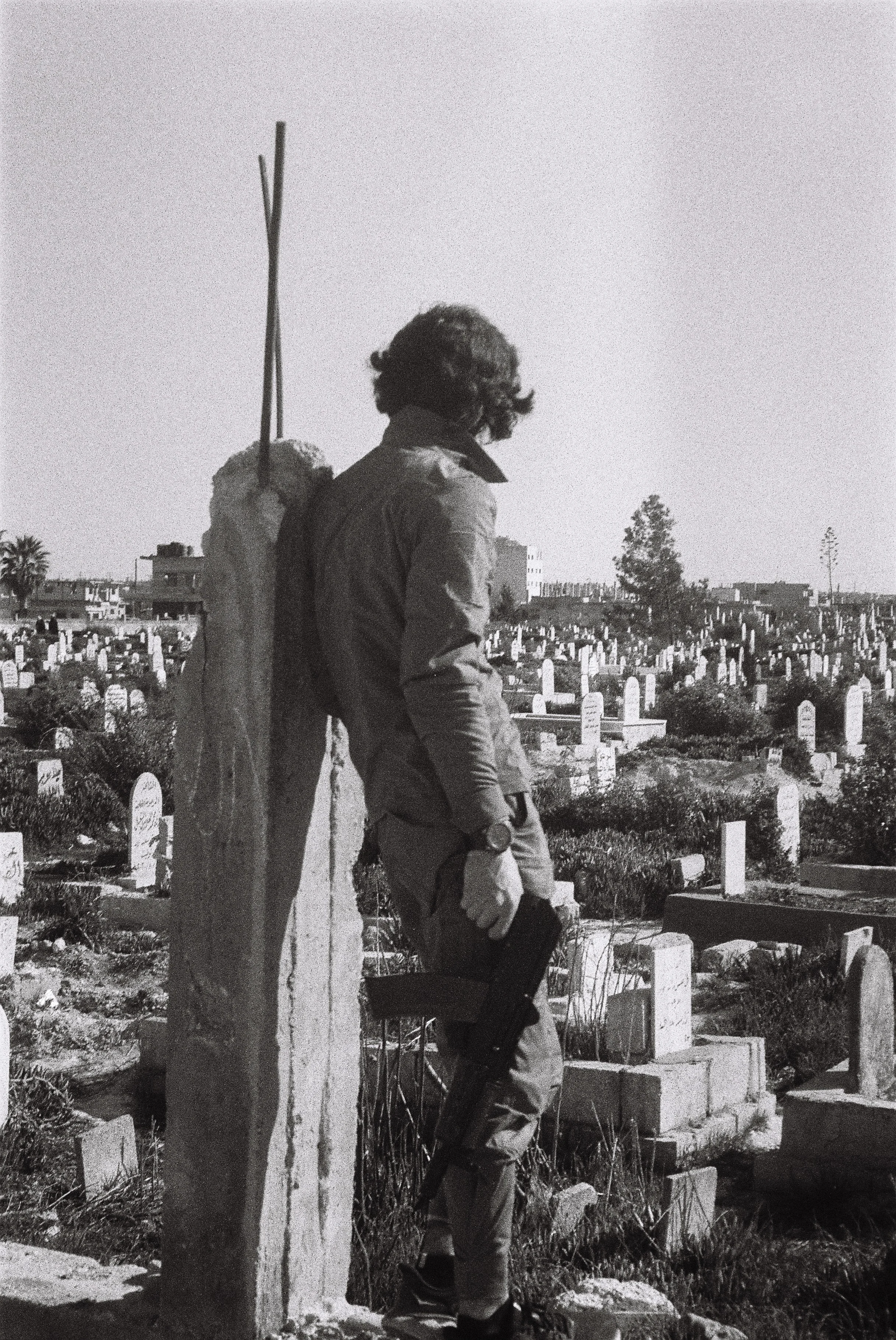
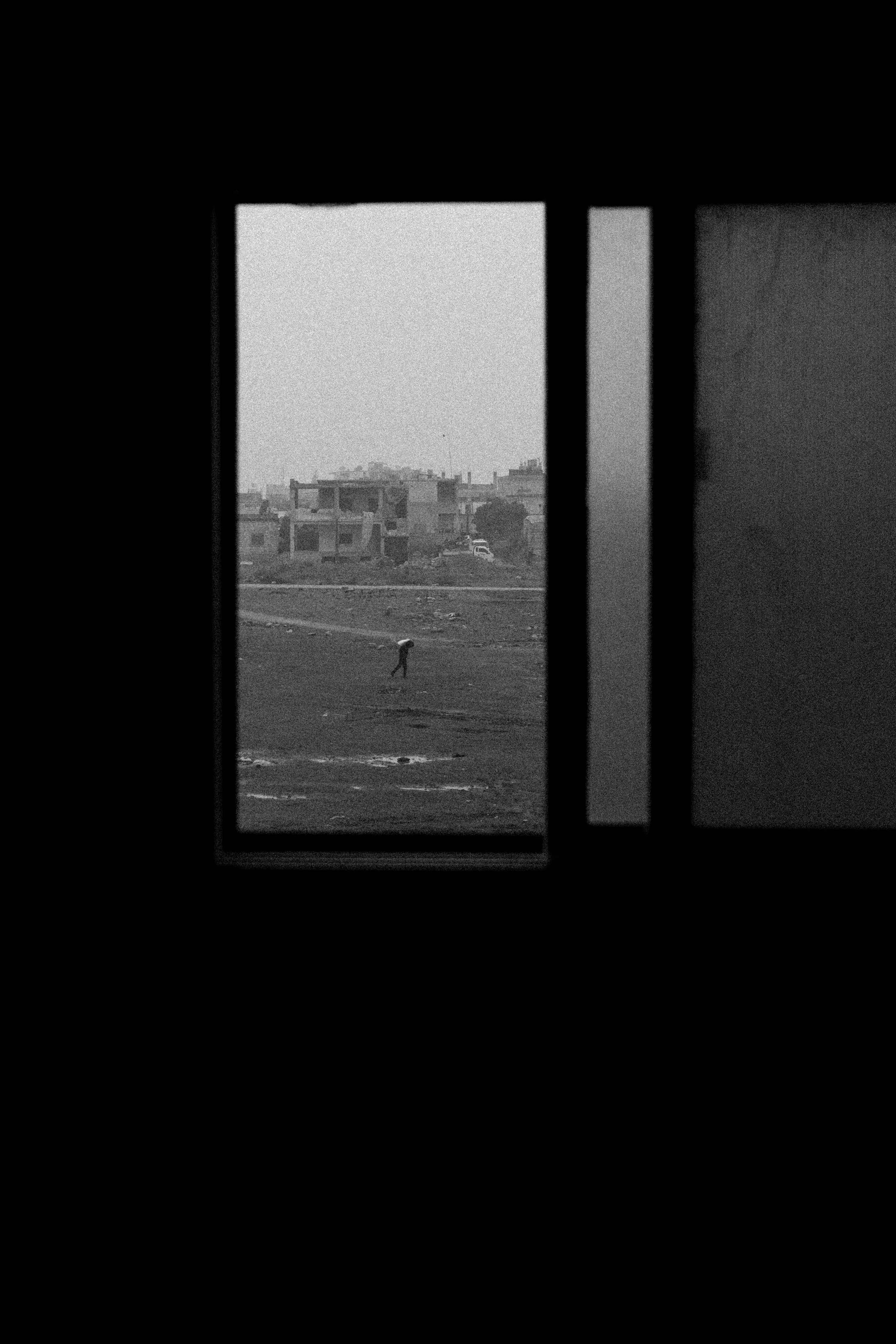
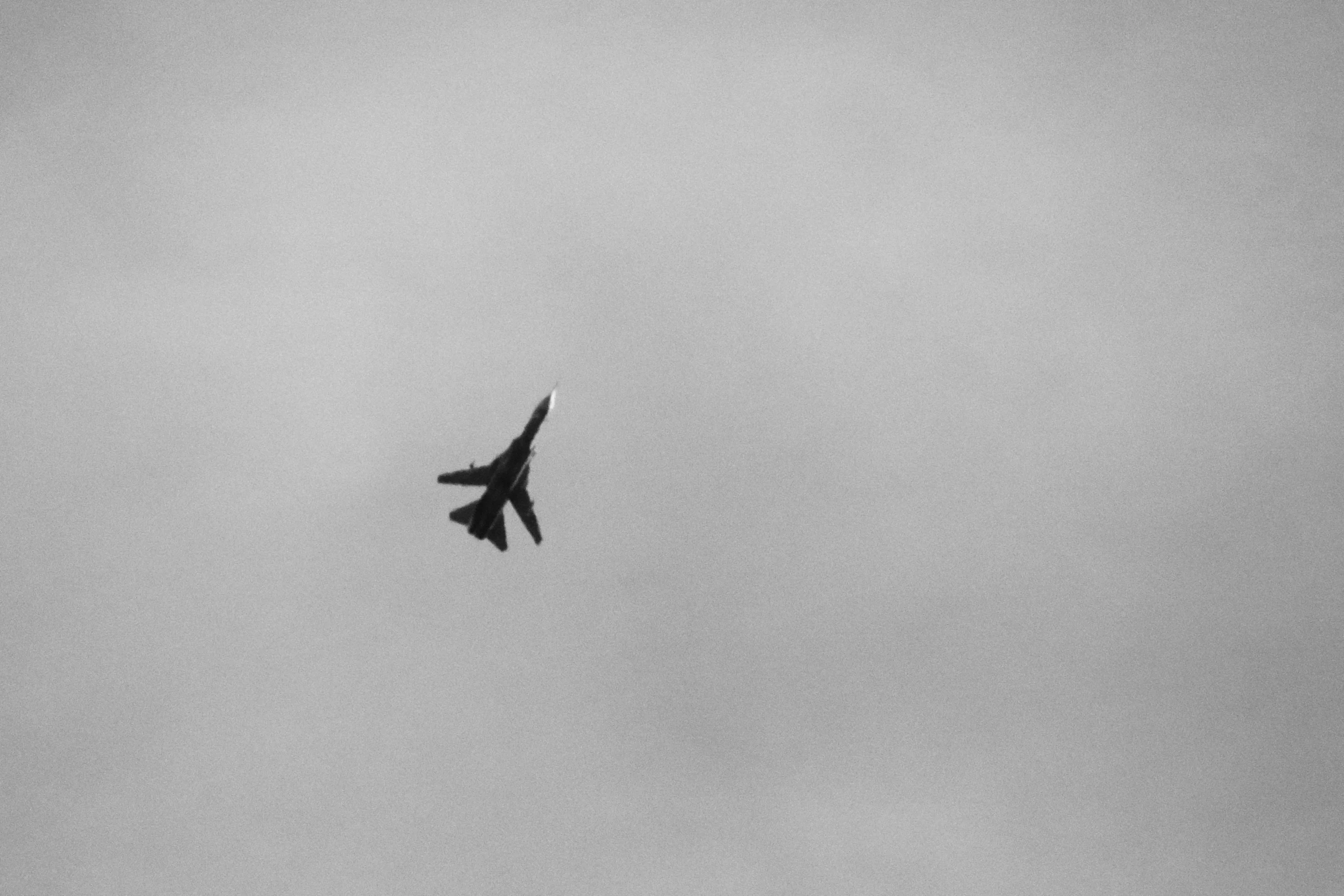
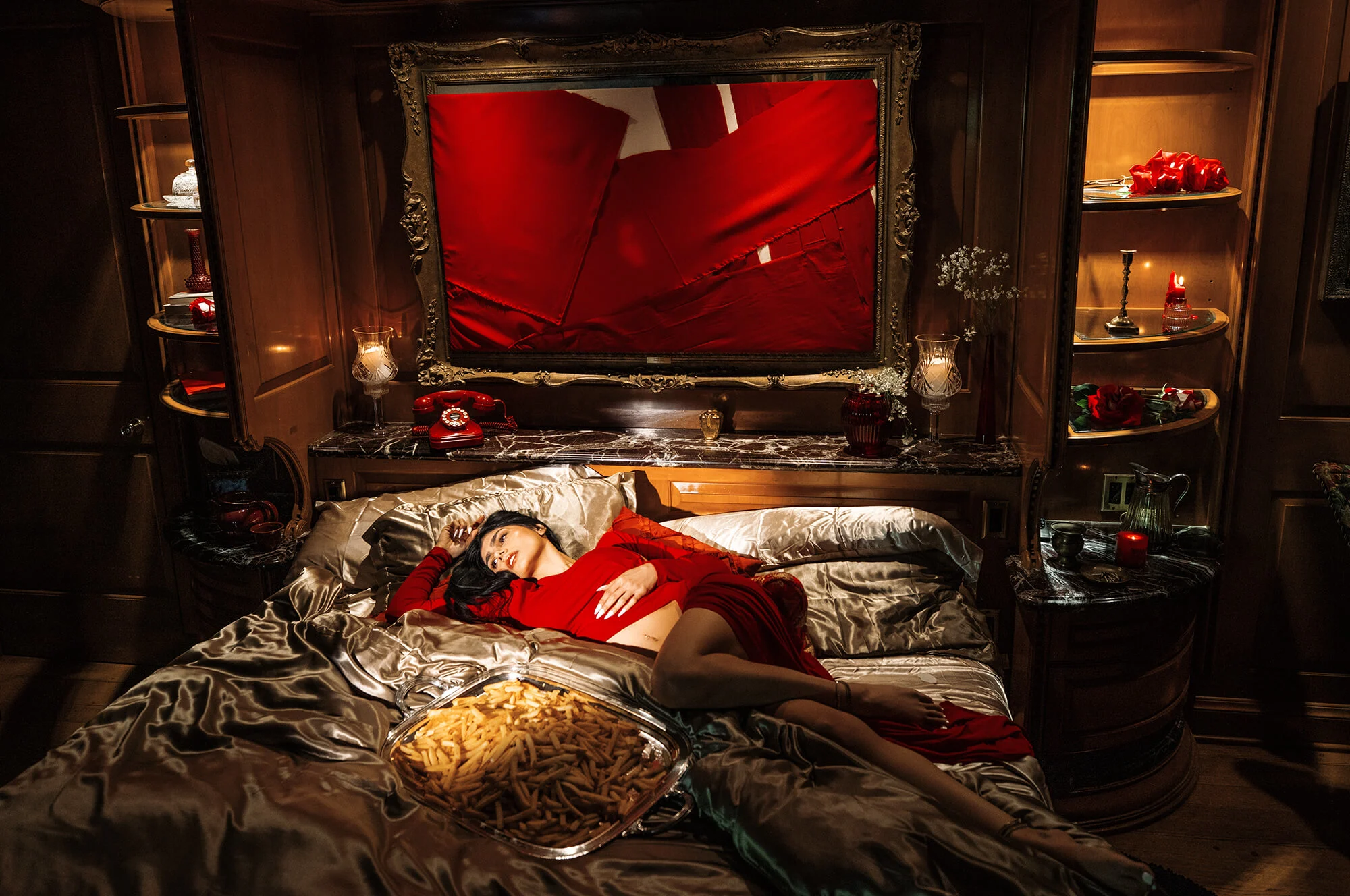
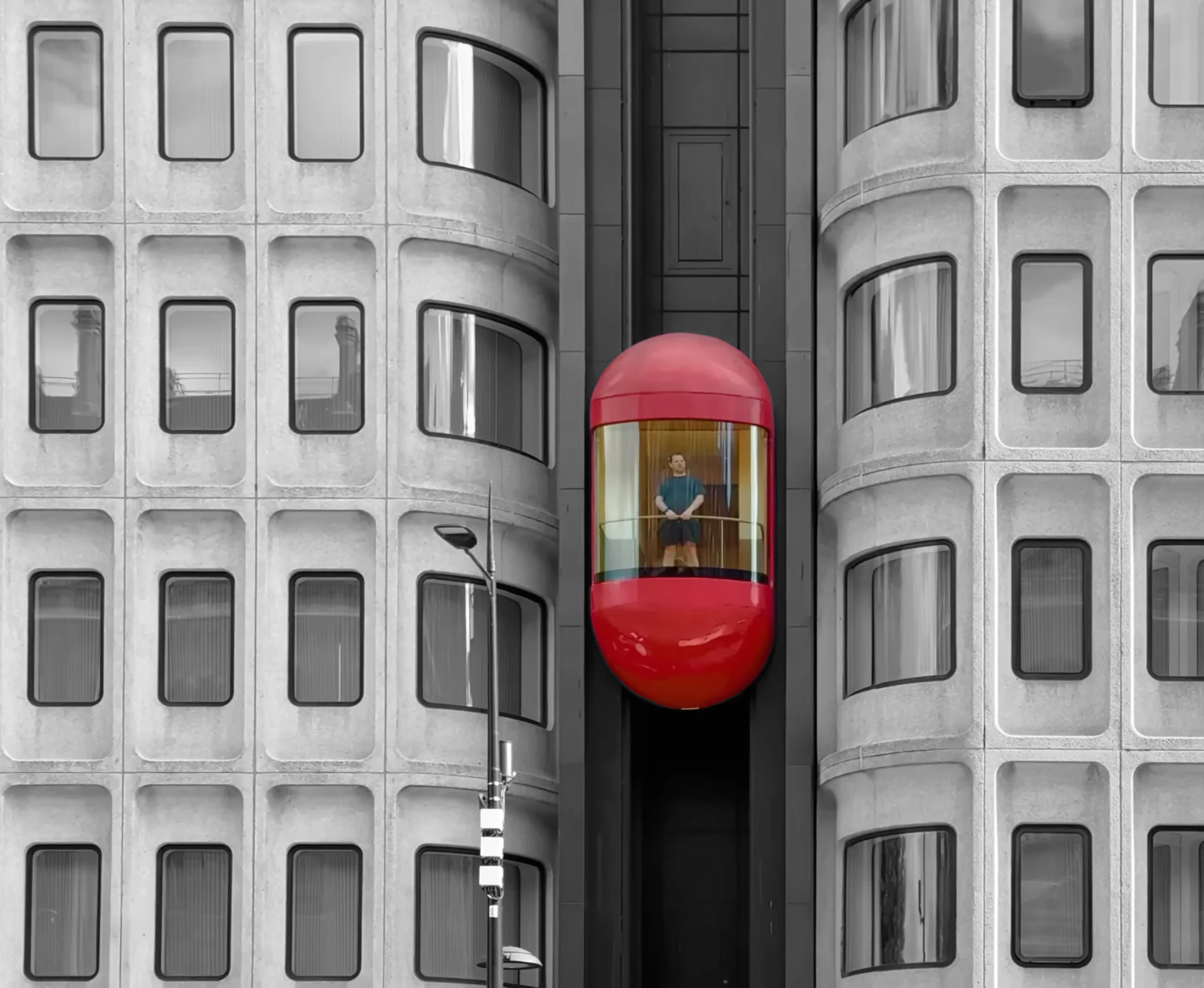
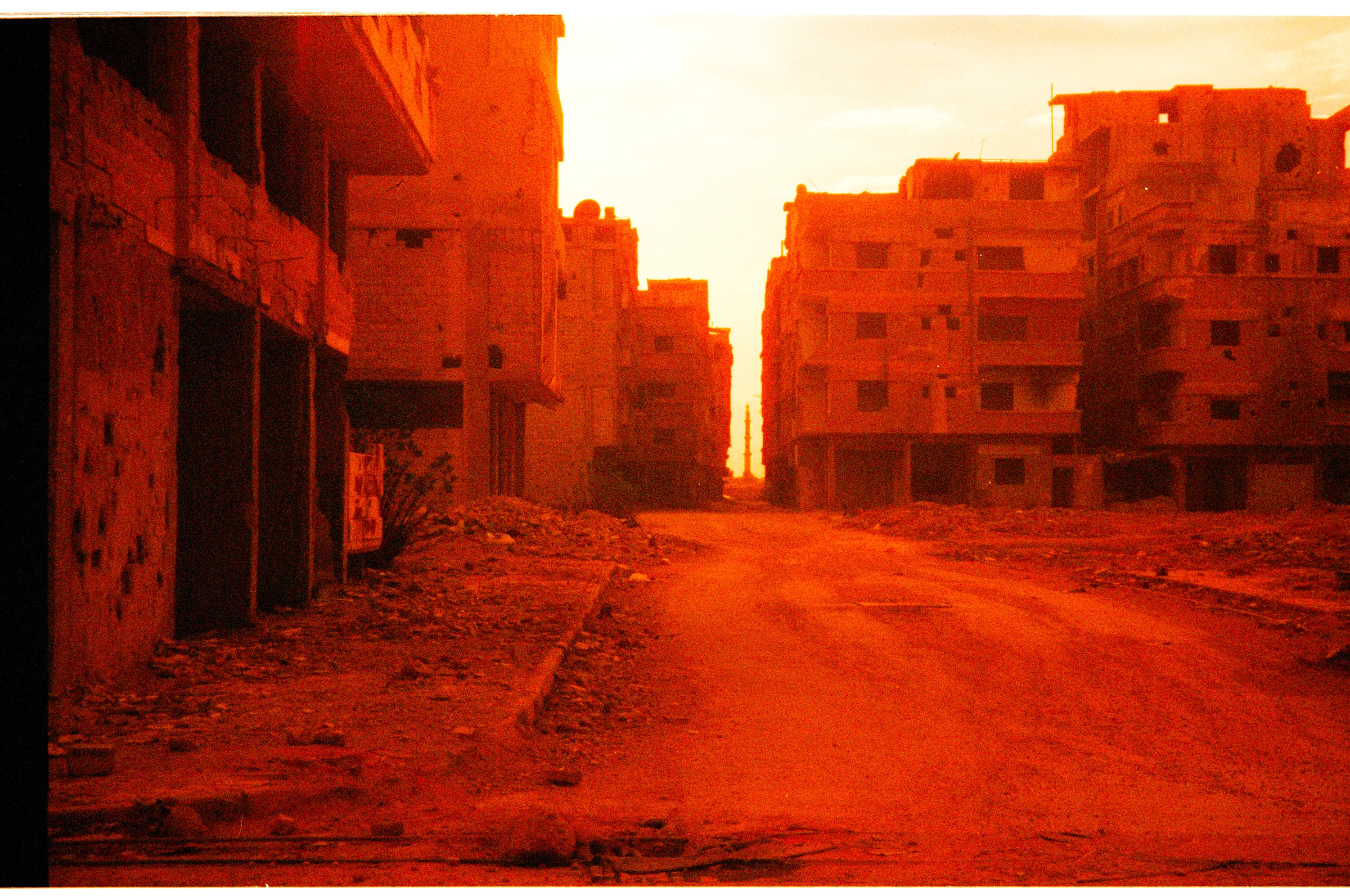
“For me, if I had to imagine Syria, I would imagine rivers of blood flowing in the streets,” Baraa tells me, his voice stern and his eyes heavy. “In every corner there are mass graves, there are criminals still hiding.” The redness of the blood with which Baraa sees Syria is taken literally in his series of photos using redscale color film, taken since the start of 2025, when Baraa returned to Syria. In these haunting images, we see Syria through Baraa’s gaze: the beauty and the bloodshed. A sense of home, or what’s left of it.
We see the ghostlike neighborhood of Yarmouk, just south of the Syrian capital, covered in red. Yarmouk was once Syria’s largest Palestinian refugee camp, but is now a wasteland of war-torn buildings since it was besieged. For Baraa, Yarmouk is “standing proof not only of the crimes, but also of the denial [that happened during Assad],” noting how inner-city Damascus was spared from destruction as it was under the regime’s control.
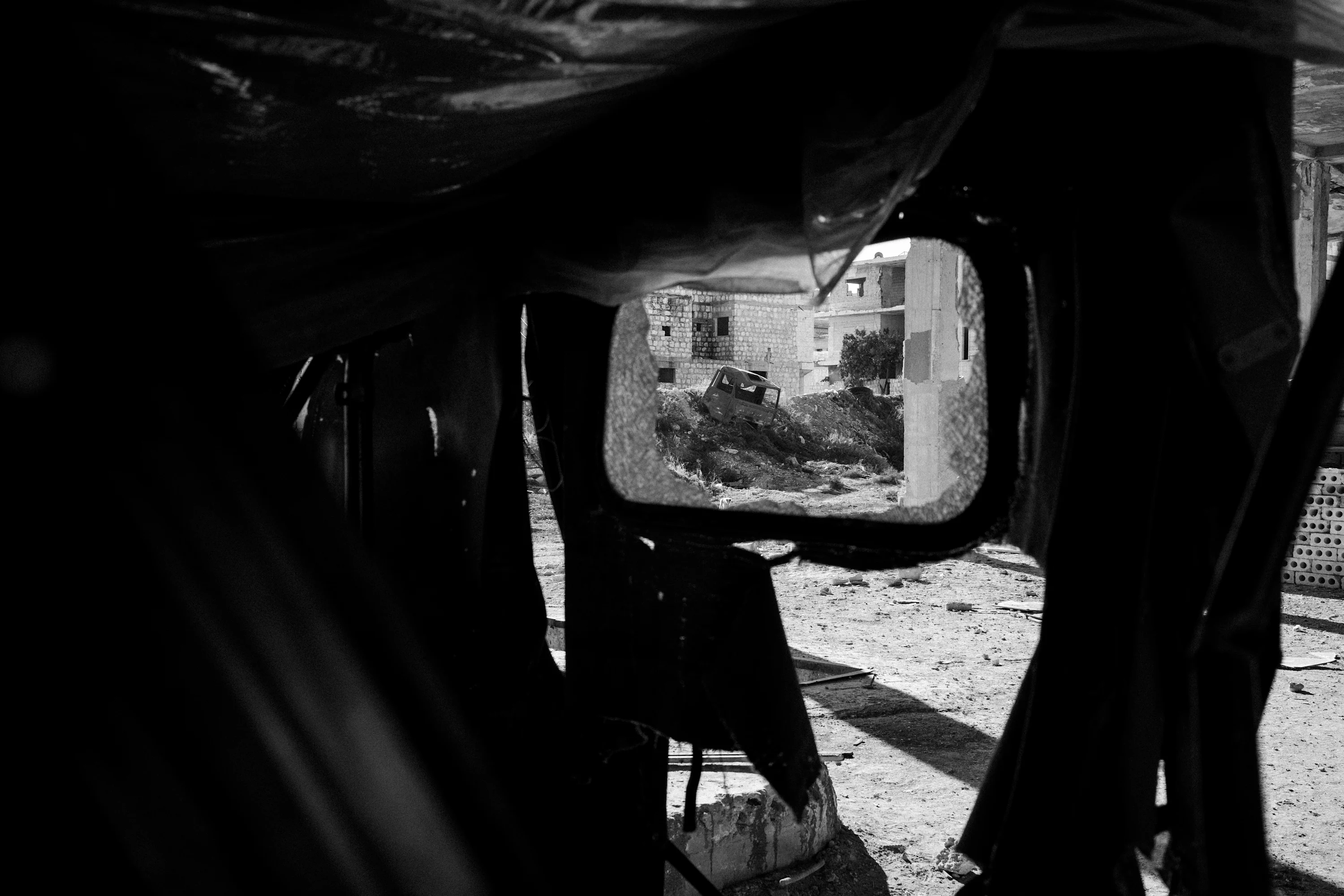
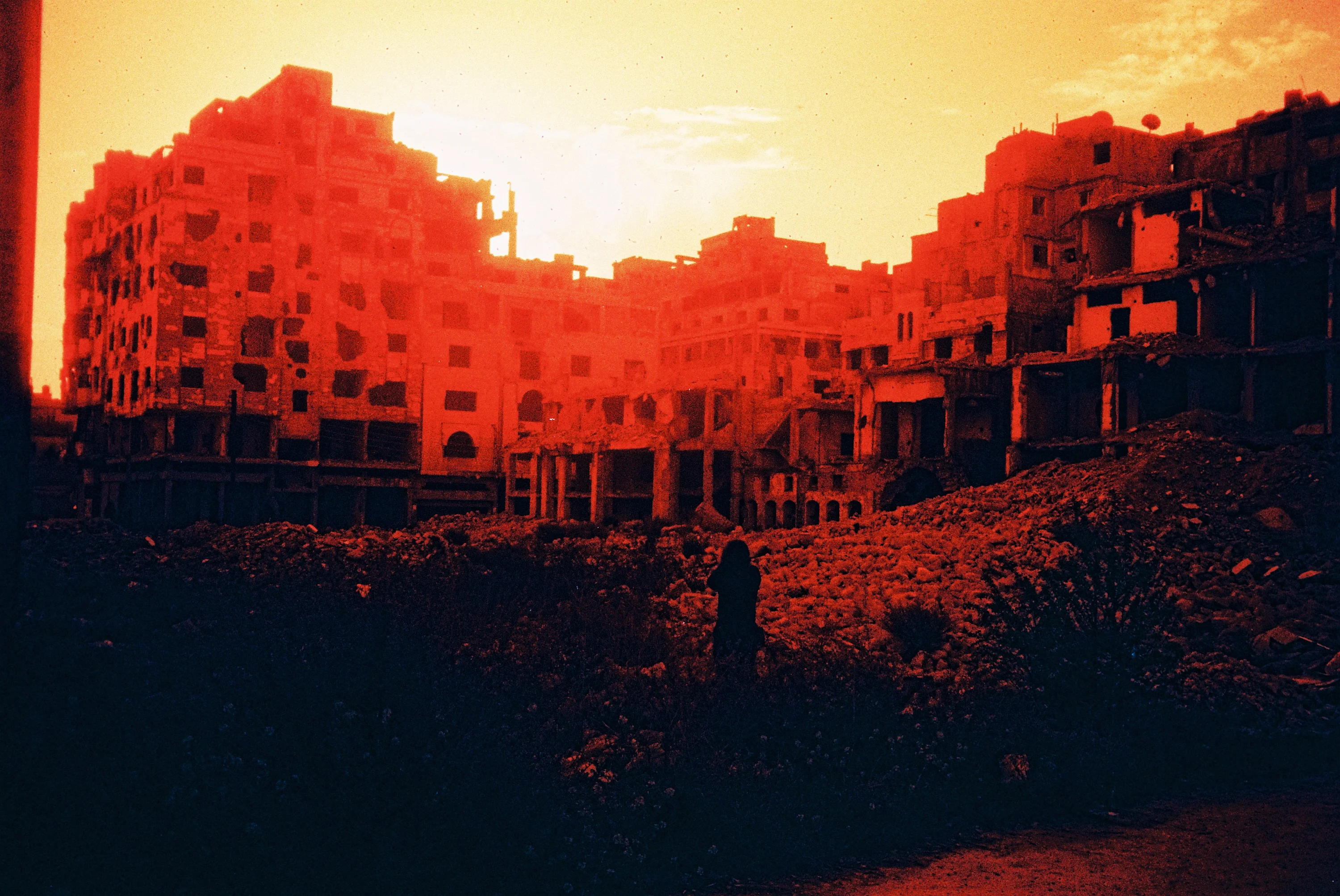
Until 2015, Baraa remained in rebel-occupied areas in the country. His closest friend died fighting ISIS, and Baraa brought his body to Idlib, where he and his friends buried him. Baraa knew and saw so many people killed that he felt survivor’s guilt whenever he was abroad, and when he was in Syria he lost his sense of smell due to all the blood he inhaled. “That’s why this [red] series is related to my personal impact from Syria,” he says, “and the way I saw it after I came back.”
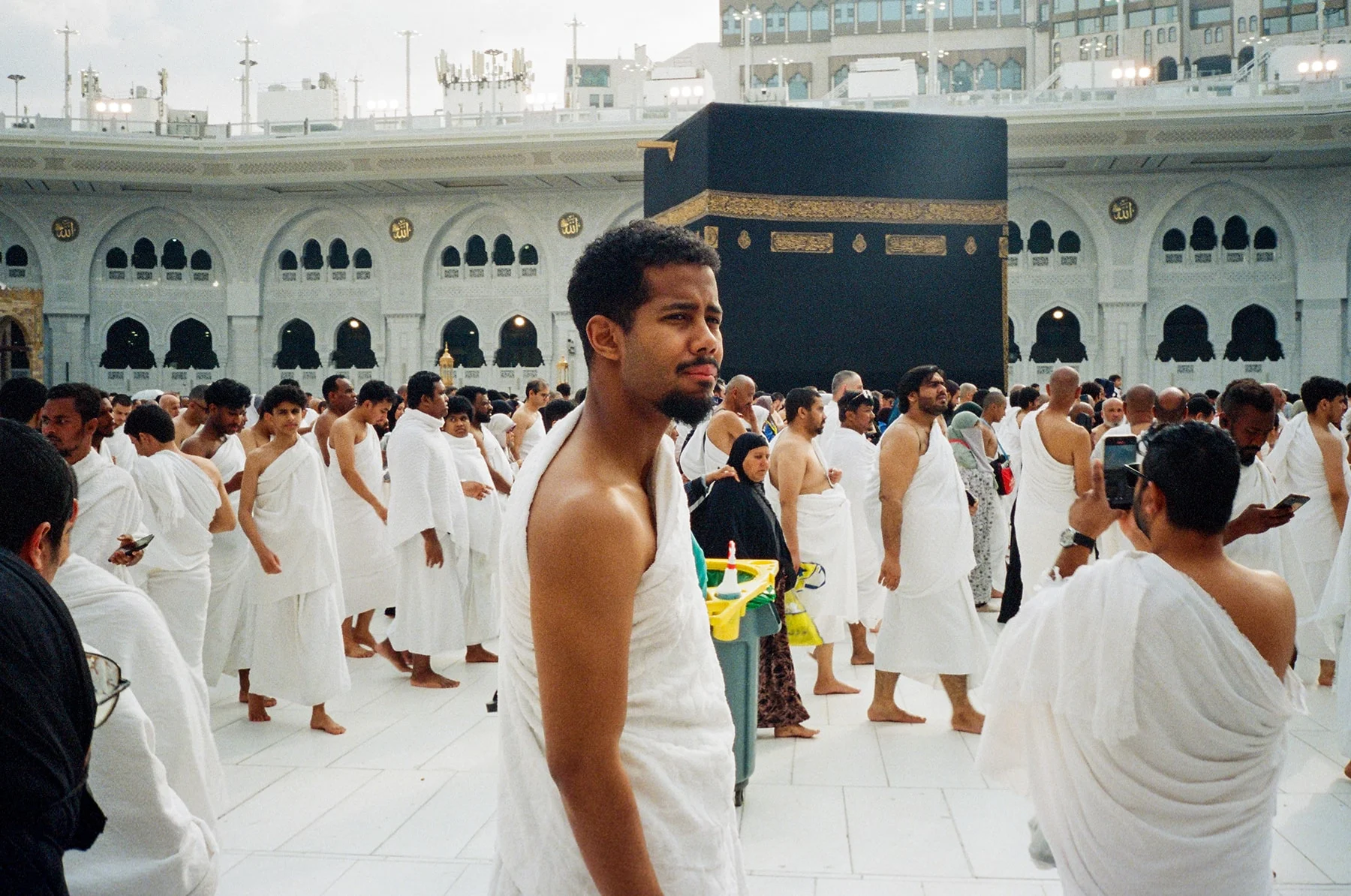
Though his images previously revolved around exile, his work is now more focused on confronting memory. “It’s a way of reconciling with Syria,” he says, “because I want to accept Syria again, so I need to see it the way I see it, and then try to accept it.” As Syria writes its new chapter while crimes of the past go unpunished, Baraa insists that now is the time for Syrians to express themselves creatively. “Artistic tools are what make memories timeless,” he says, highlighting how Syrians did not have agency over how they were represented for years, and were often reduced to voiceless victims of war. “In exile, only a few of us spoke, because it’s heavy to speak and to realize what happened,” Baraa tells me. “There are many steps to take towards reconciliation. It’s heavy to try to belong somewhere after all of this, but we have a common past and memory, and this should remain.”
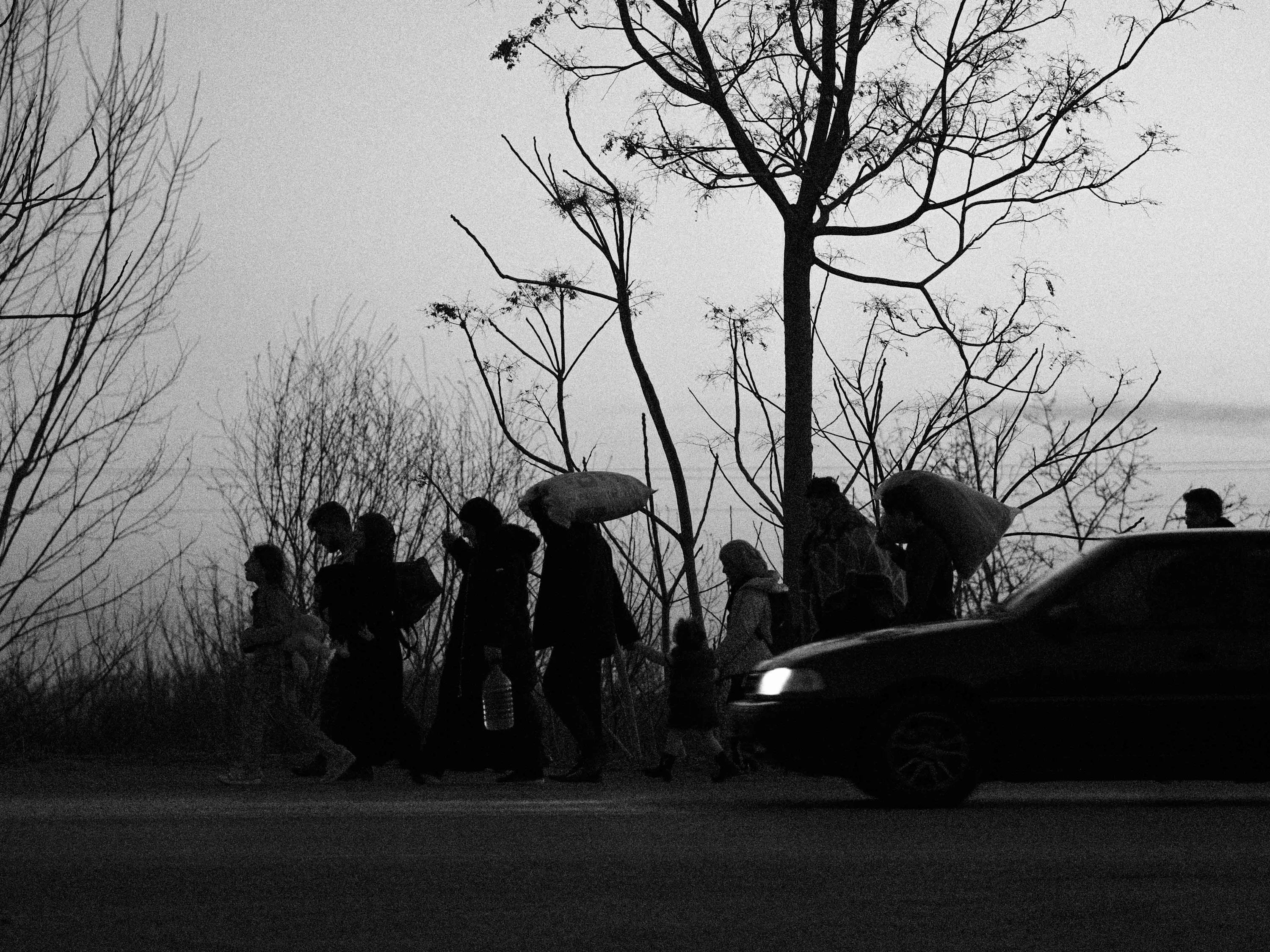
Image-making, Baraa insists, is “a way of reclaiming the narrative. It’s your right to have this memory, because we were silenced for so long.” That’s why Baraa and friends are opening a cultural centre in Eastern Ghouta, outside Damascus, called Dar Ebla, focused on providing psychological recovery to people through artistic expression. Though the challenges ahead for Syria remain immense, for Baraa, the mere act of being able to be back in his country and move around and document and express himself visually is “something huge.” When he returned to Syria after the fall of the regime, filming the sea in his hometown and the birds of Damascus, he recalls, “that moment was a colourful one. It feels like a dream.”