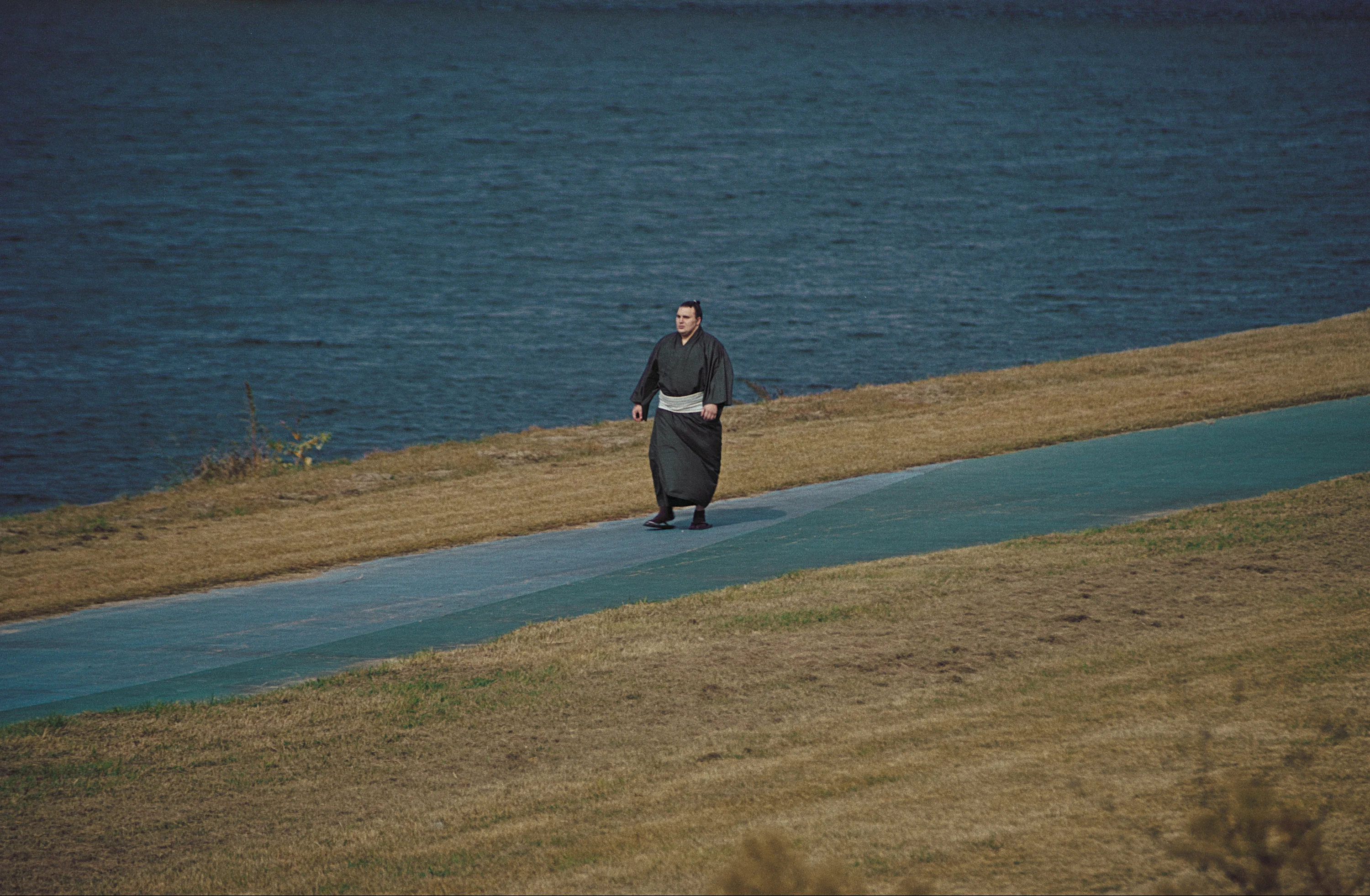

Danylo Yavhusishyn was only 17 when he and his family fled their home in Ukraine and sought refuge in Germany. Just three years later, living in Japan, he achieved the fastest promotion to sumo’s second-highest rank since the second world war. Short film “Refugee Rikishi,” created by director Johnny Langenheim and editor Tommaso Di Paola, follows his rigorous training regime as he prepares for one of Japan’s six major sumo tournaments. The duo tell Marigold Warner how The Sumo Association’s press restrictions forced them to find creative ways to tell Danylo’s extraordinary story.
In 2025, 22-year-old Ukrainian wrestler Danylo Yavhusishyn, known as Aonishiki Arata in the dojo, achieved the fastest promotion to ozeki—sumo’s second-highest rank—since the second world war. He was only 18 years old when he arrived in Japan in 2022. Having fled his home in Ukraine the year before, he and his family sought refuge in Germany. Soon after, he had an opportunity to move to Japan and pursue his lifelong dream of becoming a rikishi—a professional sumo wrestler. In this new country, with an unfamiliar language and vastly different customs to the world he knew, Danylo achieved what no other Ukrainian has before, adapting to the demanding routines and rituals of Japan’s ancient sport.
It’s a bit like writing a sonnet. You’re limited by a very formal structure, but that limitation can make you more creative.
His story is the focus of a new short documentary, “Refugee Rikishi,” created by director Johnny Langenheim and editor Tommaso Di Paola. They filmed in Fukuoka in November 2025, while Danylo was training for one of the six annual Grand Sumo tournaments. Langenheim was already in Japan shooting for National Geographic. He’d heard about Aonishiki, and decided to take a detour before heading back to London. “What he’s doing is unheard of, but he really struggled at the beginning,” says Langenheim. “He was super young, didn’t speak the language, didn’t understand what was going on culturally.”
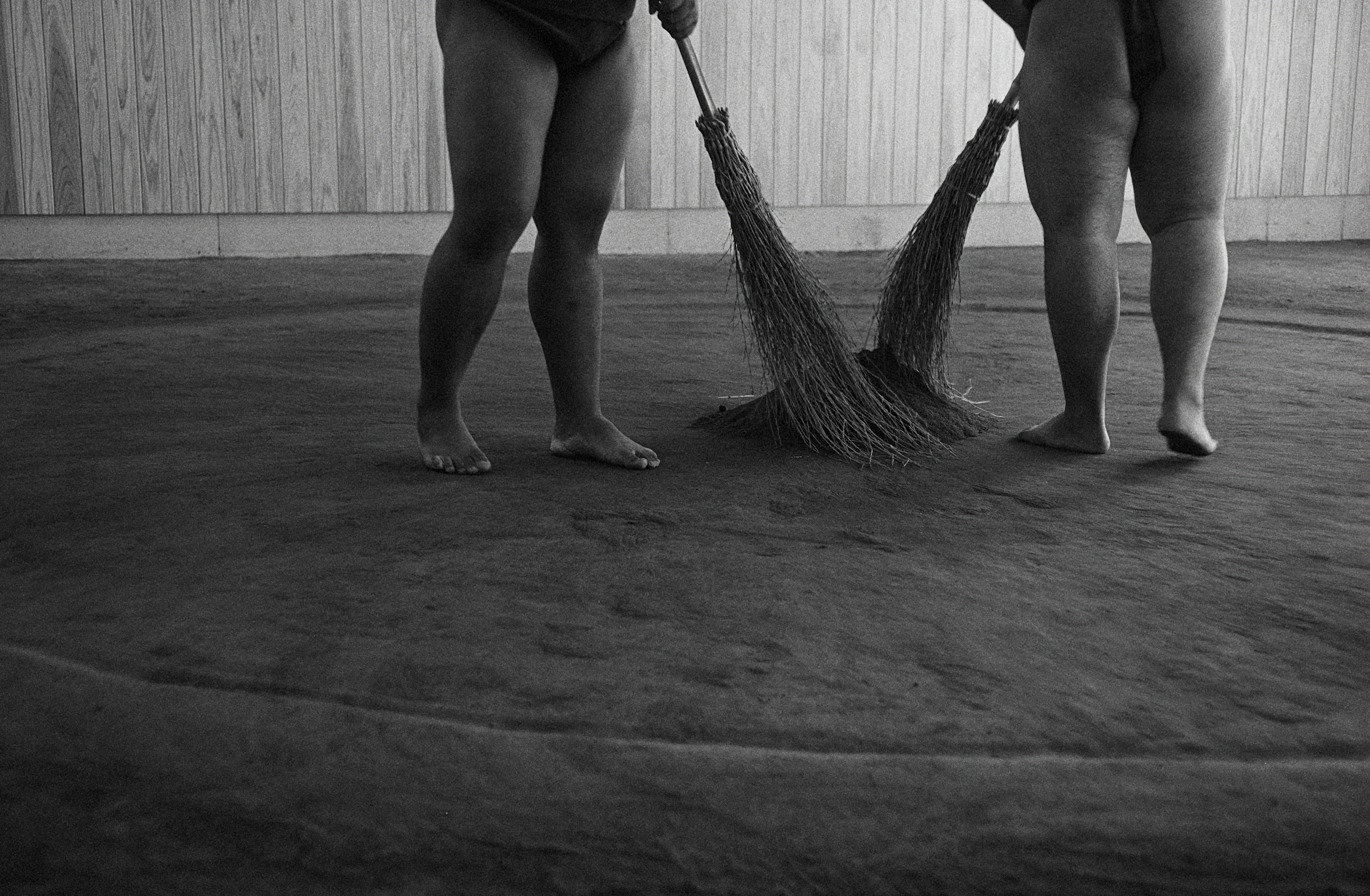
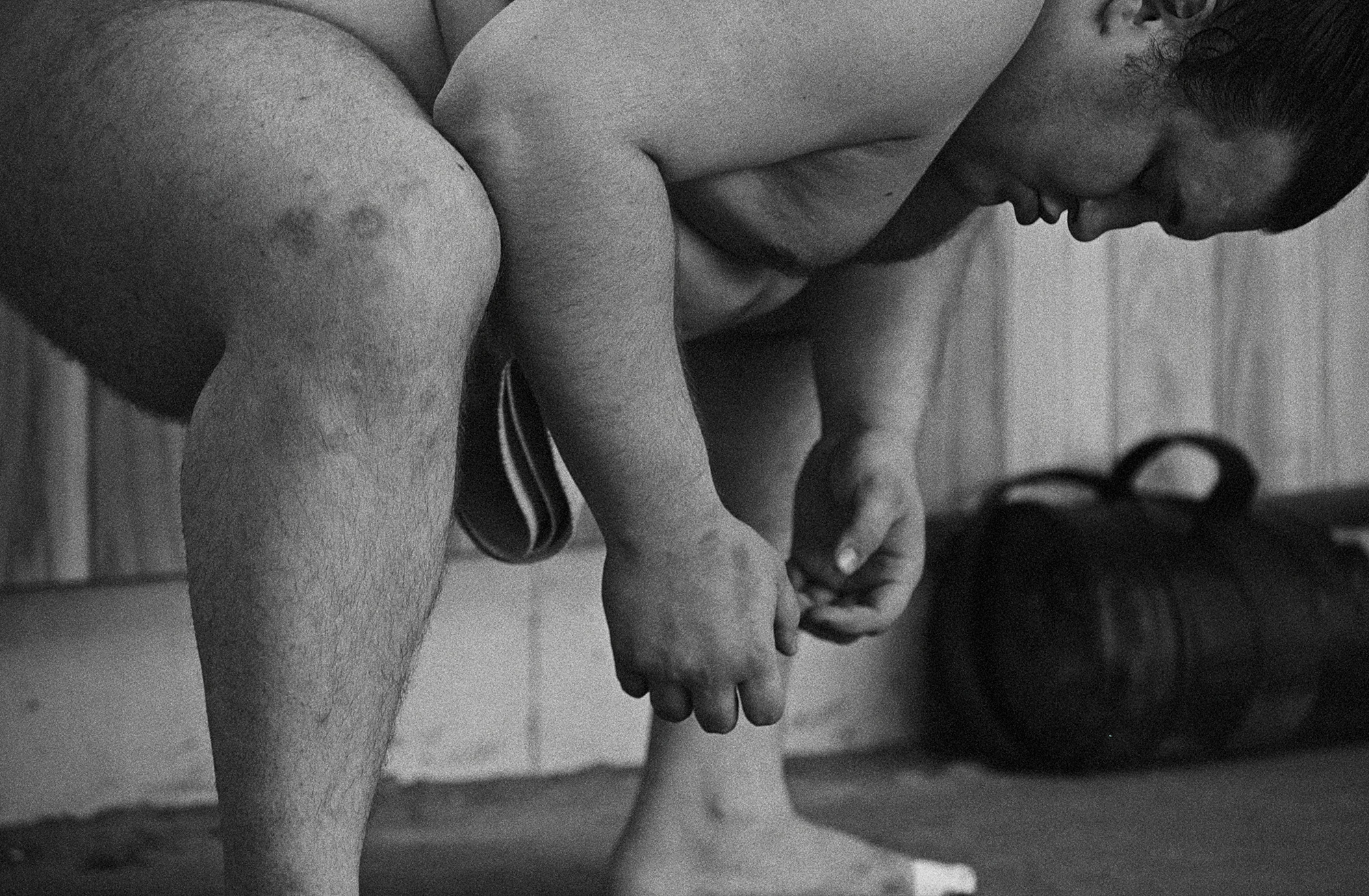
“My instinct is often to be quite narrative,” says Langenheim. But for this story, access made that difficult. The Sumo Association is famously rigid in their treatment of foreign journalists. A 2019 article in The Japan Times notes how writers and photographers from major international newspapers are often denied special treatment; they are told to buy a ticket and take photos from their seat. In recent years, though, governing bodies have been acting to popularize sumo internationally. The Grand Sumo Tournament held at London’s Royal Albert Hall last year—only the second time in sumo’s 1500-year history that the tournament has been staged outside Japan—was part of this move.
Langenheim was able to shoot the stables, but not the wrestler’s lodgings, or his routines outside of the ring. The association limited him to one master interview and training sessions. “It’s a bit like writing a sonnet,” he says. “You’re limited by a very formal structure, but that limitation can make you more creative.”
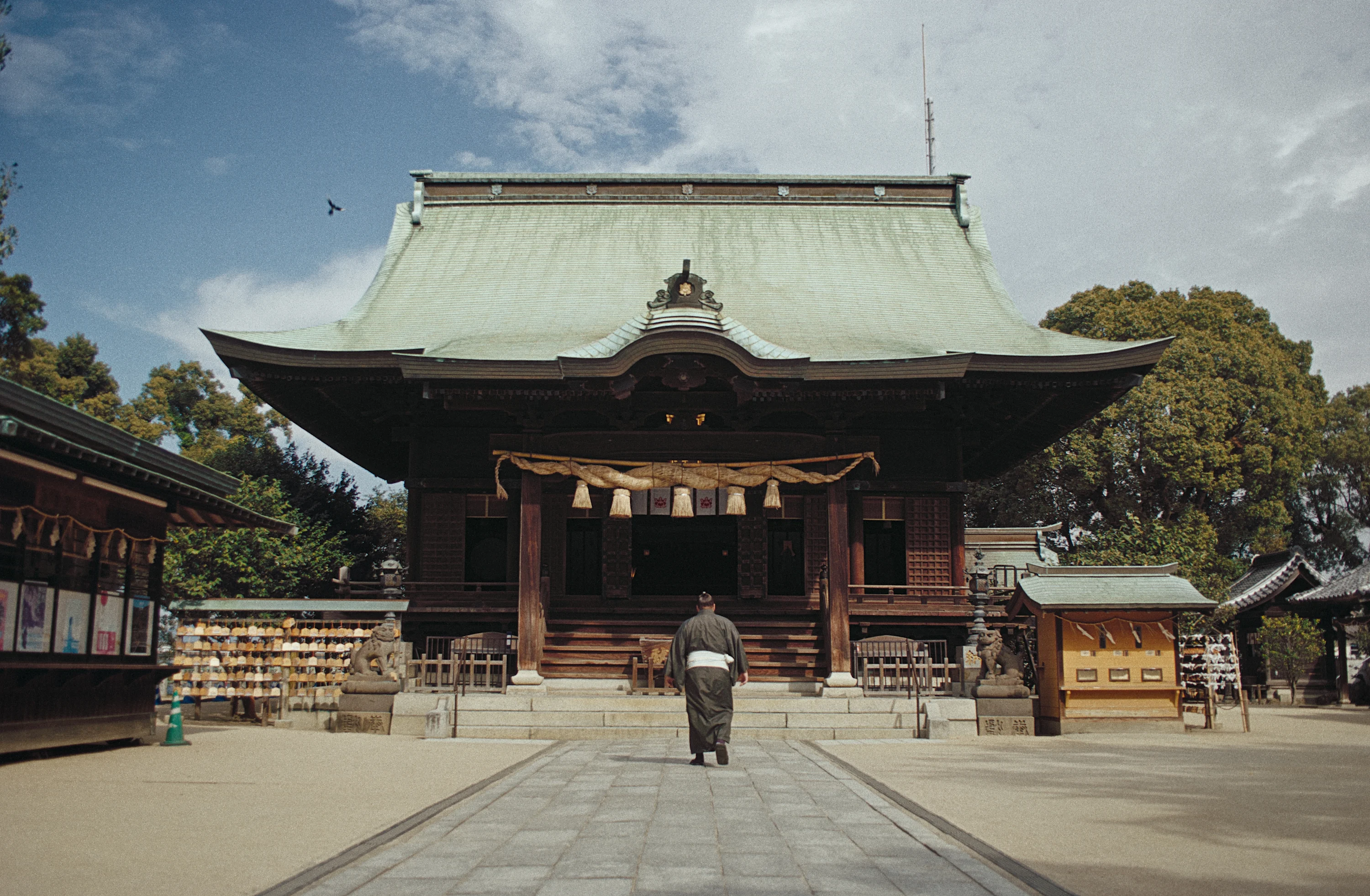
Back in London, Langenheim passed the footage over to editor Tommaso Di Paola, who began to piece together what would become a more “tactile, artistic and emotional” expression of the story. “When I saw the footage, the training felt like giants fighting each other,” says Di Paola. “Sumo is a well-known sport—you know they eat a lot, that they train a certain way, and so on. What I found more interesting was the contrast in the sport… As soon as I put the first shot of the temple under a strong electronic track, it felt right.”
The score was composed by Matteo Tronchin using an analogue synthesizer, adding to the immersive and textural quality of the film. It swells and dips, mirroring shifts in intensity—between the soft swish of sand in the dojo and visceral shots of the wrestlers foot stomping.
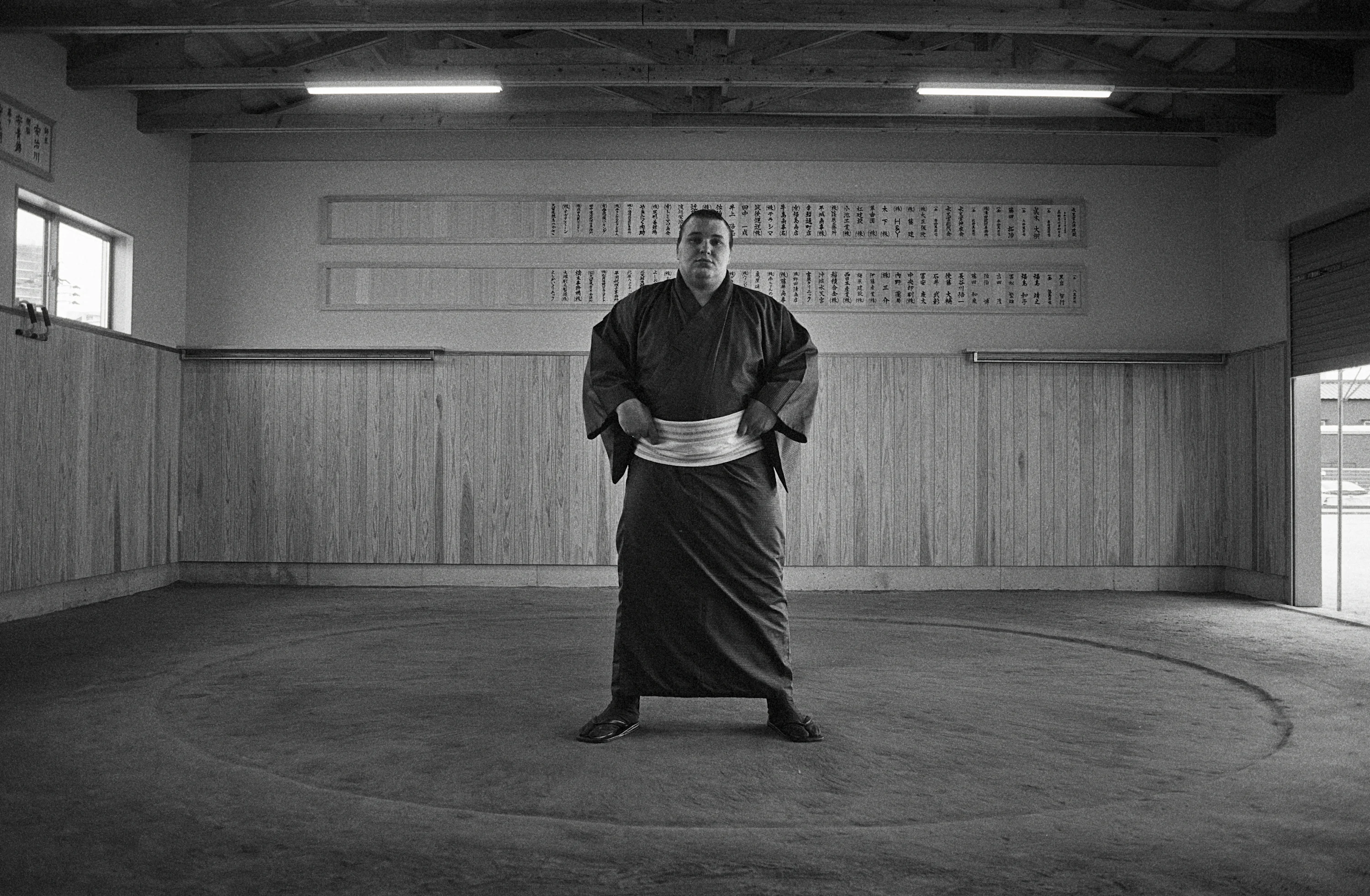
What he’s doing is unheard of.
“Duality is built into the film in lots of ways,” says Langenheim. “Danylo’s dual identities, his sense of exile, but then finding security in the hermetic world of sumo.” Danylo expresses an unyielding determination to win, but he is also motivated by wanting to help his parents, who work as cleaners in Germany. These dualities guided the edit, driving the various crescendos and dips, including Danylo’s emotional side and the heavy weight of pressure to succeed in a political sport ultimately driven by money. “It’s clear how hierarchical sumo is, especially for the lower ranks,” says Langenheim. “On one hand you’ve got the peaceful Shinto side of it, but there are also very rigid hierarchies.”
Sumo’s ranking system means that a string of losses can see wrestlers plummet several rungs down the ladder overnight. It is only the yokozunas—the highest rank in professional sumo—that are exempt from demotion. “It is brutal, but sort of a reflection of what can happen in life,” says Langenheim. Only 75 wrestlers have ever made it to yokozuna status in the history of the sport, but for Danylo, the top spot is well within reach. “I want to make my father and mother’s lives easier,” he says in the film. “I want to become yokozuna”—the one rank where you can’t lose it all.