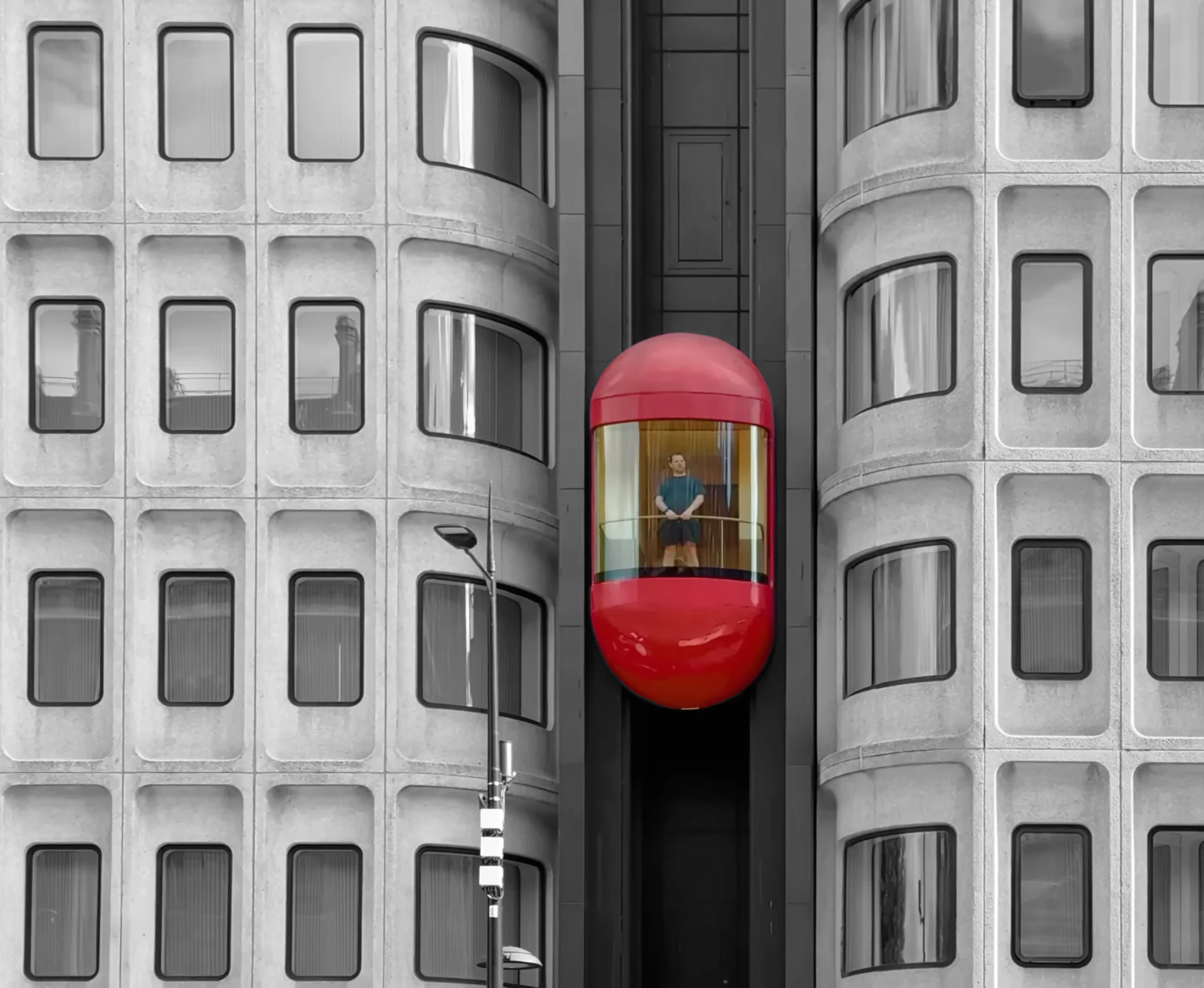
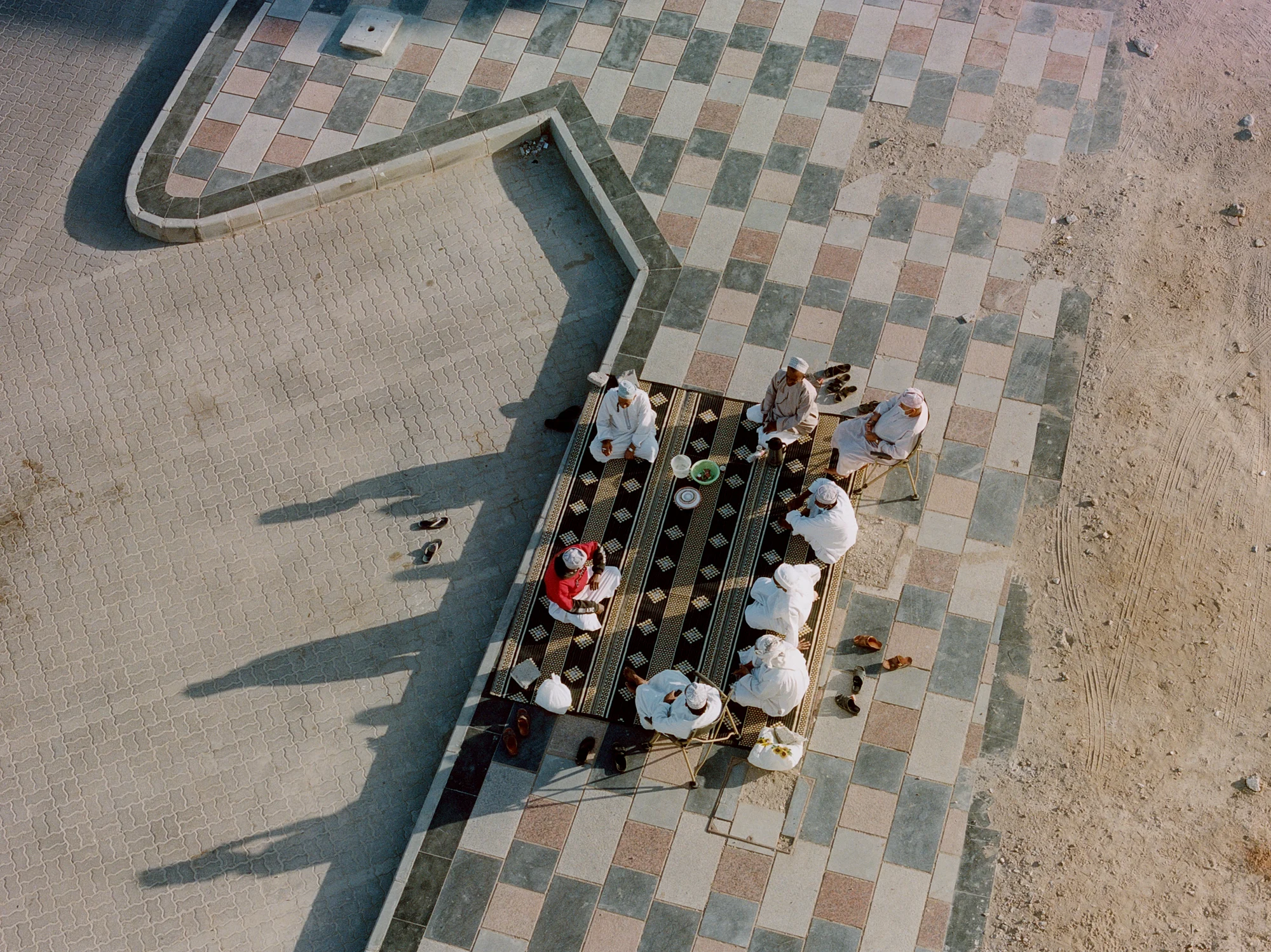
Growing up in Türkiye, Olgaç Bozalp would rarely use his middle name, Mustafa. His family weren't very religious people, and the name had always seemed too old-fashioned to him. It was only when he visited more Islamic nations that he began to embrace it, noticing how it created an immediate connection with those he met. His new book, “Mustafa,” features photos taken across 14 Islamic nations over the course of 10 years—from Egypt to Lebanon to Oman—a journey of self-discovery that opened his eyes to all the aspects of himself and his roots he had once rejected. He tells Joshua Thermidor how each of these photos helped him to connect with his name, his people and himself.
“Mustafa,” is available to pre-order via Guest Editions.
Olgaç Bozalp’s new book of photographs, “Mustafa,” greets you upon entry. “Selamunalaykum,” it says in Turkish, “my name is Mustafa.” A translation of the Arabic as-salamu alaykum, “peace be upon you,” the phrase is customary for all Muslims across the world. It bridges every culture and language, binding those who would otherwise think themselves strangers. As the book’s opening gesture, it invites viewers to see the photographer's journey across 14 South West Asian and North African nations between 2016 and 2026. Through vibrant color and delicate portraits, “Mustafa” is an adventure across lands, and a photographer’s reconnection with a self he thought he had forgotten.
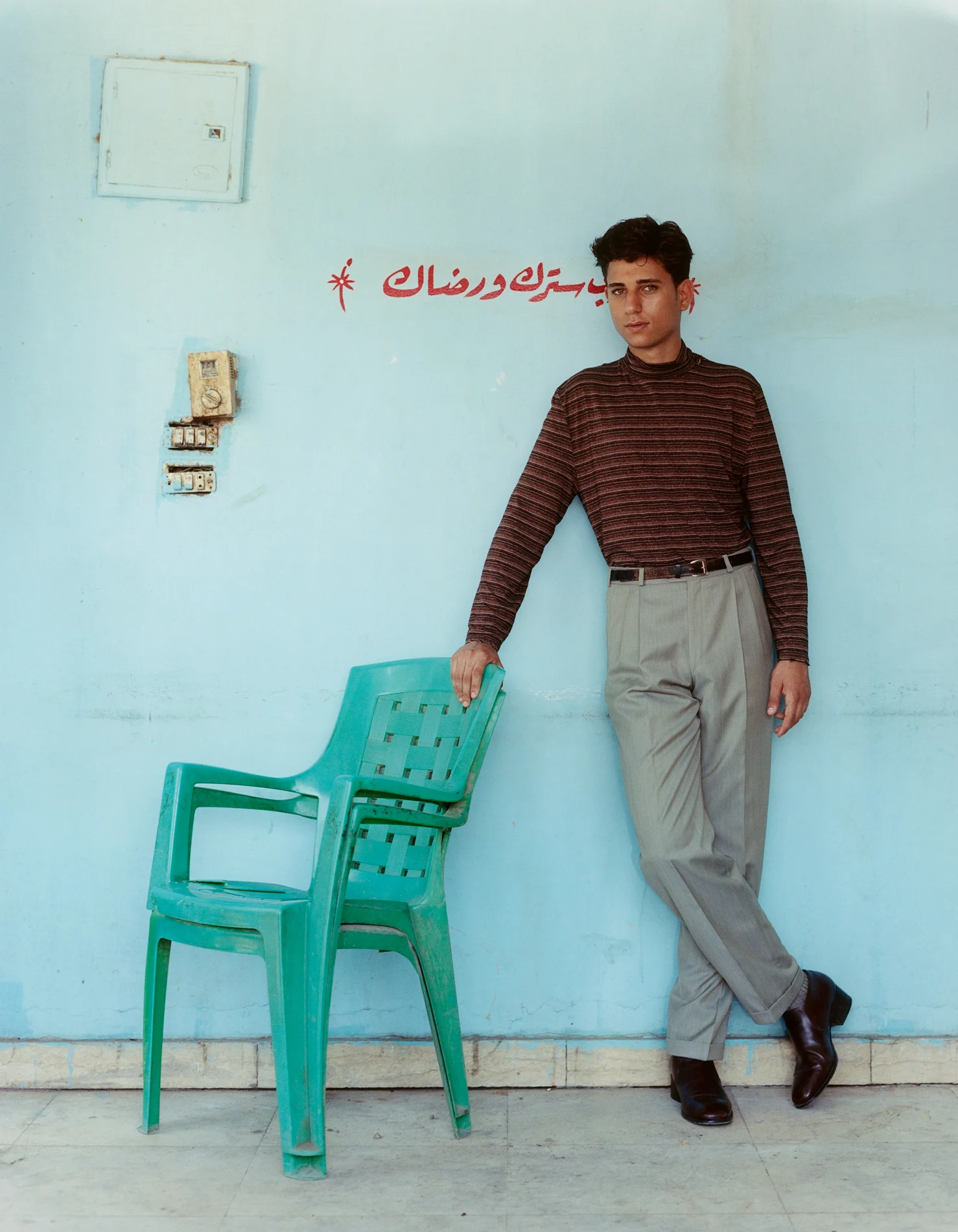
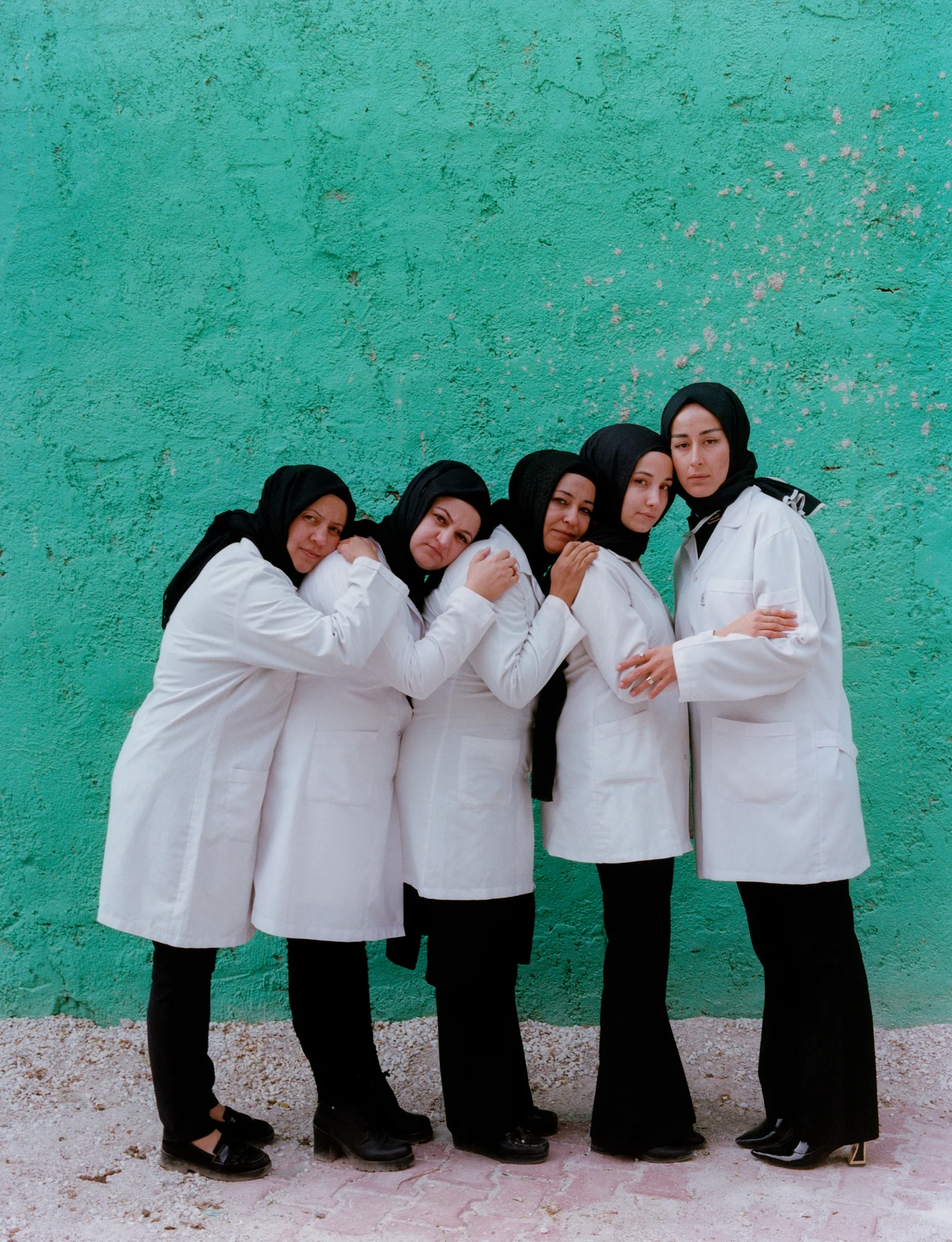
“I left Türkiye 20 years ago and every time I go there, I really feel more and more that I lost the connection,” Bozalp says. Born in Konya to a Muslim family, Bozalp’s middle name, Mustafa, originally belonged to his late grandfather. Despite its familial origin, it’s not a name he felt particularly connected to. Bozalp describes the Türkiye of his youth as trying to become more Westernized, continuing with the modernization begun under their first president, Mustafa Kemal Atatürk, who was first appointed in 1923 and held the role until 1938.
“My family weren't very religious people, and in a way, the name was a bit religious and old-fashioned,” Bozalp says. “I never ever used it until I traveled to these countries.” This sudden immersion in the region was starting to reveal a new relationship with his long rejected middle name. Both name and greeting became an essential touchstone in establishing relationships. “I realized that whenever I went to all these places, I was Mustafa,” he says. “This is Mustafa’s book.”
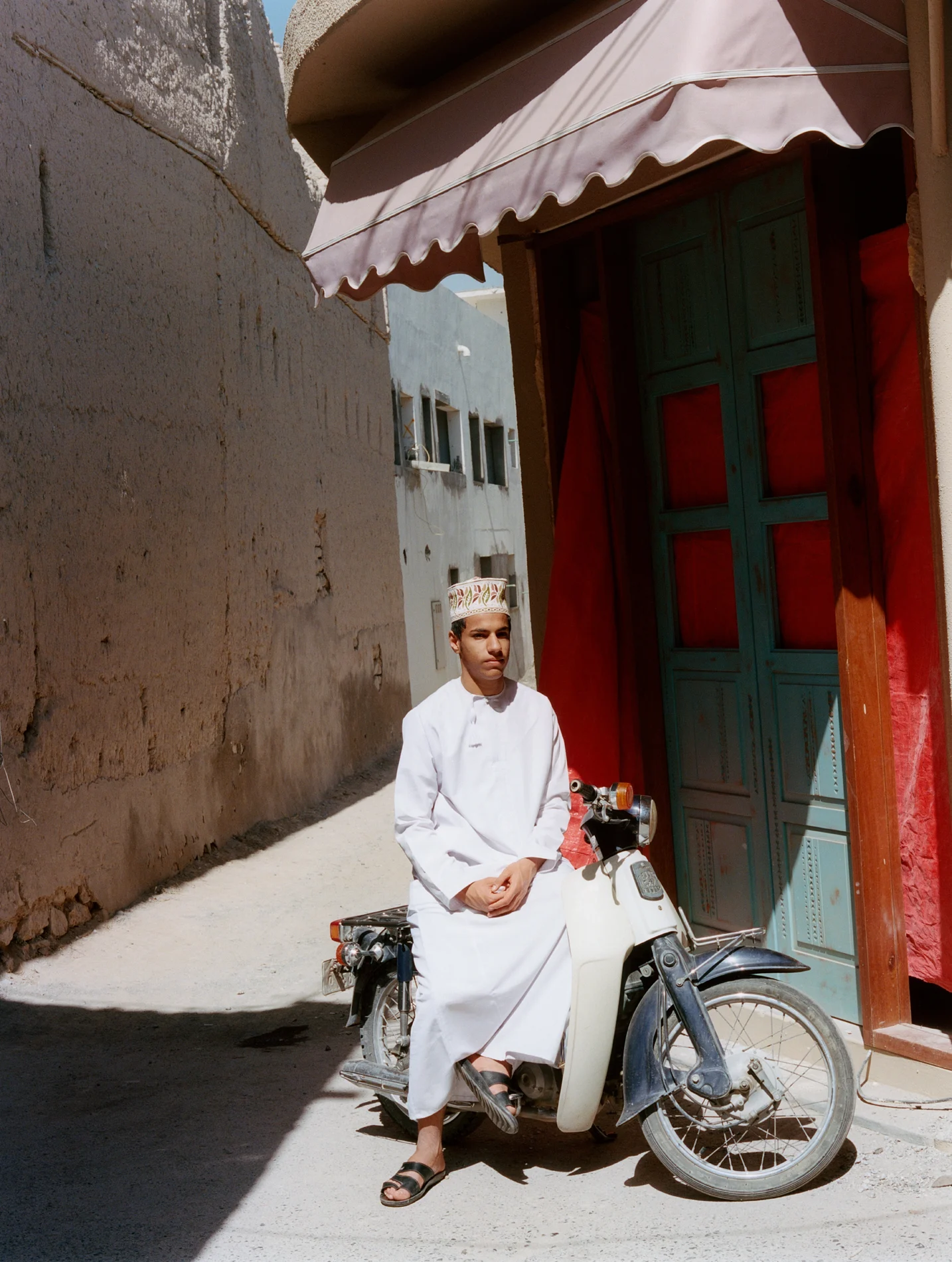
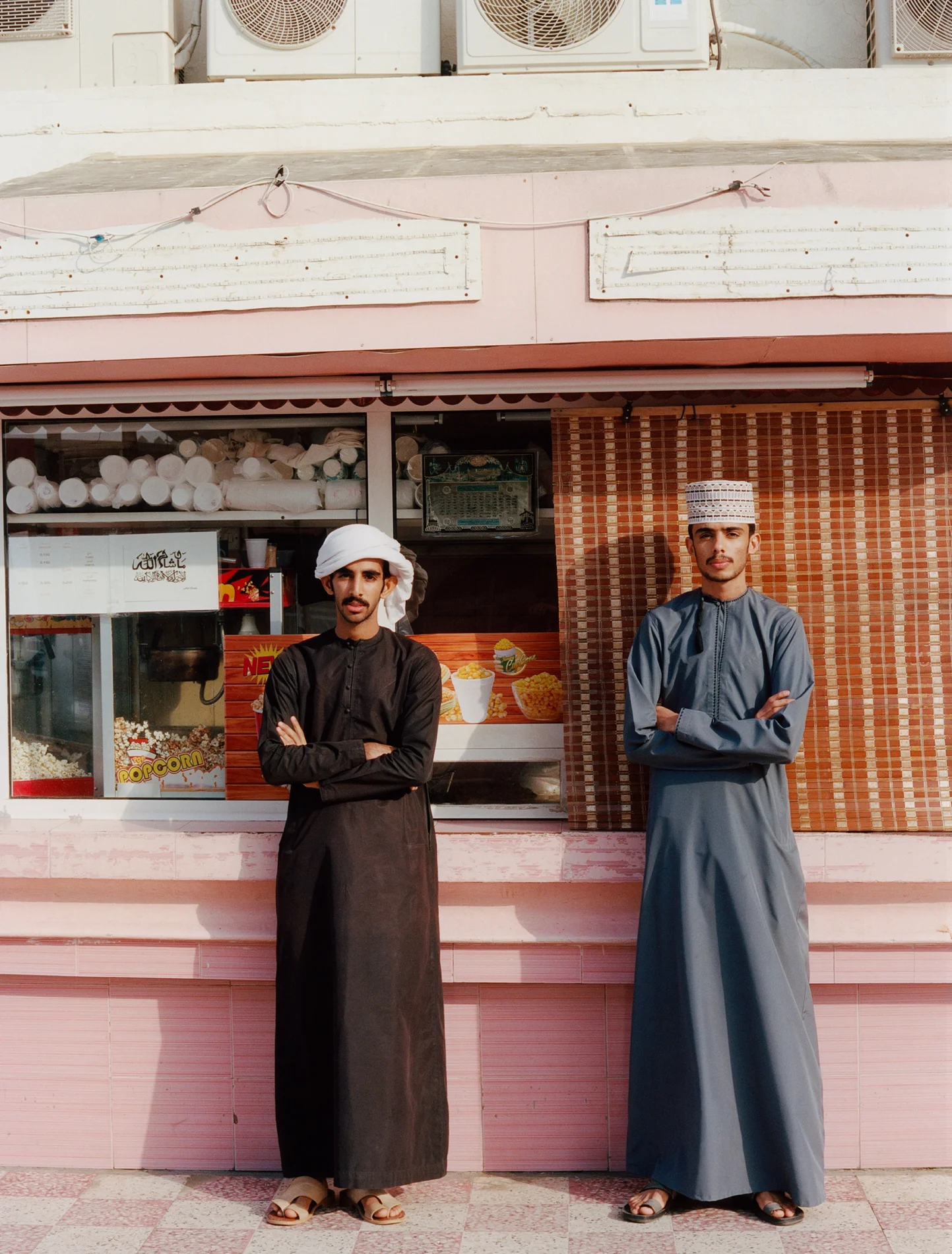
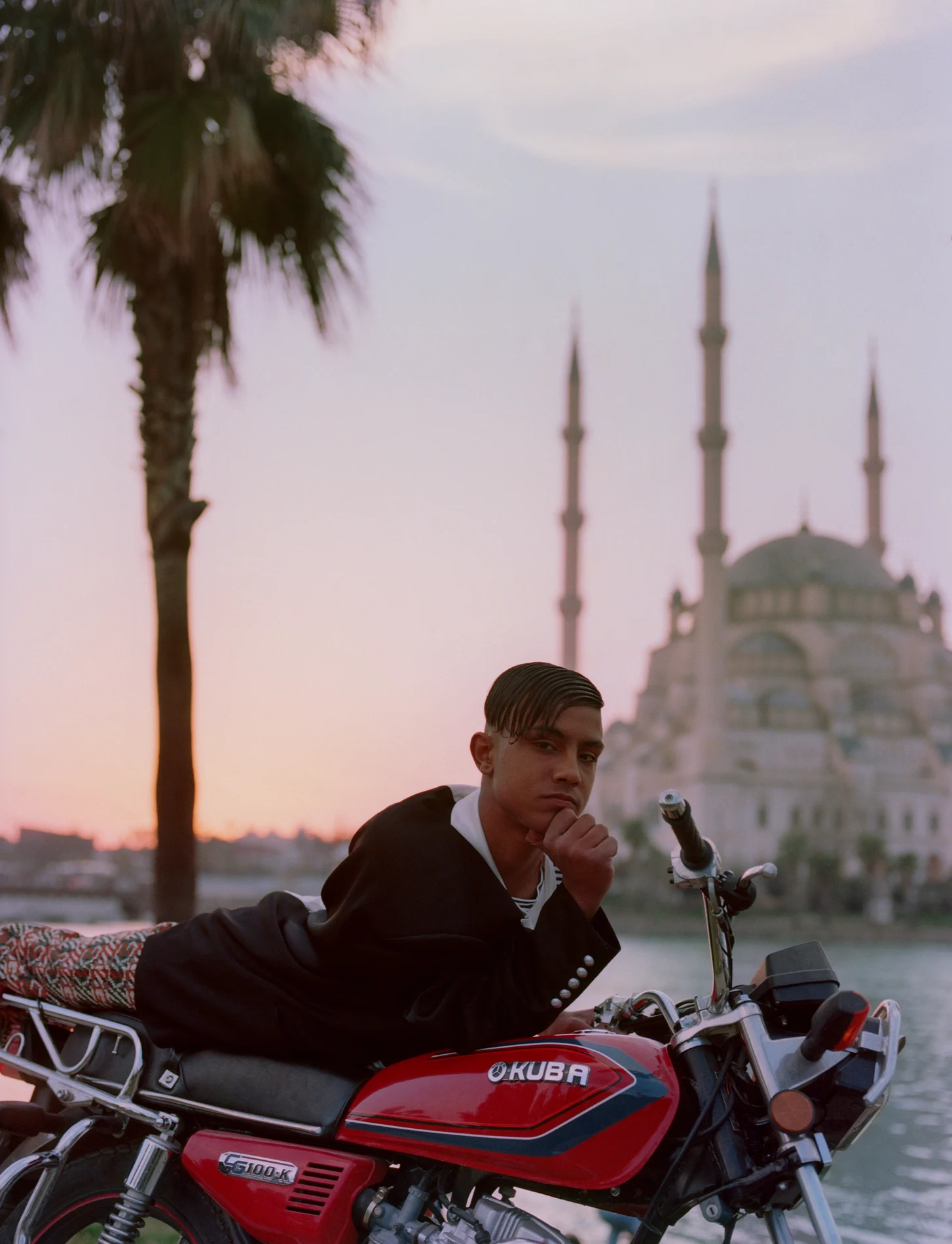
I realized that whenever I went to all these places, I was Mustafa. This is Mustafa’s book.
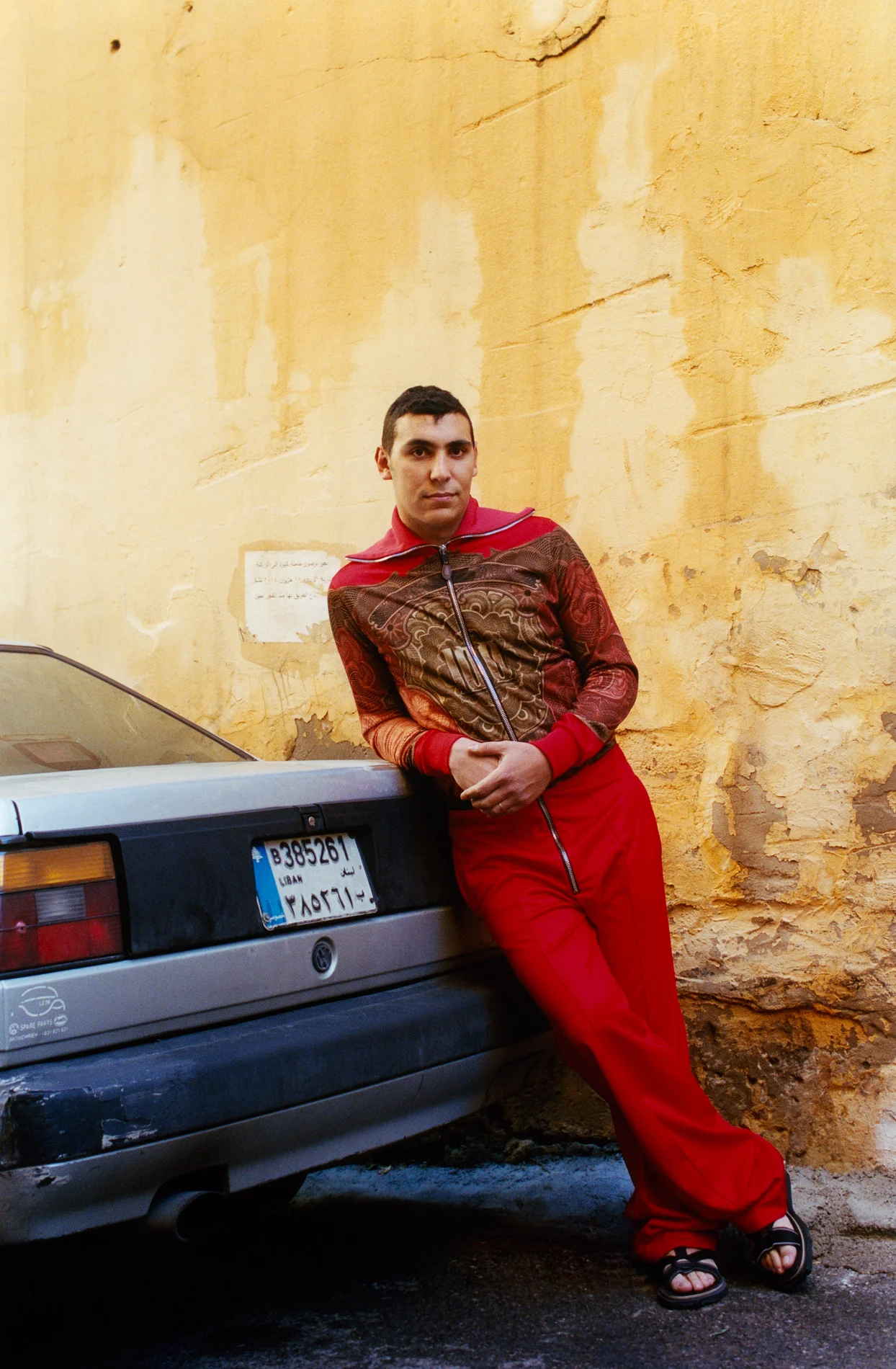
Published by Guest Editions, “Mustafa” is alive with the daily beauty and idiosyncrasies of—among many other regions—the Levant: in Jordan, a man works on the undercarriage of a Mitsubishi L200, his striped turquoise and green garment countering the sand; in Lebanon, a young man dons a red tracksuit and rests an elbow on the trunk of a silver sedan, the wall behind him a yellowed patina; and with crossed arms, a person holds themselves, their surrounding garden punctuated by pinks, dense greens and the subtle warm tones of a day just beginning in Palestine. Even without human subjects, Bozalp imbues his frames with quiet mystery.
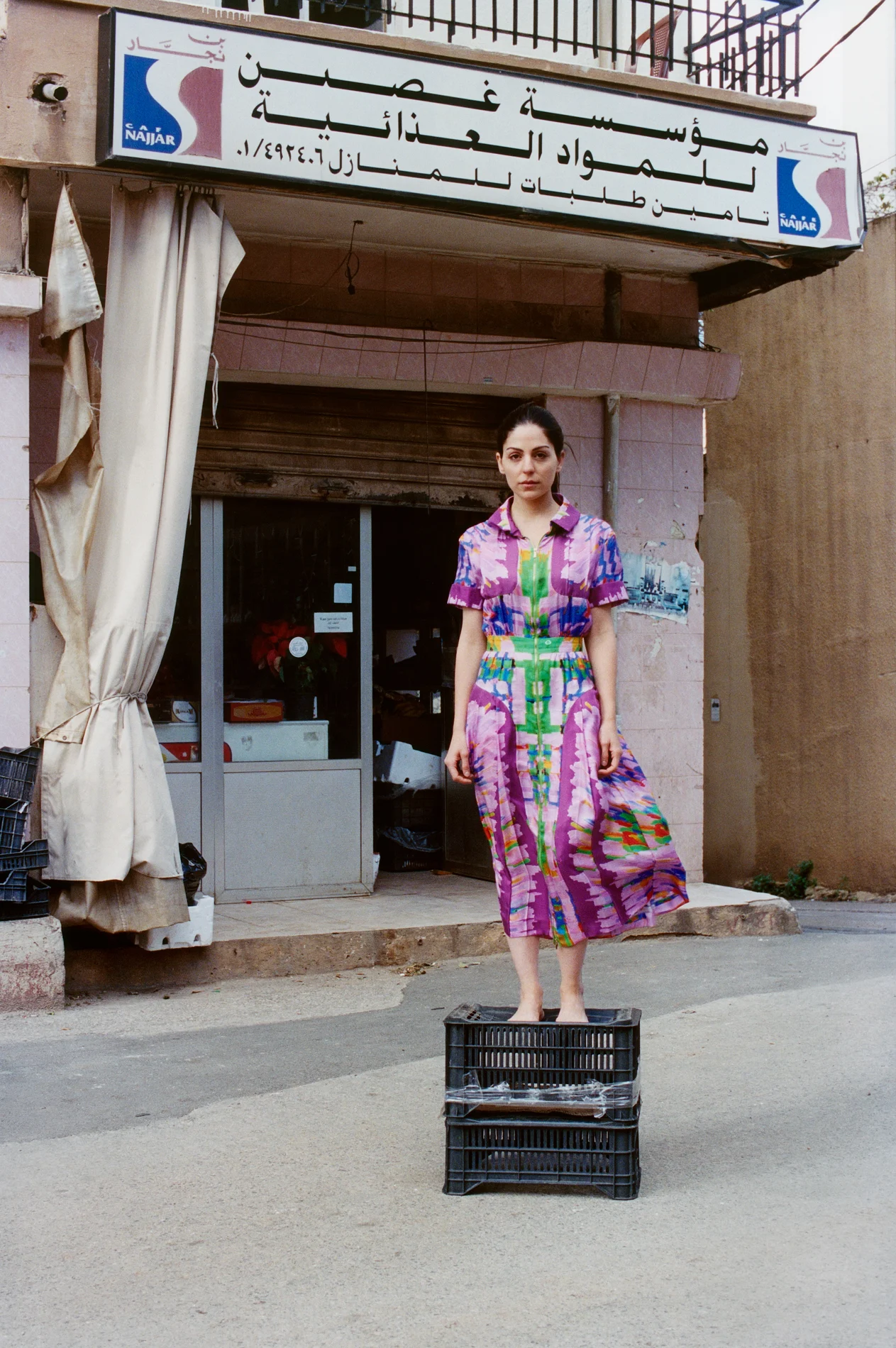
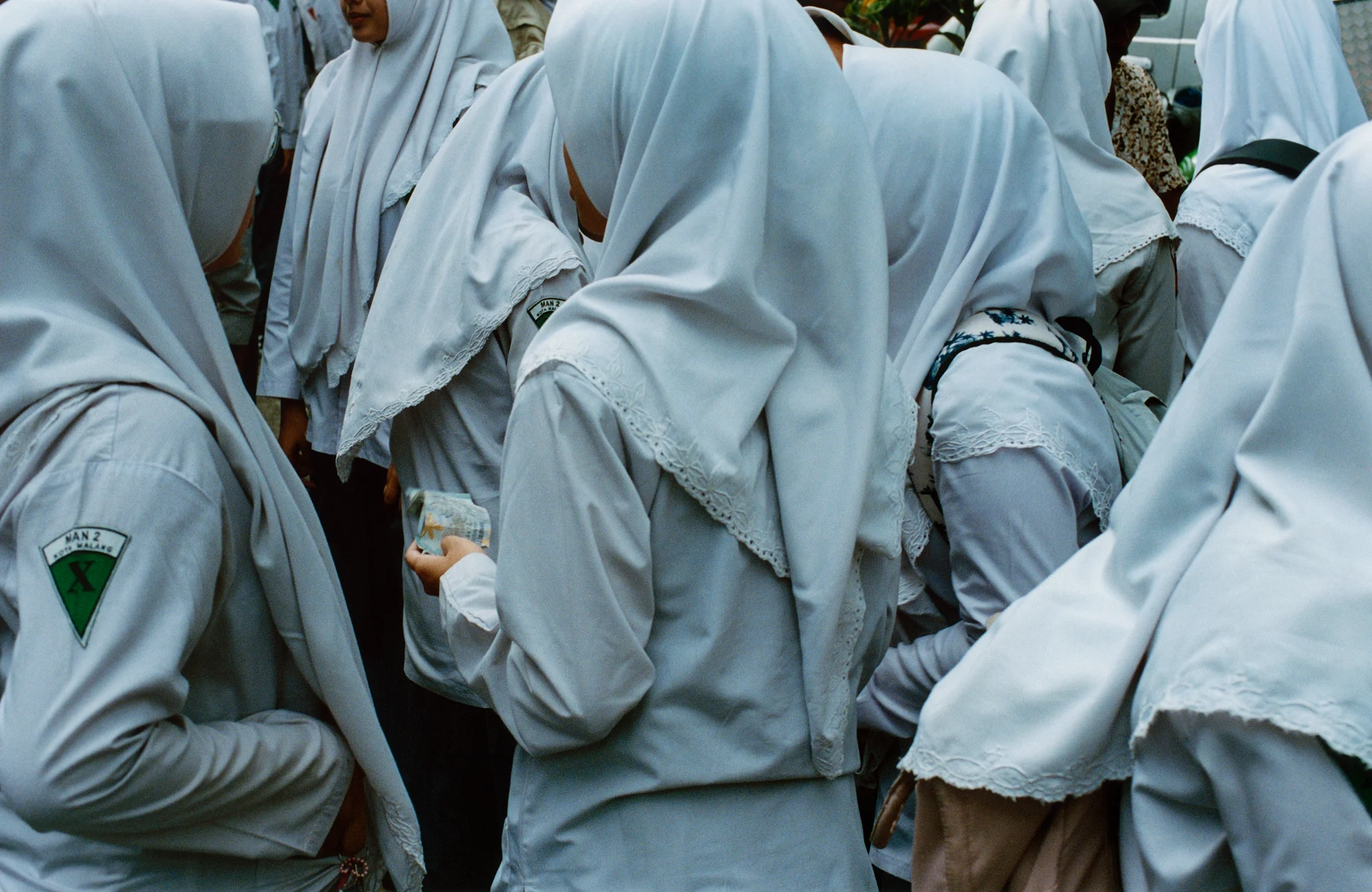
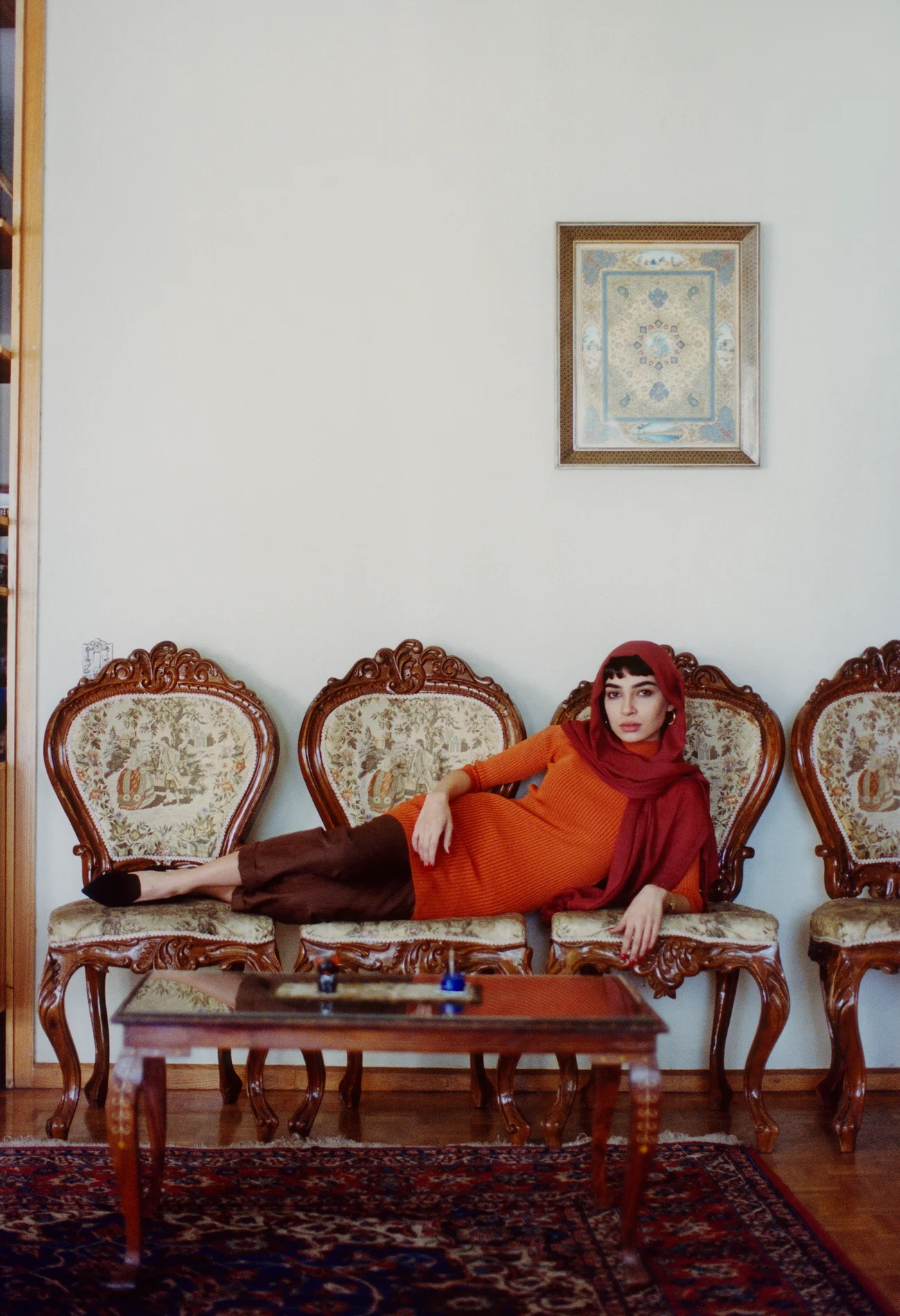
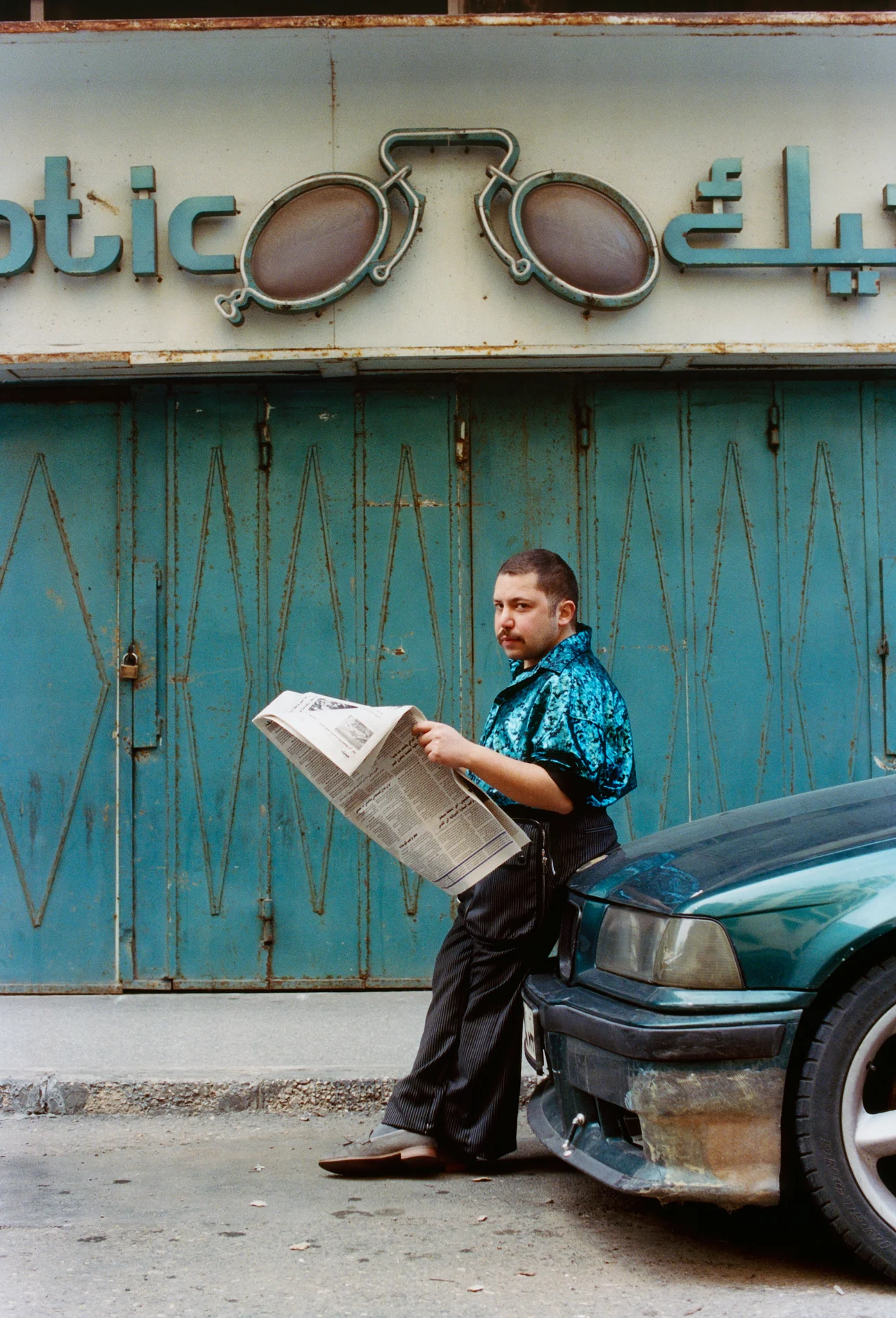
Although his central focus has always been documentary photography, fashion provided Bozalp access to the countries he wanted to photograph, as well as an eye prepared to see their fullness. Working as a fashion photographer between the sprawling metropoles of New York and London, he thought his success would be tied to Western subjects. “When I moved to the UK, I was really trying to photograph famous models and celebrities,” he says. “I thought if I photographed these people, I could build a career based on their careers.”
He soon realized this pursuit wasn’t genuine, and grew increasingly frustrated at the insistence of Western beauty standards. “We never really saw Iranian or Saudi girls in campaigns in the West, but London and New York are very multicultural societies,” he says, “and that was actually the biggest thing that pushed me to include the region and people that are familiar to me in my work. To challenge the Western way of beauty.”
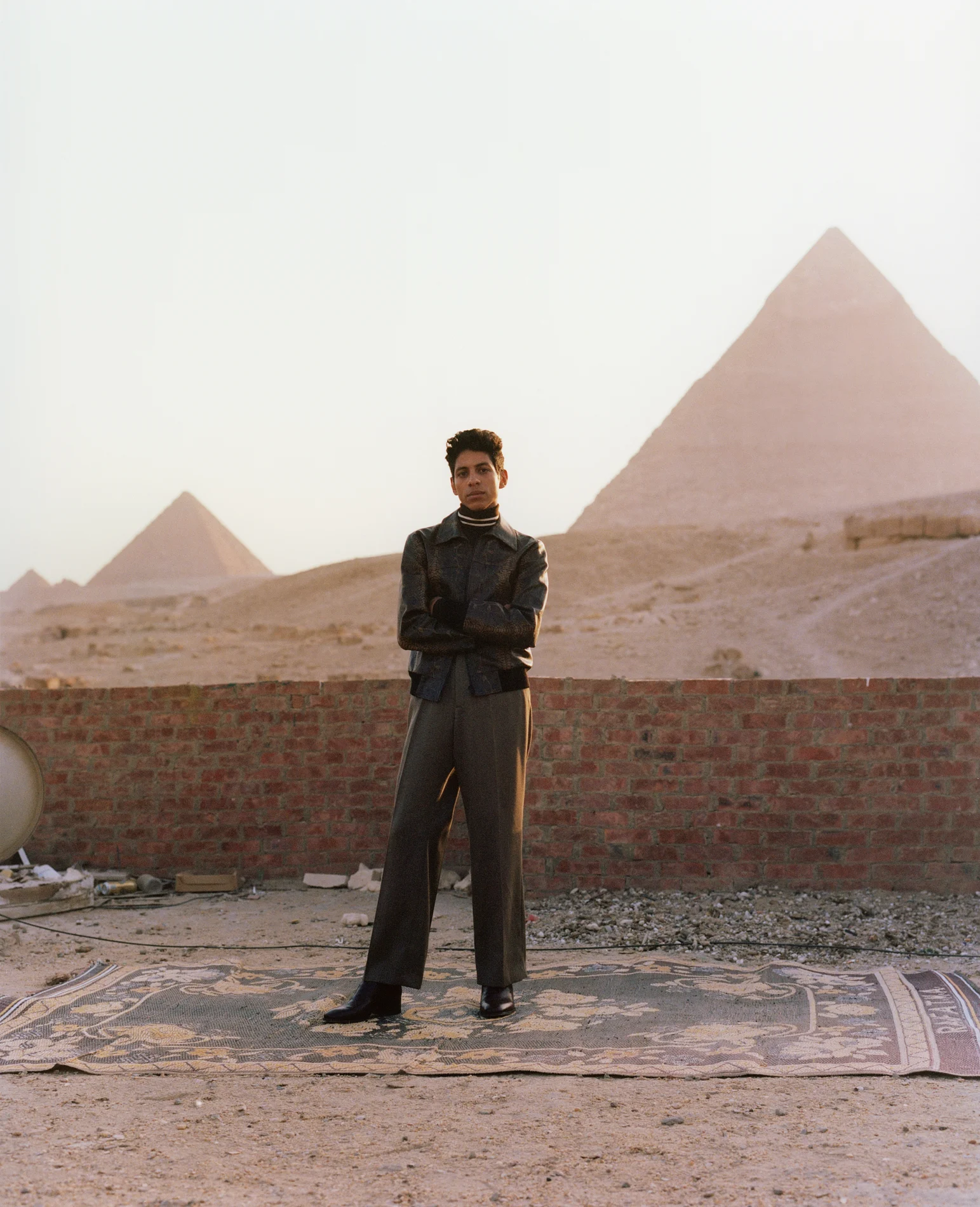
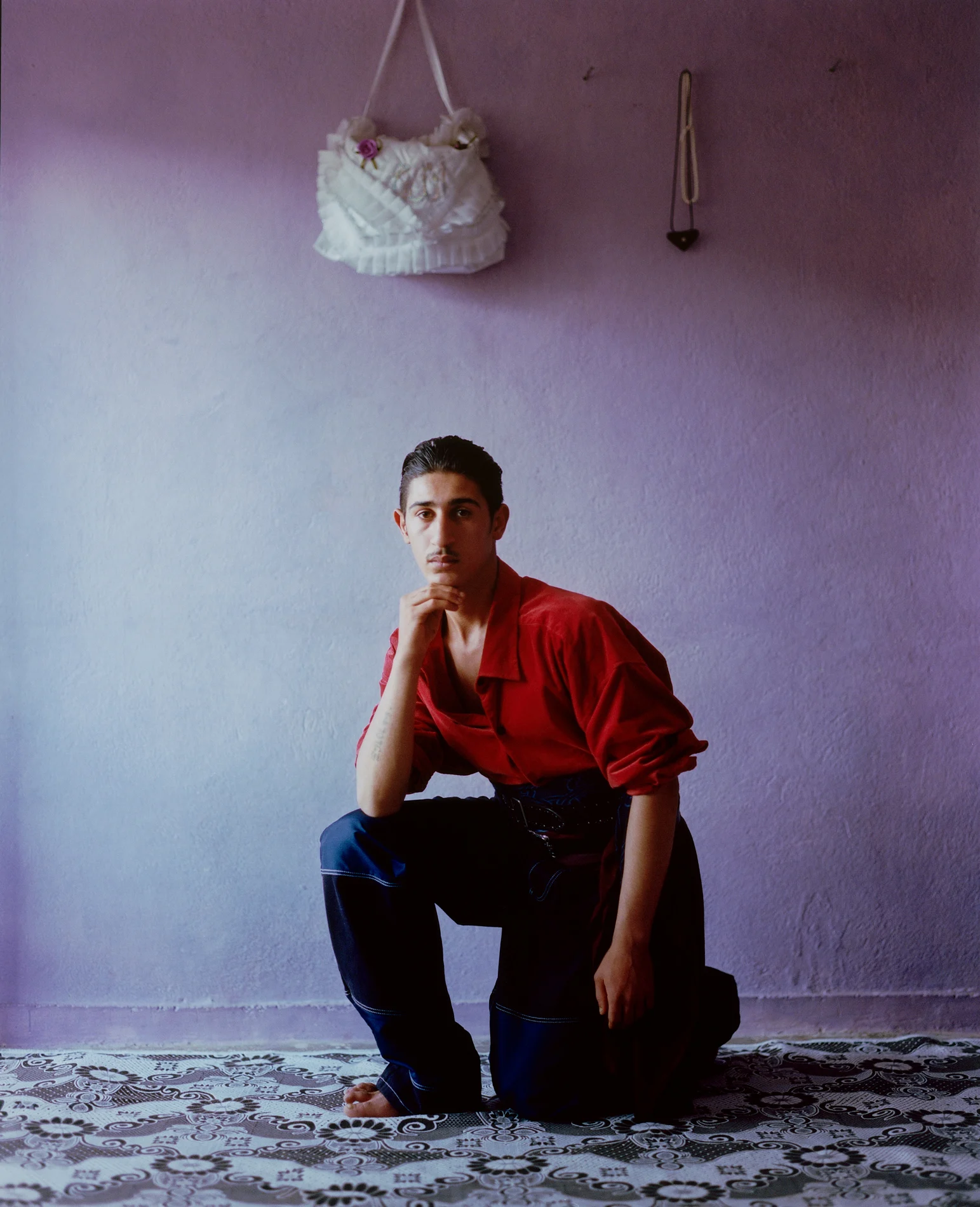
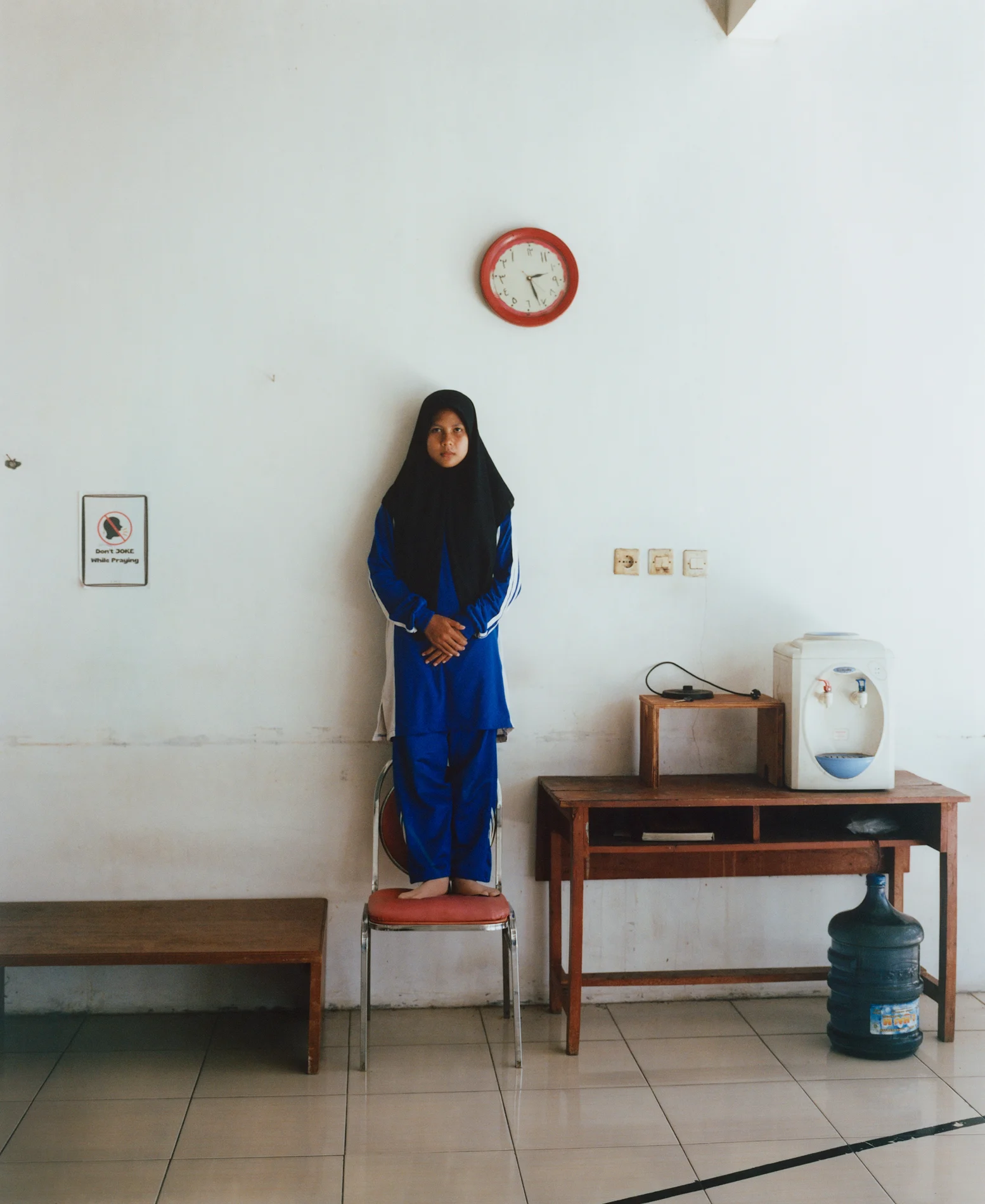
All the things I rejected made me alive to my connection with myself and people.
Traveling to make “Mustafa” has challenged Bozalp’s perspectives. “If you live in an environment, you believe in a certain truth,” he says. “It really helped me to be more okay with who I am. If you’re a Christian photographer, and you go to Poland and say ‘I am also Christian,’ they don't give a shit,” but journeying through these 14 countries, “if you say ‘as-salamu alaykum, my name is Mustafa. I'm from Türkiye,’” the dialogue changes and there is an immediate closeness, he notes.
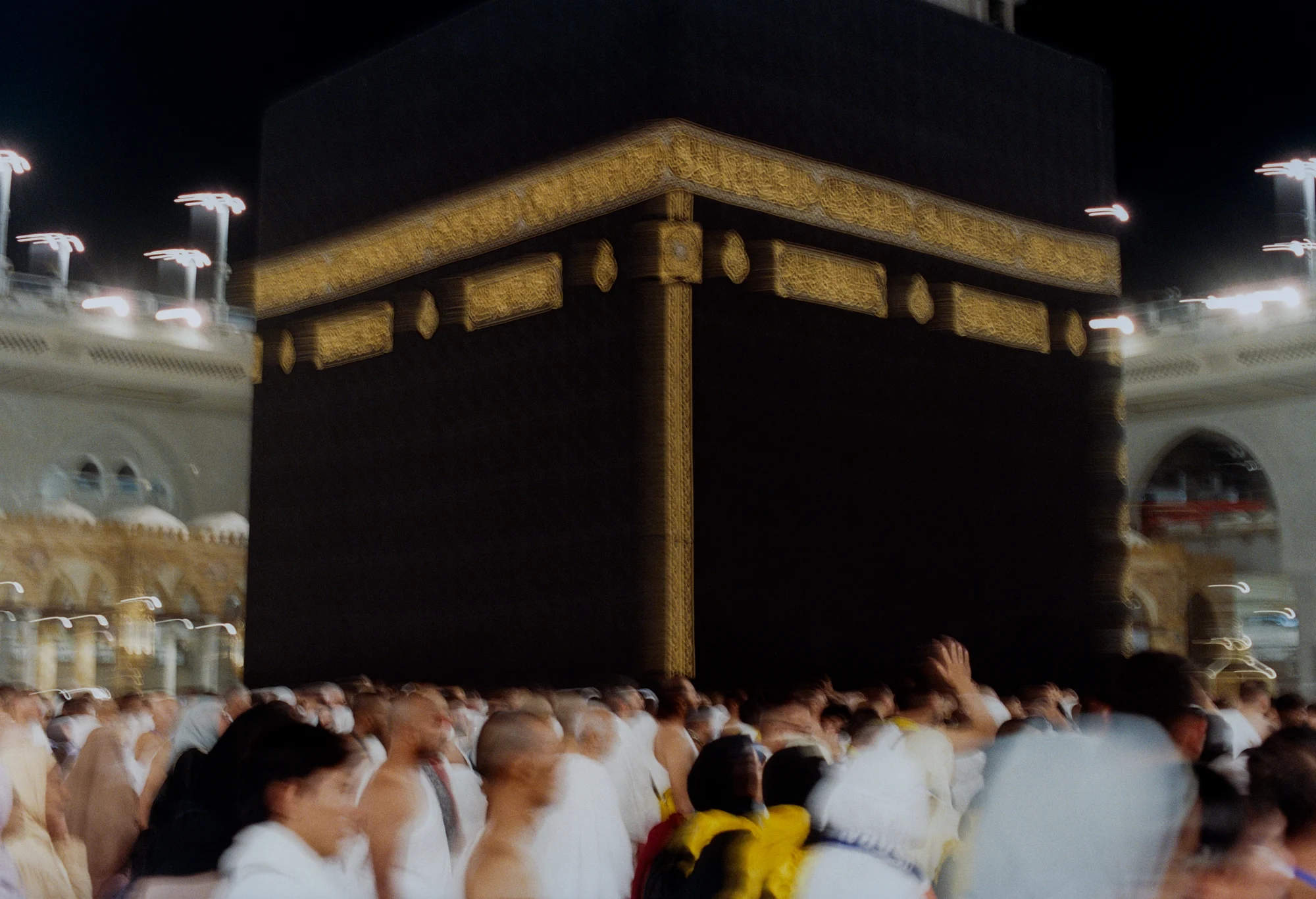
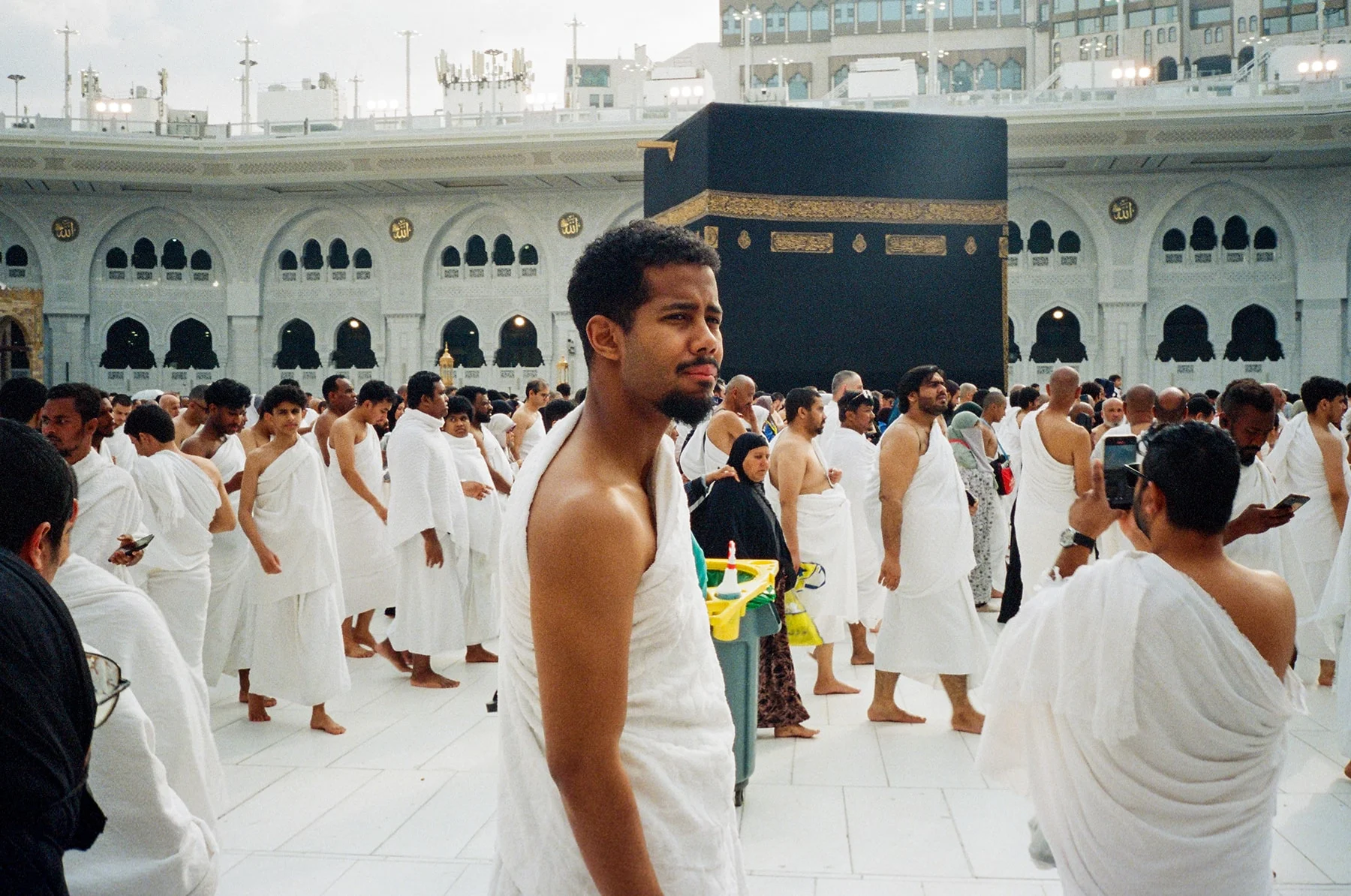
That closeness is perhaps most present in Bozalp’s image of the Kaaba in the holy city of Mecca in Saudi Arabia. Blurred by the world’s Muslims circling Islam’s holiest site, the image reaches out to those who know to reach for it. It is the ultimate point of convergence in the region, as well as the religion. It is the image of a practitioner coming to terms with his mask, his name. “All the things I rejected,” Bozalp says,“made me alive to my connection with myself and people.”