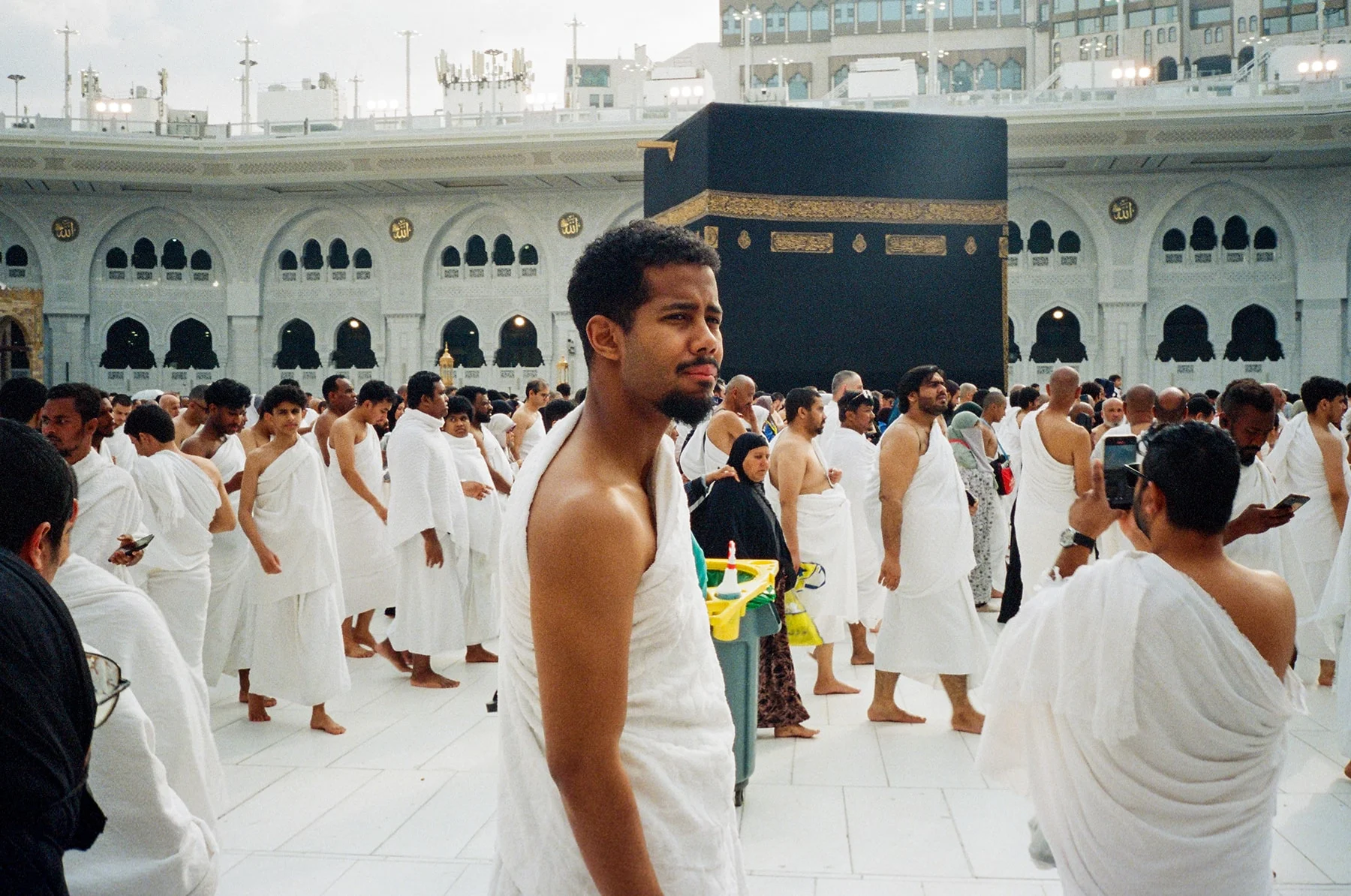
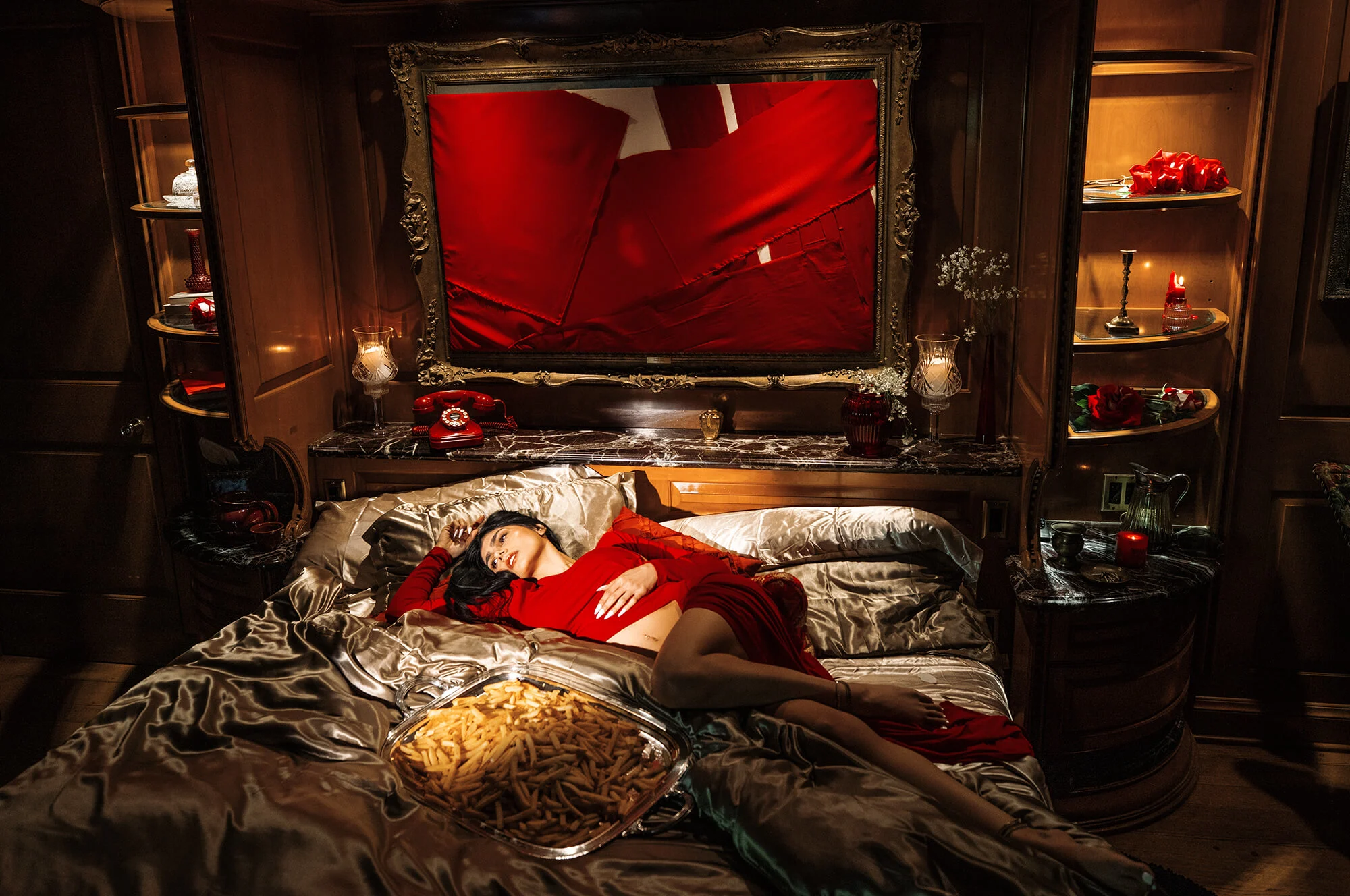
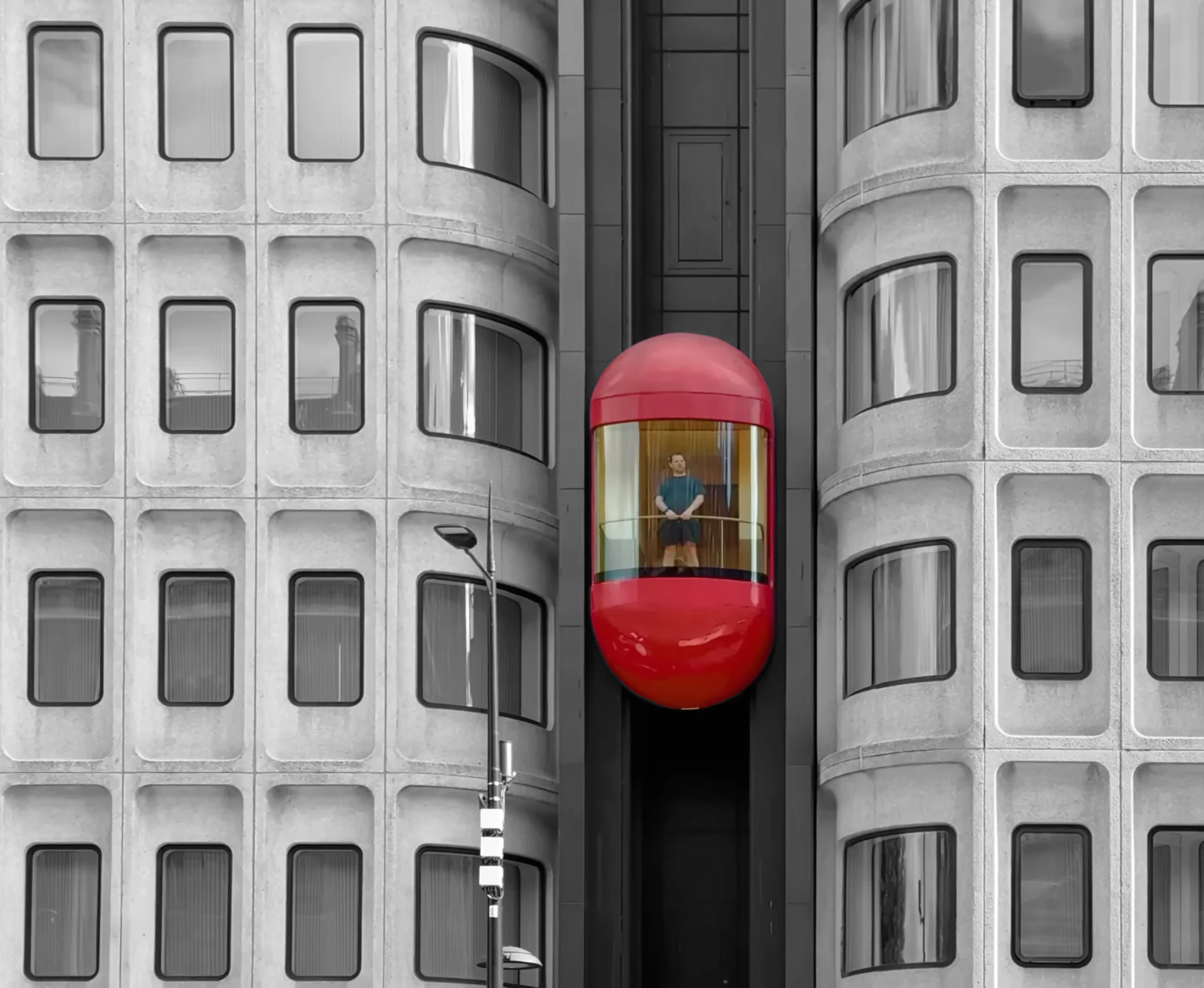
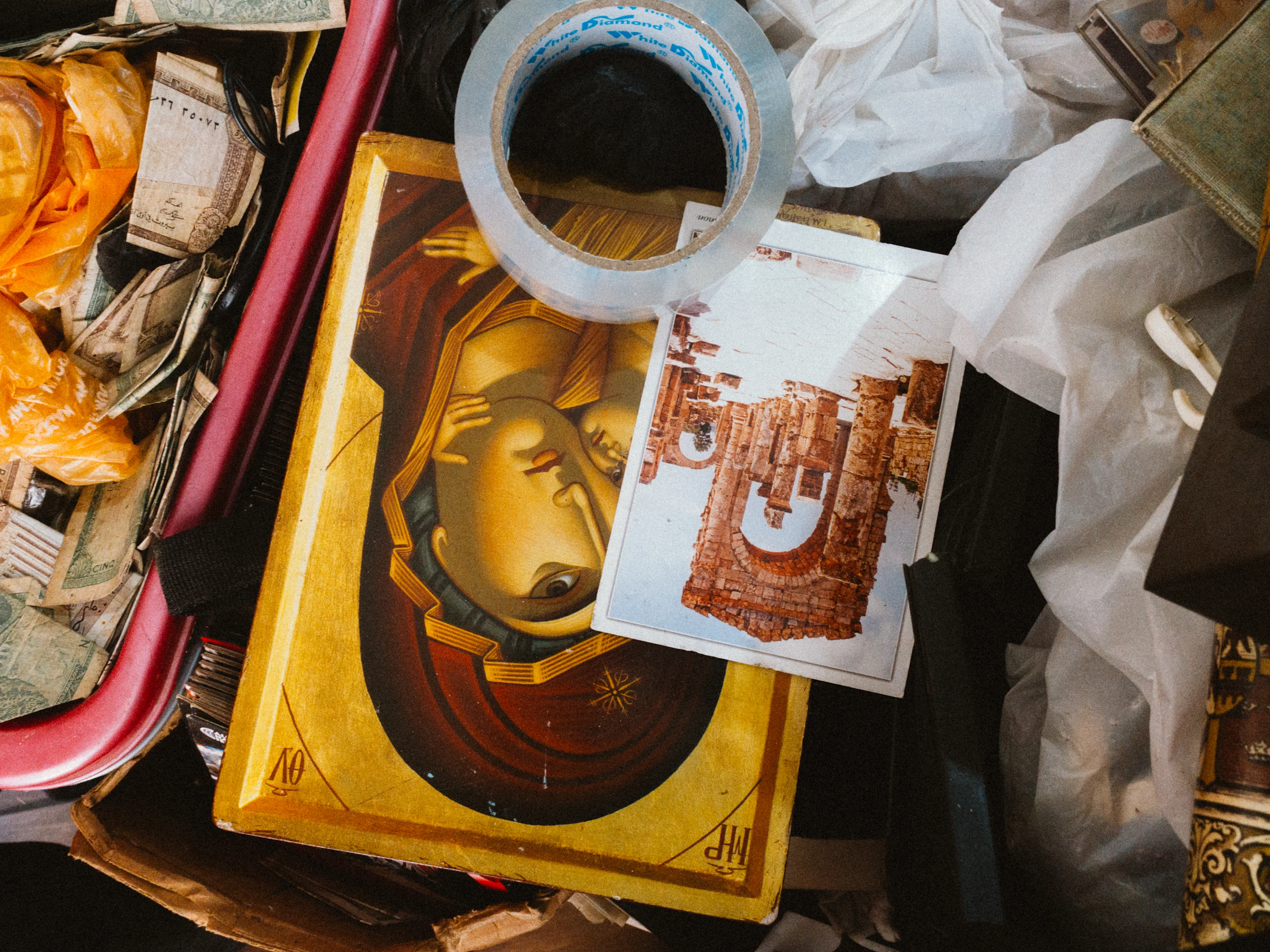
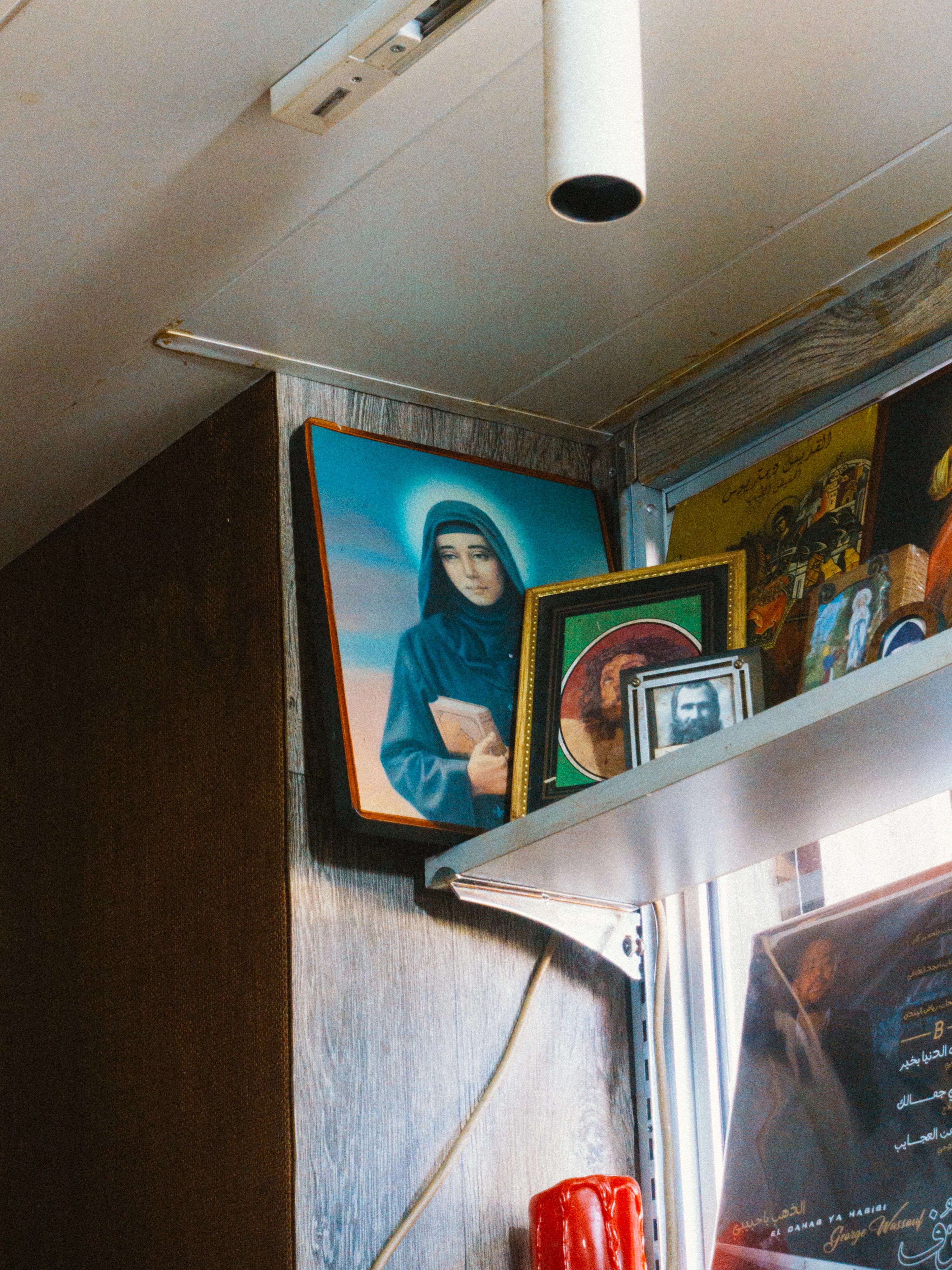
Religious iconography attempts to give material form to something beyond our comprehension, and there’s something striking about these depictions of the transcendent ending up in the mundane corners of our lives—sitting on a shelf, a car dashboard or on a computer wallpaper. In “Our Gods Are In The Details,” photographer Dahlia Dandashi captures these moments where the sacred and the everyday unexpectedly meet in Beirut, and here she tells Neelam Tailor that, for her, these icons and effigies don’t have fixed meaning, but are ours to shape.
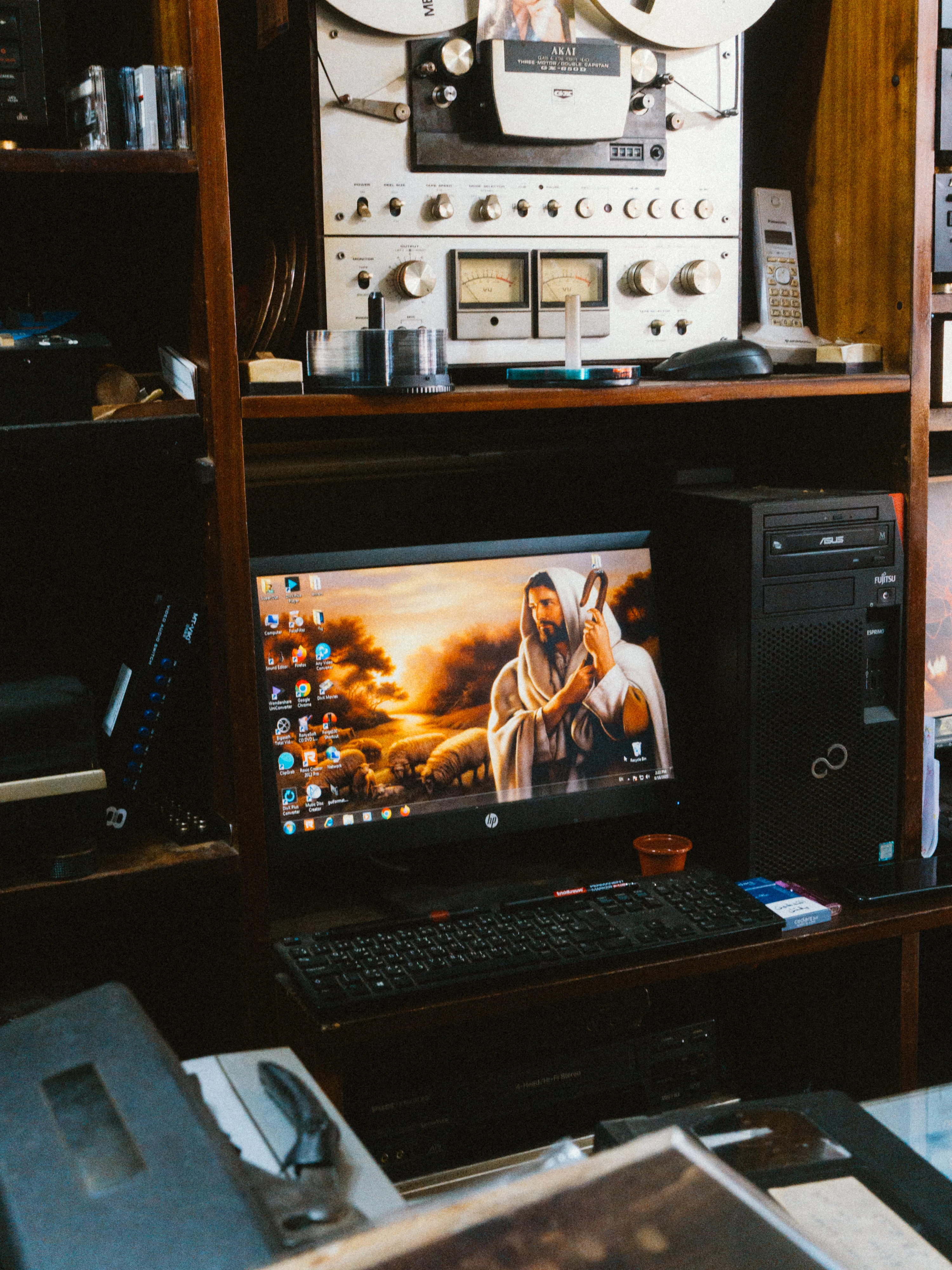
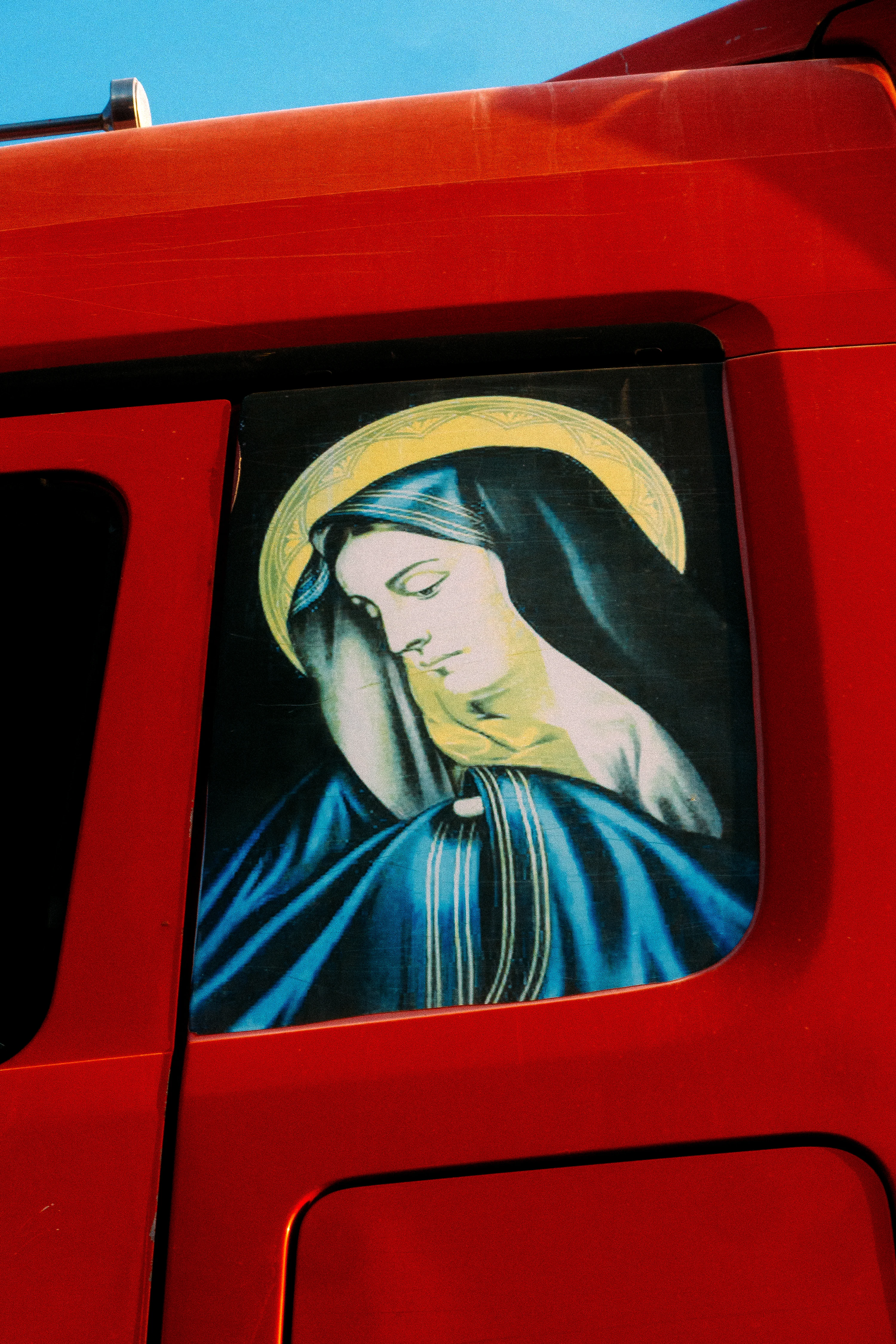
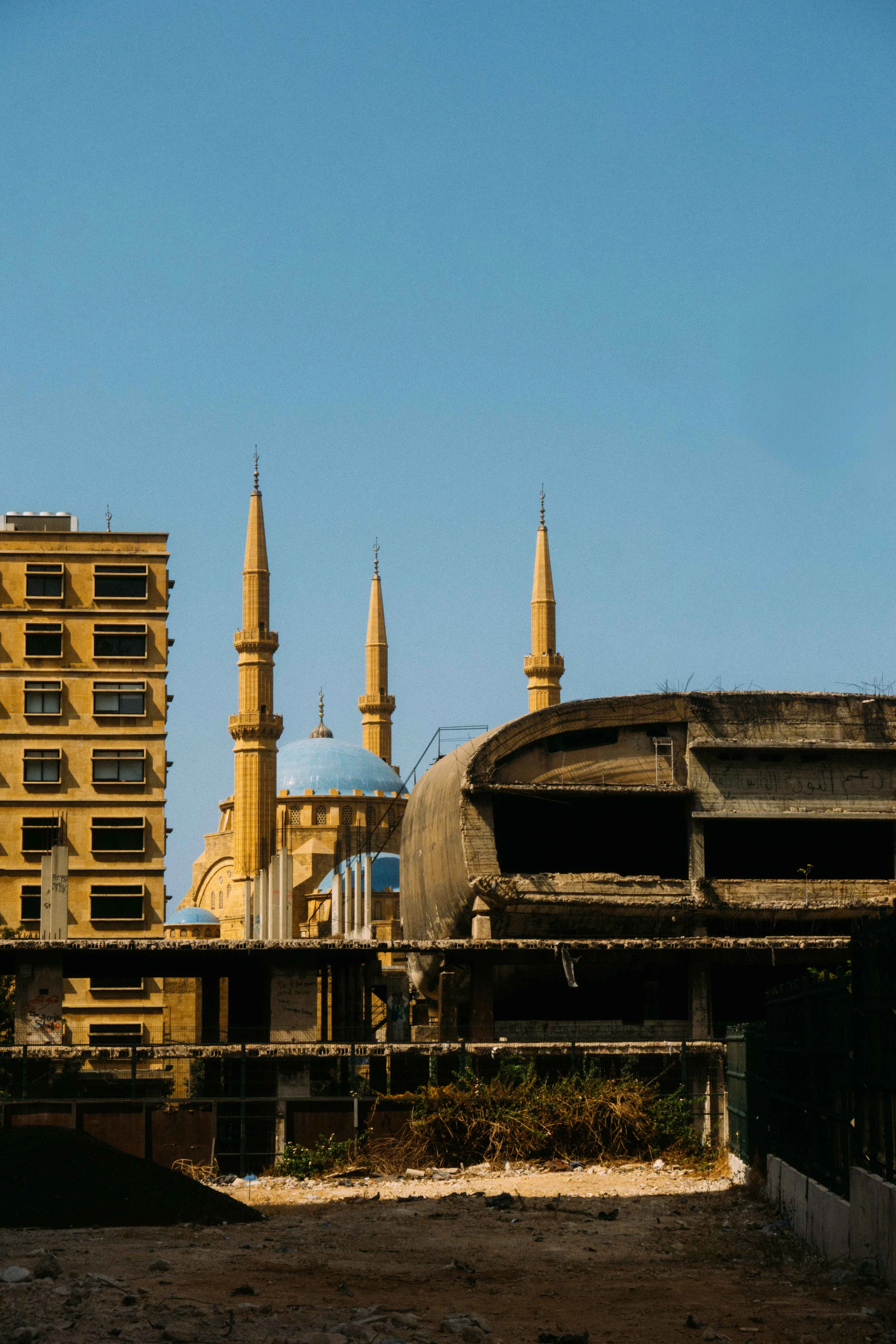
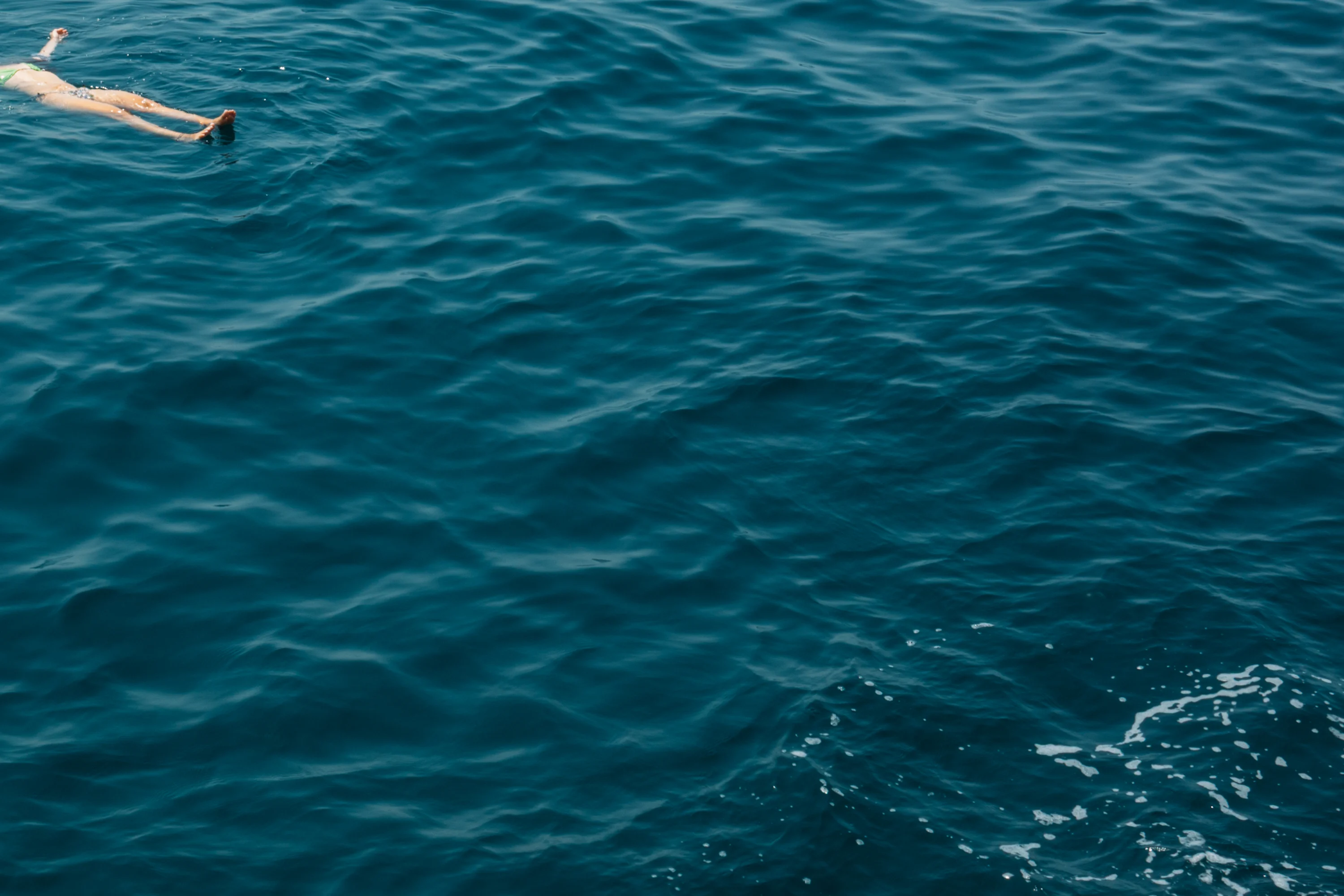
In a cluttered electronics shop in Beirut, surrounded by old laptops and radios, Dahlia Dandashi saw Jesus. He was glowing from the desktop wallpaper of what she describes as a “thousand-year-old HP computer,” leading some sheep. “I was like, this is insane. Where did he even get this? I love it,” she laughs. The image became one of the most striking in “Our Gods Are In The Details,” a series full of moments where the sacred and everyday unexpectedly meet. There’s the Virgin Mary peering out from a sticker in a truck window, a mosque glimpsed from a scruffy side road and a beautiful shrine hidden on a shelf in a record shop. Elsewhere, things with no obvious religious significance at all: a person floating in the ocean, a satisfyingly blue towel on a grey balcony, or a bright yellow parking ticket tucked into a black-grey car.
Dandashi found all these “postcards,” as she calls them, in Beirut. She walked and wandered for hours, allowing herself to get lost and waiting to see what might stop her. “There’s beauty in the everyday,” she says, “and I think we forget that things can be divine in our daily lives.”
When something catches Dandashi’s eye, she tries not to decide too quickly whether it’s worthy of her attention. Instead she thinks about “giving it a chance,” approaching an otherwise ordinary object or scene with curiosity and kindness. “If I feel this curiosity,” she says, “I think it means it’s worth me having this conversation with this object or this moment or this postcard or this quotidian scene.”
There’s beauty in the everyday, and I think we forget that things can be divine in our daily lives.
Born in Texas to a Lebanese father and Syrian mother, raised in expat communities in Dubai and now living in New York, she calls herself a “third culture kid,” shaped by many places while still feeling “very Arab.” She traces her obsession with color partly back to childhood visits to Syria and Lebanon—colorful tiles surrounding fountains in Syrian homes, or the remnants of a demolished building in Beirut revealing that it was once painted pink.
Growing up Muslim and surrounded by people from many backgrounds, she became fascinated by the different ways people make sense of the world. But that curiosity wasn’t always easy. “I felt guilty for asking questions, for being curious about other religions and ways of life,” she says. “I found it hard to accept that our lives should be dictated by absolute truths, or one fixed set of rules.” She began looking into Sufism, Buddhism, Christianity and Judaism, finding pieces of herself in each while still identifying as Muslim.
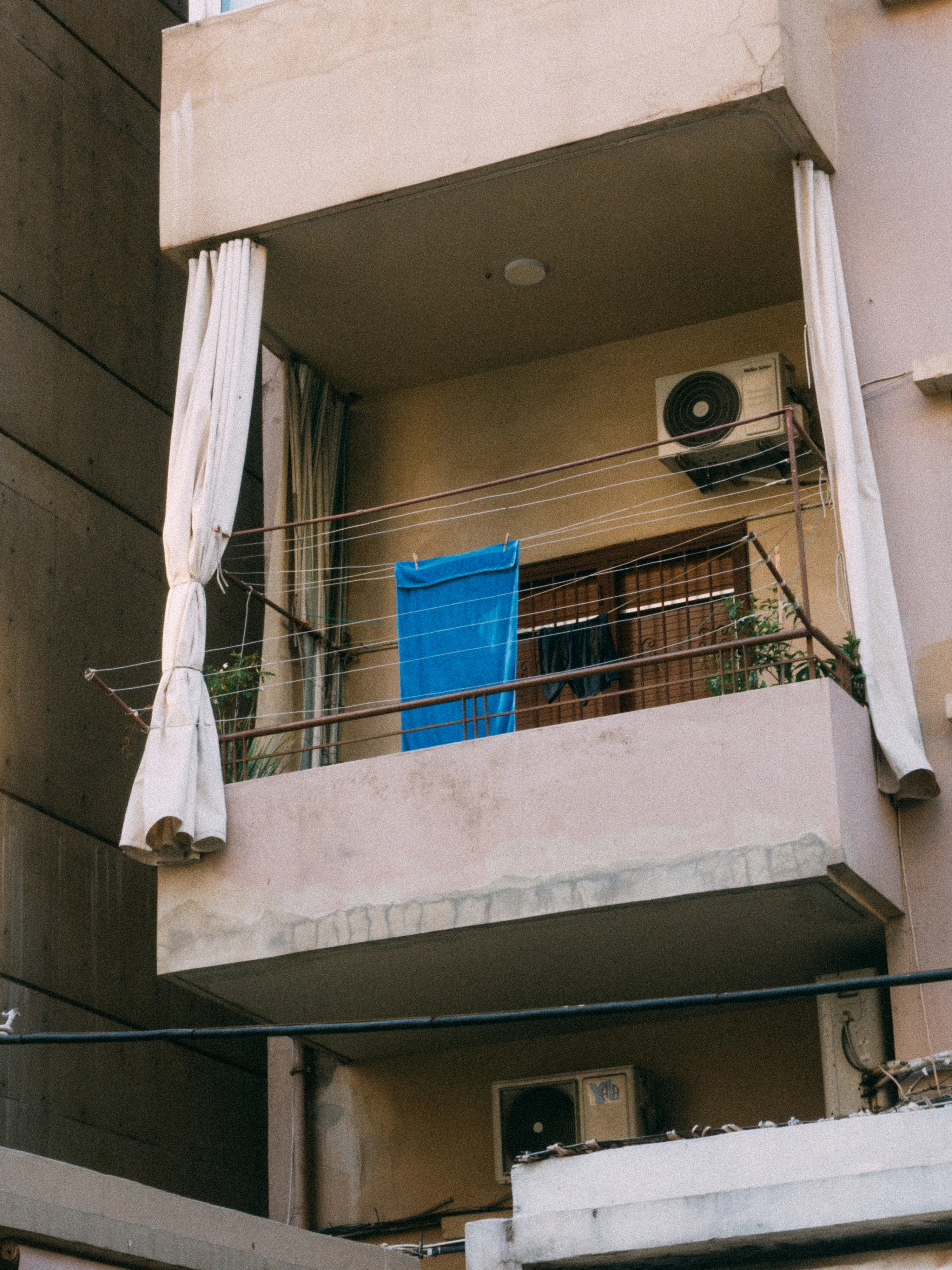
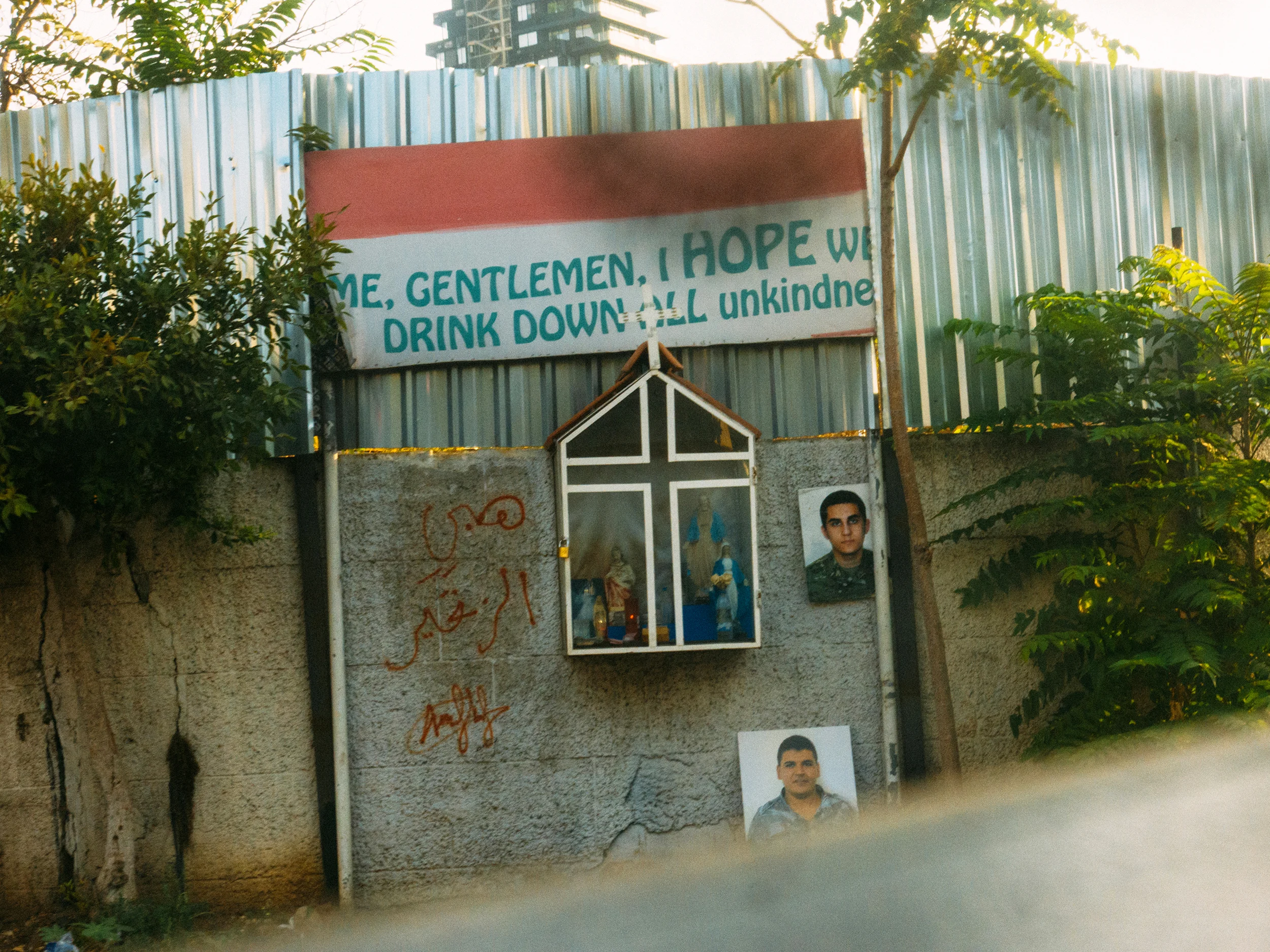
That curiosity runs through “Our Gods Are in the Details.” She playfully rubs out the lines between the things we have collectively decided are sacred and the things we haven’t. “We get to decide what an icon or an effigy means to us,” she says. “That meaning isn’t fixed, it’s ours to shape.”
For her, that might mean sitting at a mosque, keeping a little Quran in the car, expressing gratitude to the universe at the beach, or watching light move through the stained glass in a church. “Isn’t it all the same thing?” she asks. “Aren’t we just connecting to the earth, to the universe, to the beauty of the everyday, no matter what? Something as small as the way waves cut a perfect diagonal line near a friend swimming, that’s enough for me to believe in something.”
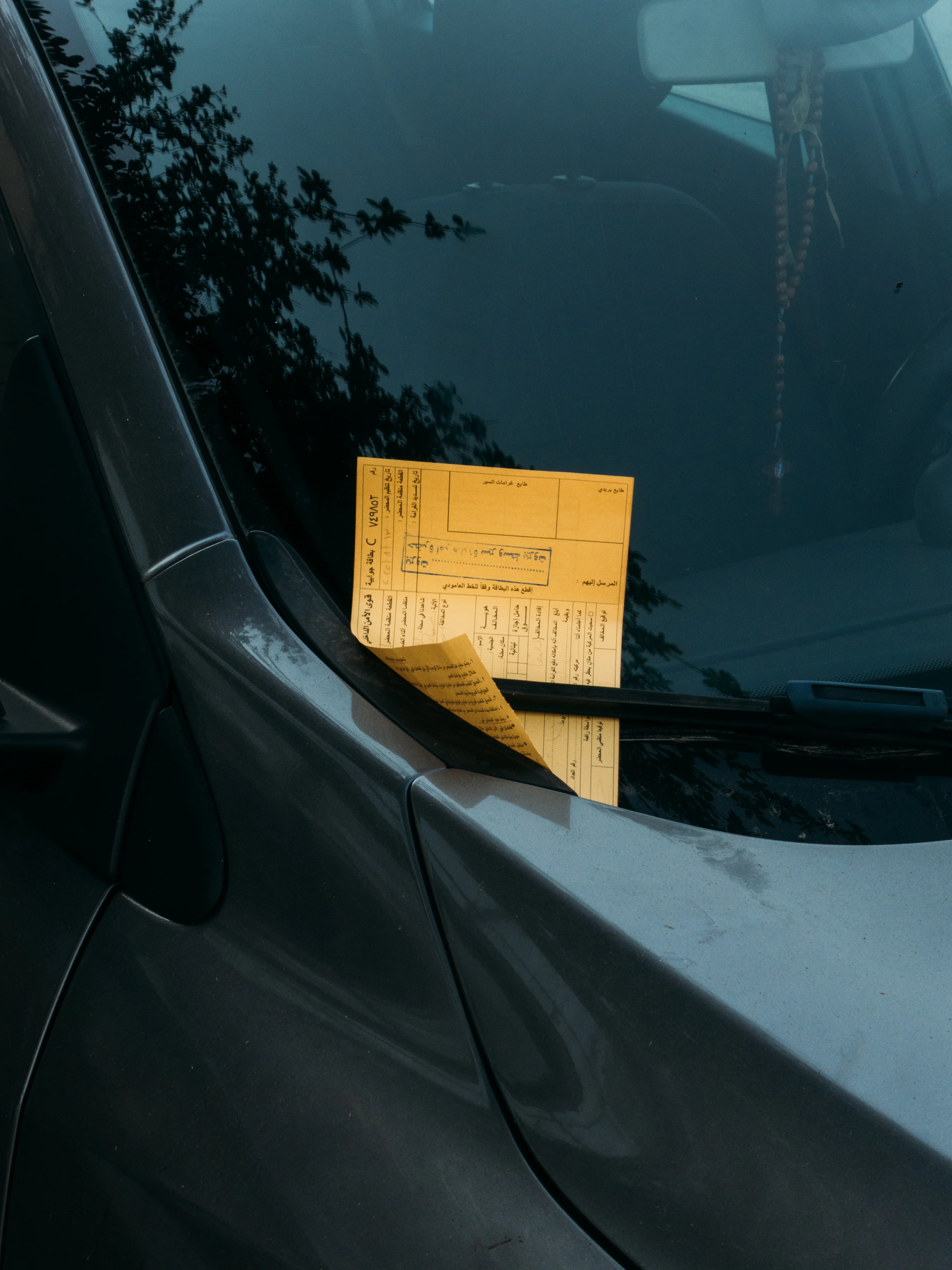
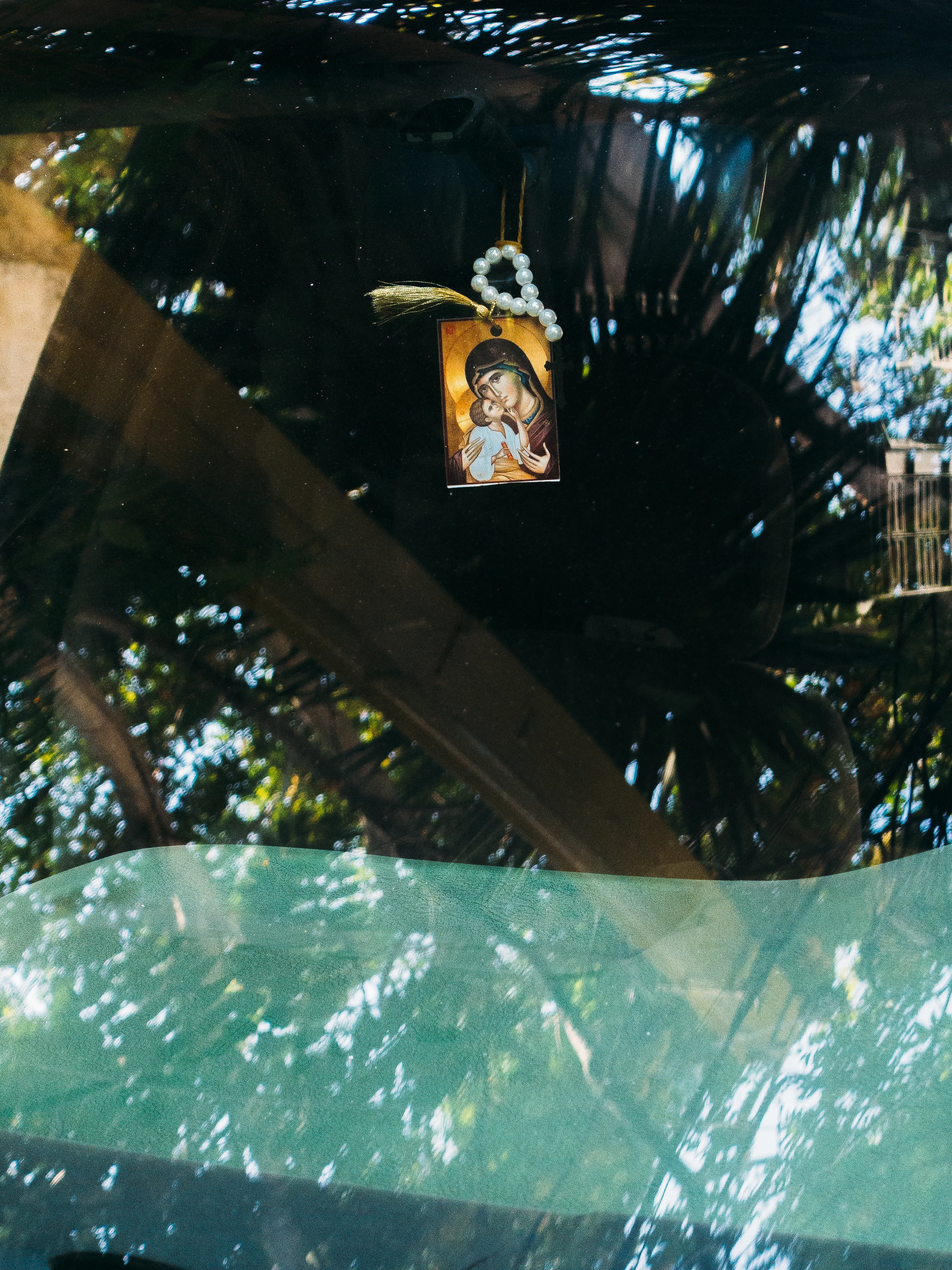
We get to decide what an icon or an effigy means to us. That meaning isn’t fixed, it’s ours to shape.
When she talks about who she is making these images for, she thinks particularly of her father, who has worked throughout her life and continues to work today. “I never felt like he stopped to smell the flowers because he wasn’t able to,” she says. For Dandashi, the freedom to wander, look and be absorbed by seemingly inconsequential things is something her parents’ generation didn’t necessarily have.
On an upcoming family trip to Lebanon, she plans to give each of her parents a disposable camera and ask them to photograph whatever catches their attention. “I just want them to see things,” she says. Growing up, she recalls, emotions weren’t always easily spoken about at home. Photography and writing became ways of expressing what she couldn’t always say aloud. “That was the way I could finally talk about my feelings and my thoughts and have these conversations,” she says.
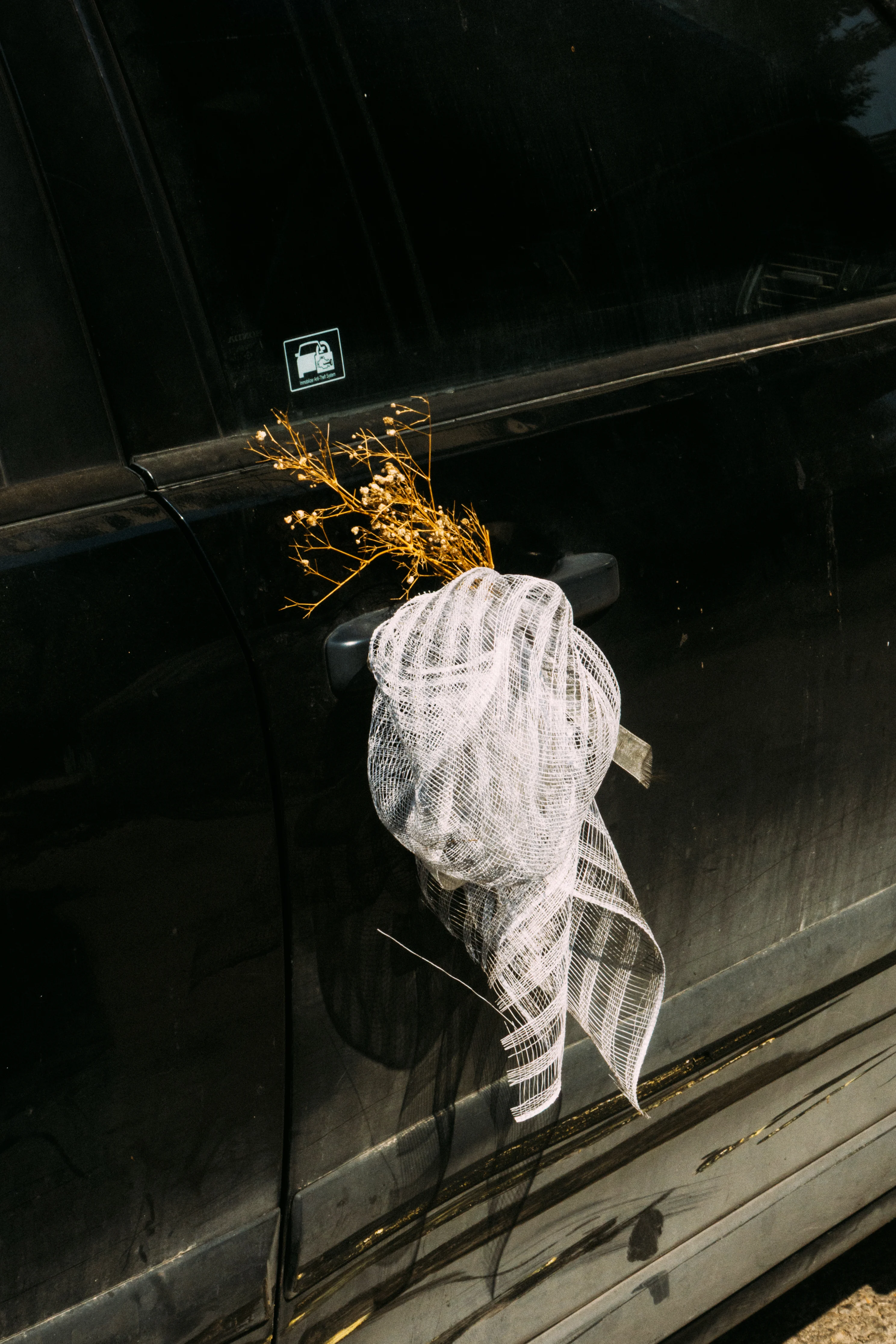
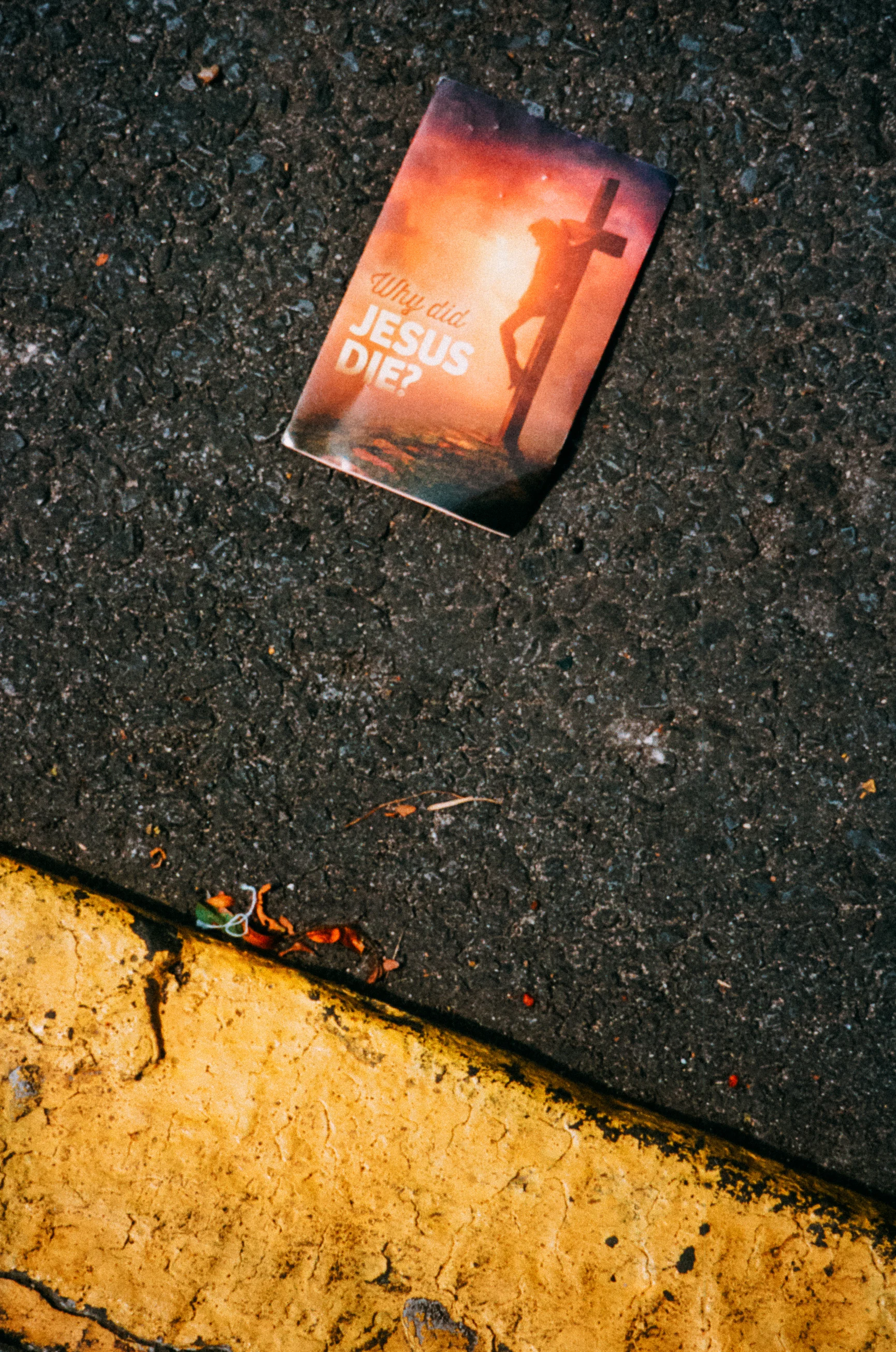
Recently, at the Dead Sea in Jordan, Dandashi had one of the world’s most striking lakes stretching out in front of her. Yet it was the ground beneath her feet that she couldn’t stop looking at. Rocks, salt, sand, even a stray piece of string. “Of course the water was beautiful,” she says. “But I was obsessed with the rocks on the floor.”
“Our Gods Are in the Details” asks us to look again at where we find meaning, beauty, and maybe even something divine. “It’s really just about going on a different walk or sitting in a different place,” Dandashi says. “I promise you will see something.”