
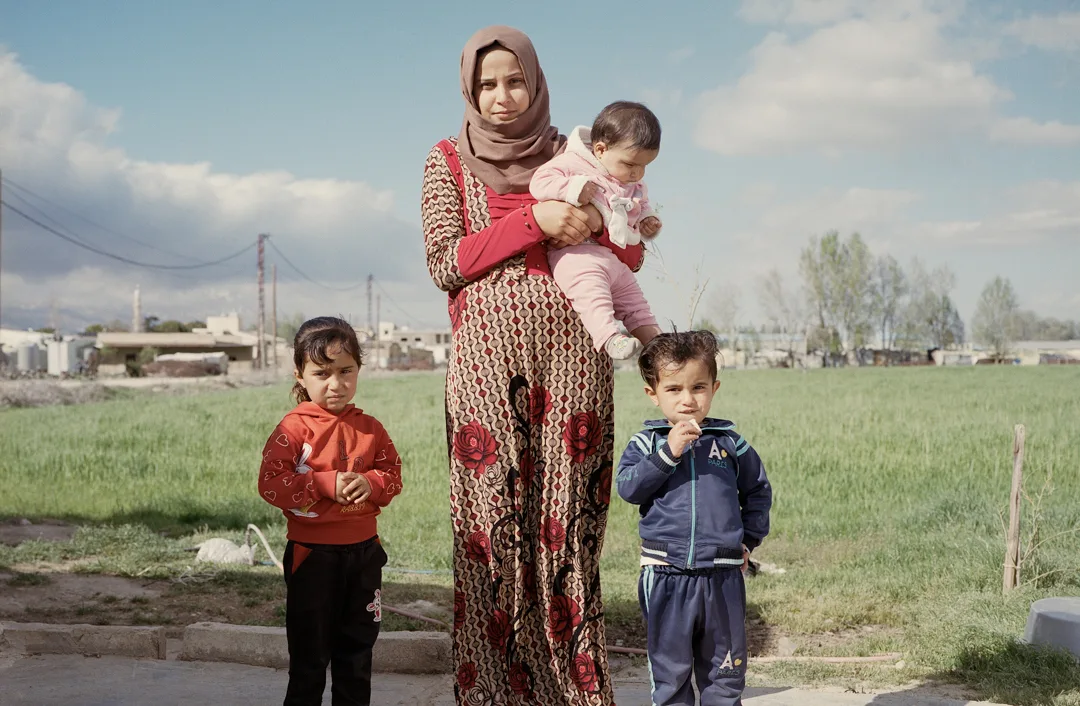
In 2025, the UNHCR estimated that there are 4.5 million stateless people in the world, of which approximately one third are children. However, experts estimate that the actual number could be as high as 15 million. Photographer Chiara Wettmann spent five years documenting statelessness across Syria and Lebanon, where she is based, for her project “Stateless.” She tells Alexander Durie about the prolonged time she spent with each family in the series, and how she hopes telling stories like theirs can not only raise awareness, but even spark policy change.
For years, Nader* lived in Wadi Khaled, an area in northern Lebanon near the Syrian border. He grew up with stateless parents, without any recorded nationality, and it was a heavy burden he was forced to inherit. Like millions of stateless people around the world, he faced immense challenges to merely exist in society. He couldn’t open a bank account, own property, get a formal job offer, buy a sim card, travel abroad or pass official exams, so he left school early and got an unofficial job paid in cash. Employers could easily exploit him due to his vulnerable status, which essentially stripped him of basic civil rights.
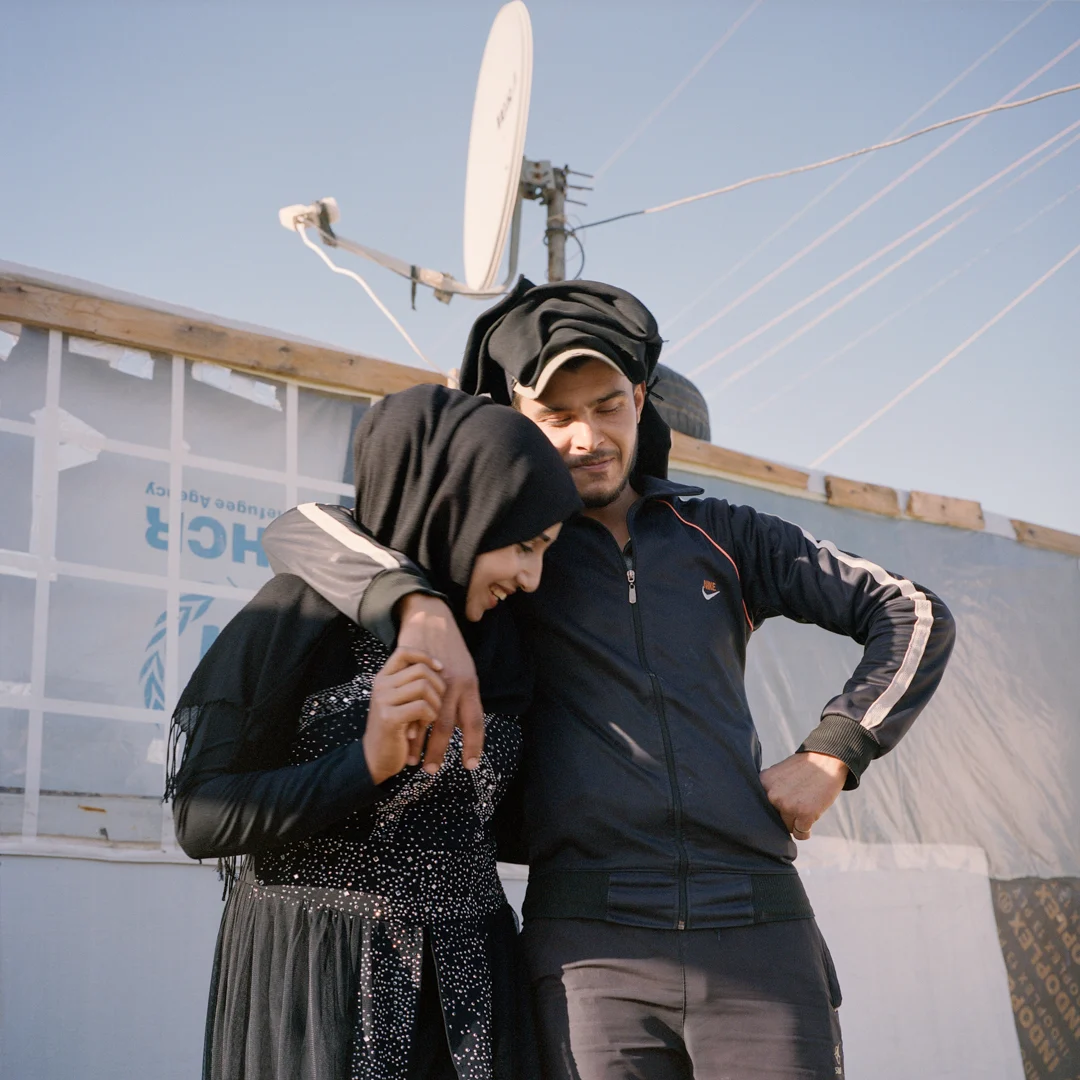
What happens before an image is the most important part, and also what happens after… The photo is just the outcome of what both sides poured in.
Even at checkpoints in Lebanon, photographer Chiara Wettmann, who knew and documented Nader’s story, says that a lot of soldiers and authorities “don’t know about statelessness,” so Nader was often mocked and sometimes detained by authorities after they saw his ID card for unregistered people, known as Maktoum el Qayd in Arabic.
A few years after Nader’s cousin died, which the family chose not to declare to make things easier for Nader, he added his own photo and details to his cousin’s ID card to take over his identity. This is a common practice for stateless people, to find a loophole in a system that would keep them—and their offspring—stateless for generations. At least on paper, Nader finally had official documents that would allow him to work, study, travel safely and more.
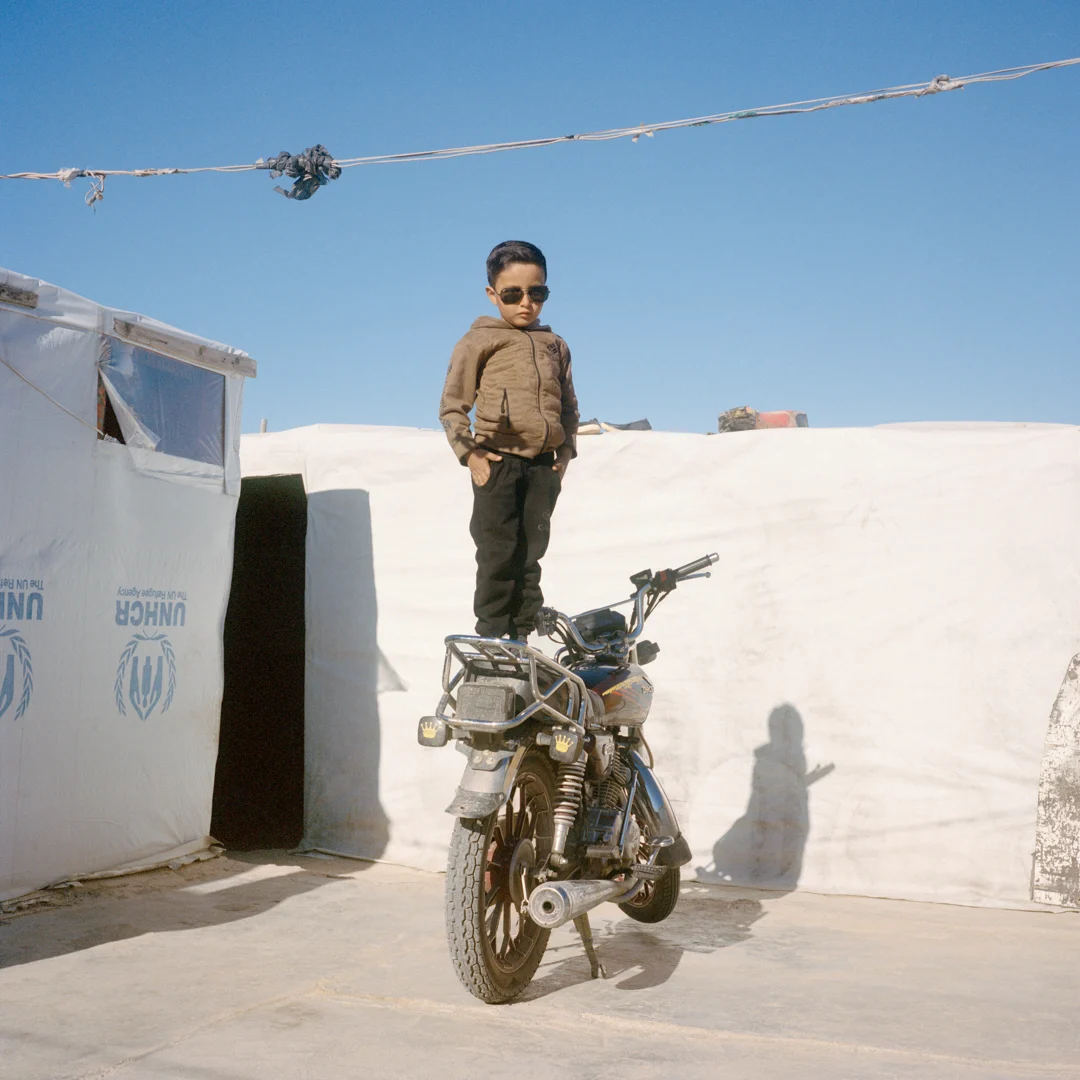
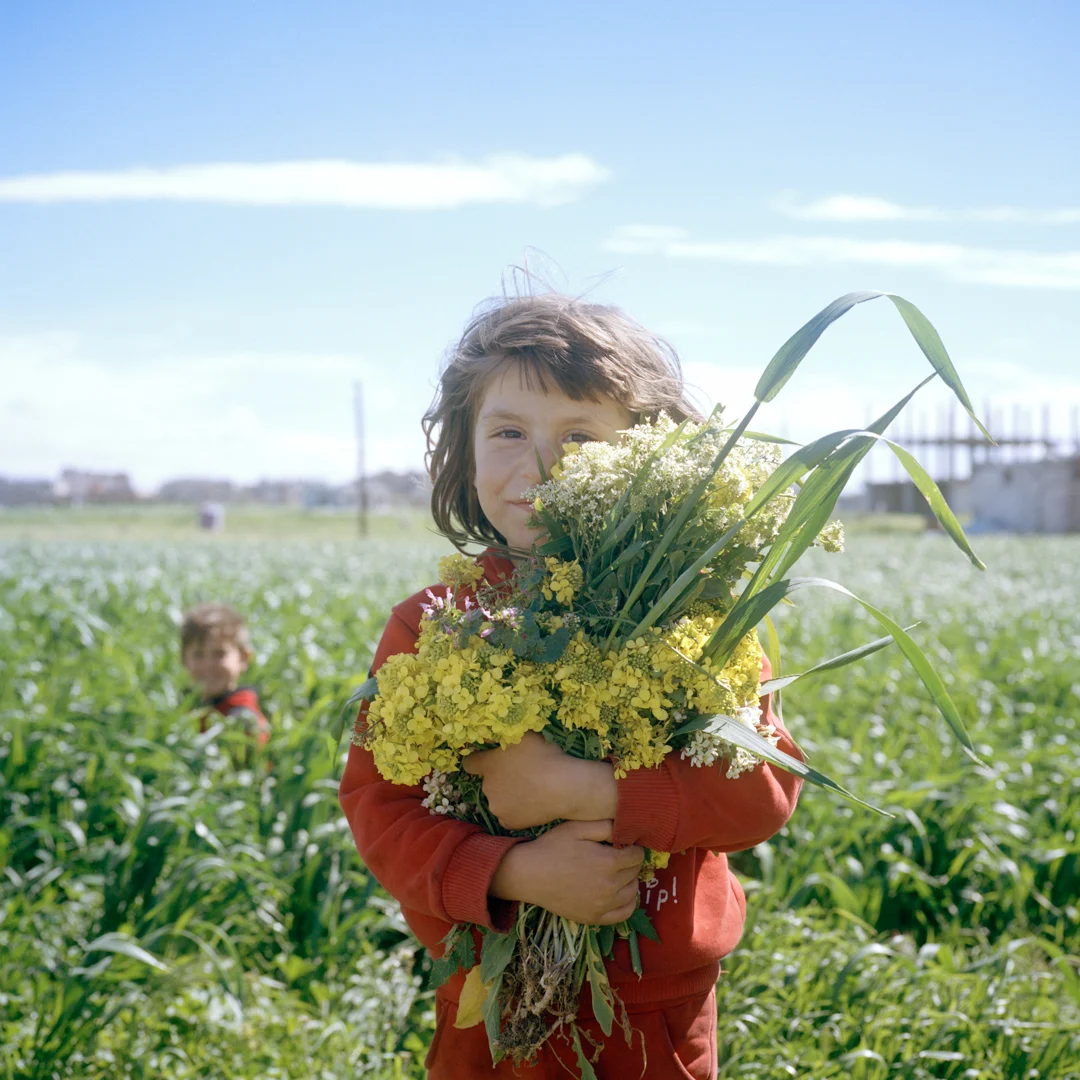
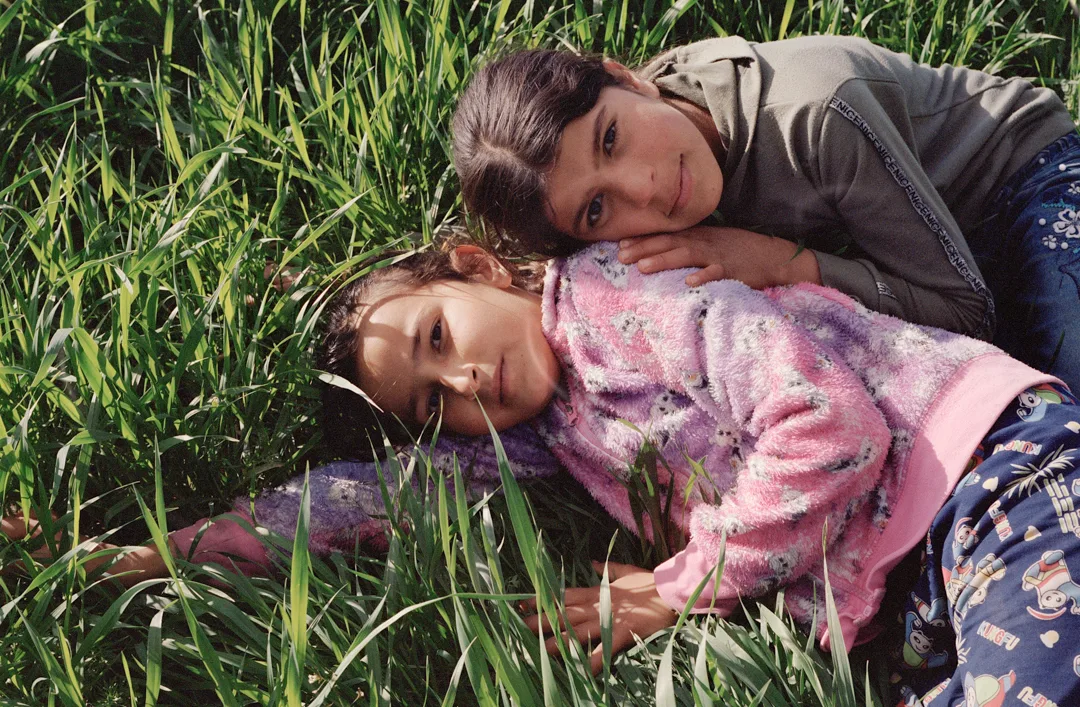
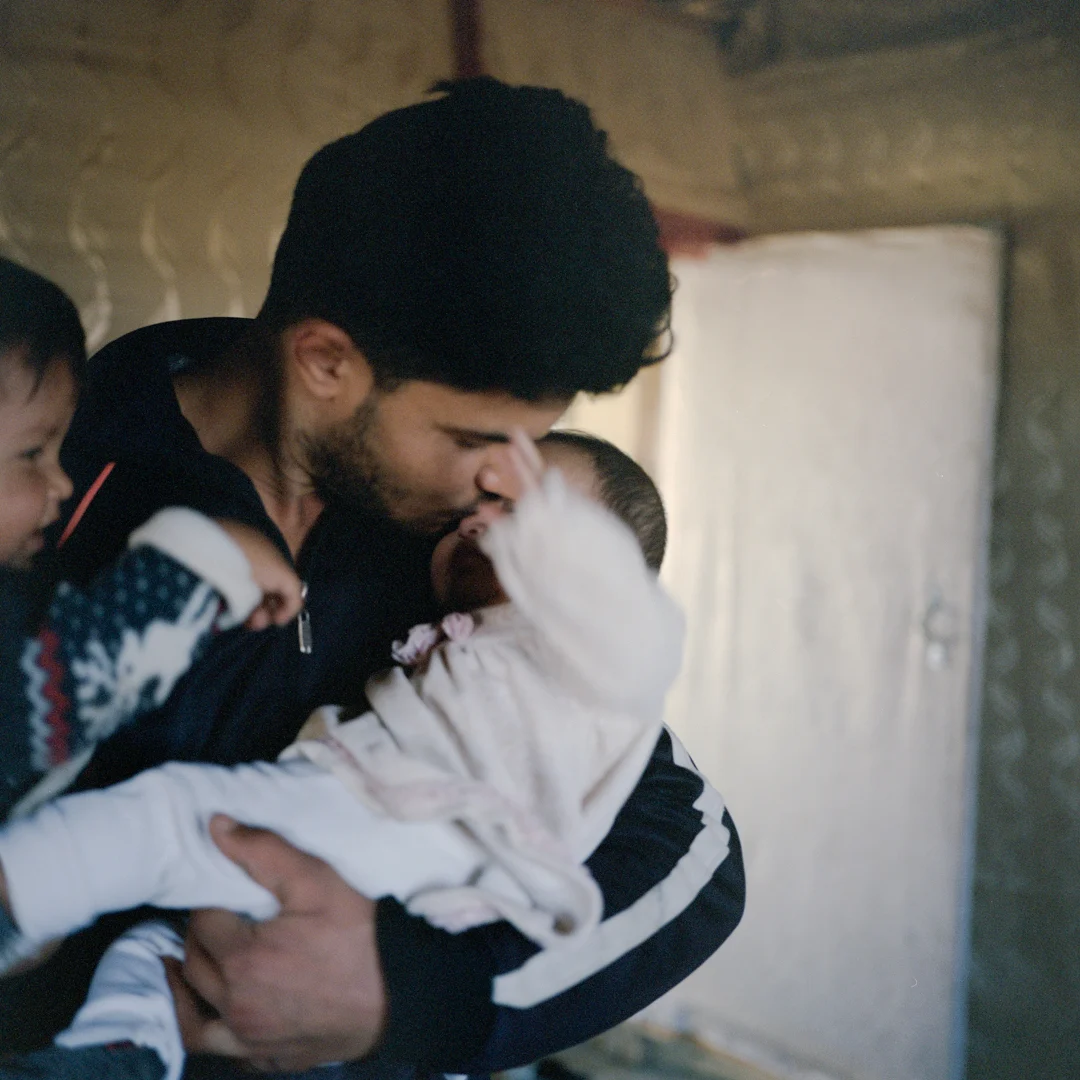
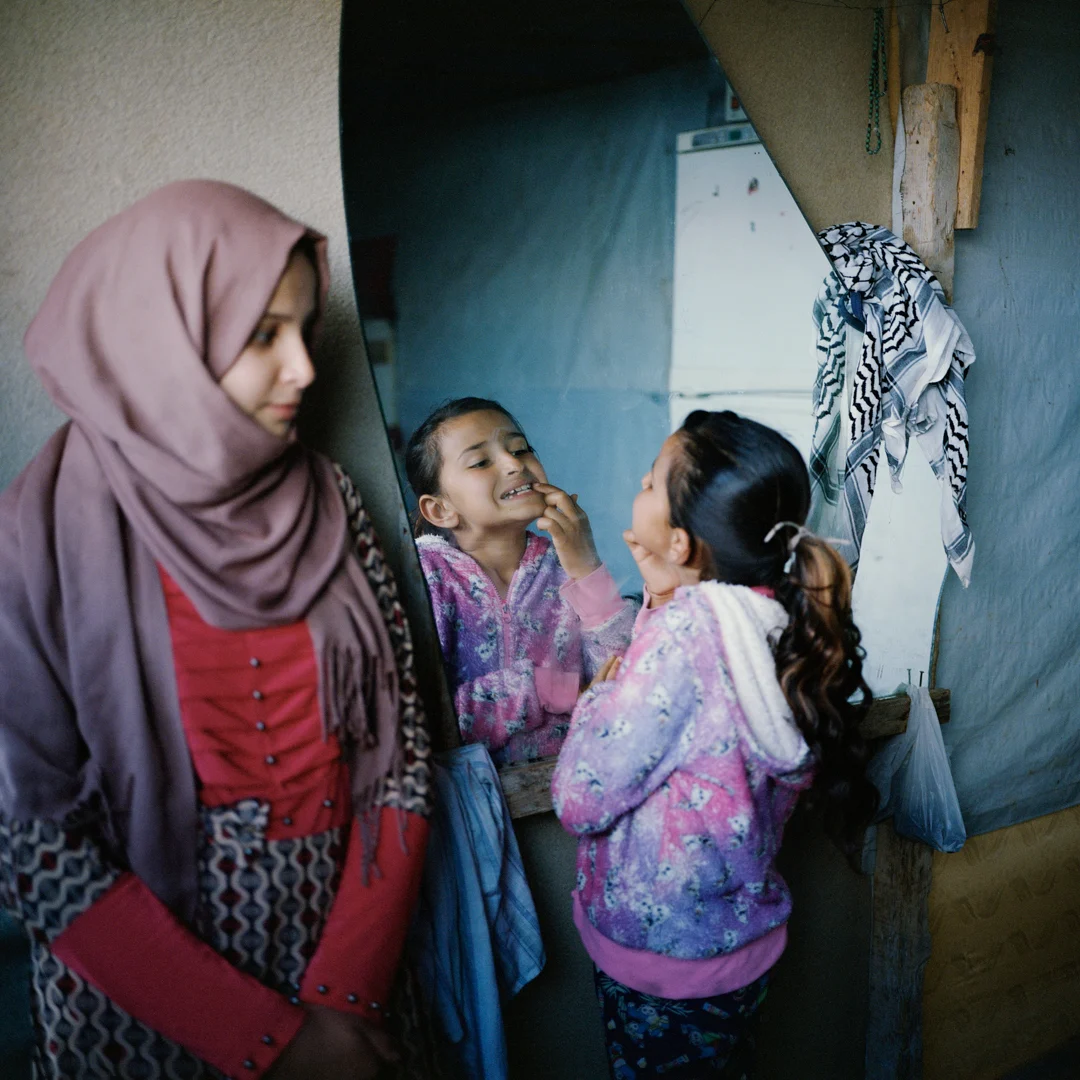
Nader’s story is one of the many Wettmann records in her photo documentary project “Stateless”, which is being released as a book this November by Four Eyes Editions. The book mainly consists of portraits of stateless people of Palestinian, Lebanese and Syrian heritage she met and spent time with over five years, and is an attempt to raise awareness and spark discussions—and even policy change—on this extremely common but underrepresented phenomenon.
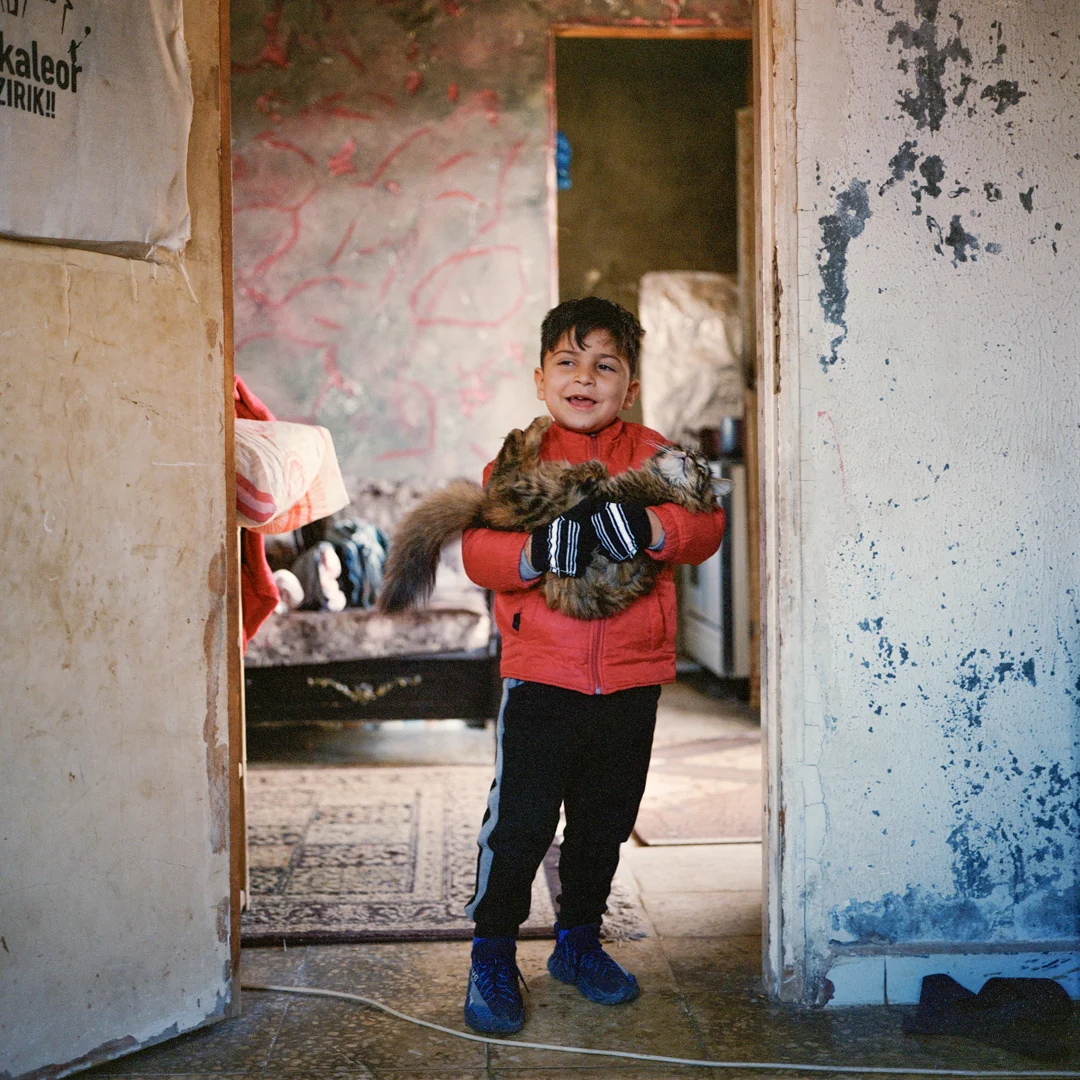
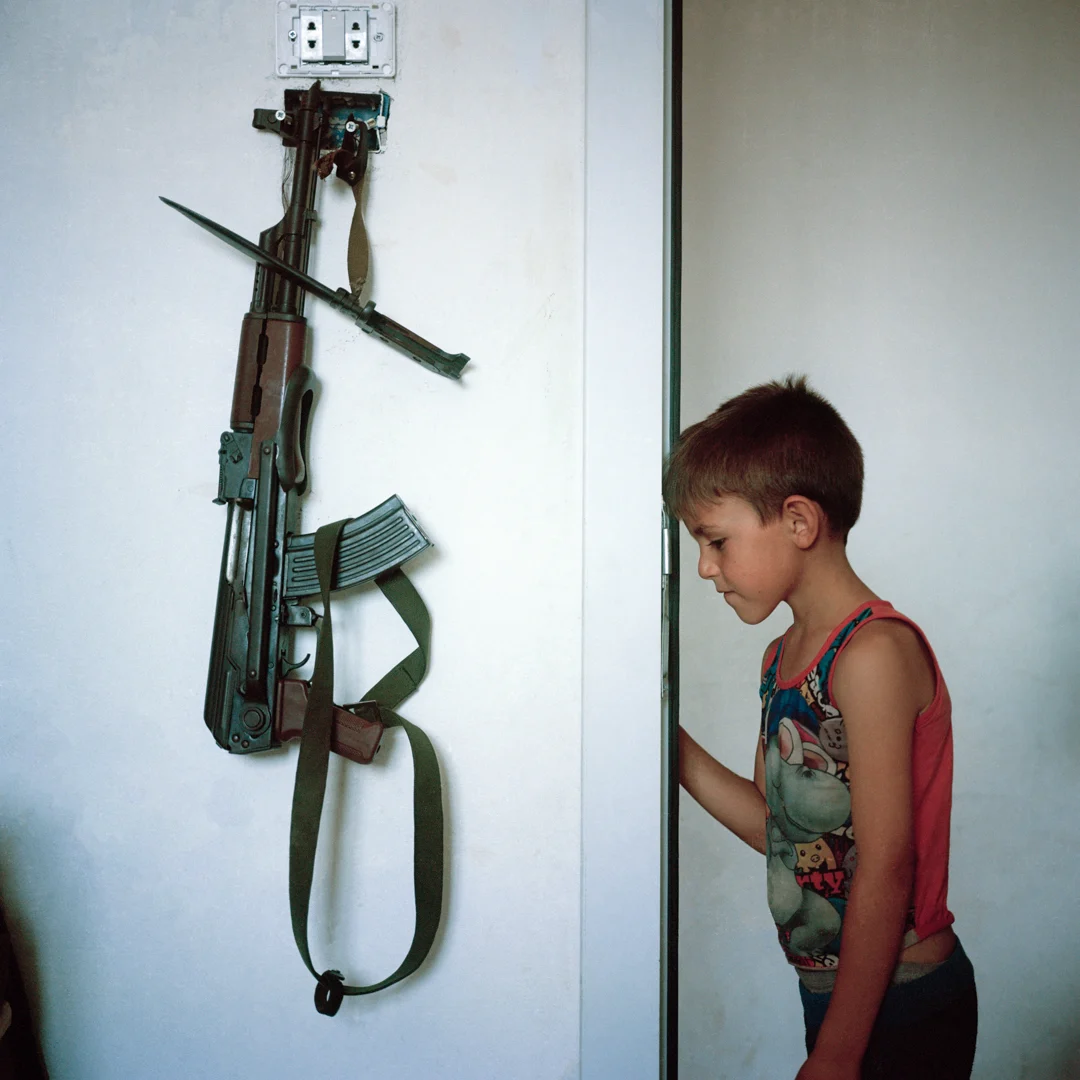
It is a global issue far from limited to Lebanon and Syria, where Wettmann’s photos were taken. The UNHCR estimated in December 2025 that there are 4.5 million stateless people in the world, of which approximately one third are children, but experts estimate that the actual number could be as high as 15 million. Statelessness is very difficult for individuals born into it to escape. For example, around 25 states around the world do not allow women to transfer their nationality to their children, a law still in place in Lebanon and Syria. Many people Wettmann photographs in her series are in this situation, especially children, underlining the intergenerational burden of statelessness.
This is the case for Sam March, a writer and activist who founded The Right to Be campaign to spark policy change around statelessness, and wrote the introductory text for Chiara’s book. She writes that “Statelessness is not just the lack of a passport, but the annihilation of one’s civil identity along with their fundamental human rights.”
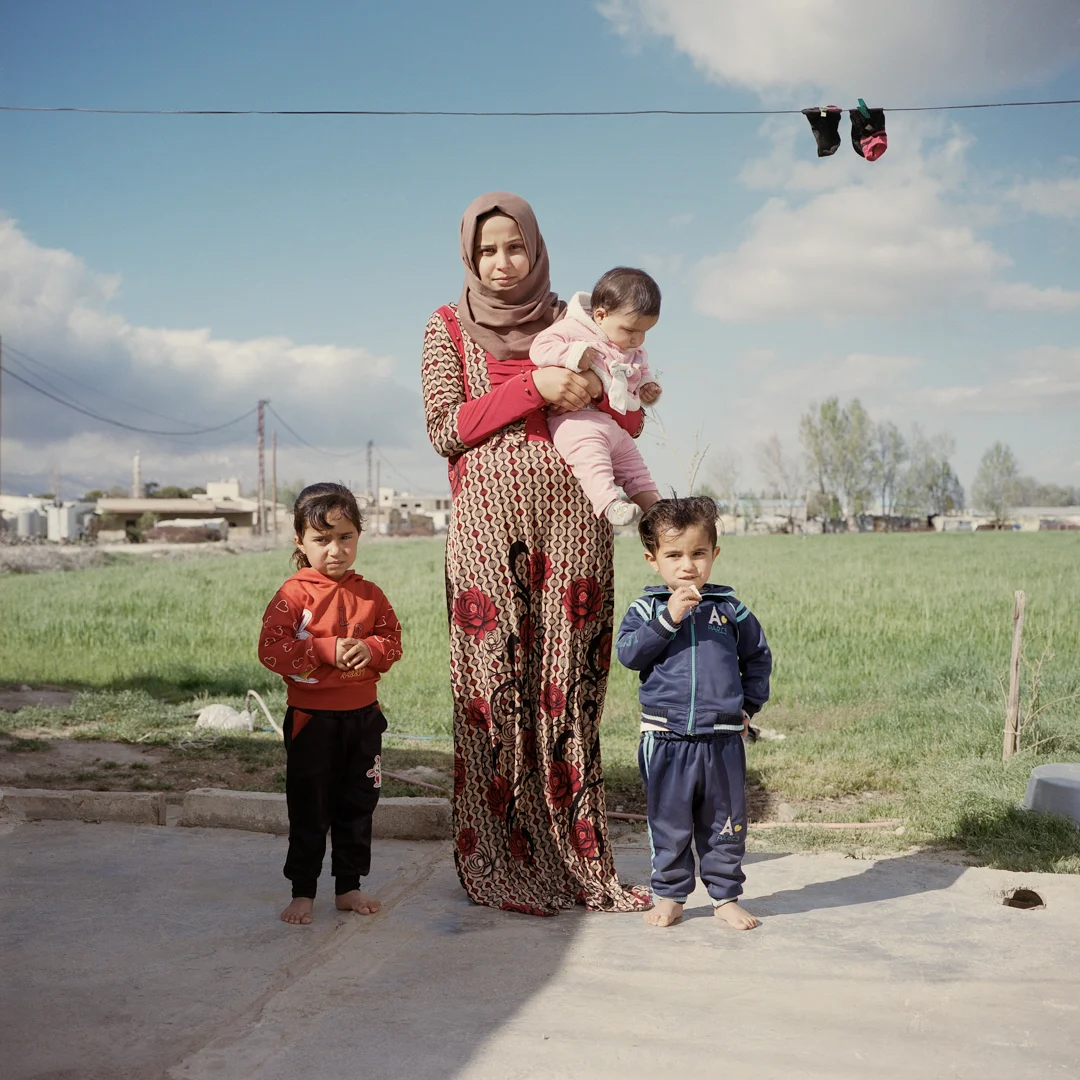
Wettmann explains she grew up in a “a very leftist family”, with many friends of migrant background, including two who were stateless themselves and had nightmarish experiences navigating life in Germany. This context meant that she was conscious early on of “the inequality of life on Europe’s borders, and in Germany.” Having friends who were stateless made her realize how commonplace yet horribly difficult this was. “It can be your neighbour, it can be someone from your school, it can be someone from your work,” she says.
Wettmann studied at Berlin’s Ostkreuz School of Photography when she was younger, but otherwise she admits not being particularly interested in photography for a long time. “I was always interested in politics,” she says. “Photography was just a medium for my political interests… It’s always been more about the topic than about the photo itself.”
In 2018, she was already thinking of doing a project on statelessness, but she was struggling to take portraits of stateless people in Germany, where almost no-one wanted to show their faces or share their stories. In 2021, Palestinian and Egyptian friends of hers in Berlin, who had family connections in Lebanon, invited her to come along with them to Beirut. When she was there, everything became clear for her.
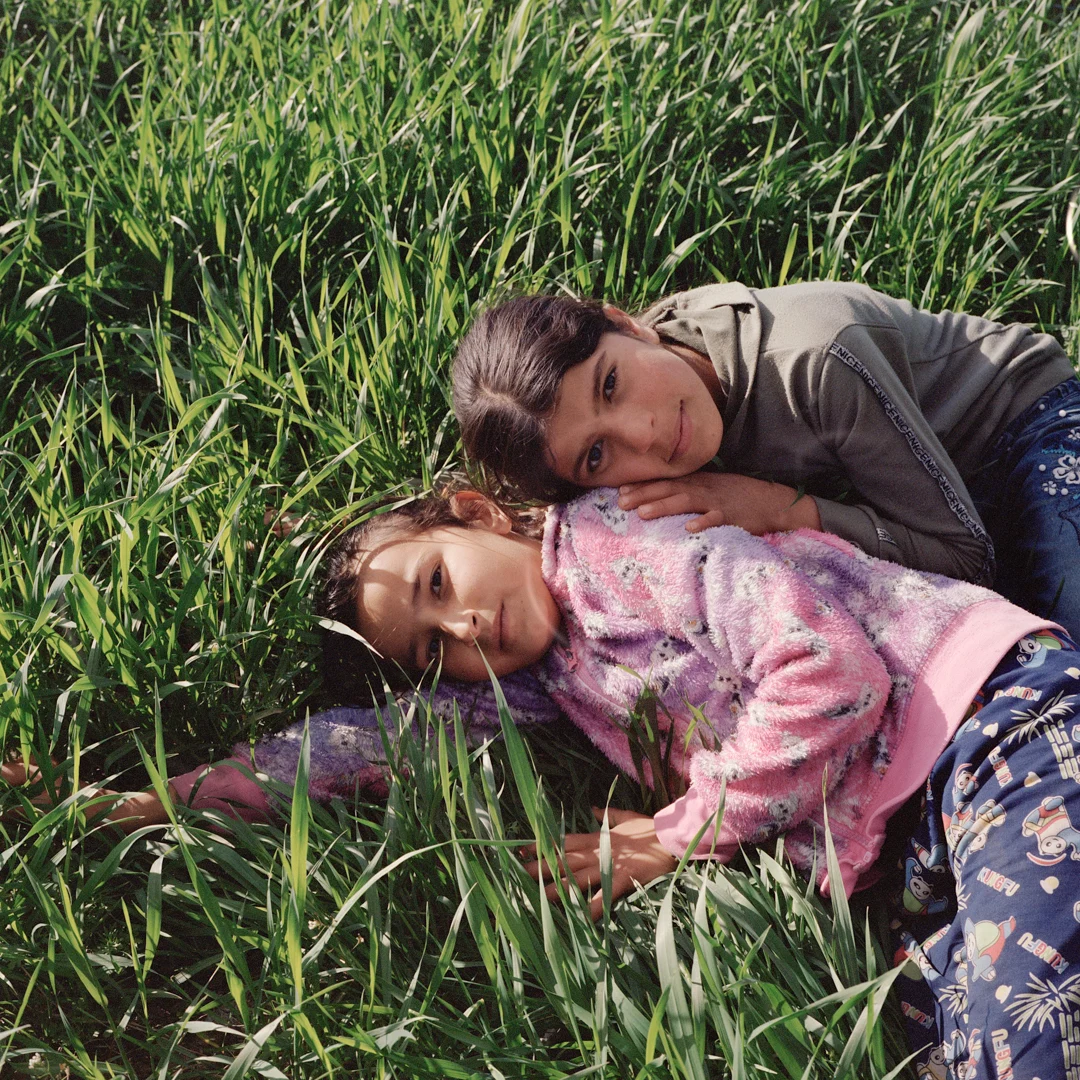
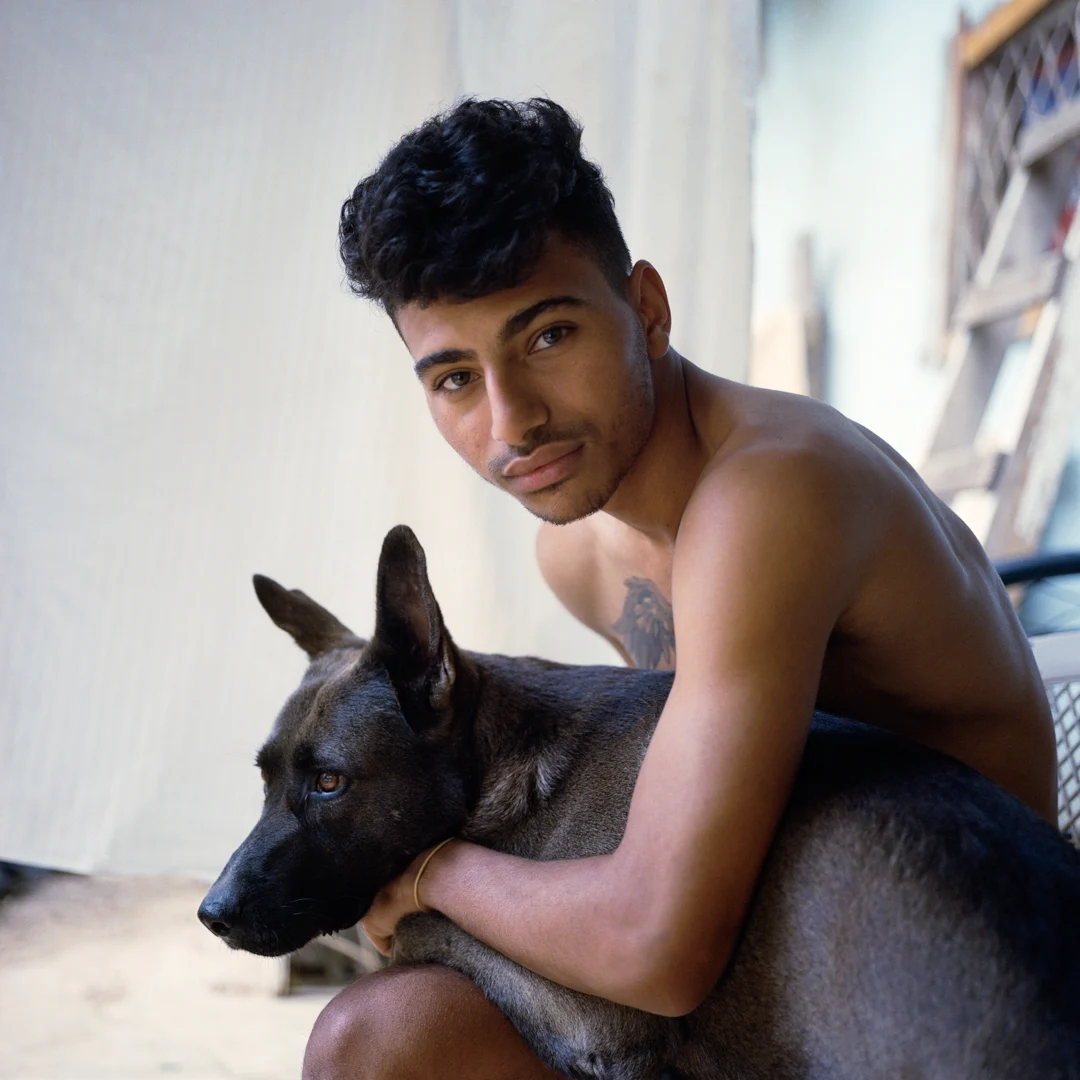
“I have to work on this topic here in Lebanon because there is the situation of the Palestinian community,” she says. “There are so many Lebanese people who are completely undocumented here, and then there are Syrian refugees who had to leave their country after the revolution.” The time she poured into the project allowed her to capture many intimate scenes in people’s daily lives. She follows the same five families in the series, people she met organically through friends of friends; many people contacted her over time with suggestions of stateless people who were happy to be photographed. “I’m very honest with people about who I am and what I want, and I don’t like to work very fast and overwhelm myself and the protagonists,” Wettmann says about how she gained people’s trust.
She didn’t initially intend to photograph children either, but she did “because the children were so interested.” Wettmann carried both a digital and film camera with her, and she would lend her digital camera to children for them to play with while she used her Mamiya 6 to take these still images, often at people’s homes after long hours of conversation.
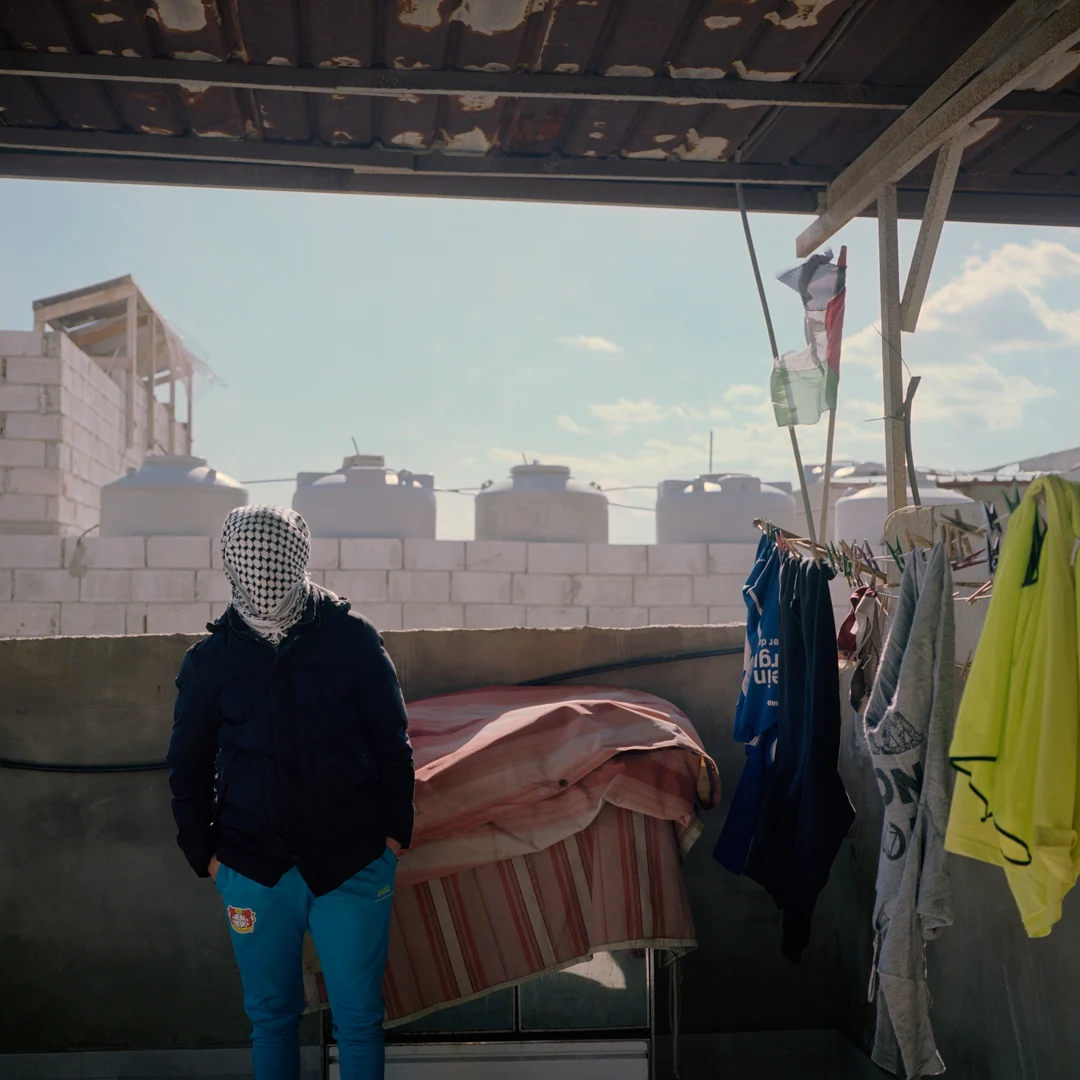
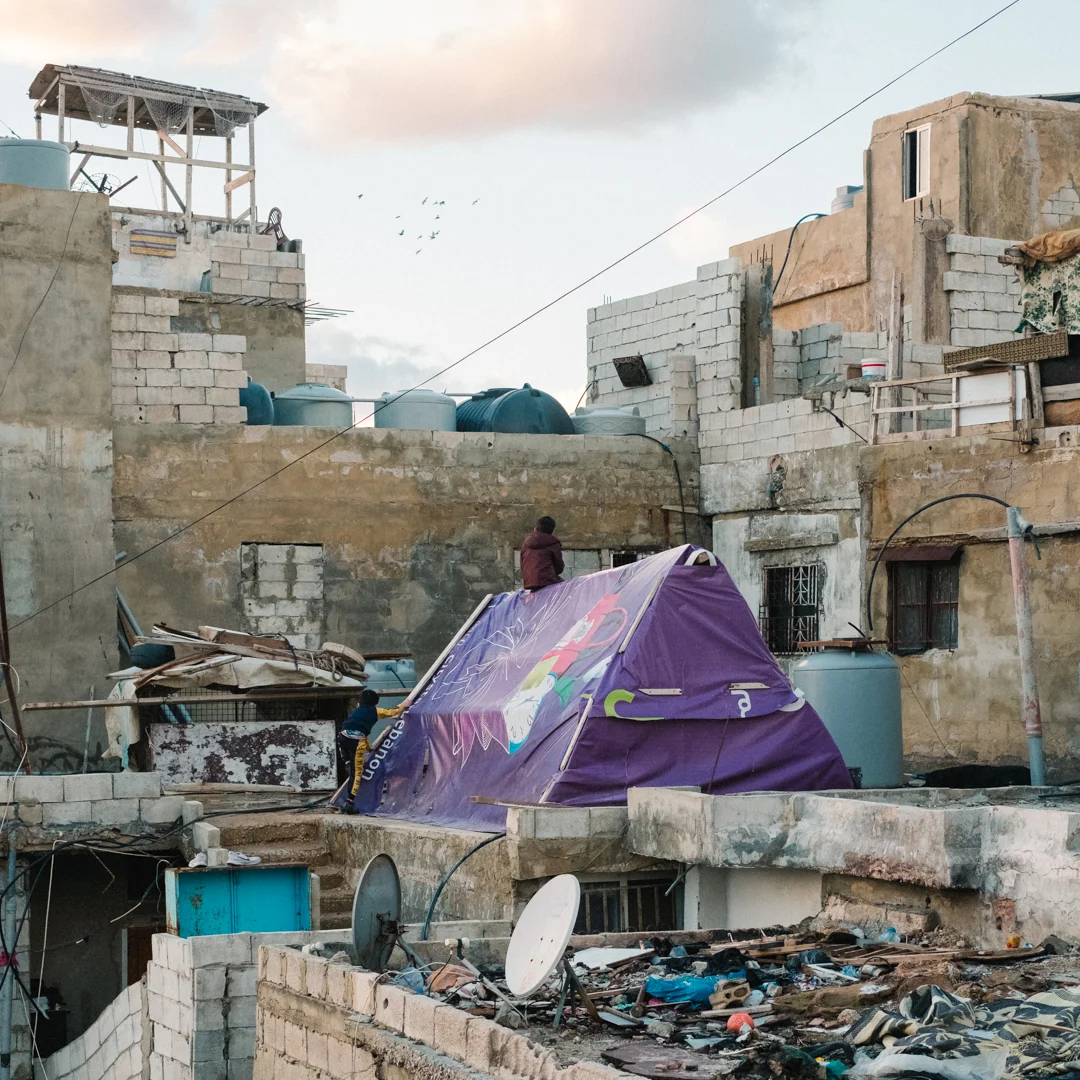
“What happens before an image is the most important part, and also what happens after,” she says. “The picture is just a small detail in all of that, and the photo is just the outcome of what both sides poured in. There’s so much work, there’s so much trust before that, and sometimes I don’t think people see it, or they don’t realize it.” In this type of long-term documentary photography, Wettmann says that the “perfect picture” doesn’t really have much to do with technique, although it’s important. What’s really essential is “building time.”
This is a practice Wettmann has found clashes with photojournalism, which requires a speed that has often made her feel uncomfortable. “I lost so many stories because I decided to be loyal as a friend,” she says. Many of the great photographers simply observe, spending time with people for the sake of it. They linger without expecting a good picture to come, and this looseness with time strengthens their work in the long-term. “I know that what I can do best is just hang around, so I just hang around everywhere,” she says. “What sometimes drove me crazy working in journalism is that I don’t want to use everything as a story. Sometimes it’s just important to smoke the cigarette and shut up.”
* = Name changed for security purposes